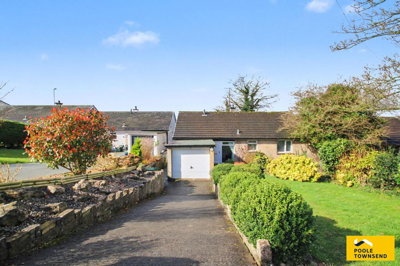
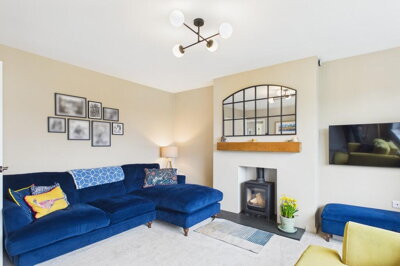
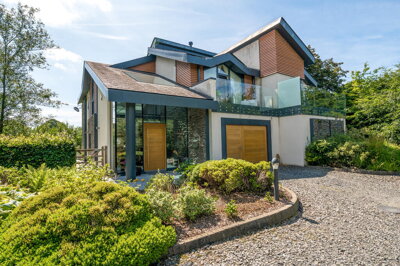
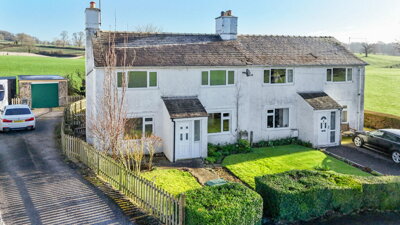
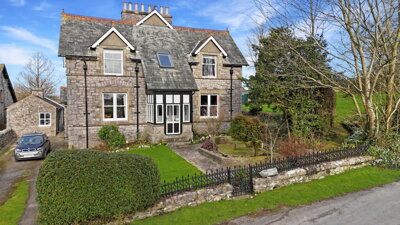
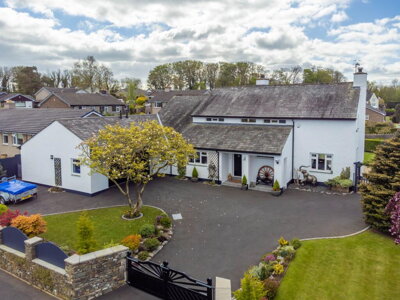
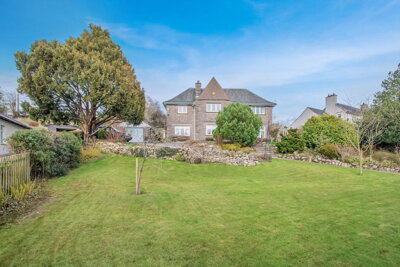
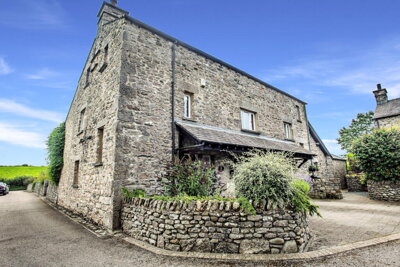
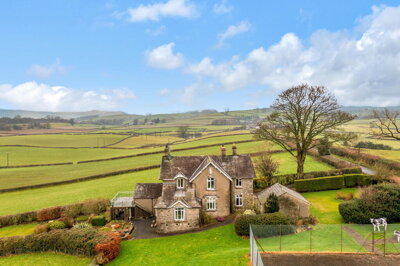
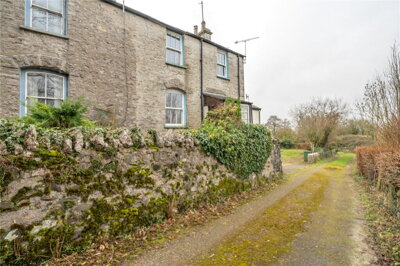
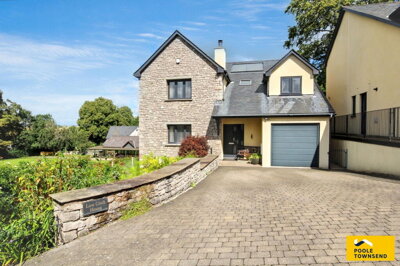
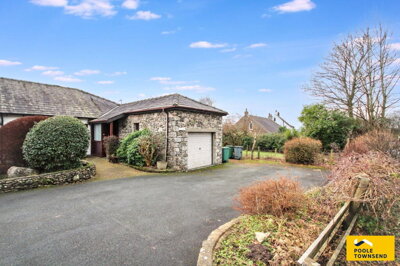
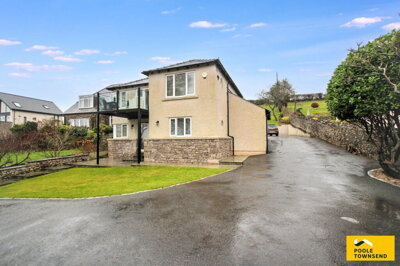
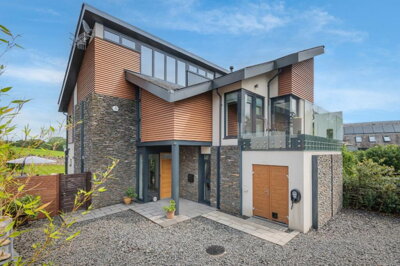
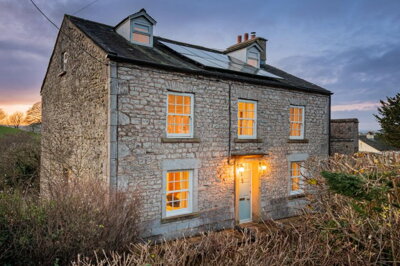
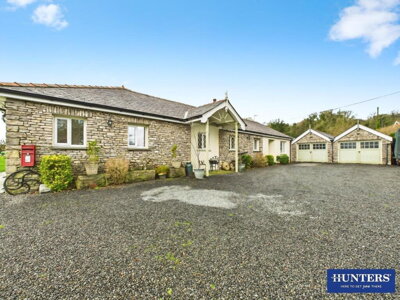
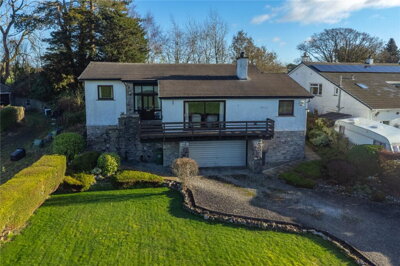
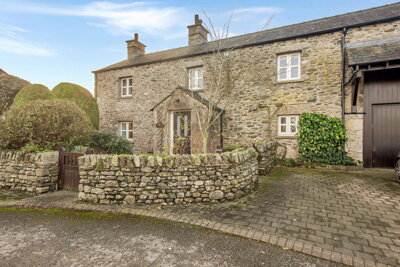
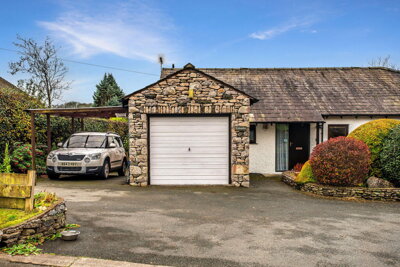
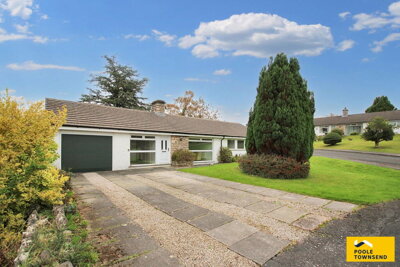
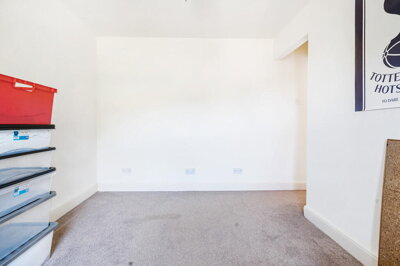
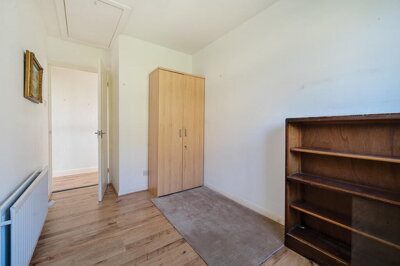
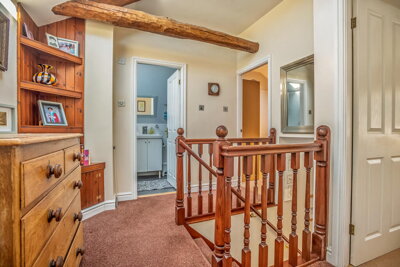
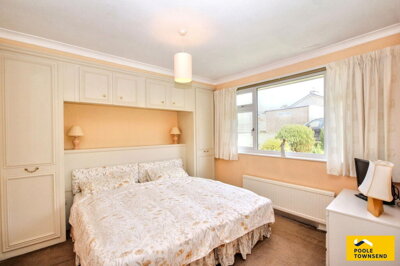
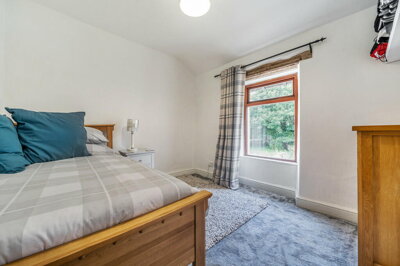
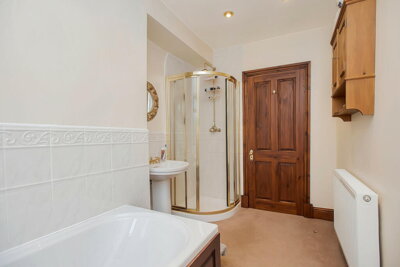
Browse 32 homes for sale in Hincaster, Westmorland and Furness from local estate agents.
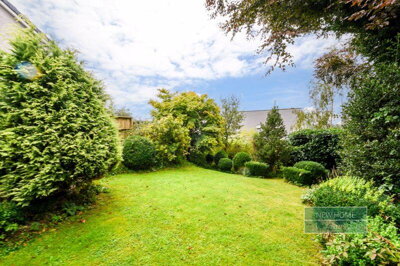
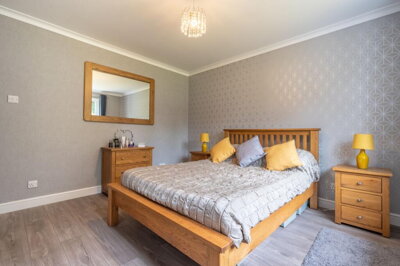
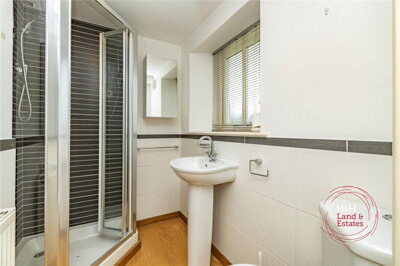
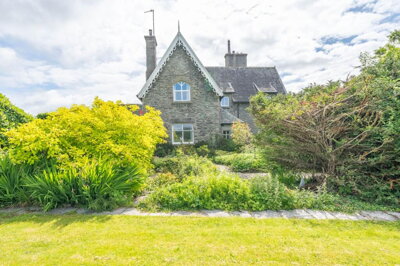
The Hincaster property market offers detached, semi-detached, and terraced houses spanning various price ranges and neighbourhoods. Each listing includes detailed property information, photographs, and direct contact with the marketing agent.
£535k
2
0
518
Source: home.co.uk
Showing 2 results for Houses for sale in Hincaster, Westmorland and Furness. The median asking price is £535,000.
Source: home.co.uk
Semi-Detached
2 listings
Avg £535,000
Source: home.co.uk
Source: home.co.uk
The Hincaster property market presents a nuanced picture of an evolving rural housing landscape. The overall average house price of £580,000 represents a significant shift from the 2023 peak of £925,000, indicating a market correction that has opened opportunities for new buyers. However, recent data shows prices climbing 32% year-on-year, suggesting renewed confidence in the area as buyers recognise the value offered beyond the peak valuations. For those looking to enter this exclusive market, current conditions may present favourable entry points compared to the highs of recent years.
Analysis of recent sales in the LA7 7ND postcode reveals the diversity of property values across the village. A semi-detached property on Parsons Way sold for £285,000 in February 2024, demonstrating that more affordable options exist within the village context. Higher-value transactions include detached properties such as The Old Barn at £528,600 and Aldersyde at £546,000, along with terraced Stonehurst at £541,000. These figures illustrate the range of properties available, from family homes to substantial period residences, each commanding different premiums based on size, condition, and character.
New build activity remains virtually non-existent within the Hincaster postcode area, with searches revealing developments concentrated in the broader Lancaster region rather than within the village itself. This scarcity of new construction contributes to the preservation of Hincaster's traditional character but means buyers typically work with existing housing stock. The housing survey data from 2014, covering both Hincaster and the neighbouring parish of Heversham, shows detached properties comprising 43% of stock, semi-detached at 34.9%, terraced houses at 17.4%, and flats at just 4.7%. This predominance of larger family homes reflects the village's appeal to those seeking space and character over urban density.

Hincaster's village character is defined by its remarkable collection of historic buildings and traditional Cumbrian architecture. The civil parish contains eleven listed buildings, with Hincaster Hall standing as the crown jewel - a late 16th-century Grade II* listed farmhouse constructed from local stone rubble beneath a distinctive green slate roof. Well Heads Farmhouse and High Barns Farmhouse represent the Grade II listed heritage, their roughcast stone walls and traditional roofing materials speaking to centuries of local building craft. These structures are not merely preserved specimens but living homes that embody the village's continuous habitation since the Elizabethan era.
The geological landscape of Hincaster tells its own story through the built environment. Clay was historically extracted from Mosside Farm near the village for brick production, materials that went into constructing the monumental Hincaster Tunnel during the 19th century. This tunnel, lined with millions of locally-made bricks, represents one of the most significant engineering achievements in the area and remains the relationship between local resources and village development. The presence of clay soils also,
For daily needs and community engagement, residents of Hincaster rely on the surrounding market towns, particularly those within easy reach in the Westmorland and Furness area. The village maintains its agricultural heritage through working farms that dot the surrounding countryside, creating a landscape where sheep and cattle graze alongside historic farmsteads. Community life centres around traditional country pursuits, local events, and the natural beauty of the Lune Valley, offering residents a pace of life fundamentally different from urban existence.
Families considering a move to Hincaster will find educational provision centred primarily within the nearby village communities and market towns of Westmorland and Furness. Primary education is typically accessed through village schools serving the rural parishes, with smaller class sizes that allow for individual attention and strong community relationships between teachers, pupils, and families. The intimate scale of these schools often means children benefit from a nurturing environment where pastoral care complements academic achievement.
Secondary education options in the surrounding area include grammar schools and comprehensive schools in the larger towns, with catchment areas that typically encompass the rural villages including Hincaster. Schools in the South Lakeland area have developed reputations for strong academic results and wide-ranging extracurricular programmes, reflecting the values of the local community. Parents should research specific school catchments and admission arrangements carefully, as competition for places at popular schools can be keen.
For families requiring childcare or early years education, provision exists within the local village communities, with childminders and preschool settings offering flexible arrangements for working parents. The broader Westmorland and Furness area also offers further education and college options for older students, with specialist courses and vocational pathways available in the market towns. When purchasing property in Hincaster, families should confirm current school admission policies and consider the practical implications of school transport arrangements in this rural location.
Hincaster sits at the crossroads of several traditional routes through the Lune Valley, connecting the village to the surrounding Cumbrian countryside and beyond. The A65 trunk road provides the primary artery for road travel, linking Hincaster to Kendal and the Lake District to the north while offering connections south towards Lancaster and the M6 motorway. This strategic positioning means that despite its rural setting, the village maintains reasonable access to the national motorway network for those requiring longer-distance commuting or travel.
Rail connections in the region are accessible via stations in the surrounding towns, with services operating along the West Coast Main Line from nearby major stations. These connections open up commuting possibilities to larger employment centres including Manchester, Preston, and Lancaster. However, the village itself lacks direct rail access, meaning residents rely on road transport or local bus services for day-to-day travel. The infrequent nature of rural bus services in the area makes car ownership practically essential for most residents.
For those working locally or seeking to reduce their environmental footprint, cycling presents viable options for shorter journeys, particularly along the quieter country lanes that connect Hincaster to neighbouring villages. The surrounding landscape offers spectacular routes for recreational cycling, with challenging climbs rewarded by panoramic views across the Howgill Fells and the Bowland Fells. Walking and hiking also feature prominently in local life, with public footpaths criss-crossing the parish and providing access to the wider countryside.
Start by exploring current listings in Hincaster and understanding price trends. With the market showing 32% annual growth and average prices around £580,000, researching comparable properties helps you identify fair value and avoid overpaying.
Before viewing properties, obtain a mortgage agreement in principle from a lender. This demonstrates your financial readiness to sellers and agents, strengthening your position in what can be a competitive rural market where properties sell quickly.
Visit properties that match your criteria, paying attention to construction materials, condition, and any signs of historic listed building status. Properties in Hincaster often feature traditional stone construction and may require careful consideration of maintenance needs.
Given the age of many properties in Hincaster, including late 16th-century listed buildings, a thorough survey is essential. A Level 2 HomeBuyer Report typically costs between £376 and £930 depending on property value and identifies defects common in period properties.
Appoint a solicitor experienced in Cumbrian rural property transactions to handle legal work, searches, and contract negotiation. Local knowledge of Westmorland and Furness planning issues proves valuable for listed buildings and conservation areas.
Once surveys are satisfactory and legal work is complete, exchange contracts with the seller and pay your deposit. Completion typically follows within days or weeks, when you receive keys and take ownership of your new Hincaster home.
Purchasing property in Hincaster requires particular attention to the characteristics that define this historic village. The prevalence of listed buildings throughout the parish means many properties carry statutory protections that affect what alterations owners can undertake. Grade II* listed properties such as Hincaster Hall face the strictest controls, requiring Listed Building Consent for most changes to exterior appearance or significant interior alterations. Prospective buyers should factor these constraints into their purchasing decisions and long-term renovation plans.
Building materials in Hincaster properties reflect centuries of local construction tradition, with stone rubble, roughcast stone, and green slate roofing dominating the vernacular style. These traditional materials require specific maintenance knowledge and may incur higher costs than modern construction when repairs are needed. The presence of clay soils in the area, historically used for local brick production, suggests that some properties may be built on or near ground that exhibits shrink-swell characteristics. This geological factor makes thorough surveys particularly important for identifying any subsidence risks or foundation concerns.
The housing stock composition in the village shows a strong preference for larger properties, with detached houses comprising 43% of local stock. This pattern suggests that family homes with generous gardens and rural views remain the predominant property type, though the relative scarcity of flats at 4.7% indicates limited options for first-time buyers or those seeking lower-maintenance accommodation. Understanding the local housing mix helps buyers align their expectations with what the market actually offers.
The average house price in Hincaster over the last year was £580,000, representing a 32% increase compared to the previous year. However, this figure remains 37% below the 2023 peak of £925,000. Recent sales in the LA7 7ND postcode have ranged from £285,000 for a semi-detached property to over £540,000 for larger detached and terraced homes, demonstrating the variety of property values within this small Cumbrian village.
Properties in Hincaster fall under Westmorland and Furness Council, which sets council tax bands based on property values assessed at the time of sale. Rural Cumbrian properties, particularly period homes and listed buildings, often attract higher bandings due to their character and setting. You should check specific properties against the Valuation Office Agency records for accurate banding information.
Hincaster itself is a small village, so families typically access primary education through nearby village schools serving the surrounding parishes. Secondary education is available at schools in the wider Westmorland and Furness area, including grammar schools and comprehensives in nearby market towns. Researching specific school catchments is essential, as admission policies and available transport options vary by location.
Hincaster has limited public transport provision, reflecting its status as a small rural village. The A65 road provides the main route for travel, connecting the village to Kendal, Lancaster, and the M6 motorway. Rail access requires travel to stations in surrounding towns. Most residents consider car ownership essential for daily living in this location.
The Hincaster property market shows resilience despite recent price corrections from the 2023 peak. The village's character, listed building heritage, and position within the Lune Valley attract buyers seeking Cumbrian village life. However, the small market size and limited liquidity mean properties may take longer to sell than in urban areas. Rental demand in the village is likely limited given the predominantly owner-occupier character of the community.
Stamp Duty Land Tax applies to purchases above £250,000 at 5% on the portion between £250,001 and £925,000. First-time buyers pay no SDLT on properties up to £425,000, then 5% on the portion between £425,001 and £625,000. For a typical £580,000 property in Hincaster, a non-first-time buyer would pay £16,500 in stamp duty.
From 4.5%
Compare mortgage rates and find the best deal for your Hincaster purchase
From £499
Expert solicitors to handle your property purchase in Westmorland and Furness
From £376
Essential homebuyer report for period properties in Hincaster
From £85
Energy performance certificate required for all property sales
Understanding the full costs of purchasing property in Hincaster requires careful consideration of stamp duty and associated fees. For a property priced at the current average of £580,000, a standard buyer would pay Stamp Duty Land Tax of £16,500, calculated at 5% on the amount between £250,001 and £580,000. First-time buyers benefit from relief on the first £425,000, reducing their SDLT liability to £7,750 on the same property.
Beyond stamp duty, buyers should budget for solicitor fees, which typically range from £499 for basic conveyancing to higher amounts for complex transactions involving listed buildings. Survey costs represent another significant expense, with RICS Level 2 HomeBuyer Reports ranging from £376 for properties under £200,000 to £930 for homes valued above £600,000. Given the prevalence of period properties in Hincaster, investing in a thorough survey proves particularly valuable for identifying defects common in older construction.
Additional costs include mortgage arrangement fees, which vary by lender but often range from £500 to £1,500, and valuation fees typically included within mortgage packages. Land Registry fees apply for registering your ownership, and you may need to budget for local searches specific to Westmorland and Furness Council. Building insurance must be in place from the point of completion, while removal costs and any immediate renovation works add further to the overall expenditure of establishing yourself in your new Hincaster home.
Properties for Sale In London

Properties for Sale In Plymouth

Properties for Sale In Liverpool

Properties for Sale In Glasgow

Properties for Sale In Sheffield

Properties for Sale In Edinburgh

Properties for Sale In Coventry

Properties for Sale In Bradford

Properties for Sale In Manchester

Properties for Sale In Birmingham

Properties for Sale In Bristol

Properties for Sale In Oxford

Properties for Sale In Leicester

Properties for Sale In Newcastle

Properties for Sale In Leeds

Properties for Sale In Southampton

Properties for Sale In Cardiff

Properties for Sale In Nottingham

Properties for Sale In Norwich

Properties for Sale In Brighton

Properties for Sale In Derby

Properties for Sale In Portsmouth

Properties for Sale In Northampton

Properties for Sale In Milton Keynes

Properties for Sale In Bournemouth

Properties for Sale In Bolton

Properties for Sale In Swansea

Properties for Sale In Swindon

Properties for Sale In Peterborough

Properties for Sale In Wolverhampton

Enter your details to see if this property is within your budget.
Loans, cards, car finance
Estimated property budget
Borrowing + deposit
You could borrow between
Typical borrowing
Monthly repayment
Est. at 4.5%
Loan-to-value
This is an estimate only. Your actual budget may vary depending on interest rates, credit history, and personal circumstances. For an accurate affordability assessment, speak to one of our free mortgage advisors.
This calculator provides estimates for illustrative purposes only and does not constitute financial advice. Your home may be repossessed if you do not keep up repayments on your mortgage. Estimates based on 4.5% interest rate, repayment mortgage. Actual rates depend on your circumstances.
Homemove is a trading name of HM Haus Group Ltd (Company No. 13873779, registered in England & Wales). Homemove Mortgages Ltd (Company No. 15947693) is an Appointed Representative of TMG Direct Limited, trading as TMG Mortgage Network, which is authorised and regulated by the Financial Conduct Authority (FRN 786245). Homemove Mortgages Ltd is entered on the FCA Register as an Appointed Representative (FRN 1022429). You can check registrations at NewRegister or by calling 0800 111 6768.

We use cookies to show you personalised content and improve your experience of our website. Find out more in our Privacy policy and Cookie policy.