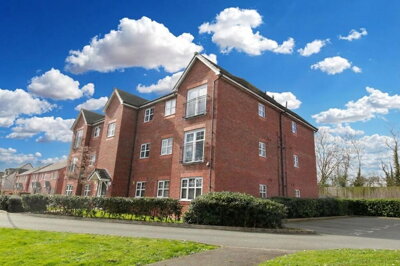
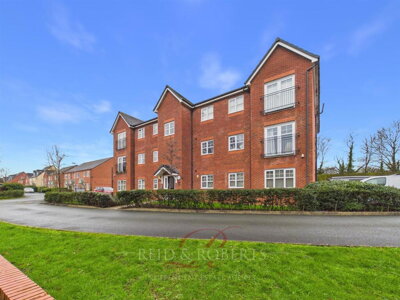
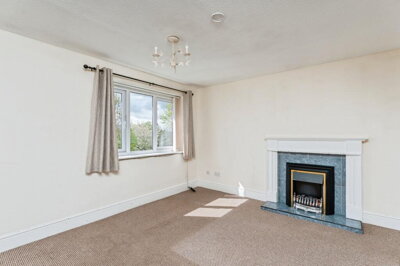
Browse 3 homes for sale in Higher Kinnerton from local estate agents.
Studio apartments feature open-plan living spaces without separate bedrooms, incorporating sleeping, living, kitchen, and bathroom facilities. The Higher Kinnerton studio market includes properties in modern apartment complexes, converted Victorian and Georgian buildings, and purpose-built developments.
The Great Dunham property market presents a stable and quietly active environment for buyers exploring rural Norfolk. As of February 2026, the average property price stands at £365,000, reflecting a 1.48% increase over the preceding twelve months. This modest but consistent growth indicates a healthy market that has avoided the volatile fluctuations seen in urban centres, making it particularly attractive to buyers prioritising long-term investment security over rapid capital gains. The village has recorded 10 property sales in the past year, a respectable figure for a community of its size that suggests ongoing buyer interest in the area.
Property types in Great Dunham are dominated by detached homes, which command an average price of £430,000 and embody the spacious, character that defines rural Norfolk living. Semi-detached properties average £275,000, offering more accessible entry points for first-time buyers or those seeking a smaller footprint without leaving the village. Terraced homes average £210,000, providing affordable options that often feature the traditional brick and flint construction typical of the area. Notably, flats are virtually absent from the local market, reinforcing Great Dunham's status as a village where space, privacy, and ground-floor living remain the norm rather than the exception.
No active new-build developments exist within the PE32 2 postcode area, meaning buyers purchasing in Great Dunham are acquiring established properties with character and history. This absence of new construction contributes to the village's timeless aesthetic while also meaning that homes here come with the characteristics of their era - solid walls, traditional layouts, and mature gardens that newer developments simply cannot replicate. For buyers who appreciate architectural authenticity and the stories that older properties carry, this market segment offers genuine appeal that new-build alternatives cannot match.
Life in Great Dunham unfolds at a pace that feels increasingly rare in modern Britain, where the rhythm of the seasons and the needs of the agricultural calendar still shape daily routines. The village's population of 460 residents across 192 households creates an intimate community where the postman knows every resident and the local pub serves as an unofficial community centre. This is a place where children can play freely in the lanes, where garden fences are replaced by hedgerows, and where the night sky remains dark enough to reveal the Milky Way on clear evenings. The community spirit here is genuine rather than performed, rooted in shared history and mutual support that has characterised rural Norfolk life for generations.
The wider Breckland landscape surrounding Great Dunham offers exceptional natural beauty that draws visitors from across the country. The Brecks is a unique habitat characterised by heathland, pine forests, and unusual sandy soils that support specialist flora and fauna found nowhere else in Britain. Residents have immediate access to extensive walking and cycling networks, with routes ranging from gentle village ambles to challenging long-distance trails that traverse the region. Local nature reserves provide opportunities for birdwatching, with the area recognised for its populations of rare species that thrive in this specialised environment. For families seeking to raise children with a deep connection to the natural world, Great Dunham offers an upbringing that urban environments simply cannot replicate.
The traditional architecture of Great Dunham reflects centuries of continuous habitation and adaptation to local conditions. Properties throughout the village showcase the characteristic building materials of Norfolk - red brick, knapped flint, and render - arranged in configurations that have proven functional for generations. St Andrew and St Mary Church exemplifies this heritage, its tower visible across the surrounding farmland and serving as a landmark for miles around. Many homes in the village are listed buildings or of sufficient age to require careful consideration of their historical significance, adding layers of character that newer properties throughout Britain lack entirely. This architectural heritage is not merely decorative but represents a tangible connection to the people and events that shaped this corner of Norfolk over centuries.

Families considering a move to Great Dunham will find educational provision centred on nearby market towns, where primary and secondary schools serve the wider rural catchment area. The village's position within the Breckland district means that local schools are located within reasonable driving distance, with primary education typically available in surrounding villages and secondary education concentrated in Swaffham and Fakenham. These market towns have developed educational infrastructure that reflects the needs of their rural catchments, offering smaller class sizes and individualised attention that often proves superior to the larger year groups found in urban schools. Parents should research specific catchment areas and admissions policies when considering properties, as school places can be competitive in desirable rural locations.
The broader Norfolk area benefits from several well-regarded grammar schools, with entrance typically determined by the eleven-plus examination taken during primary school years. Schools in towns such as King's Lynn and Norwich serve students from across the wider region, and families in Great Dunham may choose to pursue places at these institutions if the grammar school route appeals. Transport arrangements for secondary education can involve bus services that students use daily, and the practicalities of school runs should factor into any purchasing decision for families with children of secondary age. Independent schooling options exist throughout Norfolk, with several well-established preparatory and senior schools offering alternative educational pathways for families seeking different approaches.
Further education opportunities in Norfolk are concentrated in the county's larger towns, with colleges offering A-level programmes, vocational qualifications, and apprenticeships across diverse subject areas. Young people progressing from secondary education can access these facilities through daily travel or, for those studying more intensive courses, by boarding locally during term time. The proximity of Great Dunham to towns including Swaffham, Fakenham, King's Lynn, and Norwich means that residents have reasonable access to post-16 educational pathways without necessarily relocating to pursue further study. For families taking a long-term view of their move to Great Dunham, the availability of educational progression routes within accessible distance adds to the village's suitability as a family home rather than merely a retreat for those whose children have already grown.
Great Dunham occupies a central position within Norfolk's road network, offering reasonable access to the county's principal towns while retaining the tranquil isolation that defines village life. The A47 trunk road passes nearby, providing connections to Norwich to the south and King's Lynn to the west, while the A1065 offers a direct route toward Fakenham and the north Norfolk coast. For residents who need to commute to larger employment centres, the road network is generally reliable, though rural roads require confident driving in adverse weather conditions. The journey time to Norwich city centre is approximately 45 minutes by car, making day trips and occasional commuting feasible for those with flexible working arrangements or remote employment.
Public transport options from Great Dunham reflect the realities of rural Norfolk, where bus services operate at frequencies shaped by demand rather than urban standards. Local bus routes connect the village to nearby market towns, providing essential connectivity for residents without private vehicles, though journey planning requires advance attention. The nearest railway stations are located in King's Lynn and Norwich, offering connections to Cambridge, London, and destinations beyond through the national rail network. King's Lynn provides direct services to London King's Cross, with journey times of approximately one hour forty minutes, while Norwich offers connections to Liverpool Street via Cambridge. For commuters who must travel regularly to London or other major centres, the combination of driving to a station and rail travel remains the practical option from Great Dunham.
Cycling infrastructure in the wider Breckland area has developed in response to the region's popularity with recreational cyclists, with quiet lanes and designated routes making cycling a viable option for shorter journeys. The flat terrain of Norfolk is generally favourable for cycling, though exposure to wind requires consideration during winter months. For residents working remotely or in hybrid arrangements, Great Dunham's position offers a productive home environment with minimal commuting stress and easy access to Norfolk's natural amenities during leisure time. The village's rural position means that everyday errands - grocery shopping, medical appointments, and banking - do require vehicle travel to nearby towns, and prospective residents should factor this dependence on private transport into their decision-making process.
Before viewing properties, spend time in Great Dunham at different times of day and week to understand what daily life here is really like. Visit local amenities, speak to residents, and explore the surrounding countryside to confirm the village matches your lifestyle expectations. Walking the lanes around St Andrew and St Mary Church, visiting the local pub if one exists, and exploring footpaths across the Brecks will give you an authentic impression of village life that photographs cannot convey.
Contact a mortgage broker to obtain an agreement in principle before making offers. With the average property price at £365,000, securing appropriate financing early gives you a clear budget and demonstrates seriousness to sellers when you find your ideal home. Rural properties can sometimes present challenges for mortgage lenders, particularly listed buildings or those with non-standard construction, so getting your finances confirmed upfront prevents delays later in the process.
Work with local estate agents who know Great Dunham intimately. View multiple properties to compare the condition, character, and value different homes offer, paying particular attention to the traditional construction methods and potential maintenance needs of older properties. Ask agents about the history of specific properties, previous owners, and any works undertaken during their current tenure - local knowledge often reveals information not captured in listing details.
Given the age of properties in Great Dunham, a comprehensive survey is essential. For properties valued between £400 and £900 depending on size, a Level 2 survey will identify issues such as damp, timber defects, and roof condition that are common in traditional Norfolk buildings. Properties with solid walls, lime mortar pointing, and original timber floors are characteristic of the village but require experienced surveyors who understand traditional construction methods and can distinguish between expected age-related wear and genuine defects requiring attention.
Choose a conveyancing specialist familiar with rural Norfolk properties. They will handle searches, check planning permissions for any works undertaken, and ensure the property's title is clear, particularly important for listed buildings where restrictions may apply. Local solicitors in nearby Swaffham or Fakenham often have experience with village properties and will understand the specific implications of Breckland District Council requirements and any conservation area obligations that may affect the property.
Once surveys are satisfactory and legal queries resolved, you will exchange contracts and pay your deposit. Completion typically follows within weeks, when the remaining funds are transferred and you receive the keys to your new Great Dunham home. At this stage, your solicitor will arrange for the transfer to be registered at the Land Registry and for any stamp duty to be paid, finalising your purchase of this Norfolk village property.
Properties in Great Dunham require careful inspection given the prevalence of traditional construction methods and the age of much of the housing stock. The characteristic use of brick, flint, and render throughout the village means that walls may exhibit different thermal performance characteristics than modern cavity constructions, and insulation upgrades are often worthwhile investments for buyers planning long-term occupancy. Rising damp, which affects properties with solid walls and no damp-proof course, is a common issue in traditional Norfolk homes and should be checked by a qualified surveyor during the inspection process. The presence of lime mortar rather than cement in older properties is actually beneficial for breathability, but any repointing should use appropriate materials to avoid trapping moisture within the wall structure.
The local geology of Norfolk includes areas with clay deposits that can cause subsidence or ground movement during extended dry periods. While Great Dunham is not in a high-risk mining area, any property showing signs of cracking, doors sticking, or uneven floors should be investigated thoroughly before purchase. The shrink-swell characteristics of clay soils can affect foundations, and a thorough survey will assess whether movement has occurred and whether previous repairs have been adequately addressed. Surface water flooding represents a minor risk in rural Norfolk, and buyers should review the Environment Agency flood maps for any specific property they are considering, particularly those with large gardens or near natural drainage channels.
Listed buildings throughout Great Dunham carry specific obligations and restrictions that buyers must understand before committing to a purchase. English Heritage or Historic England listing protects properties of architectural or historical significance, and any alterations, extensions, or even external paint colours may require Listed Building Consent from Breckland District Council. Insurance premiums for listed buildings can be higher, and standard mortgage valuations may not fully reflect the cost of maintaining traditional features. Buyers drawn to Great Dunham's heritage properties should budget for ongoing maintenance costs that will likely exceed those for modern equivalents, while also appreciating that the unique character these homes possess cannot be replicated or replaced.
The average property price in Great Dunham is £365,000 as of February 2026. Detached properties average £430,000, semi-detached homes average £275,000, and terraced properties average £210,000. Prices have increased by 1.48% over the past twelve months, indicating a stable market with consistent demand for quality homes in this rural Norfolk village. The absence of new-build developments in the PE32 2 postcode area means all available properties are established homes with traditional character and mature gardens.
Properties in Great Dunham fall under Breckland District Council's jurisdiction for council tax purposes. Bands range from A to H depending on the property's assessed value, with most traditional cottages and farmhouses likely in bands B through D, while larger detached homes may fall into higher bands. Prospective buyers should check specific bandings with Breckland District Council or on the national council tax database before budgeting for ongoing costs.
Great Dunham itself has limited formal educational facilities, with primary education available in surrounding villages and secondary education in nearby market towns such as Swaffham and Fakenham. Parents should research specific school catchments and admissions criteria, as places in popular rural schools can be competitive. Several grammar schools in the wider Norfolk area serve students from the village, with entrance determined by eleven-plus examination results. Independent schooling options exist throughout Norfolk for families seeking alternative educational approaches.
Public transport options are limited, reflecting Great Dunham's status as a small rural village. Local bus services connect to nearby market towns, though frequencies are lower than urban routes and journey planning requires advance preparation. The nearest railway stations are in King's Lynn and Norwich, offering connections to London and the national rail network. King's Lynn provides direct services to London King's Cross in approximately one hour forty minutes. Most residents rely on private vehicles for daily transportation, and this dependence should be factored into any purchasing decision.
Great Dunham offers stable property values with consistent growth rather than dramatic appreciation, making it suitable for buyers prioritising lifestyle and long-term security over rapid capital gains. The village's rural character, listed heritage, and limited new development supply create conditions that typically support values over extended periods. Rental demand in rural Norfolk exists from those seeking peaceful locations for remote work or retirement, though investment returns will reflect the modest rental market rather than urban yields. Properties requiring renovation may offer value-add opportunities for investors willing to undertake traditional building work.
Stamp Duty Land Tax applies to all purchases above £250,000 at standard rates: 5% on the portion between £250,001 and £925,000, 10% up to £1.5 million, and 12% above that threshold. For properties priced at the village average of £365,000, a buyer would pay £5,750 in stamp duty. First-time buyers receive relief on purchases up to £625,000, with no SDLT on the first £425,000 and 5% on the portion between £425,001 and £625,000. Additional 3% surcharge applies for second homes and buy-to-let properties. Always verify current thresholds with HMRC as rates can change in each financial statement.
The traditional construction methods common in Great Dunham require careful consideration before purchase. Solid walls, traditional lime mortar, and older building materials perform differently from modern equivalents and may require specific maintenance approaches. A RICS Level 2 survey is strongly recommended to identify issues such as damp, timber defects, and roof condition. Listed buildings require consent for alterations and may carry higher maintenance costs. Buyers should also investigate any planning history, check for conservation area restrictions, and budget for potential upgrades to insulation, electrics, and plumbing that older properties often require.
Broadband speeds in rural Norfolk villages can vary significantly from urban areas, and prospective residents should verify current connectivity at specific properties before purchase. Many older properties in Great Dunham may have slower copper-based connections, though fibre rollout continues across the county. Mobile phone coverage also varies, with some rural dead spots existing even for major networks. Working from home arrangements should include verification of adequate connectivity, as poor broadband can significantly impact remote working viability despite the village's other attractions.
Purchasing a property in Great Dunham involves several costs beyond the advertised purchase price, and understanding these expenses upfront prevents financial surprises during what is already a complex transaction. Stamp Duty Land Tax represents the most significant additional cost for most buyers. At current rates, properties priced at the village average of £365,000 incur SDLT of £5,750 for standard buyers, calculated as 5% on the amount above £250,000. First-time buyers purchasing residential property up to £625,000 benefit from relief that eliminates SDLT on the first £425,000, reducing their liability to £0 on a £365,000 purchase, provided they meet the eligibility criteria including not having previously owned property anywhere in the world.
Survey costs are particularly relevant for Great Dunham given the age and traditional construction of most properties in the village. A RICS Level 2 Survey, priced between £400 and £900 depending on property size and complexity, provides a thorough assessment of condition that reveals defects invisible to casual viewing. For listed buildings or properties showing signs of structural movement, a more comprehensive RICS Level 3 Building Survey may be advisable despite its higher cost. These surveys identify issues such as damp, timber rot, roof defects, and electrical problems that are common in traditional Norfolk properties and could prove expensive if discovered after purchase. The cost of a thorough survey represents excellent value compared to the potential expense of unidentified defects.
Solicitors' fees for conveyancing in Great Dunham typically range from £499 to over £1,500 depending on complexity and whether the property is freehold or leasehold. Local search fees, bankruptcy checks, Land Registry fees, and land transaction tax all add to the legal costs, typically totalling several hundred pounds. For rural properties, additional searches regarding drainage, rights of way, and agricultural restrictions may be necessary. Telegraphic transfer fees, SDLT submission costs, and Land Registry registration fees must also be budgeted. Buyers should obtain detailed quotes from conveyancing solicitors before instruction, ensuring all potential costs are identified before committing to purchase. The total additional costs beyond the property price typically amount to between £3,000 and £6,000 for a property at the village average price, though circumstances vary significantly depending on the specific transaction and property type.
From 4.5% APR
Compare competitive mortgage rates for your Great Dunham purchase
From £499
Expert legal services for your property purchase in Norfolk
From £400
Professional survey for your Great Dunham property
From £80
Energy performance certificate for your Norfolk home
Properties for Sale In London

Properties for Sale In Plymouth

Properties for Sale In Liverpool

Properties for Sale In Glasgow

Properties for Sale In Sheffield

Properties for Sale In Edinburgh

Properties for Sale In Coventry

Properties for Sale In Bradford

Properties for Sale In Manchester

Properties for Sale In Birmingham

Properties for Sale In Bristol

Properties for Sale In Oxford

Properties for Sale In Leicester

Properties for Sale In Newcastle

Properties for Sale In Leeds

Properties for Sale In Southampton

Properties for Sale In Cardiff

Properties for Sale In Nottingham

Properties for Sale In Norwich

Properties for Sale In Brighton

Properties for Sale In Derby

Properties for Sale In Portsmouth

Properties for Sale In Northampton

Properties for Sale In Milton Keynes

Properties for Sale In Bournemouth

Properties for Sale In Bolton

Properties for Sale In Swansea

Properties for Sale In Swindon

Properties for Sale In Peterborough

Properties for Sale In Wolverhampton

Enter your details to see if this property is within your budget.
Loans, cards, car finance
Estimated property budget
Borrowing + deposit
You could borrow between
Typical borrowing
Monthly repayment
Est. at 4.5%
Loan-to-value
This is an estimate only. Your actual budget may vary depending on interest rates, credit history, and personal circumstances. For an accurate affordability assessment, speak to one of our free mortgage advisors.
This calculator provides estimates for illustrative purposes only and does not constitute financial advice. Your home may be repossessed if you do not keep up repayments on your mortgage. Estimates based on 4.5% interest rate, repayment mortgage. Actual rates depend on your circumstances.
Homemove is a trading name of HM Haus Group Ltd (Company No. 13873779, registered in England & Wales). Homemove Mortgages Ltd (Company No. 15947693) is an Appointed Representative of TMG Direct Limited, trading as TMG Mortgage Network, which is authorised and regulated by the Financial Conduct Authority (FRN 786245). Homemove Mortgages Ltd is entered on the FCA Register as an Appointed Representative (FRN 1022429). You can check registrations at NewRegister or by calling 0800 111 6768.

We use cookies to show you personalised content and improve your experience of our website. Find out more in our Privacy policy and Cookie policy.