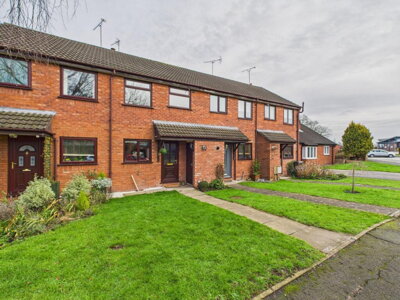
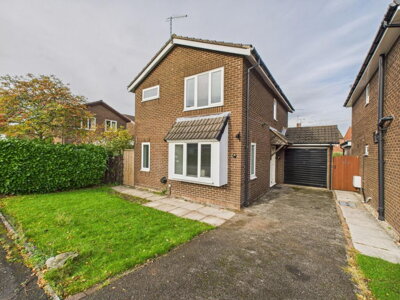
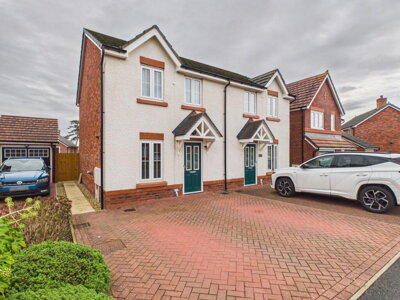
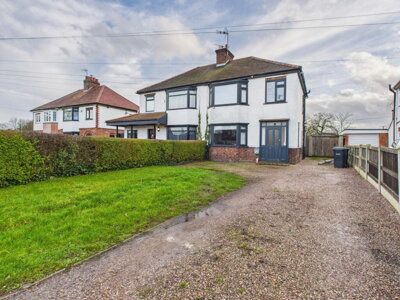
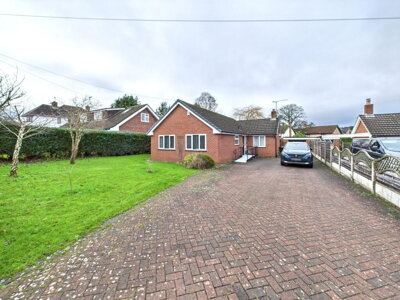
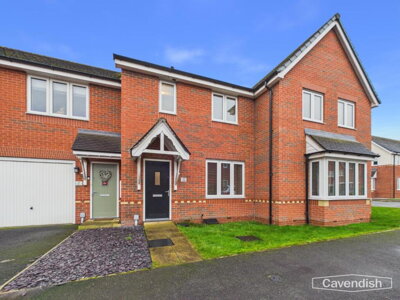
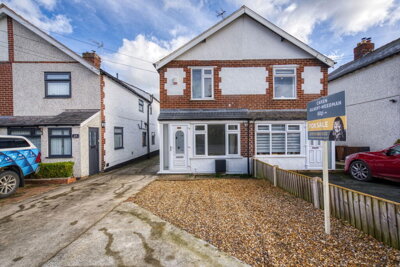
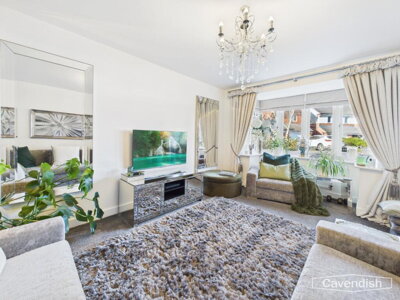
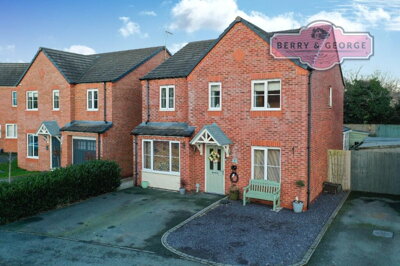
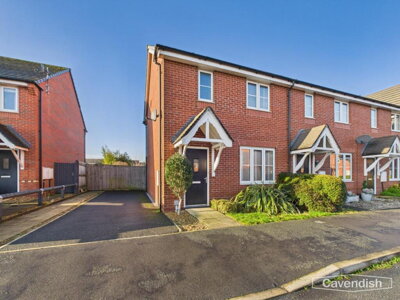
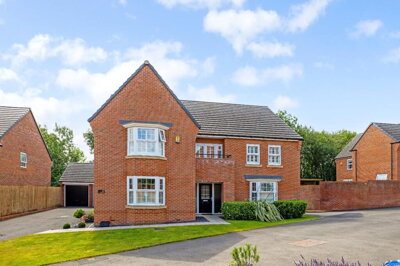
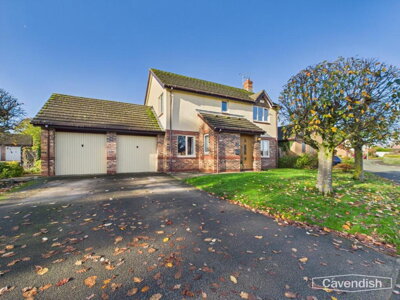
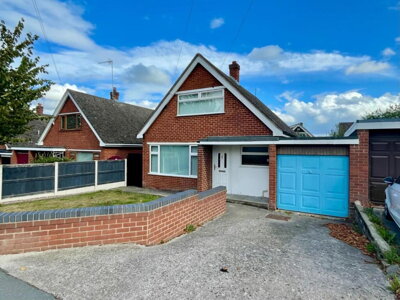
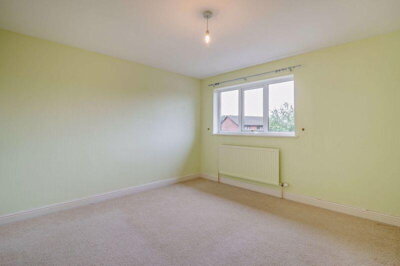
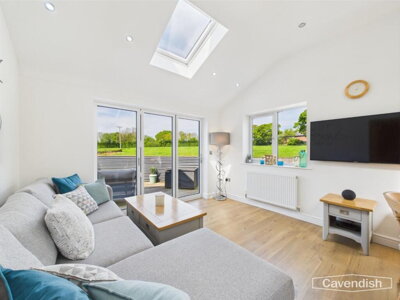
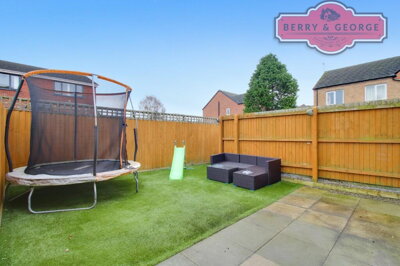
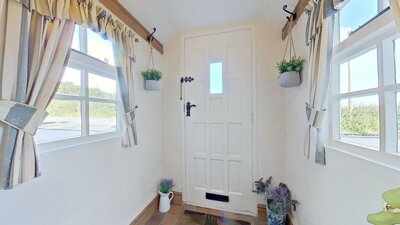
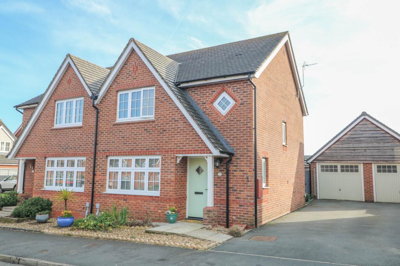
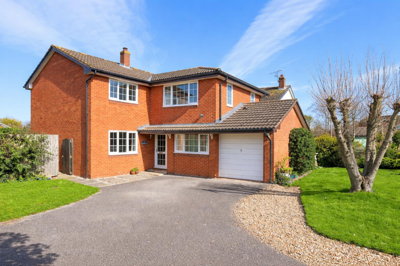
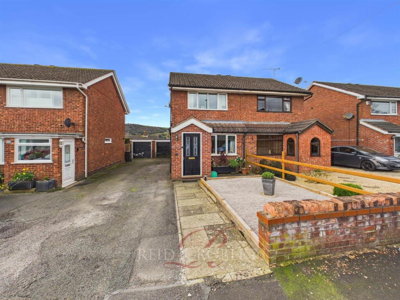
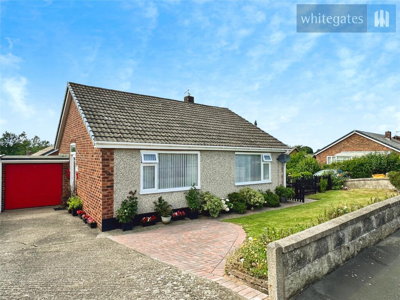
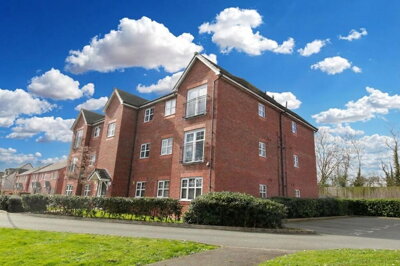
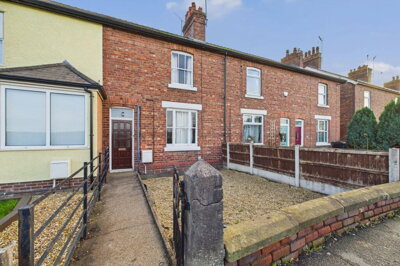
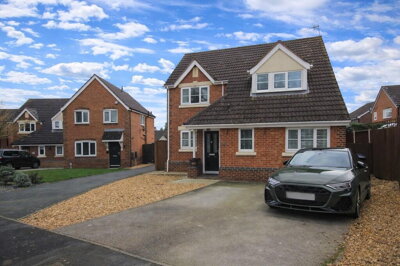
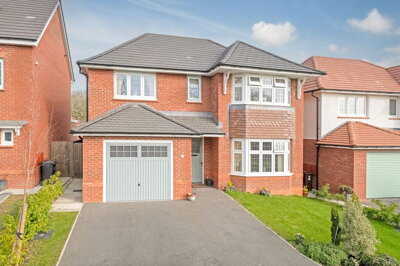
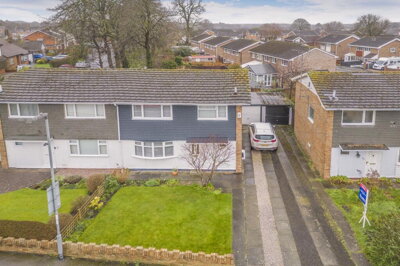
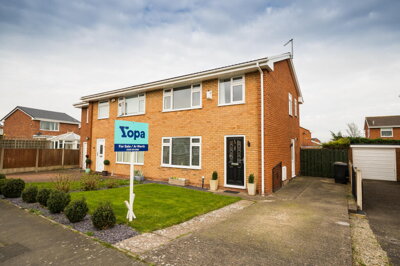
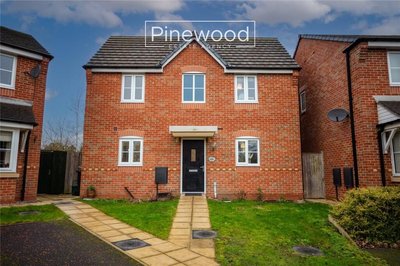
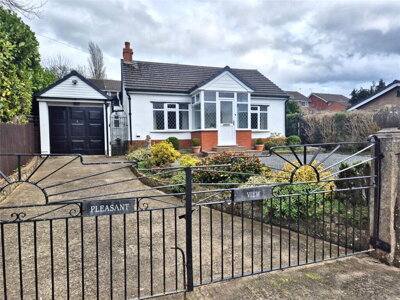
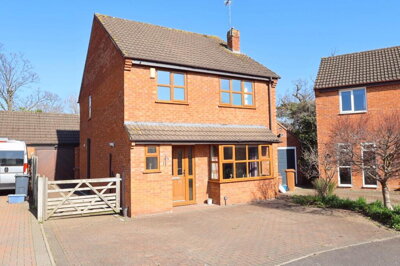
Browse 143 homes for sale in Higher Kinnerton from local estate agents.
The Great Dunham property market presents compelling opportunities for buyers seeking rural Norfolk living. Detached properties command the highest prices, averaging £430,000, reflecting the space and privacy that characterise family homes in this area. Semi-detached properties offer more accessible entry at around £275,000, while terraced homes provide the most affordable option at approximately £210,000. The absence of significant flat development underscores the village's predominantly house-based character, with virtually no purpose-built flats recorded in recent market activity.
Property prices in Great Dunham have demonstrated resilience with a 1.48% increase over the past twelve months, suggesting steady demand from buyers attracted to the village's rural charm and community spirit. The housing stock spans multiple eras, from historic farmhouses and cottages with listed building status to more recent developments constructed since the 1980s. Many properties feature traditional solid wall construction, timber floors, and pitched roofs covered with tiles or slate, reflecting the craftsmanship of earlier builders. The limited number of around 10 annual sales means properties occasionally appear with modest waiting periods between listings.
Understanding the age and construction of properties in Great Dunham is essential for setting realistic expectations. Given the village's rural character and presence of listed buildings, a significant proportion of the housing stock dates from before 1919, with continued development through the interwar and post-war periods. Properties constructed before modern building regulations may exhibit characteristics such as solid brick walls rather than cavity insulation, single-glazed windows, and older electrical systems. Buyers should budget accordingly for potential upgrades and maintenance when assessing different property types in the village.

Great Dunham offers a quintessential Norfolk village lifestyle centred around community and countryside. The village falls within Breckland, a district known for its distinctive landscape of heathland, forest, and agricultural land. Residents enjoy access to extensive walking and cycling routes across the surrounding farmland, with the Norfolk Coast Path and Thetford Forest within reasonable distance for day trips and weekend adventures. The area's geology includes chalk, sand, and clay deposits that contribute to the productive agricultural land surrounding the village.
The local economy of Great Dunham and its surrounding villages is historically rooted in agriculture, with many residents either working the land or running small agricultural businesses. However, the village's position means that commuting to larger employment centres is practical for those who need it. Swaffham provides local services including supermarkets, independent shops, and healthcare facilities, while King's Lynn offers a broader range of employment opportunities, retail therapy, and cultural attractions including museums, theatres, and historic buildings. Norwich, approximately 40 miles distant, provides access to the region's major employment, healthcare, and education sectors.
Community life in Great Dunham revolves around traditional village amenities and the strong social bonds that characterise rural Norfolk settlements. The historic parish church of St Andrew and St Mary serves as a focal point for community events and celebrations. Village halls and local pubs in surrounding communities provide venues for social gatherings, while seasonal events throughout the year showcase the agricultural heritage and traditions of the Breckland region. New residents are typically welcomed into the community, with the village's small population making it easy to establish connections with fellow residents and local business owners.

Families considering a move to Great Dunham will find educational provision available in nearby market towns. Primary education is accessible through village schools in surrounding communities, with schools in Swaffham and surrounding villages serving the local catchment area. These smaller rural schools often benefit from strong community links and individual attention for pupils, reflecting the close-knit nature of village education. Parents should verify current catchment areas and admissions policies with Norfolk County Council as these can change and may affect school placement.
Secondary education is typically provided through schools in the nearest market towns, with Swaffham Academy offering secondary education to students from the surrounding area. For families seeking grammar school provision, King's Lynn and surrounding towns offer selective education options, though competition for places can be strong. The nearest grammar schools are located in King's Lynn, requiring daily transport arrangements for students from Great Dunham. Further and higher education facilities are available in King's Lynn, Norwich, and Cambridge, making Great Dunham a viable base for students continuing their studies while benefiting from affordable village living.
The journey times to secondary schools from Great Dunham should factor into family relocation decisions. Swaffham Academy, as the nearest secondary option, serves students from across the surrounding villages and provides a range of GCSE and A-Level courses. Parents should consider transport arrangements carefully, as school bus services may be available but their availability and routes should be confirmed directly with Norfolk County Council or the school itself before committing to a property purchase in the village.
Great Dunham occupies a central position within Norfolk that balances rural tranquility with practical connectivity. The village is situated near the A47 trunk road, which provides direct links to Norwich to the east and King's Lynn to the west. This main road corridor makes car travel the primary transport option for most residents, with Norwich approximately 40 miles away and King's Lynn roughly 25 miles distant. The journey to Norwich takes around an hour by car, opening access to the city's extensive shopping, employment, and cultural amenities. King's Lynn's closer proximity makes it a practical destination for weekly shopping, healthcare appointments, and leisure activities.
Public transport options are limited, reflecting the village's small scale and rural character. Bus services connect Great Dunham with nearby market towns, though frequencies are likely to be modest and concentrated on specific days of the week rather than daily services. The nearest railway station is King's Lynn, which provides services to Cambridge and onward to London King's Cross, making occasional commuting feasible for those working in the capital. The journey from King's Lynn to London King's Cross takes approximately 1 hour 40 minutes, positioning Great Dunham within reasonable reach of capital city employment for those who travel occasionally rather than daily.
For daily commuting, a car remains essential for most residents, and buyers should factor this into their lifestyle planning. However, the village's position on well-maintained A-roads means that commuting to employment in nearby market towns is manageable for those who prefer to work locally. Many residents combine home working with occasional office attendance, taking advantage of the peaceful environment that village living provides. Buyers without a vehicle should discuss transport arrangements with local estate agents to understand the practical realities of daily life in rural Great Dunham.
Start by exploring property listings in Great Dunham and surrounding villages. Understanding the average prices for different property types, from terraced homes around £210,000 to detached properties at £430,000, will help you set realistic expectations and identify good value when it arises. Register with multiple estate agents active in the Breckland area and set up alerts for new listings, as the limited number of properties available means that desirable homes can move quickly.
Before arranging viewings, obtain a mortgage agreement in principle from a lender. This demonstrates to sellers that you are a serious buyer with financing in place, strengthening your position when making offers in what can be a competitive local market. Given that many Great Dunham properties are older with non-standard construction, some lenders may have specific criteria, so it is worth discussing your chosen property type with a mortgage broker who understands rural Norfolk property markets.
Visit properties that match your criteria and assess their condition, location within the village, and proximity to local amenities. Take time to walk the village and speak with residents to understand what daily life is like in Great Dunham. Pay particular attention to the property's construction materials, roof condition, and signs of damp or structural movement, as these are common concerns in older rural properties throughout Norfolk.
Given the age of many properties in Great Dunham, with their traditional brick, flint, and timber construction, a RICS Level 2 Survey is strongly recommended before proceeding to purchase. Surveyors in Norfolk typically charge between £400 and £900 depending on property size and type, with older and more complex properties at the higher end of this range. This survey will identify any structural issues, damp, timber defects, or roof problems before you commit to purchase, potentially saving thousands in unexpected repair costs.
Once your offer is accepted, instruct a solicitor to handle the legal transfer of ownership. They will conduct searches with Breckland Council, handle contracts, and coordinate with your mortgage lender to ensure a smooth transaction through to completion. For properties in Great Dunham, searches will include local authority records, drainage and water searches, and environmental data relevant to the Norfolk geology and any historical land uses in the area.
Purchasing property in a rural Norfolk village like Great Dunham requires attention to several area-specific considerations. The presence of listed buildings, including St Andrew and St Mary Church and various historic farmhouses and cottages, means that many properties in the village may have listed status. If you are considering a listed property, be aware that any alterations or extensions will require Listed Building Consent from Breckland Council, adding complexity and potential costs to any future renovations. Specialist surveys may also be recommended for Grade II listed properties.
Flood risk in Great Dunham is primarily related to surface water rather than river or coastal flooding, given the village's inland position. However, heavy rainfall and drainage capacity in rural areas can create localised flooding issues. The Environment Agency provides detailed flood risk maps that should be consulted for any specific property. Properties on clay soils may also be subject to shrink-swell movement, and a careful survey can identify any subsidence or structural movement that might affect the property. Norfolk's chalk and sand geology can also affect foundations, particularly for older properties that may have shallow footings.
The construction of properties in Great Dunham typically reflects traditional Norfolk building methods, with solid walls rather than cavity construction, timber floors, and older electrical and plumbing systems. Buyers should be prepared for the maintenance requirements that come with older properties, including potential rewiring, plumbing updates, and roof repairs. Common defects identified by surveyors in similar Norfolk properties include rising damp due to failed or absent damp-proof courses, woodworm in structural timber, and wear to roof coverings that may require renewal within 10-15 years of purchase.
Utilities and broadband connectivity vary across the village, and buyers should verify availability before purchase. While most properties will have mains electricity and water, some remote properties may rely on private water supplies or septic tanks rather than mains drainage. Broadband speeds in rural Norfolk villages can be slower than urban areas, though improvements to infrastructure continue. Checking these practical details before committing to purchase can prevent unexpected complications after moving into your new home in Great Dunham.
The average property price in Great Dunham is £365,000 as of February 2026. Detached properties average £430,000, semi-detached homes around £275,000, and terraced properties approximately £210,000. Prices have increased by 1.48% over the past twelve months, indicating stable demand in this rural Norfolk village market. The village sees approximately 10 property sales annually, a modest volume that reflects its small population but also suggests a stable market with consistent buyer interest in village living within the Breckland district.
Properties in Great Dunham fall under Breckland Council's jurisdiction for council tax purposes. Council tax bands in the village range from Band A for lower-value properties through to Band G for the most expensive homes, with most traditional village properties likely falling in the Band B to Band E range given the typical property values in the area. Exact bands depend on the property's valuation by the Valuation Office Agency, and buyers should check the current banding for any specific property before purchase, as this forms part of the ongoing annual cost of homeownership in the village.
Great Dunham itself is a small village without its own school, so children typically attend primary schools in surrounding villages or market towns. The nearest primary provision is found in nearby communities, with schools in Swaffham serving as the main local option for families in the village. Secondary education is available at Swaffham Academy and other nearby schools, with grammar options accessible in King's Lynn where competition for places can be strong. Parents should verify current admissions arrangements, catchment boundaries, and any planned school changes with Norfolk County Council before committing to a property purchase.
Public transport options in Great Dunham are limited due to its rural nature, with bus services connecting the village to nearby market towns on specific days rather than daily services. The nearest railway station is King's Lynn, approximately 25 miles away, providing services to Cambridge and London King's Cross for residents who need to travel further afield occasionally. For daily commuting and most daily activities, a car is essential for residents of Great Dunham, and this practical requirement should be factored into any relocation decision.
Great Dunham offers a stable property market with prices showing modest growth of 1.48% over the past year, reflecting consistent demand from buyers seeking rural village living. The village appeals to buyers looking for traditional Norfolk architecture, access to beautiful countryside, and a peaceful community environment. While the market is smaller than urban areas with only around 10 sales annually, properties here hold their value well, and demand from buyers seeking village living in Norfolk remains consistent. Rental demand in the village is likely modest given the limited local employment, making capital appreciation rather than rental income the primary investment consideration.
Stamp Duty Land Tax rates for standard buyers start at 0% on properties up to £250,000, then 5% on the portion from £250,001 to £925,000. For properties between £925,001 and £1.5 million, the rate is 10%, rising to 12% above £1.5 million. First-time buyers benefit from relief on the first £425,000 of purchase price, paying 5% on amounts between £425,001 and £625,000, with no relief above £625,000. For a typical £365,000 property in Great Dunham, a standard buyer would pay £5,750 in SDLT, while a first-time buyer would pay nothing due to the higher threshold.
Great Dunham contains several listed buildings that contribute to the village's historic character, including St Andrew and St Mary Church and various historic farmhouses and cottages throughout the settlement. Listed status brings additional responsibilities for owners, as any alterations, extensions, or significant repairs require Listed Building Consent from Breckland Council. If you are considering a listed property, factor in the additional planning requirements and potential costs when assessing whether it represents good value. Specialist surveys are often recommended for listed properties to assess their condition and identify any issues with traditional construction methods.
The main risks when buying older properties in Great Dunham relate to their traditional construction and age. Common issues identified in similar Norfolk properties include damp arising from failed or absent damp-proof courses, timber defects such as woodworm or wet rot, roof deterioration requiring repair or renewal, and outdated electrical systems that may need complete rewiring. Clay soils present in parts of Norfolk can also cause subsidence in susceptible properties. A thorough RICS Level 2 Survey will identify any existing defects and help you budget appropriately for necessary repairs or upgrades after purchase.
From £400
A detailed inspection of the property condition before you buy
From £600
Comprehensive building survey for older or complex properties
From £80
Energy performance certificate for your property
From £499
Solicitors to handle your legal transfer
From 4.5%
Competitive mortgage rates available
When purchasing property in Great Dunham, budget carefully for all associated costs beyond the purchase price. The property prices in this Norfolk village range from approximately £210,000 for terraced homes to £430,000 for detached properties, with the average price around £365,000. Understanding stamp duty calculations is essential for accurate budgeting, as these costs can represent a significant addition to your overall expenditure. For a typical Great Dunham property at the average price of £365,000, a standard buyer would pay no stamp duty on the first £250,000 and 5% on the remaining £115,000, totaling £5,750 in SDLT.
First-time buyers purchasing property in Great Dunham benefit from enhanced relief on the first £425,000 of purchase price, meaning no SDLT would be due on an average-priced property under £425,000. This represents a significant saving compared to previous thresholds and makes village property more accessible for those entering the housing market for the first time. Buyers who have previously owned property anywhere in the world do not qualify for first-time buyer relief, even if they have never owned in the UK.
Beyond stamp duty, factor in solicitor fees typically ranging from £500 to £1,500 for conveyancing, survey costs of £400 to £900 for a RICS Level 2 Survey, and moving expenses which vary based on distance and volume. Additional costs to budget for include mortgage arrangement fees, which can range from nothing to around £2,000 depending on the deal selected, and valuation fees charged by your lender. Buildings insurance will be required from completion, and you should also budget for Land Registry fees for registering your ownership. For older properties in Great Dunham, setting aside a contingency fund of at least 5-10% of the purchase price for unexpected repairs discovered after purchase is prudent, given the traditional construction methods and age of many village homes.
Properties for Sale In London

Properties for Sale In Plymouth

Properties for Sale In Liverpool

Properties for Sale In Glasgow

Properties for Sale In Sheffield

Properties for Sale In Edinburgh

Properties for Sale In Coventry

Properties for Sale In Bradford

Properties for Sale In Manchester

Properties for Sale In Birmingham

Properties for Sale In Bristol

Properties for Sale In Oxford

Properties for Sale In Leicester

Properties for Sale In Newcastle

Properties for Sale In Leeds

Properties for Sale In Southampton

Properties for Sale In Cardiff

Properties for Sale In Nottingham

Properties for Sale In Norwich

Properties for Sale In Brighton

Properties for Sale In Derby

Properties for Sale In Portsmouth

Properties for Sale In Northampton

Properties for Sale In Milton Keynes

Properties for Sale In Bournemouth

Properties for Sale In Bolton

Properties for Sale In Swansea

Properties for Sale In Swindon

Properties for Sale In Peterborough

Properties for Sale In Wolverhampton

Enter your details to see if this property is within your budget.
Loans, cards, car finance
Estimated property budget
Borrowing + deposit
You could borrow between
Typical borrowing
Monthly repayment
Est. at 4.5%
Loan-to-value
This is an estimate only. Your actual budget may vary depending on interest rates, credit history, and personal circumstances. For an accurate affordability assessment, speak to one of our free mortgage advisors.
This calculator provides estimates for illustrative purposes only and does not constitute financial advice. Your home may be repossessed if you do not keep up repayments on your mortgage. Estimates based on 4.5% interest rate, repayment mortgage. Actual rates depend on your circumstances.
Homemove is a trading name of HM Haus Group Ltd (Company No. 13873779, registered in England & Wales). Homemove Mortgages Ltd (Company No. 15947693) is an Appointed Representative of TMG Direct Limited, trading as TMG Mortgage Network, which is authorised and regulated by the Financial Conduct Authority (FRN 786245). Homemove Mortgages Ltd is entered on the FCA Register as an Appointed Representative (FRN 1022429). You can check registrations at NewRegister or by calling 0800 111 6768.

We use cookies to show you personalised content and improve your experience of our website. Find out more in our Privacy policy and Cookie policy.