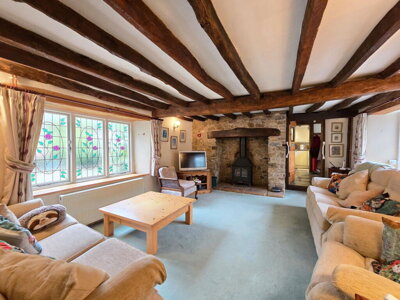
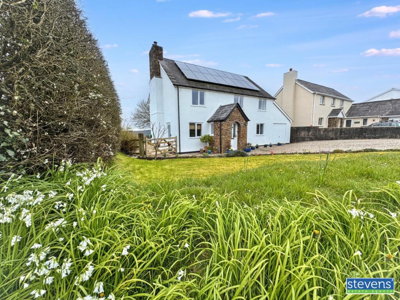
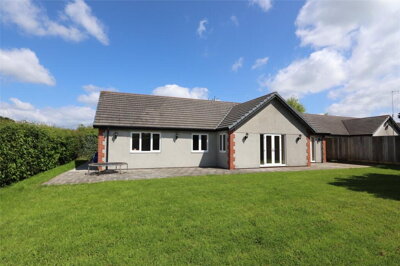
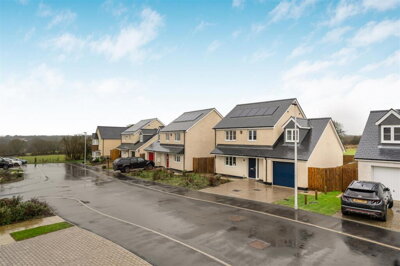
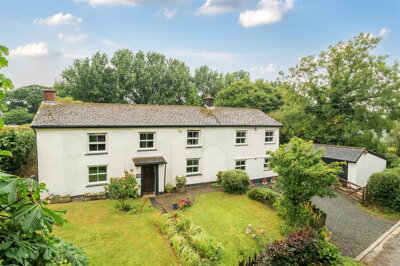
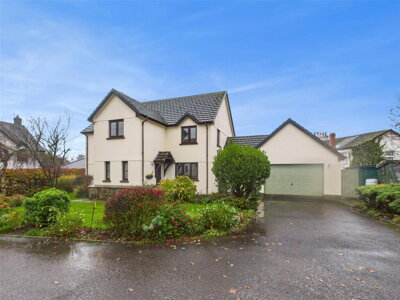
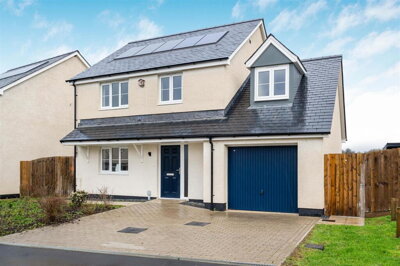
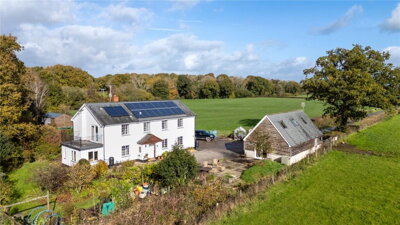
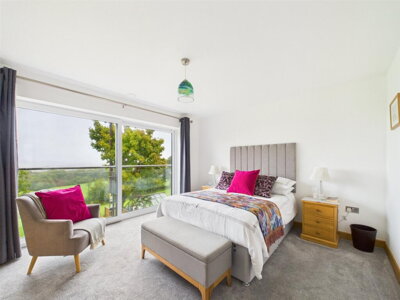
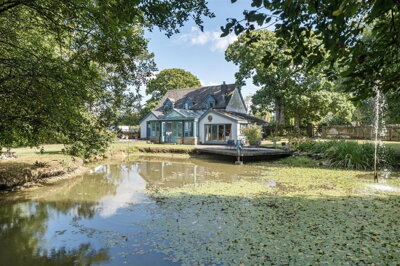
Browse 10 homes for sale in Highampton, West Devon from local estate agents.
The larger property sector typically features multiple bathrooms, substantial reception space, and private gardens or off-street parking. Four bedroom houses in Highampton span detached, semi-detached, and occasionally terraced configurations, with styles ranging from period properties to modern executive homes.
£475k
1
1
6
Source: home.co.uk
Showing 1 results for 4 Bedroom Houses for sale in Highampton, West Devon. 1 new listing added this week. The median asking price is £475,000.
Source: home.co.uk
Detached
1 listings
Avg £475,000
Source: home.co.uk
Source: home.co.uk
The Highampton property market is dominated by generous detached homes, which make up 57.1% of the local housing stock according to ONS Census 2021 data. Detached properties in the village command an average price of £399,750, reflecting the premium that buyers place on space, privacy, and the rural lifestyle that Highampton uniquely provides. The village's predominantly detached character means that buyers seeking generous plot sizes and countryside views will find the local market particularly well-suited to their requirements.
Semi-detached properties in Highampton average £273,333, offering an accessible entry point to the local market for first-time buyers or those seeking a more compact property without sacrificing the village's distinctive character. Terraced properties, comprising 11.9% of the housing stock, average around £220,000 and often feature the traditional stone construction that defines the village's historic core. Flats remain scarce in Highampton, with no recent sales data available, as the village's character and planning constraints have limited the development of this property type.
Property prices in Highampton have remained stable over the past year, with the overall 12-month change of 0.3% indicating a steady market rather than the dramatic fluctuations seen in urban areas. This stability makes Highampton an attractive proposition for buyers seeking long-term value in a proven location. The village's proximity to popular destinations like Dartmoor and the North Devon coast continues to attract buyers from across the South West and beyond, supporting demand for quality homes in this attractive West Devon setting.
With only around 12 property sales annually in a village of 215 households, the local market moves slowly compared to urban areas. This limited turnover means that properties coming to market are relatively scarce, and buyers should be prepared to act quickly when suitable properties appear. The steady nature of the Highampton market also means that comparative sales data may be limited, making thorough surveys and professional valuations particularly important for any purchase.

Highampton sits West Devon, a landscape shaped by centuries of agriculture and characterised by rolling farmland, winding lanes, and traditional stone-built villages. The local geology presents some distinctive features that residents should understand. The area is underlain by Culm Measures, consisting of shales, sandstones, and limestones, with clay-rich soils particularly prevalent in lower-lying areas. This geological foundation gives the surrounding countryside its characteristic fertility and the hedgerow-lined fields that make West Devon so visually appealing throughout the year.
The village itself has evolved around its agricultural heritage, with many properties dating from the pre-1919 period when the village formed part of Devon's farming heartland. The predominance of traditional construction using local stone and rendered exteriors, typically finished with slate or clay tile roofs, gives Highampton an unmistakable architectural unity. Several Grade II listed farmhouses and cottages punctuate the village, reflecting its historical importance within the local agricultural economy. These historic properties require careful maintenance and any renovation work must respect their special character under listing regulations.
Community life in Highampton revolves around the village's rural character and the strong sense of local identity that such small communities preserve. With only 509 residents, neighbours tend to know one another, creating an environment particularly suited to families with children and those seeking escape from urban pressures. The local economy relies primarily on agriculture, with small businesses and services providing additional employment. Many residents commute to nearby towns including Okehampton and Holsworthy for work, benefiting from the village's position that offers both seclusion and accessibility.
The village does not have a designated conservation area, though the parish contains a number of Grade II listed buildings that contribute to the traditional character of the built environment. The absence of a formal conservation area does not diminish the village's heritage value, as many properties retain their original character regardless of formal designations. For buyers interested in historic properties, this means a broader range of buildings may be available without the additional constraints that conservation area status would impose, though listed buildings remain subject to special controls.

Families considering a move to Highampton will find a selection of educational options within reasonable travelling distance. The village itself falls within the catchment area for primary schools in the surrounding area, with several well-regarded primary schools serving the local community. Parents should research specific school performance data and admissions criteria with the local education authority to identify the most suitable options for their children. The village's small population means that class sizes in local schools tend to be smaller than in urban areas, allowing for more individual attention and a strong sense of community among pupils and staff.
Secondary education is available at schools in nearby towns, with secondary-aged children typically travelling to schools in Okehampton or Holsworthy. These towns offer a range of secondary schools including grammar schools and comprehensive schools, providing families with choices depending on their children's academic abilities and preferences. For families prioritising education in their property search, understanding the specific catchment areas and admission policies for these secondary schools is essential before committing to a purchase in Highampton.
Sixth form and further education opportunities are concentrated in the larger towns of the region, including Exeter and Barnstaple for those seeking a broader range of A-level and vocational courses. The proximity of these larger education centres means that older students can continue to live at home in Highampton while accessing a full range of educational opportunities. Families moving to the area should factor school transport arrangements into their planning, as school bus services may serve specific catchment areas and operate on particular schedules. The availability and timing of transport can significantly affect the viability of secondary school options for families in the village.
Transport connectivity from Highampton reflects its rural character, with private motoring forming the primary means of travel for most residents. The village sits within easy reach of the A3079, providing connections to Okehampton to the east and towards Holsworthy to the west. This road network, while quieter than major urban routes, offers reasonable access to the wider Devon road network including connections to the M5 motorway at Exeter for those commuting further afield. For residents working in nearby towns, the journey times are manageable, typically ranging from 15 to 30 minutes depending on destination.
Public transport options are limited, as is typical for villages of Highampton's size. Bus services connecting Highampton to surrounding towns operate on reduced frequencies compared to urban routes, making access to a private vehicle practically essential for most residents. Those without cars should carefully consider how limited bus services might impact daily life, including access to supermarkets, medical appointments, and social activities. The nearest railway stations are located in Exeter and Barnstaple, offering connections to the national rail network for longer journeys.
For those working from home, Highampton offers an enviable quality of life with fast broadband becoming increasingly available in the village, enabling remote working without the need for a daily commute. The peaceful environment and lack of through traffic makes Highampton particularly attractive for those whose work does not require daily travel to an office. Cyclists and walkers will appreciate the network of country lanes and public footpaths that radiate from the village, offering excellent opportunities for recreation and sustainable local travel.
The local road network does have limitations during adverse weather conditions, particularly during winter months when rural lanes may be affected by flooding or icy conditions. Properties along unmade or private tracks may have additional maintenance responsibilities that buyers should investigate before purchase. Understanding the practical realities of getting around Highampton year-round is an important part of the buying decision, especially for those who may need to commute regularly or have regular appointments requiring reliable transportation.
Start by exploring current property listings in Highampton through Homemove to understand what is available at your budget. Given the village's small population and limited turnover of around 12 sales annually, properties come to market less frequently than in urban areas, so patience and persistence are key virtues for buyers.
Before viewing properties, obtain a mortgage agreement in principle from a lender. This demonstrates to sellers that you are a serious buyer with financing already arranged, which is particularly important in a village market where sellers may receive multiple enquiries. Use Homemove's mortgage comparison tools to find competitive rates suited to your circumstances.
View multiple properties in Highampton to compare the village's varied housing stock, from traditional stone cottages to modern detached homes. Pay attention to property condition, construction materials, and any signs of damp or structural issues that are common in older West Devon properties built on clay soils.
For any property you are serious about purchasing, book a RICS Level 2 Survey to identify any defects or maintenance issues. Survey costs in Highampton typically range from £400 to £800 depending on property size. Given that many Highampton properties are over 50 years old, this survey is particularly valuable for uncovering issues like damp, roof condition, and timber defects. Our team of qualified surveyors understand the specific construction methods used in West Devon properties and know what to look for when inspecting local housing stock.
Once your offer is accepted, instruct a solicitor experienced in rural Devon property transactions to handle the legal work. Your solicitor will conduct searches, handle contracts, and manage the transfer of ownership through to completion.
After all surveys, searches, and legal checks are satisfactory, you will exchange contracts and pay your deposit. Completion typically follows within a few weeks, when the remaining balance is transferred and you receive the keys to your new Highampton home.
Properties in Highampton present some specific considerations that buyers should investigate carefully before purchasing. The presence of clay-rich soils throughout the West Devon area creates a moderate to high shrink-swell risk for properties in the village. This geological factor means that properties with mature trees nearby or those built on uncompacted fill may be susceptible to ground movement. Our inspectors regularly check for signs of subsidence or heave, including cracking, sticking doors, and uneven floors that may indicate underlying ground problems.
Flood risk requires careful assessment in Highampton. While the village is not in a high-risk flood zone, surface water flooding can occur after heavy rainfall due to the local topography and drainage patterns. Properties near the River Lew face additional fluvial flood risk and buyers should check Environment Agency flood maps and discuss any flooding history with current owners or neighbours. Properties in identified flood risk areas may face higher insurance premiums or mortgage conditions requiring specific flood resilience measures.
The village's heritage is reflected in its stock of Grade II listed buildings, which require owners to obtain consent for alterations and must be maintained to preserve their special character. If you are considering a listed property, factor in the additional costs and constraints that listing brings, including requirements for specialist materials and craftspeople for any repair work. Properties that are not listed but are of similar age may still have original features that require updating, particularly electrical wiring and plumbing systems that do not meet current standards.
Traditional construction in Highampton typically features solid stone or brick walls, sometimes rendered, with timber floor and roof structures. Many older properties lack modern damp-proof courses, making rising damp a common issue that our surveyors check for during inspections. Roof structures often incorporate original timber that may show signs of woodworm or decay, particularly in areas with poor ventilation. We examine roof pitches, fascias, and soffits for evidence of deterioration, paying particular attention to the condition of slate and tile coverings that are typical of the local area.
Properties constructed after 1980 may feature cavity wall construction, though solid wall construction remains common throughout the village. Electrical installations in older properties frequently require updating to meet current regulations, and our inspectors test consumer units, wiring, and socket outlets as part of a thorough assessment. Plumbing systems in pre-war properties often use galvanised steel or lead pipes that may be corroded or restricted, requiring replacement during renovation.
A RICS Level 2 Survey provides essential protection for anyone buying property in Highampton, where a significant proportion of the housing stock is over 50 years old. Our inspectors have extensive experience examining West Devon properties and understand the specific construction methods and common defects found in the local area. The survey goes beyond the basic mortgage valuation to provide a detailed assessment of the property's condition, identifying issues that may not be apparent during a casual viewing.
Given the prevalence of clay soils in Highampton, we pay particular attention to the relationship between the property and its foundations. Properties with mature trees, particularly those with high moisture demands like oaks and poplars, may experience shrink-swell movement as the soil moisture content fluctuates seasonally. Our surveyors measure crack widths, check for signs of door and window sticking, and assess the overall structural integrity of the building before providing their opinion on the property's condition.
For buyers considering Grade II listed properties in Highampton, we recommend a RICS Level 3 Building Survey rather than a Level 2 survey. Listed buildings often have unique construction features, non-standard materials, and historic alterations that require specialist expertise to assess properly. The Level 3 survey provides a more comprehensive evaluation of the property's construction and condition, including recommendations for repairs and guidance on maintaining the building's special character in compliance with listing regulations.
The average house price in Highampton is £340,111 as of February 2026. Detached properties average £399,750, semi-detached homes cost around £273,333, and terraced properties average approximately £220,000. The market has shown remarkable stability with a 12-month price change of just 0.3%, making Highampton a steady choice for buyers seeking long-term value in rural Devon rather than a volatile market. With only around 12 property sales annually, the market moves slowly, so buyers should not expect the same level of choice available in larger towns.
Properties in Highampton fall under West Devon Borough Council. Council tax bands in the village range from Band A for lower-value properties through to Band F and above for the larger detached homes that predominate in the area. Exact banding depends on the property's assessed value, and buyers should check the specific band with the local council as part of their purchase preparation. Properties may be re-banded following a sale to reflect the new transaction price, which can affect ongoing annual costs for new owners.
Highampton village has access to primary schools in the surrounding area, with the nearest typically found in nearby villages and towns. Secondary education is available in Okehampton and Holsworthy, with schools including grammar schools serving the wider catchment area. Parents should check current Ofsted ratings and admission catchment boundaries with Devon County Council, as these can affect school placement. The village's small size means class sizes tend to be smaller than urban schools, and school transport arrangements should be confirmed before committing to a purchase.
Public transport connectivity from Highampton is limited, reflecting the village's small size and rural location. Bus services to surrounding towns operate at reduced frequencies compared to urban areas, making private motoring essential for most residents. The nearest railway stations are in Exeter and Barnstaple, providing connections to the national rail network for longer journeys. Those without cars should carefully consider transport constraints before purchasing in Highampton, including how reduced bus timetables might affect access to employment, shopping, and healthcare appointments.
Highampton offers a stable property market with prices showing minimal volatility over recent years, making it suitable for buyers prioritising long-term security over rapid capital growth. The village's appeal as a rural retreat, retirement location, and holiday home destination supports ongoing demand. However, the small size of the local market means properties can take longer to sell than in urban areas, so investors should plan for longer holding periods. The limited availability of rental properties means buy-to-let investors may find their options constrained by the village's housing stock composition, which is dominated by larger family homes rather than the smaller properties that typically attract tenants.
Stamp duty rates for 2024-25 are 0% on properties up to £250,000, 5% on the portion from £250,001 to £925,000, 10% on the portion from £925,001 to £1.5 million, and 12% above £1.5 million. First-time buyers benefit from relief on the first £425,000, paying 5% on the portion from £425,001 to £625,000. Given that the average Highampton property costs £340,111, most buyers would qualify for stamp duty below the main threshold, with first-time buyers paying nothing on most standard purchases in the village. Properties priced above £250,000 will incur stamp duty at the standard rate, so buyers should factor this into their overall budget calculation.
Older properties in Highampton face several common risks that buyers should understand before committing to a purchase. Clay-rich soils in the area create a moderate to high shrink-swell risk, meaning properties with mature trees or those built on expansive clay may experience foundation movement over time. Our surveyors check for signs of subsidence, including cracking patterns and differential settlement. Damp is prevalent in properties without modern damp-proof courses, and timber elements may be affected by woodworm or fungal decay. Electrical and plumbing systems in pre-war properties frequently require updating to meet current safety standards, adding to renovation costs that buyers should anticipate.
Highampton has areas with a risk of surface water flooding, especially after heavy rainfall, due to its topography and drainage patterns. Properties near the River Lew face additional fluvial flood risk from the river itself. The village is not located in a high-risk flood zone overall, but buyers should check Environment Agency flood maps for specific properties and discuss any flooding history with current owners or neighbours. Properties in identified flood risk areas may face higher insurance premiums, and mortgage lenders may require flood resilience measures or specific insurance conditions before approving a loan.
From 4.5%
Competitive mortgage rates for Highampton buyers
From £499
Expert property solicitors for Highampton
From £400
Professional property surveys in Highampton
From £600
Comprehensive surveys for older and listed properties
From £80
Energy performance certificates for Highampton
Understanding the full costs of buying a property in Highampton is essential for budgeting effectively. The purchase price of £340,111 for an average property means that most buyers will fall below the standard stamp duty threshold of £250,000. First-time buyers purchasing properties up to £425,000 can benefit from relief, meaning they would pay no stamp duty on most average-priced homes in the village. Buyers who already own property will pay 5% on the portion between £250,001 and £925,000, which on an average Highampton property would amount to approximately £4,506.
Beyond stamp duty, buyers should budget for solicitor fees for conveyancing, which typically range from £500 to £1,500 depending on the complexity of the transaction. Searches with West Devon Borough Council and other drainage and environmental checks usually cost between £250 and £400. A RICS Level 2 Survey, which we strongly recommend for properties in Highampton given the age of much of the housing stock, typically costs between £400 and £800 depending on property size and value. Bank transfer fees and land registry charges add a further modest amount to the total.
Ongoing costs after purchase include council tax, with most Highampton properties falling in Bands A through D. Buildings insurance is essential, and buyers should obtain quotes before completion as premiums can be higher for older or thatched properties. Properties with certain flood risk or near watercourses may face higher insurance costs, so factor this into your overall affordability assessment. Homemove's mortgage and conveyancing tools can help you calculate the full cost of purchasing in Highampton, ensuring there are no surprises when you come to complete on your new home.
Properties in Highampton may also incur additional costs for specialist surveys if the property is listed or has unusual construction features. Grade II listed properties often require a more comprehensive RICS Level 3 Building Survey rather than a standard Level 2, which can increase survey costs by 30-50%. Properties with thatched roofs, which are occasionally found in the village, may require specialist insurance and maintenance considerations that buyers should investigate before purchase.
Properties for Sale In London

Properties for Sale In Plymouth

Properties for Sale In Liverpool

Properties for Sale In Glasgow

Properties for Sale In Sheffield

Properties for Sale In Edinburgh

Properties for Sale In Coventry

Properties for Sale In Bradford

Properties for Sale In Manchester

Properties for Sale In Birmingham

Properties for Sale In Bristol

Properties for Sale In Oxford

Properties for Sale In Leicester

Properties for Sale In Newcastle

Properties for Sale In Leeds

Properties for Sale In Southampton

Properties for Sale In Cardiff

Properties for Sale In Nottingham

Properties for Sale In Norwich

Properties for Sale In Brighton

Properties for Sale In Derby

Properties for Sale In Portsmouth

Properties for Sale In Northampton

Properties for Sale In Milton Keynes

Properties for Sale In Bournemouth

Properties for Sale In Bolton

Properties for Sale In Swansea

Properties for Sale In Swindon

Properties for Sale In Peterborough

Properties for Sale In Wolverhampton

Enter your details to see if this property is within your budget.
Loans, cards, car finance
Estimated property budget
Borrowing + deposit
You could borrow between
Typical borrowing
Monthly repayment
Est. at 4.5%
Loan-to-value
This is an estimate only. Your actual budget may vary depending on interest rates, credit history, and personal circumstances. For an accurate affordability assessment, speak to one of our free mortgage advisors.
This calculator provides estimates for illustrative purposes only and does not constitute financial advice. Your home may be repossessed if you do not keep up repayments on your mortgage. Estimates based on 4.5% interest rate, repayment mortgage. Actual rates depend on your circumstances.
Homemove is a trading name of HM Haus Group Ltd (Company No. 13873779, registered in England & Wales). Homemove Mortgages Ltd (Company No. 15947693) is an Appointed Representative of TMG Direct Limited, trading as TMG Mortgage Network, which is authorised and regulated by the Financial Conduct Authority (FRN 786245). Homemove Mortgages Ltd is entered on the FCA Register as an Appointed Representative (FRN 1022429). You can check registrations at NewRegister or by calling 0800 111 6768.

We use cookies to show you personalised content and improve your experience of our website. Find out more in our Privacy policy and Cookie policy.