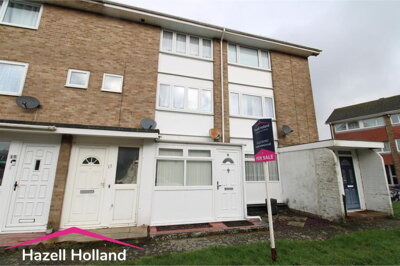
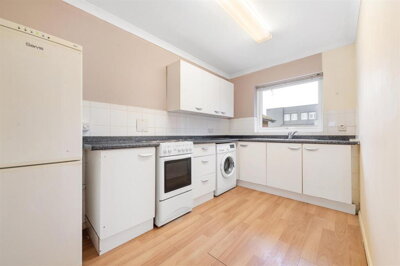
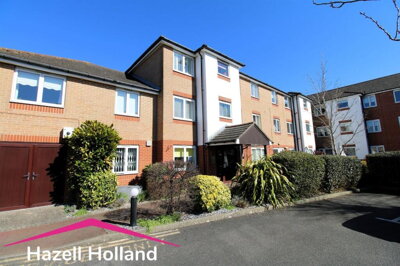
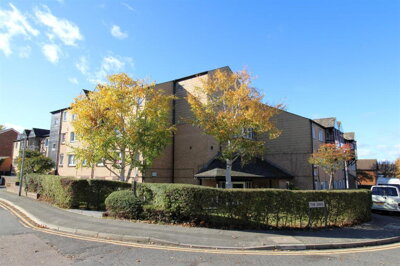
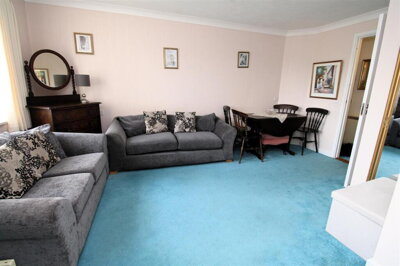
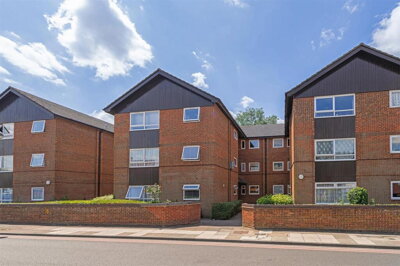
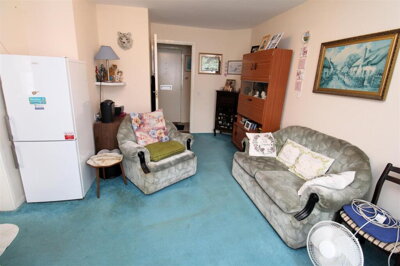
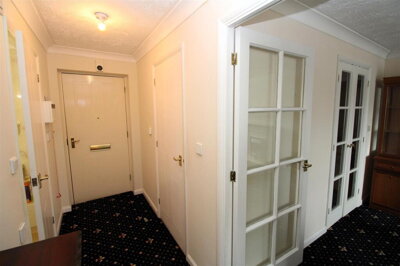
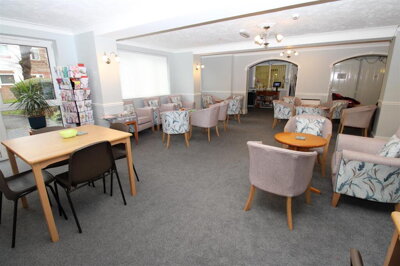
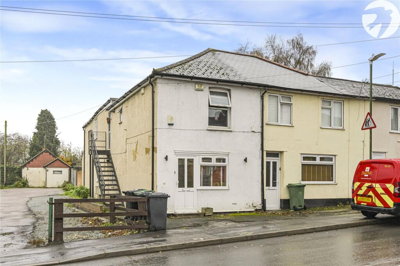
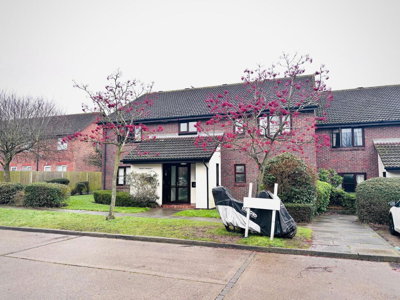
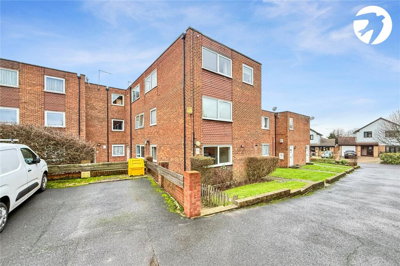
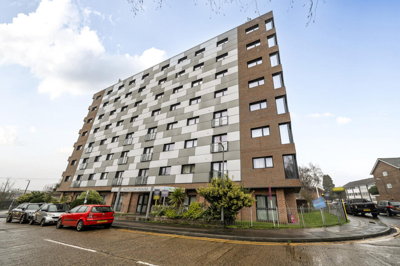
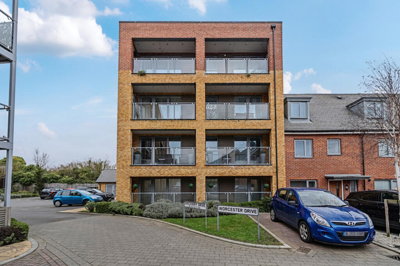
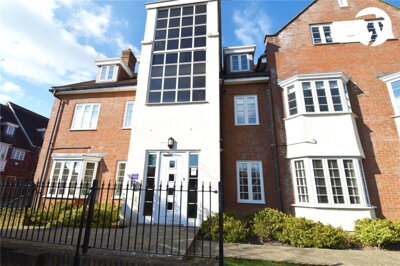
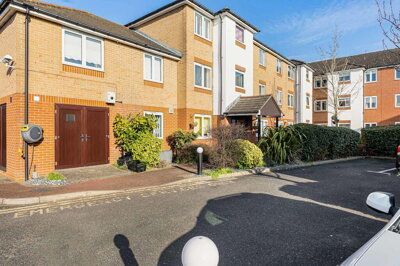
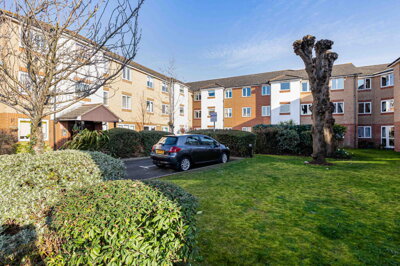
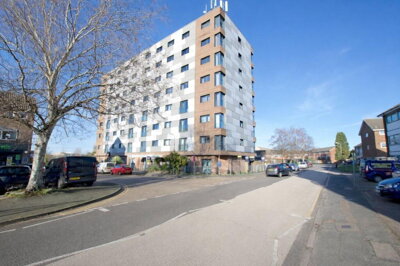
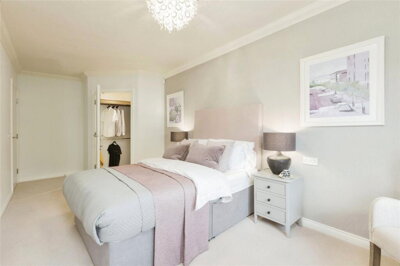
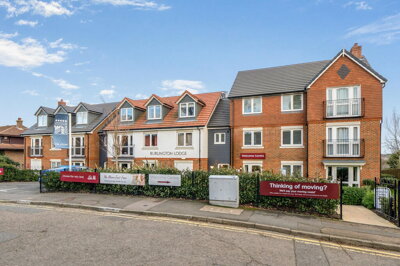
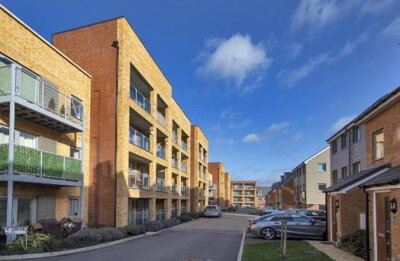
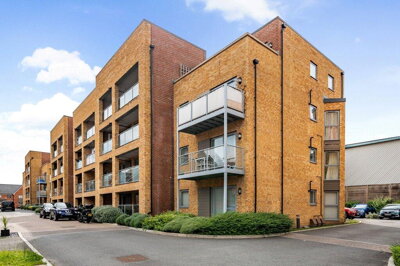
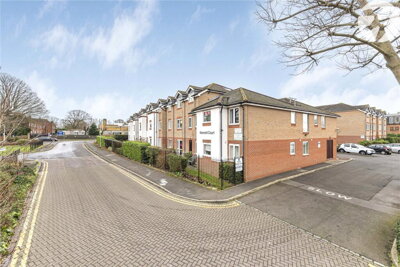
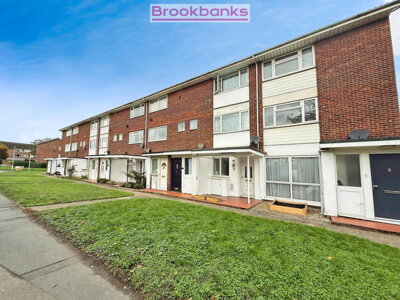
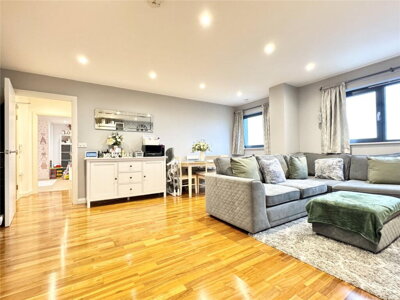
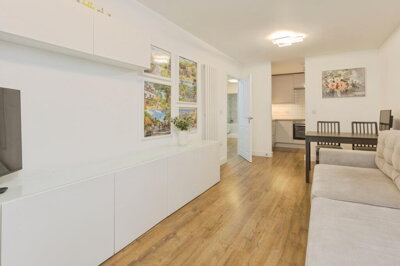
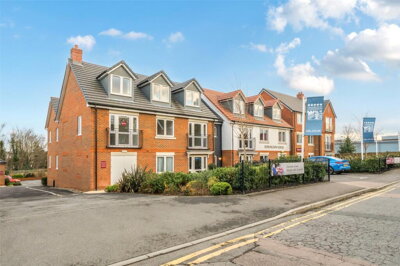
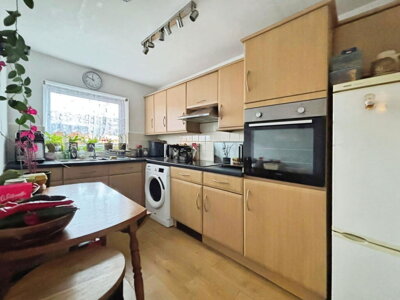
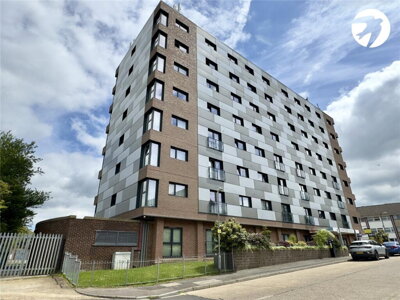
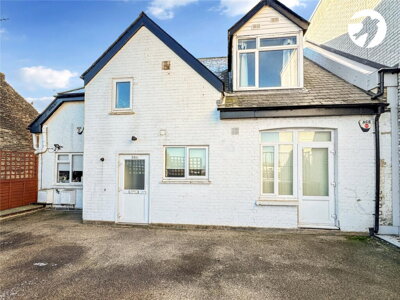
Browse 67 homes for sale in Hextable, Sevenoaks from local estate agents.
Studio apartments feature open-plan living spaces without separate bedrooms, incorporating sleeping, living, kitchen, and bathroom facilities. The Hextable studio market includes properties in modern apartment complexes, converted Victorian and Georgian buildings, and purpose-built developments.
£398k
2
0
81
Source: home.co.uk
Showing 2 results for Studio Flats for sale in Hextable, Sevenoaks. The median asking price is £397,500.
Source: home.co.uk
Flat
2 listings
Avg £397,500
Source: home.co.uk
Source: home.co.uk
The Hampton Bishop property market offers diverse options across all price ranges, with overall average prices sitting at £391,333 as of early 2026. Detached properties command the highest values, averaging £492,000 and showing a healthy 2% increase over the past twelve months. These generous family homes with their spacious gardens and rural settings appeal strongly to buyers seeking the quintessential English countryside lifestyle away from urban congestion. The premium reflects both the plot sizes available and the traditional construction methods using local Herefordshire brick and sandstone that characterise the village's best addresses.
Semi-detached homes in Hampton Bishop average around £280,000, representing good value for families looking to enter this desirable village market. Prices in this segment saw a modest 1% decrease over the past year, creating potential opportunities for buyers willing to act quickly in a market where supply remains limited. Terraced properties remain stable at approximately £230,000, offering an accessible entry point to village life with properties often featuring charming original features such as exposed beams, inglenook fireplaces, and flagstone floors that speak to the area's long history. Flats, while less common in this rural setting at around £165,000, showed the strongest growth at 3% annually, reflecting increased demand for low-maintenance living options among downsizers and first-time buyers seeking to establish themselves in the village.
The local housing stock reflects the village's historic character, with over 60% of properties estimated to be over fifty years old and a significant proportion pre-dating 1919. Many older homes were constructed using traditional methods including solid wall insulation achieved through lime-based renders and mortars, original timber floors on suspended boards, and slate or clay tile roofing on cut timber roof trusses. This heritage adds enormous character but also means buyers should budget for potential maintenance and renovation costs that reflect the specialist skills required for period property care. New build developments specifically within Hampton Bishop remain limited, with most activity concentrated in the wider Hereford area, meaning village properties benefit from a constrained supply that supports long-term values.

Life in Hampton Bishop centres around the village's strong community spirit and beautiful natural surroundings that have drawn families to this stretch of the River Wye for centuries. The River Wye forms the southern boundary of the parish, offering residents opportunities for fishing, kayaking, and riverside walks along well-maintained public footpaths that connect to the broader Wye Valley Walking route. The Wye Valley Walk passes through the village, connecting Hampton Bishop to neighbouring communities including Mordiford and Fownhope, providing scenic routes for walkers and cyclists throughout the year with views across to the Herefordshire Hills. The surrounding countryside features rolling farmland, cider apple orchards, and woodlands that define this productive agricultural region and provide the backdrop for daily life.
The local economy maintains strong connections to agriculture, with many residents involved in fruit farming, livestock production, and related rural enterprises that have shaped the landscape over generations. The Herefordshire cider industry has deep roots in this area, with Bulmers and Strongbow originating from county producers, and visitors often travel from across the country to sample local produce at farms and farm shops dotted throughout the region. The village benefits from several working farms within the parish boundaries, with farm shops selling direct from producers offering seasonal vegetables, meat, and preserves. Tourism related to the River Wye, the Hereford Cathedral, and the county's historic market towns contributes additional economic activity that supports local businesses.
The village itself maintains essential community facilities including a village hall that hosts regular events, clubs, and social gatherings throughout the year. The local pub serves as a traditional meeting point for residents, offering a warm atmosphere with log fires during winter months and a beer garden overlooking the river during summer. The surrounding landscape provides abundant recreational opportunities, with extensive public footpath networks crossing farmland and woodland, and the River Wye offering water-based activities from coarse fishing to paddle sports and rowing. This combination of rural tranquility and community connectivity makes Hampton Bishop particularly appealing to families seeking a balanced lifestyle away from the pressures of urban living.

Families considering a move to Hampton Bishop will find educational options available both within the village and in the surrounding area, with the county providing comprehensive coverage across all age groups. The village falls within the Herefordshire local education authority, which maintains a network of primary schools across the county serving rural communities including schools in nearby villages such as Withington and Mordiford. Primary-aged children typically attend their nearest community primary school, with dedicated school buses providing transport for those living beyond walking distance. The county's primary schools generally achieve results in line with national averages in national assessments, with dedicated teaching staff committed to supporting children's development across academic and creative subjects.
Secondary education in Herefordshire follows a comprehensive system with pupils attending their nearest appropriate school from the age of eleven onwards, with no fixed school year cut-off date affecting placements. The county's secondary schools offer a broad curriculum preparing students for GCSE and A-level qualifications, with specialist subjects and extracurricular activities varying between institutions depending on their particular strengths. For families seeking grammar school education, Hereford High School for Boys and Hereford Girls' College offer selective admissions based on academic ability, with places allocated following the county's intake procedures. Parents should check current catchment areas and admissions policies with Herefordshire Council, as these can change annually and directly affect school placement eligibility for their children.
Beyond state education, Herefordshire offers various independent schooling options for families seeking alternative educational approaches or smaller class sizes. The county town of Hereford hosts several independent schools at both primary and secondary levels, including Hereford Cathedral School and The King's School, providing individual attention and specialised curricula for pupils of all abilities. For higher education, the Hereford College of Arts and Hereford Sixth Form College offer A-level and vocational courses, while universities in Worcester, Birmingham, and Cardiff are accessible for older students pursuing degree-level qualifications. Regular bus and rail connections facilitate daily commuting for those studying closer to home, with journey times to Birmingham taking approximately ninety minutes by train from Hereford station.
Transport connections from Hampton Bishop balance the peaceful rural setting with practical access to larger towns and cities that provide employment, shopping, and cultural amenities. The village lies approximately five miles southeast of Hereford city centre, with regular bus services operating along the A438 road connecting Hampton Bishop to Hereford and surrounding villages including Lugwardine and Mordiford. These local bus routes provide essential connectivity for residents without private vehicles, serving Hereford's shopping centres, healthcare facilities including Hereford County Hospital, and employment hubs throughout the city. Bus frequency varies by route, with core services running throughout the day and reduced evening and weekend provision requiring some planning for leisure travel.
Hereford railway station offers mainline connections across the West Midlands and beyond, with direct services to Birmingham, Manchester, and London via the CrossCountry and West Midlands Railway networks operated by Transport for Wales. Journey times to Birmingham New Street typically take around ninety minutes, while London Paddington is accessible via a change at Birmingham or a longer direct service via the West Midlands. The station also provides connections to regional destinations including Cardiff Central, Shrewsbury, and Reading, supporting both daily commuting and leisure travel requirements for residents who work in larger cities. Parking availability at Hereford station serves residents driving from surrounding villages, though spaces can fill quickly during peak commuting hours.
For car drivers, Hampton Bishop enjoys straightforward access to the A438 which runs through the village, connecting directly to Hereford to the northwest and towards Ledbury to the east where the M50 motorway provides links to the West Midlands. The A4103 links westward towards Worcester and the M5 motorway, while the A49 provides a major north-south route through Herefordshire connecting to the M5 at Worcester Junction. Cycling is popular in the area, with quiet country lanes and designated routes making cycling to Hereford feasible for many residents during drier months. The village's position within the Wye Valley also supports sustainable travel choices, with established walking and cycling routes encouraging car-free exploration of the surrounding countryside throughout the year.
Properties in Hampton Bishop require careful inspection given the prevalence of older construction throughout the village, with over 60% of the housing stock pre-dating 1950 and many homes built before modern building regulations existed. The underlying Devonian Old Red Sandstone geology means many homes are built on clay-rich soils that exhibit shrink-swell behaviour during wet and dry periods, causing subtle ground movement that can affect foundations over time. This is particularly relevant for properties with large nearby trees, especially oak and poplar species common in the area, or those on lower-lying ground near the River Wye where superficial deposits include alluvial soils prone to movement. Our surveyors regularly identify foundation-related issues in Hampton Bishop properties, including cracking to walls, sloping floors, and doors or windows that stick or fail to close properly.
Damp represents one of the most common defect categories identified in Hampton Bishop properties, manifesting as rising damp where original damp-proof courses have failed, penetrating damp through solid walls where lime mortar has deteriorated, and condensation issues in properties with inadequate ventilation. Older properties built with solid walls and lime-based mortars rely on the breathability of these traditional materials to manage moisture, and inappropriate modern renders or paints can trap water within the fabric causing serious damage to timbers and plaster. Our inspectors check thoroughly for damp using calibrated moisture meters, examining walls at low level, behind furniture, and in hidden corners where problems often lurk unseen by sellers.
Timber defects including woodworm infestation and both wet and dry rot commonly affect older Hampton Bishop properties where original timber elements have been exposed to moisture over many years. Woodworm, typically caused by furniture beetle or common woodworm beetle larvae tunnelling through softwoods, can weaken structural timbers and floorboards if left untreated, while wet rot requires persistent moisture sources to develop and can cause rapid deterioration of affected timbers. Dry rot is less common but more serious, capable of spreading through masonry and causing extensive damage even to timber remote from the original moisture source. Our surveyors lift floorboards where safe to do so, probe suspect timbers, and report on any evidence of past or active timber infestation.
Roof condition requires particular attention in Hampton Bishop given the age of many properties, with original slate and clay tile roofs now well into their second century of service and showing signs of wear. Common defects include slipped or broken tiles allowing water penetration, failed felt or sarking beneath the covering, deteriorated leadwork around chimneys and valleys, and rotting timber fascias and soffits. Properties with original lead flashings may have suffered theft or damage, while those with later concrete or fibre-cement tiles may be approaching the end of their serviceable life. Our inspectors assess roof condition from accessible loft spaces where present, examining timbers for damp staining, insulation levels, and the condition of any water tanks or tanks.
Hampton Bishop properties reflect the traditional building practices of rural Herefordshire, with the local geology and agricultural economy shaping construction choices over centuries. Properties built before 1919 typically feature solid wall construction using local Herefordshire brick or sandstone, with lime mortar joints that allow the walls to breathe and manage moisture naturally. These solid walls, typically 225mm to 300mm thick, provide excellent thermal mass but limited insulation by modern standards, and homeowners should understand that improving energy efficiency requires careful specification of breathable materials to avoid trapping moisture within the fabric. Timber floors on suspended joists are common in these older properties, often with original floorboards that can be sanded and sealed to reveal beautiful grain patterns.
The Devonian Old Red Sandstone that underlies much of Herefordshire has been used as a building material for centuries, with properties throughout Hampton Bishop featuring walls constructed from locally quarried sandstone blocks or rubble stone laid in irregular courses. This local stone typically presents in warm red, brown, or buff tones that weather naturally over time, and matching stone for repairs requires understanding of the specific geological formations present in the parish. Red brick construction using handmade bricks from local kilns also features throughout the village, with these bricks typically being softer and more permeable than modern engineering bricks. Rendered finishes, whether traditional lime harl or modern sand and cement, protect the underlying masonry from weather exposure but require maintenance to prevent water penetration behind the coating.
Post-war properties in Hampton Bishop reflect the construction techniques of their era, with cavity wall construction introduced from the 1920s onwards and becoming standard after 1945. These properties typically feature outer leaf brickwork with an inner leaf of concrete block or brick, with the cavity providing some insulation and moisture resistance. Pitched roofs throughout the village generally use cut timber rafters or traditional roof truss designs, with concrete tiles becoming common from the 1950s onwards replacing the original slate and clay tiles of earlier properties. uPVC windows and doors have been installed throughout the village as original features have deteriorated, though many homeowners have retained or reinstated timber windows that better suit the character of period properties.
Explore Hampton Bishop thoroughly before committing to a purchase, visiting at different times of day and week to understand traffic levels and community atmosphere. Speak with existing residents about their experiences, and understand the local amenities, transport options, and village services available. Consider proximity to schools, GP services in nearby villages, and essential shops, and factor in typical journey times to your workplace from this rural location. Our team can provide guidance on different neighbourhoods and developments within the village.
Obtain a mortgage agreement in principle before beginning property viewings to demonstrate your seriousness to sellers and estate agents while helping you understand exactly how much you can borrow. Herefordshire has various mortgage providers offering competitive rates, and speaking with an independent mortgage broker can help you find the most suitable product for your circumstances, whether you are a first-time buyer, moving from another property, or investing in the rental market. Fixed-rate mortgages remain popular for their payment certainty, though tracker and offset products may suit different circumstances.
Use Homemove to browse all available properties in Hampton Bishop, setting up alerts for new listings that match your criteria and budget requirements. Arrange viewings through listed estate agents, taking time to assess each property's condition, garden size, parking facilities, and overall suitability for your needs. Ask about the property's history, any recent renovations or improvements, planning permissions obtained, and the neighbourhood including neighbourly relations and any ongoing disputes. Take photographs to help compare properties later.
Once your offer is accepted, arrange a RICS Level 2 Survey to assess the property's condition thoroughly and identify any issues requiring attention or negotiation. Given Hampton Bishop's predominantly older housing stock, a comprehensive survey is essential to identify potential issues such as damp, structural movement from shrink-swell soils, outdated electrics, or roof condition. Survey costs in the area typically range from £400 to £700 depending on property size, with larger detached properties or those with known issues attracting higher fees. Our surveyors are familiar with local construction methods and common defect patterns in Herefordshire properties.
Choose a conveyancing solicitor to handle the legal aspects of your purchase, checking they have experience with Herefordshire properties and rural transactions. They will conduct searches against the property including drainage and water searches with Herefordshire Council, environmental searches, and planning history checks, handling contract negotiations and coordinating with your mortgage lender. Solicitors in Herefordshire typically offer fixed-fee conveyancing packages, with costs beginning from £499 for standard transactions though additional costs may apply for leasehold properties, listed buildings, or properties with title complications.
Once all searches are satisfactory and financing is confirmed, your solicitor will arrange contract exchange with the seller's representatives, committing both parties to the transaction. A deposit payment of typically ten percent of the purchase price is paid at this stage, losing your deposit if you withdraw without cause. The remaining balance is transferred on completion day when you receive your keys and take possession of your new Hampton Bishop home, with removals arranged and utility connections transferred in advance.
The average house price in Hampton Bishop stands at approximately £391,333 as of early 2026, based on recent transaction data from approximately 25 property sales in the past twelve months. Detached properties average £492,000 and represent the majority of higher-value sales in the village, while semi-detached homes command around £280,000 and terraced properties trade at approximately £230,000. The market has shown steady performance over the past year with overall prices increasing by 1%, with detached properties leading growth at 2% and flats showing the strongest gains at 3% annually. This stable performance reflects the constrained supply of village properties and consistent demand from buyers seeking the Herefordshire countryside lifestyle.
Properties in Hampton Bishop fall under Herefordshire Council's council tax system, with bands ranging from A through to H depending on property value and size as assessed by the Valuation Office Agency. The majority of the village's older period properties typically fall within bands B through D given their modest market values relative to city properties, while larger detached family homes on spacious plots may be rated in bands E or F. Current council tax rates can be confirmed through Herefordshire Council's online band lookup service using the property address, and the current rates for each band are published on the council's website for annual budgeting purposes.
Hampton Bishop is served by Herefordshire's education system, with primary schools in nearby villages such as Withington and Mordiford providing for younger children within reasonable travelling distance. Secondary education is available at comprehensive schools across the county including the Steiner Academy Hereford for families seeking alternative educational approaches, with grammar schools in Hereford city for academically selective pupils following the county's intake procedures. Families should verify current catchment areas and admissions criteria with Herefordshire Council, as these can affect placement eligibility and change annually as demand patterns shift. Independent schooling options are available in Hereford itself, including Hereford Cathedral School and The King's School, with transport arrangements possible from the village.
Hampton Bishop is connected to Hereford city by regular bus services operating along the A438 road, with the number 492 service providing the primary public transport link between the village and city centre. Hereford provides mainline railway connections to Birmingham, London, Cardiff, Manchester, and other major cities through Hereford station on Commercial Street. The village's rural location means private car ownership remains beneficial for full mobility, though the bus services provide a viable alternative for daily commuting and accessing Hereford's retail, healthcare, and leisure facilities. Many residents cycle to Hereford along the A438 which has a reasonable shoulder for cycling, making this a practical option for fair-weather commuting.
Hampton Bishop offers stable property values with modest annual growth averaging around 1% over recent years, making it suitable for both homeowners seeking a peaceful lifestyle and investors targeting long-term capital appreciation. The village's rural character, river setting along the Wye Valley, and proximity to Hereford maintaining demand from buyers seeking the Herefordshire countryside lifestyle without sacrificing access to city amenities. Limited new build supply within the village itself supports existing property values, while the wider Hereford area continues attracting new residents to the region from Bristol and Birmingham seeking more affordable housing. Rental demand exists from professionals working in Hereford or the surrounding agricultural sector, with rental values for typical village properties providing gross yields in line with regional averages.
Stamp duty rates from April 2025 charge 0% on the first £250,000 of residential property value, 5% on the portion between £250,000 and £925,000, 10% on the portion from £925,000 to £1.5 million, and 12% on any value above £1.5 million. First-time buyers purchasing properties up to £425,000 qualify for relief paying 0% on the first £425,000 and 5% on the remainder, making village homes significantly more accessible for those taking their first step onto the property ladder. For example, a typical terraced property at £230,000 would incur no stamp duty for any buyer, while a detached home at the village average of £391,333 would attract approximately £7,067 in stamp duty charges for standard buyers.
Hampton Bishop's position along the River Wye places certain properties within designated flood zones, particularly those immediately adjacent to the river and homes in the lower-lying floodplain areas of the parish. Properties in these locations face potential inundation during periods of high water, which can cause significant damage to fabrics, finishes, and electrical systems as well as creating damp and mould issues that may not become apparent until months after flooding occurs. Surface water flooding can also affect low-lying areas during heavy rainfall when drainage infrastructure is overwhelmed, a risk that may increase with climate change. Prospective buyers should request flood risk assessments, check the Environment Agency's flood maps available online, and consider whether flood resilience measures such as raised electrics or flood-resistant doors have been implemented in any property under consideration.
Hampton Bishop contains several listed buildings including the Church of St Andrew which dates from the 13th century and various historic farmhouses and cottages throughout the village that are protected under the Planning Listed Buildings and Conservation Areas Act. Properties with listed building status benefit from significant protections but require listed building consent for any alterations that might affect their historic fabric or character, using traditional materials and methods where possible. This can make renovation more expensive and time-consuming than standard properties, requiring specialist contractors and materials. Energy efficiency improvements can be particularly challenging in listed properties built before modern insulation standards, requiring careful specification of breathable materials appropriate to historic construction. Our surveyors can advise on the implications of listed status during your property assessment.
From 4.5%
Competitive mortgage rates from trusted lenders
From £499
Specialist solicitors for your property purchase
From £400
Professional property survey by qualified inspectors
From £60
Energy performance certificate for your new home
Budgeting for stamp duty represents a significant consideration for anyone purchasing property in Hampton Bishop, with the April 2025 rates affecting most residential transactions in the village. For properties priced at the village average of £391,333, standard buyers would pay nothing on the first £250,000 and 5% on the remaining £141,333, bringing total stamp duty to approximately £7,067. First-time buyers purchasing properties up to £425,000 would pay no stamp duty on most of their purchase, making village homes significantly more accessible for those taking their first step onto the property ladder. These thresholds apply from April 2025 and buyers should verify current rates with HMRC or their solicitor before completing their purchase, as rates can change with government budget announcements.
Beyond stamp duty, additional buying costs include solicitor fees for conveyancing, typically starting from £499 for standard transactions but potentially higher for leasehold properties, listed buildings with their additional complexity, or properties with title complications requiring specialist handling. Survey costs in Hampton Bishop range from £400 to £700 for a comprehensive RICS Level 2 Survey, with more detailed Level 3 Building Surveys recommended for period properties showing signs of structural issues or where significant renovation is planned. Mortgage arrangement fees vary by lender, commonly ranging from £500 to £2,000, though many lenders now offer fee-free deals to attract borrowers so comparing total mortgage costs is advisable. Local authority search fees for drainage, environmental, and planning checks with Herefordshire Council typically total around £250 to £400.
Factor also the costs of moving day itself, including removal services which can cost £500 to £2,000 depending on distance and volume, potential temporary storage if your sale and purchase timings do not align perfectly, and disconnection and reconnection charges for utilities. Buildings insurance must be in place from the moment you exchange contracts, protecting your investment against damage or loss during the intervening period. Setting aside a contingency fund equivalent to at least ten percent of your purchase price is wise, covering unexpected issues discovered during survey, renovation requirements in older properties with their higher maintenance demands, and the inevitable incidental costs that arise during any property purchase transaction.
Properties for Sale In London

Properties for Sale In Plymouth

Properties for Sale In Liverpool

Properties for Sale In Glasgow

Properties for Sale In Sheffield

Properties for Sale In Edinburgh

Properties for Sale In Coventry

Properties for Sale In Bradford

Properties for Sale In Manchester

Properties for Sale In Birmingham

Properties for Sale In Bristol

Properties for Sale In Oxford

Properties for Sale In Leicester

Properties for Sale In Newcastle

Properties for Sale In Leeds

Properties for Sale In Southampton

Properties for Sale In Cardiff

Properties for Sale In Nottingham

Properties for Sale In Norwich

Properties for Sale In Brighton

Properties for Sale In Derby

Properties for Sale In Portsmouth

Properties for Sale In Northampton

Properties for Sale In Milton Keynes

Properties for Sale In Bournemouth

Properties for Sale In Bolton

Properties for Sale In Swansea

Properties for Sale In Swindon

Properties for Sale In Peterborough

Properties for Sale In Wolverhampton

Enter your details to see if this property is within your budget.
Loans, cards, car finance
Estimated property budget
Borrowing + deposit
You could borrow between
Typical borrowing
Monthly repayment
Est. at 4.5%
Loan-to-value
This is an estimate only. Your actual budget may vary depending on interest rates, credit history, and personal circumstances. For an accurate affordability assessment, speak to one of our free mortgage advisors.
This calculator provides estimates for illustrative purposes only and does not constitute financial advice. Your home may be repossessed if you do not keep up repayments on your mortgage. Estimates based on 4.5% interest rate, repayment mortgage. Actual rates depend on your circumstances.
Homemove is a trading name of HM Haus Group Ltd (Company No. 13873779, registered in England & Wales). Homemove Mortgages Ltd (Company No. 15947693) is an Appointed Representative of TMG Direct Limited, trading as TMG Mortgage Network, which is authorised and regulated by the Financial Conduct Authority (FRN 786245). Homemove Mortgages Ltd is entered on the FCA Register as an Appointed Representative (FRN 1022429). You can check registrations at NewRegister or by calling 0800 111 6768.

We use cookies to show you personalised content and improve your experience of our website. Find out more in our Privacy policy and Cookie policy.