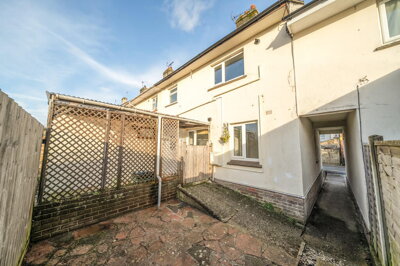
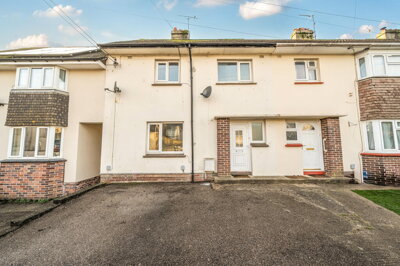
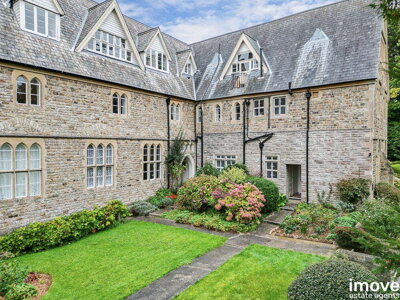
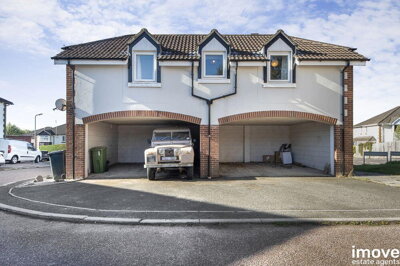
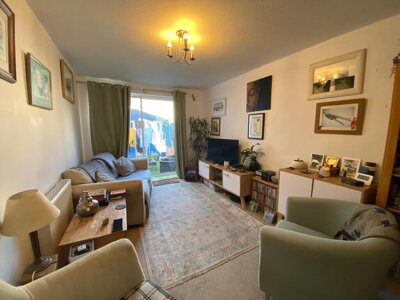
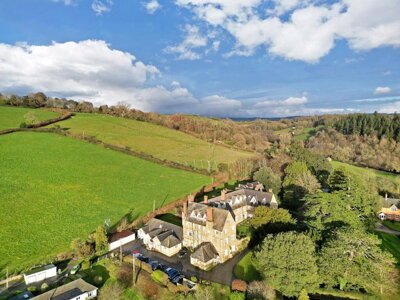
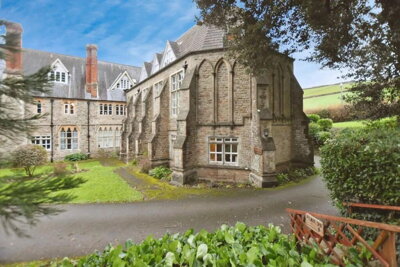
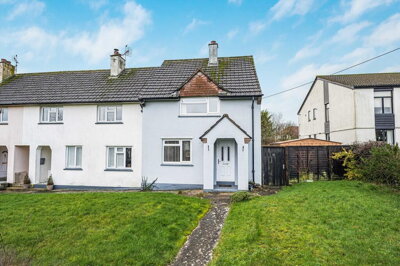
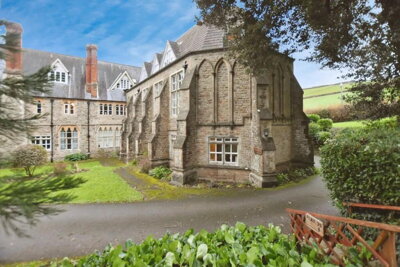
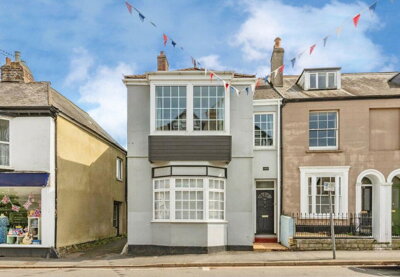
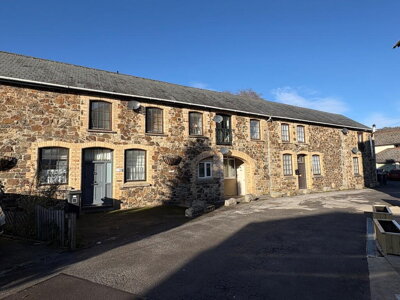
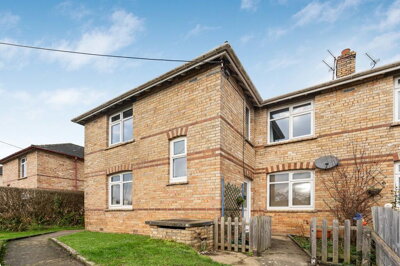
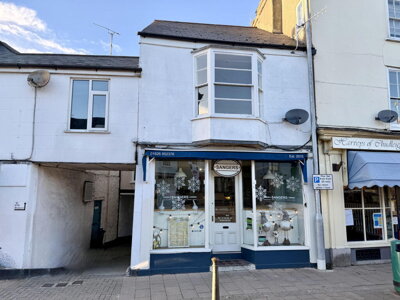
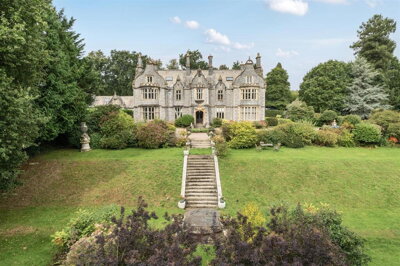
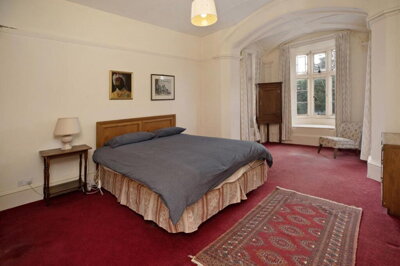
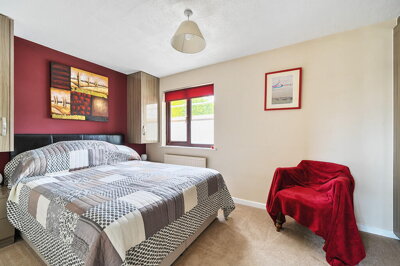
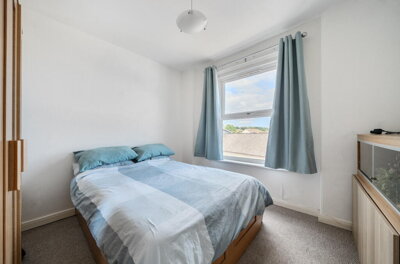
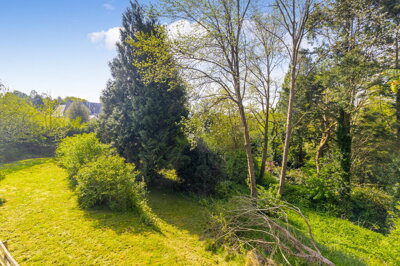
Browse 18 homes for sale in Hennock, Teignbridge from local estate agents.
Studio apartments feature open-plan living spaces without separate bedrooms, incorporating sleeping, living, kitchen, and bathroom facilities. The Hennock studio market includes properties in modern apartment complexes, converted Victorian and Georgian buildings, and purpose-built developments.
£0k
0
0
0
Source: home.co.uk
Showing 0 results for Studio Flats for sale in Hennock, Teignbridge.
The Newton St. Petrock property market reflects its rural character, with limited but meaningful stock available at any given time. Our current listings include approximately 12 properties spanning various types, from traditional terraced cottages priced around £210,000 to impressive detached homes reaching £472,500. This pricing diversity allows buyers with different budgets and space requirements to find suitable options within the village and its immediate surroundings. The market experiences natural turnover as residents relocate or life circumstances change, making regular monitoring of new listings worthwhile for serious buyers.
Recent market activity shows prices have adjusted by approximately 38.40% over the past twelve months, representing a correction of around £240,000 from previous levels. This significant movement brings the average price point closer to longer-term sustainable values, creating potential opportunities for buyers who missed the pandemic-era price surge. Historical data indicates that properties in Newton St. Petrock sold for an average of £430,000 at the 2021 peak, and current prices represent a notable reduction from that high point. For those with patience and a long-term perspective, these market conditions may offer favourable entry points into this desirable rural location.
Property types in the area skew heavily toward detached and semi-detached houses, with fewer terraced properties and virtually no flats. This housing stock composition reflects the village's agricultural heritage, where larger homes were built to accommodate farming families and workers over generations. A recent sale of a semi-detached bungalow achieved £210,000 in August 2023, while another semi-detached property sold for £194,250 in November 2006, demonstrating the range of values within the semi-detached category. New build activity remains minimal in Newton St. Petrock, with no active developments currently under construction in the immediate vicinity. Buyers seeking brand new properties may need to expand their search radius to nearby towns like Torrington or Holsworthy, though Newton St. Petrock itself offers character and charm that newer builds often cannot replicate.

Life in Newton St. Petrock revolves around the rhythms of the Devon countryside, offering residents a pace of life that feels worlds away from busy urban centres. The village maintains a strong sense of community, with residents gathering for local events and supporting one another through the seasons. The surrounding landscape features rolling farmland, hedgerows alive with wildlife, and the gentle topography characteristic of this part of North Devon. Morning walks through the lanes reveal stunning views across the Torridge valley, with the air carrying the scent of the countryside and the sound of birdsong replacing traffic noise.
The housing stock in Newton St. Petrock tells the story of centuries of continuous habitation, with properties dating back to the pre-1919 era forming a significant portion of the built environment. Traditional construction methods employed local materials, including Devon stone, cob (a clay, sand, and straw mixture unique to the region), and rendered exteriors finished in the cream and ochre tones that give Devon villages their distinctive appearance. Many homes feature thatched roofs, adding to the picturesque quality of the streetscene and exemplifying the traditional building techniques employed by local craftsmen in generations past. These older properties require ongoing maintenance but offer solid construction and character that modern homes often cannot replicate.
The village attracts a diverse mix of residents, including long-standing locals who have farmed the surrounding land for generations, incomers seeking countryside tranquility, and remote workers who have discovered that reliable connectivity makes rural living compatible with professional careers. This blend of populations creates a balanced community atmosphere where traditional values coexist comfortably with contemporary lifestyles. The village lacks large employers, meaning most residents commute to nearby towns for work or have established home-based businesses. However, the quality of life benefits of village living more than compensate for this practical consideration, with property prices in Newton St. Petrock offering significant value compared to similar rural locations closer to major urban centres.

Families considering a move to Newton St. Petrock will find educational provision primarily located in the surrounding towns and villages within reasonable driving distance. Primary education is available at local village schools serving Newton St. Petrock and neighbouring communities, with these smaller schools often providing excellent individual attention and strong connections between staff, pupils, and families. Parents should research specific catchment areas and admission policies, as school places can be competitive in popular rural locations where property demand is driven partly by school accessibility. Many families choose to supplement local provision with home education or private tutoring, particularly for children requiring additional support or advanced academic challenges beyond the local curriculum.
Secondary education options include schools in nearby Torrington and Holsworthy, both accessible by school transport or private vehicle. Torrington, located approximately 8 miles north of Newton St. Petrock via the A386, serves as an educational hub for the surrounding rural communities, offering a broader curriculum than village primaries and providing examination facilities for GCSE and A-Level students. Holsworthy, situated to the south-west, provides an alternative secondary school option for families living in the western parts of the parish. Families should verify current performance data and Ofsted ratings, as these metrics can fluctuate over time and represent important factors in educational decisions. The relatively short journey times to secondary schools, typically under 30 minutes by car, mean that students can maintain social connections and participate in extracurricular activities without excessive commuting burden.
Sixth form and further education provision is concentrated in larger towns including Barnstaple and Bideford, which offer college facilities and vocational training programmes. Barnstaple, approximately 20 miles north-east of Newton St. Petrock, serves as the principal centre for further education in North Devon, with North Devon College offering a wide range of academic and vocational courses. Students pursuing higher education or specialised vocational qualifications will need to travel to these centres or consider boarding arrangements for the final years of schooling. The rural setting does require families to plan educational journeys carefully, but the reduced cost of housing in Newton St. Petrock compared to towns with outstanding schools can help families afford private educational provision if required, effectively offsetting travel costs.
Transport connections from Newton St. Petrock reflect its rural character, with private vehicle travel forming the primary mode of transport for most residents. The village sits close to the A386 road, which provides direct access to Torrington to the north and connections to the A39 trunk road serving the wider North Devon area. The A39 connects Barnstaple with Bideford and the Cornwall border, providing access to coastal areas and additional amenities. Barnstaple, the regional centre, lies approximately 20 miles to the north-east, offering comprehensive shopping, healthcare, and transport facilities. The journey by car to Barnstaple typically takes around 35-40 minutes, depending on traffic conditions and the specific route taken through the North Devon countryside.
Public transport options are limited in common with many rural Devon villages. Bus services connect Newton St. Petrock to nearby towns on an intermittent schedule, making these services most useful for planned journeys rather than daily commuting. The nearest railway stations are located in Barnstaple and Umberleigh, with Umberleigh station situated approximately 15 miles away on the Tarka Line connecting to Exeter St. Davids and the national rail network beyond. Barnstaple station provides similar connectivity on the same line. For residents working in Exeter or other major cities, the combination of car to station and rail onward journey represents a viable, if time-consuming, commuting option that avoids the stress of long-distance driving. The journey from Umberleigh to Exeter takes approximately 1 hour 20 minutes by train, making daily commuting challenging but not impossible for those with flexible working arrangements.
Cycling infrastructure in the area consists primarily of country lanes, which offer pleasant but sometimes challenging routes for less experienced cyclists. The undulating terrain of Devon means that cycling requires reasonable fitness, though electric bikes are increasingly popular among residents who appreciate the health benefits of cycling without the physical demands of steep hills. For those working remotely, superfast broadband availability has transformed the viability of rural living, allowing residents to participate in video conferences and access cloud-based systems without traveling to urban offices. Property buyers should verify current broadband speeds at specific addresses, as coverage can vary within small geographical areas depending on local infrastructure and distance from the village exchange.
Before beginning your property search in Newton St. Petrock, take time to understand the local market by reviewing recent sale prices and current listings. The average property price of £320,000 provides a useful benchmark, though individual properties may cost significantly more or less depending on type, condition, and location within the village. Detached properties typically command higher prices, with recent sales reaching around £472,500, while terraced properties offer more accessible entry points at approximately £210,000. Obtain a mortgage agreement in principle from a lender to understand your borrowing capacity and demonstrate your seriousness to sellers when making offers.
Use Homemove to browse all available properties in Newton St. Petrock, setting up alerts for new listings that match your criteria. Schedule viewings to assess properties in person, paying particular attention to construction quality, maintenance requirements, and the character of the neighbourhood. Properties in this rural village often require more maintenance than modern homes, so factor potential renovation costs into your evaluation. Given the prevalence of period properties and listed buildings in Newton St. Petrock, viewings offer valuable opportunities to assess the condition of traditional features such as thatched roofs, stone walls, and original windows that may require specialist maintenance.
Once you find a property you wish to purchase, instruct a qualified surveyor to assess its condition. Given the age of housing stock in Newton St. Petrock, including many pre-1919 properties and listed buildings, a comprehensive RICS Level 2 or Level 3 survey is essential. This will identify any structural issues, defects, or renovation requirements that might affect your decision or negotiating position. Our inspectors have extensive experience surveying traditional Devon properties and understand the common issues affecting period cottages and farmhouses in this part of North Devon, including solid wall construction, timber frame elements, and traditional roofing materials.
Appoint a conveyancing solicitor to handle the legal aspects of your purchase. They will conduct searches, review contracts, and coordinate with the seller's solicitor to progress your transaction. Given the rural location and potential presence of agricultural land, private drainage systems, or unusual property features, thorough searches are particularly important in Newton St. Petrock. Your solicitor should investigate rights of way, boundary responsibilities, and any planning conditions that may affect the property. The local authority searches through Torridge District Council will reveal relevant planning history and any outstanding notices.
Once all searches are satisfactory and finances are in place, your solicitor will exchange contracts with the seller's representative, committing both parties to the transaction. Completion typically follows within days or weeks, at which point you will receive the keys to your new home in Newton St. Petrock. Register your ownership with HM Land Registry and notify relevant utility providers of your move. We recommend scheduling utility connections and broadband installation well in advance, as service providers in rural areas may require longer lead times to complete installations.
Properties in Newton St. Petrock present unique considerations that buyers should evaluate carefully before proceeding with a purchase. The age of much of the local housing stock means that traditional construction methods and materials are prevalent throughout the village. Solid wall construction, which lacks the cavity insulation found in modern properties, is common in older cottages and farmhouses. This construction type affects heating costs and thermal performance, requiring buyers to consider insulation improvements or alternative heating solutions when evaluating properties. The prevalence of cob construction in some properties adds additional considerations, as this material requires breathability and appropriate maintenance to prevent moisture-related issues.
Listed buildings require particular attention from prospective purchasers in Newton St. Petrock, where the historic building stock includes Grade II listed period properties. These buildings are protected for their historical significance, meaning that any alterations, extensions, or significant repairs require consent from Torridge District Council planning authority. These requirements can add complexity and cost to renovation projects but also protect the character and value of the property. A specialist survey from a professional experienced in historic buildings is advisable when purchasing listed properties, as standard surveys may not fully assess the implications of listing status or the condition of traditional building materials and techniques.
Flood risk should be investigated for each specific property, as even small differences in elevation or proximity to watercourses can significantly affect a property's vulnerability to flooding. While the village itself sits inland, local topography and drainage patterns create varying risk levels across different locations. The Torridge valley and its tributaries can experience water level fluctuations following heavy rainfall, and properties in lower-lying positions may be more susceptible to surface water flooding. Buyers should request information about any previous flooding incidents and review Environment Agency data for the specific property address. Drainage and soakaway conditions also merit investigation, as some rural properties rely on private systems rather than mains sewerage, with associated maintenance responsibilities and costs.
Service charges and maintenance fees deserve careful scrutiny for any property within a managed estate or where shared facilities exist. While freehold properties predominate in Newton St. Petrock, some properties may carry obligations for communal area maintenance or shared infrastructure contributions. Understanding these ongoing costs ensures that the true cost of homeownership is fully understood before committing to a purchase. Boundary responsibilities and rights of way should also be established through property searches and the Land Registry title documents, as rural properties sometimes have complex arrangements regarding access to farmland, shared drives, or maintenance of local hedgerows and ditches.
The current average house price in Newton St. Petrock stands at £320,000 based on recent sales data. This figure represents a notable adjustment from the 2021 peak of approximately £430,000, with prices falling around 26% from that high point over recent years. Detached properties command the highest prices, averaging around £472,500, while terraced properties typically sell for approximately £210,000. Semi-detached properties occupy a middle position in the market, with recent sales demonstrating values between £190,000 and £210,000 depending on condition and features. The market offers opportunities across various price points, though property availability is limited by the village's small size and rural character, with only around 12 properties typically available at any time.
Properties in Newton St. Petrock fall under Torridge District Council jurisdiction, and council tax bands range across all categories depending on property value and type. Band A properties may pay around £1,200-£1,400 annually, while higher-banded properties in the area attract proportionally larger charges based on the current council tax rates set by Torridge District Council. The village's mix of period cottages and larger detached homes means that council tax bands vary considerably across the local housing stock. Prospective buyers should check specific property details on the Torridge District Council website or through the property listing to confirm the exact band applicable to any property under consideration, as this forms part of the ongoing cost of homeownership.
Primary education in Newton St. Petrock is served by local village schools in the surrounding area, with specific schools depending on your residential address within the catchment area. St. Helens Primary School in Torrington and Shebbear College are among the educational options serving families in this part of North Devon, with the latter offering both day and boarding provision. Secondary education options include schools in Torrington and Holsworthy, which serve the wider rural community with comprehensive curricula and examination facilities. Parents should research current Ofsted ratings and admission policies, as school performance and accessibility can influence educational outcomes and daily family logistics considerably. The relatively short distances to secondary schools mean that most families can access education without excessive travel times.
Public transport connections from Newton St. Petrock are limited, reflecting the rural character of the village and North Devon generally. Bus services operate intermittently to nearby towns including Torrington and Holsworthy, while the nearest railway stations are located in Barnstaple and Umberleigh, approximately 20 and 15 miles away respectively. Umberleigh station lies on the Tarka Line, providing direct services to Exeter St. Davids with connections to the wider national rail network. These stations provide connections to Exeter and beyond, though journey times to major cities are lengthy, typically requiring over two hours to reach London. Most residents rely on private vehicles for daily transportation, though remote working has reduced the impact of limited public transport options for many households who no longer need to commute daily.
Newton St. Petrock offers potential for property investment, though buyers should understand the local market dynamics and the village's small scale. Long-term price growth of approximately 24% over the past decade demonstrates underlying demand for rural Devon property, though recent price corrections have brought values back toward historical averages. The village's character properties, including period cottages and listed farmhouses, appeal to buyers seeking authentic countryside living, which supports demand over time. Rental demand in the village is likely limited due to its small size and the predominance of owner-occupiers, making capital appreciation a more realistic investment strategy than rental income for most buyers. Properties requiring renovation may offer value-add opportunities, particularly given the character of older cottages and farmhouses in the area.
Stamp Duty Land Tax (SDLT) rates from April 2024 apply zero percent duty on the first £250,000 of residential property purchases, with 5% charged between £250,001 and £925,000. For a property priced at the Newton St. Petrock average of £320,000, a buyer would pay approximately £3,500 in stamp duty, calculated on the £70,000 portion above the £250,000 threshold. First-time buyers benefit from increased thresholds, paying zero percent up to £425,000, which means most first-time buyers purchasing at average prices would not owe any SDLT. The relief applies only to buyers who have never previously owned property anywhere in the world, and the property must be the buyer's primary residence. Those who have previously owned property may still benefit from the standard threshold if they do not qualify as first-time buyers.
Newton St. Petrock contains Grade II listed buildings, which are protected under planning legislation for their historical and architectural significance. Properties bearing Grade II listing include period farmhouses and cottages that exemplify traditional Devon building techniques, including cob construction and thatched roofing. Any alterations, extensions, or significant external work to listed properties typically requires Listed Building Consent from Torridge District Council, adding procedural requirements to any renovation project. These requirements can restrict renovation options and add complexity to purchases, but they also protect the distinctive character that makes these properties attractive to buyers seeking period features. Buyers considering listed properties should budget for potentially higher maintenance costs and longer project timelines when undertaking improvements, as specialist contractors and materials may be required.
Property buyers in Newton St. Petrock should investigate several environmental factors relevant to the rural location and local geology. Subsidence risk depends on local soil conditions, which should be verified through a professional survey given the age of local properties and the prevalence of clay soils in parts of Devon that can experience shrink-swell movement. Properties near watercourses or in valley locations may face flood risk, and individual property assessments are advisable rather than relying on general area information. Radon gas levels in some parts of Devon also warrant investigation, as this radioactive gas can accumulate in buildings in certain geological conditions. A professional survey will identify any immediate concerns and recommend further investigations where appropriate, providing for buyers considering this attractive rural location.
From 4.5% APR
Find competitive mortgage rates tailored to your purchase
From £499
Expert legal services for your property transaction
From £350
Comprehensive condition report for standard properties
From £500
Detailed structural survey for older or complex properties
Understanding the full costs of purchasing property in Newton St. Petrock helps buyers budget accurately and avoid financial surprises during the transaction process. The primary government tax affecting purchases is Stamp Duty Land Tax (SDLT), which applies graduated rates based on the purchase price. For properties completing from April 2024 onwards, buyers pay zero percent SDLT on the first £250,000 of purchase price, with 5% charged on the portion between £250,001 and £925,000. For a typical Newton St. Petrock property priced at £320,000, this translates to approximately £3,500 in stamp duty, calculated on the £70,000 portion above the £250,000 threshold. The calculation is straightforward: 5% of £70,000 equals £3,500, which should be included in your overall budget alongside other purchase costs.
First-time buyers benefit from more generous SDLT thresholds, paying nothing on the first £425,000 and 5% on the amount between £425,001 and £625,000. This relief means that most first-time buyers purchasing at or below the Newton St. Petrock average price of £320,000 would pay zero SDLT, providing significant savings compared to previous thresholds. The relief applies only to buyers who have never previously owned property anywhere in the world, and the property must be the buyer's primary residence. Those who have previously owned property but sold it may be able to claim previous ownership relief, subject to specific conditions and time limits relating to the replacement of a main residence.
Beyond stamp duty, buyers should budget for solicitor fees typically ranging from £500 to £2,000 depending on complexity and property value, with rural properties sometimes requiring additional work for issues such as private drainage or rights of way. Survey costs vary by property type and survey level chosen, with RICS Level 2 surveys starting from around £350 and more detailed Level 3 structural surveys from £500 upwards. Given the age of properties in Newton St. Petrock and the prevalence of period cottages and listed buildings, investing in a comprehensive survey is particularly advisable to identify any defects or issues that may affect value or require remediation. Search fees, land registry fees, and bank transfer costs add further modest amounts to the overall transaction cost. Mortgage arrangement fees, where applicable, typically range from zero to £2,000 depending on the lender and deal chosen, with some lenders offering fee-free mortgages that may be attractive for straightforward purchases.
Properties for Sale In London

Properties for Sale In Plymouth

Properties for Sale In Liverpool

Properties for Sale In Glasgow

Properties for Sale In Sheffield

Properties for Sale In Edinburgh

Properties for Sale In Coventry

Properties for Sale In Bradford

Properties for Sale In Manchester

Properties for Sale In Birmingham

Properties for Sale In Bristol

Properties for Sale In Oxford

Properties for Sale In Leicester

Properties for Sale In Newcastle

Properties for Sale In Leeds

Properties for Sale In Southampton

Properties for Sale In Cardiff

Properties for Sale In Nottingham

Properties for Sale In Norwich

Properties for Sale In Brighton

Properties for Sale In Derby

Properties for Sale In Portsmouth

Properties for Sale In Northampton

Properties for Sale In Milton Keynes

Properties for Sale In Bournemouth

Properties for Sale In Bolton

Properties for Sale In Swansea

Properties for Sale In Swindon

Properties for Sale In Peterborough

Properties for Sale In Wolverhampton

Enter your details to see if this property is within your budget.
Loans, cards, car finance
Estimated property budget
Borrowing + deposit
You could borrow between
Typical borrowing
Monthly repayment
Est. at 4.5%
Loan-to-value
This is an estimate only. Your actual budget may vary depending on interest rates, credit history, and personal circumstances. For an accurate affordability assessment, speak to one of our free mortgage advisors.
This calculator provides estimates for illustrative purposes only and does not constitute financial advice. Your home may be repossessed if you do not keep up repayments on your mortgage. Estimates based on 4.5% interest rate, repayment mortgage. Actual rates depend on your circumstances.
Homemove is a trading name of HM Haus Group Ltd (Company No. 13873779, registered in England & Wales). Homemove Mortgages Ltd (Company No. 15947693) is an Appointed Representative of TMG Direct Limited, trading as TMG Mortgage Network, which is authorised and regulated by the Financial Conduct Authority (FRN 786245). Homemove Mortgages Ltd is entered on the FCA Register as an Appointed Representative (FRN 1022429). You can check registrations at NewRegister or by calling 0800 111 6768.

We use cookies to show you personalised content and improve your experience of our website. Find out more in our Privacy policy and Cookie policy.