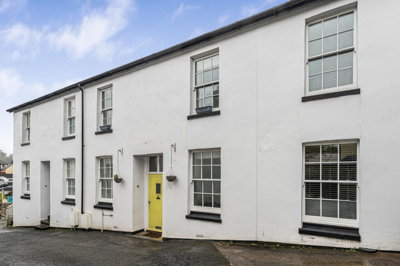
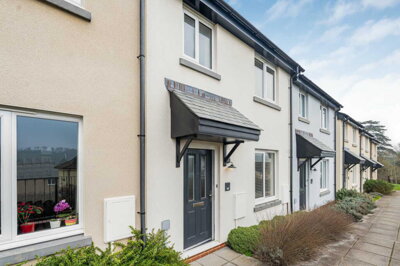
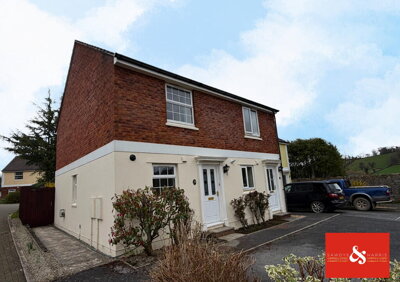
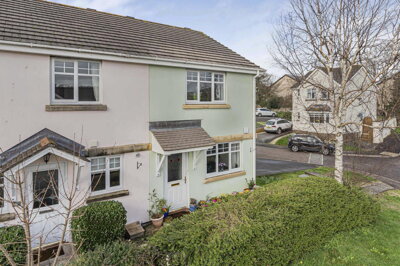
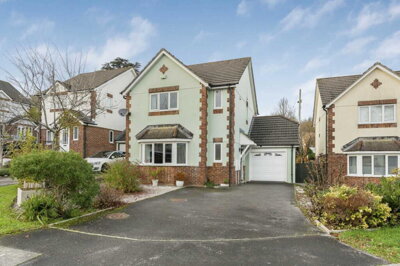
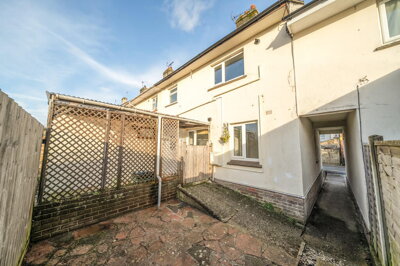
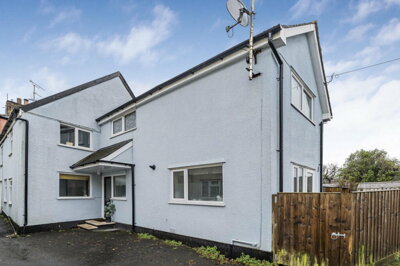
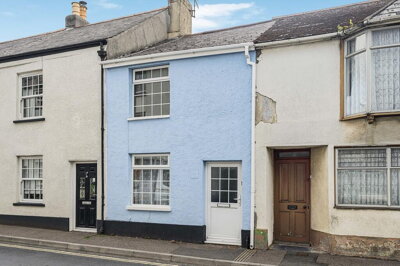
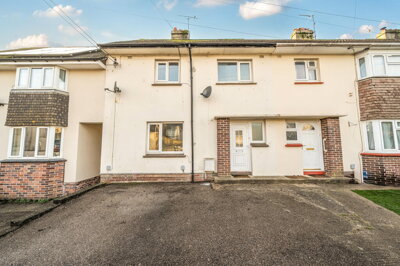
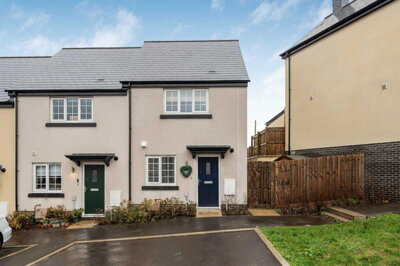
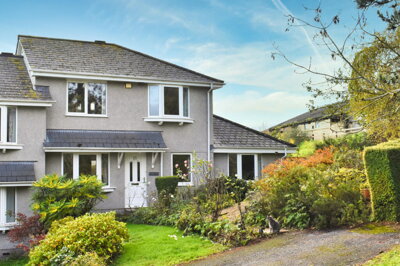
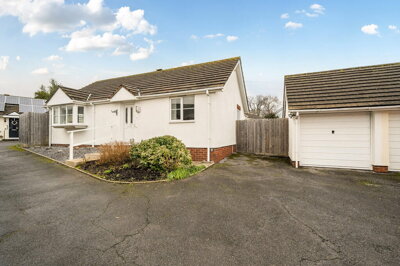
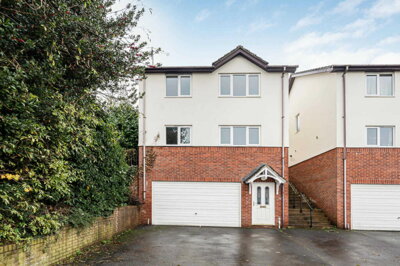
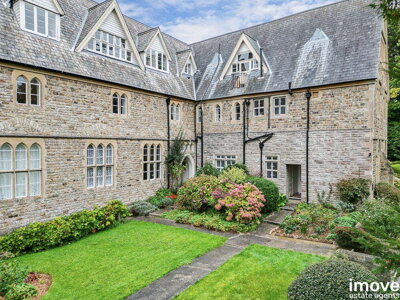
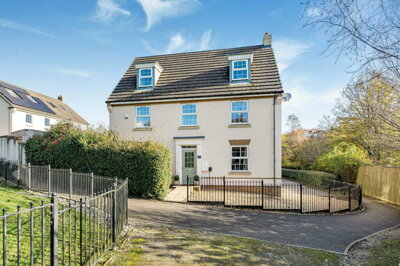
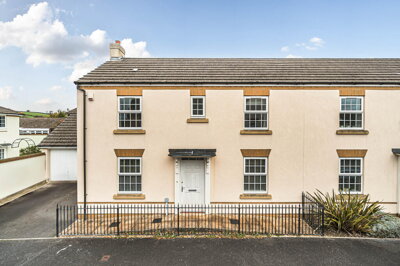
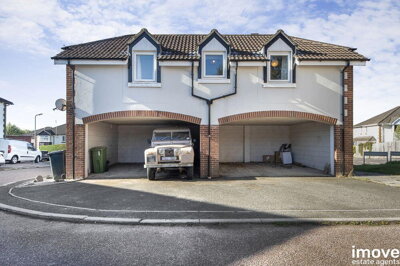
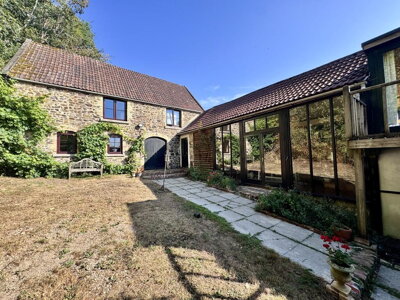
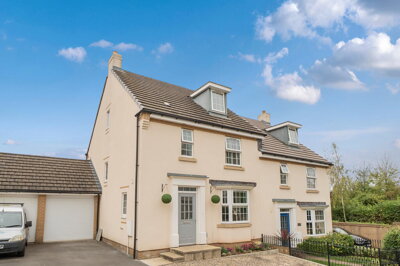
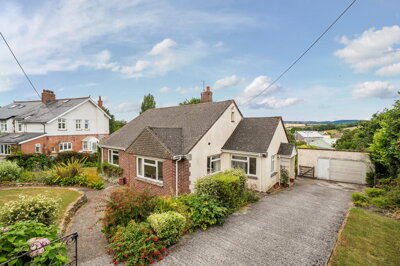
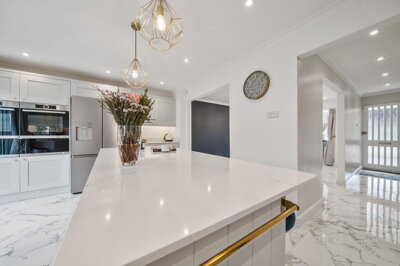
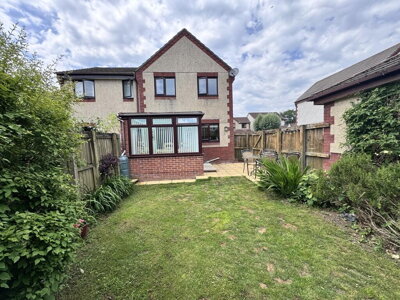
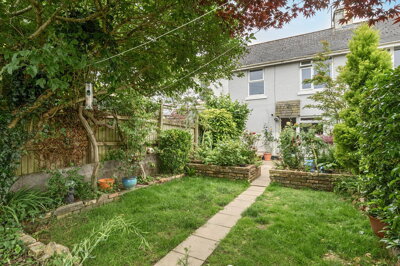
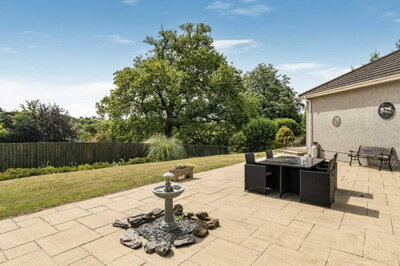
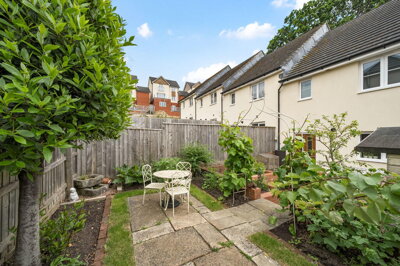
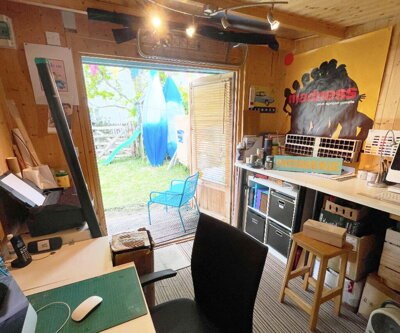
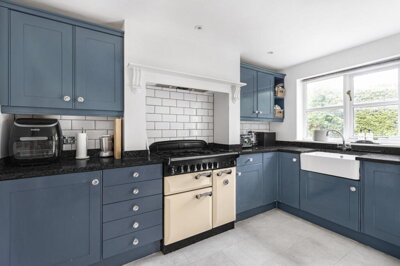
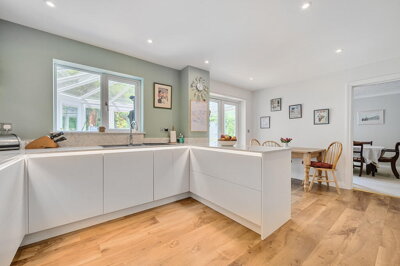
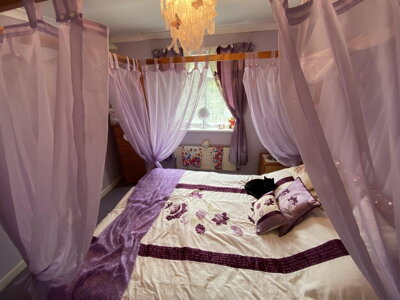
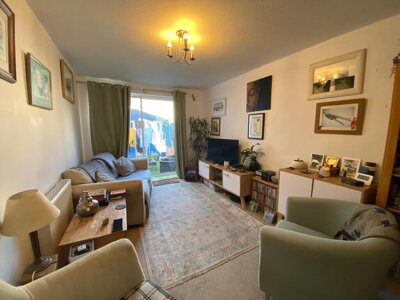
Browse 209 homes for sale in Hennock, Teignbridge from local estate agents.
£150k
57
0
118
Source: home.co.uk
Source: home.co.uk
Lodge
25 listings
Avg £93,518
Detached
9 listings
Avg £576,664
Park Home
6 listings
Avg £132,917
Bungalow
4 listings
Avg £487,495
Terraced
4 listings
Avg £219,750
Apartment
2 listings
Avg £262,500
End of Terrace
2 listings
Avg £375,000
Semi-Detached
2 listings
Avg £624,998
Cottage
1 listings
Avg £475,000
House
1 listings
Avg £700,000
Source: home.co.uk
Source: home.co.uk
The Newton St. Petrock property market reflects its status as a premium rural location in North Devon. Detached properties command the highest prices in the area, with the average reaching £472,500, reflecting the desirability of spacious homes with land and countryside views. Terraced properties offer a more accessible entry point at around £210,000, providing excellent value for those seeking a character home without the premium associated with detached rural residences. Our listings include everything from traditional stone cottages to converted barns and historic farmhouses, each offering unique character that newer developments simply cannot match.
Over the past year, property prices in Newton St. Petrock have experienced a correction of approximately 38.40%, representing a decrease of £240,000 from previous levels. This pullback brings prices to around 26% below the 2021 peak of £430,000, creating potential opportunities for buyers who may have been priced out of the market during the height of the pandemic property boom. However, the long-term picture remains positive, with prices increasing by 24.09% over the past decade, equivalent to £74,750 in absolute terms. This demonstrates the enduring appeal of North Devon villages as long-term investments.
Transaction volumes in Newton St. Petrock remain modest, consistent with its status as a small rural village rather than a busy town. Approximately 12 properties have changed hands in recent months, with Rightmove recording 25 total sales results in the area. This limited supply means that desirable properties can move relatively quickly, making it advisable for serious buyers to arrange mortgage agreement in principle before viewing. The market here lacks new build developments, with all available stock comprising existing properties that bring character, history, and established gardens to their new owners.
Semi-detached properties in Newton St. Petrock appear less frequently than terraced options but provide an alternative for buyers seeking more space than a cottage offers. Recent sales data shows semi-detached bungalows achieving around £210,000, while semi-detached houses have sold for approximately £194,250. These figures indicate a range of options for buyers whose budget falls between the terraced and detached market segments, though availability remains tight across all property types in this small village market.

Newton St. Petrock embodies the timeless appeal of rural North Devon, offering residents a lifestyle centred around natural beauty and community spirit. The village sits amid rolling farmland and patchwork fields that define the Torridge landscape, with footpaths and bridleways providing endless opportunities for walking, cycling, and exploring the countryside. The village itself maintains a traditional character, with properties built using local materials including stone, cob, and rendered exteriors that give the settlement its distinctive Devon appearance. Many homes feature thatched roofs or slate tiles, further reinforcing the historic nature of the built environment.
The community in Newton St. Petrock maintains the kind of neighbourly atmosphere that has disappeared in many urban areas. Local events, seasonal celebrations, and the simple rhythm of country life create bonds between residents that urban dwellers rarely experience. For families, this environment offers children the freedom to explore safely and grow up with a strong connection to nature. The village's quiet lanes see minimal traffic, making it safe for cycling and walking, while the absence of street lights and urban noise allows residents to appreciate the dark skies that rural Devon enjoys.
The economic character of Newton St. Petrock remains rooted in agriculture, with farms and smallholdings forming the backbone of the local economy. Residents typically work in farming, rural services, or commute to the nearby market towns of Holsworthy and Great Torrington for employment. The rise of remote working has also enabled many residents to maintain professional careers while enjoying the benefits of countryside living, with reliable broadband becoming increasingly important to the local community. The village offers a genuine alternative to urban life, prioritising quality of life, natural surroundings, and community connection over the convenience of immediate urban amenities.
Local amenities in the surrounding area include village shops, traditional pubs serving Devon ales and hearty pub food, and essential services such as doctors' surgeries and pharmacies within a short drive. The nearby town of Great Torrington offers a wider range of shopping facilities, while Holsworthy provides additional options for weekly shopping and specialist requirements. The River Torridge and its tributaries flow through the area, offering fishing rights and scenic walks along the water meadows that attract visitors throughout the year.

Education provision for Newton St. Petrock residents centres on nearby primary schools in surrounding villages and towns. Younger children typically attend primary schools in neighbouring communities, with school transport arrangements available for families living in the more isolated parts of the parish. Primary education in rural Devon often benefits from smaller class sizes and strong community involvement, with parents generally appreciating the personal attention that smaller schools can provide. The close relationships between teachers, pupils, and families create a nurturing environment that many urban schools struggle to replicate.
Secondary education options for Newton St. Petrock families include schools in Great Torrington, Holsworthy, and surrounding towns, all accessible by school transport or parent transport. Great Torrington School offers secondary education with sixth form provision, providing a pathway to further education and higher education for students living in the Newton St. Petrock area. Families should research catchment areas carefully when considering properties in the village, as school placement can significantly impact daily routines and family logistics. The Torridge district maintains several well-regarded schools that serve the rural communities scattered across the area.
For families prioritising educational options, the surrounding North Devon area offers a range of choices including faith schools and schools with specialist subject provisions. Independent schooling options exist in the wider region for those seeking alternatives to the state system. Parents buying property in Newton St. Petrock should contact Devon County Council's education department to confirm current catchment arrangements and any planned changes to school provision in the area. The relative proximity of the village to multiple secondary schools means that families have genuine choice, rather than being tied to a single option.
Beyond traditional schooling, children in Newton St. Petrock benefit from access to outdoor learning opportunities that complement classroom education. The surrounding countryside provides a natural classroom for environmental studies, geography fieldwork, and physical education through activities such as walking, cycling, and farm visits. Many rural schools in Devon incorporate these local resources into their curriculum, providing educational experiences that children in urban settings rarely access.
Transport connections from Newton St. Petrock reflect its rural nature, with private motoring serving as the primary means of transport for most residents. The village sits approximately 3-4 miles from the A388 road that runs between Holsworthy and Great Torrington, providing access to the wider North Devon road network. The journey to Barnstaple, the largest town in North Devon, takes approximately 35-40 minutes by car, while Exeter can be reached in around one hour and fifteen minutes. For commuters working in Plymouth or beyond, the A30 provides direct access to Cornwall and connects with the motorway network at Okehampton.
Public transport options from Newton St. Petrock are limited, consistent with the pattern experienced across rural Devon. Bus services connecting the village to nearby towns operate on reduced frequencies compared to urban routes, making car ownership effectively essential for most residents. The nearest railway stations are at Umberleigh and Barnstaple, offering connections to the national rail network via Exeter. Exeter St. David's station provides access to London Paddington via Bristol or via the South West Main Line, with journey times to the capital typically taking around two and a half to three hours.
For those working from home, broadband connectivity has become increasingly important in Newton St. Petrock. Rural broadband improvements have expanded availability in recent years, though speeds can vary depending on exact location within the village and surrounding area. Prospective buyers should verify broadband speeds at specific properties before committing to a purchase, particularly if home working is a significant part of their employment arrangement. Cycling infrastructure in the area remains limited to country lanes rather than dedicated cycle paths, though the quiet nature of local roads makes cycling popular among residents for leisure and short local journeys.
For residents who need to travel further afield, Exeter Airport provides connections to UK destinations and some European locations, making international travel accessible despite the rural setting of Newton St. Petrock. The Tarka Line railway between Exeter and Barnstaple passes through several stations in North Devon, offering scenic journeys through the countryside that attract visitors and provide an alternative to road travel for those without cars. Weekend train services allow residents to explore other parts of Devon without relying on private vehicles.
Start by exploring our current listings to understand what is available in this rural North Devon village. With an average property price of £320,000 and limited stock, knowing what your budget can achieve here is essential. Consider the different property types: terraced cottages around £210,000, detached homes averaging £472,500, and the rare opportunity of period farmhouses that occasionally come to market. The village lacks new build developments, so all available properties are existing homes with established character and history.
Before viewing properties in Newton St. Petrock, approach a lender to obtain mortgage agreement in principle. This document confirms how much you can borrow and demonstrates to sellers that you are a serious buyer. The rural nature of this market means competition for good properties can be strong, and having your finances confirmed will give you an advantage when making an offer. Given the older property stock in the village, some lenders may require specialist valuation approaches for non-standard construction, so discussing these requirements early with your broker is advisable.
Schedule viewings of properties that match your criteria, paying attention to the condition of older properties that dominate this village. Many homes here are pre-1919 construction, potentially featuring traditional building methods and materials that require specialist knowledge. Take notes during viewings and ask the estate agent about the property history, previous owners, and any recent renovations or repairs. Properties with thatched roofs or listed building status may have specific maintenance requirements that differ from standard homes.
Once your offer is accepted, arrange a RICS Level 2 Survey before proceeding with your purchase. Given the age of properties in Newton St. Petrock, this homebuyer report will identify any defects such as damp, timber issues, roof condition, or outdated electrical systems. Our inspectors frequently find issues related to traditional construction methods, including cob wall deterioration, solid floor dampness, and historic timber framing that requires careful assessment. Properties with thatched roofs or listed building status may require additional specialist inspections beyond the standard survey.
Choose a solicitor experienced in rural property transactions to handle the legal aspects of your purchase. They will conduct local searches, check flooding and drainage implications, verify ownership, and manage the transfer of funds on completion. Given the village's rural location, searches may include agricultural land considerations and rights of way across neighbouring fields. Private drainage systems, which are common in Newton St. Petrock, require additional verification to ensure compliance with current regulations.
Once all searches are satisfactory and your mortgage is fully approved, your solicitor will arrange the exchange of contracts with the seller's legal team. A deposit, typically 10% of the purchase price, becomes payable at this stage. Completion, when you receive the keys and take ownership, is usually scheduled for two to four weeks later, allowing time for final arrangements. Arrange building insurance before completion, particularly for older properties or listed buildings that may require specialist cover.
Purchasing property in Newton St. Petrock requires careful consideration of factors specific to rural North Devon. The age of local properties means that many will have been constructed using traditional methods that differ significantly from modern building standards. Solid walls, cob construction, and original timber frames are common features that require understanding rather than concern. A thorough RICS Level 2 Survey will identify any issues arising from these construction methods and help you budget for any necessary work.
Listed buildings appear regularly in Newton St. Petrock, with Grade II listed period properties forming part of the village's heritage. These homes are protected by planning controls that restrict alterations and modifications, requiring consent from the local planning authority for significant changes. While this protection preserves the character of the village, buyers should understand the responsibilities and costs associated with owning a listed building. Specialist building insurance and contractors experienced in historic properties may be required for maintenance and repairs.
Drainage arrangements in rural properties warrant particular attention, as properties in Newton St. Petrock may rely on private septic tanks or treatment systems rather than mains sewerage. These require regular maintenance and may need upgrading to meet current regulations. Similarly, water supply arrangements should be verified, as some rural properties may use private water sources or boreholes. A professional survey will identify the drainage and water arrangements and flag any potential concerns that require further investigation.
The prevalence of thatched roofing in Newton St. Petrock requires specific attention during property assessment. Thatched roofs demand specialist knowledge for maintenance and carry different insurance considerations compared to conventional slate or tile coverings. Our surveyors regularly identify issues with thatch including water penetration, pest infestation, and deterioration of ridge work that may not be immediately apparent to buyers. Specialist thatch surveys by contractors with relevant experience are often recommended for properties with this roofing type, as repair costs can be substantial.
The average house price in Newton St. Petrock currently stands at £320,000. Detached properties average £472,500, while terraced properties are more accessible at around £210,000. Prices have corrected by approximately 38.40% over the past year, bringing values to around 26% below the 2021 peak of £430,000. This correction may present opportunities for buyers who were previously priced out of this rural North Devon market, though the long-term trend over ten years shows prices increasing by 24.09% or £74,750. Semi-detached properties have sold for between £194,000 and £210,000, depending on condition and location within the village.
Properties in Newton St. Petrock fall under Torridge District Council and Devon County Council for council tax purposes. Bands typically range from A to F depending on the property's assessed value, with most period cottages and farmhouses in the village falling into bands B to D. Prospective buyers should verify the specific band with Torridge District Council, as historic properties with modifications may have varying assessments. Council tax funds local services including education, highways, and refuse collection. Band D properties in Torridge currently pay around £1,900 per year to the two councils combined.
Newton St. Petrock families access primary education through village schools in surrounding communities, with secondary education available at schools in Great Torrington and Holsworthy. Great Torrington School provides secondary education with sixth form facilities and serves as the main secondary option for many families in the Torridge area. Parents should check current catchment areas with Devon County Council, as these can affect school placement. Independent schooling options exist in the wider North Devon region for families seeking alternatives. Primary school pupils from Newton St. Petrock often attend schools in neighbouring villages, with school transport provided for families living in the more isolated parts of the parish.
Public transport connections from Newton St. Petrock are limited, reflecting the rural nature of the village. Bus services run to nearby towns but on reduced frequencies compared to urban routes, making car ownership effectively essential for most residents. The nearest railway stations are at Umberleigh and Barnstaple, providing connections to Exeter and the national rail network. Journey times to London Paddington from Exeter take approximately two and a half to three hours, while Barnstaple is approximately 35-40 minutes away by car. The Tarka Line railway offers scenic connections through North Devon, with regular services connecting Barnstaple to Exeter St. David's and beyond.
Newton St. Petrock offers several factors that appeal to property investors. The long-term price trend shows growth of 24.09% over ten years, demonstrating the enduring appeal of rural North Devon property. Limited supply of properties in this village creates conditions where demand can exceed availability. The growth of remote working has expanded the potential buyer pool to include those who no longer need to live near their workplace. However, transaction volumes remain low, and investors should consider the challenges of selling quickly if needed. Rental demand in the wider Torridge area comes from those seeking rural lifestyles, though the limited number of rental properties in the village itself means vacancy periods are typically short when quality accommodation becomes available.
Stamp duty rates from April 2024 apply to all purchases in Newton St. Petrock. No stamp duty is payable on properties up to £250,000. For purchases between £250,001 and £925,000, the rate is 5% on the portion above £250,000. Properties between £925,001 and £1.5 million attract 10% above £925,000, with 12% applying above £1.5 million. First-time buyers enjoy relief on properties up to £425,000, with 5% payable on the portion between £425,001 and £625,000. Given the village average of £320,000, most buyers would pay around £3,500 in stamp duty at standard rates, while first-time buyers would pay nothing as the threshold covers this purchase level.
Properties in Newton St. Petrock typically date from the Victorian era or earlier, meaning our inspectors frequently identify issues related to traditional construction methods. Cob walls, while durable when properly maintained, can suffer from deterioration at the base where moisture accumulates. Solid walls lack the cavity insulation found in modern properties, potentially affecting thermal performance. Timber floors at ground level often show signs of rot or bouncy movement indicating joist deterioration. Thatched roofs, where present, require specialist assessment for the condition of the underlying structure and remaining thatch thickness. A RICS Level 2 Survey will flag these issues and provide guidance on remediation costs.
Understanding the full costs of buying property in Newton St. Petrock extends beyond the purchase price itself. Stamp duty, or SDLT (Stamp Duty Land Tax), applies to all purchases above £250,000 at rates of 5% on the portion between £250,001 and £925,000. Given that the average property price in Newton St. Petrock sits at £320,000, most buyers purchasing at around the median price would pay approximately £3,500 in stamp duty. This represents a meaningful addition to the overall budget that should be factored into financial planning from the outset.
First-time buyers purchasing in Newton St. Petrock benefit from increased thresholds under current SDLT rules. The relief applies to properties up to £425,000, with 5% charged on the portion between £425,001 and £625,000. A first-time buyer purchasing a terraced cottage at around £210,000 would pay no stamp duty at all, representing significant savings. For first-time buyers purchasing at the village average of £320,000, the stamp duty bill would amount to nil under the first-time buyer relief, as this falls below the £425,000 threshold.
Beyond stamp duty, buyers should budget for survey costs, solicitor fees, and registration fees associated with purchasing property. A RICS Level 2 Survey typically costs from £350 depending on property size and value, while conveyancing fees generally start from around £499 for a straightforward transaction. Local searches through Torridge District Council may incur additional costs, and mortgage arrangement fees vary by lender. Building insurance should be arranged before completion, particularly for older properties or listed buildings that may require specialist cover. Total additional costs typically range from £2,000 to £5,000 depending on property value and complexity of the transaction.
Additional considerations for Newton St. Petrock properties include the potential costs associated with private drainage systems, which require maintenance contracts and periodic emptying. Listed building properties may require specialist insurance coverage that costs more than standard policies. Properties with thatched roofs typically carry higher insurance premiums and require specialist contractors for any repair work. Surveyors may recommend specialist assessments for thatch, historic timber, or electrical systems that pre-date modern regulations, adding to the upfront costs of purchase but providing valuable for buyers investing in period property.
Properties for Sale In London

Properties for Sale In Plymouth

Properties for Sale In Liverpool

Properties for Sale In Glasgow

Properties for Sale In Sheffield

Properties for Sale In Edinburgh

Properties for Sale In Coventry

Properties for Sale In Bradford

Properties for Sale In Manchester

Properties for Sale In Birmingham

Properties for Sale In Bristol

Properties for Sale In Oxford

Properties for Sale In Leicester

Properties for Sale In Newcastle

Properties for Sale In Leeds

Properties for Sale In Southampton

Properties for Sale In Cardiff

Properties for Sale In Nottingham

Properties for Sale In Norwich

Properties for Sale In Brighton

Properties for Sale In Derby

Properties for Sale In Portsmouth

Properties for Sale In Northampton

Properties for Sale In Milton Keynes

Properties for Sale In Bournemouth

Properties for Sale In Bolton

Properties for Sale In Swansea

Properties for Sale In Swindon

Properties for Sale In Peterborough

Properties for Sale In Wolverhampton

Enter your details to see if this property is within your budget.
Loans, cards, car finance
Estimated property budget
Borrowing + deposit
You could borrow between
Typical borrowing
Monthly repayment
Est. at 4.5%
Loan-to-value
This is an estimate only. Your actual budget may vary depending on interest rates, credit history, and personal circumstances. For an accurate affordability assessment, speak to one of our free mortgage advisors.
This calculator provides estimates for illustrative purposes only and does not constitute financial advice. Your home may be repossessed if you do not keep up repayments on your mortgage. Estimates based on 4.5% interest rate, repayment mortgage. Actual rates depend on your circumstances.
Homemove is a trading name of HM Haus Group Ltd (Company No. 13873779, registered in England & Wales). Homemove Mortgages Ltd (Company No. 15947693) is an Appointed Representative of TMG Direct Limited, trading as TMG Mortgage Network, which is authorised and regulated by the Financial Conduct Authority (FRN 786245). Homemove Mortgages Ltd is entered on the FCA Register as an Appointed Representative (FRN 1022429). You can check registrations at NewRegister or by calling 0800 111 6768.

We use cookies to show you personalised content and improve your experience of our website. Find out more in our Privacy policy and Cookie policy.