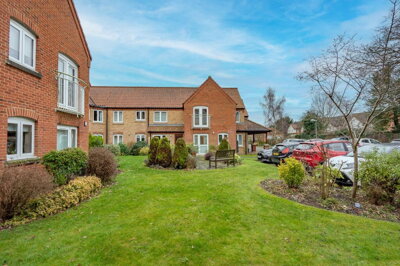
Browse 1 home for sale in Hempstead from local estate agents.
The 2 bed flat sector typically includes two separate bedrooms, dedicated living areas, and bathroom facilities. Properties in Hempstead span purpose-built blocks, converted period houses, and modern apartment complexes on various floors.
The Hempstead property market reflects the character of the village itself, offering a curated selection of homes that appeal to those seeking quality over quantity. Average house prices in the wider Hempstead area have shown resilience, with the overall average standing at approximately £390,017 over the past year according to Rightmove data, though some sources cite averages closer to £227,398 for properties closer to Holt town centre. This variation reflects the different character areas within the broader Hempstead designation, from cottages along The Street to farmsteads in the southern reaches of the parish.
Within the NR25 6TW postcode area, detached properties dominate approximately 80% of transactions, commanding an average price of £402,000 across North Norfolk as of December 2025. Semi-detached homes in the district averaged £268,000, while terraced properties reached around £225,000 and flats £153,000. Across Norfolk county, the sales breakdown shows detached homes at 39.9%, semi-detached at 26.0%, terraced at 25.0%, and flats at just 9.0%, indicating the premium commanded by larger properties throughout the region.
Recent market data shows Hempstead experienced a 6% price reduction compared to the previous year, aligning with broader North Norfolk trends where average prices fell 1.2% annually. Within the NR25 6TW area specifically, prices fell by 0.5% over the past twelve months. Despite these modest corrections, the village maintains strong appeal, with only 3 recorded sales on The Street over the past twelve months, underscoring the scarcity that defines this sought-after location. Across the wider NR25 area, just 5 property sales have been recorded over the past 29 years, highlighting the exceptionally limited turnover in this prestigious market.

Life in Hempstead, North Norfolk revolves around the timeless rhythm of village existence, where the Conservation Area designation ensures the preservation of architectural heritage that defines this small parish. The village settlement pattern follows a traditional linear layout along The Street, where twenty period houses built between 1800 and 1911 create an authentic streetscape of vernacular cottages constructed from the distinctive local materials of flint and red brick. These historic properties, often featuring red pantile roofs and traditional detailing, represent the architectural character that draws buyers to this particular corner of Norfolk.
The community spirit in Hempstead belies its modest size, with the village supporting a population of 173 residents across 95 households according to the most recent census data. Of these homes, 16 are classified as holiday or second residences, reflecting the area's popularity as a weekend retreat for those seeking coastal access without permanent relocation. Two additional properties have been empty for more than six months, indicating the transient nature of some ownership in this sought-after location. The village green and surrounding farmland provide an ever-changing backdrop of seasonal color, while proximity to Holt ensures access to independent shops, galleries, and restaurants.
The historic Hempstead Watermill, built in 1830 on the River Glaven, stands as the area's industrial heritage landmark within the parish. The watermill was constructed from local flint and chert, with the river dammed to form a large mill pond that still influences the landscape today. A tributary of the River Glaven issues from within the village, flowing east through the Hempstead Hall site, connecting the water features that characterise this lowland Norfolk landscape. Hempstead Hall itself dates from the seventeenth century, while nearby Brownwood carries a datestone of 1674, testament to the longevity of settlement in this location.
Understanding the construction methods used in Hempstead properties is essential for any prospective buyer, as the traditional flint and red brick vernacular architecture presents specific considerations not found in newer builds. The predominant building materials throughout the village reflect centuries of local building tradition, with flint used as the primary wall material, typically in combination with red brick for quoins, window surrounds, doorcases, and chimneys. This combination creates the distinctive dappled appearance that characterises North Norfolk villages, where the natural grey of knapped flint contrasts with warm red brick detailing.
Red pantile roofing covers most traditional properties, a characteristic feature of the region that requires specific maintenance knowledge. These clay tiles, laid in an interlocking pattern, perform well in the Norfolk climate but can be vulnerable to frost damage and wind uplift over time. Our inspectors frequently note that the condition of pantile roofs in period properties warrants close attention, as individual tiles can become displaced or cracked without obvious external signs of water ingress until damage has progressed internally.
Single-skin wall construction is common in Hempstead's older cottages, meaning walls are constructed from a single thickness of material rather than the cavity wall construction found in modern properties. This method makes the properties more vulnerable to moisture penetration and heat loss, requiring careful consideration of insulation approaches that maintain breathability. The use of inappropriate modern materials, such as silicone-based sealants or cement render, can trap moisture within these traditional walls and cause significant deterioration over time. Any renovation work must respect the original construction philosophy to preserve both the building fabric and the historic character protected by Conservation Area status.
Hempstead contains an exceptional concentration of listed buildings for its size, with eight structures receiving statutory protection under the Planning (Listed Buildings and Conservation Areas) Act. The Grade II* Church of All Saints, dating from the 14th century in origin, represents the most significant heritage asset, while additional Grade II designations include Hempstead Hall, Hempstead Water Mill, Green Farm House, Brownwood, The Red House, Hole Farm House, and the barn at Green Farm situated 50 metres northwest of the farmhouse. This heritage density reflects the village's long history as a settled agricultural community.
Purchasing a listed building in Hempstead involves additional obligations that prospective buyers must understand before committing to purchase. Listed status protects external and internal features of significance, requiring Listed Building Consent from North Norfolk District Council for any alterations that might affect the character of the building. This includes works to windows, doors, fireplaces, and even internal walls. The financial implications extend beyond purchase price, as maintenance and restoration must use appropriate traditional materials and skilled craftsmen familiar with historic building techniques.
Several further properties have been proposed for local listing by Norfolk County Council's Historic Environment Service, recognising their architectural and historical interest even where they do not meet the threshold for national listing. These include The Old School Rooms, Hempstead Lodge, White Horse Cottages, properties at 43, 44, and 45 Marlpit Lane, and Tinker's Cottage. While local listing carries less stringent requirements than statutory listing, it demonstrates the village's commitment to preserving its built heritage and may influence future development decisions affecting these properties.
Families considering a move to Hempstead will find a range of educational options within reasonable driving distance, with primary and secondary schools serving the surrounding North Norfolk communities. The village falls within the catchments of well-regarded local primaries, with Holt Primary School providing education for younger children in the nearby town of approximately 3,500 residents. For secondary education, schools in the broader area offer good Ofsted-rated options, with Sheringham High School, easily accessible via the A148, providing education for students from Year 7 through to Sixth Form alongside colleges in the wider area.
Independent schooling options exist across North Norfolk, with Gresham's School in Holt serving as a notable preparatory and senior school catering to families seeking private education. This historic public school, set within parkland on the edge of Holt, provides education from ages 2 through to A-levels and attracts families from across the region. Several preparatory schools in the surrounding market towns offer additional options for younger children. Sixth form provision is available at Sheringham High School and through colleges in Norwich, ensuring secondary school leavers have clear progression pathways regardless of their chosen route.
The presence of the University of East Anglia in Norwich provides higher education opportunities within commuting distance for older children, with the campus offering a wide range of undergraduate and postgraduate degrees. The university's strong research reputation and location within the vibrant city of Norwich, approximately 25 miles from Hempstead, makes it practical for families at various stages of their educational journey. Parents are advised to check current catchment areas and admission policies with Norfolk County Council, as these can influence school allocations for properties in smaller villages and may change over time.

Transport connectivity from Hempstead benefits from its position between the market town of Holt and the North Norfolk coastline, with the A148 providing access to broader Norfolk and beyond. The village sits approximately 4 miles from Holt, where local bus services operated by Norfolk Green connect to Cromer, Sheringham, and Norwich, the county capital offering mainline rail connections to London Liverpool Street with journey times of approximately two hours. For those travelling further afield, the A11 provides routes to Cambridge and Ely to the south, while the A47 trunk road offers connections to Birmingham and the Midlands via Norwich.
Rail travel from Norwich station represents the most practical regular commuting option, with hourly services to London taking approximately one hour and 50 minutes to two hours depending on the service. Sheringham station on the Bittern Line offers scenic coastal rail connections to Norwich via Cromer, a particularly pleasant route that passes through the North Norfolk Coast Area of Outstanding Natural Beauty. This heritage line operated by British Rail Class 170 trains provides both commuter functionality and tourist appeal, with the coastal views between Sheringham and Cromer particularly striking.
Daily commuters should note that car ownership remains essential for Hempstead residents given the limited rural bus services operating just a few times daily. The winding country lanes require confident driving ability, particularly during winter months when visibility may be reduced and roads narrower than typical urban routes. Cyclists appreciate the flatter terrain of North Norfolk, making electric bikes a viable alternative for shorter journeys to local towns. The National Cycle Route 30 passes through nearby Holt, connecting with wider routes across Norfolk and Suffolk for recreational cycling.
Explore current listings in Hempstead and set up automated alerts on Homemove to monitor new properties as they come to market. Understanding the Conservation Area restrictions and listed building considerations will help you narrow your search effectively. Given the village's limited turnover of just 3 sales on The Street in the past year, patience is often required to find the right property, making early monitoring essential.
Contact a local mortgage broker with Norfolk property experience to secure your agreement in principle before viewing properties. With average prices around £390,000 positioning Hempstead firmly within the premium North Norfolk market, most buyers will need financing. Having a mortgage agreement in principle demonstrates seriousness to sellers and provides clarity on your budget before you commit time to viewings.
Visit Hempstead to experience the village atmosphere firsthand and view properties that match your criteria. Pay attention to construction materials such as flint and brick, roof conditions on red pantile properties, and any signs of damp common in period properties. Ask about the age of windows, the condition of chimneys, and whether the property has been updated in ways that might conflict with Conservation Area requirements.
Given Hempstead's predominantly older housing stock with properties dating from 1800 onwards, a Level 2 survey is essential. Budget approximately £455-600 depending on property value and size, rising to around £585 for homes above £500,000 which represents a significant portion of Hempstead's detached properties. Our inspectors are experienced with period flint and brick construction and understand the specific defects common to North Norfolk vernacular architecture.
Choose a solicitor with North Norfolk property experience to handle legal work, searches, and contracts. They will investigate flood risk and drainage, which requires particular attention given the tributary of the River Glaven flowing through the village, and any planning restrictions specific to the Conservation Area. Given the number of listed buildings in the village, your solicitor should also check for any historic enforcement notices or outstanding works required by the local planning authority.
Once all searches are satisfactory and financing is confirmed, your solicitor will coordinate the exchange of contracts and final completion, typically at a mutually agreed date. Given the tight-knit nature of the local property market in Hempstead, maintaining good relationships with estate agents and vendors can prove advantageous, and your solicitor should keep all parties informed of progress throughout the transaction.
Purchasing a property in Hempstead requires careful attention to the specific characteristics of North Norfolk homes, where traditional flint and brick construction demands informed assessment. Properties built before 1919 make up the majority of the village's housing stock, and while these homes possess considerable charm, they often present challenges including single-skin wall construction vulnerable to moisture penetration, outdated electrical systems, and original plumbing that may require updating. A thorough survey by a qualified surveyor will identify these issues before you commit to purchase.
Our inspectors regularly find that the condition of roofing on Hempstead's period properties warrants particular attention. Red pantile roofs, while characteristic and durable, can develop issues with individual tiles becoming cracked or displaced over time. Evidence of previous repairs using inappropriate materials, such as cement mortar on lime-based structures, can indicate poor maintenance that may have caused hidden damage. We check the condition of ridge tiles, the integrity of lead flashings around chimneys, and the condition of timber bargeboards and fascias that are vulnerable to rot in the Norfolk climate.
The Conservation Area designation covering most of Hempstead brings planning restrictions that affect permitted development rights, so prospective buyers should consult with North Norfolk District Council before undertaking any alterations. The village contains eight listed buildings, and purchasing a listed property involves additional obligations for maintenance and restoration using appropriate materials and techniques. Drainage and septic systems warrant particular investigation in rural Norfolk, as some properties may use private systems rather than mains sewage, with recent planning applications indicating ongoing discussions about sewage treatment solutions for new developments in the area.
Average house prices in Hempstead range from approximately £227,398 to £390,017 depending on the data source and specific location within the village, with the variation reflecting different character areas from town-edge cottages to rural farmsteads. The NR25 6TW postcode area shows estimated average property values of around £896,524, representing the premium end of the market. Detached properties command the highest prices, with North Norfolk averages of £402,000, while semi-detached homes average £268,000 and terraced properties around £225,000. Recent market trends show a 6% annual price reduction in Hempstead, reflecting broader North Norfolk corrections of 1.2%, with prices in the NR25 6TW postcode area falling 0.5% over the same period.
Council tax bands in Hempstead follow North Norfolk District Council classifications, with most period cottages and farmhouses likely falling into Bands B through D, reflecting their older construction and typically modest market values before premium location pricing. Larger detached properties, converted farm buildings, and homes with significant modern extensions may be in Bands E or F. Exact bands depend on the property's valuation band assigned by the Valuation Office Agency, and you should verify the specific band with North Norfolk District Council or check the property listing before purchase. The current council tax rates for North Norfolk District Council can be found on their website or by contacting their revenues department directly.
Hempstead village has no school on-site, with primary education typically provided by Holt Primary School in the nearby town approximately 4 miles away, which serves the Hempstead catchment area alongside several surrounding villages. Secondary options include Sheringham High School and other Ofsted-rated schools in the North Norfolk area, accessible via school transport services or the regular bus routes along the A148. Independent schools serving the region include Gresham's School in Holt, a well-regarded preparatory and senior school set in historic parkland, along with various preparatory options in surrounding market towns. Families should verify current catchment boundaries and admission criteria with Norfolk County Council, as these can influence school allocations for properties in smaller villages and may change following annual reviews.
Public transport options from Hempstead are limited, reflecting its status as a small rural village where car ownership is effectively essential for daily life. Bus services operated by Norfolk Green connect Hempstead to Holt and onwards to Cromer and Sheringham, with Norwich accessible by changing buses in Holt or by taking the train from Sheringham. Sheringham station on the Bittern Line provides rail access to Norwich on the coastal route, while Norwich station offers mainline services to London Liverpool Street taking approximately two hours. Daily commuters will generally require car ownership given the infrequent nature of rural bus services, and the winding country lanes require confident driving ability, particularly during winter months when visibility may be reduced on unlit roads.
Hempstead offers several investment considerations for buyers seeking exposure to the North Norfolk premium property market. The village's Conservation Area status and extremely limited supply of available properties, with just 3 sales on The Street in the past year, help maintain values in a market characterised by scarcity. With 16 of 95 homes classified as holiday or second residences, the area attracts those seeking coastal access and rural lifestyle without permanent occupation, supporting demand from the weekend property market. The modest population and rural location mean capital growth may be more moderate compared to urban areas or towns with stronger employment fundamentals, but the enduring appeal of North Norfolk as an Area of Outstanding Natural Beauty ensures consistent demand from buyers seeking character properties. Recent planning applications for new development within the Conservation Area, including proposals for five dwellings near All Saints Church, indicate some evolution of the housing stock that may influence future values.
Stamp duty rates from April 2025 apply to your purchase: 0% on the first £250,000, 5% on £250,001 to £925,000, 10% on £925,001 to £1.5 million, and 12% above £1.5 million. First-time buyers receive increased relief on the first £425,000 with 5% on £425,001 to £625,000, with no relief available above that threshold. For a typical Hempstead property around £390,000, a standard buyer would pay approximately £7,000 in stamp duty calculated as 0% on £250,000 plus 5% on the remaining £140,000. First-time buyers would pay £1,250 on the same property, representing significant savings that may influence purchasing decisions for younger buyers considering this premium location.
From 4.5%
Find competitive mortgage rates from local brokers
From £499
Solicitors experienced in North Norfolk property transactions
From £455
Our inspectors check Hempstead period properties thoroughly
From £85
Energy performance certificate for your new home
Understanding the full costs of purchasing in Hempstead requires careful budgeting beyond the property price itself, with stamp duty land tax representing a significant consideration for most buyers. For a typical Hempstead home priced at £390,000, a standard buyer would pay stamp duty calculated at 0% on the first £250,000 plus 5% on the remaining £140,000, totalling approximately £7,000. First-time buyers benefit from increased thresholds, paying just £1,250 on the same property under current relief provisions that cover purchases up to £625,000. Properties priced above £925,000 move into the higher 10% band, which will apply to some of Hempstead's larger detached properties and converted farmsteads.
Additional purchase costs include solicitor fees typically ranging from £1,200 to £2,500 for conveyancing, local authority searches, and registration with HM Land Registry in North Norfolk. Survey costs for a RICS Level 2 home buyer report average around £455 nationally, rising to approximately £586 for properties valued above £500,000 which represents the upper tier of Hempstead's housing market. In Norfolk specifically, our data indicates average survey costs of approximately £499 for a Level 2 survey, though prices vary based on property size, value, and complexity. Given the village's period property stock with flint and brick construction, budget for potential repairs identified during survey, with older properties often requiring investment in roof maintenance, damp proofing, and electrical rewiring.
Removal costs, mortgage arrangement fees, and buildings insurance complete the typical purchase budget, with total ancillary costs usually falling between £5,000 and £10,000 depending on property value and individual circumstances. For properties with listed building status, additional costs may arise from specialist surveys or reports required by the local planning authority, and consent fees for any works requiring Listed Building Consent should be factored into renovation budgets. Buildings insurance should be arranged from exchange of contracts, and given the rural location, contents insurance quotes should reflect the cost of replacing period features and traditional materials that may be more expensive to repair or replace than modern equivalents.
Properties for Sale In London

Properties for Sale In Plymouth

Properties for Sale In Liverpool

Properties for Sale In Glasgow

Properties for Sale In Sheffield

Properties for Sale In Edinburgh

Properties for Sale In Coventry

Properties for Sale In Bradford

Properties for Sale In Manchester

Properties for Sale In Birmingham

Properties for Sale In Bristol

Properties for Sale In Oxford

Properties for Sale In Leicester

Properties for Sale In Newcastle

Properties for Sale In Leeds

Properties for Sale In Southampton

Properties for Sale In Cardiff

Properties for Sale In Nottingham

Properties for Sale In Norwich

Properties for Sale In Brighton

Properties for Sale In Derby

Properties for Sale In Portsmouth

Properties for Sale In Northampton

Properties for Sale In Milton Keynes

Properties for Sale In Bournemouth

Properties for Sale In Bolton

Properties for Sale In Swansea

Properties for Sale In Swindon

Properties for Sale In Peterborough

Properties for Sale In Wolverhampton

Enter your details to see if this property is within your budget.
Loans, cards, car finance
Estimated property budget
Borrowing + deposit
You could borrow between
Typical borrowing
Monthly repayment
Est. at 4.5%
Loan-to-value
This is an estimate only. Your actual budget may vary depending on interest rates, credit history, and personal circumstances. For an accurate affordability assessment, speak to one of our free mortgage advisors.
This calculator provides estimates for illustrative purposes only and does not constitute financial advice. Your home may be repossessed if you do not keep up repayments on your mortgage. Estimates based on 4.5% interest rate, repayment mortgage. Actual rates depend on your circumstances.
Homemove is a trading name of HM Haus Group Ltd (Company No. 13873779, registered in England & Wales). Homemove Mortgages Ltd (Company No. 15947693) is an Appointed Representative of TMG Direct Limited, trading as TMG Mortgage Network, which is authorised and regulated by the Financial Conduct Authority (FRN 786245). Homemove Mortgages Ltd is entered on the FCA Register as an Appointed Representative (FRN 1022429). You can check registrations at NewRegister or by calling 0800 111 6768.

We use cookies to show you personalised content and improve your experience of our website. Find out more in our Privacy policy and Cookie policy.