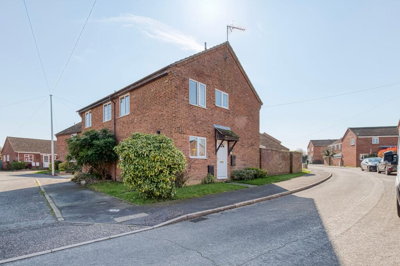
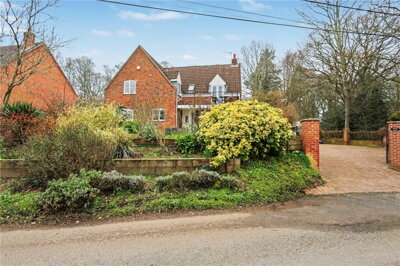
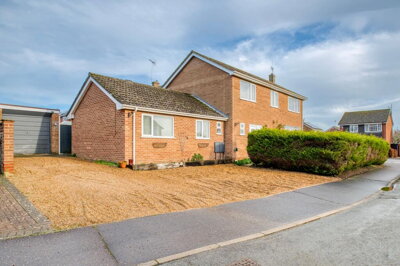
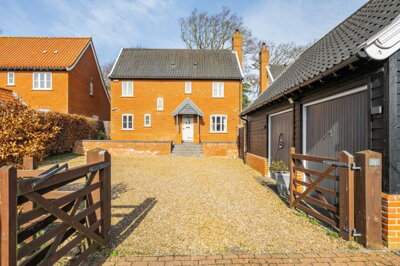
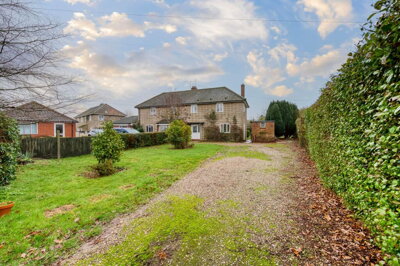
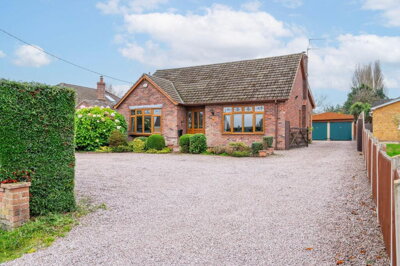
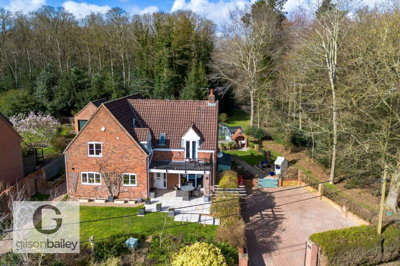
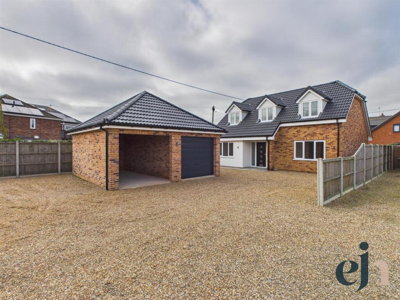
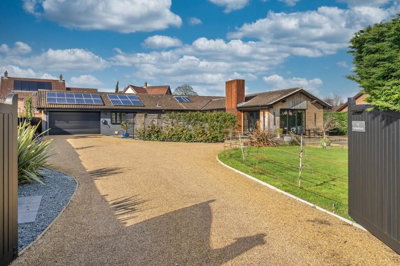
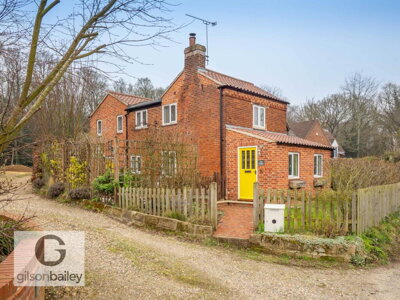
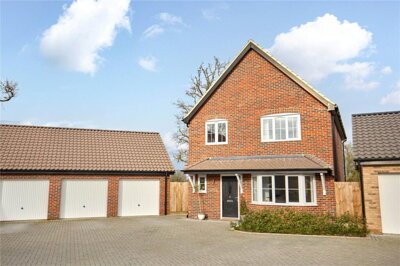
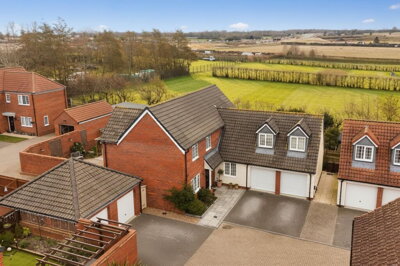
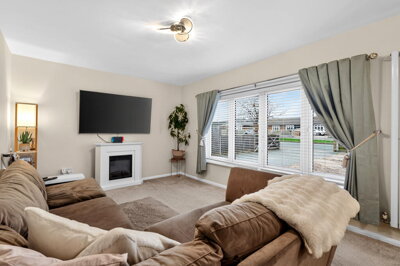
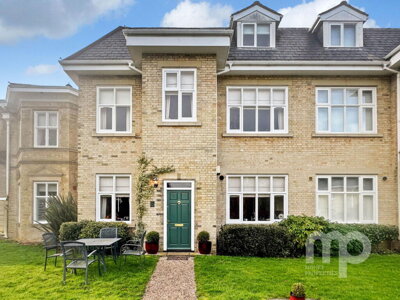
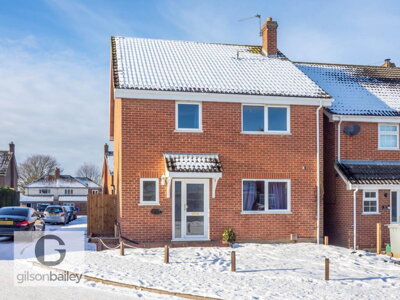
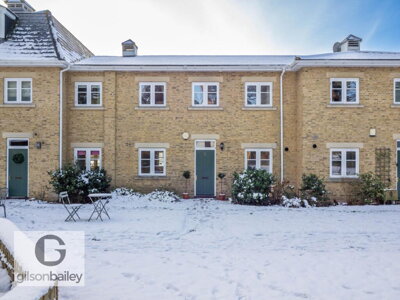
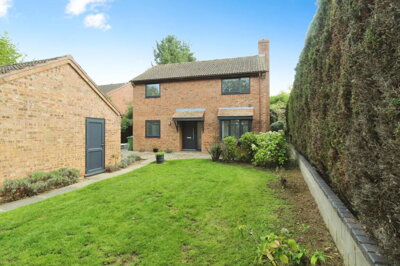
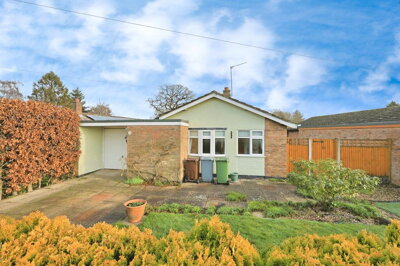
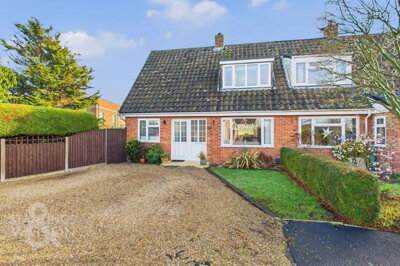
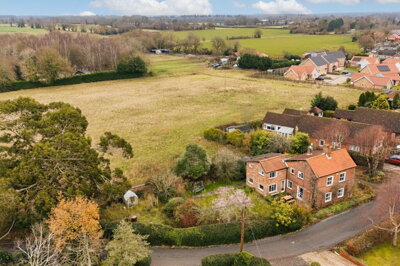
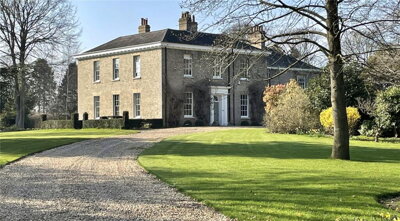
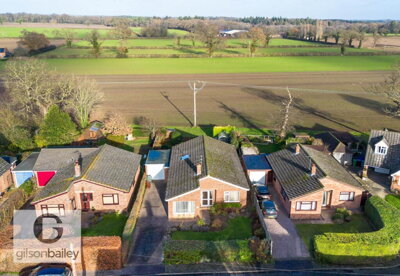
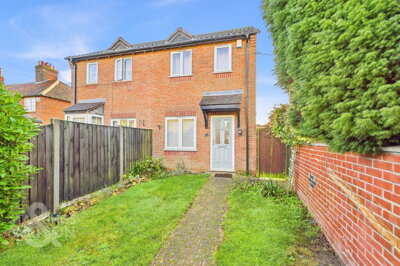
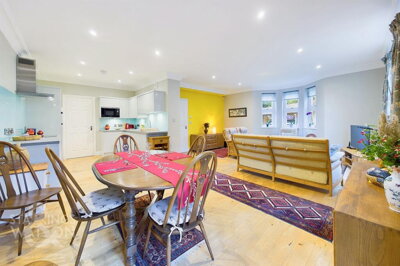
Browse 49 homes for sale in Hemblington, Broadland from local estate agents.
£650k
3
0
47
Source: home.co.uk
Source: home.co.uk
Detached
3 listings
Avg £650,000
Source: home.co.uk
Source: home.co.uk
The property market in Great Sturton operates on a fundamentally different scale from urban areas, with Zoopla recording approximately 19 properties associated with the hamlet and surrounding area. Transaction volumes are naturally low given that the hamlet itself comprises only twelve houses, meaning properties rarely come to market and when they do, they attract considerable interest from buyers seeking rural Lincolnshire living. Recent recorded sales include Corner Farm on Sturton Lane, which achieved £575,000 in June 2021, demonstrating that substantial detached homes in this sought-after location command significant prices. The Old Chapel on the same lane provides a contrasting example, with a 3-bedroom detached property selling for £260,000 in November 2014, illustrating how property values vary considerably based on size, condition, and position within this small community.
New build activity within Great Sturton itself is essentially non-existent, as the hamlet lacks the population density to support development schemes. Any recent properties appearing on the market have typically been existing homes, some of which may have undergone renovation or conversion projects that add modern comfort to traditional structures. The broader Sturton area within the LN9 postcode district shows more active market movement, with semi-detached properties averaging around £162,500 and detached homes reaching averages of £350,000, though these figures encompass multiple settlements and should be viewed as general context rather than direct comparables for Great Sturton specifically. Buyers interested in this hamlet should approach the market with patience, registering with local estate agents and setting up alerts for the rare opportunities that arise.

Life in Great Sturton revolves around the rhythms of the surrounding agricultural landscape, with farming remaining the dominant economic activity in this part of East Lindsey. The hamlet's position within the Lincolnshire Wolds provides residents with stunning rolling countryside views, excellent walking routes, and proximity to one of England's designated Areas of Outstanding Natural Beauty. The community spirit here reflects traditional village life, where local events, rural pursuits, and seasonal activities form the fabric of daily existence. With fewer than 40 residents in the hamlet itself, Great Sturton offers an intimate scale of living that is increasingly rare in modern Britain, appeals strongly to those seeking escape from urban pressures.
The civil parish of Great Sturton encompasses a slightly larger area with approximately 238 residents according to the 2021 census, suggesting a broader network of neighbouring settlements or dispersed households within the parish boundaries. Amenities within the hamlet itself are limited by necessity, as is typical of small Lincolnshire communities, but the nearby market town of Horncastle provides access to shops, restaurants, healthcare facilities, and professional services at approximately 7 miles distance. The LN9 postcode district connects residents to postal services and delivery networks while maintaining the rural character that defines the area. Properties in Great Sturton include historic listed buildings alongside more modest cottages, with traditional building materials such as local brick, render, and thatch reflecting the architectural heritage of the Lincolnshire Wolds.
The local geology of the Lincolnshire Wolds, comprising chalk, limestone, and glacial till deposits, has shaped both the landscape and the construction methods used in area buildings for centuries. Traditional properties often feature locally sourced materials that blend harmoniously with the natural terrain, creating the distinctive character that makes homes in this area so sought after. The presence of thatch roofing on properties such as The Thatched Cottage demonstrates the historical building techniques that continue to define the hamlet's visual identity today.

Families considering a move to Great Sturton will find educational provision centred in the surrounding towns and villages, with Horncastle serving as the primary hub for primary and secondary schooling in this part of East Lindsey. The town hosts several primary schools serving the rural catchment area, while secondary education is available at schools in Horncastle and neighbouring market towns, with pupils typically traveling reasonable distances given the dispersed nature of Lincolnshire communities. Parents should research specific catchment areas and admission arrangements, as these can vary from school to school and may affect which institutions pupils can access from Great Sturton.
The historic nature of many properties in and around Great Sturton, including several Grade II and Grade II* listed buildings, means that families may wish to consider the condition and layout of older homes when evaluating suitability for family occupation. Properties such as The Thatched Cottage demonstrate the character that attracts buyers to this area but may present practical considerations around storage, heating efficiency, and child safety that differ from modern construction. For families prioritising educational access, viewing the journey times and routes to local schools as part of the property viewing process is strongly recommended, as rural Lincolnshire school transport arrangements can significantly influence daily family logistics.
Transport connectivity from Great Sturton reflects its rural Lincolnshire location, with private vehicle ownership being essential for most residents given the limited public transport options serving small hamlets. The surrounding road network connects Great Sturton to Horncastle and onward to larger towns including Louth, Spilsby, and Lincoln, with journey times to the county capital typically requiring 45-60 minutes by car. The A158 trunk road provides access to the coast at Skegness and inland to Lincoln, while the A16 offers routes toward Boston and the south of the county. For commuters working in larger urban centres, the car is generally unavoidable, though some residents may find remote working opportunities reduce the frequency of such journeys.
Public transport options are limited but not non-existent, with local bus services connecting some rural villages to market towns on specified days and times. The nearest railway stations are located in larger towns, with direct rail services from Lincoln to major destinations including Nottingham, Sheffield, and London St Pancras. East Midlands Railway and Northern services provide connectivity from the wider region, though planning journeys from Great Sturton requires advance arrangement. Cyclists and walkers benefit from the quiet lanes and designated routes through the Lincolnshire Wolds, though such routes are primarily recreational rather than practical for daily commuting needs.
Given the limited number of properties available in Great Sturton at any one time, start by understanding what has sold recently and at what prices. Review property listings across multiple portals, register with local estate agents operating in the Horncastle and East Lindsey area, and consider speaking directly to agents who may know of coming-soon properties.
Once suitable properties emerge, arrange viewings promptly as desirable homes in this sought-after rural hamlet may attract multiple interested parties. View properties at different times of day to assess light, noise, and neighbourhood character, and take someone experienced with you if possible.
Before making an offer, obtain a mortgage agreement in principle from a lender to demonstrate your purchasing capability. For properties in Great Sturton, factor in additional costs including Stamp Duty, solicitor fees, and survey costs. Remember that older and listed properties may require specialist surveys beyond a standard valuation.
A RICS Level 2 survey is particularly advisable for older properties with potential issues around damp, subsidence, or outdated electrics. Given the presence of historic listed buildings in the area, a Level 3 Building Survey may be appropriate for properties of significant age or character. With a significant proportion of the housing stock likely over 50 years old, professional survey reports prove invaluable for identifying defects before commitment.
Instruct a conveyancing solicitor to handle the legal aspects of your purchase, including local searches, title checks, and contract review. For properties within the Lincolnshire Wolds AONB, your solicitor should confirm there are no unusual planning constraints affecting the property. East Lindsey District Council records should be checked regarding any designated landscape protections that may affect future plans.
Properties in Great Sturton require careful assessment due to the age and character of much of the housing stock. The presence of listed buildings including All Saints' Church, Sturton Harden Corner Farm House, and The Thatched Cottage indicates that older properties in this hamlet and surrounding parish often carry listed status that restricts alterations and requires specialist maintenance considerations. Before purchasing, establish definitively whether your intended property is listed and understand the implications for future works, insurance premiums, and mortgage availability, as some lenders impose conditions on lending against historic properties.
Building materials warrant close attention during viewings and surveys. The traditional construction methods found in Lincolnshire Wolds properties, including thatch roofing and local brick, require ongoing maintenance and specialist tradespeople for repairs. Ask about recent works including re-wiring, plumbing updates, and roof repairs, as these can indicate responsible stewardship or flag areas requiring investment. The geology of the Lincolnshire Wolds, which includes chalk, limestone, and glacial deposits, generally presents stable ground conditions, though your survey should confirm the absence of any localised issues such as previous mining activity or unusual ground movement. Properties constructed before modern building regulations may have underlying issues that only become apparent through professional inspection.
Flood risk assessment should form part of any purchase decision, particularly given climate concerns and the agricultural nature of surrounding land. While specific flood mapping for Great Sturton itself is limited in available data, properties near watercourses or in low-lying positions merit additional investigation through the Environment Agency and local authority records. For properties that are listed or within the AONB, check with East Lindsey District Council regarding any planning restrictions that might affect your intended use or future development plans, including permitted development rights that may be more limited than in non-designated areas.
Specific average price data for Great Sturton itself is limited due to the hamlet's small size and minimal transaction volumes, with only twelve houses meaning sales are infrequent. Zoopla shows approximately 19 properties associated with the broader area, while recorded sales include Corner Farm at £575,000 (2021) and The Old Chapel at £260,000 (2014). For context, the broader Sturton area within the LN9 postcode shows semi-detached properties averaging around £162,500 and detached homes reaching approximately £350,000, though these figures encompass multiple settlements and should be treated as general market indicators rather than precise comparables for Great Sturton itself.
Properties in Great Sturton fall under East Lindsey District Council's jurisdiction for council tax purposes. Council tax bands in this part of Lincolnshire follow standard national banding from A through H, with the specific band depending on the property's assessed value. Older and smaller properties in the hamlet may fall into lower bands, while larger detached homes or those with significant recent renovations could be placed in higher bands. Prospective buyers should check the specific property's council tax band via the Valuation Office Agency website or request this information during the conveyancing process.
Great Sturton itself does not have a school within the hamlet, with primary and secondary education provided in the surrounding towns, primarily Horncastle approximately 7 miles away. Families should research individual school performance through Ofsted reports and consider catchment area boundaries, transport arrangements, and admissions criteria when evaluating educational options. The Lincolnshire Wolds and surrounding East Lindsey villages host several primary schools serving rural communities, with secondary options in market towns requiring consideration of daily travel logistics. School transport provision in this rural area can significantly affect family routine, so viewing properties with school routes in mind is advisable.
Public transport connectivity from Great Sturton is limited, reflecting the hamlet's small size and rural location. Local bus services connect some villages to market towns on specific days and times, but private vehicle ownership is essential for most residents to access employment, education, and amenities. The nearest railway stations are located in larger towns, with Lincoln offering direct services to Nottingham, Sheffield, and London. Residents who require regular public transport may find surrounding villages with more frequent bus services offer better practical options, though this would affect the character of your day-to-day living environment.
Great Sturton's property market benefits from its position within the Lincolnshire Wolds AONB and relative scarcity of available properties, factors that support long-term value for the right buyer. The hamlet's small scale means limited rental demand and a market dominated by owner-occupiers seeking rural lifestyle benefits rather than investment returns. Properties requiring renovation may offer value opportunities for buyers willing to invest in improvements, while well-presented character homes attract premium prices from buyers prioritising quality of life over convenience. As with any rural property purchase, due diligence regarding planning constraints, property condition, and ongoing costs is essential before committing.
Stamp Duty Land Tax (SDLT) rates apply uniformly across England regardless of location. Standard rates start at 0% on the first £250,000 of purchase price, rising to 5% on amounts between £250,001 and £925,000, 10% up to £1.5 million, and 12% on anything above that threshold. First-time buyers benefit from increased thresholds, paying 0% up to £425,000 and 5% between £425,001 and £625,000, provided the property is their main residence and they have not previously owned property. For a typical property in Great Sturton priced around £260,000 to £575,000, most buyers would pay SDLT ranging from £500 to approximately £16,250 under current thresholds.
Given the significant number of older and listed properties in Great Sturton, a RICS Level 2 survey is strongly recommended for most purchases, with costs typically ranging from £380 to £629 depending on property value and size. For historic listed buildings such as Sturton Harden Corner Farm House or properties of unusual construction, a RICS Level 3 Building Survey provides comprehensive structural analysis and is often appropriate. Properties in this hamlet frequently exhibit issues common to older construction, including damp penetration, roof condition concerns, outdated electrical systems, and potential structural movement that professional surveys are designed to identify before purchase completion.
Beyond the purchase price of your new home in Great Sturton, several additional costs require budgeting, with Stamp Duty Land Tax representing the most significant upfront expense for most buyers. Under current 2024-25 rates, properties up to £250,000 attract zero SDLT, while those between £250,001 and £925,000 incur 5% on the portion above £250,000. For a property priced at £350,000, this means SDLT of £5,000, calculated as 5% of the £100,000 above the threshold. First-time buyers enjoy more generous relief, with zero SDLT on the first £425,000 and 5% on the next £200,000, potentially reducing costs by thousands on suitable properties.
Survey costs warrant particular attention for buyers considering properties in Great Sturton, given the age and character of much of the local housing stock. A standard mortgage valuation may be included at no direct cost, but this provides minimal protection and does not report on property condition. A RICS Level 2 survey, typically costing between £380 and £629 depending on property value and size, offers detailed assessment of condition, defects, and recommended repairs that proves especially valuable for older properties. For historic listed buildings or properties of unusual construction, a RICS Level 3 Building Survey provides comprehensive analysis of structure and fabric, with costs starting from around £600 for comparable properties. These survey costs represent a wise investment that can reveal issues before purchase is confirmed, potentially saving significant sums or providing negotiating leverage.
Legal costs for conveyancing typically range from £499 for basic transactions to higher amounts for leasehold properties, complex titles, or properties with planning complications. Local searches specific to East Lindsey, including drainage and water searches, planning history, and environmental data, form part of standard conveyancing and typically cost £250-400. For properties within or near the Lincolnshire Wolds AONB, additional consideration of any designated landscape protections may be required. Building insurance should be arranged from the point of exchange, and buyers should budget for moving costs, potential decoration and renovation works, and an emergency fund for unexpected repairs in the months following completion.
Properties for Sale In London

Properties for Sale In Plymouth

Properties for Sale In Liverpool

Properties for Sale In Glasgow

Properties for Sale In Sheffield

Properties for Sale In Edinburgh

Properties for Sale In Coventry

Properties for Sale In Bradford

Properties for Sale In Manchester

Properties for Sale In Birmingham

Properties for Sale In Bristol

Properties for Sale In Oxford

Properties for Sale In Leicester

Properties for Sale In Newcastle

Properties for Sale In Leeds

Properties for Sale In Southampton

Properties for Sale In Cardiff

Properties for Sale In Nottingham

Properties for Sale In Norwich

Properties for Sale In Brighton

Properties for Sale In Derby

Properties for Sale In Portsmouth

Properties for Sale In Northampton

Properties for Sale In Milton Keynes

Properties for Sale In Bournemouth

Properties for Sale In Bolton

Properties for Sale In Swansea

Properties for Sale In Swindon

Properties for Sale In Peterborough

Properties for Sale In Wolverhampton

Enter your details to see if this property is within your budget.
Loans, cards, car finance
Estimated property budget
Borrowing + deposit
You could borrow between
Typical borrowing
Monthly repayment
Est. at 4.5%
Loan-to-value
This is an estimate only. Your actual budget may vary depending on interest rates, credit history, and personal circumstances. For an accurate affordability assessment, speak to one of our free mortgage advisors.
This calculator provides estimates for illustrative purposes only and does not constitute financial advice. Your home may be repossessed if you do not keep up repayments on your mortgage. Estimates based on 4.5% interest rate, repayment mortgage. Actual rates depend on your circumstances.
Homemove is a trading name of HM Haus Group Ltd (Company No. 13873779, registered in England & Wales). Homemove Mortgages Ltd (Company No. 15947693) is an Appointed Representative of TMG Direct Limited, trading as TMG Mortgage Network, which is authorised and regulated by the Financial Conduct Authority (FRN 786245). Homemove Mortgages Ltd is entered on the FCA Register as an Appointed Representative (FRN 1022429). You can check registrations at NewRegister or by calling 0800 111 6768.

We use cookies to show you personalised content and improve your experience of our website. Find out more in our Privacy policy and Cookie policy.