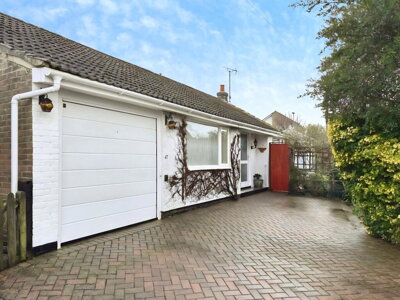
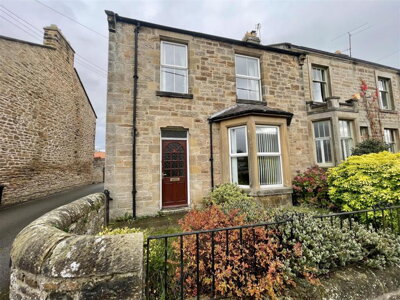
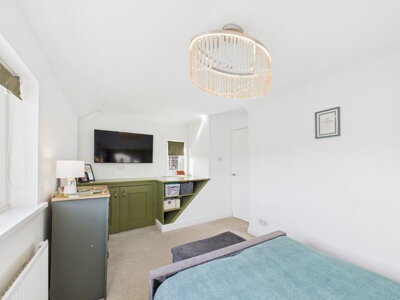
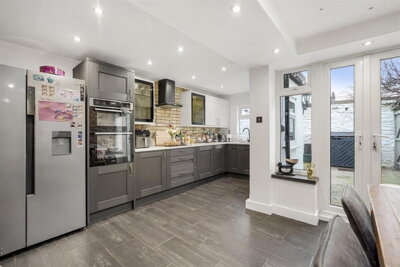
Browse 4 homes for sale in Headlam, County Durham from local estate agents.
The 2 bed house market features detached, semi-detached, and terraced properties with two separate bedrooms plus living spaces. Properties in Headlam range from Victorian and Edwardian period homes to modern new builds, with pricing varying across different neighbourhoods.
£0k
0
0
0
Source: home.co.uk
Showing 0 results for 2 Bedroom Houses for sale in Headlam, County Durham.
The Headlam property market offers a diverse range of property types to suit different budgets and lifestyles. Detached properties command the highest prices, with the average coming in at around £430,000, reflecting the generous plot sizes and rural settings that characterise these homes. Semi-detached properties provide more accessible entry points at approximately £220,000, making them popular among families looking for a village lifestyle without the premium attached to larger detached homes. These properties often benefit from the same attractive stone construction and generous gardens found in detached houses.
Terraced properties in Headlam average around £180,000, offering excellent value for those seeking a characterful home in a Conservation Area setting. Flats, though less common in this predominantly residential village, start from approximately £125,000. Recent data shows 15 property sales completed in the Headlam postcode area over the past twelve months, indicating a healthy level of market activity for a village of its size. This transaction volume suggests that while the market moves slowly compared to urban centres, properties do change hands regularly to buyers who recognise the village's enduring appeal.
New build development activity within the immediate Headlam area remains limited, which means buyers seeking modern specifications may need to look to nearby towns or be prepared to invest in renovating one of the village's many traditional properties. The absence of newbuild stock has contributed to sustained demand for existing properties, particularly those that have been sympathetically modernised while retaining their original character. For buyers prioritising energy efficiency and modern heating systems, factoring renovation costs into your budget becomes essential when viewing older stone properties that may require updating.

Headlam is a small but characterful village that embodies the charm of rural County Durham. The village takes its name from the Old Norse word "Haug" meaning burial mound, reflecting its ancient origins and the layers of history that have shaped this settlement over centuries. The local architecture is dominated by traditional red sandstone buildings, constructed using materials quarried locally from the Carboniferous limestone and sandstone deposits that underlie the area. Walking through Headlam's lanes, visitors notice the distinctive warm tones of the stone cottages and farmhouses that have stood for generations, many dating back to the 18th and 19th centuries when the village served surrounding agricultural estates.
The village economy is primarily agricultural, with working farms surrounding the residential core. Headlam Hall Country Hotel and Spa serves as a significant local employer and social hub, offering fine dining and wellness facilities that draw visitors from across the region. The hall itself, a listed building of historical importance, anchors the village's heritage and provides a tangible connection to the area's aristocratic past. For everyday amenities including supermarkets, healthcare facilities, and high street shops, residents typically travel to nearby towns such as Darlington or Barnard Castle, both within comfortable driving distance.
The surrounding landscape comprises rolling farmland and meadows, with the nearest significant watercourse being the River Tees located several miles to the south. While Headlam itself has minimal flood risk, the underlying boulder clay soils mean that surface water drainage can become an issue during periods of heavy rainfall. The village's designation as a Conservation Area ensures that any new development respects the traditional character, maintaining the sense of stepping back in time that makes Headlam so appealing to those seeking an escape from urban life. Our inspectors frequently note that properties in the wider DL2 postcode area may be affected by historic mining activity from County Durham's coal mining past, so a mining search should be included in your conveyancing enquiries.
Families considering a move to Headlam will find a selection of educational options within reasonable travelling distance. For younger children, primary school education is available in surrounding villages and towns, with several good-rated schools operating within a short drive. Parents should research individual school Ofsted ratings and consider catchment areas, which can be competitive in popular rural locations where school rolls are typically smaller than urban equivalents. Many families choose to supplement school transport arrangements with their own vehicles given the village's limited public transport connections.
Secondary education options include schools in Darlington and Barnard Castle, both of which offer a broader range of GCSE and A-level courses. These schools serve as natural destinations for Headlam's secondary-age children, with bus services operating along the main routes connecting the village to these market towns. The journey time from Headlam to Darlington's secondary schools typically takes around 20 minutes by car, making it manageable for daily commuting once children are old enough for the school run. For families with sixth-form students, the further education colleges and sixth-form centres in Darlington provide more advanced academic and vocational pathways including A-levels, BTECs, and apprenticeships.
Early years childcare provision in the immediate Headlam area is limited due to the village's small population, so families may need to arrange childminding or nursery places in nearby towns. The village's small population means that local school rolls are relatively small, which can offer benefits in terms of individual attention from teachers but may limit extracurricular activities available within the village itself. Secondary school students from Headlam typically travel to schools in either Darlington or Barnard Castle, with both towns offering comprehensive curricula and established reputations for academic achievement. Many families view the short-term inconvenience of school travel as a worthwhile trade-off for bringing up children in a safe, community-focused rural environment where neighbours know each other and children can explore the countryside safely.
Transport connections from Headlam reflect its status as a rural village rather than a major population centre. The nearest railway stations are located in Darlington and Bishop Auckland, offering connections to major cities including Newcastle, York, and Leeds. Darlington station, being on the East Coast Main Line, provides particularly good access to London King's Cross with journey times of around two and a half hours, making it practical for weekly commuters who need occasional access to the capital. Bishop Auckland station offers connections to Bishop Auckland and the wider County Durham area, though its services are less frequent than those from Darlington.
Road access from Headlam connects to the broader County Durham road network via the A67 and A68 trunk routes. The A1(M) motorway is accessible within reasonable driving distance, linking the area to Newcastle upon Tyne to the north and Leeds and Sheffield to the south. For daily commuting, most working residents use private vehicles, and parking at village properties is generally more generous than in urban areas with wider driveways and garages common features of detached homes. The lack of a local bus service means that car ownership is effectively essential for full participation in village life, and this should be factored into any household budget calculations.
Cycling infrastructure in the Headlam area consists primarily of country lanes, which can be enjoyed by confident cyclists but may not suit those seeking dedicated cycle paths. The scenic rural lanes are popular with recreational cyclists at weekends, and the rolling countryside provides an attractive backdrop for outdoor exercise. For those working from home, the village's peaceful setting offers an excellent environment for focused work, though broadband speeds may be more limited than in urban areas and should be verified before committing to a purchase. Our team recommends checking broadband availability and typical speeds through Ofcom's broadband checker or speaking directly with providers before finalising your purchase decision.
Start by exploring current listings on Homemove to understand what is available within your budget. Given the village's Conservation Area status, research any planning restrictions that might affect your intended use or modifications to any property you consider purchasing. Pay particular attention to any listed building consents that may be required for properties classified as heritage assets, as alterations to these buildings often face stricter requirements than standard residential properties in the wider County Durham area.
Once you have identified properties of interest, arrange viewings through the estate agents listing them. For older properties in Headlam, viewings are particularly important given the prevalence of traditional construction and the potential for hidden defects in stone-built homes. We recommend attending viewings at different times of day to assess lighting conditions and any noise from neighbouring farms or the occasional agricultural machinery passing through the village lanes.
Before making an offer, secure a mortgage agreement in principle from a lender. This demonstrates your financial readiness to sellers and their agents, strengthening your position in what can be a competitive local market where village properties change hands relatively infrequently. Given the rural nature of Headlam properties, some lenders may require a specialist valuation, so it is worth discussing this with your broker before proceeding.
Given that many Headlam properties date from the pre-1919 and interwar periods, we strongly recommend commissioning a RICS Level 2 Survey before completing your purchase. This will identify any structural issues, damp problems, or roof defects common in older stone and brick properties. Our inspectors are experienced in assessing traditional County Durham construction and will check specifically for issues related to solid wall construction, traditional lime mortar pointing, and any signs of movement in clay soils.
Choose a solicitor with experience in rural property transactions to handle the legal aspects of your purchase. They will conduct local authority searches, check the property's title, and ensure all necessary consents are in place for listed buildings or properties in the Conservation Area. For Headlam properties, we recommend requesting a mining search as part of your conveyancing package given County Durham's historic coal mining activity in the wider region.
Once all searches are satisfactory and finances are arranged, you will exchange contracts and agree a completion date with the seller. On completion day, the remaining funds are transferred and you receive the keys to your new Headlam home. Our team can recommend local removal firms and utility providers to help you settle into village life as smoothly as possible.
Purchasing a property in Headlam requires careful attention to issues specific to the village's historic housing stock. The prevalence of traditional sandstone and brick construction means that damp is a common concern, particularly in properties with solid walls rather than cavity insulation. Rising damp can affect ground-floor rooms, while penetrating damp may be found in older roofs where pointing has deteriorated over time. Our inspectors frequently identify issues with lime mortar pointing that has degraded over decades, allowing water penetration into traditionally constructed walls that require sympathetic repair using compatible materials rather than modern cement-based products.
The geological conditions around Headlam, with underlying clay soils from glacial till deposits, create potential for shrink-swell movement affecting property foundations. Large trees located close to buildings can exacerbate this issue by extracting moisture from the clay subsoil, particularly during dry summer months. Prospective buyers should look for signs of cracking to walls, doors that stick or fail to close properly, and other indicators of foundation movement. A specialist structural survey may be advisable for older properties showing any signs of subsidence or heave, especially where there is evidence of historic movement that may have been previously repaired.
Roof condition demands particular attention in Headlam's older properties, where traditional slate and tile coverings have been in place for many decades. Slipped or broken tiles, deteriorating ridge pointing, and failing leadwork around chimneys are common issues that can lead to water penetration and subsequent damage to timbers and ceilings. Electrical and heating systems in older properties may also require updating to meet current safety standards, so factor potential rewiring or new heating installation into your renovation budget. Properties in Headlam frequently feature original timber windows that may require restoration rather than replacement to maintain their character and comply with Conservation Area requirements that often mandate the retention of original features.

The average property price in Headlam stands at approximately £294,000 as of early 2026, according to recent market data. Detached properties average around £430,000, semi-detached homes at £220,000, terraced properties at £180,000, and flats from £125,000. The market has shown steady growth with a 12-month price increase of 3.5%, reflecting sustained demand for rural properties in this desirable County Durham village. Our platform updates listing information daily, ensuring you have access to current pricing when making viewing appointments or offers on properties.
Properties in Headlam fall under the Durham County Council jurisdiction for council tax purposes. Bands range from A to H depending on the property's assessed value, with most traditional stone cottages and smaller homes typically falling into bands A to C, while larger detached properties may be in higher bands. Prospective buyers should verify the specific band for any property through the Durham County Council website or their solicitor during conveyancing. Council tax contributions fund local services including education, road maintenance, and emergency services that residents of Headlam rely on despite the village's small population.
Primary education is available in surrounding villages, with several good-rated schools within a short drive of Headlam. Secondary schools in Darlington and Barnard Castle serve the village, with bus services operating along the main routes. Parents should check current Ofsted ratings and understand catchment area boundaries, as these can be competitive for popular rural schools. For sixth-form and further education, facilities in Darlington offer the widest range of academic and vocational courses including A-levels, BTECs, and apprenticeships in subjects ranging from business to construction trades.
Public transport connections from Headlam are limited, reflecting the village's rural character. The nearest railway stations are in Darlington and Bishop Auckland, providing connections to major cities including Newcastle and York via the East Coast Main Line. There is no regular bus service operating within Headlam itself, and most residents rely on private vehicles for daily transportation. For those working in Darlington or Barnard Castle, the commute by car typically takes 15-25 minutes, making these larger towns practical daily destinations for work and shopping despite the village's rural setting.
Headlam offers solid investment potential for those seeking long-term capital growth in a desirable rural location. The village's Conservation Area status and limited supply of properties for sale help maintain values, while the 3.5% price growth over twelve months demonstrates healthy market activity. Properties suitable for letting may appeal to commuters working in nearby towns who value the village lifestyle, though rental demand in such a small hamlet may be more limited than in larger towns. The restricted supply of new properties in the village and the enduring appeal of traditional stone homes suggest values are likely to remain supported in the medium term.
Stamp Duty Land Tax rates from April 2025 onwards are 0% on the first £250,000 of purchase price, 5% on £250,001 to £925,000, 10% on £925,001 to £1.5 million, and 12% above £1.5 million. First-time buyers benefit from relief on the first £425,000, with 5% charged between £425,001 and £625,000. Given Headlam's average price of £294,000, most buyers purchasing at average prices would pay no stamp duty, though higher-value detached properties approaching £430,000 would incur duty on amounts above £250,000. Our team can provide a detailed stamp duty calculation for any specific property you are considering purchasing in Headlam.
County Durham has a historic coal mining legacy, and while Headlam itself is not directly in a major coalfield, the wider DL2 postcode area includes regions with potential mining activity. We recommend requesting a mining search as part of your conveyancing process to identify any historic mining features that might affect ground stability. Properties in areas with clay soils, like Headlam, may also be subject to shrink-swell ground movement, particularly where large trees extract moisture from the subsoil. Your survey should specifically address foundation conditions and any signs of historic or current ground movement that could affect the property's structural integrity.
From 4.5%
Get competitive mortgage rates for your Headlam home purchase
From £499
Expert legal support for your property purchase
From £400
Professional property survey by RICS qualified inspectors
From £80
Energy performance certificate for your new home
Understanding the total costs of purchasing property in Headlam is essential for budgeting effectively. Beyond the purchase price, buyers should budget for Stamp Duty Land Tax, which applies to all purchases above £250,000 at standard rates. For a typical Headlam property at the village average of £294,000, the stamp duty calculation would apply the 5% rate to £44,000, resulting in a charge of £2,200 for most buyers. First-time buyers purchasing properties up to £425,000 would pay no stamp duty, which can represent significant savings that could be redirected towards renovation work on older properties requiring updates to insulation, heating, or electrical systems.
Survey costs are an important consideration given the age of much of Headlam's housing stock. A RICS Level 2 Survey typically costs between £400 and £900 depending on the property's size and value, and this investment is particularly valuable for traditional stone and brick properties where hidden defects are common. For listed buildings or properties showing signs of structural movement, a more comprehensive RICS Level 3 Building Survey may be advisable despite the higher cost, as it provides detailed analysis of construction and condition. Our inspectors understand the specific challenges of assessing traditional County Durham properties and will examine elements including solid wall insulation, lime mortar pointing, timber frame construction, and any signs of movement related to clay soils.
Legal fees for conveyancing typically start from around £499 for straightforward transactions, rising for leasehold properties, newbuilds, or transactions involving complications such as listed building consent requirements. Additional costs include local authority searches, which investigate planning history, environmental factors, and drainage arrangements for the property and surrounding area. For Headlam properties, these searches will confirm the Conservation Area designation and any planning constraints that affect the property, including restrictions on exterior alterations designed to preserve the village's historic character. Factor in costs for mortgage arrangement fees, valuation surveys required by lenders, and removal expenses to arrive at a complete moving budget for your new Headlam home.
Properties for Sale In London

Properties for Sale In Plymouth

Properties for Sale In Liverpool

Properties for Sale In Glasgow

Properties for Sale In Sheffield

Properties for Sale In Edinburgh

Properties for Sale In Coventry

Properties for Sale In Bradford

Properties for Sale In Manchester

Properties for Sale In Birmingham

Properties for Sale In Bristol

Properties for Sale In Oxford

Properties for Sale In Leicester

Properties for Sale In Newcastle

Properties for Sale In Leeds

Properties for Sale In Southampton

Properties for Sale In Cardiff

Properties for Sale In Nottingham

Properties for Sale In Norwich

Properties for Sale In Brighton

Properties for Sale In Derby

Properties for Sale In Portsmouth

Properties for Sale In Northampton

Properties for Sale In Milton Keynes

Properties for Sale In Bournemouth

Properties for Sale In Bolton

Properties for Sale In Swansea

Properties for Sale In Swindon

Properties for Sale In Peterborough

Properties for Sale In Wolverhampton

Enter your details to see if this property is within your budget.
Loans, cards, car finance
Estimated property budget
Borrowing + deposit
You could borrow between
Typical borrowing
Monthly repayment
Est. at 4.5%
Loan-to-value
This is an estimate only. Your actual budget may vary depending on interest rates, credit history, and personal circumstances. For an accurate affordability assessment, speak to one of our free mortgage advisors.
This calculator provides estimates for illustrative purposes only and does not constitute financial advice. Your home may be repossessed if you do not keep up repayments on your mortgage. Estimates based on 4.5% interest rate, repayment mortgage. Actual rates depend on your circumstances.
Homemove is a trading name of HM Haus Group Ltd (Company No. 13873779, registered in England & Wales). Homemove Mortgages Ltd (Company No. 15947693) is an Appointed Representative of TMG Direct Limited, trading as TMG Mortgage Network, which is authorised and regulated by the Financial Conduct Authority (FRN 786245). Homemove Mortgages Ltd is entered on the FCA Register as an Appointed Representative (FRN 1022429). You can check registrations at NewRegister or by calling 0800 111 6768.

We use cookies to show you personalised content and improve your experience of our website. Find out more in our Privacy policy and Cookie policy.