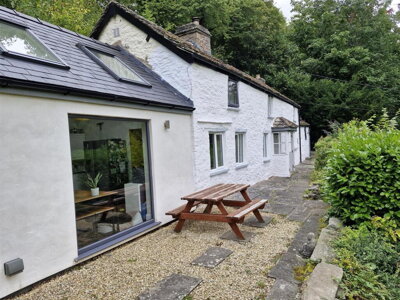
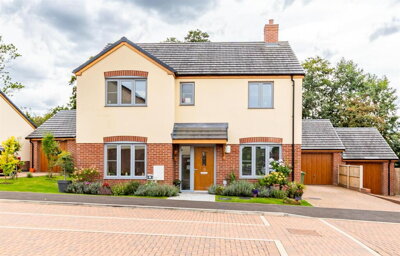
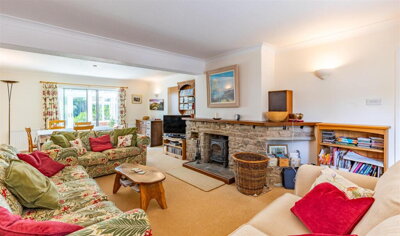
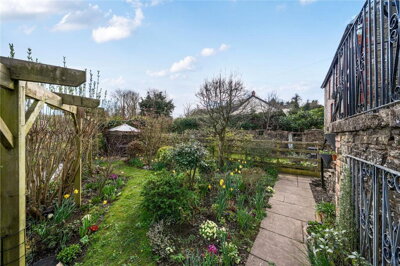
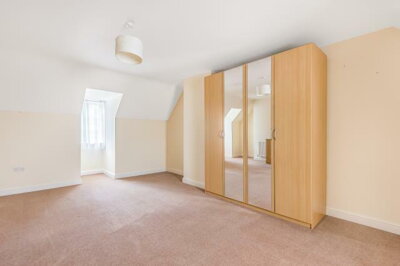
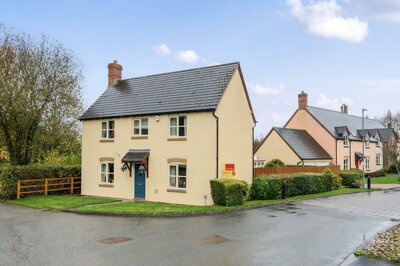
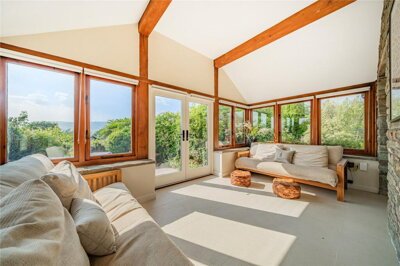
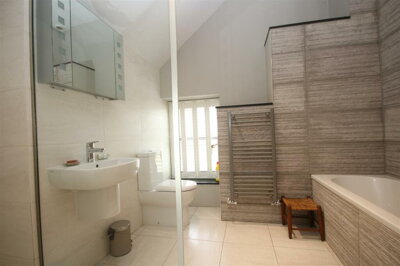
Browse 8 homes for sale in Hay, Powys from local estate agents.
The larger property sector typically features multiple bathrooms, substantial reception space, and private gardens or off-street parking. Four bedroom houses in Hay span detached, semi-detached, and occasionally terraced configurations, with styles ranging from period properties to modern executive homes.
£0k
0
0
0
Source: home.co.uk
Showing 0 results for 4 Bedroom Houses for sale in Hay, Powys.
The Hay-on-Wye property market reflects its unique character as a historic market town with enduring appeal. Detached properties command the highest prices, with the average currently standing at £431,071. Semi-detached homes offer more accessible entry points at around £244,140, while terraced properties average £298,671. The market has shown mixed trends recently, with Rightmove reporting a 2% increase year-on-year, though prices remain approximately 15% below the 2022 peak of £379,400, creating potential opportunities for buyers entering the market at this stage.
Sales activity in the HR3 5 postcode area has remained steady, with roughly 60 transactions completed over the past 12 months based on data from the last 24 months. Terraced properties have dominated recent sales activity, which aligns with Hay-on-Wye's heritage as a market town where workers' cottages and artisan homes line the historic streets. New build activity in the immediate area remains limited, meaning buyers seeking modern specifications may need to consider nearby towns or be prepared to modernise character properties to contemporary standards.
The market shows distinct price variations depending on location within the town. Properties overlooking the River Wye or with views toward Hay Bluff typically achieve premiums, while homes requiring modernisation on Clock Tower Street or Oxford Road offer more accessible price points. The historic core around the market square and along Broad Street features the highest concentration of listed buildings, which can restrict renovation options but also protect property values through preservation of character.

Life in Hay-on-Wye centres around its extraordinary literary heritage and breathtaking natural surroundings. The town hosts the world-renowned Hay Festival each spring, attracting internationally acclaimed authors, artists, and thinkers for ten days of literary celebration. This cultural cornerstone transforms the quiet market town into a vibrant hub of ideas and entertainment, supporting a year-round ecosystem of independent bookshops, cafes, galleries, and artisan businesses that give Hay its distinctive atmosphere.
The town sits on the banks of the River Wye, offering residents access to excellent fishing, canoeing, and riverside walks through the Wye Valley. Hay Bluff and the Black Mountains rise to the south, providing stunning walking and cycling country that draws outdoor enthusiasts throughout the year. The population benefits from a strong sense of community, with regular markets, local events, and a welcoming atmosphere that appeals particularly to those seeking an alternative to urban living while retaining access to essential amenities and cultural experiences.
The local economy revolves around tourism, creative industries, and agriculture, with the Hay Festival generating significant annual revenue for local businesses. Artisan shops line the main streets, selling everything from antiques and rare books to locally crafted gifts and organic produce. The Tuesday market brings fresh local produce to the town centre, while the surrounding farmland supports a network of smallholdings and family farms that contribute to the rural character of the area.

Families considering a move to Hay-on-Wye will find educational provision centred on primary education within the town itself. The local primary school serves the immediate community, providing early years and key stage one and two education for young children. Secondary education options typically involve travel to nearby towns, with school transport arrangements available for families residing in the Hay area. Parents are advised to verify current catchment areas and admission arrangements with Powys County Council, as these can change and may influence property choices.
The cultural richness of Hay-on-Wye extends beyond formal education, with the town offering unique learning opportunities through its literary heritage. The Hay Festival's schools programme brings author visits and educational workshops to local children, while the town's bookshops and libraries provide informal educational resources. For families prioritising academic excellence alongside cultural enrichment, Hay-on-Wye offers a distinctive environment where children can grow up immersed in literary culture and outdoor learning opportunities in the surrounding countryside.
Further education options in the region include colleges in Hereford and Brecon, accessible via the A438 and A470 routes respectively. Many families choose to remain in Hay-on-Wye for primary education before relocating for secondary school, while others establish travel arrangements that allow children to attend specific schools in surrounding towns. The scenic commute through the Wye Valley or up toward the Brecon Beacons offers a commute experience far removed from urban school runs.
Hay-on-Wye occupies a somewhat remote position on the Wales-England border, which shapes the commuting experience for residents. The town lacks a railway station, with the nearest rail connections available in Hereford (approximately 18 miles away), offering direct services to Birmingham, Cardiff, and London Paddington. For residents working in regional centres, the A438 provides connections to Hereford, while the A470 offers a scenic route through the Welsh valleys towards Brecon and beyond.
Bus services connect Hay-on-Wye with surrounding towns and villages, though frequencies are limited compared to urban areas, making car ownership practically essential for most residents. The journey to Hereford takes roughly 40 minutes by car, while Brecon is approximately 30 minutes away. Cyclists benefit from the Wye Valley cycle route, and the surrounding hills attract mountain bikers. Parking in the town centre is generally manageable, unlike larger towns, though weekend visitor numbers during festival periods can significantly affect availability.
For professionals working remotely, Hay-on-Wye's broadband infrastructure has improved significantly in recent years, supporting the growing community of writers, artists, and knowledge workers who have relocated to the area. The town's literary cafes and co-working spaces provide alternative working environments, while the peaceful surroundings offer an enviable quality of life for those whose work does not require daily commuting.
Properties in Hay-on-Wye require careful assessment before purchase due to the town's age and character. The majority of housing stock pre-dates 1919, meaning traditional construction using local stone, brick, and timber framing is prevalent throughout the historic core. When viewing properties, examine walls for signs of damp, particularly in ground floor rooms and basements where rising damp can occur in properties without modern damp-proof courses. Roof condition warrants close inspection, as slate tiles and leadwork on older buildings often require maintenance or renewal.
Our inspectors frequently identify specific defect patterns in Hay-on-Wye properties that buyers should understand before committing to a purchase. Wet and dry rot in timber elements, including floor joists and roof structures, represents a common concern in properties of this age, particularly where ventilation has been compromised by modern additions or insulation measures. Fabric-insulated electrical wiring, common in properties built before the 1960s, frequently requires complete rewiring to meet current standards and insurance requirements.
The River Wye's presence creates flood risk for properties in lower-lying areas near the river, and prospective buyers should enquire about flood history and consider the positioning of any garden or outbuildings. Properties within any designated conservation area will be subject to planning restrictions on alterations and extensions, which can affect future renovation plans. Always confirm whether a property is freehold or leasehold, as leasehold arrangements may include ground rent and service charge obligations that affect ongoing costs.
Explore our full property listings and understand the £321,690 average price point before beginning your search. Consider property types from terraced cottages at around £298,671 to detached period homes at £431,071, and factor in the cost of potential modernisation given the town's older housing stock. Properties along Broad Street and near the castle ruins typically command premiums, while those on the outskirts may offer better value.
Contact lenders or use our mortgage comparison tools to secure a mortgage agreement in principle before viewing properties. This strengthens your position when making offers, particularly in a town where desirable properties can attract multiple interested buyers, especially during the summer festival season. Given the older property stock, lenders may require detailed survey information before approving finance on period properties.
View multiple properties to understand the range of character, condition, and pricing available. Pay particular attention to the condition of older properties, checking for signs of damp, roof issues, and outdated electrics that are common in pre-1919 buildings throughout Hay-on-Wye. We recommend viewing properties in different weather conditions to assess heating efficiency and any water penetration issues.
Before completing, arrange a Level 2 Homebuyer Report to assess the property's condition. Given Hay-on-Wye's flood risk near the River Wye and the prevalence of historic properties, a thorough survey is essential to identify any structural concerns, damp issues, or required renovations. Our RICS-qualified inspectors understand local construction methods and common defects in this area.
Appoint a solicitor to handle the legal aspects of your purchase, including local searches with Powys County Council, review of title deeds, and coordination with your mortgage lender. Specialist conveyancers familiar with Welsh property law can ensure a smooth transaction. Local searches will reveal conservation area restrictions, flood risk assessments, and any planning constraints affecting the property.
Once all searches are satisfactory and finance is confirmed, your solicitor will exchange contracts and set a completion date. On completion day, the remaining funds are transferred, and you receive the keys to your new Hay-on-Wye home. We recommend arranging building insurance to commence before completion.
The average house price in Hay-on-Wye currently stands at approximately £321,690 according to recent market data. By property type, detached homes average £431,071, terraced properties around £298,671, and semi-detached homes at roughly £244,140. Prices have shown mixed trends recently, with a 2% increase reported year-on-year but remaining approximately 15% below the 2022 peak of £379,400, suggesting potential opportunities for buyers in the current market. A flat on Market Street sold for £220,000 in May 2025, indicating the entry-level position for the local market.
Properties in Hay-on-Wye fall under Powys County Council's jurisdiction and are assigned council tax bands ranging from A to H, determined by the property's assessed value. Most terraced cottages and smaller period properties typically fall into bands A to C, while larger detached homes and converted buildings may be placed in higher bands. The historic properties along Broad Street and near the market square often occupy higher bands due to their size and central location. Prospective buyers should verify the specific band with the agent during viewing and factor this ongoing cost into their budget alongside mortgage payments and utility bills.
Hay-on-Wye offers primary education through its local primary school serving the immediate community. The school serves children from reception through to year six, with strong community ties and smaller class sizes than urban alternatives. Secondary education options require travel to nearby towns, and parents should check current catchment areas with Powys County Council as admission policies can change. The town is well-known for its literary atmosphere, with the Hay Festival's schools programme providing unique educational experiences, and the surrounding area offers excellent opportunities for outdoor learning and exploration in the Black Mountains and Wye Valley.
Public transport options in Hay-on-Wye are limited compared to urban areas, with bus services providing the primary public connection to surrounding towns. The B4351 connects the town to Hereford, with journey times of approximately one hour depending on stops. The town does not have a railway station, with the nearest mainline rail services available in Hereford approximately 18 miles away, offering connections to Birmingham, Cardiff, and London. Most residents rely on car ownership for daily commuting and essential travel, though the scenic bus routes through the Wye Valley offer an enjoyable alternative for leisure travel.
Hay-on-Wye presents a compelling case for property investment due to its unique cultural position and limited housing supply. The town attracts strong interest from buyers seeking the literary lifestyle, remote working opportunities, and holiday let potential, particularly during the festival period when accommodation demand surges. While prices have moderated from their 2022 peak, the enduring appeal of the Hay Festival, the Wye Valley setting, and the shortage of new build properties suggest continued demand for quality homes in this distinctive location. Properties near the river with flood resilience measures in place may offer particularly strong rental potential during festival periods.
Hay-on-Wye sits on the River Wye, placing properties in low-lying areas near the river at risk of fluvial flooding during periods of heavy rainfall and snowmelt. The HR3 5 postcode area has experienced flooding events historically, and properties on Lower Oxford Road or near the river meadows require particular scrutiny. Surface water flooding can also affect properties throughout the town, particularly in areas with older drainage systems. Before purchasing, prospective buyers should consult the Natural Resources Wales flood risk maps, enquire about the property's flood history, and consider whether adequate flood resilience measures are in place such as property level resilience products or raised electrics.
Stamp duty land tax in Wales operates under Welsh rates, with the threshold for standard buyers set at £225,000 where 0% applies, followed by 6% on the portion from £225,001 to £400,000, and 7.5% on amounts exceeding £400,000. For a typical terraced property at £298,671, this would result in SDLT of approximately £3,620 after the nil-rate threshold. First-time buyers in Wales may benefit from first-time buyer relief, which increases the nil-rate threshold to £300,000 with 5% applying between £300,001 and £625,000. The exact amount depends on the property price, your buyer status, and whether you own other properties.
Our inspectors regularly encounter specific defect patterns when surveying properties in Hay-on-Wye, and understanding these common issues helps buyers prioritise their property assessments. The prevalence of pre-1919 construction throughout the town means that solid wall construction without cavity insulation is standard in the oldest properties, leading to higher heating costs and increased condensation risk during winter months. Pointing and masonry condition on stone-built properties requires careful inspection, as the harsh winters in this part of Powys can accelerate deterioration of traditional lime mortar pointing.
Timber defects represent another significant concern in Hay-on-Wye properties. The combination of age, sometimes inadequate ventilation, and proximity to the River Wye creates conditions favourable to both wet and dry rot in structural and finish timbers. Our surveyors check floor joists, staircases, and roof structures for signs of decay, paying particular attention to any timbers in contact with stone walls where moisture can track through. Woodworm infestation, while less common than in some areas, still occurs in properties with untreated softwood timbers.
Electrical systems in period properties frequently require attention, with fabric-insulated wiring, outdated consumer units, and insufficient socket provision representing common concerns. Plumbing systems often feature a mix of old iron pipes, copper, and sometimes lead supply pipes that should be replaced. The age of many boilers and heating systems means that detailed assessment of the heating installation should form part of any property survey. Buyers should budget for comprehensive updating of electrical and heating systems when purchasing older properties in this condition.
From £350
A detailed inspection of your Hay-on-Wye property to identify defects and maintenance issues
From £500
Comprehensive structural survey ideal for period properties in Hay-on-Wye
From £85
Energy performance certificate required for all Hay-on-Wye property sales
From £499
Expert legal services for buying property in Hay-on-Wye, Powys
Understanding the full cost of purchasing property in Hay-on-Wye extends beyond the purchase price to include stamp duty, legal fees, and survey costs. In Wales, stamp duty land tax applies at 0% on properties up to £225,000, rising to 6% on the portion between £225,001 and £400,000, then 7.5% on amounts exceeding £400,000. For a typical terraced property at £298,671, this would result in SDLT of approximately £3,620 after the nil-rate threshold. A detached property at the average of £431,071 would attract higher rates on the portion above £400,000.
First-time buyers benefit from an increased nil-rate threshold of £300,000, with 5% applying between £300,001 and £625,000. This relief can significantly reduce costs for those entering the property market. Additional purchase costs include solicitor fees typically ranging from £499 to £1,500 depending on complexity, a RICS Level 2 survey at £350 to £600 for standard properties, and an EPC assessment at approximately £85 to £120. Budgeting for removals, potential renovations, and a contingency fund of at least 10% of the purchase price is advisable given the age and condition of many properties in Hay-on-Wye.
Buyers should also factor in the costs associated with the unique characteristics of Hay-on-Wye properties. Listed building consent may be required for certain works, and specialist contractors often charge premium rates for work on historic properties. Properties in conservation areas may require matching materials for any repairs, adding to maintenance costs. Survey costs for larger or more complex period properties may exceed standard quotes, and our team can provide specific guidance based on individual property characteristics.
Our inspectors recommend allocating approximately 15-20% of the purchase price for renovation work on properties requiring modernisation, though many buyers in Hay-on-Wye purchase specifically for the character that comes with period properties. The investment in updating electrical systems, heating, and insulation typically pays dividends through reduced utility bills and improved comfort.
Properties for Sale In London

Properties for Sale In Plymouth

Properties for Sale In Liverpool

Properties for Sale In Glasgow

Properties for Sale In Sheffield

Properties for Sale In Edinburgh

Properties for Sale In Coventry

Properties for Sale In Bradford

Properties for Sale In Manchester

Properties for Sale In Birmingham

Properties for Sale In Bristol

Properties for Sale In Oxford

Properties for Sale In Leicester

Properties for Sale In Newcastle

Properties for Sale In Leeds

Properties for Sale In Southampton

Properties for Sale In Cardiff

Properties for Sale In Nottingham

Properties for Sale In Norwich

Properties for Sale In Brighton

Properties for Sale In Derby

Properties for Sale In Portsmouth

Properties for Sale In Northampton

Properties for Sale In Milton Keynes

Properties for Sale In Bournemouth

Properties for Sale In Bolton

Properties for Sale In Swansea

Properties for Sale In Swindon

Properties for Sale In Peterborough

Properties for Sale In Wolverhampton

Enter your details to see if this property is within your budget.
Loans, cards, car finance
Estimated property budget
Borrowing + deposit
You could borrow between
Typical borrowing
Monthly repayment
Est. at 4.5%
Loan-to-value
This is an estimate only. Your actual budget may vary depending on interest rates, credit history, and personal circumstances. For an accurate affordability assessment, speak to one of our free mortgage advisors.
This calculator provides estimates for illustrative purposes only and does not constitute financial advice. Your home may be repossessed if you do not keep up repayments on your mortgage. Estimates based on 4.5% interest rate, repayment mortgage. Actual rates depend on your circumstances.
Homemove is a trading name of HM Haus Group Ltd (Company No. 13873779, registered in England & Wales). Homemove Mortgages Ltd (Company No. 15947693) is an Appointed Representative of TMG Direct Limited, trading as TMG Mortgage Network, which is authorised and regulated by the Financial Conduct Authority (FRN 786245). Homemove Mortgages Ltd is entered on the FCA Register as an Appointed Representative (FRN 1022429). You can check registrations at NewRegister or by calling 0800 111 6768.

We use cookies to show you personalised content and improve your experience of our website. Find out more in our Privacy policy and Cookie policy.