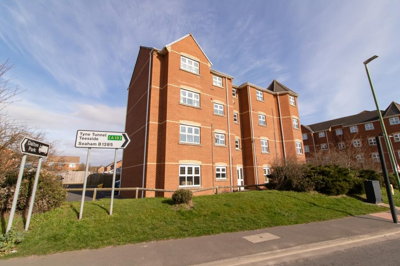
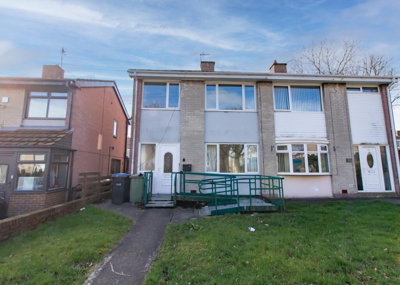
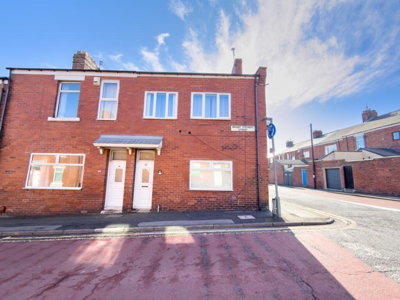
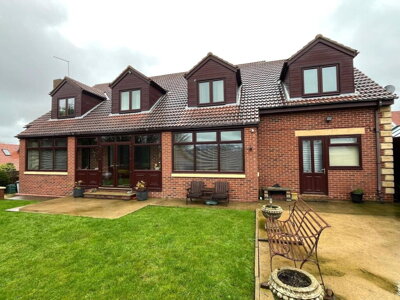
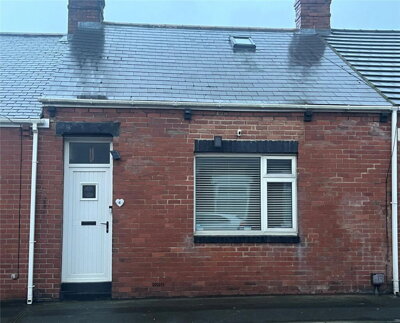
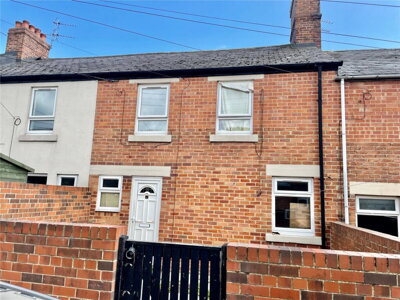
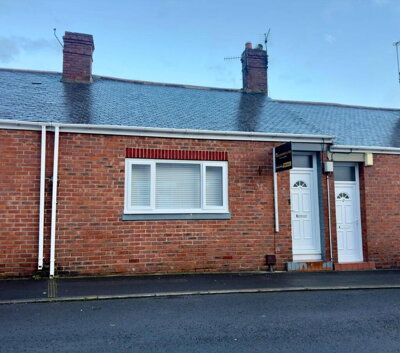
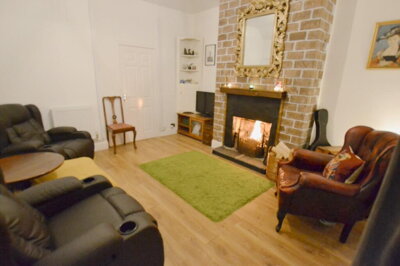
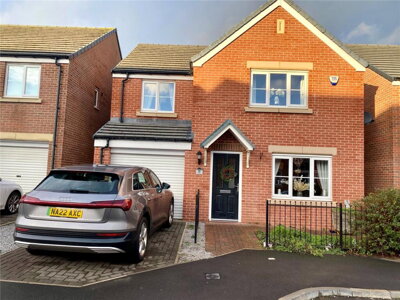
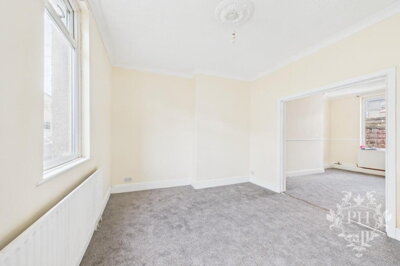
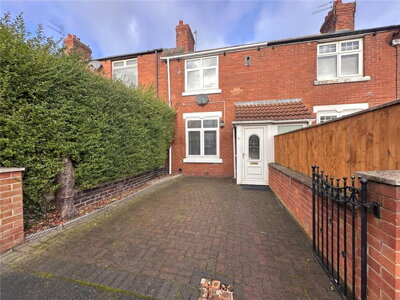
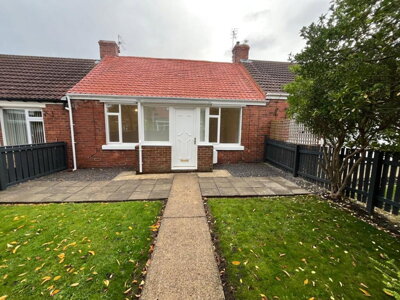
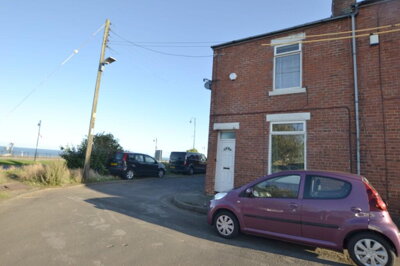
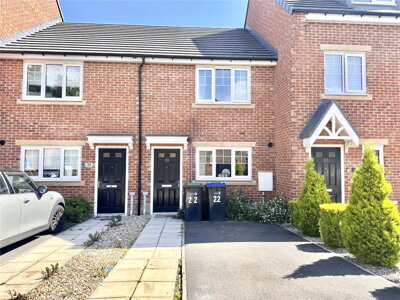
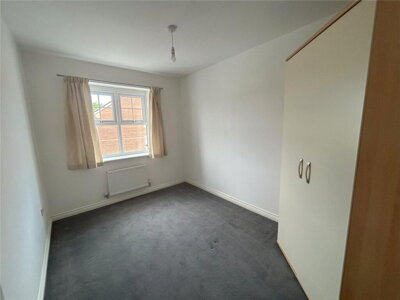
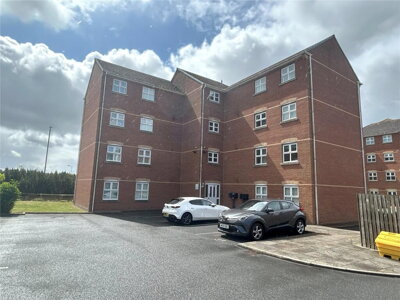
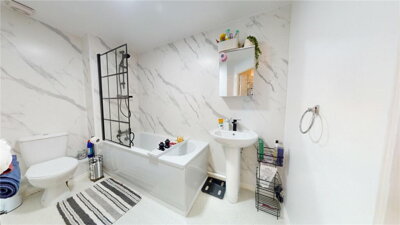
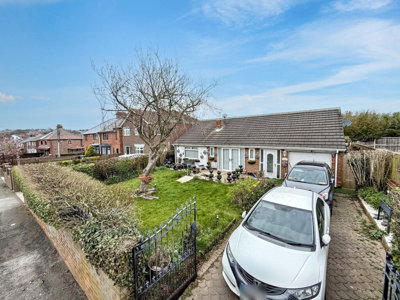
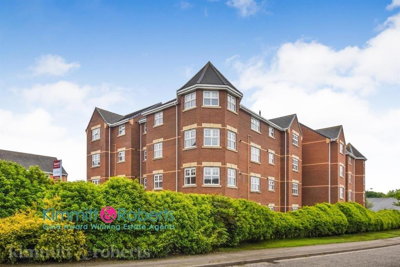
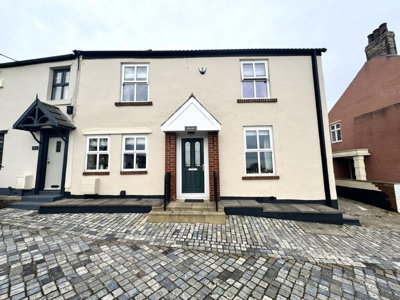
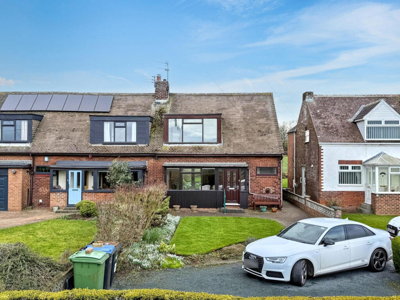
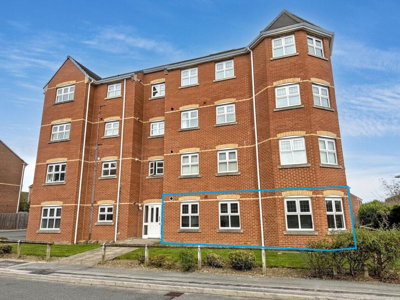
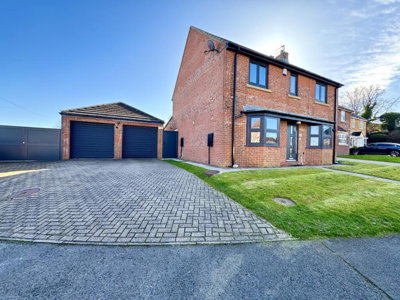
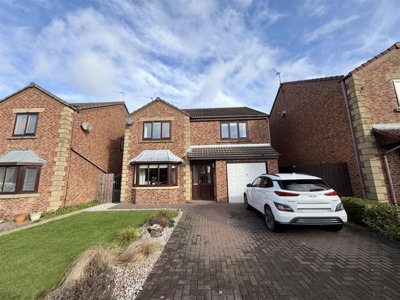
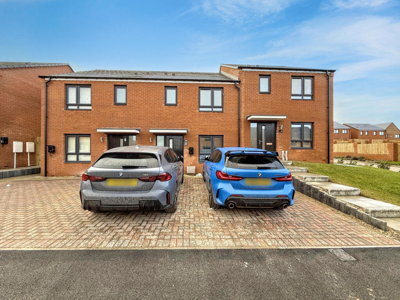
Browse 234 homes for sale in Hawthorn, County Durham from local estate agents.
£235k
11
2
52
Source: home.co.uk
Source: home.co.uk
Detached
5 listings
Avg £320,596
Semi-Detached
3 listings
Avg £201,000
Terraced
2 listings
Avg £213,997
End of Terrace
1 listings
Avg £234,995
Source: home.co.uk
Source: home.co.uk
The property market in Llanfihangel-ar-Arth reflects the character of the area itself - predominantly detached homes set against rolling Carmarthenshire countryside. Our data shows detached properties have dominated sales since 2018 with 106 transactions, far exceeding semi-detached homes at 42 sales and terraced properties at 40 sales. This bias towards larger, detached housing makes the parish particularly attractive to families seeking space and privacy, with average prices for detached homes reaching £244,057 compared to £152,975 for semi-detached and £101,566 for terraced properties. The relative scarcity of flats in the local market, with only one recorded sale since 2018, further emphasises the family-oriented nature of housing provision in the parish.
Price trends in the area reveal an interesting trajectory that presents both opportunities and considerations for buyers. House prices have increased by 6% over the last twelve months, demonstrating continued demand despite broader market fluctuations across the UK property sector. However, prices remain approximately 30% below the 2023 peak of £555,000, creating potential opportunities for buyers who missed the previous market peak. The recent average sale price of £236,750 based on 2025 transactions indicates healthy market activity, with properties available across a wide price range to suit various budgets and requirements. Interestingly, data from a specific street transaction on June 3rd, 2025 suggests prices in some locations have decreased by an average of 1.1% in recent months, indicating that the market remains responsive to individual property characteristics and buyer negotiation.
New build activity in the SA39 postcode area remains limited, with no verified active developments currently under construction within Llanfihangel-ar-Arth itself. Most available properties are established homes with character, including traditional stone and slated constructions that reflect the agricultural heritage of the region. For buyers specifically seeking newly built properties, broader searches in neighbouring Carmarthen or surrounding villages may yield results, though Llanfihangel-ar-Arth offers something increasingly rare - authentic Welsh village living in homes with genuine history and charm. The absence of new build supply effectively means that existing properties carry a premium associated with their established character and proven track record within the local community.
Understanding the breakdown of property types sold in the area helps buyers calibrate their expectations when entering the market. Semi-detached properties have achieved an average price of £152,975 since 2018, representing good value for buyers seeking more space than a terrace provides without the premium attached to detached homes. Terraced properties averaging £101,566 offer the most accessible entry point to the local market, typically comprising smaller cottages and period properties suitable for first-time buyers, retirees, or those seeking a weekend retreat. Flats remain extremely rare in Llanfihangel-ar-Arth, with only one sale recorded at £40,000 since 2018, reflecting the predominantly house-based nature of the local housing stock.

Llanfihangel-ar-Arth embodies the essence of rural Welsh living, offering residents a pace of life that has remained largely unchanged despite the passage of time. The parish takes its name from the Welsh Saint Michael's Church that has served the community for centuries, with the surrounding landscape featuring the rolling hills and productive farmland that define Carmarthenshire. Properties in the area include charming 1860s stone-built cottages alongside more modern detached family homes, creating a streetscape that tells the story of Welsh rural architecture across different eras. This architectural diversity means that buyers can select properties that match their preferred aesthetic, whether that leans towards traditional character or more contemporary design.
The local community maintains a strong agricultural character, with many farms continuing to operate in the surrounding countryside providing employment and maintaining the landscape that defines the area. This rural economy supports a close-knit atmosphere where neighbours know one another and community events bring people together throughout the year. The absence of heavy commercial development has preserved the tranquility that makes the area so appealing to those seeking escape from urban pressures, while essential amenities remain accessible in nearby towns. Local farms supply produce to the community and visitors alike, with farm shops and seasonal events providing additional connection between residents and the agricultural heritage that shapes daily life in the parish.
The landscape surrounding Llanfihangel-ar-Arth offers ample opportunities for outdoor recreation and appreciation of Welsh natural beauty. Rolling pastures, hedgerow-lined country lanes, and views across the Towy Valley define the local scenery, with walking routes connecting the village to the wider Carmarthenshire countryside. The proximity to the Cambrian Mountains and the coastline of Cardigan Bay provides additional options for weekend adventures, making the parish an ideal base for nature enthusiasts and those who appreciate an active countryside lifestyle. Cyclists benefit from quiet lanes that connect to longer routes through the county, while the Towy Valley offers opportunities for fishing and riverside walks that attract visitors throughout the year.
The village benefits from its position within Carmarthenshire, providing residents with access to cultural events and amenities in nearby market towns while maintaining the peaceful atmosphere that defines village living. Carmarthen, located approximately 30 minutes drive away, offers comprehensive shopping facilities, healthcare services, and cultural attractions including museums and regular markets. The weekly markets in Carmarthen provide opportunities to purchase local produce and artisan goods, maintaining a connection between the rural parish and the commercial centre that serves the wider area. This balance of village tranquility with accessible town amenities represents a key factor in the enduring appeal of Llanfihangel-ar-Arth as a place to live.

Families considering a move to Llanfihangel-ar-Arth will find educational facilities serving the local community within reasonable travelling distance. The parish falls within the Carmarthenshire local education authority, which maintains primary schools in surrounding villages to serve younger children. The closest primary schools typically serve age ranges from 4 to 11 years, providing the foundation of formal education for young families in the area. Parents should verify current catchment area arrangements with Carmarthenshire Council, as school admissions policies can significantly influence which institutions children can access from specific addresses.
Secondary education is typically accessed through schools in nearby towns, with pupils travelling to attend schools offering a broader range of GCSE and A-Level subjects and specialist facilities. Schools in the Carmarthen area serve as the main destination for secondary education, with comprehensive schools offering diverse curricula across core academic subjects. Sixth form provision enables students to continue their education locally rather than travelling further afield for advanced qualifications, though some students may choose to pursue specialist courses at colleges in larger towns. The travel implications of secondary education should be factored into family relocation decisions, particularly for those with children approaching transfer age.
Welsh medium education is well established throughout Carmarthenshire, with parents having the option to choose Welsh-language schooling for their children if preferred. This bilingual approach to education reflects the cultural heritage of the region and provides opportunities for children to become fluent in both English and Welsh, a valuable skill in contemporary Wales. Schools in the area generally maintain good standards, though parents should research specific school performance data through Estyn reports and verify catchment area boundaries with Carmarthenshire Council. Estyn inspection reports provide independent assessment of school quality across various metrics, enabling parents to make informed decisions about educational provision for their children.
For families requiring childcare or preschool facilities, options exist within the local community and nearby villages. The Carmarthenshire local authority provides information on registered childcare providers and preschool settings, helping parents to plan their move with confidence. Childcare costs in rural areas can vary significantly from urban centres, and prospective residents should research availability and pricing alongside property considerations. The availability of flexible childcare arrangements can influence employment decisions and lifestyle choices for families balancing work commitments with raising children in a rural location.
Transport connectivity from Llanfihangel-ar-Arth relies primarily on road networks, with the A486 providing links to the market town of Carmarthen and the broader road network of southwest Wales. The journey to Carmarthen takes approximately 30 minutes by car, where residents can access broader amenities, healthcare facilities, and the mainline railway station with connections to Cardiff, London Paddington, and other major destinations. The A48 trunk road passes nearby, offering routes towards Swansea and the M4 motorway for those travelling further east. For commuters working in major employment centres, the journey time by car to Swansea typically falls within one to one and a half hours, while Cardiff is approximately two hours distant.
Public transport options in rural Carmarthenshire are limited compared to urban areas, making car ownership essential for most residents. Bus services connect Llanfihangel-ar-Arth to nearby towns and villages, though frequencies may be restricted to certain days or times that may not suit all working patterns. Those considering a move to the parish should carefully assess their transport requirements and research current bus timetables to ensure the location meets their practical needs. For commuters working in Carmarthen or surrounding towns, the journey is generally manageable with a car, though longer commutes to cities like Swansea or Cardiff will require careful planning and consideration of the associated time commitment.
The mainline railway station in Carmarthen provides connections to the wider rail network, though services to London Paddington require a change at Swansea or Cardiff depending on the route chosen. Direct services to London from Carmarthen are limited, with most passengers opting to travel via the South Wales mainline for journey times of approximately four to five hours to the capital. For those working in London or requiring regular rail travel, the journey time and connection requirements should factor into relocation decisions. The availability of parking at Carmarthen station supports those combining car travel with rail journeys for longer distance commuting.
Cycling infrastructure in the area is limited, though the quiet country lanes popular with recreational cyclists offer pleasant routes for local travel when weather permits. The scenic quality of the surrounding landscape makes cycling an attractive option for leisure and short local journeys, though integration with public transport for longer commutes remains challenging. Electric bikes have become increasingly popular in rural areas, extending the practical range of cycling for commuting purposes where terrain permits. Parking provision at local facilities is generally adequate for the scale of the community, though visitors to the area may find on-street parking in the village centre during busy periods such as village events or market days.
Start by exploring current property listings in Llanfihangel-ar-Arth through Homemove to understand what is available at various price points. With detached homes averaging £244,057 and terraced properties around £101,566, setting a realistic budget based on your requirements and financial position is essential before arranging viewings. Consider attending open viewings in the area to gain a feel for the local market and compare properties against your requirements before narrowing down your shortlist.
Contact lenders or use Homemove mortgage services to secure an agreement in principle before viewing properties. This demonstrates your purchasing capability to sellers and estate agents, strengthening your position when making offers in what can be a competitive local market. Having your financing arranged in advance also helps you act quickly when the right property becomes available, which can be particularly important in markets where desirable homes may attract multiple enquiries.
Visit properties that match your criteria, paying attention to the condition of traditional stone and slated construction common in the area. Note any signs of damp, roof condition issues, or outdated electrics that may require attention after purchase. Viewing properties at different times of day helps assess the neighbourhood and local traffic patterns. Take photographs during viewings to help compare properties later and note any questions to raise with the vendor or their agent.
Given the age of many properties in Llanfihangel-ar-Arth, we strongly recommend a Level 2 Homebuyer Report before proceeding. This survey identifies defects such as damp, structural concerns, and maintenance issues that may not be visible during standard viewings, providing valuable negotiating leverage if price adjustments are needed. Our inspectors have experience assessing traditional Welsh construction methods and can identify issues specific to stone and slated properties that require specialist attention.
Once your offer is accepted, instruct a solicitor experienced in Carmarthenshire property transactions to handle the legal process. They will conduct searches, review contracts, and manage the transfer of ownership through to completion, typically taking 8-12 weeks for standard transactions. Your solicitor will also deal with Carmarthenshire Council searches, Land Registry requirements, and any leasehold or title issues that arise during the transaction.
Your solicitor will coordinate the final steps, including exchange of contracts once all conditions are satisfied and the transfer of funds on completion day. At this point, you receive the keys to your new home in Llanfihangel-ar-Arth and can begin settling into your new Welsh village community. Ensure you have arranged buildings insurance from the date of completion and notify utility providers of your move-in date to ensure services are connected when you take ownership.
Purchasing property in Llanfihangel-ar-Arth requires attention to matters specific to rural Welsh properties and the age of housing stock in the area. Traditional stone and slated construction, prevalent throughout the parish, brings unique characteristics that require careful assessment. The presence of an 1860s stone-built cottage among local housing stock demonstrates that many properties predate modern building regulations, which can mean charm alongside potential maintenance considerations. Buyers should understand that older properties may have non-standard construction details that require specialist knowledge to assess properly, particularly regarding structural integrity and weather resistance.
Buyers should investigate the condition of roofs on older properties, as slated roofs have finite lifespans and may require renewal or repair within the medium-term planning horizon. Our inspectors commonly identify slipped or damaged slates during surveys of properties in Carmarthenshire, particularly following periods of severe weather. Damp penetration represents another common issue in traditional stone buildings, particularly where original breathability has been compromised by modern modifications such as cement-based renders or non-breathable insulation. Electrical and plumbing systems in older properties may require updating to meet current standards, so factoring potential renovation costs into your budget is prudent when evaluating properties priced for immediate move-in.
Understanding tenure arrangements is essential before committing to any purchase. While many properties in Llanfihangel-ar-Arth are likely freehold, flats or converted units may carry leasehold terms requiring review of ground rent and service charge arrangements. Flood risk information for the specific property location should be verified through standard searches, as rural locations near watercourses can carry some flood exposure despite the generally elevated position of the parish. Properties with significant land or outbuildings may offer additional opportunities for development or income generation, subject to Carmarthenshire Council planning policies. Any plans to extend or convert outbuildings should be discussed with the local planning authority before proceeding with a purchase.
The condition of boundaries and access arrangements merits particular attention on rural properties, where shared drives, agricultural rights of way, or livestock access routes may affect the usability of the property. Access to neighbouring farmland may be established through historic rights of way that cannot be obstructed, and buyers should satisfy themselves regarding any obligations or restrictions that apply to their intended property. Drainage arrangements in rural areas can differ from urban locations, with some properties relying on private septic systems or shared infrastructure that carries maintenance responsibilities. A thorough survey will identify any concerns with boundary features, drainage systems, or access arrangements that might not be apparent during a standard viewing.
The average sold house price in Llanfihangel-ar-Arth over the last twelve months is £387,500. However, prices vary significantly by property type, with detached homes averaging £244,057 since 2018, semi-detached properties at £152,975, and terraced homes around £101,566. Recent sales data shows 16 transactions in both 2024 and 2025, with the 2025 average standing at £236,750. Prices have increased by approximately 6% over the past year but remain 30% below the 2023 peak of £555,000, suggesting potential value opportunities for buyers who missed the previous market peak.
Properties in Llanfihangel-ar-Arth fall under Carmarthenshire Council jurisdiction. Council tax bands in Carmarthenshire range from Band A for properties valued up to £44,000 through to Band I for homes exceeding £424,000. Most detached family homes in the area typically fall within Bands D to F, while smaller terraced properties may attract lower bands depending on their assessed value. Prospective buyers should verify the specific band for any property through the Carmarthenshire Council website or property information provided during the conveyancing process, as bands affect ongoing monthly costs for household budgeting.
Llanfihangel-ar-Arth is served by primary schools in surrounding villages, with Welsh medium education options available within the Carmarthenshire local education authority. Secondary education is accessed through schools in nearby towns, with pupils typically travelling to Carmarthen for Key Stage 4 and sixth form provision where schools offer broader subject choices and specialist facilities. Parents should research individual school performance data through Estyn reports and verify catchment area boundaries with Carmarthenshire Council, as admission policies determine which schools children can attend from specific addresses. Estyn reports cover factors including teaching quality, learner outcomes, and leadership effectiveness across maintained schools in the area.
Public transport connectivity from Llanfihangel-ar-Arth is limited, reflecting its rural character. Bus services connect the village to nearby towns and villages, though frequencies are restricted compared to urban areas with services potentially operating on specific days rather than daily. The nearest mainline railway station is in Carmarthen, providing connections to Cardiff, Swansea, and London Paddington for longer distance travel. Car ownership is essential for most residents, particularly those with commuting requirements or families needing regular access to amenities located in town centres, and this requirement should feature prominently in relocation planning considerations.
The Llanfihangel-ar-Arth property market has demonstrated steady long-term growth, with prices increasing by 50.4% over the past decade. The predominance of detached homes on spacious plots, combined with the enduring appeal of rural Carmarthenshire living, suggests continued demand from buyers seeking village lifestyles. Limited new build supply in the SA39 postcode area supports the value of existing properties. However, buyers should note that rural markets can be more sensitive to economic fluctuations and may experience longer marketing periods than urban equivalents, with properties sometimes remaining listed for several months before finding buyers.
Stamp Duty Land Tax rates for residential purchases are 0% on the first £250,000, 5% on amounts between £250,001 and £925,000, 10% on £925,001 to £1.5 million, and 12% above £1.5 million. First-time buyers benefit from relief on the first £425,000, paying 5% between £425,001 and £625,000 with no relief above that threshold. Given the current average property price of £387,500, most purchases in Llanfihangel-ar-Arth would attract stamp duty on the amount above £250,000, resulting in approximately £6,875 for standard purchasers. First-time buyers with qualifying properties under £425,000 would pay no stamp duty under the current relief arrangements.
The housing stock in Llanfihangel-ar-Arth predominantly features detached stone and slated properties, reflecting the traditional building methods of rural Carmarthenshire. Sales data since 2018 shows 106 detached properties sold compared to 42 semi-detached and 40 terraced properties, confirming the detached bias of the local market. Properties range from 1860s stone-built cottages through to more modern detached family homes, offering diverse options across different architectural periods and price points. Flats are extremely rare in the parish with only one sale recorded since 2018 at £40,000, making houses the virtually exclusive option for buyers in the area.
Beyond the property purchase price, buyers should budget for additional costs including Stamp Duty Land Tax, legal fees, survey charges, and moving expenses. Current SDLT rates for residential purchases start at 0% on the first £250,000 of the purchase price. For a typical property in Llanfihangel-ar-Arth priced around the average of £387,500, this means stamp duty would apply to £137,500 at the 5% rate, resulting in a charge of approximately £6,875 for standard purchasers. First-time buyers may benefit from increased thresholds, reducing their SDLT liability significantly depending on their status and the purchase price of their property.
RICS Level 2 Homebuyer Reports typically cost between £350 and £600 depending on property size and complexity, with larger detached homes commanding higher fees than terraced properties. Given the traditional construction methods prevalent in Llanfihangel-ar-Arth, investing in a comprehensive survey is particularly advisable to identify any defects in stone walls, slated roofs, or period features that may not be apparent during standard viewings. Our inspectors are experienced in assessing traditional Welsh construction and can provide detailed reports on the condition of properties across all price points in the local market. The survey cost represents a worthwhile investment compared to the potential cost of discovering serious defects after purchase.
Conveyancing fees for Carmarthenshire property transactions generally range from £500 to £1,500 including standard searches, with leasehold properties or those with complex titles requiring additional work. Search fees through Carmarthenshire Council typically total around £250 to £300 for standard checks including local authority searches, drainage and water enquiries, and environmental data. Additional costs may arise for properties with unusual titles, shared boundaries requiring legal clarification, or rural holdings with agricultural land or outbuildings included in the sale. Your solicitor will provide a detailed quote reflecting the specific requirements of your transaction.
Additional moving costs to factor into your budget include removal services, potential estate agent fees if you are selling a property simultaneously, and building insurance which must be in place from completion day. Land Registry fees for registering your ownership are typically covered within conveyancing costs. Setting aside a contingency fund equivalent to at least 5% of the purchase price for unexpected expenses during the buying process provides financial security and prevents delays if unforeseen issues arise with your new Llanfihangel-ar-Arth property. This contingency might include funds for repairs identified during survey, additional legal costs, or price adjustments arising from search results requiring further investigation.
Properties for Sale In London

Properties for Sale In Plymouth

Properties for Sale In Liverpool

Properties for Sale In Glasgow

Properties for Sale In Sheffield

Properties for Sale In Edinburgh

Properties for Sale In Coventry

Properties for Sale In Bradford

Properties for Sale In Manchester

Properties for Sale In Birmingham

Properties for Sale In Bristol

Properties for Sale In Oxford

Properties for Sale In Leicester

Properties for Sale In Newcastle

Properties for Sale In Leeds

Properties for Sale In Southampton

Properties for Sale In Cardiff

Properties for Sale In Nottingham

Properties for Sale In Norwich

Properties for Sale In Brighton

Properties for Sale In Derby

Properties for Sale In Portsmouth

Properties for Sale In Northampton

Properties for Sale In Milton Keynes

Properties for Sale In Bournemouth

Properties for Sale In Bolton

Properties for Sale In Swansea

Properties for Sale In Swindon

Properties for Sale In Peterborough

Properties for Sale In Wolverhampton

Enter your details to see if this property is within your budget.
Loans, cards, car finance
Estimated property budget
Borrowing + deposit
You could borrow between
Typical borrowing
Monthly repayment
Est. at 4.5%
Loan-to-value
This is an estimate only. Your actual budget may vary depending on interest rates, credit history, and personal circumstances. For an accurate affordability assessment, speak to one of our free mortgage advisors.
This calculator provides estimates for illustrative purposes only and does not constitute financial advice. Your home may be repossessed if you do not keep up repayments on your mortgage. Estimates based on 4.5% interest rate, repayment mortgage. Actual rates depend on your circumstances.
Homemove is a trading name of HM Haus Group Ltd (Company No. 13873779, registered in England & Wales). Homemove Mortgages Ltd (Company No. 15947693) is an Appointed Representative of TMG Direct Limited, trading as TMG Mortgage Network, which is authorised and regulated by the Financial Conduct Authority (FRN 786245). Homemove Mortgages Ltd is entered on the FCA Register as an Appointed Representative (FRN 1022429). You can check registrations at NewRegister or by calling 0800 111 6768.

We use cookies to show you personalised content and improve your experience of our website. Find out more in our Privacy policy and Cookie policy.