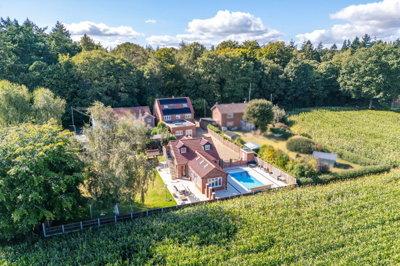
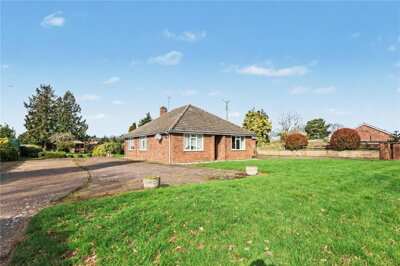
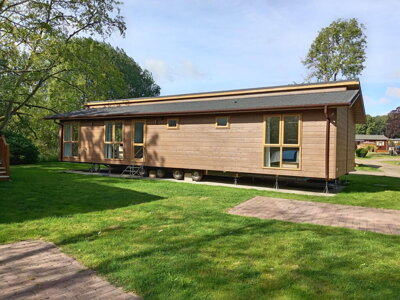
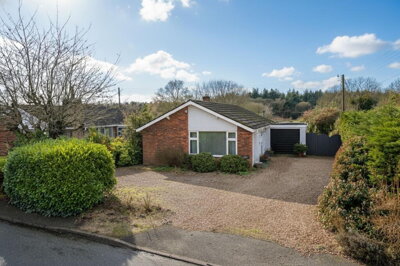
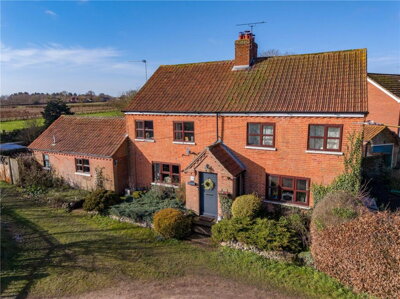
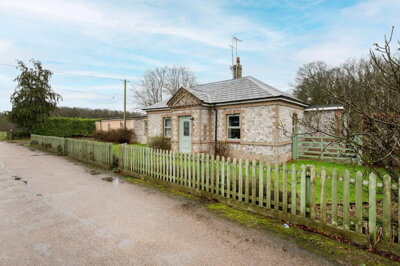
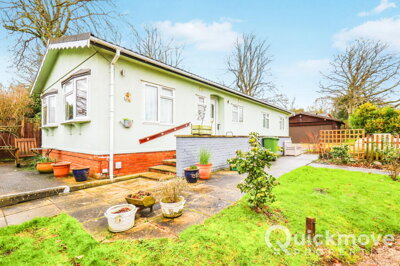
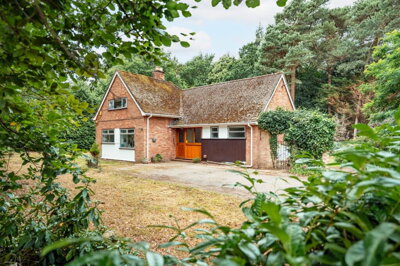
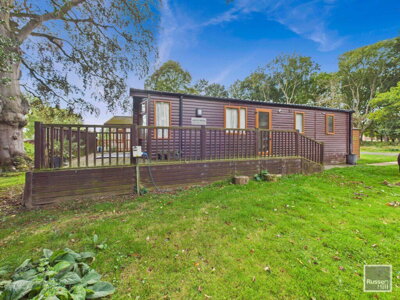
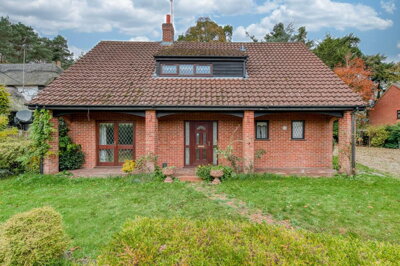
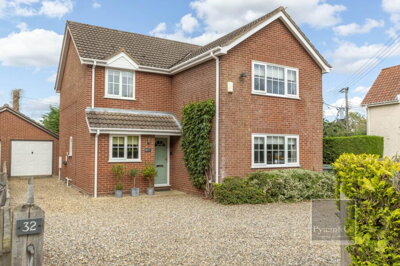
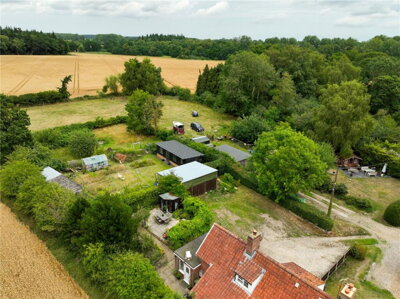
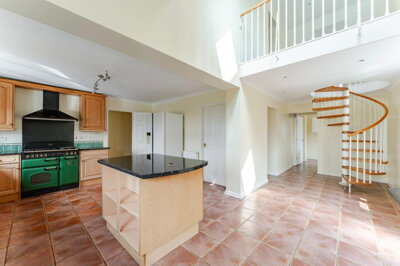
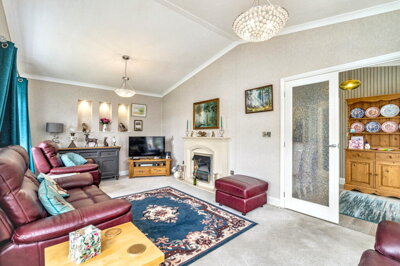
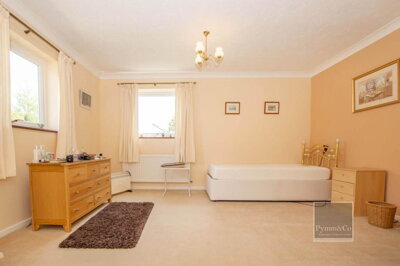
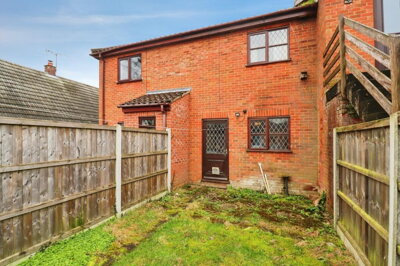
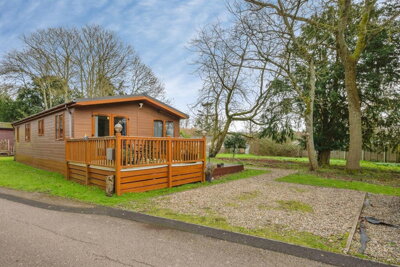
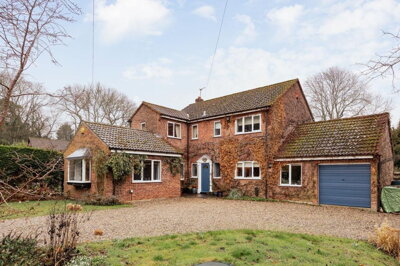
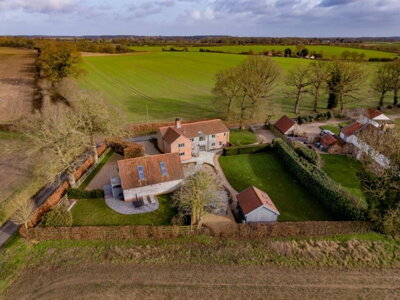
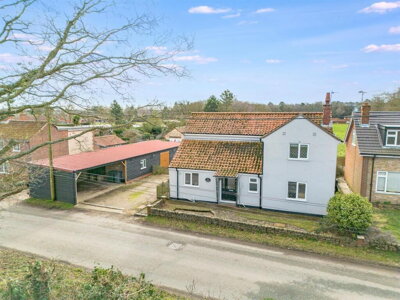
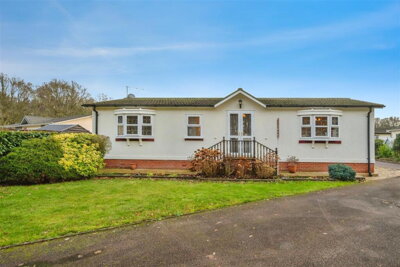
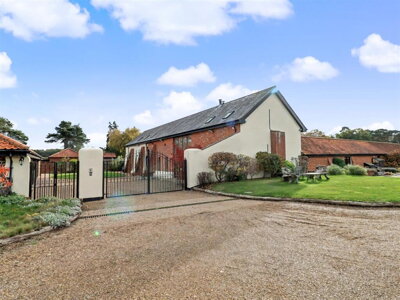
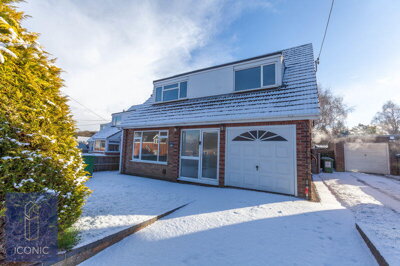
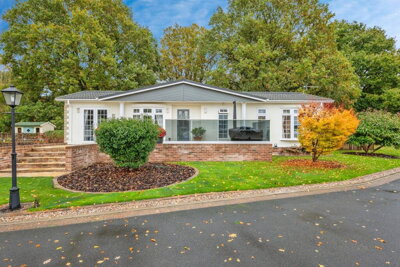
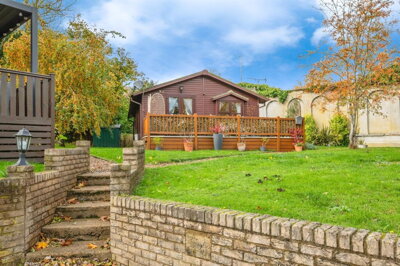
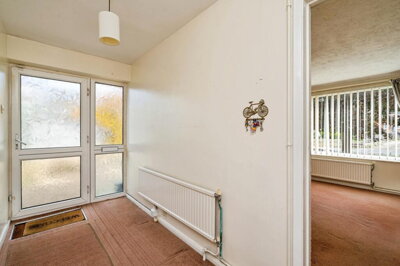
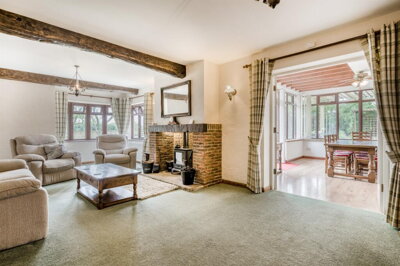
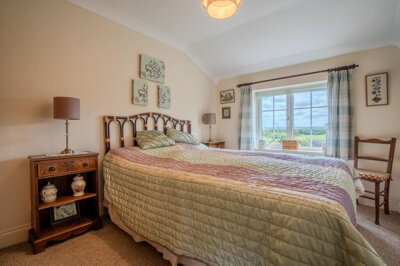
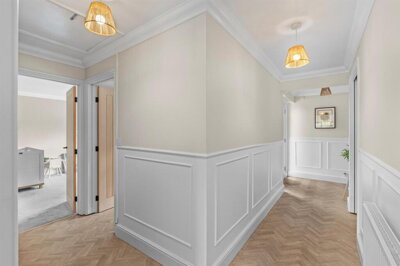
Browse 34 homes for sale in Haveringland, Broadland from local estate agents.
£140k
11
0
140
Source: home.co.uk
Source: home.co.uk
Park Home
7 listings
Avg £151,286
Lodge
2 listings
Avg £184,500
Detached Bungalow
1 listings
Avg £575,000
Mobile Home
1 listings
Avg £60,000
Source: home.co.uk
Source: home.co.uk
The Digby property market has undergone a significant reset over the past 12 months, with house prices falling by approximately 11% according to Rightmove data. This correction has brought the average sale price down to £283,143, creating more accessible entry points for buyers who may have been priced out during the 2023 peak of £344,500. Despite the downward adjustment, the market remains active, with nine recorded sales in 2025 and 301 properties currently available across all major portals. The buyer seeking a detached family home will find the strongest selection, with these properties commanding a median price of £390,000 based on recent transactions. This blend of corrected prices and active listings means that motivated buyers are finding genuine opportunities in the village market.
Property types in Digby reflect its predominantly rural character, with detached homes accounting for the majority of sales. Based on 2025 sales data, detached properties represent approximately 56% of transactions, with semi-detached homes making up the remaining 44% of the market. This distribution differs from the wider Lincolnshire average, where detached homes account for around 42% of sales, indicating that Digby's village character favours larger properties. Semi-detached properties have a median price of £189,500, representing solid value for families seeking generous living space without city premiums. Terraced homes in the village have a median price of £129,000 based on limited recent data, while flats remain scarce in this predominantly village setting.
New build activity has been limited but notable, with Chestnut Close on North Street delivering detached homes at £390,000 to £445,000 and The Hurn development offering semi-detached options at £212,500. Chestnut Close, located opposite Digby Manor House, represents the premium end of the local market, with recent sales in February 2025 achieving prices of £445,000 and £390,000. The Hurn, a quieter cul-de-sac development off Station Road, provides more affordable options at £212,500 for semi-detached accommodation. This mix of period properties and carefully integrated new development gives buyers meaningful choice when searching for homes in Digby, from traditional limestone cottages to contemporary detached houses in established developments.
Looking ahead, market observers anticipate that the 11% correction may stabilise as the gap between buyer expectations and seller asking prices narrows. The village's proximity to Lincoln's expanding employment opportunities, combined with its rural character and excellent road connections via the A46, positions Digby well within the regional property landscape. Buyers who act on current market conditions may find that this represents a favourable entry point compared to the 2023 peak, particularly for properties in the village's historic core where period features and character remain highly valued.

Digby embodies the classic English village character that makes Lincolnshire's rural settlements so appealing to families and retirees alike. The village sits within the North Kesteven district, which consistently ranks among the safest and most desirable places to live in the county. Residents enjoy access to an active village community, with local amenities including a church, village hall, and nearby public houses serving as social hubs. The surrounding landscape is characterised by gentle rolling farmland, with the Vale of the Digby Beck providing natural drainage through the village and contributing to the lush, green appearance that defines the area throughout much of the year.
The construction heritage of Digby reflects its long history, with many properties built using Lincolnshire Limestone, a distinctive building material that gives the village its warm, honey-coloured appearance. This local stone, comprising coursed limestone rubble and ashlar, has been used for centuries in the area's most important buildings. Historic properties include the 18th and 19th-century farmhouses and cottages that line the village's older lanes, alongside more recent additions that respect the local vernacular. The concentration of listed buildings around the village centre, including Beck House on Beck Street and Digby Manor House on North Street, indicates the historic importance of this settlement. The Grade I listed St Thomas Martyr's church serves as a visual anchor for the community, its tower visible across the surrounding farmland.
Daily life in Digby benefits from this sense of place and history, with village amenities providing for most everyday needs while larger towns remain within easy reach for greater requirements. The village hall hosts regular community events, while the local church maintains its role as both a spiritual centre and a venue for social gatherings. For essential shopping and services, residents typically travel to North Hykeham or Lincoln, both accessible via the A46 within approximately 20 minutes. The presence of several public houses in the village and surrounding settlements provides traditional dining and social options that contribute to community life. For buyers seeking a balance between rural charm and practical accessibility, Digby offers a compelling proposition that few Lincolnshire villages can match.

Families considering a move to Digby will find educational provision centred on nearby North Hykeham and the city of Lincoln, both accessible via the A46 and surrounding road network. The village itself falls within the catchment area for several well-regarded primary schools, with many parents particularly interested in schools in the surrounding villages and towns. Lincoln boasts a strong selection of secondary schools, including grammar schools that serve academically selective students from across the wider area. Parents should research current catchment areas and admission policies, as these can change and may affect which schools children are eligible to attend based on their specific Digby address.
Primary school options in the surrounding area include schools in North Hykeham, Waddington, and other nearby villages, each with their own admission criteria and Ofsted ratings. Many families choose to visit potential schools before purchasing property, attending open days and speaking with staff to understand each school's ethos and approach. The journey times from Digby to primary schools in surrounding villages typically range from 5 to 15 minutes by car, making school runs manageable for working parents. Some families opt for private primary education in Lincoln, though this adds to the complexity and cost of daily routines.
Beyond school-age education, Digby benefits from proximity to Lincoln's comprehensive further and higher education facilities. The University of Lincoln has expanded significantly in recent years, offering undergraduate and postgraduate programmes across a range of disciplines including business, engineering, creative arts, and health sciences. For vocational training and apprenticeships, several colleges in the region provide practical pathways into trades and professions. Lincoln College offers courses from basic skills to professional qualifications, serving students of all ages and career objectives. The presence of quality educational options within reasonable commuting distance enhances Digby's appeal to families at all stages, from those with young children beginning their school journey to those with teenagers considering university or vocational paths. When purchasing property in the village, families should verify current school catchment boundaries and admission criteria with North Kesteven District Council or the relevant education authority to ensure their children can access preferred schools.
Digby benefits from its position relative to the A46, a major road connecting Lincoln to Newark and the wider national road network beyond. This strategic location means residents can reach Lincoln city centre in approximately 20 minutes by car, making regular commuting feasible for those working in the city. The village is approximately 10 miles from the centre of Lincoln, with the journey taking around 25 minutes under normal traffic conditions. For buyers requiring access to major employment centres further afield, the A1 motorway is reachable via Newark, providing connections north to Doncaster and Leeds or south to Nottingham and Leicester. East Midlands Airport is accessible within approximately an hour's drive for those needing air travel connections.
Public transport options from Digby include bus services connecting the village to Lincoln and surrounding settlements, though rural bus routes typically operate on reduced frequencies compared to urban services. Prospective buyers without access to a car should carefully review current bus timetables, as service frequencies may limit the feasibility of daily commuting. Some residents find that a combination of cycling to nearby villages and using connecting bus services provides a workable alternative for occasional travel, though this requires careful planning and flexibility.
The nearest railway stations are located in Lincoln and Sleaford, both offering connections to the wider rail network. Lincoln station provides direct services to London St Pancras, with journey times typically around two hours via East Midlands Railway. Additional destinations include Nottingham, Sheffield, and Leeds, making Lincoln a useful hub for regional and national rail travel. Sleaford station offers alternative route options, particularly for travel to Peterborough and Boston, providing flexibility for residents who prefer to avoid the busier Lincoln station. Residents who commute by rail often drive to the nearest station and park, making Digby's road connections particularly important for daily travel patterns. Cycling infrastructure in the area has improved in recent years, with dedicated routes connecting some villages to Lincoln, though the rural road network still requires careful navigation for less experienced cyclists.
Before viewing properties, get a mortgage agreement in principle from a lender to understand your borrowing capacity. Digby prices have corrected by 11% recently, potentially creating opportunities across all property types from £129,000 for terraced homes to £445,000 for new detached properties at Chestnut Close. Consider whether you need additional funds for renovation work, particularly if considering period properties that may require updating. Factor in your commute requirements, school catchment needs, and preferred property types before beginning your property search.
Use Homemove to browse all 301 currently listed properties in Digby. Work with local estate agents who know the village intimately and can alert you to new listings before they reach major portals. Schedule viewings to assess each property's condition, natural light, and proximity to amenities. When viewing historic limestone properties, look specifically for signs of damp in ground floor walls, condition of the stonework, and any evidence of structural movement. Newer properties at developments like The Hurn or Chestnut Close should be assessed for standard construction quality and any snagging issues common to new builds.
Once you find your ideal home, submit a competitive offer through the selling agent. With the market having shifted in buyers' favour over the past year, there may be room for negotiation on properties that have been listed for some time. Factor in the condition of the property and any potential repair costs when determining your offer. For properties near the Digby Beck, consider potential flood risk and any impact this may have on insurance costs or future resale value. Offers on listed buildings should account for the additional responsibilities and potential costs associated with maintaining heritage properties.
Before completing, book a RICS Level 2 Homebuyer Report or Level 3 Building Survey to assess the property's condition. Given Digby's mix of historic limestone properties and newer builds, a thorough survey will identify any issues specific to the construction type, from potential shrink-swell movement in clay soils to the condition of traditional stonework. For listed buildings, the survey should specifically address the condition of original features and any previous alterations that may require attention. Our inspectors have extensive experience surveying properties across Lincolnshire and understand the specific defect patterns found in local construction.
Choose a conveyancing specialist to handle the legal transfer of ownership. Your solicitor will conduct searches with North Kesteven District Council, check for planning restrictions or listed building status, and manage the complex paperwork involved in completing your purchase. Local knowledge is valuable here, as solicitors familiar with Digby properties will understand the common issues that arise in village transactions, including drainage arrangements, rights of way, and boundary disputes common to historic settlements. Ground rent and service charge arrangements for any leasehold elements should be reviewed carefully before commitment.
Once all searches are satisfactory and finances are confirmed, you will exchange contracts and pay your deposit. Completion typically follows within weeks, at which point you will receive the keys to your new Digby home and can begin settling into village life. Before moving day, ensure your utility providers are notified, arrange buildings insurance from the moment contracts are exchanged, and consider a pre-move inspection to document the property condition for your records.
Properties in Digby range from centuries-old limestone cottages to modern detached houses in recent developments, and each requires specific consideration during the buying process. Historic properties built from Lincolnshire Limestone may require more maintenance than modern equivalents, and buyers should look for signs of damp, crumbling mortar, or structural movement in older buildings. The characteristic honey-colour of local limestone can mask deterioration if not examined closely, so paying attention to the quality of pointing and any cracks in stonework is essential. Period properties may also contain historic features that add character but require ongoing maintenance, including original windows, thatch or slate roofing, and traditional heating systems.
The geology of the Vale of the Digby Beck means that clay soils are present in the area, which can cause shrink-swell movement affecting property foundations over time. This is particularly relevant for older properties that may have shallower foundations than modern construction standards require. Signs of foundation movement include diagonal cracks extending from door and window corners, sticking doors or windows, and uneven floor levels. A thorough building survey will identify any current issues or potential concerns, and we recommend that buyers budget for a Level 3 Building Survey on any property over 50 years old. The cost of addressing foundation issues can be significant, making professional survey advice essential before committing to a purchase.
The village has several conservation considerations worth noting, with concentrations of listed buildings indicating planning sensitivities that may affect permitted development rights. The Grade II listed Beck House on Beck Street and Digby Manor House on North Street represent just two of many protected properties in the village, each carrying obligations regarding maintenance and alterations. Any external changes to listed properties potentially require Listed Building Consent from North Kesteven District Council, which can limit renovation options and extend project timelines. For buyers purchasing flats or properties within managed developments, service charges and ground rent arrangements should be carefully reviewed, as these ongoing costs vary significantly between properties. Flood risk in the village should also be investigated, particularly for properties near the beck itself, where detailed flood maps should be consulted before committing to a purchase.
The average house price in Digby currently stands at approximately £288,167 according to Zoopla data, with Rightmove reporting £283,143. Detached properties average around £337,000, while semi-detached homes sell for approximately £211,333. Prices have corrected by 11% over the past year and are now 18% below the 2023 peak of £344,500, creating more accessible entry points for buyers in this historic Lincolnshire village. Based on 2025 transactions, detached properties have achieved a median price of £390,000 at developments like Chestnut Close, while semi-detached homes at The Hurn have sold for around £212,500.
Properties in Digby fall under North Kesteven District Council, with council tax bands ranging from A to H depending on property value and type. Band A properties typically pay around £1,200-£1,400 annually, while higher-band homes command proportionally more. Detached family homes in Digby typically fall into bands D to F, with premium properties at Chestnut Close potentially in higher bands. You can check the specific band for any property on the Valuation Office Agency website using the address or property details.
Digby village itself has limited school provision, with families typically accessing primary education in surrounding villages and towns. The wider North Kesteven area includes several well-regarded primary and secondary schools, with many families choosing schools in North Hykeham for its proximity and range of options. Lincoln city offers additional options including grammar schools for academically selective students, accessible via the A46 in approximately 20 minutes. Parents should verify current catchment areas with Lincolnshire County Council, as admission policies determine which schools serve specific Digby addresses and can change between academic years.
Digby has limited public transport options, with bus services connecting to Lincoln and nearby villages on reduced rural frequencies that may not suit daily commuters. The nearest railway stations are in Lincoln and Sleaford, both offering connections to the national rail network with direct services to London St Pancras taking approximately two hours. The A46 road provides reliable car access to Lincoln in around 20 minutes, making road transport the primary option for most residents. For residents working in Nottingham or further afield, the A1 via Newark provides access to the wider motorway network within approximately 30 minutes of Digby.
Digby offers solid fundamentals for property investment, with the village benefiting from proximity to Lincoln, a growing city with expanding employment opportunities in sectors including technology, healthcare, and education. The recent 11% price correction has brought values to more realistic levels, potentially enhancing long-term growth prospects from a lower baseline. Rental demand in the village benefits from workers commuting to Lincoln and nearby employment hubs, though specific rental yields will depend on property type and condition. Properties requiring renovation may offer additional value opportunities given the village's period housing stock, though buyers should budget for the additional costs and complexities of renovating historic properties. New build properties at Chestnut Close and The Hurn provide modern alternatives with lower maintenance requirements.
Standard Stamp Duty Land Tax rates for 2024-25 are 0% on the first £250,000, 5% on £250,001 to £925,000, 10% on £925,001 to £1.5 million, and 12% above that. First-time buyers pay 0% on the first £425,000 with 5% on £425,001 to £625,000, provided they have never owned property before. A £300,000 property would incur £2,500 in SDLT for a standard buyer or nothing for a qualifying first-time buyer. For a typical detached home at £337,000, standard buyers pay £4,350, while first-time buyers would pay nothing if purchasing below the £425,000 threshold.
Yes, Digby has limited new build options with two notable developments. Chestnut Close on North Street, located opposite Digby Manor House, offers detached homes with recent sales in February 2025 achieving £445,000 and £390,000. The Hurn, a quieter cul-de-sac off Station Road, provides more affordable semi-detached options with a sale recorded at £212,500 in September 2024. Both developments represent premium additions to the village housing stock, built to modern specifications while respecting the local limestone vernacular. Additional properties have been constructed around The Smoot in recent years, though specific details of these sales were not available at time of publication.
The primary risks when purchasing in Digby relate to the age and construction of period properties, which represent a significant portion of the housing stock. Properties built from Lincolnshire Limestone require regular maintenance, and older buildings may have foundations susceptible to shrink-swell movement in clay soils. Properties near the Digby Beck should be researched for flood risk using Environment Agency flood maps before commitment. Listed buildings carry additional responsibilities that can limit renovation options and increase maintenance costs. We recommend a thorough RICS Level 3 Building Survey on any period property to identify these issues before purchase.
From 4.5%
Expert mortgage advice tailored to your purchase
From £499
Local conveyancing solicitors for your Digby purchase
From £350
Homebuyer Report for modern and well-maintained properties
From £600
Comprehensive building survey for older and period properties
Purchasing a property in Digby involves several costs beyond the sale price, with stamp duty land tax representing a significant consideration for most buyers. For a typical detached home priced at around £337,000, a standard buyer would pay SDLT of £4,350 (0% on £250,000 plus 5% on £87,000). First-time buyers purchasing properties up to £425,000 would pay no stamp duty on the first £425,000 of a £425,000 purchase, though relief phases out entirely for properties above £625,000. These thresholds apply to the purchase price before any negotiation, so factoring potential SDLT into your budget is essential when making an offer.
Additional buying costs include solicitor fees for conveyancing, typically ranging from £500 to £1,500 depending on complexity and whether the property is freehold or leasehold. Search fees with North Kesteven District Council typically cost between £200 and £300, with additional drainage and environmental searches adding further costs. Survey costs vary by property type and report level, with a RICS Level 2 Homebuyer Report starting from around £350 and more comprehensive Level 3 Building Surveys from £600 upwards. For properties in Digby's historic housing stock, particularly older limestone buildings, the additional cost of a thorough survey is money well spent to identify any structural or maintenance concerns before commitment.
Mortgage arrangement fees typically range from £500 to £2,000 depending on the lender and product chosen, though many deals offer fee-free options. Valuation fees are often included in mortgage arrangement fees but can be charged separately, typically ranging from £150 to £500 depending on property value. Electronic identification and anti-money laundering checks add modest costs of around £20-£30 per person. Land Registry fees for registering your ownership are usually modest at around £200-£500. Budgeting for these costs alongside your mortgage means you will have no financial surprises when completing your Digby purchase. A typical total for additional costs beyond the deposit and mortgage ranges from £2,000 to £4,000 depending on property price and circumstances.
Properties for Sale In London

Properties for Sale In Plymouth

Properties for Sale In Liverpool

Properties for Sale In Glasgow

Properties for Sale In Sheffield

Properties for Sale In Edinburgh

Properties for Sale In Coventry

Properties for Sale In Bradford

Properties for Sale In Manchester

Properties for Sale In Birmingham

Properties for Sale In Bristol

Properties for Sale In Oxford

Properties for Sale In Leicester

Properties for Sale In Newcastle

Properties for Sale In Leeds

Properties for Sale In Southampton

Properties for Sale In Cardiff

Properties for Sale In Nottingham

Properties for Sale In Norwich

Properties for Sale In Brighton

Properties for Sale In Derby

Properties for Sale In Portsmouth

Properties for Sale In Northampton

Properties for Sale In Milton Keynes

Properties for Sale In Bournemouth

Properties for Sale In Bolton

Properties for Sale In Swansea

Properties for Sale In Swindon

Properties for Sale In Peterborough

Properties for Sale In Wolverhampton

Enter your details to see if this property is within your budget.
Loans, cards, car finance
Estimated property budget
Borrowing + deposit
You could borrow between
Typical borrowing
Monthly repayment
Est. at 4.5%
Loan-to-value
This is an estimate only. Your actual budget may vary depending on interest rates, credit history, and personal circumstances. For an accurate affordability assessment, speak to one of our free mortgage advisors.
This calculator provides estimates for illustrative purposes only and does not constitute financial advice. Your home may be repossessed if you do not keep up repayments on your mortgage. Estimates based on 4.5% interest rate, repayment mortgage. Actual rates depend on your circumstances.
Homemove is a trading name of HM Haus Group Ltd (Company No. 13873779, registered in England & Wales). Homemove Mortgages Ltd (Company No. 15947693) is an Appointed Representative of TMG Direct Limited, trading as TMG Mortgage Network, which is authorised and regulated by the Financial Conduct Authority (FRN 786245). Homemove Mortgages Ltd is entered on the FCA Register as an Appointed Representative (FRN 1022429). You can check registrations at NewRegister or by calling 0800 111 6768.

We use cookies to show you personalised content and improve your experience of our website. Find out more in our Privacy policy and Cookie policy.