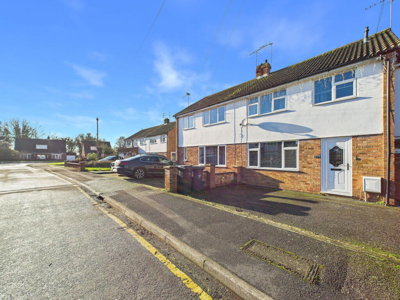
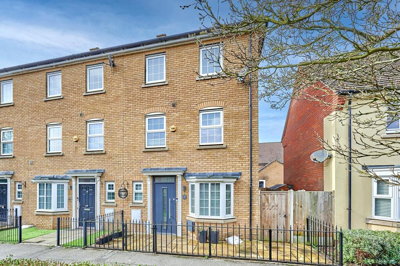
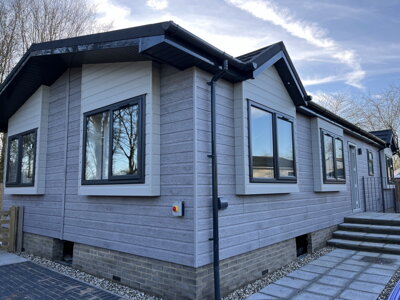
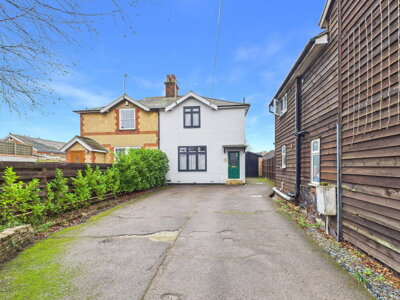
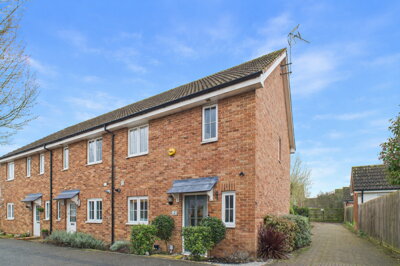
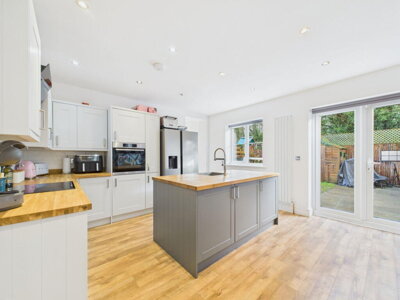
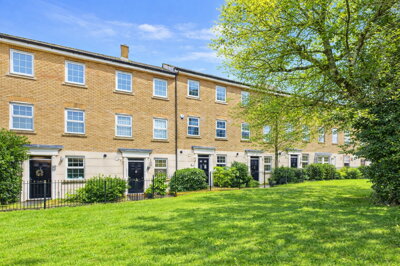
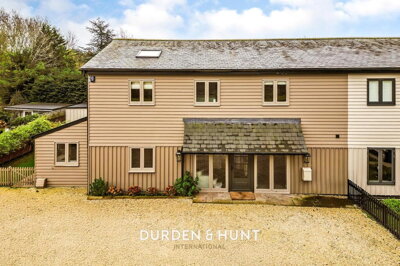
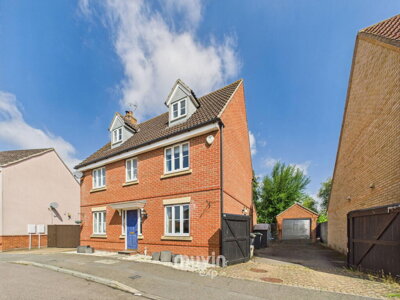
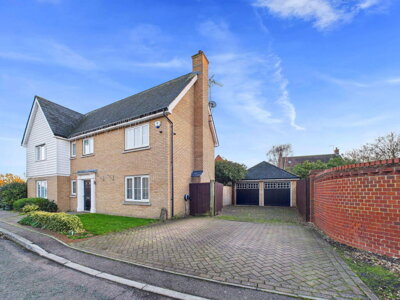
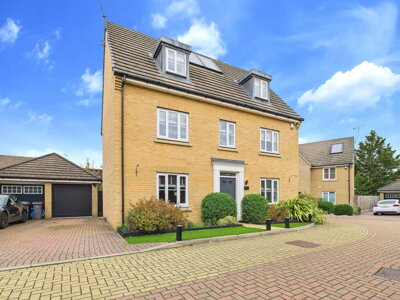
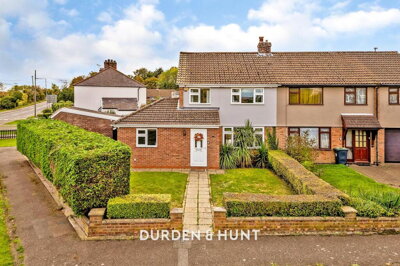
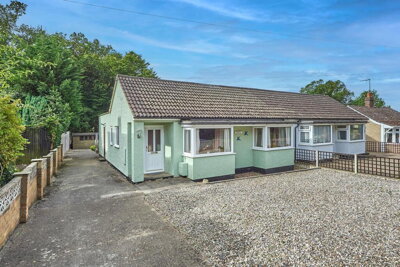
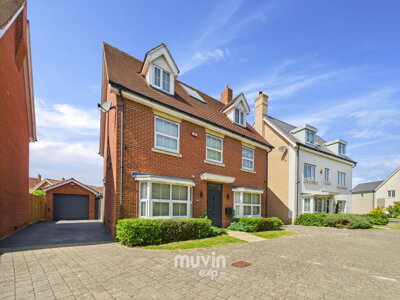
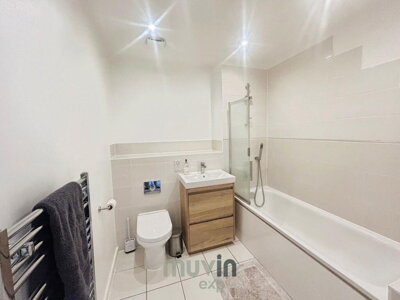
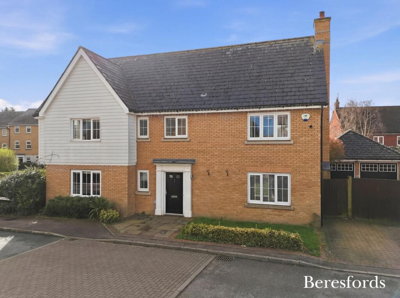
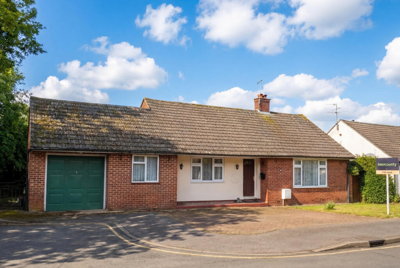
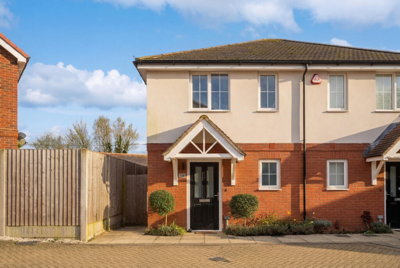
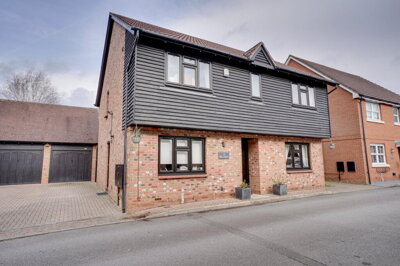
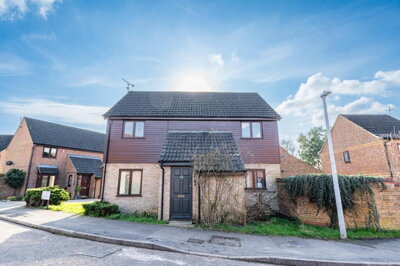
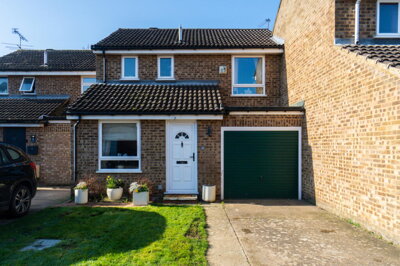
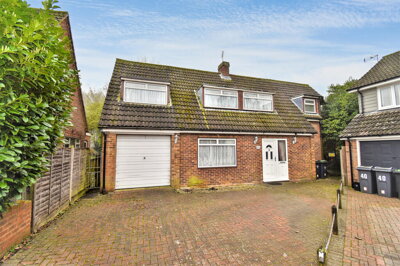
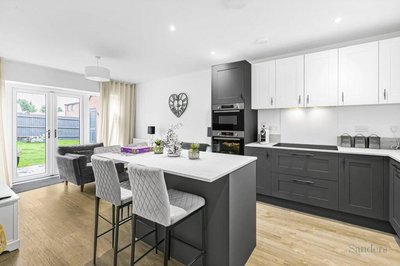
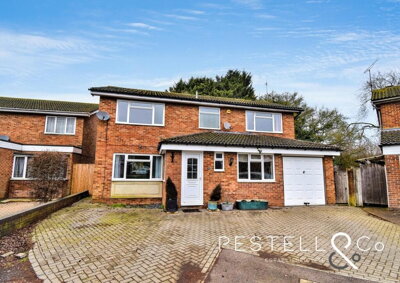
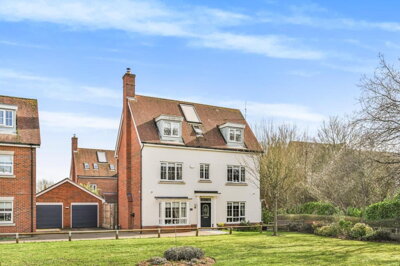
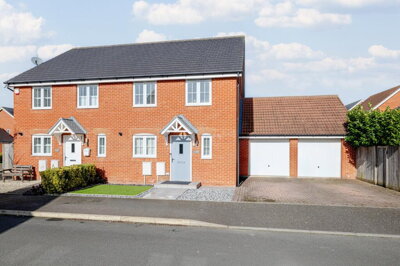
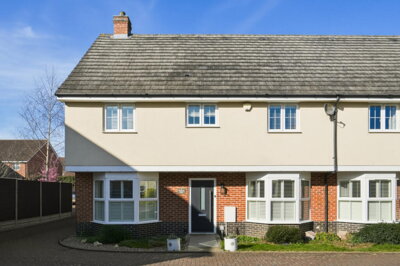
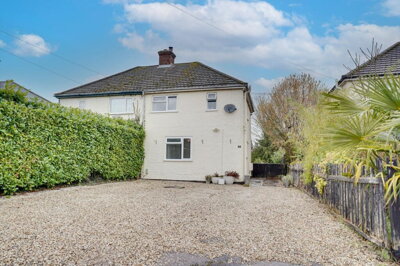
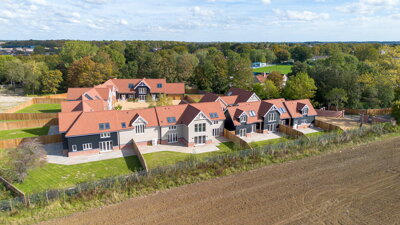
Browse 148 homes for sale in Hatfield Broad Oak from local estate agents.
The Marlow property market demonstrates strong resilience despite broader national fluctuations. According to recent data from Property Solvers, average house prices in Marlow increased by 2.96% over the last 12 months, with 172 residential property sales completing in the area. Rightmove data shows overall historical sold prices were 7% down on the 2022 peak of £793,303, suggesting potential opportunities for buyers who missed the previous highs. This mix of stability and modest correction makes Marlow an attractive prospect for both primary residence buyers and property investors.
Property types in Marlow cater to diverse buyer requirements. Detached homes command the highest prices, with Zoopla reporting averages of £1,067,366 and Rightmove data showing £952,833 for this category. Semi-detached properties average around £712,365 according to Rightmove, while terraced homes typically sell for approximately £625,467. For buyers seeking more affordable entry points, flats are available from around £289,950 according to GetAgent listing data. The Marlow Common and Marlow Bottom areas offer additional options, with detached properties forming the majority of sales in these surrounding neighbourhoods.
Recent market activity through Bonners & Babingtons recorded 188 property sales across the area, with postcode-specific data from Housemetric showing the SL7 2 area achieving 4.1% annual growth and the SL7 3 area recording 5.1% appreciation. This variation between different parts of Marlow reflects the differing character of neighbourhoods, from the historic town centre with its period properties to newer developments on the town outskirts. First-time buyers entering the Marlow market should note that the average listing price according to GetAgent stands at £1,054,765, significantly higher than sold prices, indicating competitive pricing in this desirable location.

Marlow is a quintessential English market town that perfectly balances historic character with modern conveniences. Located in the Wycombe district of Buckinghamshire, the town sits at the junction of the River Thames and the River Wye, creating the picturesque waterside environment that has attracted residents for centuries. The historic town centre features an eclectic mix of independent retailers, artisan cafes, and traditional English pubs that add to the town's vibrant social atmosphere. The High Street and Market Square remain focal points for community activity, with regular farmers markets showcasing local produce from Buckinghamshire and the wider Chilterns region.
The town's demographic draws professionals and families who appreciate its excellent infrastructure while maintaining a strong sense of community. Marlow's proximity to the Chiltern Hills provides outstanding countryside walks and outdoor activities, while the River Thames offers opportunities for rowing clubs, kayaking, and riverside promenades. The Marlow Rowing Club has produced Olympic athletes and provides a focus for water sports enthusiasts, while the Thames Path National Trail passes through the town, connecting residents with longer walking routes along the river. Cultural attractions include the Royal Marlow Theatre, which stages regular productions, and various art galleries that showcase local talent.
Residents enjoy access to essential amenities including supermarkets, healthcare facilities, and recreational centres. The town centre maintains its architectural heritage with Georgian and Victorian buildings that house contemporary businesses, creating an attractive environment for shopping and leisure. Parking facilities accommodate visitors while residential streets reflect the town's evolution from a historic market settlement to a prosperous commuter town with excellent local services. The Hand and Flower area, located on the Oxford Road, offers additional amenities serving the eastern side of Marlow, while the Frith End and Bovingdon Green neighbourhoods provide quieter residential environments on the town periphery.
Education provision in Marlow makes it particularly attractive to families considering a move to the area. The town hosts several well-regarded primary schools that serve the local community, with Ofsted-rated Good and Outstanding institutions providing strong foundations for children's education. Primary schools in Marlow and the surrounding Buckinghamshire villages typically feature Victorian-era buildings that have been modernised to include contemporary learning facilities while retaining their historic character. Holy Trinity Church of England Primary School and Sir William Ramsay School are among the schools serving families in the immediate Marlow area.
Secondary education options in the area include schools with strong academic reputations and excellent extracurricular programmes. Buckinghamshire's selective education system means some students may sit the eleven-plus examination to gain entry to grammar schools in nearby towns including High Wycombe and Beaconsfield. The John William School and Othery School provide secondary education within reasonable distance, while the Royal Grammar School in High Wycombe consistently achieves outstanding results. Families should research specific catchment areas when considering secondary school options, as admissions policies significantly impact which schools children can attend.
For families requiring childcare and early years education, Marlow offers multiple nurseries and preschools providing care from infancy through to school age. Sixth form provision in the area includes both school-based sixth forms and further education colleges within reasonable commuting distance. The concentration of families with children in Marlow creates strong community networks and supports the town's reputation as an ideal location for raising a family while maintaining access to excellent educational opportunities throughout all key stages. Postcodes like SL7 2 and SL7 3 are particularly popular with families due to the concentration of good schools within walking distance of family homes.
Marlow offers excellent connectivity for commuters, with multiple transport options connecting residents to major employment centres. The town is situated near the A404, providing direct access to the M4 motorway at Maidenhead and the M40 at High Wycombe. This strategic positioning means residents can reach Reading in approximately 25 minutes by car, while journeys to central London typically take around an hour depending on traffic conditions. The proximity to these motorway networks makes Marlow particularly popular with professionals working in the Thames Valley corridor or commuting to London offices.
Train services from nearby stations complement road connections, with stations at High Wycombe and Maidenhead offering regular services to London Marylebone and London Paddington respectively. Maidenhead station benefits from Elizabeth line services, providing faster and more reliable journeys into central London and onwards to Essex and Kent. The station is approximately 15 minutes by bus from central Marlow, with regular services operating throughout the day. For residents working in the City, High Wycombe provides direct access to London Marylebone with journey times of around 35 minutes.
Bus services operate throughout Marlow, connecting residential areas with the town centre and neighbouring villages. Routes connect residents to neighbouring towns including Henley-on-Thames, Wycombe, and Maidenhead, reducing car dependency for daily errands. For cyclists, National Cycle Network routes pass through the area, connecting Marlow with surrounding countryside and nearby towns. The Thames Valley Cycle Path provides an alternative route for commuters seeking to avoid busy roads, while the Chiltern Hills offer extensive cycling routes for leisure and weekend activities. Weekend and occasional commuting options are also available, with flexible season tickets and remote working arrangements increasingly common among Marlow's professional residents.
Spend time exploring Marlow's different neighbourhoods, from the historic town centre with its Victorian terraces along streets like West End Street and Institute Road to the surrounding areas of Marlow Bottom and Little Marlow. Consider proximity to schools, transport links, and amenities that matter most to your household. The SL7 2 and SL7 3 postcode areas offer different property types and character, so understanding which neighbourhood suits your lifestyle is essential before beginning your property search.
Before viewing properties, obtain a mortgage agreement in principle from a lender. This strengthens your position when making offers and demonstrates to sellers that you have financing arranged. Given Marlow's higher property values, with typical detached homes exceeding £950,000, securing appropriate mortgage capacity early helps you understand your realistic budget. Our mortgage partners can help you compare rates and find the best deal for your circumstances.
Book viewings through our platform to see properties across all price ranges, from flats around £290,000 to detached homes exceeding £1 million. Take notes on property condition, potential renovation costs, and any features that may require further investigation. Pay particular attention to the construction type and age of properties in Marlow, as the town features properties built using traditional brick and flint methods alongside more modern construction.
For properties over 50 years old, a Level 2 Homebuyer Report is essential. Given Marlow's mix of historic properties with traditional construction and areas with potential flood risk near the River Thames, a professional survey identifies structural issues, damp, and other defects before you commit to purchase. Properties in conservation areas or listed buildings may require specialist RICS Level 3 surveys due to their unique construction and historical significance.
Once your offer is accepted, instruct a solicitor to handle the legal aspects of your purchase. Your conveyancer will conduct searches including local authority searches through Buckinghamshire Council, drainage and water searches, and environmental searches to identify any potential issues affecting the property. They will handle contracts and coordinate with the seller's legal team through to completion.
After searches are satisfactory and financing is confirmed, contracts are exchanged and a completion date is agreed. On completion day, your solicitor transfers the remaining funds and you receive the keys to your new Marlow home. At this point, you should arrange buildings insurance as policies must be in place from the date of completion to protect your investment.
The riverside location of Marlow brings specific considerations that buyers should investigate before committing to a purchase. Properties adjacent to the River Thames carry potential flood risk, and buyers should review Environment Agency flood maps and historic flooding records for specific postcodes. Surface water flooding can affect various locations throughout the area, particularly during periods of heavy rainfall. The River Wye, which joins the Thames at Marlow, also requires consideration as watercourses throughout the area have the potential to flood during extreme weather events.
Marlow's conservation areas and listed buildings add character but require careful consideration during the purchasing process. The town centre and areas along the riverside feature numerous Grade II and Grade II* listed buildings, reflecting Marlow's historic importance as a market town and coaching settlement. Properties within designated conservation areas may face restrictions on alterations, extensions, and even exterior paint colours. Listed buildings require Listed Building Consent for most works, adding complexity and potential costs to any renovation plans. Budget-conscious buyers should factor these considerations into their decision-making and seek specialist surveys for historic properties.
The mix of construction ages in Marlow means buyers should understand the construction type and condition of any property under consideration. Older properties throughout Marlow may feature traditional construction methods including solid walls rather than cavity insulation, original timber windows, and older electrical and plumbing systems. Properties built before the 1980s may require rewiring or plumbing upgrades. For properties with gardens, the presence of clay soils in parts of Buckinghamshire means trees and vegetation should be assessed for potential subsidence risk. The chalk bedrock prevalent in the Chiltern foothills creates good drainage in most areas, though localised variations can occur. Service charges and ground rent apply to leasehold properties, typically flats, and buyers should carefully review these ongoing costs before proceeding.

Marlow's property market presents interesting investment opportunities for those considering buy-to-let purchases. The town's strong appeal to commuters, families, and professionals ensures consistent demand for rental accommodation. Rental yields in the area are supported by the high average property values, with tenant demand remaining stable throughout economic cycles. The quality of life offered by Marlow means tenants typically stay longer, reducing void periods and associated costs for landlords. Professional tenants working in nearby business parks and commuting to London offices represent a significant portion of the rental market.
The Marlow postcode areas of SL7 2 and SL7 3 have shown positive price movements, with Housemetric data recording 1-year changes of 4.1% and 5.1% per annum respectively. This growth trajectory suggests potential for capital appreciation alongside rental income. Property investors should consider the full spectrum of available properties, from one-bedroom flats suitable for young professionals to larger family homes that command premium rents from corporate tenants relocating to the area. The average rental for a family home in Marlow reflects the premium nature of the location, with tenants willing to pay more for access to the town's schools and amenities.
Landlord regulations continue to evolve, with energy performance requirements and tenant rights legislation affecting investment strategies. Properties with good EPC ratings command premium rents and face fewer restrictions on letting. Investors should factor upcoming regulatory changes into their financial planning and consider properties that can be upgraded to meet future standards. The transaction volume in Marlow, with approximately 172-188 property sales annually, indicates a liquid market where investors can buy and sell relatively efficiently when required. Local letting agents can provide insights into rental demand patterns and tenant requirements specific to the Marlow market.
Average house prices in Marlow range from approximately £563,875 to £788,903 depending on the data source consulted. Rightmove reports an average of £735,793 over the past year, while Zoopla indicates £788,903 and Property Solvers using HM Land Registry data shows £563,875. Detached properties average between £952,833 and £1,067,366, semi-detached homes around £712,365, terraced properties approximately £625,467, and flats from £289,950. The market has shown modest growth with prices increasing by approximately 2.96% in the wider area, though postcode-specific data shows the SL7 3 area achieving 5.1% annual appreciation.
Properties in Marlow fall under Buckinghamshire Council's jurisdiction and are assigned council tax bands A through H depending on property value and type. The bands determine the annual council tax payable, with band A properties paying the lowest amounts and band H properties paying the highest. Given Marlow's higher property values, a significant proportion of homes fall into bands D through F. Buyers should verify the specific band for any property they are considering, as this forms part of the ongoing costs of homeownership. Bands can be checked through the Valuation Office Agency website or obtained from the seller during conveyancing.
Marlow hosts several well-regarded primary schools serving the local community, with most achieving Good or Outstanding Ofsted ratings. Holy Trinity Church of England Primary School and Sir William Ramsay School serve families in the immediate vicinity, with strong reputations for academic achievement and pastoral care. Secondary education options in Buckinghamshire include both comprehensive and selective schools, with some students progressing to grammar schools following the eleven-plus examination. Specific school performance data changes annually, and parents should research current Ofsted reports and exam results when considering properties. Catchment area boundaries significantly influence school allocations, so buyers with school-age children should verify which schools serve specific addresses before purchasing.
Marlow benefits from excellent transport connections despite not having its own train station. Nearby stations at High Wycombe and Maidenhead provide regular services to London Marylebone and London Paddington respectively, with journey times of approximately 35 minutes to central London. Maidenhead station also offers Elizabeth line services connecting directly to central London, Heathrow Airport, and beyond. By car, the A404 provides access to the M4 at Maidenhead and the M40 at High Wycombe, positioning Marlow well for commuters to Reading, London, and the Thames Valley business corridor. Bus services operate throughout the town, connecting residential areas with local amenities and neighbouring villages.
Marlow consistently demonstrates strong property market fundamentals that make it attractive for investment. The town's desirable location adjacent to the River Thames, excellent schools, and commuter links ensure persistent demand from both buyers and tenants. Price data shows steady appreciation, with the SL7 2 and SL7 3 postcode areas recording annual growth of 4.1% and 5.1% respectively. Rental demand remains stable given the concentration of professional residents and families in the area. The ongoing development of the Thames Valley corridor and Crossrail connectivity continue to enhance Marlow's appeal to commuters. However, as with any investment, buyers should conduct thorough financial analysis considering purchase costs, ongoing expenses, and potential market fluctuations before committing.
Stamp Duty Land Tax rates for 2024-25 are 0% on the first £250,000 of property value, 5% between £250,001 and £925,000, 10% between £925,001 and £1.5 million, and 12% on amounts exceeding £1.5 million. First-time buyers benefit from increased thresholds, paying 0% on the first £425,000 and 5% between £425,001 and £625,000. For example, a first-time buyer purchasing a typical Marlow property at £500,000 would pay stamp duty of £3,750. Additional properties including second homes and buy-to-let purchases incur a 3% surcharge on all bands. Given Marlow's higher property values, many purchases fall into the higher stamp duty bands, making professional conveyancing advice essential for accurate calculations.
Properties adjacent to the River Thames in Marlow carry potential flood risk that buyers should carefully consider. The Environment Agency flood maps indicate that areas close to the river, including parts of the town centre and riverside properties, fall within flood zones requiring specific insurance and mitigation measures. Surface water flooding can also affect various locations throughout Marlow, particularly during periods of heavy rainfall. Buyers should request a flood risk search as part of their conveyancing and review historic flooding records for specific postcodes. Properties in SL7 2 and SL7 3 should be individually assessed, as flood risk can vary significantly even between neighbouring streets depending on elevation and drainage.
From 4.5% APR
Compare competitive mortgage rates from trusted lenders
From £499
Expert legal services for your property purchase
From £350
Professional homebuyer report for properties in Marlow
From £600
Detailed building survey for historic and complex properties
Understanding the full costs of purchasing property in Marlow helps buyers budget accurately and avoid unexpected expenses. Beyond the property price, buyers should account for Stamp Duty Land Tax, which varies based on purchase price, buyer status, and whether the property is a primary residence or additional purchase. For a typical £735,000 property purchased as a main residence by a non-first-time buyer, stamp duty would amount to £21,750 using current 2024-25 thresholds. First-time buyers benefit from significant relief on properties up to £625,000, reducing costs considerably for eligible purchasers.
Professional fees form a substantial part of buying costs in Marlow. Conveyancing fees typically range from £500 to £1,500 depending on property value and complexity, with leasehold properties and listed buildings requiring additional work. Survey costs vary based on property type and the level of inspection required, with RICS Level 2 Homebuyer Reports ranging from £400 to £900 depending on property size and value. For larger or historic properties in Marlow, a RICS Level 3 Building Survey may be more appropriate despite higher costs. Given the number of listed buildings and period properties in Marlow, specialist surveys often prove worthwhile investments.
Additional costs to budget for include mortgage arrangement fees, which can be £500 to £2,000 depending on lender and product. Property searches through Buckinghamshire Council typically cost £250 to £400, while fees for Land Registry title registration are approximately £200. Searches specific to Marlow's riverside location may include additional drainage and water environment reports. Buildings insurance must be in place from completion day, and removals costs vary based on distance and volume of belongings. Many buyers in Marlow engage mortgage brokers who can arrange competitive rates while helping navigate the application process efficiently, potentially saving more than their fees through better mortgage deals.
Properties for Sale In London

Properties for Sale In Plymouth

Properties for Sale In Liverpool

Properties for Sale In Glasgow

Properties for Sale In Sheffield

Properties for Sale In Edinburgh

Properties for Sale In Coventry

Properties for Sale In Bradford

Properties for Sale In Manchester

Properties for Sale In Birmingham

Properties for Sale In Bristol

Properties for Sale In Oxford

Properties for Sale In Leicester

Properties for Sale In Newcastle

Properties for Sale In Leeds

Properties for Sale In Southampton

Properties for Sale In Cardiff

Properties for Sale In Nottingham

Properties for Sale In Norwich

Properties for Sale In Brighton

Properties for Sale In Derby

Properties for Sale In Portsmouth

Properties for Sale In Northampton

Properties for Sale In Milton Keynes

Properties for Sale In Bournemouth

Properties for Sale In Bolton

Properties for Sale In Swansea

Properties for Sale In Swindon

Properties for Sale In Peterborough

Properties for Sale In Wolverhampton

Enter your details to see if this property is within your budget.
Loans, cards, car finance
Estimated property budget
Borrowing + deposit
You could borrow between
Typical borrowing
Monthly repayment
Est. at 4.5%
Loan-to-value
This is an estimate only. Your actual budget may vary depending on interest rates, credit history, and personal circumstances. For an accurate affordability assessment, speak to one of our free mortgage advisors.
This calculator provides estimates for illustrative purposes only and does not constitute financial advice. Your home may be repossessed if you do not keep up repayments on your mortgage. Estimates based on 4.5% interest rate, repayment mortgage. Actual rates depend on your circumstances.
Homemove is a trading name of HM Haus Group Ltd (Company No. 13873779, registered in England & Wales). Homemove Mortgages Ltd (Company No. 15947693) is an Appointed Representative of TMG Direct Limited, trading as TMG Mortgage Network, which is authorised and regulated by the Financial Conduct Authority (FRN 786245). Homemove Mortgages Ltd is entered on the FCA Register as an Appointed Representative (FRN 1022429). You can check registrations at NewRegister or by calling 0800 111 6768.

We use cookies to show you personalised content and improve your experience of our website. Find out more in our Privacy policy and Cookie policy.