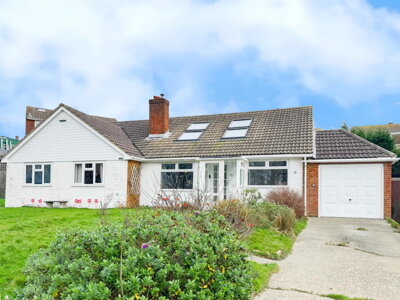
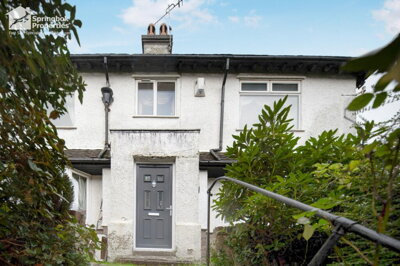
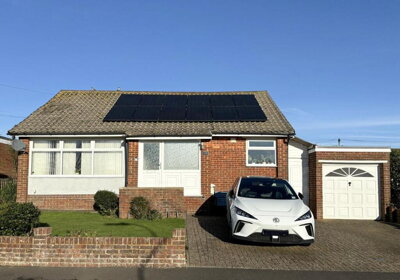
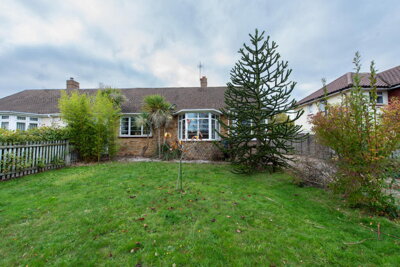
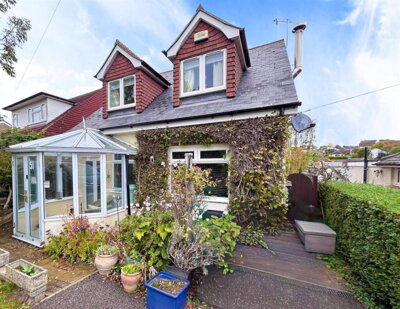
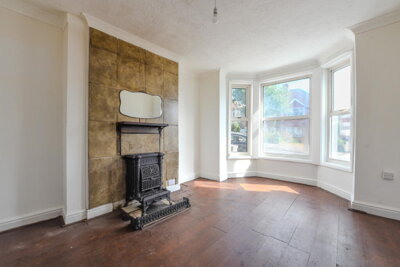
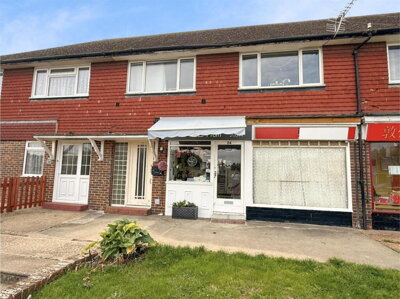
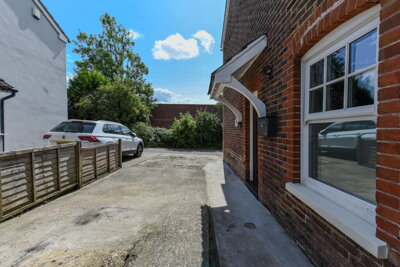
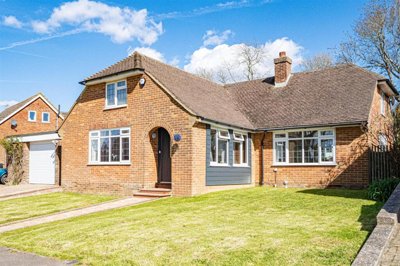
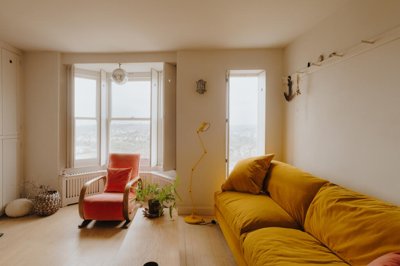
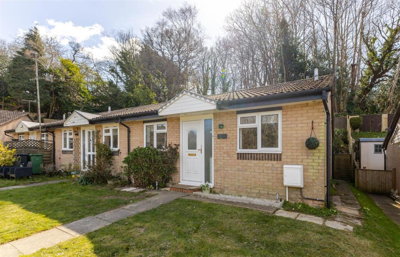
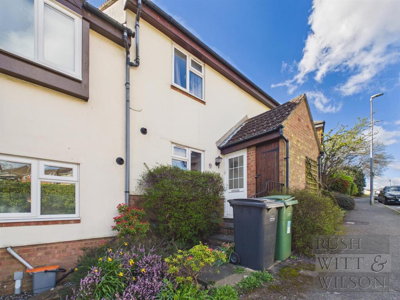
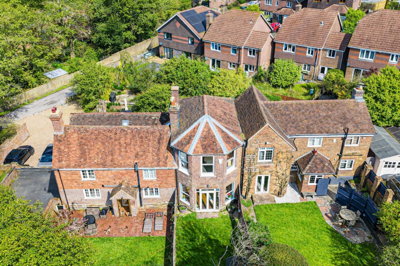
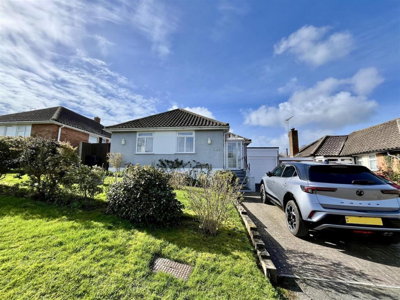
Browse 286 homes for sale in Hastings, East Sussex from local estate agents.
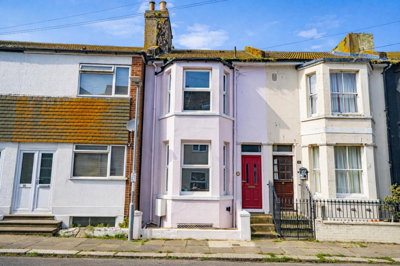
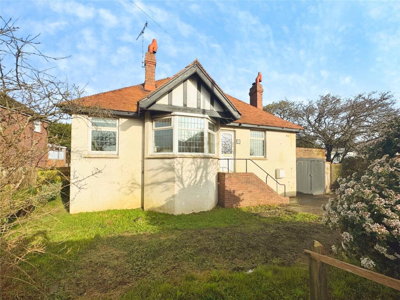
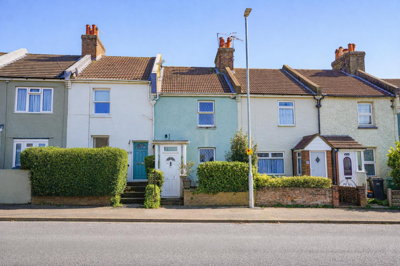
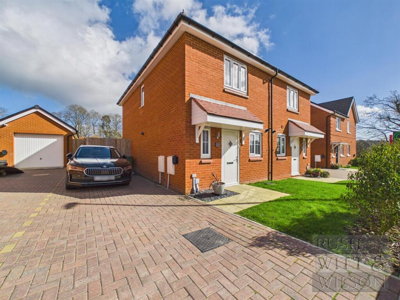
The 2 bed house market features detached, semi-detached, and terraced properties with two separate bedrooms plus living spaces. Properties in Hastings range from Victorian and Edwardian period homes to modern new builds, with pricing varying across different neighbourhoods.
£260k
74
4
93
Source: home.co.uk
Showing 74 results for 2 Bedroom Houses for sale in Hastings, East Sussex. 4 new listings added this week. The median asking price is £260,000.
Source: home.co.uk
Terraced
55 listings
Avg £262,907
Semi-Detached
15 listings
Avg £309,729
Detached
4 listings
Avg £425,000
Source: home.co.uk
Source: home.co.uk
£304,427
Average House Price
500+
Properties Listed
+0.94%
12-Month Price Change
1,013
Annual Sales Volume
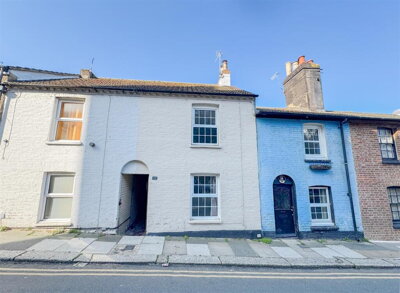
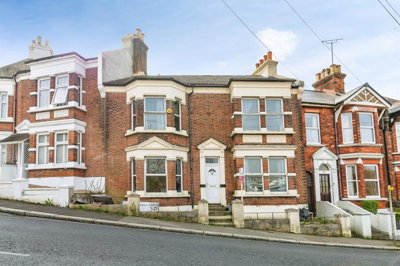
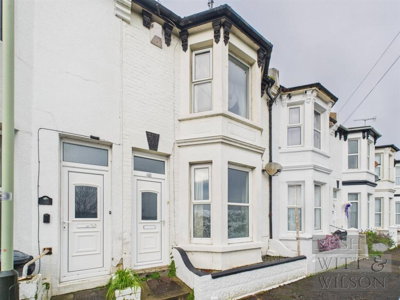
Understanding the construction methods used in Hastings properties helps buyers appreciate both the character and potential maintenance needs of their new home. The majority of residential properties in Hastings date from the Victorian and Edwardian periods, with many three-storey terraced houses constructed using solid brick or stone external walls. These traditional buildings typically feature lime-based mortars and renders that allow the structure to breathe, a design principle that differs significantly from modern cavity wall construction. Original features such as sash windows, ornate cornices, and fireplaces remain common in well-maintained properties throughout the Old Town and surrounding residential streets.
Many flats in Hastings were created through the conversion of larger Victorian and Edwardian houses, particularly in the Hastings Station area where apartment density is highest. These converted properties may retain original staircase details, ceiling heights exceeding three metres, and other period features that add character but also require understanding during renovation. Some newer developments in the TN37 and TN38 postcodes have been designed to replicate Victorian architecture using natural stone with thick masonry walls, blending traditional aesthetics with modern building standards. Properties built from the 1960s through the 1980s often feature cavity wall construction, which introduced different maintenance considerations including the potential for cavity wall tie corrosion in coastal locations.
The local topography has influenced construction approaches throughout Hastings, with properties on the hillside often featuring stepped foundations and retaining walls to accommodate the steep terrain. Roof constructions typically use traditional cut timber rafters with clay or slate tiles, though some flat roof extensions have been added over the decades using various membrane systems. For buyers considering any property, understanding these construction methods provides valuable context for assessing survey reports and planning future maintenance programmes. Our local knowledge helps you interpret how Hastings specific building traditions affect each property type on the market.
The Hastings property market presents a compelling opportunity for buyers in 2024-25, with prices showing remarkable stability despite broader national fluctuations. According to HM Land Registry data, house prices in Hastings increased by 0.94% over the last twelve months, reaching an average of £304,427. However, the market has softened slightly from the 2022 peak of £314,788, creating potential negotiating room for buyers who move quickly. The provisional December 2025 figure of £241,000 suggests continued adjustment, though different data sources show some variation in current valuations.
Property types in Hastings span a wide range to suit different budgets and preferences. Detached properties command the highest prices, averaging around £436,856 to £481,000, while semi-detached homes typically sell for approximately £328,000. Terraced properties dominate the market, particularly in the Old Town where three-storey period homes line narrow streets dating back centuries, with averages ranging from £257,000 to £307,474. Flats remain the most affordable entry point, with averages ranging from £143,000 to £182,416 depending on location and condition. The Hastings Station area has a particularly high concentration of apartments, making it popular among commuters and investors.
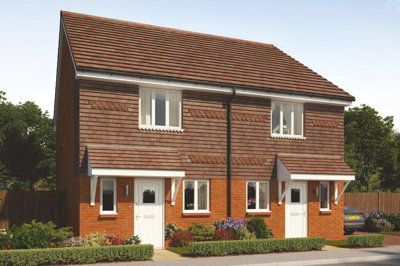
Transaction volumes have contracted significantly, with 1,013 residential sales recorded in the last twelve months, representing an 18.66% decrease from the previous year. This reduction in available stock means buyers face less competition in some areas, though well-priced properties in desirable neighbourhoods still attract multiple viewings. New build developments continue to come forward, including schemes at Fellows Road and Nelson Road in the TN34 postcode area, offering shared ownership and private sale options for those seeking modern specifications within the borough boundary.

Local surveyors frequently encounter several recurring issues when inspecting properties throughout Hastings, and understanding these helps buyers prioritise their survey requirements. Cavity wall tie corrosion is particularly common in properties built from the 1960s through the 1980s, with coastal locations especially vulnerable due to salt spray accelerating the corrosion of the mild steel ties connecting the inner and outer brick leaves. Our inspectors always check for signs of wall tie failure, which can manifest as horizontal cracking, bulging walls, or rust staining on the external masonry. Early identification allows for remedial work before the structural integrity of the wall is compromised.
Rising and penetrating damp affects many period properties in Hastings, where solid walls lack the cavity that modern construction provides. Properties with original or failed damp proof courses are susceptible to moisture travelling up through the masonry, particularly during wet Sussex winters. The prevalence of timber suspended floors in older properties compounds this issue, as damp conditions can lead to woodworm and timber decay problems that affect floor joists and skirting boards. Our surveyors assess damp readings throughout properties and will identify where remedial damp proofing or improved ventilation is required.
Timber decay and woodworm infestations represent another common finding in Hastings properties, where the combination of age and coastal humidity creates ideal conditions for these issues. Deathwatch beetle, common furniture beetle, and woodboring weevil can all affect structural and finish timbers in period properties throughout the town. Our inspectors examine accessible timbers for signs of active infestation, including fresh bore dust, weakened timber, and exit holes. Where timber decay is identified, our surveyors will specify the extent of the damage and recommend appropriate treatment by a specialist contractor.
Roof conditions require careful assessment given the age of much of the housing stock in Hastings. Our inspectors examine roof coverings for missing, slipped, or cracked tiles, and assess the condition of felt underlay, which can deteriorate over time allowing water penetration. Valley gutters, where two roof slopes meet, are particularly vulnerable to debris accumulation and subsequent leaks in period properties. Flat roof extensions, common additions to Victorian terraces, often show signs of ponding water or failed membranes. Most properties in Hastings fall within radon areas of less than 1% above Action Level, though our surveyors will note any specific local risk factors during the inspection.
The Old Town rewards those who take time to explore its distinctive neighbourhoods, each offering its own character and community spirit. The Old Town remains the cultural heart of the borough, with flint-fronted cottages, independent boutiques, and the weekly farmers market drawing visitors from across Sussex. Victorian and Edwardian terraces climb the hillside from the seafront, their steep rooflines a practical response to the local topography. Families are drawn to areas like Hollington and Silverhill for their quieter residential streets and proximity to good schools, while Bohemia offers an artistic community atmosphere close to the seafront galleries.
The seafront promenade stretches along Hastings and St Leonards-on-Sea, connecting the two towns with views across English Channel waters. The historic Stade fishing beach remains active, with local fishermen landing the catch of the day and selling directly to visitors from colourful huts along the shore. Above the Old Town, the ruins of Hastings Castle perch dramatically on the cliff top, providing panoramic views that have captivated visitors since Norman times. The town also hosts numerous festivals throughout the year, including the popular Hastings Old Town Carnival and regular art exhibitions in the studios alongjes.
Daily life in Hastings benefits from a good range of amenities without the hustle of a major city. The Priory Meadow shopping centre serves everyday retail needs, while the surrounding streets feature artisan bakeries, antique shops, and family-run restaurants serving locally caught seafood. Parks and green spaces are well distributed throughout the town, including Alexandra Park with its restored Victorian glasshouse and the expansive summer fields at Summerfields. The local population includes a mix of long-established families, creative professionals, and retirees attracted by the healthy coastal lifestyle and relatively low cost of living compared to nearby Brighton.

Education provision in Hastings serves students across all age groups, with a mix of primary schools, secondary academies, and further education facilities within the town itself. At primary level, schools such as All Saints Primary School and St Leonards Primary Academy provide local education for children aged 5 to 11, with several others distributed throughout residential areas. Parents should verify current catchment areas and admission arrangements directly with East Sussex County Council, as these can affect which schools children attend based on home address.
Secondary education in Hastings includes the maintained Hastings High School and a number of academy schools serving students from Year 7 through to sixth form. The nearby Battle Abbey School offers independent secondary education for families considering private schooling options. For post-16 education, Hastings College provides a wide range of vocational and A-level courses, serving students from across East Sussex. The town's creative industries have also influenced local curriculum provision, with specialist art and design pathways available for students pursuing creative careers.
Families relocating to the Hastings area should conduct thorough research into school performance data and consider visiting schools during open events before committing to a property purchase. The proximity of the High Weald Area of Outstanding Natural Beauty creates opportunities for rural primary schools in nearby villages, which some families choose for smaller class sizes and community atmosphere. Transport arrangements and school bus services can extend the effective choice of schools beyond immediate walking distance, though this adds daily commitment to family routines.
Commuting from Hastings has become increasingly practical as rail services improve, with the journey to London Bridge taking approximately 1 hour 35 minutes from Hastings station. Direct trains also serve Brighton, Eastbourne, and Ashford International, where passengers can connect to high-speed services reaching London St Pancras in under 40 minutes. The Southeastern rail network operates regular services throughout the day, with peak-hour trains providing additional capacity for commuters working fixed office hours in the capital. The coastal railway line offers scenic views along the route, making even daily commuting more pleasant than typical urban journeys.
Road connectivity from Hastings centres on the A259 coastal road, which runs through the town connecting with Eastbourne to the west and Folkestone to the east. The A21 trunk road provides faster access inland toward Tunbridge Wells and the M25 motorway, though this route can become congested during peak travel times. Local bus services operated by Stagecoach and other providers offer connections throughout the Hastings borough and to surrounding towns including Battle and Rye. For those considering Hastings as a commuting base, driving times to major employment centres should be factored into property location decisions.
Cycling infrastructure in Hastings continues to develop, with dedicated lanes along some sections of the seafront and emerging routes connecting residential areas to the town centre. The surrounding East Sussex countryside offers excellent cycling terrain for leisure and recreation, with quiet lanes through the High Weald accessible from several points on the town outskirts. Many residents choose to combine transport modes, cycling to the station and taking the train rather than commuting by car every day. Parking availability varies significantly by neighbourhood, with the town centre offering public car parks while residential streets in older areas may have limited on-street provision.
Start by exploring our current listings to understand what is available in different neighbourhoods. Hastings offers distinct areas from the Old Town period terraces to modern flats near the station and new developments in surrounding areas. Set a realistic budget using current average prices and get mortgage agreement in principle before scheduling viewings.
Schedule viewings to assess properties firsthand, paying attention to construction quality, natural light, and noise levels from neighbours and the seafront. Bring a checklist covering the property condition, lease terms for flats, and any obvious maintenance needs. The Old Town properties often have character but may require updating, while newer homes offer modern standards.
Before committing to purchase, arrange a RICS Level 2 Home Survey to assess the property condition thoroughly. In Hastings, older properties may have damp, subsidence history, or outdated electrics that require professional assessment. Survey costs in the area typically range from £395 to £1,250 depending on property size and value. This investment can reveal issues that affect your offer or help you negotiate the price.
Choose a conveyancing solicitor experienced with East Sussex property transactions to handle the legal work. Your solicitor will conduct searches with Rother District Council or Hastings Borough Council, check for planning constraints, and manage the transfer of funds on completion. For leasehold properties, ensure you understand the service charges, ground rent, and any upcoming major works.
Once your mortgage offer is confirmed and all searches are satisfactory, your solicitor will exchange contracts and agree a completion date. On the day itself, the remaining balance transfers and you receive the keys to your new Hastings home. Remember that completion dates can be flexible, so discuss your preferred timeline with all parties involved.
Property buyers in Hastings should be aware of several local factors that can affect the enjoyment and future value of their purchase. As a coastal town, certain areas face exposure to salt air and marine weather conditions, which can accelerate wear on external decorations, windows, and roof coverings. Properties on cliff-top locations or near the seafront may also have specific maintenance requirements and insurance considerations compared to homes in more sheltered residential areas. Understanding the orientation of a property relative to prevailing winds and salt spray can help predict long-term maintenance needs.
The age of housing stock in Hastings means that many properties will have traditional construction methods requiring specialist understanding during survey and renovation. Period properties dating from the Victorian and Edwardian eras typically feature solid walls, original sash windows, and potentially outdated electrical and plumbing systems that have been partially updated over the decades. A thorough RICS Level 2 Survey will identify issues such as rising damp, timber decay, or previous structural alterations that may not be immediately apparent during viewings. Properties in conservation areas, which are likely to exist in the Old Town, may have restrictions on external alterations.
For those considering flats in Hastings, the terms of the lease are critically important alongside the physical condition of the building. Many flats in the town were created through conversion of larger Victorian properties, which can result in share of freehold arrangements, short leases, or variable service charge obligations. Ground rent clauses should be examined carefully, particularly for older leases that may have escalating terms. Buildings without recent major works may face significant future costs for roof replacement, external decoration, or structural repairs that should be reflected in negotiations over purchase price. A RICS Level 2 Survey from a local surveyor will assess both the individual flat and the common parts of the building, providing the information needed to make an informed decision.
The average house price in Hastings currently stands at approximately £304,427 according to recent HM Land Registry data, though figures vary between sources with some showing around £241,000 for December 2025. Detached properties average £436,856 to £481,000, semi-detached homes around £328,000, terraced properties between £257,000 and £307,474, and flats from £143,000 to £182,416. Prices have shown remarkable stability, increasing by 0.94% over the past year while sitting approximately 3% below the 2022 peak of £314,788. The market offers good value compared to nearby Brighton and coastal towns in Kent, making Hastings an attractive option for buyers seeking affordability along the south coast.
Properties in Hastings fall under Rother District Council and Hastings Borough Council, with council tax bands ranging from A through to H depending on property value. The majority of residential properties in Hastings fall within bands A through D, which represent the lower valuation bands and therefore lower annual charges. Prospective buyers can check the specific band for any property through the Valuation Office Agency website using the property address. These bands affect ongoing annual costs, so understanding the applicable band should form part of your budget planning alongside mortgage payments and utility bills.
Hastings offers education options across all levels, with primary schools including All Saints Primary School and St Leonards Primary Academy serving local communities. Secondary education is provided by Hastings High School and several academy schools, with the independent Battle Abbey School also nearby for families considering private education. At post-16 level, Hastings College provides vocational and A-level courses for students across East Sussex, including specialist art and design pathways reflecting the town's creative industries. School performance data changes regularly, so parents should consult the latest Ofsted reports and government assessment results when evaluating options, and verify current catchment area boundaries with East Sussex County Council.
Hastings railway station provides direct services to London Bridge in approximately 1 hour 35 minutes, with additional connections to Brighton, Eastbourne, and Ashford International for high-speed services to London St Pancras. The Southeastern rail network operates regular services throughout the day with increased frequency during peak commuter hours. Local bus services connect residential areas to the town centre and surrounding villages including Battle and Rye, with Stagecoach and other operators providing routes throughout the Hastings borough. The A259 coastal road and A21 trunk road provide road connections, though journey times to major cities will vary depending on traffic conditions, particularly on the A21 during peak periods.
Hastings property offers both rental income potential and capital growth prospects for investors, particularly given the significant contraction in transaction volumes over the past year at 18.66%. Rental demand exists from local workers, students attending Hastings College, and those attracted by the lifestyle offering at lower cost than nearby Brighton. The continued development of new homes in the area, including shared ownership schemes at Holmhurst Gardens and Fellows Road, creates opportunities for investors seeking lower entry points through part-purchase arrangements. However, like any investment, property values can fall as well as rise, and specific local conditions including coastal erosion risks should be understood before committing. For those planning to let, understanding landlord regulations and energy performance requirements is essential.
Stamp Duty Land Tax rates for standard buyers purchasing a property in Hastings are 0% on the first £250,000 of purchase price, 5% on the portion from £250,001 to £925,000, 10% on the portion from £925,001 to £1,500,000, and 12% on any amount exceeding £1,500,000. First-time buyers relief raises the nil-rate threshold to £425,000, with 5% applying between £425,001 and £625,000, though no relief is available above £625,000. For investment properties or second homes, an additional 3% surcharge applies across all bands. Using a stamp duty calculator before making an offer ensures you understand the full cost of purchase and can factor this into your financial planning.
Understanding the full cost of purchasing property in Hastings is essential for budgeting effectively and avoiding delays during your transaction. Beyond the purchase price, buyers should account for Stamp Duty Land Tax, solicitor fees, survey costs, and various third-party fees including Land Registry registration and mortgage arrangement charges. For a typical terraced property in Hastings priced at around £280,000, standard SDLT would amount to £1,500 after the nil-rate threshold. First-time buyers could pay no SDLT on properties up to £425,000, making Hastings particularly accessible for those entering the property market.
Solicitors handling your Hastings purchase typically charge between £499 and £1,500 for conveyancing on residential transactions, depending on complexity and whether the property is freehold or leasehold. Leasehold flats often require additional work examining the lease terms, service charge accounts, and any planned maintenance programmes, which can increase legal fees. Survey costs for a RICS Level 2 Home Survey in Hastings range from approximately £395 for smaller properties to around £1,250 for larger homes or those with higher values. An Energy Performance Certificate is legally required before marketing a property and costs from £85 through accredited domestic energy assessors.
Additional costs to budget for include mortgage arrangement fees ranging from zero to £2,000 depending on the lender and product chosen, property valuation fees from £150 to £500, and searches including drainage and water reports, local authority searches, and environmental searches which together may cost £300 to £500. Buildings insurance should be arranged from exchange of contracts, and removal costs vary significantly depending on the volume of belongings and distance moved. Transferring ownership of utilities and services including council tax, electricity, gas, and broadband also involves administrative work that should be planned for around your completion date. Budget carefully for all these costs before making an offer on a Hastings property to ensure your financial position remains secure throughout the purchase process.
Properties for Sale In London

Properties for Sale In Plymouth

Properties for Sale In Liverpool

Properties for Sale In Glasgow

Properties for Sale In Sheffield

Properties for Sale In Edinburgh

Properties for Sale In Coventry

Properties for Sale In Bradford

Properties for Sale In Manchester

Properties for Sale In Birmingham

Properties for Sale In Bristol

Properties for Sale In Oxford

Properties for Sale In Leicester

Properties for Sale In Newcastle

Properties for Sale In Leeds

Properties for Sale In Southampton

Properties for Sale In Cardiff

Properties for Sale In Nottingham

Properties for Sale In Norwich

Properties for Sale In Brighton

Properties for Sale In Derby

Properties for Sale In Portsmouth

Properties for Sale In Northampton

Properties for Sale In Milton Keynes

Properties for Sale In Bournemouth

Properties for Sale In Bolton

Properties for Sale In Swansea

Properties for Sale In Swindon

Properties for Sale In Peterborough

Properties for Sale In Wolverhampton

Enter your details to see if this property is within your budget.
Loans, cards, car finance
Estimated property budget
Borrowing + deposit
You could borrow between
Typical borrowing
Monthly repayment
Est. at 4.5%
Loan-to-value
This is an estimate only. Your actual budget may vary depending on interest rates, credit history, and personal circumstances. For an accurate affordability assessment, speak to one of our free mortgage advisors.
This calculator provides estimates for illustrative purposes only and does not constitute financial advice. Your home may be repossessed if you do not keep up repayments on your mortgage. Estimates based on 4.5% interest rate, repayment mortgage. Actual rates depend on your circumstances.
Homemove is a trading name of HM Haus Group Ltd (Company No. 13873779, registered in England & Wales). Homemove Mortgages Ltd (Company No. 15947693) is an Appointed Representative of TMG Direct Limited, trading as TMG Mortgage Network, which is authorised and regulated by the Financial Conduct Authority (FRN 786245). Homemove Mortgages Ltd is entered on the FCA Register as an Appointed Representative (FRN 1022429). You can check registrations at NewRegister or by calling 0800 111 6768.

We use cookies to show you personalised content and improve your experience of our website. Find out more in our Privacy policy and Cookie policy.