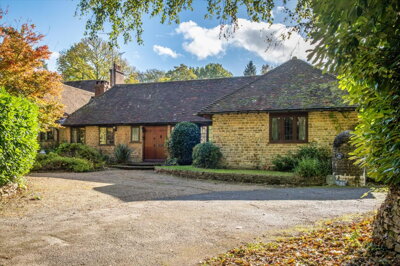
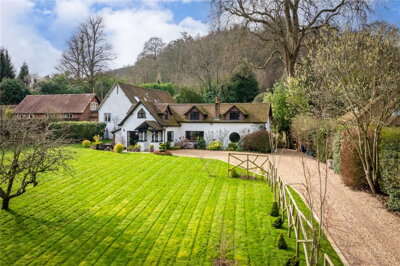
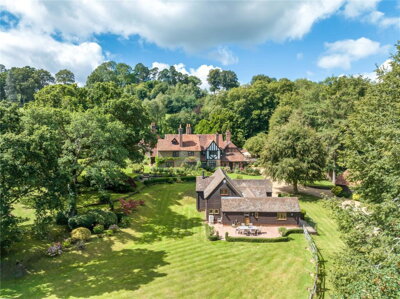
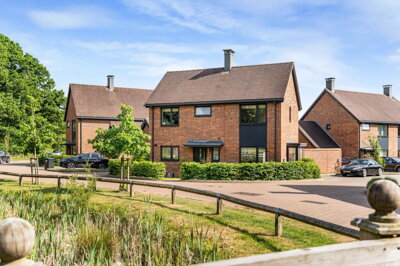
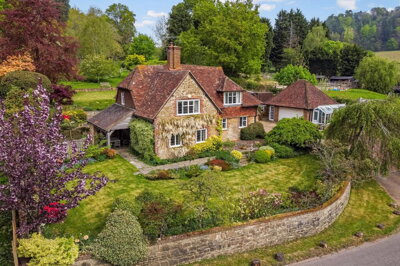
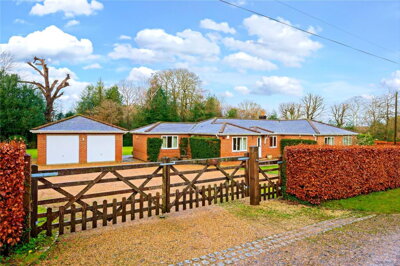
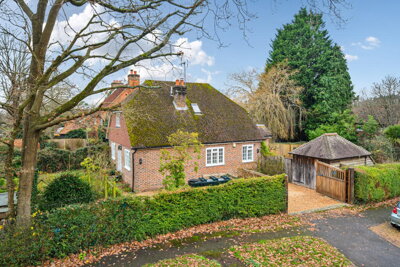
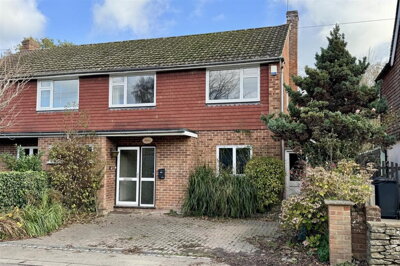
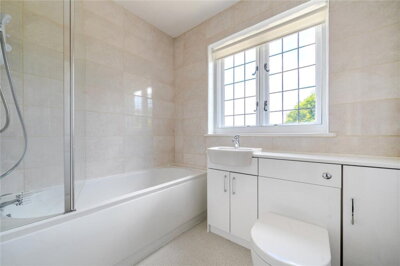
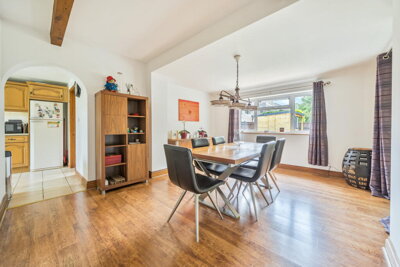
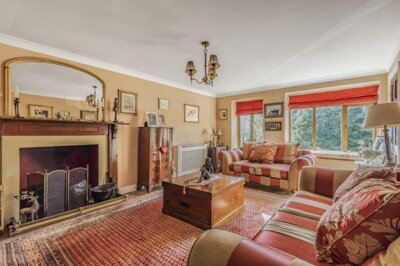
Browse 15 homes for sale in Hascombe, Waverley from local estate agents.
£779k
5
0
233
Source: home.co.uk
Source: home.co.uk
Detached
2 listings
Avg £3.14M
Semi-Detached
2 listings
Avg £592,500
Link Detached House
1 listings
Avg £1.38M
Source: home.co.uk
Source: home.co.uk
The Charlton-on-Otmoor property market has demonstrated remarkable resilience, with average house prices increasing by 6% over the past twelve months according to Rightmove data. This growth reflects the continued demand for rural properties in Oxfordshire, particularly those offering generous plot sizes and period features that are increasingly scarce in larger towns and cities. The overall average price stands at £640,000, with detached properties commanding an average of £750,000 and semi-detached homes averaging £475,000. These figures position Charlton-on-Otmoor as a premium location within the Cherwell district, where buyers are willing to invest substantially for the privilege of village living.
The limited number of sales recorded in the area - just 2 transactions in the past year - indicates a market with low turnover but strong underlying demand. Properties that do come to market tend to attract considerable interest, with multiple viewings and competitive situations not uncommon despite the village's small size. This scarcity factor means that prospective buyers should act quickly when suitable properties become available and ensure their finances are arranged in advance. The market here differs significantly from urban areas where inventory is more plentiful, requiring a more strategic approach to property hunting.
Property types in Charlton-on-Otmoor are dominated by traditional Oxfordshire construction, with many homes featuring local limestone walls rendered in warm tones that blend seamlessly with the surrounding countryside. The village housing stock spans several eras, from medieval stone cottages to Edwardian farmhouses and mid-century family homes, providing a diverse range of options for buyers with different tastes and requirements. Pre-1919 properties form a significant proportion of the village's residential buildings, meaning that period features such as exposed beam ceilings, inglenook fireplaces, and flagstone floors are commonly found. The village's absence of active new-build developments within the postcode means that buyers seeking brand new accommodation may need to consider neighbouring settlements, though many find that the character of existing properties more than compensates for this limitation.
Understanding the local property market is essential for making informed decisions when buying in Charlton-on-Otmoor. The village's rural character combined with its proximity to major employment centres creates a unique market dynamic where demand consistently outstrips supply. Our platform provides access to current listings alongside comprehensive market data to help you understand pricing trends and property values across different segments of the local market.

Life in Charlton-on-Otmoor revolves around the rhythms of the Oxfordshire countryside, with the village serving as a gateway to the Otmoor basin - a landscape of meadows, wetlands, and ancient hedgerows that has remained largely unchanged for generations. Residents enjoy access to extensive public footpaths and bridleways that crisscross the surrounding farmland, offering excellent opportunities for walking, cycling, and birdwatching. The Otmoor area is particularly renowned for its birdlife, with the RSPB's Otmoor reserve nearby attracting visitors from across the region who come to observe rare species in their natural habitat. This strong connection to the natural environment defines daily life in the village, where outdoor pursuits and appreciation of the countryside feature prominently in community activities.
The village itself maintains essential amenities to serve its resident population, while more extensive shopping, dining, and entertainment facilities are readily accessible in nearby towns. Charlton-on-Otmoor is situated close to neighbouring villages including Oddington and Islip, both of which offer additional local services and community facilities. Bicester, located approximately 8 miles away, offers comprehensive retail therapy at Bicester Village, along with supermarkets, healthcare facilities, and a wide range of restaurants and cafes. Oxford, approximately 12 miles to the west, provides world-class cultural attractions including museums, theatres, and historic buildings, as well as employment opportunities at the university and associated hospitals.
The local economy centres on agriculture and service industries, with many residents commuting to these larger centres for work. The strong transport connections via the A34 and M40 mean that London is accessible within approximately an hour, making Charlton-on-Otmoor viable for those working in the capital while preferring countryside residence. Village amenities include a popular local pub where residents gather for social occasions, while the annual calendar features traditional events that bring the community together throughout the year. The combination of rural tranquility and urban accessibility makes Charlton-on-Otmoor particularly appealing to families and professionals seeking an alternative to city living.
Our platform showcases properties across Charlton-on-Otmoor, from traditional stone cottages near the village green to substantial family homes on the village periphery. Each listing includes detailed information about the property and its surroundings, helping you identify homes that match your lifestyle requirements and proximity to local amenities.

Families considering a move to Charlton-on-Otmoor will find a selection of educational options within reasonable driving distance, with primary and secondary schools serving the village and surrounding communities. The nearest primary schools include those in neighbouring villages, with several outstanding options located within a 10-mile radius offering excellent alternatives for families with younger children. Primary education in the surrounding area includes schools in villages such as Islip, where the local primary school serves several surrounding communities, and further options in the Bicester area for families seeking specific curricular approaches or faith-based education.
Secondary education is typically provided by schools in the Bicester area, where several academies and comprehensives serve the wider Cherwell district. Families should note that school catchment areas can be competitive in popular rural locations, and early enquiry regarding admissions criteria is advisable when planning a family move to Charlton-on-Otmoor. School transport arrangements should also be verified, as bus services connecting rural villages to secondary schools may require advance registration. Several secondary schools in the region have established reputations for academic achievement and positive Ofsted outcomes, making them attractive options for families prioritising educational excellence.
The proximity to Oxford also opens opportunities for private education, with a range of independent schools catering to all age groups from preparatory through to sixth form. Oxford's prestigious independent schools include St Edward's School, Magdalen College School, and Dragon School, all of which have strong academic records and extensive extracurricular programmes. Sixth form and further education provision is readily available at colleges in Oxford, Bicester, and Abingdon, ensuring that older students have access to comprehensive vocational and academic pathways regardless of their chosen career direction. Families relocating from other areas should begin school research and application processes early, as admission timelines in Oxfordshire can be competitive.
Use our search filters to identify homes for sale near schools in Charlton-on-Otmoor and the surrounding Cherwell district. Understanding school catchment areas helps families narrow their property search to locations that match their educational requirements and simplifies the transition for children moving into a new community.
Transport connectivity from Charlton-on-Otmoor proves surprisingly strong for a village of its size, with major road routes providing efficient access to employment centres throughout the region. The A34, one of Oxfordshire's primary arterial roads, lies within easy reach and connects directly to Oxford, Swindon, and the M4 motorway to the south. The M40 motorway, accessible via nearby junctions, provides swift connections to Bicester, Milton Keynes, and Birmingham to the north, as well as London to the east. This excellent road network means that residents can reach Oxford city centre in approximately 25 minutes, while Bicester can be accessed in around 15 minutes by car.
Public transport options, while less frequent than in urban areas, nonetheless provide viable alternatives for commuters who prefer to avoid driving. Bus services operate between Charlton-on-Otmoor and surrounding villages, with connections to Bicester and Oxford available via intermediate stops. The X9 bus service provides a key link between Oxford and Bicester, passing through nearby villages and offering residents without cars access to major retail and transport facilities. These services operate on limited timetables typical of rural routes, so residents should check current schedules and consider whether timings align with their work requirements before relying on public transport for daily commuting.
For longer distance travel, Oxford's mainline railway station offers regular services to London Paddington, with journey times of approximately one hour, while Bicester provides direct access to London Marylebone in under 50 minutes. These rail connections make Charlton-on-Otmoor attractive to commuters who work in London but wish to enjoy the lifestyle benefits of countryside residence. Local cycling infrastructure continues to improve, with quiet country lanes providing pleasant routes for able cyclists during favourable weather conditions. The village's position on minor roads away from heavy traffic makes cycling a realistic option for shorter journeys to neighbouring villages and railway stations.
From Charlton-on-Otmoor, residents can reach Oxford in approximately 25 minutes, Bicester in around 15 minutes, and London Marylebone in under 50 minutes by train from Bicester. The nearby A34 and M40 provide road connections to major employment centres throughout the region.
Charlton-on-Otmoor's built environment reflects centuries of continuous habitation, with properties spanning from medieval origins through to the present day. The village is designated as a Conservation Area, with the Church of St Mary the Virgin standing as the architectural centrepiece - a Grade II* listed building dating from the 12th century with later medieval additions. The church's imposing stone tower and traditional Oxfordshire spire dominate the village skyline, visible from many properties throughout Charlton-on-Otmoor. Numerous cottages and farmhouses throughout the village hold individual Grade II listing, representing different periods of construction and architectural styles that collectively tell the story of rural Oxfordshire building traditions.
Traditional construction methods in Charlton-on-Otmoor utilise local materials, primarily the warm-hued limestone that characterises buildings throughout the Otmoor area. Properties dating from the medieval period typically feature thick solid walls constructed from locally quarried stone, often with lime mortar pointing that allows the structure to breathe. Roof construction generally uses timber rafters covered with clay tiles or natural slate, with some older properties featuring thatch in earlier periods. These traditional building methods create homes of considerable character but also require understanding of appropriate maintenance and repair techniques, particularly for Listed Buildings where works may require consent from Cherwell District Council.
The geology underlying Charlton-on-Otmoor presents specific considerations for property owners and buyers. The village sits on the Oxford Clay Formation, a Jurassic period deposit known for its shrink-swell behaviour when moisture levels fluctuate. This clay geology affects properties throughout the village, with those constructed on shallow foundations potentially showing signs of movement over time. Understanding the local geology is important when assessing any property in Charlton-on-Otmoor, particularly when evaluating the condition of older structures that may have experienced ground movement during periods of drought or saturation.
Start by exploring current listings in Charlton-on-Otmoor through Homemove, noting property types, price ranges, and the historic character of available homes. Given the village's small size, opportunities may arise infrequently, so registering for alerts ensures you do not miss new instructions. Understanding the market also means studying recent sales data, even though the village sees very few transactions annually, to gauge realistic pricing expectations.
Before viewing properties, secure a mortgage agreement in principle from a qualified lender. This demonstrates your purchasing capability to estate agents and sellers, strengthening your position in a competitive market where villages like Charlton-on-Otmoor attract motivated buyers. Given the village's average property prices exceeding £600,000, most buyers will require substantial mortgage finance, making mortgage qualification an essential first step.
Visit properties that match your requirements, paying particular attention to construction materials, age of the property, and any signs of structural concerns. Older stone properties in Charlton-on-Otmoor may require more thorough investigation due to their historic construction methods. Viewings should ideally include multiple visits at different times of day to assess the property's aspect, noise levels, and the character of the neighbourhood.
For properties over 50 years old, a comprehensive RICS Level 2 Survey is essential to identify any defects, structural issues, or maintenance requirements. Given that most properties in Charlton-on-Otmoor predate 1919, this survey type is particularly valuable. Survey costs in the Charlton-on-Otmoor area typically range from £400 to £900 depending on property size and complexity.
Choose a conveyancing specialist to handle the legal aspects of your purchase, including local searches, title verification, and contract preparation. A solicitor experienced with Oxfordshire properties can address any village-specific concerns such as rights of way, drainage arrangements, or Conservation Area restrictions that may affect the property.
Once all enquiries are resolved and financing is confirmed, you will exchange contracts and pay your deposit. Completion typically follows within weeks, at which point you will receive the keys to your new Charlton-on-Otmoor home. Given the competitive nature of the village market, maintaining momentum through the legal process is advisable to avoid delays.
Purchasing a property in Charlton-on-Otmoor requires careful attention to several area-specific factors that may not be immediately apparent to buyers unfamiliar with Oxfordshire villages. The underlying geology presents particular considerations, as the village sits on Oxford Clay Formation - a geological substrate known for its shrink-swell potential when moisture levels fluctuate. Properties with shallow foundations may show signs of movement or cracking, and a thorough structural survey is strongly recommended before committing to purchase. Buyers should also investigate the proximity of large trees to buildings, as the interaction between vegetation and clay soils can exacerbate subsidence risks. Specialist surveys from structural engineers experienced with traditional Oxfordshire construction can provide invaluable assessment of any concerns.
Flood risk assessment forms another critical element of due diligence for Charlton-on-Otmoor buyers. The village's proximity to the River Ray means that certain properties, particularly those in lower-lying positions, may face elevated flood risk during periods of heavy rainfall or river overflow. The Otmoor basin's topography creates natural drainage pathways that may affect specific locations, especially those near watercourses or low-lying ground. Checking the Environment Agency's flood maps and reviewing any historical flood records will help identify properties requiring additional consideration. Insurance costs may be higher for properties with significant flood exposure, and mortgage lenders typically require flood risk reports before approving finance.
The village's Conservation Area status introduces planning considerations that may affect permitted development rights, renovation options, and exterior alterations. Any exterior changes to Listed Buildings require formal consent from Cherwell District Council, adding complexity to renovation projects but also protecting the character that makes Charlton-on-Otmoor so desirable. Buyers considering renovation should factor in the time and cost of obtaining necessary consents, as works affecting the exterior appearance of Listed Buildings are subject to strict controls designed to preserve the village's historic character. Interior alterations to Listed Buildings generally face fewer restrictions but should still be approached with care to preserve features of significance.
Common defects in Charlton-on-Otmoor's older properties include dampness arising from solid wall construction, timber deterioration affecting roof structures and floor timbers, and outdated electrical and plumbing installations that may not meet current standards. Roof conditions on period properties often require assessment, with issues including slipped tiles, deteriorating leadwork, and timber decay in verges and bargeboards. Given the prevalence of traditional lime-based construction, understanding the difference between modern cement mortars and appropriate lime mortar repointing is important for assessing maintenance quality. A RICS Level 2 Survey provides comprehensive assessment of these common issues, giving buyers confidence in their purchase decision.
Source: Rightmove market data, February 2025
The current average house price in Charlton-on-Otmoor stands at £640,000 according to recent Rightmove market data. Detached properties average £750,000 while semi-detached homes typically sell for around £475,000. Prices have increased by approximately 6% over the past twelve months, reflecting sustained demand for rural Oxfordshire property. The limited number of sales - just 2 transactions in the past year - indicates a small but active market where buyers should be prepared for competitive conditions and should ensure their finances are arranged before commencing property searches.
Properties in Charlton-on-Otmoor fall within Cherwell District Council's jurisdiction, with council tax bands ranging from A to G depending on property value and size. Most traditional stone cottages and village houses typically fall into bands C to E, while larger detached properties with higher rateable values may be assessed in higher bands. Prospective buyers should verify the specific band for any property they are considering via the Valuation Office Agency website, as council tax affects ongoing annual costs and varies according to the property's characteristics and recent valuation.
Charlton-on-Otmoor is served by primary schools in surrounding villages, with several outstanding options within a reasonable drive including schools in Islip and Bicester. Secondary education is available at schools in the Bicester area, including several academies with strong academic records and positive Ofsted ratings such as The Bicester School and Blessed George Napier Catholic School. Families seeking private education will find independent schools in Oxford providing excellent preparatory and secondary provision, including the Dragon School, St Edward's School, and Oxford High School. School catchment areas should be verified with Oxfordshire County Council before purchase, as admission policies can change and distance criteria vary between schools.
While Charlton-on-Otmoor is primarily a car-dependent village, bus services provide connections to Bicester and Oxford, enabling residents without vehicles to access essential services. The X9 bus route connects surrounding villages to major centres, though frequencies are limited compared to urban services. The village's proximity to the A34 and M40 motorways significantly enhances accessibility, with Oxford reachable by car in approximately 25 minutes and Bicester in around 15 minutes. Mainline railway stations at Oxford and Bicester provide regular services to London, with journey times of around one hour to Paddington from Oxford and under 50 minutes to Marylebone from Bicester, making commuting to the capital practical for those working in London.
Charlton-on-Otmoor presents several attractive investment characteristics, including the village's Conservation Area status, historic housing stock, and proximity to growing employment centres. The village's location within the Cherwell district provides access to major employers in Oxford, Bicester's commercial developments, and the Oxford-Cambridge corridor. The 6% price appreciation over the past year demonstrates healthy demand, while the limited supply of properties suggests potential for continued value retention. Properties suitable for letting would likely attract commuters or professionals seeking rural lifestyle accommodation, though investors should note the small population size and village character may limit tenant demand compared to larger towns.
Standard Stamp Duty Land Tax rates apply to purchases in Charlton-on-Otmoor, with 0% charged on the first £250,000 of purchase price, 5% on the portion from £250,001 to £925,000, 10% up to £1.5 million, and 12% on amounts exceeding £1.5 million. First-time buyers benefit from relief on the first £425,000, paying 5% between £425,001 and £625,000 with no relief above this threshold. Given average property prices exceeding £600,000, most buyers should budget for SDLT at the 5% rate on the amount above £250,000, which for a typical £640,000 property amounts to £19,500 before any first-time buyer relief.
Older properties in Charlton-on-Otmoor require attention to specific issues common to traditional Oxfordshire construction. Stone walls built with lime mortar may show deterioration if incorrectly repaired with cement, while timber-framed elements can suffer from woodworm or fungal decay if moisture has penetrated. Roof conditions should be assessed carefully, as clay tiles age and may allow water penetration. The village's clay geology means subsidence assessment is advisable, particularly for properties with shallow foundations or nearby trees. Listed Buildings require consent for external alterations, so buyers planning renovations should verify what works may be permissible before purchase.
Properties near the River Ray in Charlton-on-Otmoor may face elevated flood risk during periods of heavy rainfall or river overflow, particularly those in lower-lying positions within the Otmoor basin. Surface water flooding can also affect areas where drainage is insufficient, so buyers should consult Environment Agency flood maps and check for any historical flooding records. Properties with significant flood exposure may face higher insurance premiums, and mortgage lenders often require flood risk assessment before approving finance. However, many properties in the village sit at elevations that are not considered high risk, and a property-specific assessment can clarify the actual risk profile.
Budgeting for a property purchase in Charlton-on-Otmoor requires careful consideration of all associated costs beyond the purchase price itself. Stamp Duty Land Tax represents a significant additional expense, with standard rates applying from 0% on the first £250,000 through to 12% on any portion exceeding £1.5 million. For a typical Charlton-on-Otmoor property at the current average price of £640,000, a buyer would pay SDLT of £19,500 calculated as 5% on £390,000 above the threshold. First-time buyers benefit from more favourable treatment, paying nothing on the first £425,000 and 5% only on the £215,000 between £425,000 and £640,000, resulting in SDLT of £10,750. These calculations demonstrate why factoring in SDLT before budgeting is essential for accurate financial planning.
Beyond Stamp Duty, buyers should budget for solicitor fees which typically range from £500 to £2,000 depending on complexity and property value. Local searches conducted by your conveyancing solicitor will include drainage and water searches, local authority checks, and environmental searches that investigate flood risk and ground conditions relevant to Charlton-on-Otmoor's clay geology. A RICS Level 2 Survey, strongly recommended for properties over 50 years old, costs between £400 and £900 in the Oxfordshire area depending on property size. Removal costs, mortgage arrangement fees, and building insurance should also be factored into your total budget. Obtaining a mortgage agreement in principle before commencing property searches provides clarity on your financial position and demonstrates seriousness to sellers in what remains a competitive village market.
From 4.5% APR
Expert mortgage advice for your Charlton-on-Otmoor purchase
From £499
Conveyancing solicitors for your property transaction
From £400
Comprehensive property survey for Charlton-on-Otmoor homes
From £80
Energy performance certificate for your new home
Properties for Sale In London

Properties for Sale In Plymouth

Properties for Sale In Liverpool

Properties for Sale In Glasgow

Properties for Sale In Sheffield

Properties for Sale In Edinburgh

Properties for Sale In Coventry

Properties for Sale In Bradford

Properties for Sale In Manchester

Properties for Sale In Birmingham

Properties for Sale In Bristol

Properties for Sale In Oxford

Properties for Sale In Leicester

Properties for Sale In Newcastle

Properties for Sale In Leeds

Properties for Sale In Southampton

Properties for Sale In Cardiff

Properties for Sale In Nottingham

Properties for Sale In Norwich

Properties for Sale In Brighton

Properties for Sale In Derby

Properties for Sale In Portsmouth

Properties for Sale In Northampton

Properties for Sale In Milton Keynes

Properties for Sale In Bournemouth

Properties for Sale In Bolton

Properties for Sale In Swansea

Properties for Sale In Swindon

Properties for Sale In Peterborough

Properties for Sale In Wolverhampton

Enter your details to see if this property is within your budget.
Loans, cards, car finance
Estimated property budget
Borrowing + deposit
You could borrow between
Typical borrowing
Monthly repayment
Est. at 4.5%
Loan-to-value
This is an estimate only. Your actual budget may vary depending on interest rates, credit history, and personal circumstances. For an accurate affordability assessment, speak to one of our free mortgage advisors.
This calculator provides estimates for illustrative purposes only and does not constitute financial advice. Your home may be repossessed if you do not keep up repayments on your mortgage. Estimates based on 4.5% interest rate, repayment mortgage. Actual rates depend on your circumstances.
Homemove is a trading name of HM Haus Group Ltd (Company No. 13873779, registered in England & Wales). Homemove Mortgages Ltd (Company No. 15947693) is an Appointed Representative of TMG Direct Limited, trading as TMG Mortgage Network, which is authorised and regulated by the Financial Conduct Authority (FRN 786245). Homemove Mortgages Ltd is entered on the FCA Register as an Appointed Representative (FRN 1022429). You can check registrations at NewRegister or by calling 0800 111 6768.

We use cookies to show you personalised content and improve your experience of our website. Find out more in our Privacy policy and Cookie policy.