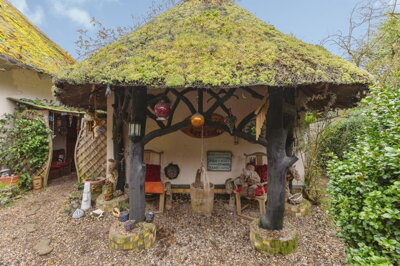
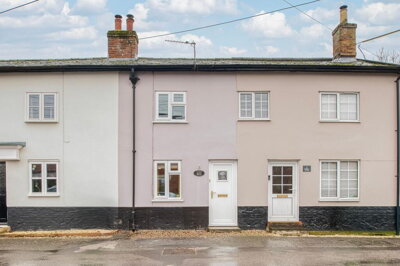
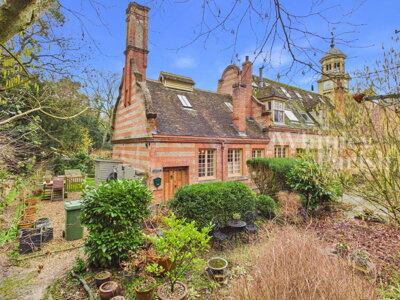
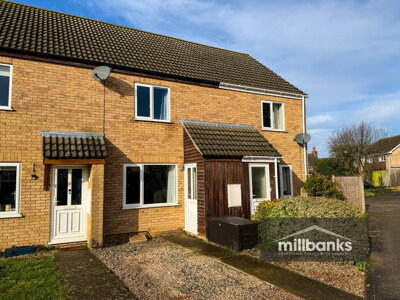
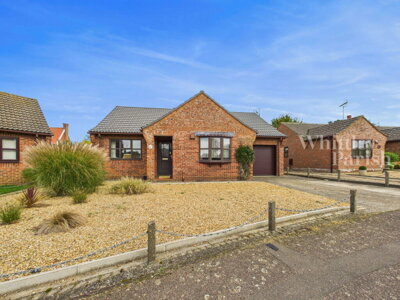
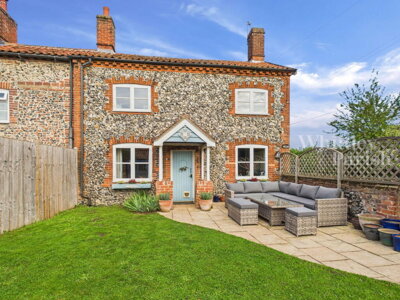
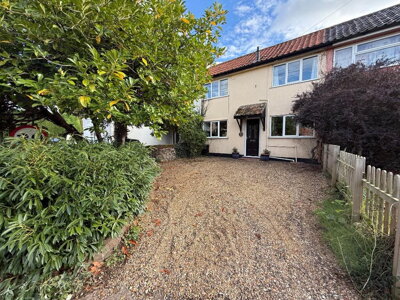
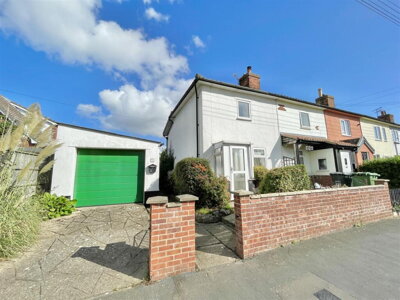
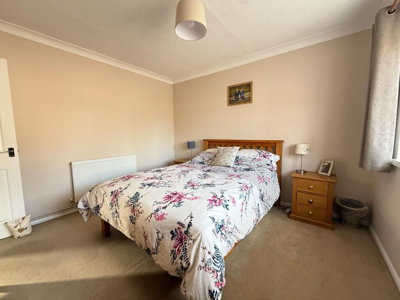
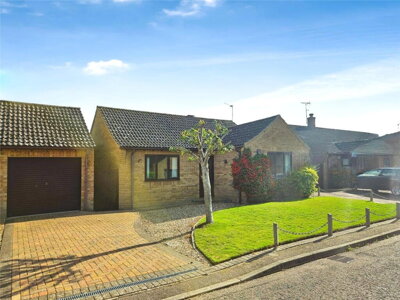
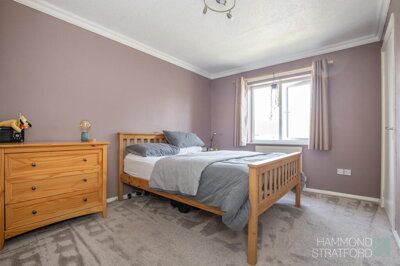
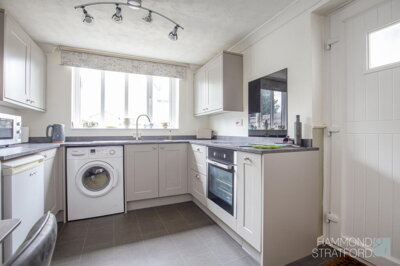
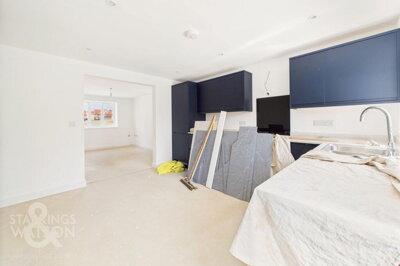
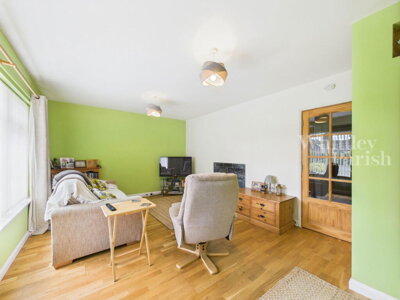
Browse 14 homes for sale in Harling, Breckland from local estate agents.
The 2 bed house market features detached, semi-detached, and terraced properties with two separate bedrooms plus living spaces. Properties in Harling range from Victorian and Edwardian period homes to modern new builds, with pricing varying across different neighbourhoods.
£220k
3
0
152
Source: home.co.uk
Showing 3 results for 2 Bedroom Houses for sale in Harling, Breckland. The median asking price is £220,000.
Source: home.co.uk
Terraced
2 listings
Avg £205,000
Semi-Detached
1 listings
Avg £250,000
Source: home.co.uk
Source: home.co.uk
The Harling property market presents attractive opportunities for buyers looking to establish themselves in rural Norfolk. The current average house price stands at £367,831, with detached properties commanding an average of £465,765 and semi-detached homes available from around £285,112. Terraced properties, which make up approximately 67% of transactions in the NR16 postcode area, typically sell for around £254,071, offering an accessible entry point for first-time buyers seeking character homes in this sought-after location. The predominance of terraced properties reflects the historical development pattern of the village, where workers' cottages were built to serve the agricultural community that has sustained Harling for centuries.
Market conditions in Harling have experienced a cooling trend over the past twelve months, with prices approximately 3% lower than the previous year and 9% down from the 2023 peak of £404,334. This adjustment follows broader national patterns seen across Norfolk, where county-wide sales dropped by 14.1% with 11,600 transactions recorded. For buyers, these conditions offer improved purchasing power and reduced competition compared to the peak market, creating a favourable environment for those ready to proceed with a purchase. East Harling, the neighbouring settlement that shares the NR16 postcode, has seen similar but slightly more pronounced price corrections, with values around 6% down year-on-year.
Property stock in Harling predominantly consists of traditional Norfolk construction, reflecting the agricultural heritage of the Breckland region. The village features a mix of property ages and styles, from older cottages that may require modernisation to more recent additions built to suit family requirements. No major new-build developments were identified within the village itself, meaning buyers seeking modern construction may need to consider surrounding villages or accept that character and authenticity often outweigh the appeal of brand-new fixtures in this established community. The limited new-build supply also means that the character of the village has been preserved, with properties dating from different eras creating an interesting streetscape that tells the story of Harling's development over generations.

Harling embodies the essence of traditional English village life in one of Norfolk's most attractive rural districts. The village sits within the Brecks, a unique landscape characterised by distinctive sandy soils, areas of heather moorland, and patches of ancient forest that create a habitat found nowhere else in Britain. Residents enjoy living surrounded by this extraordinary natural environment, with Thetford Forest to the southeast and open farmland extending in all directions, providing endless opportunities for walking, cycling, and enjoying the Norfolk countryside at its finest. The Brecks is designated as one of the driest and sunniest areas in Britain, making it ideal for outdoor activities throughout much of the year.
The village centre retains much of its historic character, with properties built from local materials reflecting Norfolk's building traditions. Community life in Harling centres around the primary school, parish church, and the village pub, where residents gather for social events and local activities. The village shop serves daily needs, while the strong community spirit ensures newcomers are quickly welcomed into village life. This is an area where neighbours know each other and children can grow up in safe, spacious surroundings with freedom to explore the natural landscape. The parish church, dedicated to St Mary and St Peter, dates from the 14th century and provides a focal point for the community with its distinctive tower visible across the surrounding farmland.
Harling's location within Breckland provides excellent access to the wider region while maintaining its peaceful character. The market town of Dereham, approximately 12 miles away, offers supermarkets, banks, and a range of independent shops serving the surrounding villages. For larger shopping trips or cultural activities, Norwich is accessible within 45 minutes by car, while Cambridge can be reached in just over an hour via the A11, making Harling practical for commuters who work in these cities while choosing to live in beautiful countryside surroundings. The nearby town of Attleborough, just 8 miles distant, provides additional everyday amenities including a railway station with services to Norwich and Cambridge.

Education provision in Harling centres on Harling Church of England Primary School, which serves families within the village and surrounding rural community. This primary school provides education for children from Reception through to Year 6, offering a supportive learning environment rooted in Christian values. Parents choosing to settle in Harling can expect their children to receive a solid foundation in core subjects while benefiting from the smaller class sizes and individual attention that village primary schools typically provide. The school has served the community for many decades and maintains strong ties with the parish church, providing pupils with opportunities to participate in harvest festivals, nativity plays, and other community events that reinforce the village's sense of identity.
For secondary education, students from Harling typically travel to schools in nearby towns, with Attleborough Academy Norfolk being one of the nearest options offering secondary and sixth form education. Parents should research current catchment areas and admission arrangements, as these can change and may influence which schools children can access from Harling. Many families also explore options in Dereham and Swaffham, both of which offer a range of secondary schools including grammar schools for academically selective students. The nearest grammar schools are in King's Lynn and Norwich, though transport arrangements would need careful consideration given the distances involved from Harling.
The wider Norfolk area provides excellent further and higher education opportunities. Norwich contains the University of East Anglia, recognised for its beautiful campus and strong academic programmes, as well as Norwich University of the Arts and the Norfolk and Suffolk Institute of Higher Education. For families considering educational provision over the long term, Harling's location allows easy access to these institutions while providing children with the benefits of a rural upbringing and community-focused primary education. The University of East Anglia is consistently ranked among the top 30 universities in the UK and is particularly strong in subjects including environmental science, creative writing, and health programmes, making it relevant for students interested in careers connected to the Brecks landscape.
Harling enjoys strong transport connections for a village of its size, with the A11 running nearby and providing direct access to Norwich, the regional capital, and onward to the wider motorway network. Norwich city centre is reachable in approximately 40-45 minutes by car, making regular commuting feasible for those working in the city while preferring to live in rural surroundings. The A11 also connects Harling to Cambridge in approximately one hour and fifteen minutes, opening opportunities for employment in that direction as well. The road is dualled for most of this route, providing a reliable journey even during peak travel times.
Rail services are available from Attleborough station, located approximately 8 miles from Harling, which provides regular services to Norwich with journey times of around 25-30 minutes. Norwich station offers excellent connections to London Liverpool Street, with fastest journey times of approximately one hour 50 minutes to the capital. This makes Harling practical for commuters who need to reach London periodically while enjoying the benefits of Norfolk countryside living throughout the week. The station also connects to Cambridge and Birmingham via Norwich, providing flexibility for travel in multiple directions. For those working in Norwich, the rail connection offers an alternative to driving, allowing commuters to work on the train during their journey.
Local bus services operate in the Harling area, connecting the village to surrounding towns and villages, though frequencies may be limited compared to urban routes. Those considering Harling as a base will find a car almost essential for daily activities, though residents appreciate the relative quiet of country roads and the dramatic scenery of the Brecks when travelling locally. Cycling is popular in the area, with quiet lanes and designated routes making this an attractive option for shorter journeys, particularly to nearby towns for shopping or leisure activities. The flat terrain of Breckland makes cycling accessible for most fitness levels, and the designated National Cycle Network routes provide safe options for families cycling to nearby attractions.
Before beginning your property search in Harling, research local prices and understand what your budget can achieve in this Norfolk village. Consider additional costs including solicitor fees, stamp duty, and surveys. Getting a mortgage agreement in principle before viewing properties strengthens your position when making offers. Use our platform to compare current asking prices against recent sales data, including the village average of £367,831, so you know whether a property is priced fairly for the current market conditions in Breckland.
Use Homemove to browse all available properties listed by local estate agents. Create alerts to be notified when new homes matching your criteria come to market. Harling properties tend to be popular due to the village's character and location, so acting quickly on suitable homes is advisable. Set up instant notifications for new listings in the NR16 postcode area and surrounding villages to ensure you never miss a property that meets your requirements.
Visit properties that interest you and assess their condition, surroundings, and proximity to local amenities. For older properties, which make up much of Harling's housing stock, consider booking a RICS Level 2 Survey to identify any structural issues or repairs needed before committing to purchase. The majority of homes in Harling were built before modern building regulations, so a professional survey can reveal issues with foundations, roofing, or timber structures that might not be immediately apparent during a viewing.
Once you find your ideal home in Harling, make an offer through the estate agent. With current market conditions showing prices around 3% lower than last year, there may be room for negotiation. Be prepared to move quickly if your offer is accepted, as the rural Norfolk market can move fast. Properties in desirable villages like Harling rarely stay available for long once competitively priced, so having your mortgage in principle and solicitor details ready gives you a significant advantage over less-prepared buyers.
Appoint a conveyancing solicitor to handle the legal aspects of your purchase. They will conduct searches, review contracts, and coordinate with your mortgage lender. On completion day, you will receive the keys to your new home in Harling and can begin enjoying life in this charming Breckland village. Your solicitor will handle local authority searches with Breckland Council and drainage enquiries with Anglian Water, ensuring there are no issues that might affect your enjoyment or investment.
Purchasing a property in rural Norfolk requires careful consideration of factors specific to the Breckland area. Properties in Harling often include period features that add character and value, but older homes may also present challenges including outdated electrical systems, aging plumbing, and solid walls without modern insulation. A thorough survey is essential for any property over 50 years old, and buyers should budget for potential renovation works when assessing the true cost of purchase. Many cottages in the village were constructed with solid brick or flint walls, which are durable but lack the cavity that modern insulation requires, potentially leading to higher heating costs.
The rural location of Harling means that properties may rely on private water supplies or septic tanks rather than mains services. Buyers should verify the condition and maintenance requirements of any private systems before committing to purchase. Additionally, properties in the village may be situated in flood risk areas given the proximity to local watercourses, so checking Environment Agency maps and discussing drainage with vendors is prudent before finalising any decision. The Breckland area is generally dry, but flash flooding can occur in low-lying areas near streams and drainage channels, particularly after heavy rainfall.
Many properties in Harling will be freehold houses, but buyers interested in cottages or smaller homes should confirm tenure arrangements carefully. Rural properties sometimes have unusual boundary definitions, rights of way, or shared arrangements that need to be understood before purchase. Properties near agricultural land may experience occasional noise or smells associated with farming activities, which is simply part of living in a working countryside environment where Harling is situated. The village also falls within flight paths for RAF Lakenheath and RAF Mildenhall, though these military airfields are not based in Harling itself, and aircraft noise may occasionally be heard on certain days.
When viewing properties in Harling, pay particular attention to the condition of outbuildings and boundary walls, which often show the first signs of neglect on rural properties. Check that roof slopes are free from slipped tiles and that gutters and downpipes are clear and functioning. Properties with large gardens should be assessed for tree cover and proximity to hedgerows, as root systems can affect building foundations over time. The sandy soils typical of Breckland can be prone to subsidence if vegetation is poorly managed, so a professional survey is money well spent before committing to purchase.
The average house price in Harling currently stands at £367,831 based on recent sales data. Detached properties average £465,765, semi-detached homes around £285,112, and terraced properties approximately £254,071. The market has seen a 3% reduction over the past year and is approximately 9% below the 2023 peak of £404,334, offering buyers improved purchasing opportunities compared to recent highs. Rightmove records suggest similar values for the wider East Harling area at around £356,094, indicating consistency across different data sources for this part of the NR16 postcode.
Properties in Harling fall under Breckland Council's jurisdiction and most rural properties in the village are likely to be in Bands A through D, with Band A and B being common for smaller terraced cottages and Band C or D for larger family homes and detached properties. You can confirm the specific band for any property through the Valuation Office Agency website or Breckland Council's online portal when considering a purchase. Band A properties in this area currently pay approximately £1,408 per year in council tax, while Band D properties pay around £2,113 annually, with these figures reviewed annually by the council.
Harling Church of England Primary School serves the village and surrounding community, providing education from Reception through to Year 6. This primary school has been rated by Ofsted and maintains good relationships with parents in the village, providing a stable educational foundation for young families settling in Harling. For secondary education, students typically attend schools in nearby towns such as Attleborough Academy Norfolk or institutions in Dereham and Swaffham. Parents should check current catchment areas and admission policies, as these can vary and may influence school allocation from the Harling area.
Harling has limited local bus services connecting to nearby towns and villages, with the 44A service providing connections to Attleborough and surrounding villages, though frequencies are typical for a rural location at perhaps two or three services per day. The nearest rail services are at Attleborough station, approximately 8 miles away, offering regular services to Norwich and connections to London Liverpool Street with journey times of around 1 hour 50 minutes. The nearby A11 provides excellent road access to Norwich and Cambridge, making car travel practical for daily commuting needs, with the journey to Norwich taking approximately 40 minutes in normal traffic conditions.
Harling offers solid fundamentals for property investment in Norfolk's desirable Breckland district. The village combines rural charm with practical access to employment centres via the A11 corridor, making it attractive to buyers who work in Norwich, Cambridge, or the growing technology and logistics sectors in the region. Recent price corrections of around 3-9% from peak values have created more accessible entry points, while the enduring appeal of rural Norfolk properties suggests long-term resilience. The limited supply of properties and strong demand from buyers seeking village lifestyles support the area's investment potential, particularly for period properties with character that are increasingly sought after by remote workers looking to escape larger towns and cities.
Standard stamp duty rates apply in Harling as part of Breckland, Norfolk. Properties up to £250,000 attract zero duty, those between £250,001 and £925,000 incur 5%, with higher rates for properties above £925,000. First-time buyers purchasing properties up to £625,000 may qualify for relief, paying zero duty up to £425,000 and 5% between £425,001 and £625,000. Always verify your individual circumstances with a financial adviser, as thresholds can change and relief eligibility depends on specific criteria. At the Harling average price of £367,831, a standard buyer would pay approximately £5,892 in stamp duty, while a first-time buyer would pay nothing under current relief provisions.
Properties in Harling and the surrounding Breckland area often include older construction that may require maintenance or modernisation. Check the condition of roofs, plumbing, and electrical systems on older properties, asking for evidence of recent rewiring or boiler replacement where available. Verify private water supplies or septic tank arrangements, as these are common in rural locations and represent ongoing maintenance responsibilities that do not apply to properties on mains water and sewerage. Consider potential flood risk near watercourses and review any planning restrictions that might affect future modifications to period properties. The sandy soils of Breckland can be susceptible to subsidence, particularly where trees or hedgerows have been removed, so a professional survey is strongly recommended before purchase.
The Harling property market offers a diverse range of property types to suit different budgets and preferences. Terraced properties make up approximately 67% of transactions in the NR16 postcode area, reflecting the historical pattern of workers' cottages built to serve the local agricultural community. These terraced homes often feature characteristic Norfolk details such as flint walls, clay tile roofs, and original fireplaces. Semi-detached and detached family homes are also available, typically commanding higher prices but offering more space and gardens suitable for families. Larger detached properties in the village often date from the interwar period and feature generous plots with mature gardens, appealing to buyers seeking character accommodation without the renovation requirements of older cottages.
From 4.5%
Expert mortgage advice tailored to your situation
From £499
Specialist solicitors for your property purchase
From £400
Professional survey of the property condition
From £80
Energy performance certificate
When purchasing property in Harling, budget carefully for all associated costs beyond the purchase price. The most significant additional expense is Stamp Duty Land Tax, which applies to all property purchases above £250,000 at the standard rate of 5% on the portion between £250,001 and £925,000. For a typical Harling property at the village average of £367,831, this would result in stamp duty of approximately £5,892. Properties priced above £925,000 incur 10% duty on the next portion and 12% above £1.5 million, though such high-value properties are uncommon in this rural village setting.
First-time buyers purchasing properties up to £625,000 benefit from relief that increases the nil-rate threshold to £425,000, after which 5% applies up to £625,000. This means a first-time buyer purchasing at the Harling average of £367,831 would pay zero stamp duty, significantly reducing overall purchase costs. However, this relief is only available to those who have never owned property anywhere in the world and who do not intend to own property anywhere else following the purchase. The relief cannot be reclaimed if circumstances change within three years of the purchase, so buyers should ensure they understand the full implications before proceeding.
Beyond stamp duty, buyers should budget for solicitor conveyancing costs, typically ranging from £500 to £1,500 depending on complexity. A RICS Level 2 Survey costs between £400 and £1,000 depending on property value and size, while an Energy Performance Certificate will be required before sale completion, typically costing £80-150. Mortgage arrangement fees, valuation fees, and search costs from the local authority add further expenses. Our platform connects you with trusted providers for all these services, ensuring a smooth transaction when purchasing your new home in Harling. Search fees payable to Breckland Council typically total around £250-400 and cover environmental searches, drainage enquiries, and local authority records.
Properties for Sale In London

Properties for Sale In Plymouth

Properties for Sale In Liverpool

Properties for Sale In Glasgow

Properties for Sale In Sheffield

Properties for Sale In Edinburgh

Properties for Sale In Coventry

Properties for Sale In Bradford

Properties for Sale In Manchester

Properties for Sale In Birmingham

Properties for Sale In Bristol

Properties for Sale In Oxford

Properties for Sale In Leicester

Properties for Sale In Newcastle

Properties for Sale In Leeds

Properties for Sale In Southampton

Properties for Sale In Cardiff

Properties for Sale In Nottingham

Properties for Sale In Norwich

Properties for Sale In Brighton

Properties for Sale In Derby

Properties for Sale In Portsmouth

Properties for Sale In Northampton

Properties for Sale In Milton Keynes

Properties for Sale In Bournemouth

Properties for Sale In Bolton

Properties for Sale In Swansea

Properties for Sale In Swindon

Properties for Sale In Peterborough

Properties for Sale In Wolverhampton

Enter your details to see if this property is within your budget.
Loans, cards, car finance
Estimated property budget
Borrowing + deposit
You could borrow between
Typical borrowing
Monthly repayment
Est. at 4.5%
Loan-to-value
This is an estimate only. Your actual budget may vary depending on interest rates, credit history, and personal circumstances. For an accurate affordability assessment, speak to one of our free mortgage advisors.
This calculator provides estimates for illustrative purposes only and does not constitute financial advice. Your home may be repossessed if you do not keep up repayments on your mortgage. Estimates based on 4.5% interest rate, repayment mortgage. Actual rates depend on your circumstances.
Homemove is a trading name of HM Haus Group Ltd (Company No. 13873779, registered in England & Wales). Homemove Mortgages Ltd (Company No. 15947693) is an Appointed Representative of TMG Direct Limited, trading as TMG Mortgage Network, which is authorised and regulated by the Financial Conduct Authority (FRN 786245). Homemove Mortgages Ltd is entered on the FCA Register as an Appointed Representative (FRN 1022429). You can check registrations at NewRegister or by calling 0800 111 6768.

We use cookies to show you personalised content and improve your experience of our website. Find out more in our Privacy policy and Cookie policy.