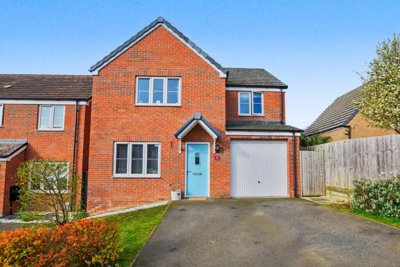
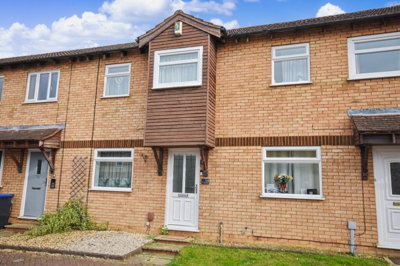
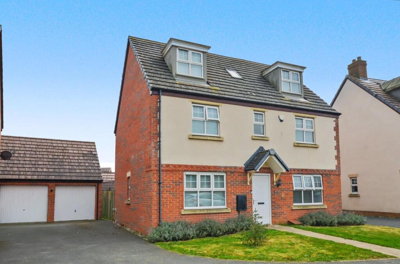
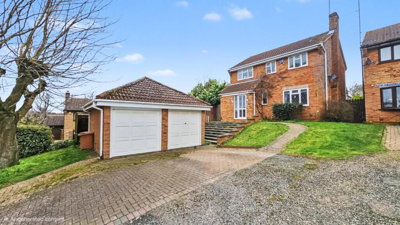
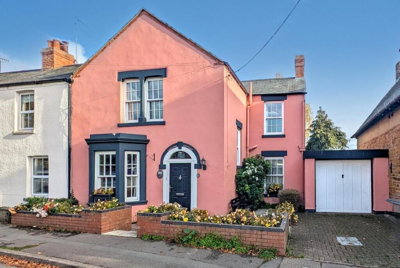
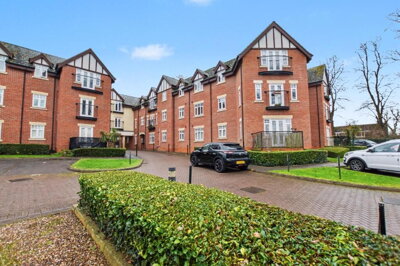
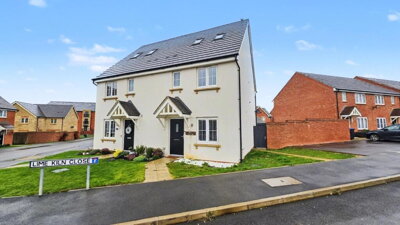
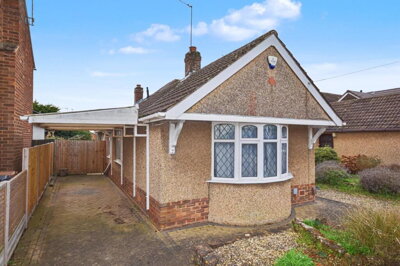
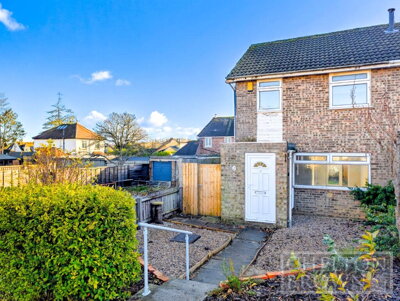
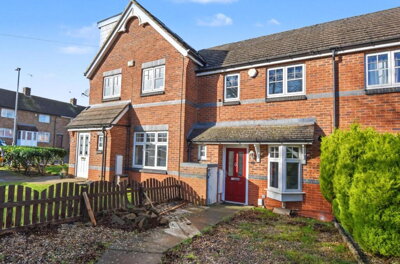
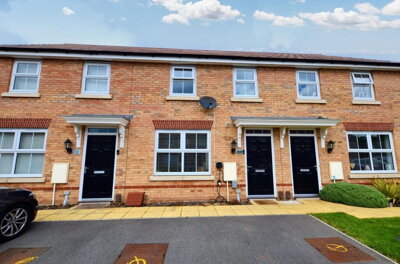
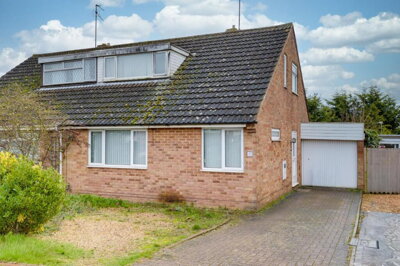
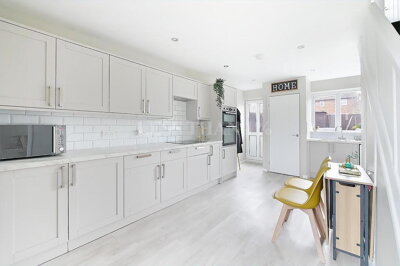
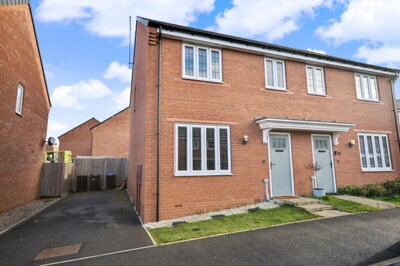
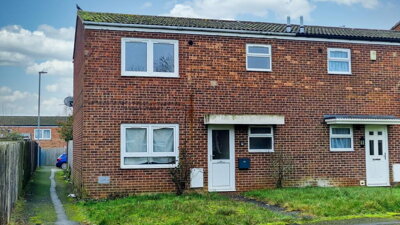
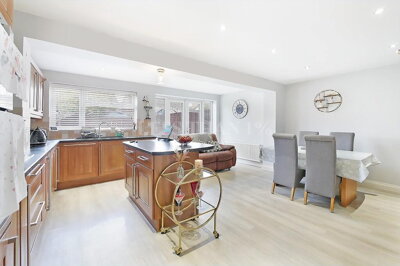
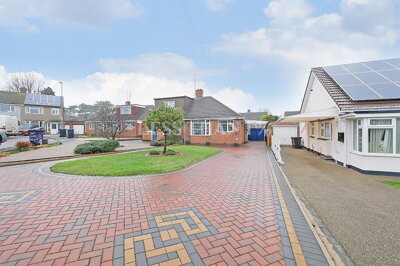
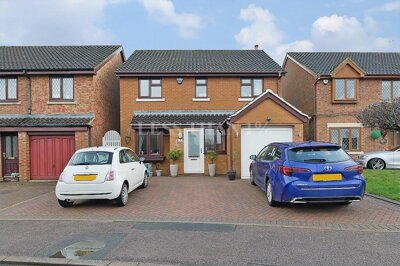
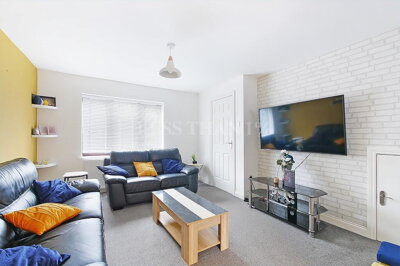
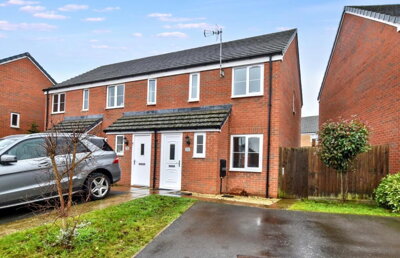
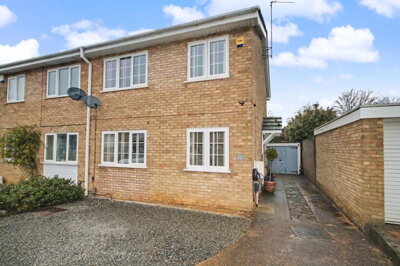
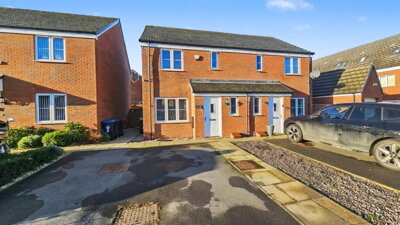
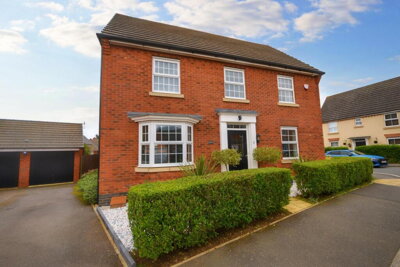
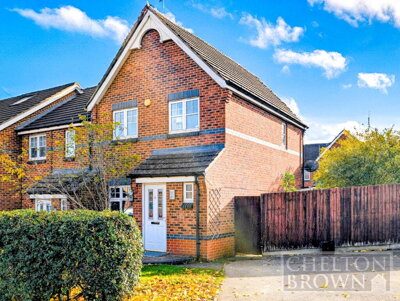
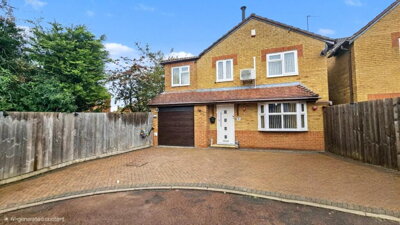
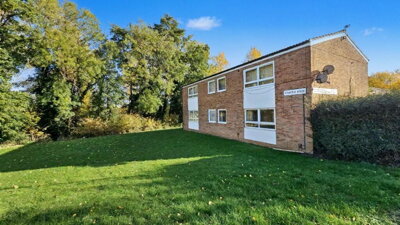
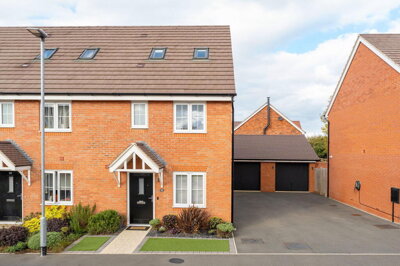
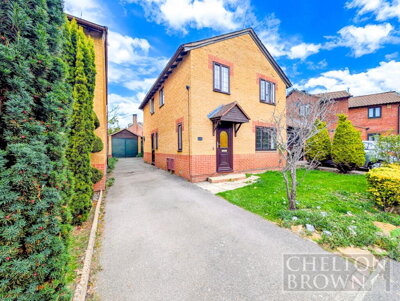
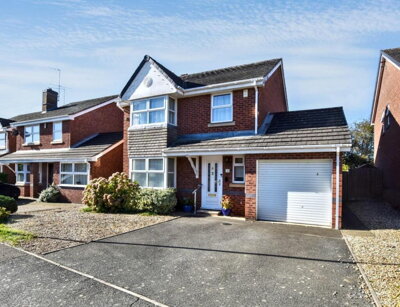
Browse 421 homes for sale in Harlestone, West Northamptonshire from local estate agents.
£425k
1
1
6
Source: home.co.uk
Source: home.co.uk
Detached
1 listings
Avg £425,000
Source: home.co.uk
Source: home.co.uk
The Harlestone property market presents a diverse range of options for prospective buyers, with prices reflecting the village's popularity and the quality of its housing stock. The overall average house price in Harlestone over the last year was £399,995, with Lower Harlestone showing the same average figure of £399,995. For those considering properties in more affordable segments, Harlestone Road (NN5) offers an average price of £195,999, with terraced properties averaging £297,000, semi-detached homes reaching £310,000, and flats available at an average of £109,999. This variation across different parts of the village means buyers can find properties to match various budgets while still benefiting from the area's desirable location and character.
Recent market data indicates that house prices in Harlestone have experienced a significant adjustment over the past 12 months, with overall prices falling 51% compared to the previous year and 40% down from the 2022 peak of £661,983. In Lower Harlestone specifically, prices have fallen by 54.7% over the past 12 months, while Harlestone Heath has shown more stability with prices just 4% down on the previous year. Detached properties in Harlestone Heath averaged £390,482, semi-detached homes sold for around £275,118, and terraced properties achieved £238,656 on average. These market conditions mean that now could be an advantageous time to enter the Harlestone property market, with potential for property appreciation as the market stabilises.
The number of property sales in Lower Harlestone indicates active market participation, with 88 total sales recorded in the last 12 months. In 2024, there were 2 sales of detached homes in Lower Harlestone with a median sale price of £882,500, demonstrating that premium properties continue to attract buyers willing to invest in the village's most desirable homes. Understanding these market dynamics helps buyers time their purchase strategically and negotiate effectively.

Harlestone has seen significant new build activity in recent years, with major developments adding modern homes to the village's housing stock. Harlestone Grange, developed by Barratt Homes, Charles Church, and Persimmon Homes, offers a range of 2, 3, 4, and 5-bedroom properties with prices starting from £269,950 for a 2-bedroom home. According to current listings on Zoopla, Harlestone Grange NN7 shows 2-bedroom properties from £269,950, 3-bedroom homes from £316,950, and 4-bedroom options from £359,950, while the NN5 postcode area offers similar properties from £279,000 for 2-beds up to £391,000 for 4-bedroom homes. These developments sit on the edge of Northampton near Harlestone Firs Forest, combining modern construction with access to countryside walks and amenities.
Bloor Homes' Harlestone Park development, located off New Sandy Lane (NN5 6SX), presents another attractive option with 2, 3, 4, and 5-bedroom properties priced from £270,000 for a 2-bedroom home. The NN5 listings show 3-bedroom homes typically available from around £325,000 to £375,000, with 4-bedroom properties reaching approximately £425,000 to £530,000 depending on specification and plot position. The development offers good value across its range, with prices varying based on house type, size, and final finish. Barratt Homes offers properties from £279,000 to £410,000, while Persimmon Homes provides options from £279,950 to £324,950.
Looking ahead, several proposed developments could further expand the area's housing stock. The Dallington Gateway North project, being submitted by Barwood Development Securities Ltd, proposes up to 100 new homes with 40% affordable housing on land bordering Harlestone Firs woodland. Vistry Homes has plans for 84 dwellings at the former Airflow Site at 381 Harlestone Road (NN5 6PD). The most substantial proposal is the Fleetlands Farm development of up to 2,000 homes that would significantly transform the northern edge of the area, with plans including a new primary school and other community facilities. This development will straddle the borders of Harlestone Manor Parish and Harpole Parish, potentially bringing significant changes to the local infrastructure and character.

Harlestone is a village steeped in history, with its roots stretching back to at least the late 17th century when the village contained 115 houses according to hearth tax records. The village developed significantly during the 19th century under the Althorp Estate, which commissioned numerous worker's cottages that still stand today, characterised by locally sourced sandstone and ironstone. St Andrew's Church, the village's spiritual centre, dates mostly from 1320 to 1325, with its tower originating from the 12th century, providing a tangible link to Harlestone's medieval past. Harlestone House, built in 1715, stands as an example of Georgian architecture that has shaped the village's character over centuries. Several properties including numbers 50, 51, and 52 in Lower Harlestone are listed buildings, reflecting the architectural significance of the village's historic core.
The village's industrial heritage is evident in remnants of its quarrying and brick-making past. A quarry site existed on the southern edge of Lower Harlestone, while 19th-century brickworks in Upper Harlestone included a large kiln, indicating local brick production that contributed to the area's building stock. The villages of Upper and Lower Harlestone are characterised by these traditional building methods, with sandstone and ironstone cottages forming the architectural foundation of the community. This industrial history is less prominent today but remains part of what makes the area architecturally distinctive.
The village has experienced considerable growth in recent years, with the parish of Harlestone Manor encompassing approximately 300 newly built homes across Harlestone Manor and Loxton Fields developments. The population has grown from 445 recorded in the 2011 census to an estimated 565 in 2024, reflecting the area's increasing popularity. Despite this growth, the village has maintained its community character, with a 2020 survey indicating that over two-thirds of respondents had lived in the village for over 10 years and 61% considered it their lifetime home. This established community provides a strong sense of belonging that appeals to families and those seeking a permanent home rather than a transient residence.
Residents of Harlestone enjoy access to countryside walks and green spaces, including proximity to Harlestone Firs Forest, a notable woodland area that provides recreational opportunities for walking, cycling, and enjoying nature. The village's location on the edge of Northampton means that residents benefit from comprehensive urban amenities while retaining access to rural pursuits. Local amenities include village pubs, community facilities, and local shops, with the wider facilities of Northampton readily accessible for those seeking larger shopping centres, restaurants, healthcare facilities, and entertainment venues. The Althorp Estate continues as a major landowner in the area, contributing to the rural character and heritage that defines Harlestone's identity.
Families considering a move to Harlestone will find a selection of educational options both within the village and in the surrounding area. The village is served by local primary schools, with several well-regarded options available in the surrounding Northampton area. Parents should research current catchment areas and school performance data, available through Ofsted reports, to identify the most suitable options for their children. The proximity to Northampton means that secondary school choices are relatively accessible, with several well-regarded institutions within reasonable commuting distance.
For secondary education, pupils from Harlestone can access schools in Northampton, including both comprehensive schools and grammar schools for academically selective pupils. The surrounding area provides several options for families seeking different educational approaches, with schools catering to various academic strengths and extracurricular interests. Admission policies and catchment boundaries can change, so prospective buyers should verify current arrangements with the local education authority before committing to a property purchase.
For families with older children considering further education, the area offers access to sixth forms at local secondary schools and further education colleges in Northampton. The University of Northampton provides higher education opportunities within the county, while the proximity to major cities including Birmingham and Milton Keynes expands options for university study. The presence of the proposed Fleetlands Farm development, which includes plans for a new primary school, indicates that educational provision in the area is expected to expand to accommodate future population growth. Prospective buyers with school-age children should consult the latest Ofsted ratings and admission policies when making their property decisions.
Harlestone benefits from excellent transport connections that make it attractive to commuters and those needing to travel for work or leisure. The village sits close to the A43 and A45 roads, providing direct access to the M1 motorway at junction 15A, connecting residents to the wider national road network. This road connectivity makes locations such as Milton Keynes, Leicester, and Birmingham accessible by car, while the journey to Northampton town centre is straightforward for those working locally. The strategic position of Harlestone means that residents can choose between the convenience of working locally in Northampton or commuting to larger employment centres further afield.
Public transport options include train services from Northampton station, which offers direct connections to London Euston with journey times of approximately one hour and to Birmingham. This rail access makes Harlestone viable for commuters working in major cities who wish to enjoy village life while maintaining city employment. Bus services connect Harlestone to Northampton and surrounding villages, providing options for those who prefer not to drive. For cyclists, the local area includes various routes suitable for both recreational cycling and commuting, while the village's position near country lanes offers opportunities for quieter cycling away from busier roads.
The excellent transport links have contributed to Harlestone's popularity among buyers who work in London or other major cities but prefer the quality of life offered by a village setting. The combination of road and rail access means that residents have genuine flexibility in their commuting options, making the village attractive to a wide range of buyers from first-time purchasers to families upgrading to larger homes. These connections also support the local economy by enabling residents to access employment opportunities across the region.
Purchasing a property in Harlestone requires careful consideration of several area-specific factors that could affect your investment and quality of life. The village's Conservation Area status is particularly important, as properties within this designated area have restricted permitted development rights, meaning planning permission may be required for various external works including extensions, dormer windows, and even some minor alterations. The Harlestone Conservation Area Management Plan and the Harlestone Neighbourhood Development Plan provide guidance for development within the area, and prospective buyers should familiarise themselves with these restrictions before committing to a purchase, particularly if they anticipate wanting to make changes to a historic property.
Given the local geology, with clay-rich soils present in the wider Northamptonshire region, buyers should be aware of potential shrink-swell subsidence risks that can affect properties on clay ground. This risk can be exacerbated by trees near foundations, which can cause soil movement as they draw moisture from the ground. Our inspectors frequently identify subsidence-related issues during surveys in this part of Northamptonshire, with symptoms including cracking to walls, doors that stick, and uneven floors. We strongly recommend commissioning a RICS Level 2 Home Survey to assess the property's condition thoroughly, as the inspection will examine foundations, walls, and signs of movement that may indicate subsidence activity.
Properties in the area include historic cottages that may have outdated electrics, plumbing, or insulation. Given that many properties in Upper and Lower Harlestone were built in the 19th century or earlier, common defects include original wiring that does not meet current safety standards, lead or galvanised steel pipework, and inadequate insulation. Our surveyors check electrical condition, plumbing, and insulation levels during every inspection, and we flag any concerns that require attention from qualified tradespeople. Modern new builds at developments like Harlestone Park and Harlestone Grange should have modern building standards but may have their own considerations, including snagging issues that arise in recently completed properties.
Historical quarrying and mining activity in the area also warrants investigation during the property search process. The former quarry site on the southern edge of Lower Harlestone and historical brickworks in Upper Harlestone suggest potential for ground instability related to past excavation activities. While not a major concern for most properties, buyers considering older homes in these areas should discuss potential mining risk with their surveyor. Always review the specific survey report for any property you are considering purchasing, as each home has its own unique condition regardless of the general area characteristics.
Explore different neighbourhoods within Harlestone, from the historic Conservation Area properties in Upper and Lower Harlestone to modern developments like Harlestone Park and Harlestone Grange. Consider factors such as proximity to schools, transport links, and amenities, and review local property prices to understand what you can expect to get for your budget in the current market. The variation in prices between different parts of the village is significant, with averages ranging from around £195,999 in Harlestone Road to nearly £400,000 in Lower Harlestone, so understanding these submarkets will help you focus your search effectively.
Before viewing properties, obtain a mortgage agreement in principle from a lender to understand how much you can borrow and demonstrate your seriousness to sellers. This financial pre-qualification will help you focus your property search on homes within your actual price range and strengthen your position when making an offer. Given the current market conditions with prices having fallen significantly over the past year, this is an opportune time to secure mortgage financing at potentially favourable rates.
Arrange viewings of properties that meet your criteria, paying attention to the property's condition, age, and any signs of damp, structural issues, or maintenance needs. In Harlestone's Conservation Area, consider how the property's permitted development restrictions might affect your plans and ask the agent about any planning history or permissions. For new build properties at Harlestone Park or Harlestone Grange, view the show homes and request details about specification, warranties, and completion timelines.
Once you have found your ideal property and had an offer accepted, instruct a RICS Level 2 Home Survey to assess the property's condition thoroughly. In Harlestone, with its mix of historic cottages and new build properties, a survey is essential for identifying any defects. For older properties, our inspectors commonly find issues with damp, roof condition, or outdated services. For newer homes, surveys help identify any snagging issues that builders need to address. Our team provides detailed reports with clear recommendations, typically within 5 working days of the inspection.
Appoint a conveyancing solicitor to handle the legal aspects of your purchase, including searches, contracts, and registration with the Land Registry. Your solicitor will conduct local authority searches for Harlestone, which will reveal planning permissions, road schemes, and environmental matters affecting the property. They will liaise with the seller's representatives and manage the transfer of funds on completion.
Once all searches and surveys are satisfactory and contracts are signed, you will exchange deposits and agree on a completion date. On completion day, the remaining funds are transferred and you receive the keys to your new Harlestone home. Our team can recommend conveyancing solicitors experienced in Harlestone transactions if you need assistance finding the right legal support for your purchase.
The overall average house price in Harlestone over the last year was £399,995. However, prices vary significantly across different parts of the village. Lower Harlestone shows an average of £399,995, while Harlestone Heath averages £288,218 with detached properties at £390,482 and terraced homes at £238,656. Harlestone Road (NN5) offers more affordable options with an average price of £195,999, including flats averaging £109,999 and semi-detached properties at £310,000. The market has experienced a significant correction, with overall prices falling 51% compared to the previous year, creating potential opportunities for buyers who may previously have found the market beyond their reach.
Properties in Harlestone fall under West Northamptonshire Council. Council tax bands in the area range from A through to H, depending on the property's value and characteristics. New build properties at developments like Harlestone Park and Harlestone Grange typically fall into higher bands due to their modern specification and market value, while older period cottages in Upper and Lower Harlestone may be in lower bands. You can check the specific band for any property through the Valuation Office Agency website using the property address.
Harlestone is served by local primary schools, with several well-regarded options available in the surrounding Northampton area. Secondary school choices include comprehensive schools and grammar schools for academically selective pupils, with catchment areas that may include Harlestone residents. Parents should consult the latest Ofsted reports and school admission policies, as catchment boundaries can affect which schools your child can attend. The proposed Fleetlands Farm development includes plans for a new primary school to serve the growing population in the area, which may eventually ease pressure on existing school places.
Harlestone benefits from good transport connectivity despite its village setting. Bus services connect the village to Northampton and surrounding areas, providing regular options for local travel. Northampton railway station provides direct train services to London Euston (approximately 1 hour journey time) and to Birmingham, making the village attractive to commuters. The village is situated close to the A43 and A45 roads, providing easy access to the M1 motorway at junction 15A for those who travel by car, with straightforward connections to Milton Keynes, Leicester, and Birmingham.
Harlestone presents several factors that make it attractive for property investment. The village's proximity to Northampton, excellent transport links to major cities, and the ongoing development activity suggest continued demand for housing in the area. New developments like Harlestone Park and Harlestone Grange are adding modern homes to the stock, while the Conservation Area maintains the character that makes older properties desirable. However, buyers should be aware that recent market data shows prices have fallen significantly over the past year, with a 51% decrease overall. The proposed major developments including Fleetlands Farm (up to 2,000 homes) could impact property values through increased amenity provision and potential changes to village character.
Stamp Duty Land Tax (SDLT) rates for residential properties in England are: 0% on the first £250,000, 5% on the portion from £250,001 to £925,000, 10% on the portion from £925,001 to £1.5 million, and 12% on any amount above £1.5 million. First-time buyers may benefit from relief on properties up to £625,000, paying 0% on the first £425,000 and 5% on the portion between £425,001 and £625,000. Given that most properties in Harlestone fall below £925,000, standard buyers would typically pay stamp duty only on amounts above £250,000.
The Harlestone Conservation Area, which was extended in July 2017 to cover much of Lower and Upper Harlestone, means that properties within this designation have restricted permitted development rights. This means that planning permission may be required for extensions, dormer windows, outbuildings, and even some minor alterations that would normally not need consent. The Harlestone Conservation Area Management Plan and the Harlestone Neighbourhood Development Plan provide guidance on what is acceptable. Prospective buyers should factor this into their plans, particularly if they anticipate wanting to expand or alter a historic property. Listed buildings, such as numbers 50, 51, and 52 Lower Harlestone, have additional restrictions under heritage protection legislation.
RICS Level 2 Home Surveys in the Northampton area, which covers Harlestone, typically cost between £395 and £1,250 depending on property price and number of bedrooms. For a typical Harlestone property around the £400,000 average price point, survey costs would likely fall in the range of £450 to £700. The average RICS Level 2 survey cost in Northampton is approximately £480. Our team provides competitive fixed pricing with no hidden fees, and reports are typically delivered within 5 working days of the inspection. Given the mix of historic and new build properties in Harlestone, a survey is particularly valuable for identifying defects that may not be apparent during a viewing.
When purchasing a property in Harlestone, it is essential to budget for the additional costs beyond the purchase price. Stamp Duty Land Tax is the most significant additional cost, with standard rates applying 0% on the first £250,000 of the purchase price. For most properties in Harlestone, where the average price sits around £399,995, this means stamp duty would apply to the portion above £250,000 at 5%, resulting in approximately £7,500 in SDLT. First-time buyers purchasing properties up to £625,000 may qualify for relief, paying 0% on the first £425,000 and 5% on the remainder up to £625,000.
Beyond stamp duty, buyers should budget for solicitor conveyancing costs, which typically start from around £499 for basic conveyancing work but can increase depending on the complexity of the transaction. Local authority searches for West Northamptonshire Council, drainage and water searches, and environmental searches are standard components of the legal process and will incur additional fees. A RICS Level 2 Home Survey is strongly recommended, particularly given Harlestone's mix of historic properties, with costs in the Northampton area typically ranging from £395 to £1,250 depending on property size and value. An Energy Performance Certificate (EPC) is required by law and costs from approximately £85.
Mortgage arrangement fees, valuation fees, and search costs should also be factored into your budget. Mortgage lenders may charge arrangement fees ranging from £0 to £2,000 depending on the product chosen, while valuation fees vary based on property value. For a property priced at £400,000, total additional costs could reach £10,000 to £15,000, so planning for these expenses early in the buying process is advisable. Our team can provide guidance on survey costs and recommend trusted conveyancing solicitors experienced in Harlestone transactions if needed.
From £395
Detailed assessment ideal for Harlestone's mix of historic cottages and new builds
From £85
Required energy performance certificate for your purchase
From 4.5%
Competitive rates available for Harlestone buyers
From £499
Expert legal support for your property purchase
Properties for Sale In London

Properties for Sale In Plymouth

Properties for Sale In Liverpool

Properties for Sale In Glasgow

Properties for Sale In Sheffield

Properties for Sale In Edinburgh

Properties for Sale In Coventry

Properties for Sale In Bradford

Properties for Sale In Manchester

Properties for Sale In Birmingham

Properties for Sale In Bristol

Properties for Sale In Oxford

Properties for Sale In Leicester

Properties for Sale In Newcastle

Properties for Sale In Leeds

Properties for Sale In Southampton

Properties for Sale In Cardiff

Properties for Sale In Nottingham

Properties for Sale In Norwich

Properties for Sale In Brighton

Properties for Sale In Derby

Properties for Sale In Portsmouth

Properties for Sale In Northampton

Properties for Sale In Milton Keynes

Properties for Sale In Bournemouth

Properties for Sale In Bolton

Properties for Sale In Swansea

Properties for Sale In Swindon

Properties for Sale In Peterborough

Properties for Sale In Wolverhampton

Enter your details to see if this property is within your budget.
Loans, cards, car finance
Estimated property budget
Borrowing + deposit
You could borrow between
Typical borrowing
Monthly repayment
Est. at 4.5%
Loan-to-value
This is an estimate only. Your actual budget may vary depending on interest rates, credit history, and personal circumstances. For an accurate affordability assessment, speak to one of our free mortgage advisors.
This calculator provides estimates for illustrative purposes only and does not constitute financial advice. Your home may be repossessed if you do not keep up repayments on your mortgage. Estimates based on 4.5% interest rate, repayment mortgage. Actual rates depend on your circumstances.
Homemove is a trading name of HM Haus Group Ltd (Company No. 13873779, registered in England & Wales). Homemove Mortgages Ltd (Company No. 15947693) is an Appointed Representative of TMG Direct Limited, trading as TMG Mortgage Network, which is authorised and regulated by the Financial Conduct Authority (FRN 786245). Homemove Mortgages Ltd is entered on the FCA Register as an Appointed Representative (FRN 1022429). You can check registrations at NewRegister or by calling 0800 111 6768.

We use cookies to show you personalised content and improve your experience of our website. Find out more in our Privacy policy and Cookie policy.