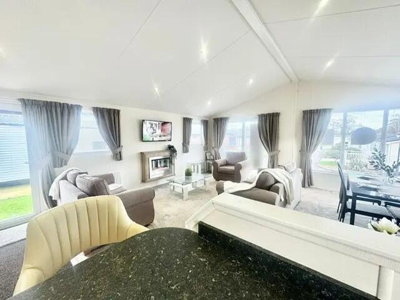
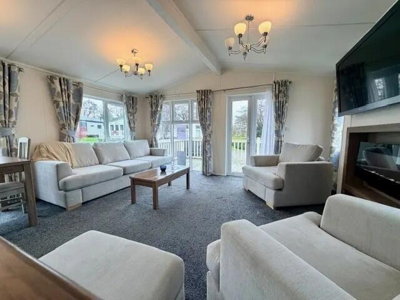
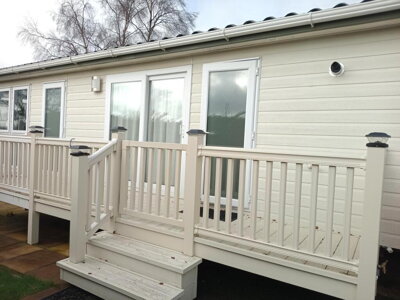
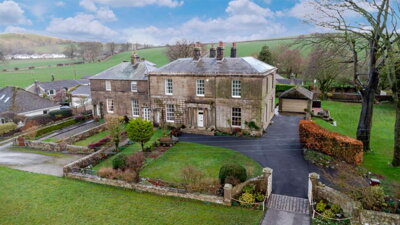
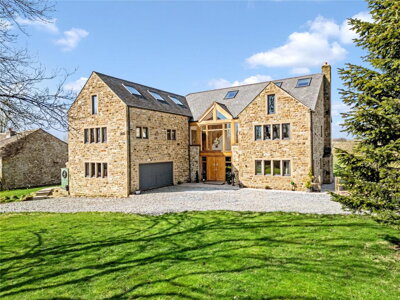
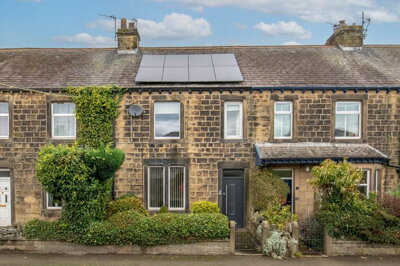
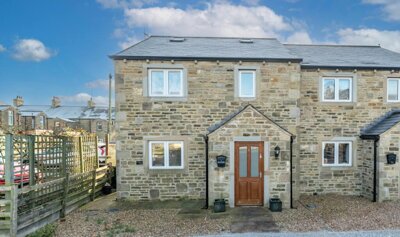
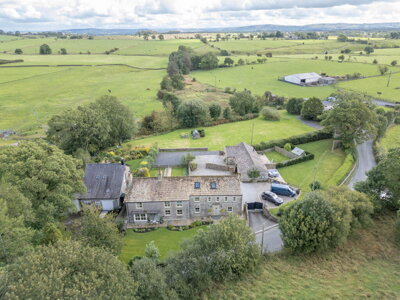
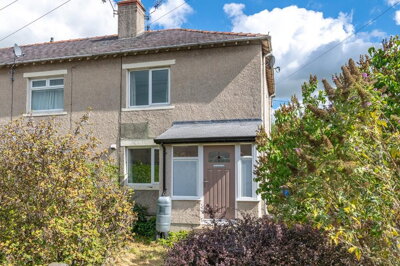
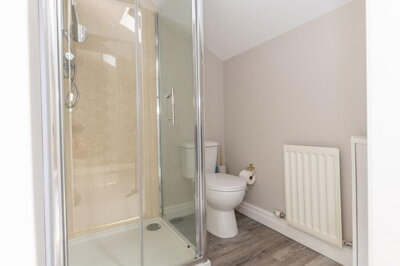
Browse 24 homes for sale in Halton West from local estate agents.
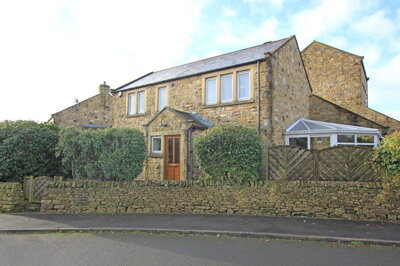
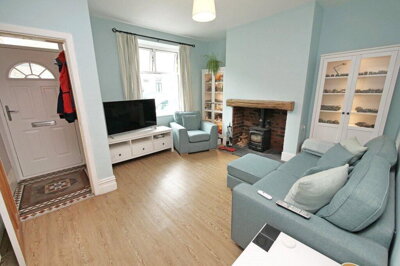
The property market in Halton West operates within the unique context of the Yorkshire Dales National Park, where planning restrictions and conservation considerations shape what buyers can purchase. Properties in this area tend toward traditional stone-built homes, with cottages dating from the Georgian and Victorian periods sitting alongside later additions that respect local vernacular styles. The limited new build activity within the National Park means most available housing stock consists of period properties with character features such as exposed beams, inglenook fireplaces, and original stone mullion windows.
Specific transaction data for this small village is limited, but the wider Skipton housing market provides useful context for prospective buyers. Skipton, situated approximately 6 miles from Halton West, offers a broader property market with detached houses typically ranging from £280,000 to £500,000, semi-detached properties from £180,000 to £280,000, and terraced cottages from £140,000 to £220,000. Properties in villages like Halton West often command additional premiums for their National Park setting, traditional character, and the lifestyle opportunities afforded by this protected landscape. Local estate agents report consistent interest in village properties, with buyers drawn from across Yorkshire and beyond seeking access to the National Park lifestyle.
The age of properties in Halton West means that most housing stock predates modern building regulations, with construction typically featuring solid stone walls rather than cavity construction, timber floor structures, and traditional roof carpentry. These construction methods bring specific considerations for buyers regarding insulation, damp resistance, and structural maintenance. A thorough property survey is particularly valuable for stone-built period properties, identifying any movement, deterioration of pointing, or timber defects that may not be apparent during viewings.

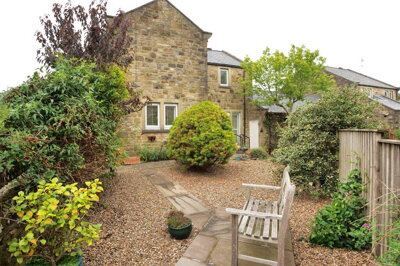
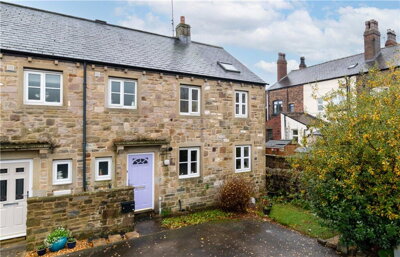
Traditional properties in Halton West exemplify the vernacular architecture of the Yorkshire Dales, built using locally sourced materials that have shaped the distinctive character of the National Park. Limestone and gritstone, quarried from the Carboniferous limestone bedrock underlying the area, form the walls of most period properties, with the warm golden tones of local stone giving villages like Halton West their instantly recognisable appearance. Natural slate from regional quarries traditionally clad roofs, though some properties may feature later replacements using concrete tiles or imported slate that differ in appearance and longevity from original materials.
Solid stone walls, typically 400-600mm thick in older properties, lack the cavity construction found in modern buildings and present specific considerations for buyers. Without cavity insulation, these properties can feel cooler and cost more to heat, though the thermal mass of thick stone walls does provide some temperature buffering. Penetrating damp can affect stone walls where pointing has deteriorated or where vegetation has breached the fabric, and rising damp may be present where original damp proof courses have failed or were never installed. Professional surveys of stone-built properties assess the condition of pointing, the effectiveness of any damp proofing measures, and the overall structural integrity of load-bearing walls.
Roof structures in traditional Dales properties typically consist of timber rafters with sarking and natural slate coverings, often incorporating stone slates on outbuildings and extensions. Verges, hips, and valleys require regular attention, and leadwork to flashings and roof penetrations should be inspected for deterioration. Given the age of most properties in Halton West, timber elements including rafters, purlins, and any ceiling timbers may show signs of woodworm activity or fungal decay if they have been subject to prolonged damp conditions. These defects are common in period properties across the Dales and are typically rectifiable when identified early.
Life in Halton West revolves around the rhythms of the Yorkshire Dales, offering residents an exceptionally high quality of life amid stunning natural scenery. The village sits within a Carboniferous Limestone landscape, characterised by rolling hills, dry stone walls, and the distinctive geological features that make the Dales a UNESCO-recognized landscape. Local economy centres around agriculture, with sheep farming being particularly important to the area's rural character, while tourism provides additional employment opportunities throughout the region. The village itself maintains a tight-knit community atmosphere typical of small Dales settlements, with local events and gatherings drawing residents together throughout the year.
Residents of Halton West enjoy proximity to some of Yorkshire's finest landscapes, including access to scenic footpaths, traditional pubs serving local ales, and artisan food producers that have established themselves in the Dales. The nearby market town of Skipton provides essential services including supermarkets, healthcare facilities, and a twice-weekly market that has operated for centuries. Cultural attractions in the wider area include historic castles, abbey ruins, and museums showcasing the geological and cultural heritage of the Yorkshire Dales. The area attracts buyers from across the UK seeking to escape urban living while maintaining access to modern amenities and transport connections.
The Carboniferous Limestone geology underlying the area creates distinctive landscape features including caves, sinkholes, and limestone pavements that draw geologists and outdoor enthusiasts to the region. The underlying geology also influences radon levels in some properties, particularly those with basements or limited ventilation, and buyers should investigate whether radon monitoring or mitigation has been undertaken. The proximity to the River Ribble and its tributaries affects local drainage patterns, and properties on lower ground or near watercourses should be assessed for flood risk using Environment Agency flood maps.
Education provision for families in Halton West primarily centres on primary schools in nearby villages and the wider Skipton area, with secondary education available at schools in Skipton itself. The village falls within the North Yorkshire local authority area, which manages educational provision across this extensive rural county. Primary schools serving the Halton West area include those in surrounding villages, many of which are small rural schools that maintain strong community connections and above-average ratings for pupil progress. Hellifield Primary School and Glusburn Primary School serve families in nearby villages, with transport arrangements available for children living further from their catchment school.
Secondary education options in the Skipton area include Skipton Girls' High School, which has earned recognition for academic achievement, and Ermysted's Grammar School, a long-established boys' grammar school. Parents should note that grammar school admission depends on selection testing, and places at popular schools can be competitive in desirable rural locations where families are willing to travel. For families requiring boarding facilities or specialist education, several independent schools operate within reasonable driving distance across North Yorkshire and Lancashire. Craven College in Skipton provides a range of vocational and academic courses, while the nearby market town also offers further education opportunities for older students.
Families moving to Halton West should contact North Yorkshire County Council's education department for the most current information on school admissions, catchment boundaries, and any waiting list situations affecting local schools. School transport arrangements for secondary-aged children travelling to Skipton schools are managed by the local authority, though journey times should factor into family planning. The quality of education in rural North Yorkshire consistently achieves strong results in national assessments, reflecting the dedication of teachers and the supportive learning environments found in smaller school settings.
Transport connections from Halton West reflect its rural village character, with residents typically relying on private vehicles for daily commuting and supermarket trips. The A59 trunk road passes through nearby Skipton, providing connections to the M6 motorway at Preston and onward routes to Manchester, Liverpool, and Leeds. Journey times by car to Leeds city centre take approximately one hour, while Manchester is accessible within 90 minutes via the M62 corridor. The scenic A59 also connects to the A1(M) motorway for travel north to Newcastle and south toward Sheffield and Nottingham. Fuel costs and vehicle maintenance should factor into budget planning for those considering daily commuting from this rural location.
Public transport options serving the area include bus services connecting Halton West with Skipton, where train services operate on the Leeds to Lancaster line via the Settle and Carlisle Railway. Skipton railway station offers regular services to Leeds (approximately 45 minutes), with connections to Bradford, York, and the East Coast Main Line at Leeds for travel further afield. The Settle and Carlisle Railway, one of Britain's most scenic rail routes, passes through the Dales and offers leisure opportunities as well as commuting options. Bus services in rural North Yorkshire, operated by various providers including North Yorkshire Council-funded routes, provide connections to surrounding villages and towns, though service frequencies may be limited compared to urban areas.
Cyclists appreciate the quiet country lanes and bridleways criss-crossing the Dales, though the hilly terrain demands reasonable fitness and appropriate equipment. The Tour de France legacy routes and improved cycling infrastructure in the area have increased cycling tourism, making the Dales increasingly popular with cycling enthusiasts. For international travel, Leeds Bradford Airport offers flights to European destinations within approximately 90 minutes' drive, while Manchester Airport provides a wider range of international flights within two hours. The rural location of Halton West means that reliable personal transport is practically essential for most residents, and this should be factored into any decision to relocate to the village.

Spend time exploring Halton West and surrounding villages to understand the neighbourhood character, local amenities, and community atmosphere before committing to a purchase. Visit at different times of day and week to gauge noise levels, traffic patterns, and the seasonal nature of tourism in the National Park. Speak to existing residents about their experiences living in the village, including any practical considerations regarding flooding, winter road conditions, or broadband connectivity that may affect daily life.
Contact lenders or mortgage brokers to obtain an Agreement in Principle before viewing properties. This demonstrates your financial readiness to sellers and agents, particularly important in competitive rural markets where properties may sell quickly to buyers who are mortgage-ready. For properties in the £250,000 to £400,000 range typical of Halton West, lenders will assess your income, outgoings, and credit history. Specialist rural mortgage advisors can help with more complex cases involving agricultural income or properties with unusual features such as land or business premises.
Work with local estate agents who know the Halton West area intimately to arrange viewings of suitable properties. Take time to assess each property's condition, noting features common to period properties such as stone walls, slate roofs, and original windows that may require maintenance. Request details of any previous survey reports, planning permissions, or building regulations approvals that may inform your understanding of the property's history and current condition.
For any property you seriously consider, commission a Level 2 Survey (Homebuyer Report) from a qualified RICS surveyor. Given the age of properties in this area, a thorough survey is essential to identify issues such as damp, roof condition, electrical rewiring needs, and any signs of movement or flooding risk. For stone-built period properties, the survey will assess the condition of solid walls, pointing, timber elements, and any previous alterations or repairs. Survey costs for properties in the Halton West area typically range from £500 to £900 depending on size and value.
Choose a conveyancing solicitor with experience in Yorkshire Dales property transactions, particularly those familiar with National Park planning considerations and any unusual features such as shared drives, rights of way, or agricultural covenants that may affect rural properties. Your solicitor will conduct local authority searches, drainage searches, and environmental searches that are particularly important for properties near watercourses or on limestone geology where radon or flooding may be a consideration.
Once surveys, searches, and legal enquiries are satisfactory, proceed to exchange contracts and set a completion date. Ensure you have buildings insurance in place from the point of contract exchange and arrange for utility transfers and Council Tax registration for your new home. For properties within the Yorkshire Dales National Park, notify the National Park Authority of your change of ownership, as they may have an interest in the property's ongoing maintenance and compliance with planning conditions.
Purchasing property in Halton West requires attention to several area-specific considerations that differ from standard urban property searches. Properties within the Yorkshire Dales National Park fall under strict planning controls that affect extensions, alterations, and changes of use. Before purchasing, investigate whether the property you are considering has any planning permissions granted or pending, and understand that permitted development rights may be more limited than in non-protected areas. Listed building status affects many period properties in the village, requiring listed building consent for alterations and potentially obligating owners to maintain historic features to exacting standards. The National Park Authority can provide guidance on what works require consent.
The traditional stone construction of properties in Halton West brings specific considerations for buyers. Limestone and gritstone walls are generally robust but can suffer from penetrating damp, particularly where pointing has deteriorated or where vegetation has breached the fabric. Roofs clad with natural slate require regular inspection and may contain replaced sections using concrete tiles or artificial slates that differ in appearance. Properties with solid walls lack cavity insulation, resulting in higher heating costs and potential condensation issues during winter months. Timber elements including floor joists, roof rafters, and any structural timbers should be assessed for woodworm activity or signs of fungal decay.
Flood risk assessment merits careful attention given Halton West's proximity to the River Ribble and the nature of rural drainage systems. Review the Environment Agency flood maps for the specific location, consider the history of any flooding incidents, and assess the drainage characteristics of the plot. Properties on steep slopes may be susceptible to surface water flooding during heavy rainfall, and the limestone geology can create complex drainage patterns including sinkholes and swallow holes. Additionally, investigate the radon risk associated with the underlying limestone geology and whether previous radon monitoring or mitigation has been undertaken. These environmental factors, combined with the age of the housing stock and potential for outdated electrical systems, make professional survey advice invaluable before committing to a purchase.
Specific average house price data is not published for this small village due to insufficient transaction volumes, but properties in Halton West and the surrounding Yorkshire Dales area typically range from £200,000 for traditional stone cottages to £450,000 or more for larger detached farmhouses and period family homes. The wider Skipton housing market provides useful context, with the town recording median prices around £220,000 for terraced properties and £300,000 for detached homes. Properties within the National Park command additional premiums due to restricted supply and planning limitations on new development. Contact local estate agents for current market intelligence on specific property types and locations within Halton West, as individual properties vary considerably based on condition, plot size, and outlook.
Properties in Halton West fall under Craven District Council within North Yorkshire County Council's jurisdiction. Council Tax bands for the area range from A to H depending on property value, with typical period cottages and smaller properties often falling into Bands A through D, while larger detached homes and converted farm buildings may attract higher bands. Prospective buyers should request the specific Council Tax band for any property they are considering and factor ongoing annual charges into their budget. The local council tax contribution funds essential services including education, waste collection, and road maintenance throughout the rural district, with residents also contributing to National Park Authority services that maintain the protected landscape.
The best schools serving Halton West include primary schools in surrounding Dales villages such as Hellifield Primary School and Glusburn Primary School, with schools in Skipton providing secondary education options including the highly-regarded Skiton Girls' High School and Ermysted's Grammar School. Primary school catchment areas are determined by North Yorkshire County Council and may involve waiting lists for popular schools, so parents should verify their eligibility before purchasing property. Craven College in Skipton offers further education opportunities, while independent schooling options exist in the wider region including boarding schools in North Yorkshire and Lancashire. Schools in rural North Yorkshire consistently achieve strong results in national assessments, reflecting the quality of education provision across the area.
Public transport connections from Halton West are limited, reflecting its status as a small rural village within the Yorkshire Dales National Park. Bus services operate between Skipton and surrounding villages including Hellifield and Long Preston, with frequencies typically reduced compared to urban routes. Skipton railway station, approximately 6 miles away, provides regular train services to Leeds with onward connections to the national rail network via the East Coast Main Line at Leeds. The Settle and Carlisle Railway offers scenic routes north through the Dales to Carlisle and south to Lancaster. Residents without private vehicles should carefully research current bus timetables and consider whether practical transport needs can be met, particularly for daily commuting or school runs.
Property investment in Halton West benefits from the enduring appeal of Yorkshire Dales National Park locations, where planning restrictions limit new supply while demand from buyers seeking rural lifestyles remains strong. Period properties in good condition within National Parks tend to maintain their values well and can command premium prices when offered for sale. However, investors should consider factors including higher maintenance costs for period properties with stone construction and slate roofs, potential void periods if letting to tenants, and the seasonal nature of tourism-related demand for holiday lets. Energy efficiency improvements in older stone properties require significant investment but can enhance both rental income potential and saleability. Local letting agents can provide guidance on rental yields and demand in the Skipton and Dales area.
Stamp Duty Land Tax (SDLT) rates for 2024-25 apply as follows: no SDLT on purchases up to £250,000, 5% on the portion from £250,001 to £925,000, 10% from £925,001 to £1,500,000, and 12% above £1,500,000. First-time buyers receive relief on purchases up to £625,000, with SDLT charged at 5% on amounts between £425,001 and £625,000. For a typical Halton West property priced around £300,000, a standard buyer would pay £2,500 in SDLT, while a first-time buyer would pay nothing if purchasing at this level. SDLT is calculated on the purchase price and must be submitted to HMRC within 14 days of property completion. Additional costs including Land Registry fees, solicitor fees, and survey costs should be budgeted separately.
Halton West is located near the River Ribble and falls within its catchment area, meaning some properties may be susceptible to flooding during periods of heavy rainfall. The Environment Agency provides detailed flood maps showing specific flood risk zones that prospective buyers should consult before purchasing any property. Properties on elevated ground or with good surface water drainage may face lower flood risk than those in valley locations or near smaller watercourses. Flood resilience measures such as property-level barriers, non-return valves for drainage, and raised electrical sockets can reduce the impact of flooding, and surveyors will note any history of flooding or existing flood resilience measures. Home insurance costs may be higher for properties with significant flood risk, and this should be factored into overall running costs.
The main structural concerns affecting period stone properties in Halton West include deterioration of mortar pointing, which can allow penetrating damp to affect walls, and potential movement in older structures that may have settled over many decades. Timber elements including floor joists, roof structures, and any embedded timbers can be affected by woodworm or fungal decay if exposed to prolonged dampness. Solid stone walls may show signs of cracking or bulging where original construction methods differed from modern standards, though significant structural movement is uncommon in well-maintained properties. Electrical systems in older properties often require complete rewiring to meet current standards, and similarly, plumbing may need replacement if it consists of old lead or galvanised steel pipes. A RICS Level 2 Survey provides detailed assessment of all these potential issues before purchase.
Budgeting for property purchase in Halton West requires careful consideration of all associated costs beyond the purchase price itself. Stamp Duty Land Tax represents a significant expense, calculated on a tiered percentage system applied to the total purchase price. For a typical family home in the £300,000 to £400,000 range, standard buyers would expect to pay between £2,500 and £7,500 in SDLT. First-time buyers purchasing properties under £625,000 benefit from relief on the first £425,000, potentially reducing or eliminating their SDLT liability entirely. Properties priced above £1.5 million attract the highest SDLT rate of 12% on amounts exceeding this threshold.
Additional purchasing costs include solicitor fees typically ranging from £800 to £2,500 depending on complexity, with rural properties sometimes requiring additional legal work regarding rights of way, covenants, or agricultural agreements. Survey costs for a RICS Level 2 Survey range from approximately £400 to £900 depending on property value and size, with larger or more complex period properties attracting higher fees. An EPC assessment costs around £60 to £120 and is legally required before marketing any property for sale. Mortgage arrangement fees typically range from £0 to £2,000 depending on the deal selected, while valuation fees charged by lenders vary based on property value. Removal costs, immediate repairs or renovations, and connection fees for utilities should also feature in your moving budget for Halton West.
Properties for Sale In London

Properties for Sale In Plymouth

Properties for Sale In Liverpool

Properties for Sale In Glasgow

Properties for Sale In Sheffield

Properties for Sale In Edinburgh

Properties for Sale In Coventry

Properties for Sale In Bradford

Properties for Sale In Manchester

Properties for Sale In Birmingham

Properties for Sale In Bristol

Properties for Sale In Oxford

Properties for Sale In Leicester

Properties for Sale In Newcastle

Properties for Sale In Leeds

Properties for Sale In Southampton

Properties for Sale In Cardiff

Properties for Sale In Nottingham

Properties for Sale In Norwich

Properties for Sale In Brighton

Properties for Sale In Derby

Properties for Sale In Portsmouth

Properties for Sale In Northampton

Properties for Sale In Milton Keynes

Properties for Sale In Bournemouth

Properties for Sale In Bolton

Properties for Sale In Swansea

Properties for Sale In Swindon

Properties for Sale In Peterborough

Properties for Sale In Wolverhampton

Enter your details to see if this property is within your budget.
Loans, cards, car finance
Estimated property budget
Borrowing + deposit
You could borrow between
Typical borrowing
Monthly repayment
Est. at 4.5%
Loan-to-value
This is an estimate only. Your actual budget may vary depending on interest rates, credit history, and personal circumstances. For an accurate affordability assessment, speak to one of our free mortgage advisors.
This calculator provides estimates for illustrative purposes only and does not constitute financial advice. Your home may be repossessed if you do not keep up repayments on your mortgage. Estimates based on 4.5% interest rate, repayment mortgage. Actual rates depend on your circumstances.
Homemove is a trading name of HM Haus Group Ltd (Company No. 13873779, registered in England & Wales). Homemove Mortgages Ltd (Company No. 15947693) is an Appointed Representative of TMG Direct Limited, trading as TMG Mortgage Network, which is authorised and regulated by the Financial Conduct Authority (FRN 786245). Homemove Mortgages Ltd is entered on the FCA Register as an Appointed Representative (FRN 1022429). You can check registrations at NewRegister or by calling 0800 111 6768.

We use cookies to show you personalised content and improve your experience of our website. Find out more in our Privacy policy and Cookie policy.