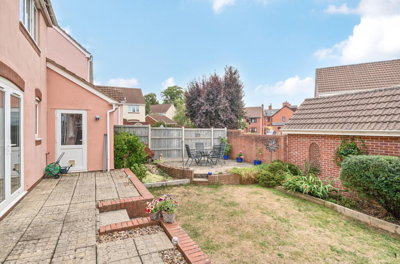
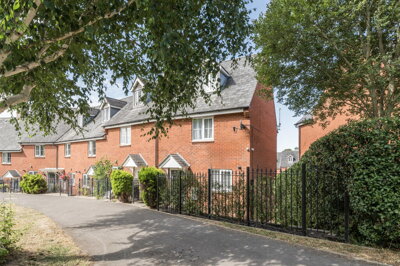
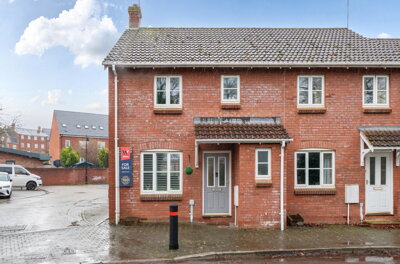
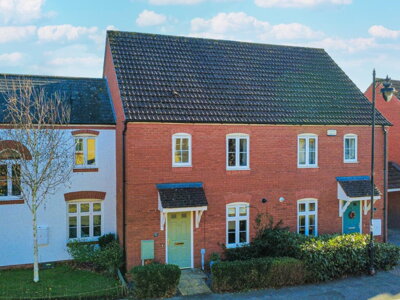
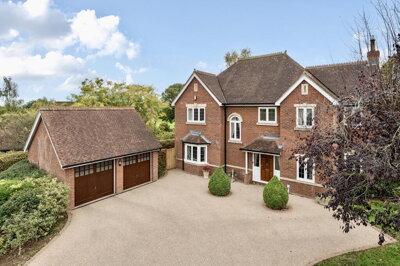
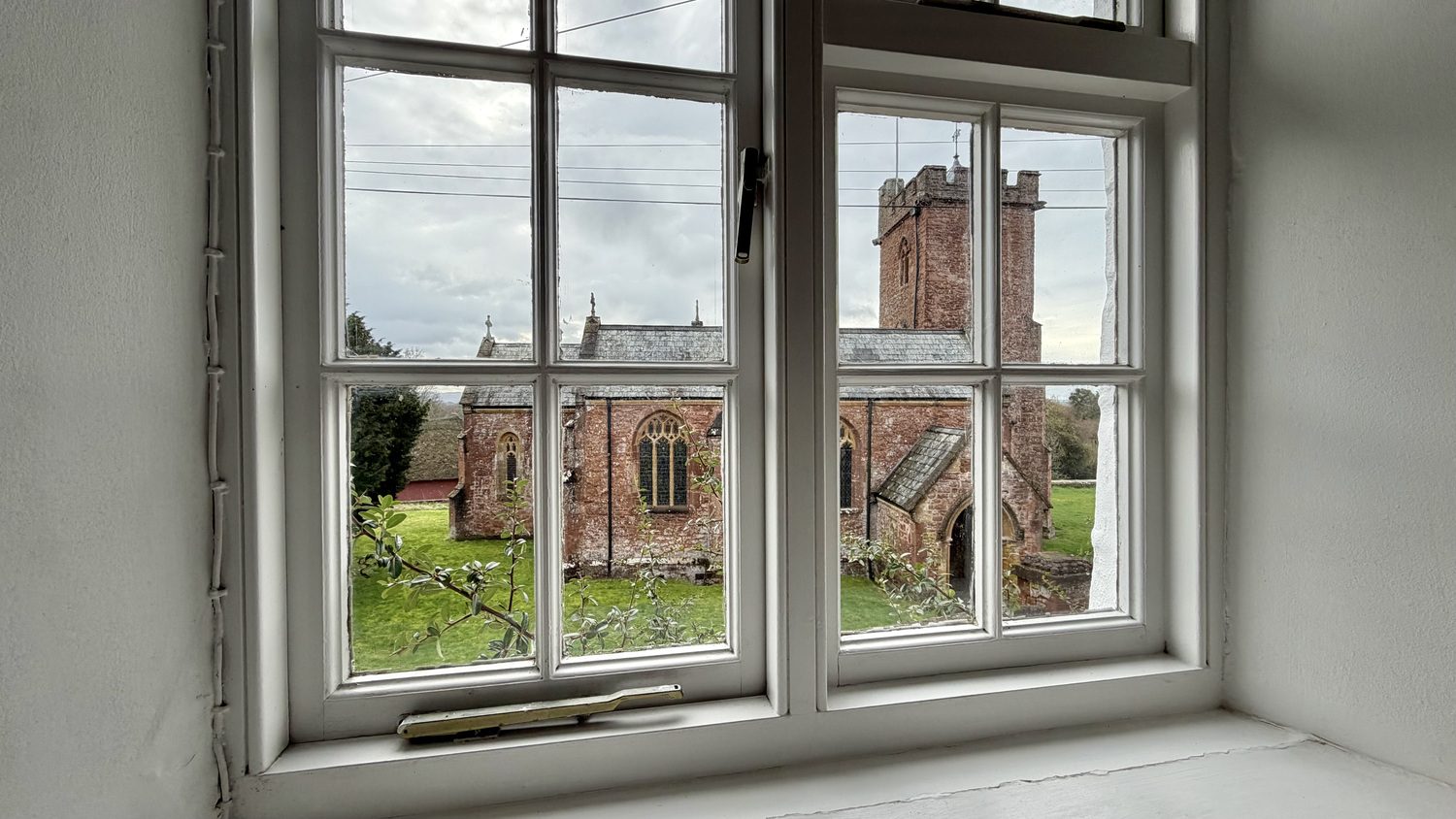
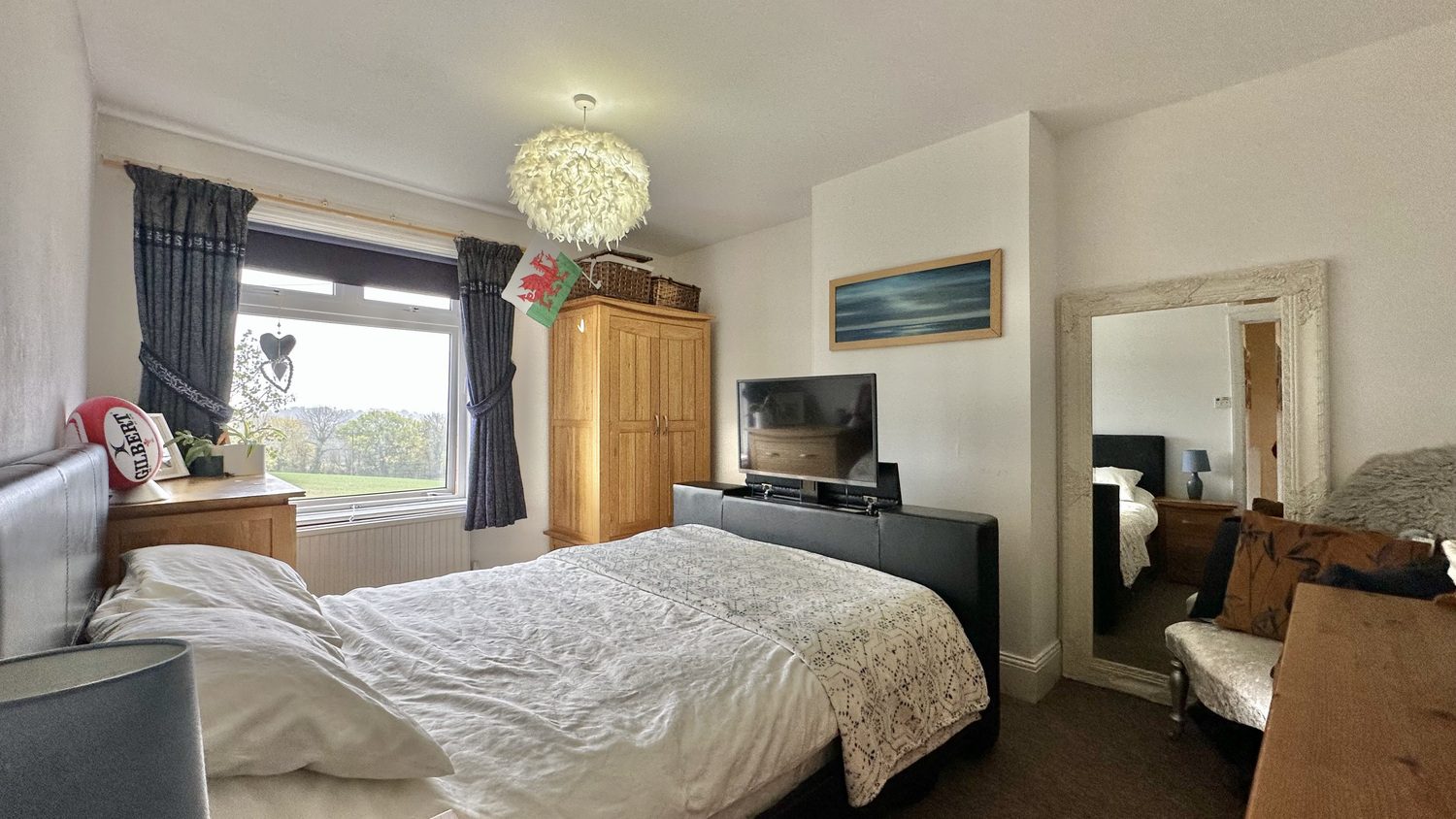
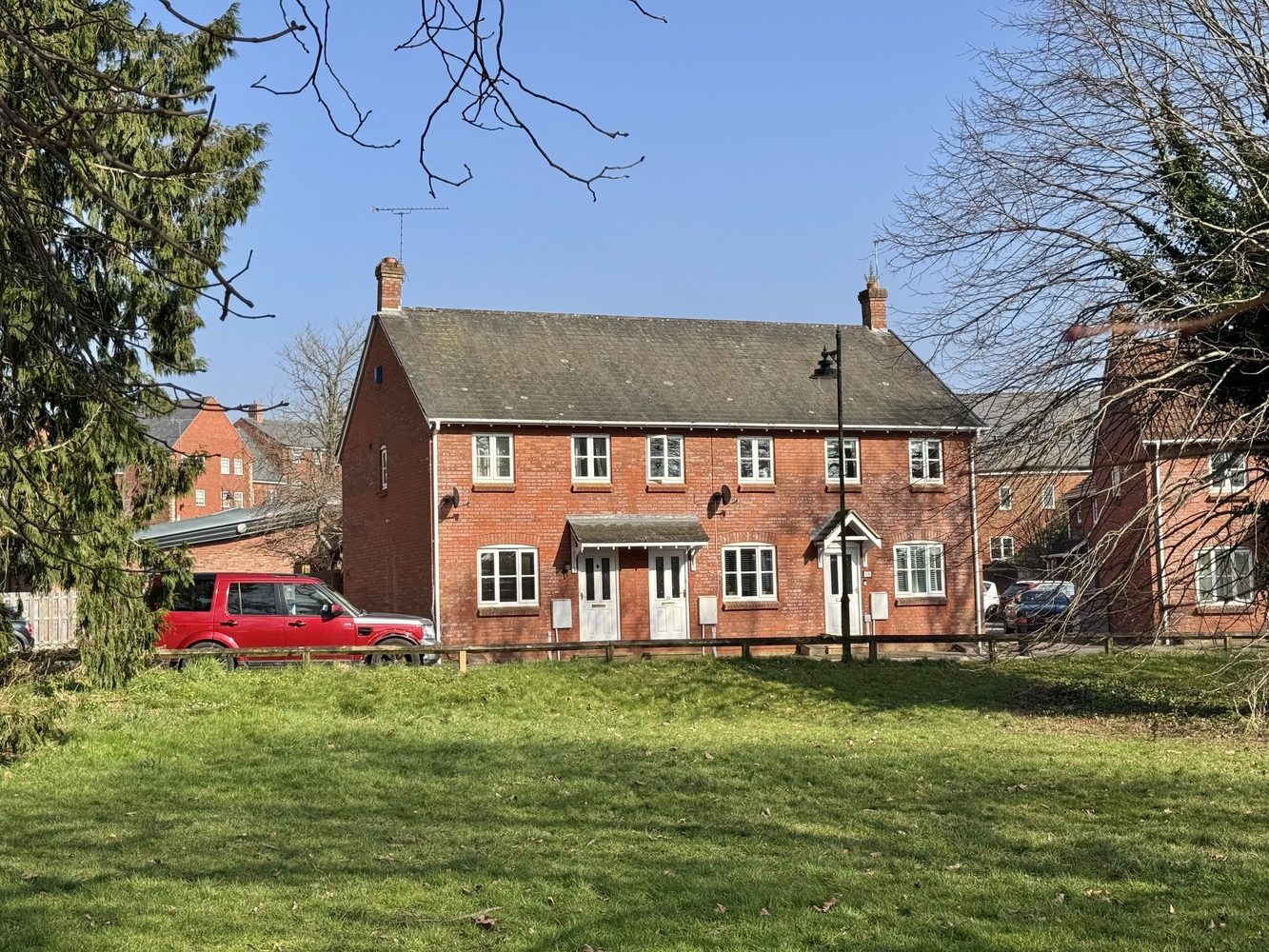
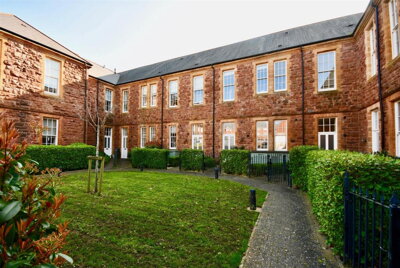
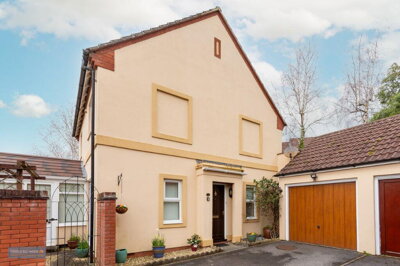
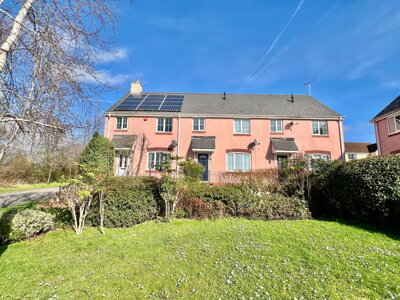
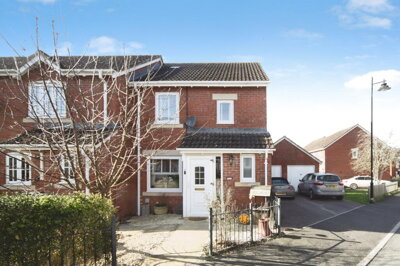
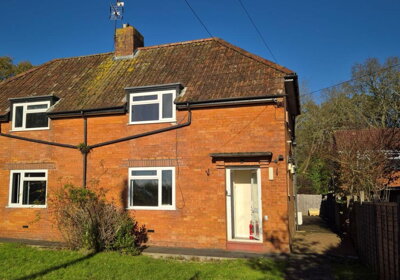
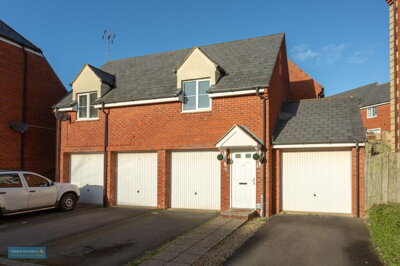
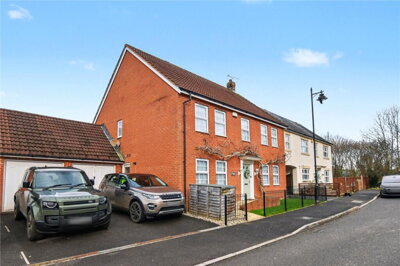
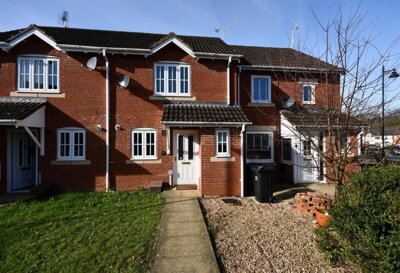
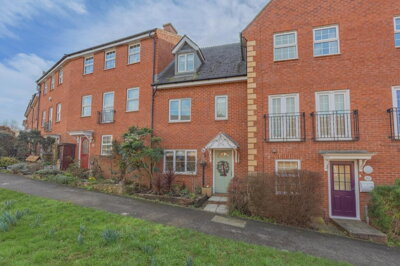
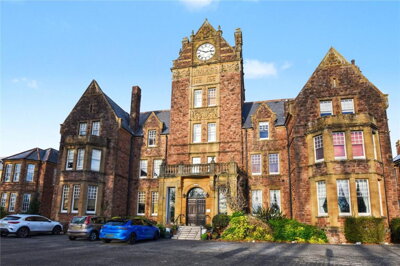
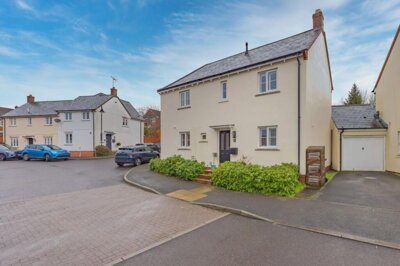
Browse 83 homes for sale in Halse, Somerset from local estate agents.
£550k
1
0
343
Source: home.co.uk
Source: home.co.uk
Bungalow
1 listings
Avg £550,000
Source: home.co.uk
Source: home.co.uk
The property market in Silton reflects the character of the village itself: traditional, sought-after, and relatively tight-knit. Detached properties command the highest prices, averaging £637,500, which speaks to the demand for generous space and privacy that country living affords. These homes often include traditional stone farmhouses with original features, substantial gardens, and outbuildings that appeal to families and those working from home. The premium attached to detached homes in Silton demonstrates that buyers are willing to invest significantly for the privilege of rural living in this particular corner of Dorset.
Semi-detached properties in Silton present a more accessible entry point to the local market, with average prices around £120,000. These homes typically offer excellent value for first-time buyers or those looking to downsize without leaving the area altogether. The village's older housing stock includes properties built with local stone, many featuring period characteristics such as exposed beams, inglenook fireplaces, and sash windows. Grade II listed cottages appear periodically on the market, offering unique opportunities for buyers who appreciate historical architecture and are prepared to navigate the considerations that come with owning a listed property.
Historical price data reveals interesting patterns in the Silton market. Overall prices are currently 63% down on the 2006 peak of £1,250,000, suggesting potential value opportunities for buyers entering the market now. On Church Road, one of Silton's main thoroughfares, prices have shown even greater variation, sitting 80% down on the 2005 peak of £1,875,000. These figures indicate that the Silton property market offers both premium opportunities for substantial period homes and relative value for buyers seeking more modest properties. Our listings include charming cottages that have been lovingly renovated while retaining their original charm, and we update our database regularly to reflect the current availability of homes for sale in Silton.

Silton embodies the classic English countryside village, sitting within the rolling hills of the Blackmore Vale. The village has a recorded history stretching back to the Domesday Book, and this heritage is visible in every aspect of the settlement. The parish church of St Nicholas dominates the local landscape, while the village hall, originally built as a school around 1886, serves as a gathering place for community events. The Harris family continues to farm at Manor Farm, maintaining the agricultural traditions that have shaped the village for centuries. Walking through Silton, you will pass traditional stone farmhouses, historic cottages, and open farmland that has remained largely unchanged for generations.
The village's small population of approximately 123 residents creates an intimate community atmosphere where neighbours know one another and local events bring people together. While Silton itself has limited commercial facilities, the surrounding area provides everything necessary for daily life. The nearby towns of Gillingham and Shaftesbury offer supermarkets, medical practices, and a range of shops, all within a short drive. The Blackmore Vale itself is renowned for its scenic beauty, with numerous footpaths and bridleways offering opportunities for walking, cycling, and enjoying the Dorset countryside. Community spirit runs strong in Silton, with residents actively involved in maintaining village facilities and organizing seasonal celebrations.
The absence of modern housing developments in Silton is a defining characteristic of the village's character. While many Dorset villages have seen their landscapes altered by new-build construction over the past two decades, Silton has remained largely unchanged. This preservation means that properties in the village represent authentic period homes rather than newer constructions, appealing to buyers who prioritise traditional architecture and historical integrity. The Inventory of Historical Monuments in Dorset, Volume 4, North includes Silton, recognising the village's significance in the county's heritage landscape. For buyers seeking a home with genuine historical weight, this lack of modern development represents a significant advantage.
Families considering a move to Silton should note that the village itself does not have a primary school due to its small size. However, the surrounding area offers several educational options within a reasonable driving distance. Primary education is available in nearby villages and towns, with schools in Gillingham and Shaftesbury serving the local population. These schools provide a community-focused education for younger children and are well-regarded within the region. Parents should research specific catchment areas and admissions criteria when considering properties in Silton, as school placements can be competitive in popular rural locations.
Secondary education options include schools in Shaftesbury and Gillingham, with good transport links connecting these towns to Silton. Gillingham School offers a comprehensive secondary education with strong academic results, while Shaftesbury School provides secondary education with a focus on the creative arts alongside traditional academic subjects. Sixth form provision is available in the larger towns nearby, offering A-level courses and vocational qualifications for older students. The journey to secondary school becomes a normal part of daily life in rural Dorset, with many communities organized around school transport routes.
The Jurassic Coast and various historical sites in Dorset provide excellent opportunities for educational outings and hands-on learning experiences that complement formal schooling. Families moving to Silton benefit from access to Dorset's rich cultural heritage, from prehistoric sites to medieval architecture. Planning ahead and understanding the local education landscape will ensure a smooth transition for families with children of school age. We recommend visiting potential schools before finalising your purchase and discussing transport arrangements with local authorities where school bus services operate.
Transport connectivity is an important consideration for anyone moving to Silton, given its rural nature. The village sits between the market towns of Gillingham and Shaftesbury, both of which offer mainline railway stations with connections to larger cities. Gillingham station provides direct services to London Waterloo, making the capital accessible for commuters who need to travel regularly for work. The journey time to London takes approximately two hours, which is manageable for those working from home most days but commuting occasionally. Many residents of Silton choose to work remotely, taking advantage of the peaceful environment for focused work while maintaining city-based employment.
Road access from Silton is via the A30 and A303, which connect the village to the wider road network across Dorset and Wiltshire. The A303 provides a direct route to the south coast and onward connections to the M3 towards London. For those who need to travel further afield, Bristol and Southampton are both accessible within approximately 90 minutes by car. Local bus services operate in the area, though frequency may be limited, making car ownership effectively essential for residents of Silton. The village's position in the Blackmore Vale means that scenic countryside drives are a feature of everyday journeys, with the rolling hills and patchwork fields providing an attractive backdrop to travel.
The geography of the Blackmore Vale creates both opportunities and considerations for transport planning. While the A303 provides excellent regional connectivity, the rural lanes connecting Silton to main roads require confident driving, particularly in adverse weather conditions. Winter travel can be more challenging in the Vale, with narrow lanes and occasional icy conditions on exposed sections. However, many residents find that the trade-off for living in such a beautiful and unspoiled location is well worth the additional considerations required for rural transport. Satellite navigation and local knowledge become valuable assets for navigating the area efficiently.
Start by exploring current listings in Silton and understanding price trends. With detached properties averaging £637,500 and semi-detached homes around £120,000, understanding what drives value in this specific location is essential. Our database includes all currently available homes for sale in Silton, and speaking with local estate agents who know the Blackmore Vale market intimately will give you an edge in this competitive niche market.
Arrange viewings of properties that match your criteria and take time to explore the village and surrounding area. Check travel times to schools, work locations, and amenities. Silton rewards those who take time to appreciate its quiet charm and community spirit. We recommend visiting at different times of day and, if possible, on different days of the week to get a genuine feel for village life before making an offer.
Before making an offer, obtain a mortgage agreement in principle from a lender. This strengthens your position as a serious buyer and helps you understand your budget clearly. Several mortgage brokers can provide tailored advice for rural property purchases, and many lenders have specialist products designed for properties in conservation areas or those with unique characteristics like period stone buildings.
Given the age of many properties in Silton, we strongly recommend a RICS Level 2 Survey before purchase. This will identify any structural issues, damp problems, or defects common in period properties. Older stone buildings may require specialist assessment, and given the Blackmore Vale's clay soils that can cause shrink-swell movement, a thorough survey is particularly important. Our survey partners understand the specific construction methods used in Dorset's traditional buildings and can provide detailed assessments.
Choose a conveyancing solicitor with experience in rural Dorset properties. They will handle searches, contracts, and legal checks specific to the area. Listed buildings may require additional due diligence regarding planning permissions and restrictions, and a solicitor familiar with Dorset properties will know what searches are particularly important in this region. We can recommend local conveyancers who understand the nuances of village property transactions.
Once all checks are satisfactory, you will exchange contracts and pay your deposit. Completion typically follows shortly after, and you will receive the keys to your new home in Silton. Our team can guide you through the final steps of the process, ensuring that everything proceeds smoothly on the day you become an official resident of this charming Dorset village.
Properties in Silton are predominantly older, with many dating from the Victorian era or earlier. Traditional stone construction using local materials is common, and these buildings often feature solid walls rather than cavity insulation. When viewing properties, pay close attention to signs of damp, which can be an issue in older buildings with solid walls and traditional lime mortar pointing. Check the condition of roofs carefully, as slate and tile coverings on period properties can show their age. The Blackmore Vale's clay soils can cause shrink-swell movement, so look for any signs of subsidence such as cracking to walls or doors and windows that no longer close properly.
Electrical and plumbing systems in older Silton properties may not meet current standards and often require updating. Rewiring a period property is a significant undertaking that requires careful planning and specialist contractors who understand how to work with traditional buildings without damaging their character. Similarly, plumbing systems in older stone buildings may use outdated materials that need replacement. When budgeting for a purchase in Silton, always include contingency funds for electrical and plumbing work that may not be immediately apparent during viewings.
If you are considering a Grade II listed property, be aware that these homes come with additional responsibilities. Listed building consent may be required for alterations and certain repairs, and materials must often match the original construction. We recommend instructing a surveyor with experience in listed properties to assess any potential issues and costs. Service charges and maintenance arrangements for shared facilities should be clarified if buying a property within a small complex. Flood risk in Silton appears minimal based on available data, but we always recommend checking official Environment Agency maps before purchase. Understanding the full implications of owning a period property will help you make an informed decision and budget appropriately for any necessary work.
The absence of cavity wall insulation in traditional stone properties means that thermal efficiency can be a concern. While lime mortar pointing allows the building to breathe, preventing moisture buildup that can damage stonework, it also means that heat retention may be lower than in modern constructions. Modern insulation solutions designed for traditional buildings are available, but these must be specified carefully to avoid trapping moisture within the walls. Our recommended surveyors will assess the overall thermal performance of any property and advise on appropriate improvements that maintain the building's structural integrity.
The average property price in Silton, Dorset, over the last year is £465,000. Detached properties command an average of £637,500, reflecting the strong demand for spacious rural homes with land and privacy in the Blackmore Vale. Semi-detached properties average around £120,000, offering a more accessible entry point to the local market. Property prices in Silton have experienced fluctuations historically, with overall prices 63% down on the 2006 peak of £1,250,000, suggesting that the market offers both premium opportunities and relative value depending on property type and condition.
Properties in Silton fall under Dorset Council's jurisdiction, and council tax bands are assigned based on property value. Most period properties in the village would typically fall within bands A through D, though specific valuations depend on the property's characteristics and recent sales. You can check the exact council tax band for any specific property through the Dorset Council website or your solicitor during the conveyancing process. As a guide, band D properties in Dorset currently pay around £1,900 to £2,100 per year, but you should verify the exact amount for your property.
Silton itself does not have a primary school due to its small population of 123 residents. The nearest primary schools are located in surrounding villages and in Gillingham and Shaftesbury, both within easy driving distance. These schools typically have good reputations and reasonable Ofsted ratings, though catchment areas can be competitive in popular rural locations. Secondary schools are available in both nearby towns, with good transport links connecting them to Silton. We recommend visiting schools in person and researching latest Ofsted reports when planning a move to the area with children.
Public transport options in Silton are limited, reflecting its status as a small rural village. Local bus services operate in the area but with limited frequency, making car ownership effectively essential for most residents. The nearest railway stations are in Gillingham and Shaftesbury, both offering direct services to London Waterloo with journey times of approximately two hours. The A303 and A30 provide road connections to the wider region, with Bristol and Southampton accessible within around 90 minutes by car. Many residents work remotely from Silton, taking advantage of the peaceful environment and reliable broadband where available.
Silton offers several factors that may appeal to property investors. The village's historic character, traditional stone properties, and position in the desirable Blackmore Vale suggest long-term appeal. Rental demand in the area tends to come from those seeking countryside living, and period cottages can command premium rents. However, the small size of the village means limited amenities and a tight property supply, which can affect liquidity. Any investment decision should consider the costs of maintaining period properties, potential listed building restrictions, and the importance of community ties in this small settlement. The lack of new-build developments in Silton means that period properties are unlikely to face competition from newer construction, which can help maintain values in the long term.
Stamp Duty Land Tax applies to all property purchases in England. For residential purchases, the current thresholds mean you pay nothing on the first £250,000 of the property value. Between £250,000 and £925,000, the rate is 5%, and above £925,000 it rises to 10% up to £1.5 million, then 12%. First-time buyers benefit from relief on the first £425,000, with 5% payable between £425,000 and £625,000. Given the average price of £465,000 in Silton, a typical buyer without first-time buyer status would pay approximately £10,750 in stamp duty, while first-time buyers would pay nothing under current relief thresholds.
The majority of properties in Silton are period homes built from traditional stone, many likely dating from the Victorian era or earlier. These homes often feature solid walls, lime mortar pointing, and original features such as exposed beams and inglenook fireplaces. While charming, period properties require ongoing maintenance and may have issues with damp, outdated electrics, or timber defects. Properties may also be listed, requiring consent for alterations. The local geology includes clay soils associated with shrink-swell movement, so a thorough survey before purchase is strongly recommended to identify any structural concerns. Our recommended surveyors understand traditional construction methods used in Dorset's period properties and can provide detailed assessments that go beyond standard inspections.
Given the village's small size with just 57 households in the civil parish, the property market in Silton is naturally limited. At any given time, there are typically only a handful of homes for sale in Silton, making the market relatively tight. This scarcity means that buyers who find a suitable property should act quickly while remaining thorough in their due diligence. Our database updates regularly to reflect the current availability of properties, and setting up property alerts can help you stay informed when new listings become available. The limited supply also means that properties in Silton rarely stay on the market for long, particularly those offering traditional stone construction and genuine character.
Buying a property in Silton involves several costs beyond the purchase price itself. Stamp Duty Land Tax is calculated on a tiered basis, with no tax payable on the first £250,000 of a residential purchase. For a typical Silton property at the average price of £465,000, a buyer without first-time buyer status would pay approximately £10,750 in stamp duty. First-time buyers benefit from increased thresholds, paying nothing on the first £425,000 and 5% on the portion between £425,000 and £625,000, meaning a first-time buyer purchasing at the average Silton price would pay no stamp duty at all under current rules.
Additional costs to budget for include solicitor fees for conveyancing, typically ranging from £800 to £2,000 depending on complexity. Survey costs are particularly important in Silton given the age of local properties, with a RICS Level 2 Survey costing from around £350 to £600 depending on property size. Removal costs, mortgage arrangement fees, and land registry charges will add further to the total. We recommend setting aside at least 3% to 5% of the property price to cover these additional costs.
Your solicitor will provide a detailed breakdown once your purchase is underway, and we can also connect you with trusted local conveyancers who understand the nuances of rural Dorset property transactions. The conveyancing process for period properties in Silton may involve additional searches related to flooding, planning history, and listed building status, which can add to the timeline and costs. Factor in these potential extras when budgeting for your purchase, particularly for Grade II listed properties where specialist surveys and additional legal work may be required.
Properties for Sale In London

Properties for Sale In Plymouth

Properties for Sale In Liverpool

Properties for Sale In Glasgow

Properties for Sale In Sheffield

Properties for Sale In Edinburgh

Properties for Sale In Coventry

Properties for Sale In Bradford

Properties for Sale In Manchester

Properties for Sale In Birmingham

Properties for Sale In Bristol

Properties for Sale In Oxford

Properties for Sale In Leicester

Properties for Sale In Newcastle

Properties for Sale In Leeds

Properties for Sale In Southampton

Properties for Sale In Cardiff

Properties for Sale In Nottingham

Properties for Sale In Norwich

Properties for Sale In Brighton

Properties for Sale In Derby

Properties for Sale In Portsmouth

Properties for Sale In Northampton

Properties for Sale In Milton Keynes

Properties for Sale In Bournemouth

Properties for Sale In Bolton

Properties for Sale In Swansea

Properties for Sale In Swindon

Properties for Sale In Peterborough

Properties for Sale In Wolverhampton

Enter your details to see if this property is within your budget.
Loans, cards, car finance
Estimated property budget
Borrowing + deposit
You could borrow between
Typical borrowing
Monthly repayment
Est. at 4.5%
Loan-to-value
This is an estimate only. Your actual budget may vary depending on interest rates, credit history, and personal circumstances. For an accurate affordability assessment, speak to one of our free mortgage advisors.
This calculator provides estimates for illustrative purposes only and does not constitute financial advice. Your home may be repossessed if you do not keep up repayments on your mortgage. Estimates based on 4.5% interest rate, repayment mortgage. Actual rates depend on your circumstances.
Homemove is a trading name of HM Haus Group Ltd (Company No. 13873779, registered in England & Wales). Homemove Mortgages Ltd (Company No. 15947693) is an Appointed Representative of TMG Direct Limited, trading as TMG Mortgage Network, which is authorised and regulated by the Financial Conduct Authority (FRN 786245). Homemove Mortgages Ltd is entered on the FCA Register as an Appointed Representative (FRN 1022429). You can check registrations at NewRegister or by calling 0800 111 6768.

We use cookies to show you personalised content and improve your experience of our website. Find out more in our Privacy policy and Cookie policy.