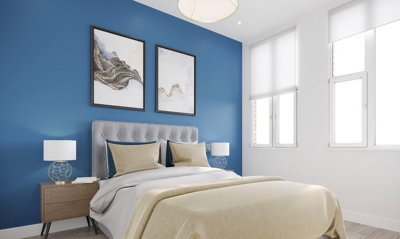
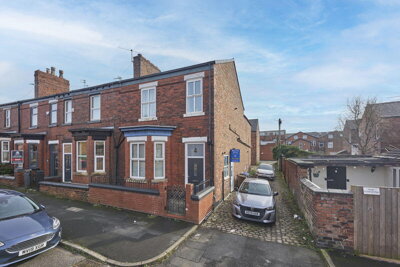
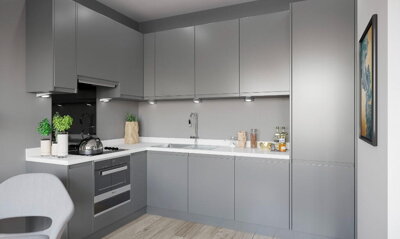
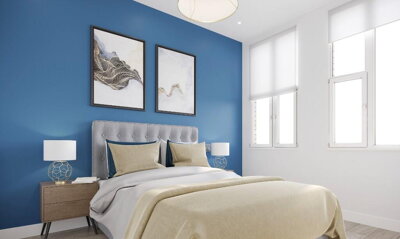
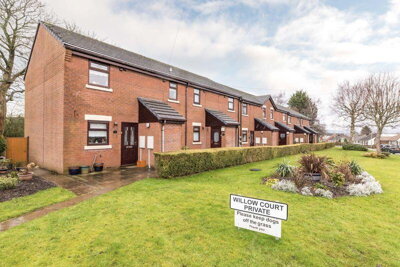
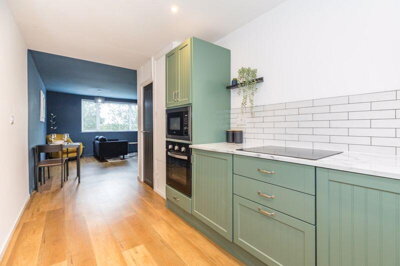
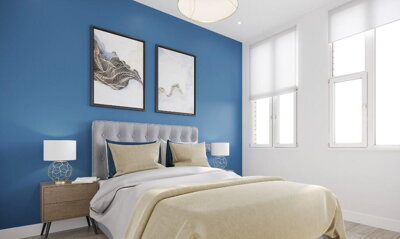
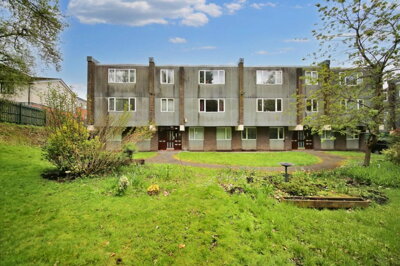
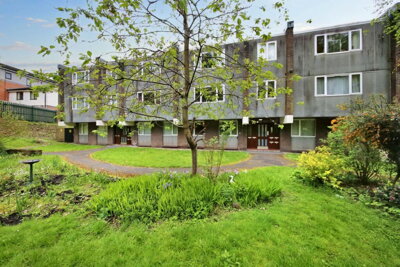
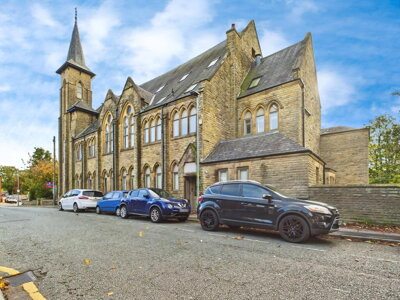
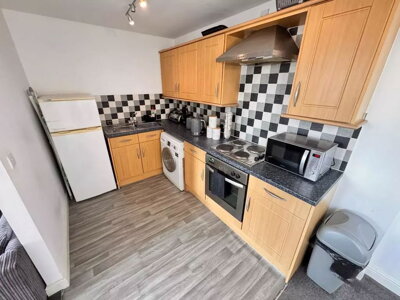
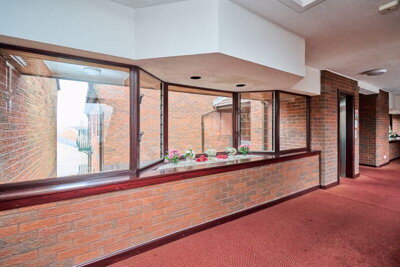
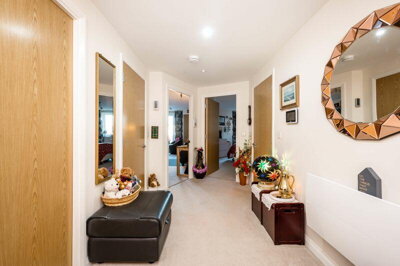
Browse 14 homes for sale in Haigh, Wigan from local estate agents.
One bed apartments provide a separate bedroom alongside distinct living space, bathroom, and kitchen areas. Properties in Haigh are available in various building types including mansion blocks, contemporary developments, and house conversions.
£0k
0
0
0
Source: home.co.uk
Showing 0 results for 1 Bedroom Flats for sale in Haigh, Wigan.
The Haigh property market offers a diverse range of housing types to suit different buyer requirements. Semi-detached properties have dominated recent sales in the area, typically selling for an average of £277,450, while terraced properties command slightly higher prices averaging around £305,000 according to Rightmove data. The village features a mix of older period properties dating back to the medieval era, Victorian and Edwardian terraces, and more modern family homes. Red brick construction is the predominant building material within the Conservation Area, with some public buildings constructed from light yellow sandstone quarried locally in the Parbold area.
The postcode area WN2 1LB shows current average property values of £233,059 as of January 2026, with prices having increased by 2.4% since October 2024. Over the past decade, the WN2 1LB sales market has grown by an impressive 48.5%, demonstrating long-term confidence in the area. While recent years have seen price corrections from the 2021 peak of £672,974, the fundamental appeal of village living in Haigh remains strong. New build activity within the specific Haigh civil parish remains limited, with most residential development occurring in the wider Wigan borough. One notable planning approval in June 2025 granted permission for a replacement dwellinghouse at 14a Haigh Road following demolition of an existing property, reflecting ongoing interest in development within the area.
The village's historic property stock reflects its industrial past, with many homes constructed using traditional methods that differ significantly from modern builds. Properties dating from the Victorian and Edwardian periods often feature simple corbelling detailing on terraced housing, original stone features, and construction techniques typical of late 19th and early 20th century builder practices. Many homes have been updated over the years with UPVC windows and doors, and some feature cladding or rendering. However, original features such as timber sash windows, stone lintels, and traditional damp-proof courses may still be found in unmodernised properties, requiring careful assessment during the buying process.

Life in Haigh offers a unique blend of rural tranquility and community spirit that appeals to families, professionals, and retirees alike. The village has grown from a population of 594 in the 2001 census to approximately 746 residents according to the 2021 census, with estimates suggesting around 1,102 residents by 2024. This steady growth reflects the increasing popularity of village living while maintaining the intimate community atmosphere that makes Haigh special. The low-density settlement character means neighbours know each other, and village events foster a strong sense of belonging that is increasingly rare in urban settings.
Haigh Woodland Park stands as the village's premier attraction, offering extensive parkland, walking trails, and recreational facilities for residents and visitors. The park provides a natural playground for children and scenic routes for dog walkers and joggers. The Leeds and Liverpool Canal passes through the village, offering additional opportunities for walking, cycling, and boating activities along its historic towpaths. The village centre features traditional architecture including the historic Balcarres Arms pub and St David Church, which dates back to the area's medieval origins. Local amenities include village shops and community facilities, while Wigan town centre with its full range of retail, dining, and entertainment options is just a short drive away.
The restoration of Haigh Hall represents a significant investment in the village's future and heritage preservation. The Grade II listed manor house, built between 1827 and 1840 using hard sandstone quarried in the Parbold area, is currently undergoing a multi-million-pound transformation. With external restoration works completed in Summer 2025, the project is now progressing to interior transformation plans as of Autumn 2025. This investment signals confidence in Haigh's future and will likely enhance the village's appeal as a place to live and visit. The Hall's grounds, once part of the historic estate, contribute to the village's distinctive character and provide a tangible connection to Haigh's aristocratic past when the local economy was driven by coal mining and iron production, including the Haigh Foundry which operated until 1885.
The Wigan borough, with a population of 334,110 in 2022 and forecast for continued growth, provides the broader economic context for Haigh residents. Employment sectors in the wider area include manufacturing and logistics, with growing opportunities in digital, creative, health, environmental, and professional services. This economic diversity supports the local housing market and provides employment options for residents without requiring lengthy commutes to Manchester or Liverpool.

Families considering a move to Haigh will find a selection of educational establishments within the local area. Primary education is served by schools in the surrounding villages of Aspull and Standish, with many children from Haigh attending these nearby facilities. The Wigan borough maintains a strong commitment to education, with Ofsted-rated good and outstanding schools available at both primary and secondary levels. Parents should research specific catchment areas, as school admissions in Wigan are based on proximity, and properties in Haigh may fall into different admission zones depending on exact location.
Secondary education options in the wider Wigan area include well-established schools with strong academic records and extensive extracurricular programmes. Wigan's secondary schools offer a range of GCSE and A-Level courses, with sixth forms providing pathways to higher education and vocational qualifications. For families seeking grammar school education, the nearby borough of Warrington offers selective admissions. Higher education facilities are accessible in Manchester and Liverpool, both reachable within 45 minutes by car, making Haigh a practical base for university students or those pursuing continuing education while maintaining village living.
The age of many properties in Haigh means that school catchment areas have been established for decades, with established community patterns determining which schools serve which addresses. Families should verify current catchment boundaries and admission policies directly with Wigan Council, as these can change and may affect which school their children would attend. The village's small population means that schools in surrounding areas are accustomed to welcoming pupils from Haigh, and many operate school bus services or have parking facilities for drop-offs and pick-ups.
Haigh benefits from excellent transport connections that make commuting to major northern cities practical and convenient. The village sits near the A49 corridor, providing direct road access to Wigan town centre and connections to the M6 motorway for travel further afield. Wigan itself offers two major railway stations: Wigan North Western and Wigan Wallgate, both providing regular services to Manchester, Liverpool, Leeds, and London Euston. Wigan North Western station sits on the West Coast Main Line, with fast trains to London taking approximately two hours, making Haigh suitable for professionals who work in the capital but prefer village living.
For those working in Manchester, direct train services from Wigan North Western reach Manchester Piccadilly in around 35-40 minutes. Liverpool Lime Street is accessible in approximately 30 minutes by train from Wigan stations. Local bus services connect Haigh with surrounding villages and Wigan town centre, providing options for those who prefer not to drive. The Leeds and Liverpool Canal towpaths offer scenic routes for cyclists and walkers, connecting Haigh with the wider canal network. Manchester Airport and Liverpool John Lennon Airport are both reachable within approximately one hour by car, making international travel accessible for residents of Haigh.
The strategic position of Haigh between Manchester and Liverpool makes it particularly attractive for commuters who work in either city. The A49 provides a direct route north to Chorley and beyond, while the M6 junction at Standish Common gives access to the national motorway network. For those who drive to work, parking provision at Wigan stations is reasonable, though peak-time spaces can fill quickly. The village's position on the Leeds and Liverpool Canal also offers an alternative commute route by bicycle or on foot for those working locally in the canal-side areas of Wigan.
Before viewing properties, obtain a mortgage agreement in principle from a lender. This strengthens your position when making offers and demonstrates to sellers that you have financing secured. Lenders will assess your income, credit history, and borrowing capacity to determine how much they can offer you.
Study recent sales data and current listings in Haigh to understand pricing trends. The area shows varied prices ranging from £171,374 for starter homes to over £400,000 for larger properties. Consider working with a local estate agent who knows the Haigh and Wigan market intimately.
When viewing homes in Haigh, remember that many properties are older with historical construction. Given the area's mining heritage and the prevalence of period properties, a RICS Level 2 survey is particularly important. Schedule viewings at different times of day to assess light, noise, and neighbour activity.
Once your offer is accepted, arrange a RICS Level 2 Homebuyer Report survey. Given Haigh's industrial heritage and mining history, this survey will check for potential subsidence issues, assess the condition of older construction materials, and identify any structural concerns with period properties. Survey costs typically range from £400-600 depending on property value.
Appoint a solicitor experienced in Wigan and Greater Manchester property transactions to handle the legal aspects of your purchase. They will conduct searches, review contracts, and manage the transfer of ownership. Budget for legal fees from £499-1,500 depending on complexity.
Once all searches are satisfactory and financing is confirmed, you will exchange contracts and pay your deposit. Completion typically follows within 2-4 weeks, after which you will receive the keys to your new Haigh home.
Property buyers considering Haigh should be aware of several area-specific factors that could affect their purchase. The village's industrial heritage means that potential mining subsidence should be investigated, particularly for older properties. While Haigh Hall itself stands on a stable plateau and is considered safe, surrounding areas have experienced ground movement. A thorough RICS Level 2 survey is essential for identifying any structural issues related to historical mining activity. Buyers should also enquire about any previous subsidence claims or remedial works carried out on properties they are considering.
As Haigh Village is a designated Conservation Area since 1976, there are planning restrictions that affect alterations, extensions, and external changes to properties. If you are purchasing a listed building or a property within the Conservation Area, you will need Listed Building Consent or Conservation Area Consent for certain works. These designations help preserve the village's character but may limit your ability to make significant changes to the property. The prevalence of period properties means buyers should assess the condition of original features such as windows, roofs, and damp-proof courses, many of which may require updating or replacement over time.
The construction of properties in Haigh varies considerably depending on age and style. Traditional red brick properties within the Conservation Area were built using methods typical of their era, with stone detailing often sourced from local quarries. Terraced properties commonly feature simple corbelling detailing and stone lintels, while larger properties may have more elaborate architectural features. Many homes have been updated with UPVC windows and doors, but unmodernised properties may retain original timber sash windows that require ongoing maintenance. The stone construction of older public buildings and listed structures uses materials that can be susceptible to weathering and may require specialist conservation work.
Several listed buildings exist within the Haigh Conservation Area, including farm buildings, cottages, and a bridge over the Leeds and Liverpool Canal. Properties within this heritage context may require specialist surveys that consider the unique construction methods and materials used. A Level 3 Building Survey may be appropriate for listed buildings or properties of unusual construction, as these provide a more detailed assessment of structural condition and recommendations for maintenance and repair. The age of the village's housing stock means that properties over 50 years old are common, making professional surveys particularly valuable for identifying potential issues before purchase.
The overall average house price in Haigh (Wigan) is £291,225 according to Rightmove data. Semi-detached properties averaged £277,450 while terraced properties sold for around £305,000. For the WN2 1LB postcode area, current values average £233,059 with prices ranging from £171,374 for three-bedroom homes to £427,100 for five-bedroom properties. While recent years have seen price corrections from the 2021 peak of £672,974, the long-term trend shows the WN2 1LB sales market has grown by 48.5% over the past decade, indicating sustained demand for village properties in this area.
Properties in Haigh fall under Wigan Metropolitan Borough Council. Council tax bands range from A to H depending on property value, with most residential homes in the village typically falling within bands A through D given the mix of period terraces and semi-detached properties. You can check the specific band for any property on the Valuation Office Agency website using the property address. The local council provides details of current rates and any applicable discounts for single occupancy or disability relief.
Haigh village has access to primary schools in surrounding areas including Aspull and Standish, with many receiving good Ofsted ratings. Secondary schools in the wider Wigan borough offer strong academic programmes, and sixth forms provide A-Level and vocational pathways. Parents should verify specific catchment areas and admission policies directly with Wigan Council, as schools in the area admit based on proximity and boundaries can change. Schools in the neighbouring borough of Warrington offer grammar school options for families seeking selective education.
Haigh has reasonable public transport connections through local bus services linking the village with Wigan town centre and surrounding communities. Wigan's two mainline railway stations offer regular services to Manchester, Liverpool, Leeds, and London, with direct trains to Manchester Piccadilly taking approximately 35-40 minutes and Liverpool Lime Street around 30 minutes away. The nearest major airport is Manchester, reachable within one hour by car, though Liverpool John Lennon Airport is also accessible for international travel.
Haigh offers potential for property investment given its village character, Conservation Area status, and proximity to major employment centres in Manchester and Liverpool. Property values in WN2 1LB have increased by 48.5% over the past decade, and the ongoing restoration of Haigh Hall may support future values. However, buyers should take a medium to long-term view given recent price corrections from the 2021 peak. Individual property conditions vary considerably, particularly given the mining heritage and age of the housing stock, so thorough surveys are essential before purchase. The village's limited new build supply suggests existing properties will remain the primary option for buyers seeking village living in this area.
Stamp Duty Land Tax rates for standard buyers start at 0% on properties up to £250,000, rising to 5% on the portion between £250,001 and £925,000. First-time buyers benefit from relief on properties up to £425,000 at 0%, with 5% charged between £425,001 and £625,000. No relief applies above £625,000. For example, a typical Haigh property at the average price of £291,225 would incur no stamp duty for a first-time buyer but £2,061 for a subsequent buyer purchasing without first-time buyer relief.
Specific flood risk data for Haigh village was not detailed in available research, though the Leeds and Liverpool Canal passes through the area and buyers should enquire about drainage and surface water considerations for specific properties. The village sits on a plateau rising towards the east and north, which may affect water drainage patterns in lower-lying areas. A thorough property survey will identify any potential water-related issues, and the Environment Agency website provides flood risk mapping that can be reviewed for individual addresses before purchase. Local knowledge from neighbours and previous owners can also provide valuable insights into any historical water management issues.
Haigh has a significant industrial heritage in coal mining and iron production, with the Haigh Foundry operating until 1885. Historical mining activity in the surrounding area has caused some ground movement, as evidenced by the slight outward lean of Haigh Hall's walls. However, Haigh Hall itself stands on a stable plateau and is considered safe. When purchasing older properties in Haigh, particularly those built before the 20th century, a RICS Level 2 survey should investigate potential subsidence issues, foundation conditions, and any signs of structural movement. Enquiring about previous subsidence claims, insurance policies, or remedial works on the property is advisable before proceeding with purchase.
From 4.5%
Expert mortgage advice and competitive rates for your Haigh property purchase
From £499
Conveyancing solicitors experienced in Wigan and Greater Manchester property transactions
From £455
Professional home survey checking for structural issues, subsidence, and property condition
From £85
Energy Performance Certificate required for all property sales
Understanding the full costs of buying property in Haigh is essential for budgeting effectively. The Stamp Duty Land Tax (SDLT) you pay depends on your buyer status and the property price. Standard buyers pay 0% on the first £250,000, 5% on the portion from £250,001 to £925,000, 10% from £925,001 to £1.5 million, and 12% above £1.5 million. For a typical Haigh property at the current average of £291,225, a standard buyer would pay £2,061 in stamp duty. First-time buyers benefit from increased thresholds, paying nothing on properties up to £425,000 and 5% on the portion between £425,001 and £625,000.
Beyond stamp duty, you should budget for solicitor conveyancing costs ranging from £499 for basic transactions to £1,500 or more for complex purchases or leasehold properties. A RICS Level 2 survey typically costs between £400 and £600 for properties in the Haigh price range, while an Energy Performance Certificate costs from £85. If you require a mortgage, arrangement fees typically range from 0% to 1.5% of the loan amount, and you may need to pay for a valuation survey arranged by your lender. Buildings insurance should be in place from completion day, typically costing £150-400 annually for a standard family home.
Additional costs to factor in include removal expenses, potential decorator and refurbishment costs, and a contingency fund of at least 5% of the purchase price for unexpected issues that may arise with period properties. Given that many properties in Haigh are older and within a Conservation Area, buyers should budget for potential costs related to maintaining heritage features or obtaining necessary consents for alterations. Properties that have not been updated in recent years may require investment in heating systems, electrical rewiring, or roof repairs, all of which should be considered when assessing the true cost of purchase.
Properties for Sale In London

Properties for Sale In Plymouth

Properties for Sale In Liverpool

Properties for Sale In Glasgow

Properties for Sale In Sheffield

Properties for Sale In Edinburgh

Properties for Sale In Coventry

Properties for Sale In Bradford

Properties for Sale In Manchester

Properties for Sale In Birmingham

Properties for Sale In Bristol

Properties for Sale In Oxford

Properties for Sale In Leicester

Properties for Sale In Newcastle

Properties for Sale In Leeds

Properties for Sale In Southampton

Properties for Sale In Cardiff

Properties for Sale In Nottingham

Properties for Sale In Norwich

Properties for Sale In Brighton

Properties for Sale In Derby

Properties for Sale In Portsmouth

Properties for Sale In Northampton

Properties for Sale In Milton Keynes

Properties for Sale In Bournemouth

Properties for Sale In Bolton

Properties for Sale In Swansea

Properties for Sale In Swindon

Properties for Sale In Peterborough

Properties for Sale In Wolverhampton

Enter your details to see if this property is within your budget.
Loans, cards, car finance
Estimated property budget
Borrowing + deposit
You could borrow between
Typical borrowing
Monthly repayment
Est. at 4.5%
Loan-to-value
This is an estimate only. Your actual budget may vary depending on interest rates, credit history, and personal circumstances. For an accurate affordability assessment, speak to one of our free mortgage advisors.
This calculator provides estimates for illustrative purposes only and does not constitute financial advice. Your home may be repossessed if you do not keep up repayments on your mortgage. Estimates based on 4.5% interest rate, repayment mortgage. Actual rates depend on your circumstances.
Homemove is a trading name of HM Haus Group Ltd (Company No. 13873779, registered in England & Wales). Homemove Mortgages Ltd (Company No. 15947693) is an Appointed Representative of TMG Direct Limited, trading as TMG Mortgage Network, which is authorised and regulated by the Financial Conduct Authority (FRN 786245). Homemove Mortgages Ltd is entered on the FCA Register as an Appointed Representative (FRN 1022429). You can check registrations at NewRegister or by calling 0800 111 6768.

We use cookies to show you personalised content and improve your experience of our website. Find out more in our Privacy policy and Cookie policy.