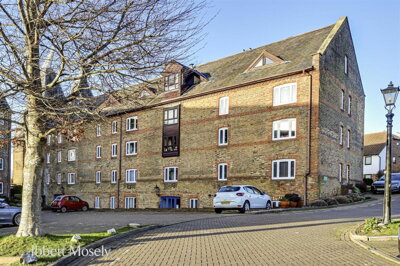
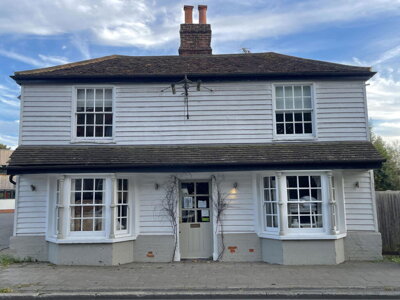
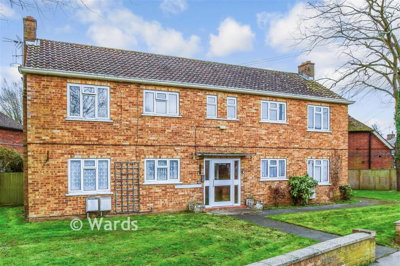
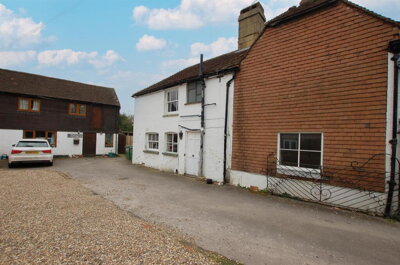
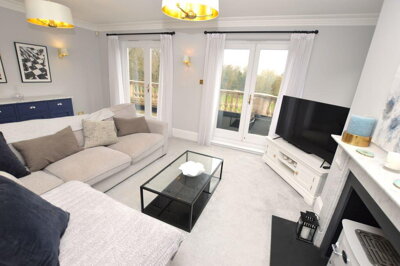
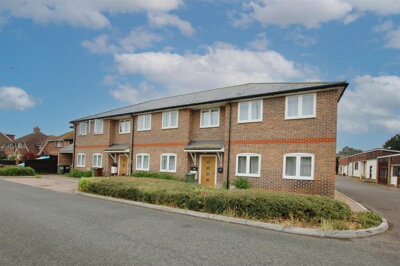
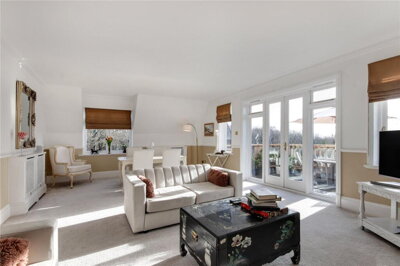
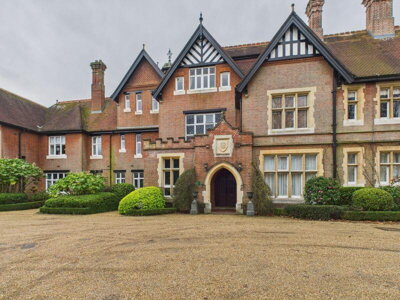
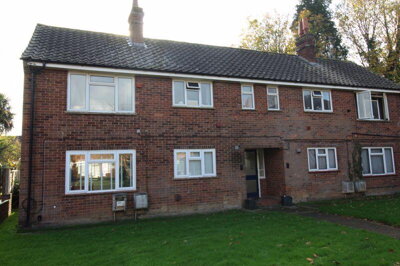
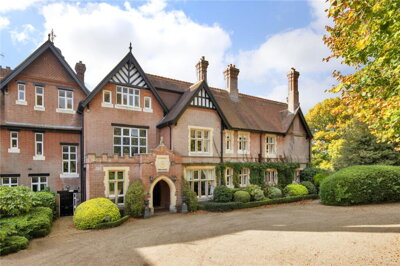
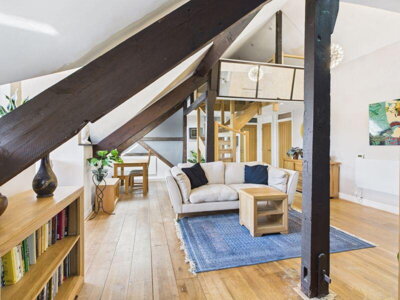
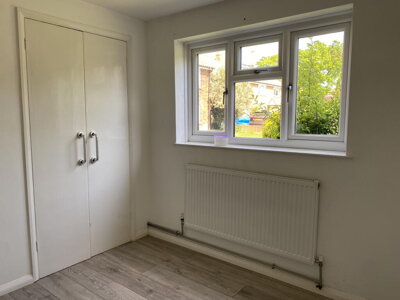
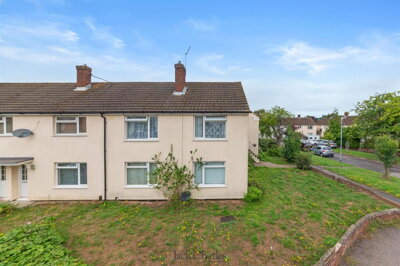
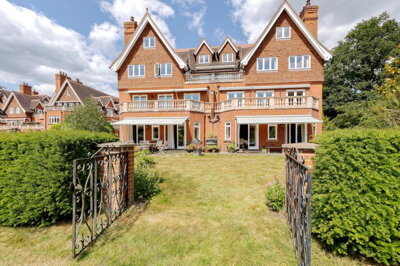
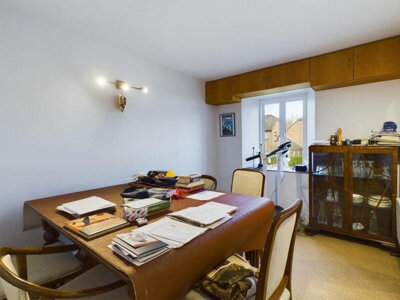
Browse 17 homes for sale in Hadlow, Tonbridge and Malling from local estate agents.
Studio apartments feature open-plan living spaces without separate bedrooms, incorporating sleeping, living, kitchen, and bathroom facilities. The Hadlow studio market includes properties in modern apartment complexes, converted Victorian and Georgian buildings, and purpose-built developments.
£425k
1
0
132
Source: home.co.uk
Showing 1 results for Studio Flats for sale in Hadlow, Tonbridge and Malling. The median asking price is £425,000.
Source: home.co.uk
Flat
1 listings
Avg £425,000
Source: home.co.uk
Source: home.co.uk
The Hertfordshire property market demonstrates remarkable diversity across its various towns and neighbourhoods. Detached properties command the highest prices, with averages reaching £864,499, making them particularly popular with families seeking generous garden space and multiple reception rooms. Semi-detached homes, averaging £585,966, represent the traditional backbone of suburban Hertfordshire, offering excellent value for those needing good school catchment areas and convenient commuter access to London terminals.
Terraced properties have proven particularly active in the market, accounting for 32.9% of all sales volume over the past year. These homes, averaging £447,420, attract first-time buyers and young families drawn to characterful period properties in towns like St Albans, Hitchin, and Broxbourne. Flats comprise 24.1% of sales and offer more accessible entry points to the Hertfordshire market, with average prices around £282,332, though values vary significantly between urban centres like Watford and Hemel Hempstead and rural conversion apartments in picturesque villages such as codicote and Kimpton.
New build activity continues to reshape parts of Hertfordshire, with developers including Taylor Wimpey, David Wilson Homes, Croudace Homes, and Linden Homes delivering contemporary properties across the county. Croudace Homes currently offers properties at Warwick Place and Weavers Gate in Codicote, while David Wilson Homes has developments in Hertford, Hemel Hempstead, Berkhamsted, Bushey, and Sawbridgeworth. Newly built homes in Hertfordshire have seen impressive price growth of 12% over the past twelve months, averaging £596,000, reflecting strong demand for modern construction with energy-efficient features and developer warranties. Current market conditions show prices have softened by approximately 2% compared to the 2022 peak of £544,035, potentially creating opportunities for buyers who act decisively on well-priced properties.

Hertfordshire is home to approximately 1.24 million residents across nearly 483,000 households, with an impressive 89% of the population residing in urban areas that occupy roughly one-third of the county's total land area. This settlement pattern means residents enjoy excellent access to town centre amenities while benefiting from abundant green spaces, country parks, and rural landscapes that give Hertfordshire its distinctive character. The county's population has grown steadily over recent decades, driven by London commuters seeking more spacious homes and families attracted by the outstanding quality of life on offer here.
The county's character varies dramatically across its towns and villages, from the bustling commercial centres of Watford and Stevenage to the elegant Georgian and Victorian streetscapes of St Albans, which holds Roman heritage as one of Britain's oldest continuously occupied settlements. Historic market towns like Hertford and Bishop's Stortford offer characterful high streets with independent shops, traditional pubs, and weekly markets, while commuter villages such as Radlett, Shenley, and Berkhamsted provide village atmospheres with excellent rail connections to the capital. The post-war new towns of Stevenage and Hemel Hempstead offer more modern housing estates with planned amenities, while the garden city tradition of Letchworth continues to influence development in that area.
Daily life in Hertfordshire benefits from strong community ties visible in well-supported local events, farmers markets, and village societies that thrive despite the county's proximity to London. Residents enjoy exceptional access to leisure facilities including country parks at venues like Tyttenhanger and Therfield, championship golf courses, and cultural attractions including the Roman Verulamium museum in St Albans and historic houses at Hatfield and Knebworth. The county hosts numerous outstanding pubs and restaurants, from gastro establishments in converted watermills to traditional inns serving real ale and hearty British fare, ensuring evenings and weekends offer rich experiences beyond the home.

Hertfordshire maintains a strong educational reputation with numerous primary and secondary schools that consistently achieve above-average results in national assessments. Parents searching for homes in the county can access detailed information about school performance through Ofsted reports, with notable primary schools serving communities including St Albans, Harpenden, Hitchin, and Letchworth. Secondary education options include highly sought-after grammar schools in locations such as St Albans Girls' School, Dame Alice Owen's in Potters Bar, and Queen Elizabeth's in Barnet, though competition for places can be intense and catchment areas significantly influence property values in nearby streets.
The county supports several well-regarded independent schools including St Albans School, Haileybury in Hertford, and St Edmund's College near Ware, attracting families willing to invest in private education across the county's more affluent postcodes. Post-16 education is well-served through sixth forms at selective grammar schools and comprehensive schools, along with dedicated sixth form colleges including the highly regarded St Albans School Sixth Form and Hitchin Boys' School Sixth Form. Further education opportunities include Oaklands College with campuses in St Albans and Welwyn Garden City, offering vocational and academic courses supporting diverse career pathways for young people across the county.
Parents considering property purchases in Hertfordshire should research specific school catchment areas carefully, as admission policies often operate on distance-based criteria that can change annually based on demand. The county's varied geography means some properties may fall into complex overlapping catchment areas requiring careful verification before purchase. Many families prioritise properties within walking distance of consistently high-performing primary schools, knowing these homes typically maintain strong resale values and attract continued interest from buyers with children. Estate agents frequently highlight school proximity as a key selling feature, and viewing properties during school drop-off or pick-up times can provide valuable insights into neighbourhood demographics and community atmosphere.
Hertfordshire boasts exceptional transport connectivity that makes commuting to London and other major employment centres straightforward for residents. The county sits at the intersection of several major motorways including the M1, providing direct access to London and the North, the M25 encircling Greater London, the A1(M) connecting the county to the North, and the A10 running to Cambridge. This road network means most Hertfordshire towns offer convenient access to national destinations, though rush-hour traffic on routes like the A414 through Hatfield and Hertford can be significant during peak periods. The A10 around Cheshunt and Royston has also been known to flood during heavy rainfall, so buyers should factor these considerations into their location choices.
Rail services from Hertfordshire stations provide frequent and fast connections to London, with journey times varying considerably depending on your specific location. St Albans offers Thameslink services reaching London St Pancras International in approximately 25 minutes, while stations at Hitchin and Stevenage provide Great Northern services to King's Cross. The Lea Valley line serves towns including Broxbourne, Cheshunt, and Bishop's Stortford with direct services to Liverpool Street, making these areas particularly popular with City workers seeking more affordable home options than central London provides.
Local bus services operated by Intalink and other providers connect Hertfordshire towns and villages, though frequencies vary significantly between urban and rural areas. Cycling infrastructure has expanded in recent years, with dedicated routes connecting towns like St Albans to surrounding villages and rail stations with secure cycle parking facilities. For residents working in Cambridge or Oxford, the county's strategic position provides convenient access to these knowledge-intensive clusters via the A10 and M1 respectively, making Hertfordshire increasingly attractive to workers in multiple employment markets beyond London.
Explore Hertfordshire's diverse towns and villages to identify locations matching your priorities for commute times, school quality, and lifestyle. Consider whether the character of St Albans, the value in Stevenage, or the village atmosphere of places like Wheathampstead best suits your needs. Each area has distinct characteristics, from the Victorian terraces of Harpenden to the new-build estates around Hemel Hempstead.
Contact lenders or brokers to obtain a mortgage agreement in principle before viewing properties. This strengthens your position when making offers and demonstrates to sellers that you have financing secured, which is particularly important in competitive Hertfordshire markets where well-presented properties can attract multiple bids.
Schedule viewings of shortlisted properties, ideally at different times of day to assess traffic, noise levels, and neighbourhood atmosphere. Pay particular attention to the property's condition and note any signs of damp, structural movement, or maintenance concerns that might require further investigation by a qualified surveyor.
Commission a thorough survey before completing your purchase. Given Hertfordshire's susceptibility to subsidence from London Clay, a Level 2 Survey is essential for identifying potential foundation issues, cracks, or other defects that may not be visible during viewings. Our inspectors frequently identify subsidence damage in properties across St Albans, Hatfield, and Potters Bar where clay soils cause foundation movement.
Choose a solicitor or licensed conveyancer to handle the legal aspects of your purchase. They will conduct searches including local authority, drainage, and environmental checks specific to Hertfordshire's geology and flood risk areas, including the River Lea and River Stort corridors where fluvial flooding remains a concern.
Once all searches are satisfactory and your mortgage offer is confirmed, you will exchange contracts and pay your deposit. Completion typically follows within days or weeks, at which point you will receive your keys and can move into your new Hertfordshire home.
Prospective buyers in Hertfordshire should pay particular attention to subsidence risks, as the county's underlying London Clay geology makes properties susceptible to ground movement, especially during extended dry periods. Look carefully for signs of structural stress including cracking in walls, ceilings, or external brickwork, and check whether doors and windows stick or fail to close properly, as these can indicate foundation issues. Properties in areas including St Albans, Hatfield, and Potters Bar require careful structural assessment, and a thorough RICS Level 2 Survey will identify any concerns requiring attention before purchase.
Flood risk varies considerably across different parts of Hertfordshire, with significant concerns along the River Lea and River Stort corridors affecting towns including Hertford, Ware, Stanstead Abbotts, and Bishop's Stortford. Surface water flooding has been documented in multiple communities including Stevenage, Much Hadham, and Buntingford, while groundwater flooding affects areas around Kimpton, Lilley Bottom, and Flamstead. Stevenage faces particular challenges, with regular flooding at the junction of London Road, Stevenage Road, and Hertford Road near Broadwater, as well as at Old Mill Road and the junction between Shephall Way and Hydean Way. Postcodes SG14 3 and SG12 8 have recorded significant sewer flooding incidents, and your solicitor should conduct appropriate drainage and environmental searches for the specific postcode you are purchasing in.
Understanding local planning constraints is essential when purchasing in Hertfordshire, as conservation areas and listed buildings may impose restrictions on alterations, extensions, or even exterior paint colours. The county's various district councils maintain distinct planning policies governing density, design, and permitted development rights, which can significantly affect how you may modify a property in future. Leasehold properties, which are common for flats in towns like Watford and Stevenage, require careful scrutiny of remaining lease terms, ground rent arrangements, and service charge levels before committing to purchase. In Hemel Hempstead specifically, historic chalk mines beneath residential areas were stabilised in 2015, and while they now pose minimal risk, local searches will confirm whether any residual obligations affect your property.
The average property price in Hertfordshire currently stands at £530,000, with a median price of £450,000. Property prices vary significantly by type, with detached homes averaging £864,499, semi-detached properties around £585,966, terraced homes at approximately £447,420, and flats averaging £282,332. The market has softened by approximately 2% over the past twelve months following the 2022 peak of £544,035, creating potential opportunities for buyers in certain segments.
Council tax bands in Hertfordshire vary by property and range from Band A for lower-value homes to Band H for the most expensive properties. The specific band depends on your property's assessed value as of April 1991, and Hertfordshire residents pay rates set by their respective district or borough council. You can check the exact council tax band for any Hertfordshire property through the Valuation Office Agency website using the property address, and this information should be confirmed during the conveyancing process alongside the applicable local authority for your area.
Hertfordshire offers numerous excellent schools, including highly sought-after grammar schools such as St Albans Girls' School, Dame Alice Owen's in Potters Bar, and Queen Elizabeth's in Barnet. Outstanding primary schools are distributed throughout the county, with particularly strong options in St Albans, Harpenden, Hitchin, and villages with village schools. Independent options include St Albans School, Haileybury in Hertford, and St Edmund's College near Ware, while further education is available at Oaklands College campuses in St Albans and Welwyn Garden City. Parents should research specific catchment areas, as admission policies can significantly impact which schools serve a particular property address.
Hertfordshire benefits from excellent rail connections to London and beyond, with stations offering services to multiple London terminals including King's Cross, St Pancras, and Liverpool Street. St Albans provides Thameslink access to St Pancras in around 25 minutes, while the Lea Valley line serves Cheshunt, Broxbourne, and Bishop's Stortford with direct services to Liverpool Street, making these areas particularly attractive to City commuters. The county is also well-served by bus services through operators including Intalink, providing connections between towns and villages throughout the area, and cycling infrastructure has expanded with dedicated routes connecting St Albans to surrounding villages and rail stations.
Hertfordshire has historically demonstrated strong property value resilience due to its proximity to London, excellent transport links, and consistently high demand from buyers seeking quality-of-life improvements over central London living. The 12.5% decline in transaction volumes suggests a cooling market, which may present buying opportunities for long-term investors. Rental demand remains robust in towns with strong commuter links such as St Albans, Bishop's Stortford, and Berkhamsted, though investors should factor in potential flood risk and subsidence concerns that can affect insurance costs and future saleability in certain postcodes.
Stamp Duty Land Tax applies based on your property purchase price and buyer status. Standard rates are 0% on the first £250,000, 5% on £250,001 to £925,000, 10% on £925,001 to £1.5 million, and 12% on amounts exceeding £1.5 million. First-time buyers benefit from relief on the first £425,000 of properties up to £625,000. For example, a first-time buyer purchasing a Hertfordshire home at the county average price of £530,000 would pay £5,250 in stamp duty after their nil-rate threshold, while a standard buyer would pay £14,000.
Hertfordshire faces multiple flood risk sources that buyers should investigate before purchasing. Fluvial flood risk along the River Lea and River Stort corridors affects Hertford, Ware, Stanstead Abbotts, and Bishop's Stortford, while surface water flooding has been recorded in Bishop's Stortford, Hertford, Much Hadham, Walkern, and Buntingford. Groundwater flooding affects areas around Kimpton and Flamstead, and sewer flooding incidents have been documented in postcodes SG14 3 and SG12 8. Your solicitor should conduct appropriate drainage and environmental searches specific to the property's postcode before completion.
Purchasing a property in Hertfordshire involves several costs beyond the purchase price that buyers should budget for carefully. Stamp Duty Land Tax represents the largest additional expense, with standard rates applying 0% to the first £250,000 of property value, 5% between £250,001 and £925,000, 10% on the next portion up to £1.5 million, and 12% on any remaining value. For a typical Hertfordshire home priced at the county average of £530,000, a standard buyer would pay £14,000 in stamp duty, while a first-time buyer benefiting from the increased threshold would pay £5,250. Properties priced above £1.5 million incur the highest rates and represent a significant additional cost that must be factored into your budget calculations.
Survey costs are essential investments that can save buyers significant sums by identifying property defects before purchase. The average cost of a RICS Level 2 Survey in Hertfordshire is £498.95, though prices typically range from £400 to £1,000 depending on property size, value, and construction type. Properties built before 1900 may incur a 20-40% premium due to their complexity, while non-standard construction methods add a further 15-30% to survey costs. Given Hertfordshire's susceptibility to subsidence from London Clay and the prevalence of older properties with potential structural concerns, skipping this expense would be a false economy.
Conveyancing fees for Hertfordshire property purchases typically start from around £499 for basic legal work, though more complex transactions involving leasehold properties, new builds, or properties in designated areas may cost considerably more. Your solicitor will conduct various searches including local authority checks, drainage and water searches, and environmental searches that investigate potential flood risks and contamination issues specific to Hertfordshire's varied geography. Mortgage arrangement fees vary by lender but typically range from zero to around £2,000, and moving costs including removal services, disconnection and reconnection of utilities, and potential storage should also be factored into your overall budget when calculating what you can afford to spend on your Hertfordshire home.
From £400
A detailed inspection of the property's condition, essential for identifying subsidence risks from London Clay and other defects common in Hertfordshire homes.
From £600
A comprehensive building survey recommended for older, unique, or converted properties including listed buildings in Hertfordshire's conservation areas.
From £80
Energy Performance Certificate required for all property sales, providing efficiency ratings for Hertfordshire homes.
From £499
Legal services for your Hertfordshire property purchase, including local authority, drainage, and environmental searches.
From 4.5% APR
Expert mortgage advice tailored to your Hertfordshire property purchase with competitive rates available.
Properties for Sale In London

Properties for Sale In Plymouth

Properties for Sale In Liverpool

Properties for Sale In Glasgow

Properties for Sale In Sheffield

Properties for Sale In Edinburgh

Properties for Sale In Coventry

Properties for Sale In Bradford

Properties for Sale In Manchester

Properties for Sale In Birmingham

Properties for Sale In Bristol

Properties for Sale In Oxford

Properties for Sale In Leicester

Properties for Sale In Newcastle

Properties for Sale In Leeds

Properties for Sale In Southampton

Properties for Sale In Cardiff

Properties for Sale In Nottingham

Properties for Sale In Norwich

Properties for Sale In Brighton

Properties for Sale In Derby

Properties for Sale In Portsmouth

Properties for Sale In Northampton

Properties for Sale In Milton Keynes

Properties for Sale In Bournemouth

Properties for Sale In Bolton

Properties for Sale In Swansea

Properties for Sale In Swindon

Properties for Sale In Peterborough

Properties for Sale In Wolverhampton

Enter your details to see if this property is within your budget.
Loans, cards, car finance
Estimated property budget
Borrowing + deposit
You could borrow between
Typical borrowing
Monthly repayment
Est. at 4.5%
Loan-to-value
This is an estimate only. Your actual budget may vary depending on interest rates, credit history, and personal circumstances. For an accurate affordability assessment, speak to one of our free mortgage advisors.
This calculator provides estimates for illustrative purposes only and does not constitute financial advice. Your home may be repossessed if you do not keep up repayments on your mortgage. Estimates based on 4.5% interest rate, repayment mortgage. Actual rates depend on your circumstances.
Homemove is a trading name of HM Haus Group Ltd (Company No. 13873779, registered in England & Wales). Homemove Mortgages Ltd (Company No. 15947693) is an Appointed Representative of TMG Direct Limited, trading as TMG Mortgage Network, which is authorised and regulated by the Financial Conduct Authority (FRN 786245). Homemove Mortgages Ltd is entered on the FCA Register as an Appointed Representative (FRN 1022429). You can check registrations at NewRegister or by calling 0800 111 6768.

We use cookies to show you personalised content and improve your experience of our website. Find out more in our Privacy policy and Cookie policy.