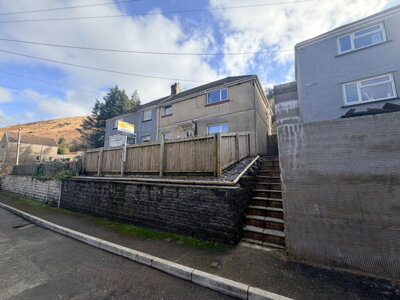
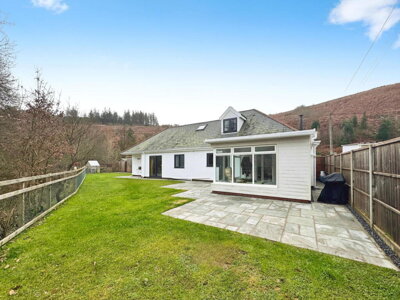
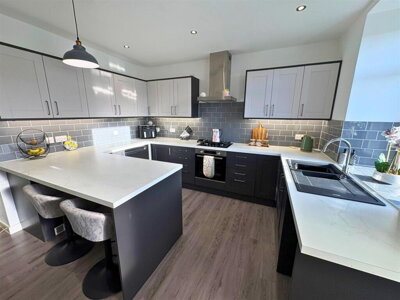
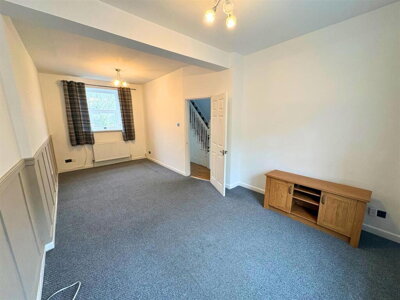
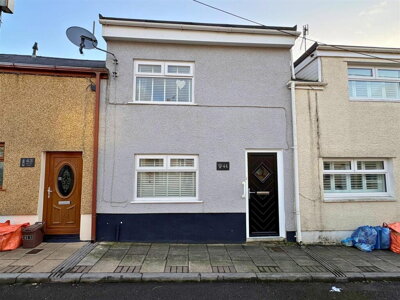
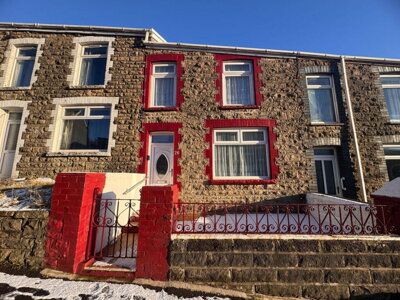
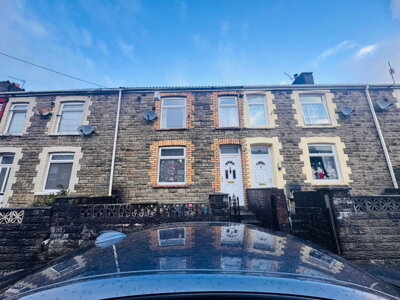
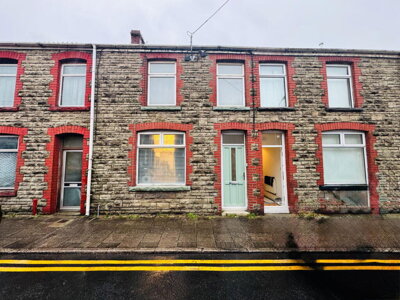
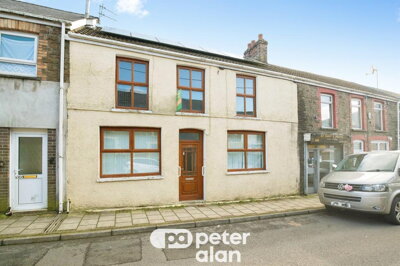
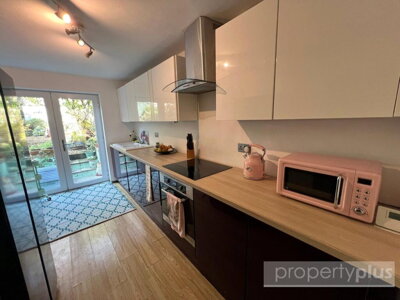
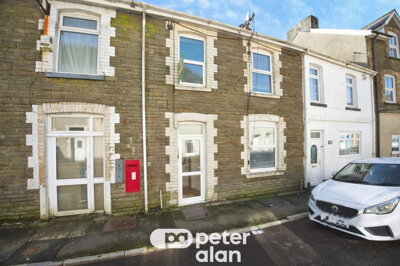
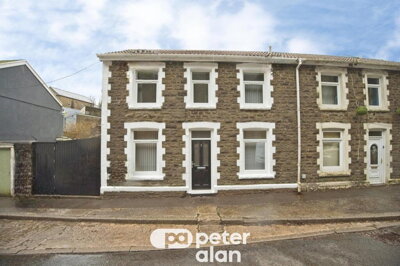
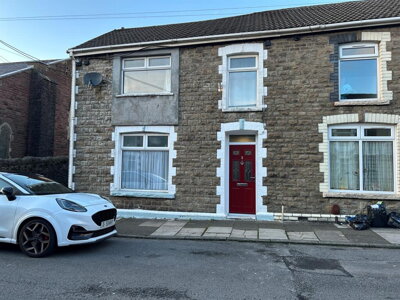
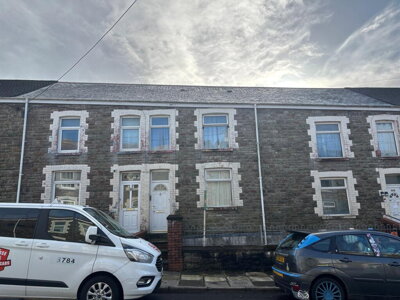
Browse 80 homes for sale in Gwynfi and Croeserw from local estate agents.
The Gwynfi and Croeserw property market reflects the area's working-class heritage and ongoing regeneration efforts. Terraced accommodation ranks seventh among all Neath Port Talbot wards, making these traditional valley homes the dominant property type in the community. While specific average price data for this granular ward is not publicly recorded, properties in the Upper Afan Valley generally offer excellent value compared to surrounding areas, with entry-level homes available at prices significantly below the Welsh national average. The affordability of the local market makes Gwynfi and Croeserw particularly attractive to first-time buyers and those seeking to enter the South Wales property market at accessible price points.
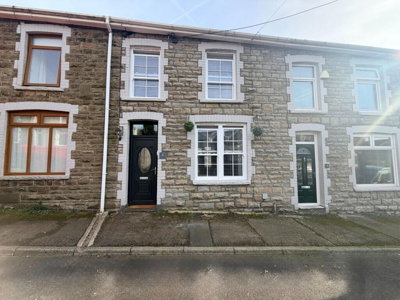
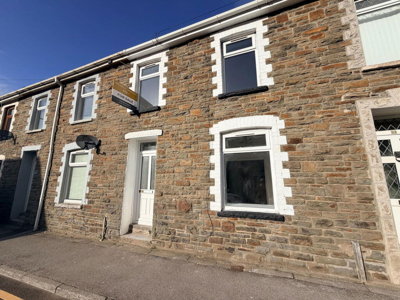
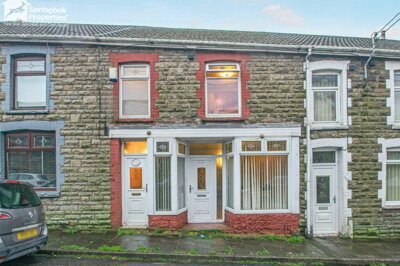
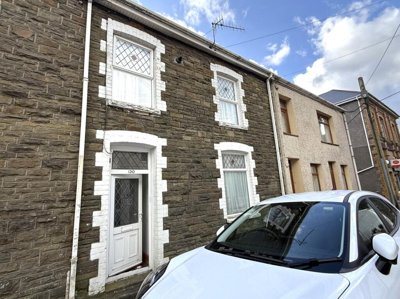
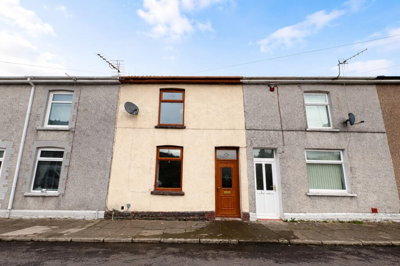
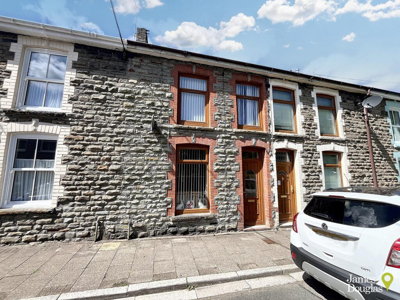
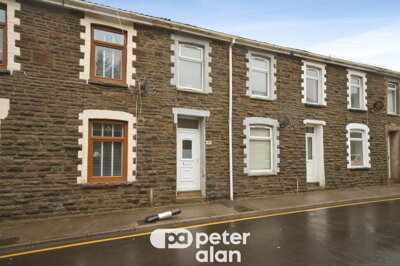
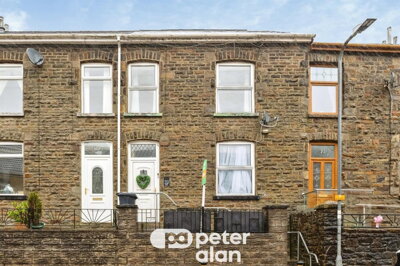
The local housing landscape splits broadly between two eras of construction that define the character of different neighbourhoods. First, there are the Victorian and Edwardian terraces that dominate Blaengwynfi and Abergwynfi, where approximately 79% of properties were built between 1900 and 1939. These solid-walled homes often feature period details such as exposed floorboards, cast iron fireplaces, and sash windows, though they frequently require modernisation to meet contemporary insulation standards. Second, New Croeserw consists mainly of post-war public housing that underwent substantial refurbishment in the 1980s and 1990s, offering more modernised interiors within traditional brick-built structures. Understanding which type of property you are considering is essential for assessing potential maintenance requirements and renovation costs.
No active new-build developments were identified specifically within the Gwynfi and Croeserw postcode area, meaning most buyers will be purchasing from the existing older stock. This makes thorough surveying particularly important, as properties in former mining communities often carry structural considerations that are not immediately visible during viewings. The ownership profile shows approximately 64% owner-occupied homes, with social rented housing comprising 22.2% of households in the Abergwynfi and Blaengwynfi areas, reflecting the community's continued reliance on affordable housing options. This tenure mix influences the character of different streets and neighbourhoods within the valley communities.
The Afan Valley's mining heritage continues to influence the local property market in ways that buyers should understand. Historical coal extraction in the area peaked in the 1910s, with six collieries and levels operating locally, including the significant Avon Colliery and Corrwg Rhondda operations. Local mines around Croeserw included Scatton, Avon, and Dyffryn coal pits, alongside numerous drift mines throughout the valley. While these operations ceased decades ago, understanding the historical mining activity in your specific location is an important part of the buying due diligence process.

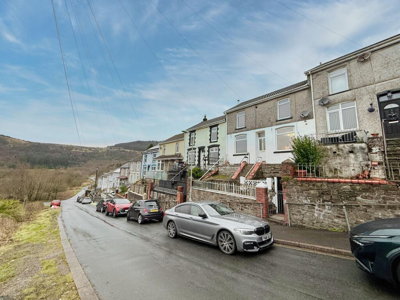
Life in Gwynfi and Croeserw revolves around the rhythms of the Afan Valley, a landscape of forested hills, working farms, and the communities that grew up around coal mining. The River Afan and its tributaries wind through the valley, supporting local wildlife and providing an atmospheric backdrop to daily life. To the north, extensive conifer plantations sit atop former peat bogs, with a large restoration project underway to return these sensitive habitats to health. The hills to the south feature purple moor-grass, rush pastures, and rocky heathland outcrops, offering excellent walking and outdoor pursuits for residents who appreciate dramatic Welsh scenery.
The demographic profile of Gwynfi and Croeserw reflects both the challenges and character of a former mining community in economic transition. The population of Gwynfi itself stood at approximately 1,338 according to recent estimates, representing an 11% decline since the 2011 Census, while Croeserw accommodates around 1,380 inhabitants. The average household size of 2.2 persons suggests a mix of smaller family homes and retired couples, with a significant proportion of the population in retirement. Employment opportunities within the valley remain limited, with the largest sectors in the Abergwynfi and Blaengwynfi areas being Health and Social Work, followed by manufacturing and retail, meaning many residents commute to larger towns for work.
The local community retains strong cultural ties through its chapel heritage, with Abergwynfi featuring listed buildings of local importance including Capel Salem on Commercial Street and St. Gabriel's Court on Graig Road. Six conservation areas exist within Neath Port Talbot overall, underlining the architectural significance of the valley's built environment. Daily life centres on local amenities, with residents relying on the surrounding towns of Port Talbot and Neath for wider shopping, healthcare, and leisure facilities. The sense of community and relative affordability continue to attract buyers seeking an affordable entry point into Welsh property ownership.
The economic context of Gwynfi and Croeserw shapes daily life in the valley. Main industries around Croeserw today include light manufacturing, the service sector, retail, forestry, and farming. There is a higher level of unemployment compared to national averages, and a large part of the population is in retirement. For buyers, this economic profile means that property prices remain accessible, but capital growth potential may be influenced by limited local employment opportunities. Understanding this context helps set realistic expectations about the area's property market dynamics and long-term prospects.

Families considering a move to Gwynfi and Croeserw will find educational provision centred on primary schools within the valley communities. Croeserw and Cymmer both serve the local area with primary education facilities, while Abergwynfi Primary School provides schooling for younger children in the immediate vicinity. The small class sizes often found in valley primary schools can offer a nurturing educational environment where teachers develop strong relationships with students and families. This community-focused approach to education is valued by many local residents who appreciate the personal attention their children receive.
Secondary education options include schools in the nearby town of Aberavon and Port Talbot, accessible via the valley road network. Some families in the upper reaches of the Afan Valley also access secondary schools in the Rhondda valleys to the south, depending on catchment areas and individual circumstances. For families prioritising grammar school education, pupils may sit entrance exams for schools further afield, with transport arrangements being an important consideration given the rural location. Sixth form and further education provision is available at colleges in Port Talbot and Neath, with students typically progressing to these larger centres for advanced qualifications.
When purchasing property in Gwynfi and Croeserw, understanding the local school landscape is essential for family buyers. Ofsted inspection reports for individual schools should be reviewed as part of your property search, alongside consideration of catchment area boundaries which can significantly affect which schools your children can attend. The community's smaller scale means that primary schools can occasionally face capacity pressures or staffing challenges, making it advisable to contact local education authorities directly for the most current information on school placements and admissions criteria. School accessibility can vary based on location within the valley, with properties closer to Port Talbot having different options from those in the upper Afan Valley.
Transport provision in Gwynfi and Croeserw reflects the reality of living in a rural Welsh valley community, offering practical connections but requiring some adaptation. The nearest railway station is Port Talbot Parkway, which provides regular services to Cardiff, Swansea, and connections throughout the national rail network. From Port Talbot, journeys to Cardiff typically take around 50 minutes by train, while Swansea is accessible in approximately 15 minutes, making these major employment centres reachable for commuters willing to factor in the road journey to the station. This accessibility opens employment opportunities in larger cities while allowing residents to enjoy the quieter valley lifestyle.
Bus services connect the valley communities, though frequencies are limited compared to urban areas, making car ownership practically essential for most residents. The A4107 road runs through the valley, connecting through Cymmer and providing access to the broader road network. The M4 motorway, South Wales's main arterial route, is accessible via Port Talbot, opening routes to Swansea to the west and Cardiff, Newport, and Bristol to the east. For those working in the wider region, commuting is feasible but does require careful planning and acceptance of travel time.
The valley's winding roads and rural character do offer certain advantages for cycling enthusiasts and walkers, with scenic routes connecting Gwynfi and Croeserw to the surrounding countryside. Parking is generally straightforward in the residential areas, unlike the constrained situations often found in larger towns. For buyers relocating from urban areas, the reduced commute by car to daily amenities represents a significant adjustment, but many residents appreciate the peaceful surroundings and the clear separation between home life and work destinations. The geography of the Afan Valley does mean that travel times to larger towns can be longer than distances might suggest, due to the winding nature of valley roads.
Before beginning your property search in Gwynfi and Croeserw, secure a mortgage Agreement in Principle from a lender. This document confirms how much you can borrow based on your financial circumstances and strengthens your position when making offers on properties in this competitive market. Having your financing arranged before you start viewing homes demonstrates to sellers that you are a serious and capable buyer, which is particularly important in a market where multiple offers may be received on desirable properties.
Take time to understand the specific character of different neighbourhoods within Gwynfi and Croeserw, from the Victorian terraces of Blaengwynfi to the post-war housing in New Croeserw. Given the area's mining heritage, research the Coal Authority records and understand the implications for your chosen property. We recommend checking the Coal Authority interactive map to identify any historical mining features in the vicinity of properties you are considering, as this information is freely available and can reveal potential subsidence risks.
Use Homemove to browse all available listings in Gwynfi and Croeserw and the surrounding Afan Valley. Once you have identified properties of interest, arrange viewings to assess their condition, location, and suitability for your needs. Pay particular attention to signs of damp, structural issues, and the standard of modernisation during your visits. We also recommend visiting the neighbourhood at different times of day to assess factors such as noise levels, parking availability, and the general atmosphere of the area.
For most properties in Gwynfi and Croeserw, a RICS Level 2 Survey is essential before proceeding. Given that 79% of local properties were built before 1939, professional surveying identifies hidden defects common to older mining terraces and period properties that may not be apparent during viewings. Our team works with qualified RICS surveyors who understand the specific construction types and common defects found in Afan Valley properties, from solid-walled Victorian terraces to post-war public housing.
Choose a solicitor experienced in Neath Port Talbot property transactions to handle the legal transfer. Your solicitor will conduct searches, examine title deeds, and investigate any planning or environmental issues affecting the property, including potential mining subsidence considerations. We recommend choosing a local solicitor who understands the specific issues affecting property in the Afan Valley, as they will be familiar with common title issues and local authority requirements.
Once surveys are satisfactory, searches complete, and financing arranged, you will exchange contracts and pay your deposit. Completion typically follows within two to four weeks, after which you will receive the keys to your new Gwynfi and Croeserw home. We recommend arranging buildings insurance to commence from the date of exchange, as you become financially responsible for the property at this point.
Properties in Gwynfi and Croeserw present specific considerations that buyers should understand before committing to a purchase. The area's mining heritage means that some properties may be situated in former mining subsidence zones, and checking with the Coal Authority about historical mining activity in your specific location is strongly advisable. While subsidence is a manageable issue affecting many homes across the UK, the local geology and mining history make this particularly relevant in the Afan Valley. Historical coal extraction in the Gwynfi and Croeserw area included significant operations at Avon Colliery, Corrwg Rhondda, and numerous local mines including Scatton, Dyffryn, and various drift mines throughout the valley.
The predominant Victorian and Edwardian terraces require careful inspection for common period property defects. Structural problems such as cracking, uneven floors, and evidence of damp frequently affect these older solid-walled homes that were built without cavity insulation or modern damp-proof courses. The construction methods used for these properties, typically solid brick walls with lime-based mortars, mean that they behave differently from modern cavity-walled homes and require different approaches to maintenance and renovation. Roof deterioration including missing tiles, slipped slates, and sagging rooflines is common in older properties, particularly where maintenance has been deferred. The original plumbing and electrical systems in period homes may also fail to meet current standards and could require significant upgrading.
Timber defects represent another risk factor in older Gwynfi properties, with rot and woodworm potentially affecting floorboards, window frames, and structural timbers, especially where dampness or poor ventilation has been present. In properties where the original features have been retained, these timbers may be over 100 years old and more susceptible to decay. Given the prevalence of solid-walled construction in Blaengwynfi and Abergwynfi, penetrating damp through ageing brickwork and rising damp from below ground level are frequently encountered problems that require professional assessment and remediation. A thorough survey will identify the extent of any damp issues and recommend appropriate treatments.
Properties in conservation areas such as those in Abergwynfi, which include Capel Salem on Commercial Street and St. Gabriel's Court on Graig Road, carry restrictions on alterations and modifications. These listed or locally significant buildings may require more detailed surveys such as a RICS Level 3 Building Survey and impose constraints on future renovation plans. When purchasing any property in Gwynfi and Croeserw, a thorough RICS Level 2 Survey is money well spent, identifying issues before you commit and providing leverage for price negotiations where defects are discovered.
Understanding the construction methods used in Gwynfi and Croeserw properties helps buyers appreciate why professional surveys are particularly valuable in this area. The majority of Victorian and Edwardian terraces in Blaengwynfi and Abergwynfi were built with solid brick walls, meaning there is no cavity between the inner and outer leaves of brickwork. This construction type was standard before cavity wall construction became common in the 20th century. Solid walls are generally more susceptible to penetrating rain and rising damp than modern cavity walls, and they typically require different approaches to insulation that preserve the breathability of the structure.
The local geology of the Afan Valley also plays a role in property conditions. The area features significant clay deposits in the soil, which can contribute to subsidence issues when combined with tree roots or changing moisture levels. Clay soils shrink and swell with moisture changes, potentially causing movement in foundations over time. This is in addition to any subsidence risk from historical mining activity. Properties in the valley may show signs of movement that reflect these ground conditions, and a professional survey will assess whether any movement is historical and stable or ongoing and requiring attention.
Post-war housing in New Croeserw was constructed using more modern methods of the period, typically with cavity walls and brick or block construction. These properties underwent substantial refurbishment in the 1980s and 1990s, which may have included re-roofing, rewiring, and bathroom or kitchen upgrades. However, the age of the original construction means that even these relatively modernised properties may have underlying issues with original foundations, drainage, or structure that require investigation. The standard of refurbishment can vary significantly between properties, making individual assessment essential.
Specific average price data for this granular ward is not publicly recorded, but properties in the Upper Afan Valley are generally among the most affordable in Neath Port Talbot. Terraced homes, which form the dominant property type, typically offer entry-level prices well below the Welsh national average. The area's status as a former mining community with limited local employment opportunities has historically kept prices competitive, though this also reflects underlying economic challenges that buyers should consider alongside their property purchase. For accurate pricing on specific properties, we recommend using our search platform to view current listings and comparing with recent sold prices on the major property portals.
Approximately 79% of properties in Blaengwynfi were built between 1900 and 1939, making the vast majority of local housing stock well over 50 years old. These Victorian and Edwardian terraces feature solid-walled construction without cavity insulation and often lack modern damp-proof courses. A RICS Level 2 Survey is strongly recommended for any property purchase in the area, as older homes frequently exhibit defects including structural movement, dampness, deteriorating roofs, and outdated services that are not immediately apparent during viewings. The age of the housing stock also means that properties may have been modified and extended over the decades, requiring careful investigation of any additions or alterations.
Primary education is available through schools in Croeserw, Cymmer, and Abergwynfi, serving younger children within the valley communities. Abergwynfi Primary School is the main provider for the immediate area, while Croeserw and Cymmer schools serve their respective communities. Secondary school options include schools in Port Talbot and Aberavon, with some families also accessing institutions in the Rhondda valleys depending on catchment arrangements. Families should research individual school performance through Ofsted reports and confirm current admission arrangements with Neath Port Talbot education authority, as school accessibility can vary based on location within the valley and catchment boundaries may affect placement eligibility.
Public transport options in Gwynfi and Croeserw are limited, reflecting the rural valley location. The nearest railway station is Port Talbot Parkway, providing connections to Cardiff, Swansea, and the wider rail network. Bus services connect the valley communities but operate with limited frequencies. Most residents rely on private vehicles for daily transport, with the A4107 providing road access through the valley and the M4 motorway reachable via Port Talbot for journeys further afield. The nearest major railway station with frequent services is Port Talbot Parkway, where direct trains to Cardiff take approximately 50 minutes and Swansea is reachable in around 15 minutes.
Property investment in Gwynfi and Croeserw requires careful consideration of the local economic context. While prices are notably affordable compared to other parts of South Wales, capital growth potential may be limited by the area's economic profile and population decline in recent decades. The rental market is relatively small, and demand may be concentrated among those specifically seeking the valley lifestyle. Properties in good condition within the conservation areas may hold particular appeal, though thorough due diligence on property condition is essential given the age of the local housing stock. Investors should consider the costs of renovation and maintenance for older properties, which can be significant for Victorian terraces requiring comprehensive upgrading.
Stamp duty Land Tax in Wales follows Welsh Land Transaction Tax bands, which differ from the rest of the UK. Residential purchases incur zero tax on the first £225,000, 5% between £225,000 and £400,000, 7.5% between £400,000 and £750,000, and 10% on amounts above £750,000. First-time buyers in Wales may qualify for relief under specific schemes, though eligibility criteria apply. Given the typically lower property values in Gwynfi and Croeserw, many purchases fall within the lower tax bands, reducing overall buying costs compared to higher-priced areas. We recommend consulting the Welsh Revenue Authority website or a financial advisor for the most current information on Land Transaction Tax rates and any applicable reliefs.
Gwynfi and Croeserw are former coal mining communities where historical mining activity could affect property foundations and ground stability. We strongly recommend checking the Coal Authority interactive map to identify any historical mining features near your potential property, including mine entries, shafts, and areas of past underground extraction. Properties within proximity to former collieries such as Avon Colliery, Corrwg Rhondda, or local mines including Scatton and Dyffryn coal pits may require additional investigation. A thorough survey will assess any signs of subsidence or ground movement that could be related to historical mining, and your solicitor should include appropriate mining searches as part of the conveyancing process.
Given that approximately 79% of properties in Blaengwynfi were built before 1939, and the area has a mining heritage, professional surveys are particularly important. A RICS Level 2 Survey identifies defects that may not be visible during viewings, including structural concerns, dampness in solid-walled construction, roof deterioration, and timber defects. The national average cost for a comprehensive RICS Level 2 survey is around £455, though prices can vary based on property size, value, and accessibility. For older properties or those of non-standard construction, additional charges may apply. The investment is worthwhile because survey findings can provide leverage for price negotiations and help you budget for necessary repairs before completing your purchase.
From £350
A thorough inspection of the property condition, essential for older homes and mining valley properties.
From £499
Legal services for property transfer, including local authority and mining searches.
From 4.5% APR
Expert mortgage broking services to find the best rates for your purchase.
From £85
Energy Performance Certificate required for all property sales.
Understanding the full costs of purchasing property in Gwynfi and Croeserw is essential for budgeting accurately. Beyond the property purchase price, buyers should factor in Land Transaction Tax at Welsh rates, solicitor fees, survey costs, and various searches and administrative charges. Given the typically lower property values in the Afan Valley, many purchases fall within the lower tax bands, potentially reducing upfront costs compared to higher-priced regions of Wales. We recommend obtaining quotes from multiple solicitors and surveyors to ensure competitive pricing on these services.
A RICS Level 2 Survey is particularly important for properties in Gwynfi and Croeserw. The national average cost for this comprehensive homebuyer report is around £455, though prices can vary based on property size, value, and accessibility. For older Victorian and Edwardian properties built before 1900, or those of non-standard construction, additional charges may apply, potentially increasing costs by 20-40%. The investment is worthwhile given that 79% of local properties date from before 1939 and may harbour defects not visible during viewings, including structural concerns related to the area's mining history.
Conveyancing costs in Neath Port Talbot typically start from around £499 for straightforward transactions, rising depending on complexity. Your solicitor will conduct essential searches including the local authority search for planning and highways information, environmental searches for contamination risks, and drainage and water authority checks. Given the mining heritage of Gwynfi and Croeserw, a Coal Authority search is particularly advisable to identify any past mining activity that could affect the property. This search can reveal historical mine entries, shafts, or areas of past extraction that may influence ground stability.
Additional costs to budget for include mortgage arrangement fees, which vary between lenders, and valuation fees charged by your mortgage provider. If you are buying a property in a conservation area or a listed building, you should also budget for any specialist surveys that may be required. Buildings insurance should be arranged from the date of contract exchange, and we recommend obtaining quotes from multiple insurers as premiums can vary significantly depending on property type, age, and location. By planning for all these costs at the outset, you can avoid financial surprises as you progress through your Gwynfi and Croeserw property purchase.
Properties for Sale In London

Properties for Sale In Plymouth

Properties for Sale In Liverpool

Properties for Sale In Glasgow

Properties for Sale In Sheffield

Properties for Sale In Edinburgh

Properties for Sale In Coventry

Properties for Sale In Bradford

Properties for Sale In Manchester

Properties for Sale In Birmingham

Properties for Sale In Bristol

Properties for Sale In Oxford

Properties for Sale In Leicester

Properties for Sale In Newcastle

Properties for Sale In Leeds

Properties for Sale In Southampton

Properties for Sale In Cardiff

Properties for Sale In Nottingham

Properties for Sale In Norwich

Properties for Sale In Brighton

Properties for Sale In Derby

Properties for Sale In Portsmouth

Properties for Sale In Northampton

Properties for Sale In Milton Keynes

Properties for Sale In Bournemouth

Properties for Sale In Bolton

Properties for Sale In Swansea

Properties for Sale In Swindon

Properties for Sale In Peterborough

Properties for Sale In Wolverhampton

Enter your details to see if this property is within your budget.
Loans, cards, car finance
Estimated property budget
Borrowing + deposit
You could borrow between
Typical borrowing
Monthly repayment
Est. at 4.5%
Loan-to-value
This is an estimate only. Your actual budget may vary depending on interest rates, credit history, and personal circumstances. For an accurate affordability assessment, speak to one of our free mortgage advisors.
This calculator provides estimates for illustrative purposes only and does not constitute financial advice. Your home may be repossessed if you do not keep up repayments on your mortgage. Estimates based on 4.5% interest rate, repayment mortgage. Actual rates depend on your circumstances.
Homemove is a trading name of HM Haus Group Ltd (Company No. 13873779, registered in England & Wales). Homemove Mortgages Ltd (Company No. 15947693) is an Appointed Representative of TMG Direct Limited, trading as TMG Mortgage Network, which is authorised and regulated by the Financial Conduct Authority (FRN 786245). Homemove Mortgages Ltd is entered on the FCA Register as an Appointed Representative (FRN 1022429). You can check registrations at NewRegister or by calling 0800 111 6768.

We use cookies to show you personalised content and improve your experience of our website. Find out more in our Privacy policy and Cookie policy.