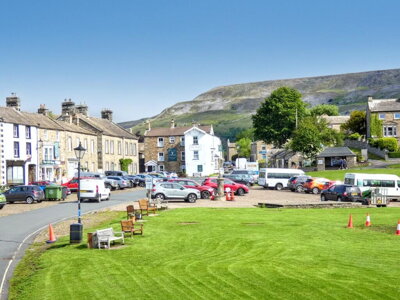
Browse 1 home for sale in Grinton, North Yorkshire from local estate agents.
One bed apartments provide a separate bedroom alongside distinct living space, bathroom, and kitchen areas. Properties in Grinton are available in various building types including mansion blocks, contemporary developments, and house conversions.
£0k
0
0
0
Source: home.co.uk
Showing 0 results for 1 Bedroom Flats for sale in Grinton, North Yorkshire.
The property market in Grinton reflects the unique characteristics of a small Yorkshire Dales village where heritage and rural charm command premium values. The average house price of £359,360 in the DL11 postcode area positions Grinton above the broader North Yorkshire county average of £272,000, a reflection of the desirability of traditional stone properties in protected rural locations. Unlike larger towns where volume dominates, Grinton's property market operates at a gentler rhythm with limited available properties coming to market at any given time.
Property types in smaller rural settlements like Grinton tend toward detached dwellings, which account for approximately 54% of homes in comparable Yorkshire Dales villages. Stone-built cottages, farmhouses, and historic listed buildings form the backbone of the local housing stock, with many properties dating from the 17th century onwards when local sandstone became the dominant building material following earlier timber construction. The presence of 41 listed buildings within the Grinton parish demonstrates the area's architectural significance, with St Andrew's Church standing as a Grade I listed testament to the village's medieval origins dating back to the 12th century.
New build activity in Grinton and the surrounding DL11 postcode remains extremely limited, with no active developments identified in the village itself. The broader Yorkshire and Humberside region experienced a 23% decline in new home registrations during Q3 2025 compared to the previous year, suggesting that buyers seeking character properties will primarily find their options within the existing housing stock rather than new developments. This scarcity of new build homes reinforces the value of period properties in the village and underscores the importance of thorough property surveys given the age of most available homes.

Grinton embodies the timeless appeal of Yorkshire Dales village life, where the rhythm of the seasons shapes daily activities and community traditions remain genuinely cherished. The village sits within a landscape defined by sweeping moorland, ancient dry-stone walls, and the gentle currents of the River Swale that flows through the heart of the parish. Residents of Grinton enjoy access to some of Britain's most spectacular countryside, with walking routes ranging from gentle riverside ambles to challenging fell walks across open moorland that have drawn visitors to the Dales for centuries.
The local economy of Grinton and the surrounding Yorkshire Dales revolves primarily around agriculture, tourism, and the businesses that serve both residents and the steady stream of visitors who discover this corner of England each year. The wider North Yorkshire economy, valued at £26 billion in 2022, demonstrates remarkable resilience with low unemployment and a preponderance of small to medium-sized businesses that define the region's economic character. Community life in Grinton centres around the village's historic pub, the parish church, and informal gatherings that bring together the small population of 183 residents in a genuinely close-knit social environment.
The architecture of Grinton reflects the geological richness of the Yorkshire Dales, with buildings constructed predominantly from locally-sourced sandstone and limestone that have shaped the distinctive character of Dales villages for centuries. Stone slates, quarried from fissile sandstones found throughout the region, cover many rooftops, creating the honey-gold and grey colouration that makes Yorkshire Dales villages so visually harmonious. The use of traditional lime mortar and breathable construction techniques in historic properties creates living environments that regulate moisture naturally, though these buildings require understanding and appropriate maintenance that differs significantly from modern construction approaches.
Families considering a move to Grinton will find educational provision centred on the nearby market town of Richmond, approximately 8 miles from the village, where several primary schools serve the surrounding rural communities. Primary education in the area includes schools that have earned good Ofsted ratings, providing children with solid foundations in a setting that maintains the benefits of small class sizes typical of rural North Yorkshire. The intimate scale of these schools allows teachers to develop close relationships with students and parents, creating educational environments where every child's progress receives individual attention and support.
Secondary education options for Grinton residents include the excellent Richard Whittington School in Barnard Castle, approximately 12 miles from the village, and other secondary schools in the Richmond area that serve as the main educational providers for the upper Swaledale and Arkengarthdale region. Sixth form provision in the nearby market towns offers A-Level and vocational courses, with students able to choose from a reasonable range of subjects that prepare them effectively for university or career pathways. The broader North Yorkshire educational infrastructure extends to further education colleges in Darlington and other larger towns, providing comprehensive options for students continuing beyond secondary school.
Parents moving to Grinton should note that school catchment areas can significantly affect which institutions children can access, making it essential to verify enrollment zones before committing to a property purchase. Transport arrangements for school children in rural areas typically involve school bus services that connect outlying villages to schools in nearby towns, with journey times that families should factor into their daily routines. The quality of education in North Yorkshire reflects the county's generally strong performance, though families should always conduct current research into specific school Ofsted reports and speak directly with school administrators to understand their individual circumstances and admissions criteria.
Grinton sits approximately 8 miles from Richmond, the nearest market town, and around 12 miles from Barnard Castle, providing residents with access to everyday amenities including supermarkets, banks, medical practices, and a range of independent shops. The A66 trans-Pennine trunk road passes through Richmond, connecting the area to the A1(M) motorway network and providing relatively straightforward access to the major cities of Newcastle upon Tyne to the north and Leeds and Teesside to the south. However, daily commuting from Grinton to major employment centres requires careful consideration of journey times, with Leeds being approximately 60 miles distant and Newcastle around 45 miles away.
Rail connections from the nearest stations in Darlington and Northallerton provide access to the east coast mainline, with journey times to London King's Cross taking approximately two and a half to three hours. The Settle to Carlisle railway line, one of Britain's most scenic rail journeys, passes through the Yorkshire Dales with stations at Garsdale and Kirkby Stephen to the west, offering weekend leisure opportunities and occasional commuting options for those working flexibly. Bus services connect Grinton with Richmond and other nearby villages, though frequency is limited compared to urban areas, making car ownership practically essential for most residents of this rural community.
The River Swale and surrounding landscape create both opportunities and challenges for transport planning, with the river's floodplain occasionally affecting local road access during periods of heavy rainfall. The monitoring station at Grinton Bridge tracks river levels, with flooding possible when levels rise above 2.10 metres, historically reaching 2.94 metres during the significant flood event of December 2011. Prospective residents should factor these geographical realities into their lifestyle planning, understanding that living in this beautiful landscape requires acceptance of some limitations on accessibility that accompany rural living in a protected National Park environment.
Begin by exploring available properties through Homemove and visiting estate agent websites to understand current listings, pricing, and what makes Grinton's market unique. Given the limited property volumes in this small village, patience is essential and early registration with local agents can prove advantageous.
Arrange a mortgage in principle before beginning property viewings, as this financial pre-approval strengthens your position when making offers on desirable rural properties. Contact mortgage brokers to explore options suitable for older, stone-built properties which may have non-standard construction features affecting lending criteria.
View several properties to understand the range of available options, paying particular attention to the condition of stone walls, roofing materials, and the maintenance history of each home. Take time to walk the village and surrounding countryside to ensure the lifestyle fits your expectations.
Always obtain a RICS Level 2 or Level 3 survey before purchasing, particularly given Grinton's older housing stock with its historic listed buildings and traditional construction. A survey identifies defects common to Yorkshire Dales properties, including potential damp issues, roof condition, and any signs of subsidence or movement in older stone structures.
Choose a solicitor experienced in rural property transactions to handle the legal aspects of your purchase, including any covenants or restrictions that may apply to properties within this National Park setting. Your solicitor should also investigate the property's Listed Building status if applicable.
Once surveys are satisfactory and legal searches complete, you will exchange contracts and pay your deposit, with completion typically following within a few weeks. Stamp duty land tax applies based on purchase price, with SDLT thresholds currently set at zero rate up to £250,000 for standard purchases.
Buying a property in Grinton requires particular attention to the construction and condition of traditional stone-built homes, many of which predate modern building regulations and may have been modified over centuries of occupation. Look carefully at the condition of external stone walls, checking for signs of structural movement, mortar deterioration, or previous repairs using inappropriate modern materials that can trap moisture within traditionally breathable walls. The age of properties here means that outdated electrical systems and plumbing are common concerns, with many homes still operating with fuse boxes and pipework that would not meet current safety standards.
Flood risk assessment is essential when considering any property in Grinton, given the village's location adjacent to the River Swale and the documented history of flooding in the area. Properties in low-lying positions require particular scrutiny, with buyers advised to check the Environment Agency's flood risk maps and consider whether the property has any previous flood history. Understanding the source of flooding, whether from the river, surface water, or groundwater, helps inform appropriate risk mitigation measures and insurance considerations.
The high concentration of listed buildings in Grinton means that many available properties will carry Listed Building status, imposing specific obligations on owners regarding maintenance and alterations. Before purchasing any listed property, verify the precise listing grade and understand the implications for future renovations, as works that might be routine in an unlisted property can require Listed Building Consent from the Yorkshire Dales National Park Authority. Conservation area restrictions may also apply across much of the village, affecting permitted development rights and the types of external alterations that owners can undertake without planning permission.
The average property price in the Grinton area (DL11 postcode) is approximately £359,360, which reflects the premium commanded by traditional stone properties in this picturesque Yorkshire Dales village. This figure sits above the broader North Yorkshire county average of £272,000, demonstrating the added value that heritage properties and protected rural locations attract in the local market. Property prices in Grinton tend to be driven by character and location rather than modern specifications, with period cottages and farmhouses maintaining strong values due to limited supply and consistent demand from buyers seeking authentic Dales living.
Properties in Grinton fall under the Richmondshire District Council authority for council tax purposes. The specific band depends on the property's assessed value, with most traditional stone cottages and farmhouses in the village likely falling within bands B through D. Prospective buyers should verify the exact council tax band for any specific property through the Valuation Office Agency website or by requesting this information during the conveyancing process, as bands can occasionally be contested and changed.
The nearest primary schools to Grinton include those in Richmond, approximately 8 miles away, where several schools serve the surrounding rural communities with good Ofsted ratings. Secondary education is available at Richard Whittington School in Barnard Castle, around 12 miles from Grinton, which provides comprehensive secondary education and sixth form provision for the wider area. Parents should verify current catchment areas and admission arrangements, as these can change and may significantly affect school placement eligibility for their specific circumstances.
Grinton has limited public transport provision typical of small rural villages, with bus services connecting to Richmond but at frequencies far below urban standards, typically with several services per day rather than hourly connections. The nearest railway stations are in Darlington and Northallerton, providing access to the east coast mainline with onward connections to London, Edinburgh, and other major cities. Most residents of Grinton consider car ownership essential, as the practicalities of rural living in the Yorkshire Dales require personal transportation for everyday needs, shopping, and accessing services.
Grinton and the wider Yorkshire Dales property market has shown resilience and modest growth, driven by sustained demand from buyers seeking rural lifestyles, the influence of remote working enabling city dwellers to relocate, and the limited supply of traditional properties in this protected National Park environment. While property volumes are lower than urban markets, the combination of heritage properties, stunning landscape, and genuine community atmosphere suggests that well-chosen properties in Grinton should maintain their desirability. Buyers should recognise that the National Park planning restrictions limit development potential, which tends to support existing property values through supply constraint.
Stamp duty land tax on residential property purchases is calculated on a tiered system, with no SDLT payable on purchases up to £250,000 at the standard rate. For purchases between £250,001 and £925,000, the rate is 5%, rising to 10% for the portion between £925,001 and £1.5 million, and 12% on any amount exceeding £1.5 million. First-time buyers benefit from increased thresholds, with zero SDLT on the first £425,000 and 5% on the portion between £425,001 and £625,000, though this relief does not apply above £625,000. Your solicitor will calculate the exact SDLT liability based on your purchase price and personal circumstances.
Properties in Grinton face potential flooding from the River Swale, which flows adjacent to the village, with low-lying land flooding possible when river levels exceed 2.10 metres at the monitoring station near Grinton Bridge. The highest recorded level of 2.94 metres occurred during the significant floods of December 2011, demonstrating that severe flooding events do occur in the area. The Environment Agency provides detailed flood risk information by postcode, and prospective buyers should review this data alongside the property's history, any existing flood resilience measures, and the availability and cost of appropriate insurance.
From 4.5%
Compare mortgage rates from leading lenders to find the best deal for your Grinton property purchase
From £499
Expert solicitors to handle the legal transfer of your new Yorkshire Dales home
From £350
Comprehensive homebuyer report ideal for traditional stone properties
From £80
Energy performance certificate required for all property sales
The purchase costs associated with buying a property in Grinton extend beyond the advertised price and stamp duty, requiring careful budgeting to ensure a smooth transaction. Solicitors' fees for conveyancing typically start from around £499 for standard transactions, though complexities such as Listed Building status, title issues, or leasehold complications can increase costs. Additional legal disbursements including local authority searches, drainage and water searches, Land Registry fees, and bankruptcy checks typically add several hundred pounds to the overall legal bill, with most buyers expecting to pay between £1,000 and £2,000 total for legal services including all disbursements.
Property surveys represent a particularly important budget item for Grinton buyers given the age and traditional construction of most available properties. A RICS Level 2 survey for a typical two or three bedroom cottage costs approximately £420 to £437, while larger or more complex properties, including those with non-standard construction or listed status, may incur higher fees ranging from £500 to £800 or more. For historic listed buildings or properties with evident structural concerns, a full RICS Level 3 Building Survey provides more detailed analysis and recommendations, with costs reflecting the additional time and expertise required for heritage properties.
Mortgage arrangement fees vary between lenders but typically range from zero to around £2,000, often added to the loan amount rather than paid upfront. Surveyor valuations arranged by lenders are generally less thorough than independent surveys and should not be considered a substitute for a proper property condition report. Buildings insurance must be in place from the point of exchange of contracts, with costs varying significantly based on property value, construction type, flood risk assessment, and the level of cover selected. First-time buyers and those purchasing with smaller deposits should budget for higher mortgage arrangement fees and potentially higher interest rates, while all buyers should maintain a contingency fund equivalent to at least 5% of the purchase price to cover unexpected costs discovered during the purchase process or immediately after moving in.
Properties for Sale In London

Properties for Sale In Plymouth

Properties for Sale In Liverpool

Properties for Sale In Glasgow

Properties for Sale In Sheffield

Properties for Sale In Edinburgh

Properties for Sale In Coventry

Properties for Sale In Bradford

Properties for Sale In Manchester

Properties for Sale In Birmingham

Properties for Sale In Bristol

Properties for Sale In Oxford

Properties for Sale In Leicester

Properties for Sale In Newcastle

Properties for Sale In Leeds

Properties for Sale In Southampton

Properties for Sale In Cardiff

Properties for Sale In Nottingham

Properties for Sale In Norwich

Properties for Sale In Brighton

Properties for Sale In Derby

Properties for Sale In Portsmouth

Properties for Sale In Northampton

Properties for Sale In Milton Keynes

Properties for Sale In Bournemouth

Properties for Sale In Bolton

Properties for Sale In Swansea

Properties for Sale In Swindon

Properties for Sale In Peterborough

Properties for Sale In Wolverhampton

Enter your details to see if this property is within your budget.
Loans, cards, car finance
Estimated property budget
Borrowing + deposit
You could borrow between
Typical borrowing
Monthly repayment
Est. at 4.5%
Loan-to-value
This is an estimate only. Your actual budget may vary depending on interest rates, credit history, and personal circumstances. For an accurate affordability assessment, speak to one of our free mortgage advisors.
This calculator provides estimates for illustrative purposes only and does not constitute financial advice. Your home may be repossessed if you do not keep up repayments on your mortgage. Estimates based on 4.5% interest rate, repayment mortgage. Actual rates depend on your circumstances.
Homemove is a trading name of HM Haus Group Ltd (Company No. 13873779, registered in England & Wales). Homemove Mortgages Ltd (Company No. 15947693) is an Appointed Representative of TMG Direct Limited, trading as TMG Mortgage Network, which is authorised and regulated by the Financial Conduct Authority (FRN 786245). Homemove Mortgages Ltd is entered on the FCA Register as an Appointed Representative (FRN 1022429). You can check registrations at NewRegister or by calling 0800 111 6768.

We use cookies to show you personalised content and improve your experience of our website. Find out more in our Privacy policy and Cookie policy.