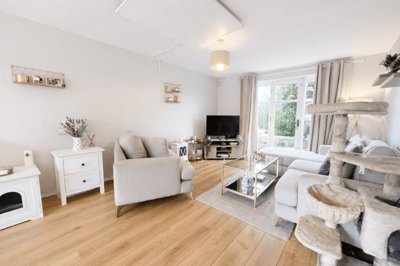
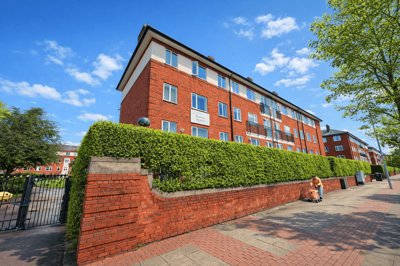
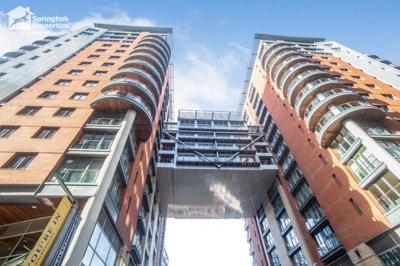
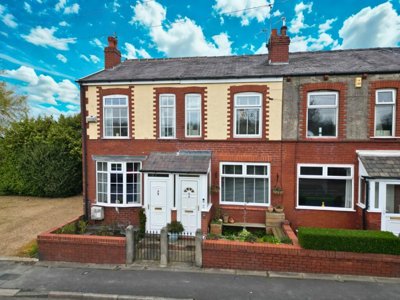
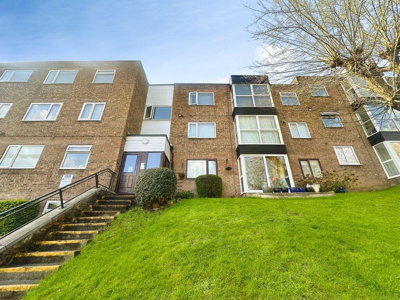
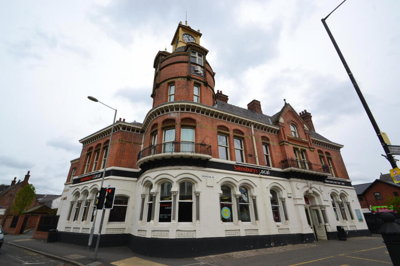
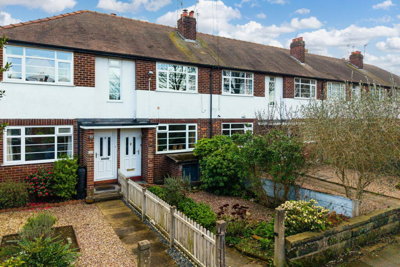
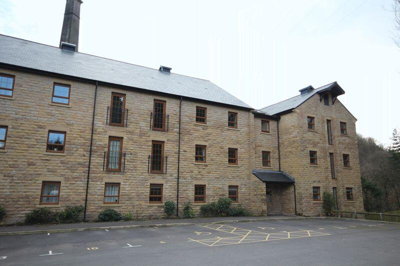
Browse 3,671 homes for sale in Greater Manchester from local estate agents.
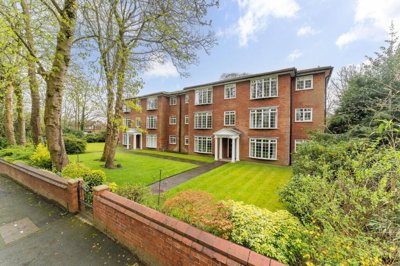
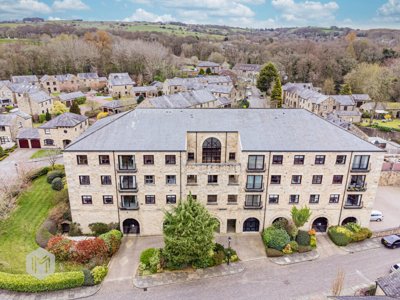
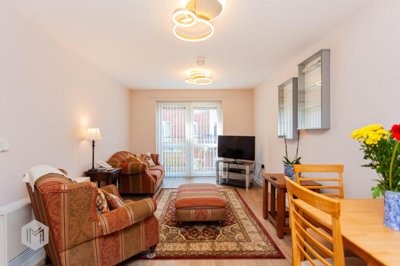
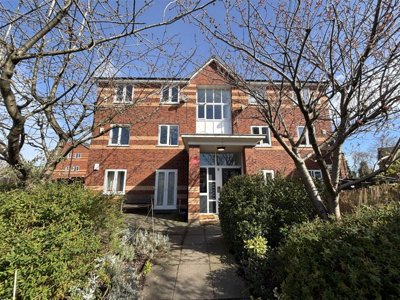
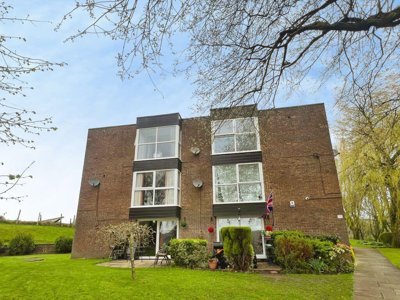
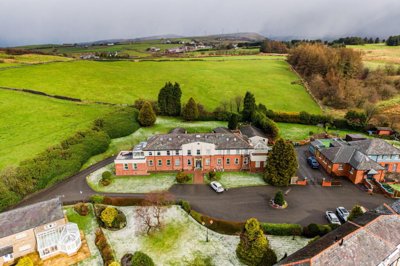
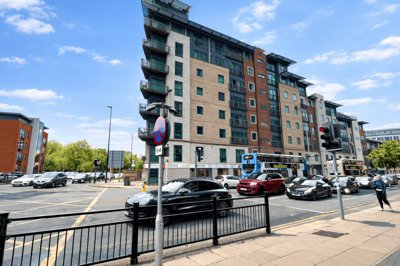
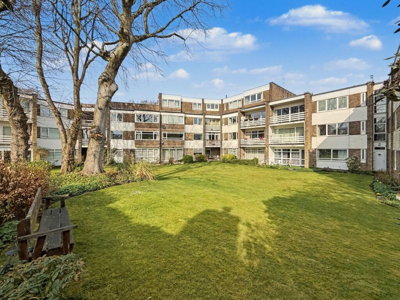
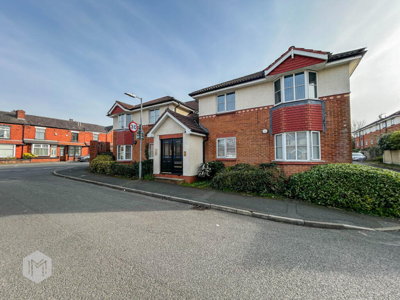
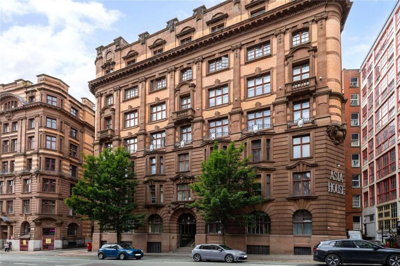
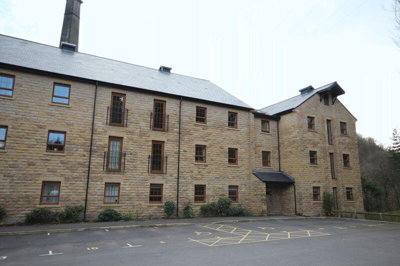
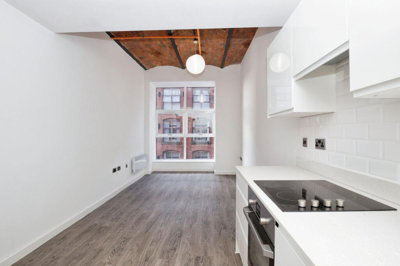
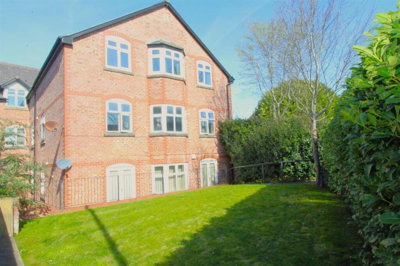
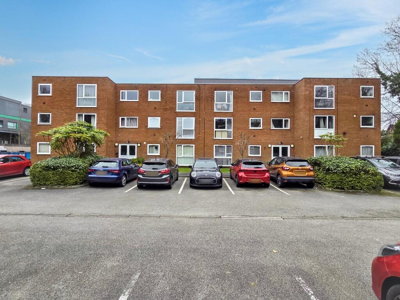
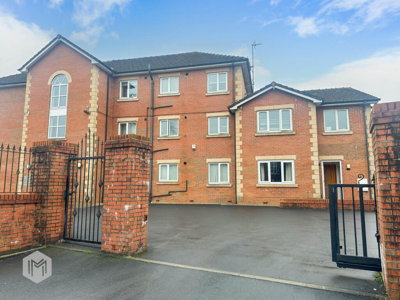
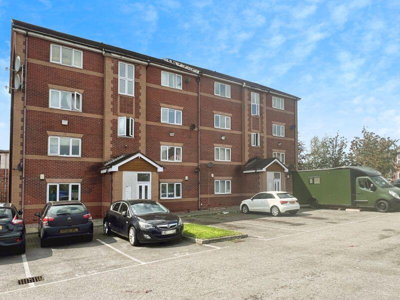
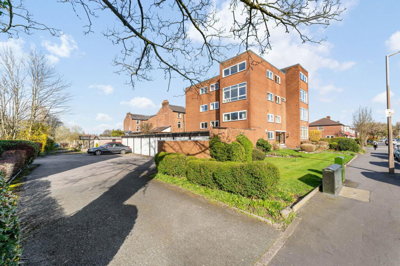
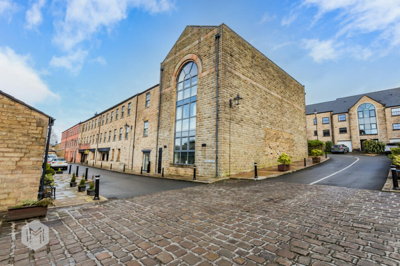
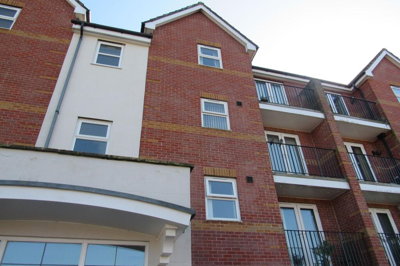
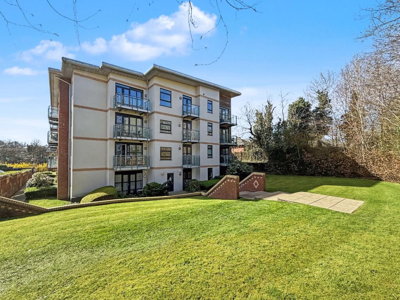
The 2 bed flat sector typically includes two separate bedrooms, dedicated living areas, and bathroom facilities. Properties in Greater Manchester span purpose-built blocks, converted period houses, and modern apartment complexes on various floors.
£265,584
Average House Price
20,443
Properties for Sale
+0.6%
12-Month Price Change
2.87 Million
Population
Greater Manchester's property market has demonstrated remarkable resilience and steady growth, with house prices increasing by 0.6% over the past twelve months as of February 2026. The region recorded 20,443 property sales in the past year, reflecting sustained demand from buyers drawn to the area's combination of affordable housing and strong employment opportunities. Property prices in Greater Manchester remain competitive, with terraced homes averaging £204,400, semi-detached properties at £272,391, and detached houses reaching £425,712, making the area particularly attractive for buyers seeking more space for their money.
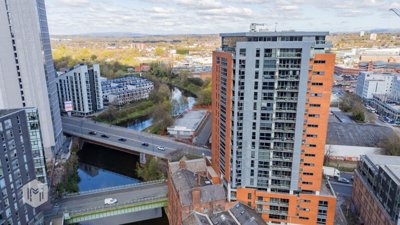
New build developments continue to transform the Manchester skyline and surrounding areas, with significant projects including Victoria Riverside in Red Bank offering apartments from £260,000, and Cotton Quay in Salford Quays providing waterside living options. The Green Quarter by Renaker and Chapel Street developments by Salboy represent the ongoing investment in the region's urban regeneration. First-time buyers will find the terraced housing stock particularly accessible, with Victorian and Edwardian properties offering character and affordability in established neighbourhoods throughout the city region.
The private rental sector remains robust, particularly in Manchester city centre where student accommodation and professional lets generate strong yields. Landlords purchasing in areas like Deansgate, Ancoats, and the Northern Quarter can benefit from consistent tenant demand driven by the University of Manchester, Manchester Metropolitan University, and the growing technology sector. Outer boroughs such as Bury and Rochdale offer more affordable entry points for investors seeking longer-term capital growth.

Property prices across Greater Manchester's ten boroughs vary considerably based on location, property type, and local amenities. Trafford remains the most expensive area, with average property prices significantly above the regional average due to the popularity of suburbs like Hale, Bowdon, and Altrincham. These areas offer excellent schools, proximity to the countryside, and direct transport connections to Manchester city centre, making them particularly sought-after by families and commuters. A detached property in Hale can command prices well above the regional average of £425,712, while terraced properties in the same area still exceed £400,000.
At the other end of the spectrum, Wigan and Oldham offer the most affordable entry points into the Greater Manchester property market. These boroughs have seen steady regeneration in recent years, with the Wigan Life Centre and Oldham's cultural quarter attracting new investment. First-time buyers can find three-bedroom terraced properties in established neighbourhoods for under £150,000, offering excellent value for those willing to compromise on location for affordability. Bolton has emerged as a popular choice for commuters seeking more affordable housing while maintaining reasonable journey times into Manchester, with average prices sitting comfortably below the regional mean.
Manchester city centre commands a premium for apartments, particularly in developments with concierge services, gym facilities, and roof terraces. The average flat price of £175,695 masks considerable variation, with new-build apartments in premium locations such as Deansgate, Spinningfields, and the Whitworth Street corridor regularly exceeding £300,000. Older conversions in the Northern Quarter and Chorlton Green offer more characterful alternatives at lower price points, appealing to buyers seeking period features alongside modern living.
Greater Manchester is home to a population of 2,867,700 residents across 1,180,000 households, making it the second-largest metropolitan county in England outside London. The region's housing stock reflects its rich industrial heritage, with terraced properties comprising 34.5% of homes, semi-detached houses at 31.8%, apartments at 20.9%, and detached homes accounting for 12.0%. This diverse mix provides options ranging from compact city centre flats to spacious family homes in suburban and semi-rural settings, catering to the varied needs of the 2.87 million people who call this region home.
The predominant building material across Greater Manchester is distinctive red brick, a hallmark of the Victorian and Edwardian era properties that dominate many neighbourhoods. These character homes, often dating from the pre-1919 period, give areas like Manchester's Northern Quarter, Salford's Trinity Ward, and Stockport's town centre their unique architectural identity. The region also features extensive post-war housing estates from the 1945-1980 period, alongside modern apartment developments that continue to reshape the urban landscape. Local amenities are abundant, with major retail centres including the Trafford Centre, Arndale Centre in Manchester, and intu Bromley, while green spaces such as Heaton Park, Alexandra Park, and the Peak District fringe provide recreational opportunities for residents.
The cultural offerings across Greater Manchester are extensive, from the Manchester Art Gallery and Whitworth Hall to the Lowry arts centre in Salford Quays. Sports fans benefit from some of the country's most prestigious football stadiums, while the restaurant and nightlife scene in the city centre rivals larger cities. Each borough maintains its own identity, with Bury famous for its market, Rochdale offering easy access to Saddleworth Moor, and Stockport providing excellent transport links alongside its historic viaduct and theatre scene.

Greater Manchester offers an extensive education network with options to suit every family, from primary schools through to higher education at world-renowned universities. The region is home to the University of Manchester, Manchester Metropolitan University, and the University of Salford, alongside further education colleges including Bolton College, Bury College, and Oldham College. Parents purchasing family homes will find a mix of Ofsted-rated good and outstanding primary and secondary schools across all ten boroughs, with Trafford and Stockport consistently featuring among the areas with the highest-performing school districts in Greater Manchester.
Grammar schools in areas such as Sale, Altrincham, and Stretford attract families seeking academic excellence for their children, while faith schools across the region provide additional educational choices. The presence of major universities significantly influences the local property market, with student accommodation demand affecting rental yields in areas close to campus. For families prioritising education in their property search, Trafford stands out with multiple secondary schools regularly achieving excellent GCSE results, while Manchester's grammar school catchment areas in the south of the city remain highly competitive for prospective buyers.
Primary school admissions are determined by catchment areas, which can make proximity to good schools a significant factor in property selection. Trafford's primary schools consistently achieve strong results, with schools in areas like Bowdon, Hale, and West Timperley particularly oversubscribed. In Stockport, areas such as Cheadle Hulme and Bramhall offer access to highly-rated primary and secondary schools, with the latter also benefiting from strong transport links. Parents should research specific school catchments before committing to a purchase, as property prices can command a premium within popular catchment zones.

Greater Manchester boasts excellent transport connectivity that makes commuting practical and efficient across the region and beyond. Manchester Airport, one of the busiest in the UK, offers direct connections to destinations worldwide, while the region's motorway network including the M6, M60, M62, and M67 provides road access to Liverpool, Leeds, Sheffield, and Birmingham. The Metrolink tram network is the largest light rail system in the UK, serving Manchester city centre, Salford, Trafford, Bury, Altrincham, and Rochdale, making it an attractive option for residents who prefer public transport over driving.
Rail services from Manchester Piccadilly and Manchester Victoria stations provide regular connections to major cities, with journey times of approximately two hours to London Euston. Northern Rail and Transport for Wales operate services throughout Greater Manchester's ten boroughs, connecting towns including Bolton, Stockport, Oldham, and Rochdale to the city centre. For commuters working in Manchester city centre, areas like Sale, Altrincham, and Cheadle offer attractive options with short tram or train journeys, while those working in the city can access more affordable property prices in the wider metropolitan area while benefiting from excellent regional transport links.
The Bee Network, Greater Manchester's integrated transport initiative, aims to further improve connectivity across the region by joining bus, tram, and rail services under a single ticketing system. This investment in infrastructure continues to make previously underserved areas more attractive to commuters, potentially influencing property values in towns benefiting from improved connections. Bolton and Wigan, historically less well-connected than southern boroughs, are seeing increased interest from buyers who value the ability to commute into Manchester while enjoying lower property prices.

Spend time exploring different areas of Greater Manchester to find the right fit for your lifestyle and budget. Consider commute times, school catchment areas, local amenities, and the character of each neighbourhood from Victorian terraces in Salford to modern apartments in Manchester city centre. Each borough offers distinct advantages - Trafford provides excellent schools and green spaces, Manchester city centre suits professionals seeking vibrant urban living, while towns like Bolton and Bury offer more affordable options with improving transport links.
Before viewing properties, obtain a mortgage agreement in principle from a lender. This strengthens your position when making offers and demonstrates to sellers that you have financing in place. Greater Manchester's average property price of £265,584 means most buyers will need a mortgage, and having this arranged early streamlines the purchase process. Mortgage brokers familiar with the local market can help navigate the various products available and identify the best deals for your circumstances.
Use Homemove to browse listings and schedule viewings with local estate agents across Greater Manchester. View multiple properties in your target areas, taking note of property condition, as many homes in the region are over 50 years old and may require maintenance or renovation work. When viewing Victorian or Edwardian properties, pay particular attention to signs of damp, roof condition, and the state of original features such as sash windows and fireplaces.
Commission a RICS Level 2 Survey before completing your purchase. Given Greater Manchester's geology, with boulder clay presenting shrink-swell risks, and the prevalence of older Victorian properties, a thorough survey is essential. Local survey costs typically range from £400 to £700 depending on property size and type. Surveyors familiar with the region will understand common issues in local housing stock, from mining subsidence in Wigan to damp problems in Victorian terraces throughout Salford and Manchester.
Choose a conveyancing solicitor to handle the legal aspects of your purchase. They will conduct searches, review contracts, and liaise with the seller's legal team. Search and local authority fees in Greater Manchester typically total £300 to £500, while legal fees vary based on property value and complexity. Solicitors with local knowledge can anticipate common issues in specific boroughs, such as potential mining searches in former coal mining areas or flood risk assessments for properties near the River Irwell.
Once all searches are satisfactory and financing is confirmed, you will exchange contracts and pay your deposit. Completion typically follows within days or weeks, depending on your agreed timeline, and you will receive the keys to your new Greater Manchester home. Chain-free purchases can often complete more quickly, while transactions involving chains may require additional patience and communication with all parties involved.
When purchasing property in Greater Manchester, several region-specific factors require careful consideration. The underlying geology presents notable challenges, as the presence of significant boulder clay deposits creates moderate to high shrink-swell risk that can affect foundations, particularly during extended wet or dry periods. Properties with large trees close to the building or those showing signs of subsidence should be investigated thoroughly before purchase, and a RICS Level 3 Building Survey may be advisable for older or character properties showing any signs of structural movement.
Flood risk is another important consideration, with the River Irwell, River Mersey, and their tributaries posing river flooding threats to low-lying areas of Manchester, Salford, and Stockport. Surface water flooding affects urbanised areas during heavy rainfall due to extensive impermeable surfaces. If you are considering properties in these locations, review Environment Agency flood maps and ensure appropriate insurance is available. Mining legacy is particularly relevant in Wigan, Bolton, and parts of Salford and Oldham, where historic coal mining has left a legacy of potential subsidence from collapsing mine workings that may require specialist ground investigations.
Conservation areas are scattered throughout Greater Manchester, with Manchester city centre, Salford, and Stockport containing significant concentrations of Victorian and Edwardian architecture under protection. Properties in these areas may face restrictions on alterations, extensions, or changes that require planning permission and listed building consent. The majority of Greater Manchester's housing stock is over 50 years old, meaning issues such as outdated electrics, older plumbing systems, inadequate insulation, and damp problems are common and should be addressed during your survey process. A thorough RICS Level 2 Survey will identify these issues and help you negotiate repairs or price adjustments before completing your purchase.
Understanding the predominant construction methods in Greater Manchester helps buyers appreciate the characteristics and potential issues of properties across the region. Traditional Victorian and Edwardian terraced properties, dating from the pre-1919 period, feature solid brick walls, slate or clay tile roofs, and timber floor structures. These homes often have original features including sash windows, ornate fireplaces, and high ceilings, but may suffer from outdated electrics, absence of damp-proof courses, and inadequate insulation. Properties in areas like Manchester's Whitworth Street, Salford's Ordsall, and Stockport's town centre represent this era of construction.
Post-war housing from the 1945-1980 period forms a significant proportion of the region's stock, particularly in outer boroughs where council estates and private developments expanded during the mid-twentieth century. These properties typically feature cavity wall construction, concrete tile roofs, and combination boilers, though original components may now require updating. Properties from this era in areas such as Wythenshawe, Oldham, and Bury often offer generous room sizes and gardens compared to newer constructions, appealing to families seeking space at reasonable prices.
Modern apartment developments have proliferated in Manchester city centre and Salford Quays since the 1990s, with timber frame and steel frame construction common in contemporary builds. These properties typically feature double glazing, central heating, and contemporary fittings, reducing the maintenance concerns associated with older stock. However, buyers should carefully review service charges, management company arrangements, and the quality of construction in newer developments. The increasing use of cladding materials in modern apartment blocks has prompted greater scrutiny of fire safety standards, making it advisable to review relevant certificates and surveys before purchasing.
As of February 2026, the average house price in Greater Manchester is £265,584. Property prices vary significantly by type, with detached homes averaging £425,712, semi-detached properties at £272,391, terraced houses at £204,400, and flats at £175,695. The region has seen a 0.6% increase in house prices over the past twelve months, reflecting steady but measured growth in the local property market. Price variation between boroughs remains significant, with Trafford commanding premiums while Wigan and Oldham offer more accessible entry points for first-time buyers.
Council tax bands in Greater Manchester vary by property value and local authority. Each of the ten metropolitan boroughs, including Manchester City Council, Salford City Council, and Trafford Borough Council, sets its own council tax rates, with bands ranging from A (lowest) to H (highest). Properties are assigned bands based on their 1991 market value, with typical monthly bills varying between authorities. You can check the specific band for any property through the relevant local council website or the Valuation Office Agency, as bands can affect both your annual council tax liability and the overall cost of ownership.
Greater Manchester offers excellent educational options across all levels. Trafford consistently performs well, with highly-rated secondary schools including Sale Grammar School and Altrincham Grammar School for Boys and Girls. Stockport also has strong-performing schools, particularly in the Cheadle Hulme and Bramhall areas. Primary education is well-served across all boroughs, with many schools rated good or outstanding by Ofsted. The region is also home to the University of Manchester and Manchester Metropolitan University, among the UK's leading higher education institutions, influencing both the local rental market and the demographic profile of certain neighbourhoods.
Greater Manchester benefits from one of the UK's most comprehensive public transport networks. The Metrolink tram system serves Manchester city centre, Salford, Trafford, Bury, and surrounding areas, while Northern Rail provides intercity connections. Manchester Airport offers international flights worldwide. The M6, M60, and M62 motorways connect the region to Liverpool, Leeds, and Birmingham, with Manchester Piccadilly providing rail access to London in approximately two hours. The Bee Network initiative aims to further integrate services across the region, improving connectivity for residents in previously underserved areas.
Greater Manchester offers strong investment potential due to its diverse economy, ongoing urban regeneration, and relative affordability compared to London. Key growth sectors include technology, professional services, healthcare, and advanced manufacturing. The Northern Powerhouse initiative continues to drive investment in infrastructure and development. With 20,443 property sales in the past year and steady price growth, the market demonstrates healthy activity and demand. Rental yields vary by area, with Manchester city centre typically offering higher yields due to strong student and professional tenant demand, while family homes in Trafford may offer better long-term capital growth prospects.
Stamp Duty Land Tax rates from April 2025 are 0% on the first £250,000 of property value, 5% on £250,001 to £925,000, 10% on £925,001 to £1.5 million, and 12% above £1.5 million. First-time buyers benefit from relief on the first £425,000, with 0% up to £425,000 and 5% between £425,001 and £625,000, provided they are purchasing their first home and the property price does not exceed £625,000. For a typical Greater Manchester property priced at the regional average of £265,584, a first-time buyer would pay no stamp duty, while a home mover would pay approximately £780.
Several region-specific risks warrant consideration when purchasing in Greater Manchester. The underlying boulder clay geology creates shrink-swell risk that can affect foundations, particularly for properties with large trees nearby. Flood risk affects low-lying areas near the River Irwell, River Mersey, and their tributaries, while historic coal mining in Wigan, Bolton, and parts of Oldham may require specialist ground investigations. Properties over 50 years old commonly exhibit issues including damp, outdated electrics, and inadequate insulation. Commissioning a thorough RICS Level 2 Survey before purchase can identify these issues and provide negotiating leverage or highlight necessary future expenditure.
From £400
A RICS Level 2 Survey is essential for properties in Greater Manchester given the age of local housing stock. Our inspectors understand local construction methods and common defects including damp in Victorian terraces and mining subsidence in northern boroughs.
From £600
A comprehensive building survey recommended for older properties, character homes, or those showing signs of structural movement. Ideal for Victorian and Edwardian properties in conservation areas across Greater Manchester.
From 4.5% APR
Compare mortgage rates from leading lenders for Greater Manchester properties. Our broker service helps find the right product for your circumstances, whether purchasing a city centre apartment or suburban family home.
From £499
Conveyancing solicitors with local knowledge of Greater Manchester boroughs can handle your purchase efficiently. Services include local authority searches, mining searches where required, and flood risk assessments.
Understanding the full costs of buying property in Greater Manchester helps you budget accurately for your purchase. In addition to your property price, you will need to account for Stamp Duty Land Tax, which applies to all purchases above £250,000 at the standard rates. For a typical Greater Manchester property priced at the average of £265,584, a first-time buyer would pay no stamp duty due to the relief threshold, while a home mover would pay approximately £780 in SDLT on the amount above £250,000. Higher-value properties in premium areas like Hale and Altrincham will incur substantially higher SDLT costs.
Legal costs for conveyancing typically range from £499 to £1,500 depending on the property value and whether you use a solicitor or licensed conveyancer. Local search fees for Greater Manchester councils vary but generally cost between £200 and £400 for drainage and environmental searches, with additional mining searches advisable in former coal mining areas of Wigan, Bolton, and Oldham. Survey costs for a RICS Level 2 Survey on a typical three-bedroom semi-detached property range from £400 to £700, while an RICS Level 3 Building Survey for older or character properties may cost more. Other costs include Land Registry fees for registering your ownership, mortgage arrangement fees, and moving costs.
Budgeting for these expenses alongside your deposit and mortgage ensures a smooth purchase without unexpected financial shortfalls. Most buyers should expect to pay between £3,000 and £5,000 in addition to their deposit for associated purchase costs on a typical Greater Manchester property. First-time buyers benefiting from stamp duty relief may find their total costs lower, while those purchasing premium properties in Trafford or investing in complex cases such as leasehold apartments should budget more conservatively. Obtaining quotes from solicitors, surveyors, and removals companies early in your property search helps create an accurate financial plan for your move.

Properties for Sale In London

Properties for Sale In Plymouth

Properties for Sale In Liverpool

Properties for Sale In Glasgow

Properties for Sale In Sheffield

Properties for Sale In Edinburgh

Properties for Sale In Coventry

Properties for Sale In Bradford

Properties for Sale In Manchester

Properties for Sale In Birmingham

Properties for Sale In Bristol

Properties for Sale In Oxford

Properties for Sale In Leicester

Properties for Sale In Newcastle

Properties for Sale In Leeds

Properties for Sale In Southampton

Properties for Sale In Cardiff

Properties for Sale In Nottingham

Properties for Sale In Norwich

Properties for Sale In Brighton

Properties for Sale In Derby

Properties for Sale In Portsmouth

Properties for Sale In Northampton

Properties for Sale In Milton Keynes

Properties for Sale In Bournemouth

Properties for Sale In Bolton

Properties for Sale In Swansea

Properties for Sale In Swindon

Properties for Sale In Peterborough

Properties for Sale In Wolverhampton

Enter your details to see if this property is within your budget.
Loans, cards, car finance
Estimated property budget
Borrowing + deposit
You could borrow between
Typical borrowing
Monthly repayment
Est. at 4.5%
Loan-to-value
This is an estimate only. Your actual budget may vary depending on interest rates, credit history, and personal circumstances. For an accurate affordability assessment, speak to one of our free mortgage advisors.
This calculator provides estimates for illustrative purposes only and does not constitute financial advice. Your home may be repossessed if you do not keep up repayments on your mortgage. Estimates based on 4.5% interest rate, repayment mortgage. Actual rates depend on your circumstances.
Homemove is a trading name of HM Haus Group Ltd (Company No. 13873779, registered in England & Wales). Homemove Mortgages Ltd (Company No. 15947693) is an Appointed Representative of TMG Direct Limited, trading as TMG Mortgage Network, which is authorised and regulated by the Financial Conduct Authority (FRN 786245). Homemove Mortgages Ltd is entered on the FCA Register as an Appointed Representative (FRN 1022429). You can check registrations at NewRegister or by calling 0800 111 6768.

We use cookies to show you personalised content and improve your experience of our website. Find out more in our Privacy policy and Cookie policy.