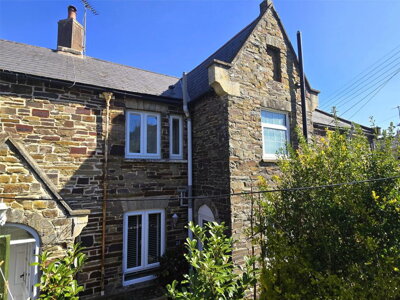
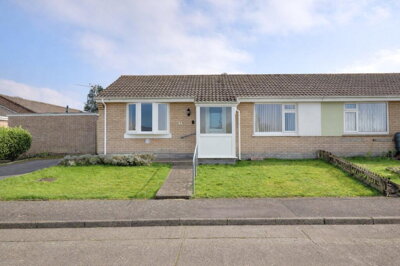
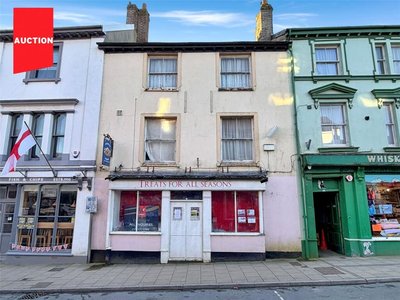
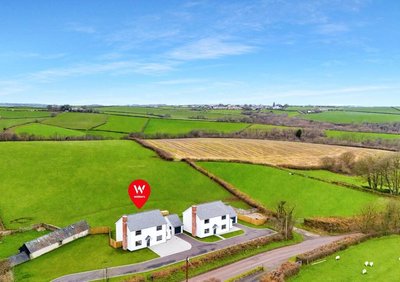
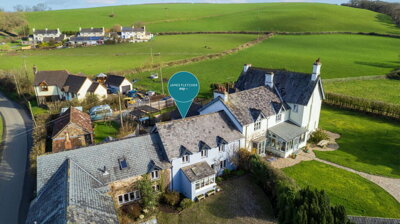
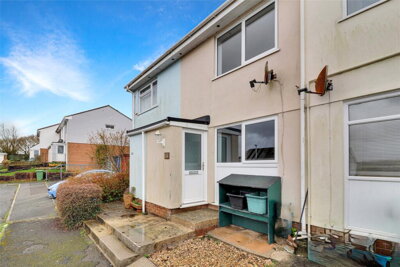
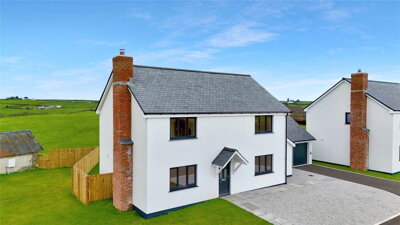
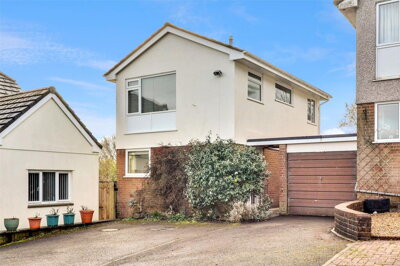
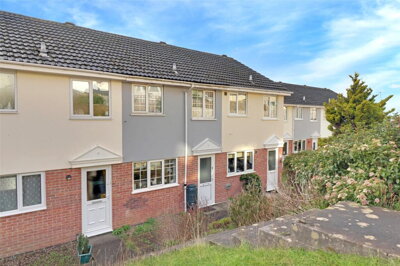
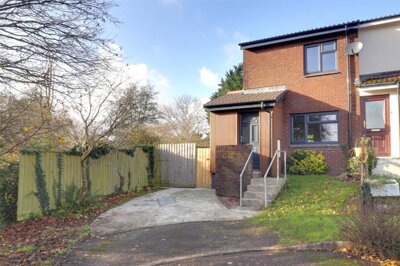
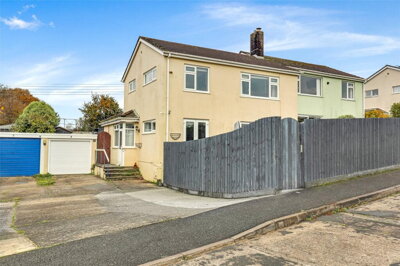
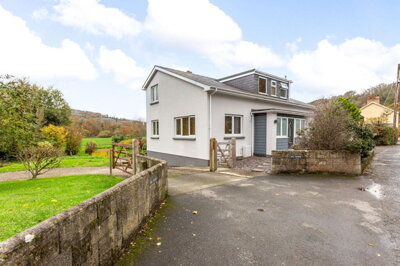
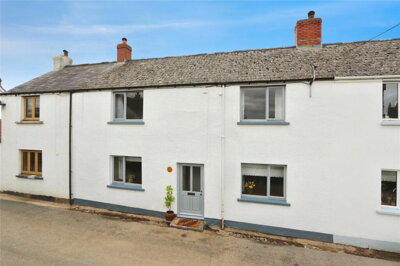
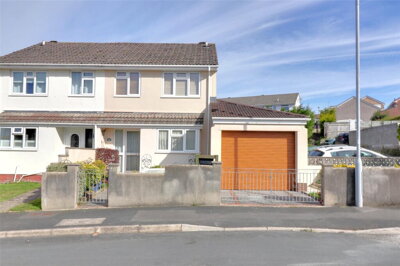
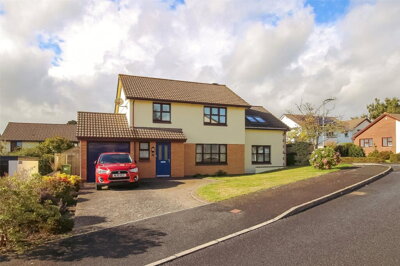
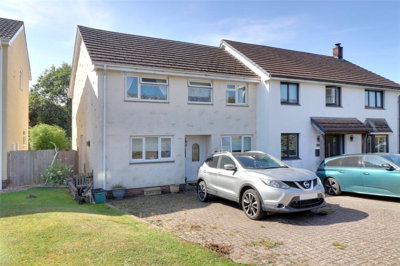
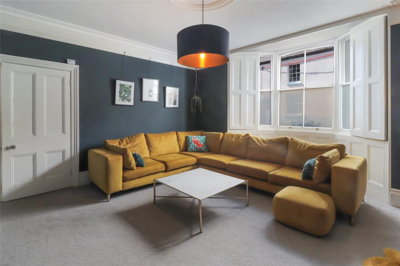
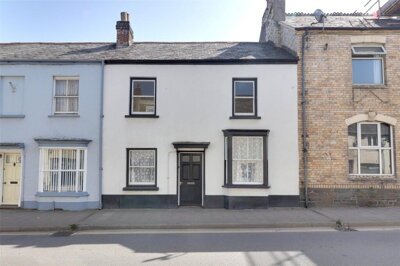
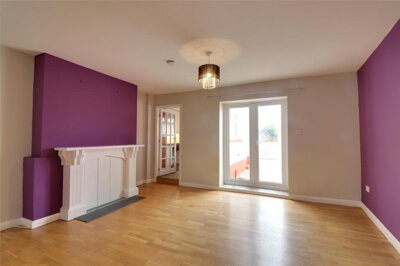
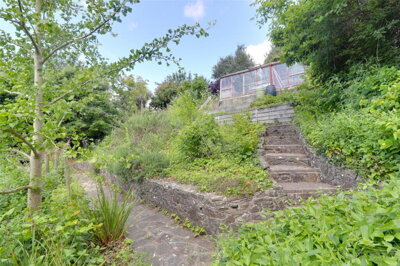
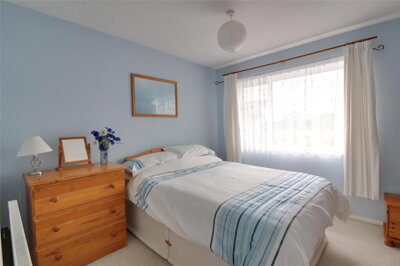
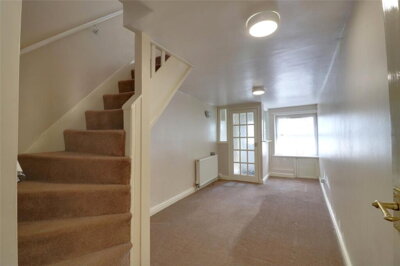
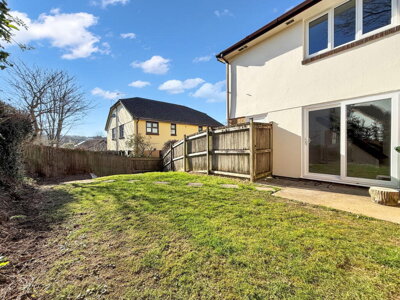
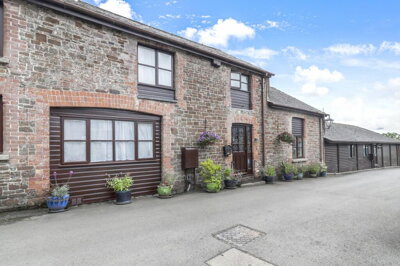
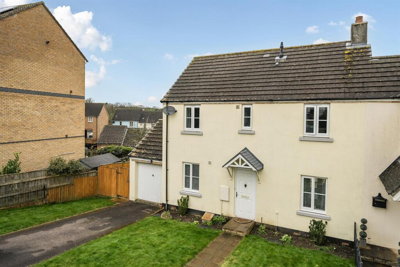
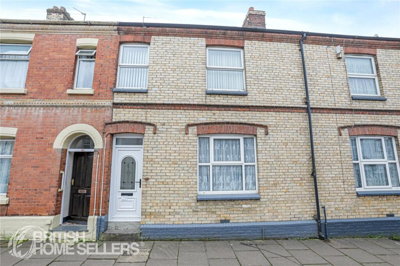
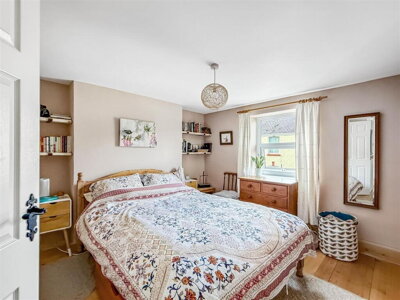
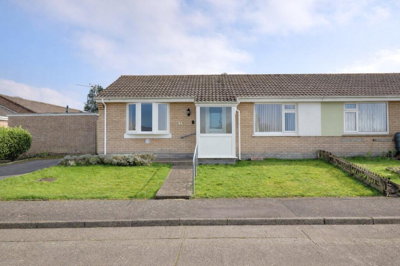
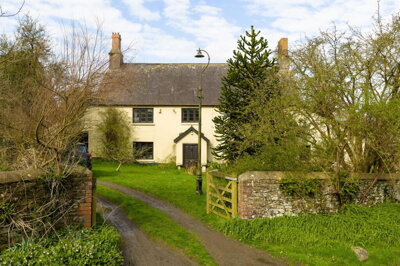
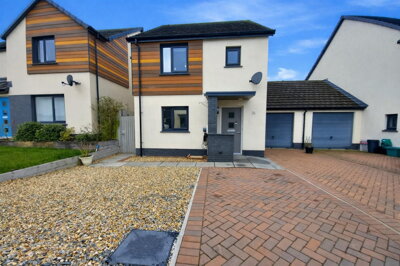
Browse 94 homes for sale in Great Torrington from local estate agents.
Southwold's property market offers a diverse range of property types to suit different budgets and preferences, with prices reflecting the town's popularity as a coastal destination and its relative scarcity of available homes. Detached properties command the highest prices, averaging £759,000, and these typically include substantial Victorian and Edwardian houses situated close to the seafront, as well as more modern detached homes built in keeping with the town's architectural character. Semi-detached properties average £480,000, offering excellent value for families seeking generous living space within walking distance of the town centre and beach. These properties often feature the characteristic red brick or painted render facades that define much of Southwold's built environment, with many dating from the late Victorian and Edwardian periods when the town experienced significant growth as a seaside resort.
Terraced properties in Southwold average £495,000 and represent some of the town's most characterful homes, particularly those lining the historic streets near the Market Place and along Victoria Street. These Georgian and Victorian terraces typically feature two to three bedrooms, original fireplaces, and the type of period details that appeal to buyers seeking an authentic coastal cottage atmosphere. Flats average £300,000 and provide a more accessible entry point to the Southwold property market, though supply in this category is limited. The market has experienced consistent price growth across all property types over the past twelve months, with terraced properties leading the increase at 2.1%, followed by flats at 1.7%, and detached properties at 1.2%. This steady appreciation reflects the enduring appeal of Southwold as both a place to live and invest, though prospective buyers should note that new-build development activity within the town remains minimal, with most properties being either period conversions or older stock.

Southwold's character as a town is defined by its remarkable preservation of architectural heritage, its strong sense of community, and its position at the intersection of sea, heathland, and estuary that provides an exceptional quality of life for its residents. The town centre is designated as a large Conservation Area, encompassing the High Street, Market Place, and surrounding residential streets, which means that development is carefully controlled to maintain the Georgian and Victorian character that makes Southwold so visually distinctive. The housing stock reflects this heritage, with a high proportion of properties dating from before 1919, including Georgian townhouses, Victorian terraces, and earlier cottages that contribute to the town's intimate scale and visual richness. Properties built during the Edwardian and inter-war periods add further variety to the architectural mix, while post-1980 development has been limited to individual new builds that respect the established character of the town.
The population of approximately 2,000 residents across roughly 900 households creates a tight-knit community where many people know each other, and the influx of visitors during the summer months is balanced by a robust year-round population of long-term residents. The local economy is driven by a combination of tourism, the presence of Adnams Brewery as a major employer and cultural institution, and the retirement community that has been drawn to Southwold for its peaceful environment and excellent healthcare access. Local amenities include a good selection of independent shops selling everything from artisan food to coastal gifts, alongside restaurants and pubs that have earned national recognition for their quality. The Tuesday market in the Market Place provides fresh local produce, while the Admiralty Museum, the Southwold Museum, and the electric railway on the pier offer cultural attractions that celebrate the town's maritime heritage. For outdoor activities, the Southwold Heath provides access to rare lowland heath habitat, while the surrounding coastline and estuary offer opportunities for sailing, coastal walking, and birdwatching.
Education provision in Southwold serves families with children of all ages, with Southwold Primary School providing early years and Key Stage 1-2 education within the town itself, offering a convenient option for families seeking to minimise school commutes. The primary school serves a catchment area that includes the town centre and surrounding villages, and parents considering a move to Southwold should verify current catchment boundaries and admissions criteria with East Suffolk Council, as these can affect access to school places. For secondary education, students typically travel to nearby towns, with several secondary schools within reasonable commuting distance offering good Ofsted ratings and a range of academic and vocational qualifications. The travel time from Southwold to secondary schools in Halesworth, Beccles, or Bungay requires consideration when choosing a property, as daily journeys can add to the overall cost and time commitment of schooling arrangements.
For families with older students, sixth form provision is available at secondary schools in surrounding towns, where students can access a broader range of A-level subjects and extracurricular activities than a small town like Southwold can offer independently. The nearest further education college is located in Lowestoft or Ipswich, providing vocational courses and apprenticeships for students who have completed their secondary education. Parents should be aware that Southwold's popularity as a retirement destination and holiday home location means that school rolls can fluctuate, and early application for school places is strongly recommended when moving to the area with children. The quality of education in the surrounding area is generally good, with several primary schools in nearby villages receiving positive Ofsted assessments, and secondary schools in the wider area consistently achieving results that meet or exceed national averages.
Transport connections from Southwold reflect its position as a small coastal town, with road access being the primary means of reaching larger urban centres for work and services. The A1095 provides a direct route to Lowestoft, approximately 10 miles to the south, where the A12 trunk road offers connections to Ipswich, Norwich, and the national motorway network via the A14. Norwich lies approximately 40 miles to the north, reachable in around one hour by car, providing access to the University of East Anglia, Norfolk and Norwich University Hospital, and a broader range of employment opportunities. The journey to Ipswich takes approximately one hour, while Cambridge is accessible in around two hours, making Southwold feasible for occasional commuting to these larger centres, though the distances involved make daily commuting impractical for most occupations.
Public transport options are more limited, with bus services connecting Southwold to surrounding towns including Halesworth, where the nearest railway station is located on the East Suffolk Line. Halesworth station provides direct services to Ipswich and Norwich, with journey times of approximately 30-40 minutes to each city, offering a viable option for commuters who can work remotely for part of the week or who have flexible working arrangements. The nearest major railway station with better connectivity to London Liverpool Street is in Norwich, with journey times of approximately two hours, making day trips to the capital feasible but challenging for regular commuting. For air travel, Norwich International Airport and London Stansted provide domestic and international connections, while the port of Harwich offers ferry services to the continent for those planning continental adventures.
Before committing to a purchase, spend time exploring the local property market to understand the range of properties available, price differences between areas within the town, and the typical time properties take to sell. Southwold's compact size means you can walk most of the town centre and surrounding residential areas in an afternoon, gaining a feel for different neighbourhoods and their proximity to the beach, High Street, and local schools. Consider registering with local estate agents who can alert you to new listings before they appear on major property portals, as the limited supply in Southwold means that desirable properties can sell quickly.
Arranging a mortgage agreement in principle before viewing properties gives you a clear budget and demonstrates to sellers that you are a serious buyer with financing in place. Southwold's property prices mean that most purchases will require a substantial mortgage, and speaking to a specialist broker familiar with coastal and rural properties can help you find the best available rates and products. The documentation required includes proof of income, bank statements, and details of any existing debts, so having these ready will speed up the formal mortgage application once you have had an offer accepted. Be aware that some properties in Southwold, particularly those in conservation areas or near the coast, may have specific lending considerations that your broker should address early in the process.
View multiple properties in Southwold before making an offer, paying attention to the condition of older properties, potential flood risk areas, and the implications of living within a conservation area. The town's heritage means that many properties require ongoing maintenance and renovation, so understanding the scope of any works needed before purchase is essential for budgeting purposes. Take notes during viewings, photograph properties that interest you, and return for second viewings of your favourites before submitting an offer. Ask sellers about the history of the property, any recent works carried out, and the reasons for selling, as this information can help you make a competitive yet informed offer.
Given the age of much of Southwold's housing stock, a RICS Level 2 Survey is essential for identifying defects such as damp, timber decay, roof deterioration, and potential structural issues that may not be apparent during a standard valuation. Survey costs for a typical three-bedroom property in Southwold range from £500 to £800, depending on the size and complexity of the property. The survey report will highlight any urgent repairs needed, potential future maintenance issues, and defects that could affect your decision to proceed or provide ammunition for renegotiating the purchase price. For listed buildings or properties with significant structural concerns, consider upgrading to a RICS Level 3 Building Survey for a more detailed assessment.
Once your offer is accepted, instruct a conveyancing solicitor immediately to handle the legal aspects of the purchase, including searches, contracts, and registration at the Land Registry. Choose a solicitor with experience of coastal and rural properties, as they will be familiar with issues such as flood risk assessments, conservation area consents, and any special provisions that may apply to properties in these categories. Your solicitor will conduct local authority searches, drainage and water searches, and environmental searches to identify any issues that could affect your enjoyment or investment. The conveyancing process in Southwold typically takes 8-12 weeks, though complex transactions involving listed buildings or unusual tenures may take longer.
After your solicitor has completed all searches and you are satisfied with the survey findings, you will sign the contracts and pay the deposit to exchange contracts, legally committing you to the purchase. Completion typically occurs 1-2 weeks later, when the remaining funds are transferred and you receive the keys to your new home. On the day of completion, collect keys from the estate agent and arrange to meet your solicitor to sign final documents if required. Take time to read through the completion statement carefully and ensure all fees have been properly accounted for before the transaction is finalised.
Properties in Southwold require careful inspection due to the coastal environment and the age of much of the housing stock, with specific issues that buyers should be aware of before committing to a purchase. The proximity to the sea accelerates wear and tear on building materials, making timber decay, salt corrosion of metal components, and deterioration of external render and brickwork more common than in inland properties. A thorough survey is essential, and buyers should pay particular attention to roof conditions, the state of lead flashing, and any signs of damp in walls and floors that may indicate penetration of rain or rising moisture from the ground. Properties with timber weatherboarding require regular maintenance to prevent rot, and prospective buyers should check the condition of this cladding carefully during viewings and surveys.
Flood risk is a significant consideration when buying in Southwold, with the town's coastal location and proximity to the River Blyth estuary creating exposure to tidal surges, river flooding, and surface water flooding during heavy rainfall. Properties along the seafront and near the harbour are at highest risk, but flood risk can vary significantly within the town, and a Flood Risk Report should be included in your conveyancing searches to identify the specific risk profile for the property you are purchasing. Insurance premiums may be higher for properties with significant flood exposure, and some lenders have specific requirements for properties in flood risk areas that your solicitor should address. Understanding the property's flood history and any flood prevention measures that have been installed will help you make an informed decision about the level of risk you are comfortable accepting.
The extensive Conservation Area designation and the high concentration of Listed Buildings in Southwold have important implications for property owners that buyers must understand before purchasing. Properties listed as Grade II or Grade II* are protected for their architectural or historic interest, and any alterations, extensions, or significant works will require Listed Building Consent from East Suffolk Council, adding time and cost to any renovation projects. Many properties within the Conservation Area also have Article 4 Directions that remove permitted development rights, restricting the types of alterations you can make without planning permission. These restrictions are designed to preserve the character of the town, but they can limit your ability to make changes that might be permitted on a similar property outside the conservation area. Your solicitor should provide details of any planning constraints affecting the property, and you should satisfy yourself that these are acceptable before proceeding with the purchase.
The overall average house price in Southwold is currently £572,207, according to recent market data. Detached properties average £759,000, reflecting the premium attached to larger homes with sea views or proximity to the beach and heathland. Semi-detached properties average £480,000 and terraced properties average £495,000, while flats average around £300,000. Prices have increased by 1.81% over the past twelve months, indicating steady demand for properties in this desirable coastal town. Given the limited supply of properties and the enduring appeal of Southwold as both a permanent residence and holiday destination, prices are likely to remain firm, though individual property prices will vary depending on condition, location, and specific characteristics.
Properties in Southwold fall under East Suffolk Council's jurisdiction, and council tax bands range from A to H depending on the property's assessed value. Most residential properties in Southwold fall within bands B to E, with smaller flats and cottages typically in bands B or C, mid-range terraced and semi-detached properties in band D or E, and larger detached properties in bands F to H. Band D properties currently pay approximately £1,800-£2,000 per year in council tax, though this varies annually based on East Suffolk Council's budget decisions. Prospective buyers can check the specific council tax band of any property through the Valuation Office Agency website using the property address.
Southwold Primary School serves the town and surrounding villages, providing education from Reception through to Year 6 with a catchment area that includes the town centre and nearby residential areas. For secondary education, students typically travel to schools in surrounding towns, with several options within 10-15 miles including schools in Halesworth, Beccles, and Bungay that have received positive Ofsted assessments. Parents should verify current catchment boundaries and admissions arrangements with East Suffolk Council, as these can affect access to specific schools and may change over time. The quality of local schools is generally good, and families moving to Southwold should register interest with their preferred schools as early as possible to secure places.
Public transport connections from Southwold are limited, with road travel being the primary means of accessing services in larger towns and cities. Bus services connect Southwold to surrounding towns including Halesworth, where the nearest railway station is located on the East Suffolk Line with services to Ipswich and Norwich. Halesworth station provides connections to Norwich in approximately 35 minutes and Ipswich in approximately 40 minutes, making occasional commuting feasible for those with flexible working arrangements. Norwich station offers better connectivity to London Liverpool Street, with journey times of around two hours. For daily commuting to major employment centres, a car is essential for most residents, and the A12 provides access to Ipswich and Norwich within approximately one hour.
Southwold has historically shown strong property price growth and limited supply, making it attractive to investors seeking capital appreciation and rental income. The town's popularity as a tourist destination creates demand for holiday lets, and properties near the seafront or town centre can command premium rental rates during the summer season. However, prospective investors should be aware of specific considerations including conservation area restrictions, potential flood risk for some properties, and the need for ongoing maintenance of older buildings. The market is relatively illiquid due to limited supply, meaning properties can take time to sell if you need to realise your investment quickly. Stamp duty costs and the three percent additional rate for second homes should be factored into investment calculations, alongside anticipated maintenance costs and potential voids between tenancies.
Stamp Duty Land Tax rates from April 2025 onwards apply 0% to the first £250,000 of residential property purchases, 5% on the portion from £250,001 to £925,000, 10% on the portion from £925,001 to £1.5 million, and 12% on any amount above £1.5 million. For a property priced at the Southwold average of £572,207, a buyer paying the full purchase price would pay £16,110 in stamp duty, calculated as 5% on £322,207 above the £250,000 threshold. First-time buyers claiming relief pay 0% on the first £425,000 and 5% on the portion from £425,001 to £625,000, reducing the stamp duty on an average-priced property to around £7,360. Additional properties, including second homes and buy-to-let purchases, incur a 3% surcharge on all bands, increasing costs significantly for investors.
The primary risks when buying in Southwold relate to the age and condition of the housing stock, coastal environmental factors, and planning restrictions associated with the Conservation Area and Listed Buildings. Older properties commonly suffer from damp due to solid walls without modern damp-proof courses, timber decay including woodworm and wet or dry rot, and deterioration of original roofs and leadwork accelerated by exposure to salt-laden air. Flood risk affects properties near the seafront and harbour, with potential implications for insurance costs and future saleability. Conservation area and Listed Building designations limit the changes owners can make to properties, and any renovation work requires consent from East Suffolk Council, adding time and cost to improvement projects. Commissioning a thorough RICS Level 2 or Level 3 survey before purchase will identify these issues and allow you to make an informed decision.
From 4.5%
Compare mortgage rates and find the best deal for your Southwold property
From £499
Expert solicitors to handle your property purchase
From £500
Homebuyer report recommended for Southwold's period properties
From £85
Energy performance certificate required for sale
Understanding the full cost of purchasing a property in Southwold extends beyond the headline purchase price and requires careful budgeting for stamp duty, legal fees, survey costs, and other associated expenses. For a property priced at the current Southwold average of £572,207, a buyer paying the standard residential rates would owe £16,110 in Stamp Duty Land Tax, calculated on the portion of the price between £250,000 and £925,000 at the 5% rate. This represents a significant cost that buyers must factor into their financial planning, alongside mortgage arrangement fees, valuation fees, and the deposit paid upon exchange of contracts. First-time buyers benefiting from the increased threshold pay considerably less, with stamp duty of approximately £7,360 on the same property, though eligibility for first-time buyer relief requires meeting specific criteria regarding previous ownership and property value limits.
Legal costs for conveyancing in Southwold typically range from £500 to £2,000 depending on the complexity of the transaction and whether the property is freehold or leasehold, with leasehold properties requiring additional work to review the lease terms and any service charge provisions. Search fees, including local authority, drainage and water, and environmental searches, typically cost between £200 and £400 and are essential for identifying any issues that could affect the property. For older properties in Southwold, a RICS Level 2 Survey costing between £500 and £800 is money well spent given the prevalence of defects in the town's housing stock, while properties that are listed or have significant structural concerns may benefit from the more detailed RICS Level 3 Survey at higher cost. Land Registry registration fees, bank transfer charges, and removal costs add further expenses, and buyers should budget for total additional costs of approximately 3-5% of the purchase price when calculating their total outlay.
Properties for Sale In London

Properties for Sale In Plymouth

Properties for Sale In Liverpool

Properties for Sale In Glasgow

Properties for Sale In Sheffield

Properties for Sale In Edinburgh

Properties for Sale In Coventry

Properties for Sale In Bradford

Properties for Sale In Manchester

Properties for Sale In Birmingham

Properties for Sale In Bristol

Properties for Sale In Oxford

Properties for Sale In Leicester

Properties for Sale In Newcastle

Properties for Sale In Leeds

Properties for Sale In Southampton

Properties for Sale In Cardiff

Properties for Sale In Nottingham

Properties for Sale In Norwich

Properties for Sale In Brighton

Properties for Sale In Derby

Properties for Sale In Portsmouth

Properties for Sale In Northampton

Properties for Sale In Milton Keynes

Properties for Sale In Bournemouth

Properties for Sale In Bolton

Properties for Sale In Swansea

Properties for Sale In Swindon

Properties for Sale In Peterborough

Properties for Sale In Wolverhampton

Enter your details to see if this property is within your budget.
Loans, cards, car finance
Estimated property budget
Borrowing + deposit
You could borrow between
Typical borrowing
Monthly repayment
Est. at 4.5%
Loan-to-value
This is an estimate only. Your actual budget may vary depending on interest rates, credit history, and personal circumstances. For an accurate affordability assessment, speak to one of our free mortgage advisors.
This calculator provides estimates for illustrative purposes only and does not constitute financial advice. Your home may be repossessed if you do not keep up repayments on your mortgage. Estimates based on 4.5% interest rate, repayment mortgage. Actual rates depend on your circumstances.
Homemove is a trading name of HM Haus Group Ltd (Company No. 13873779, registered in England & Wales). Homemove Mortgages Ltd (Company No. 15947693) is an Appointed Representative of TMG Direct Limited, trading as TMG Mortgage Network, which is authorised and regulated by the Financial Conduct Authority (FRN 786245). Homemove Mortgages Ltd is entered on the FCA Register as an Appointed Representative (FRN 1022429). You can check registrations at NewRegister or by calling 0800 111 6768.

We use cookies to show you personalised content and improve your experience of our website. Find out more in our Privacy policy and Cookie policy.