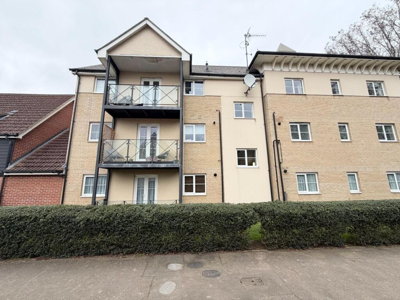
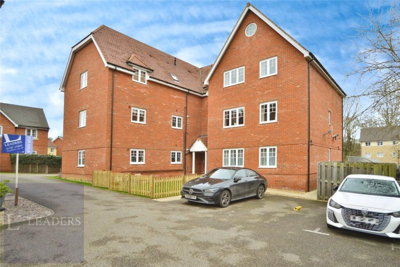
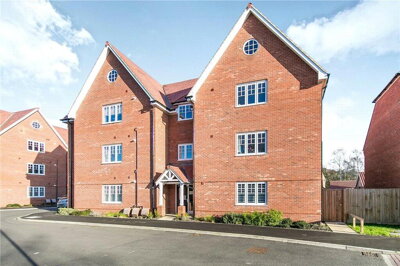
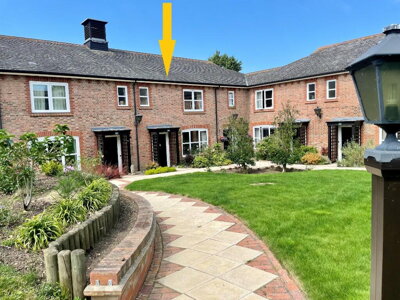
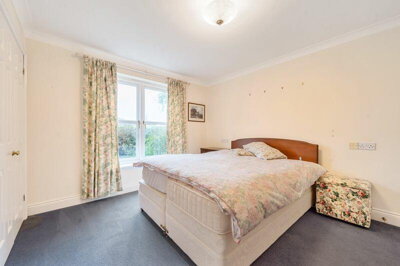
Browse 5 homes for sale in Great Maplestead from local estate agents.
The 2 bed flat sector typically includes two separate bedrooms, dedicated living areas, and bathroom facilities. Properties in Great Maplestead span purpose-built blocks, converted period houses, and modern apartment complexes on various floors.
The Great Maplestead property market has demonstrated considerable volatility over recent years, with house prices rising 20% year-on-year yet remaining 35% below the 2022 peak of £872,750. This correction offers both challenges and opportunities for buyers, with semi-detached properties available from approximately £365,000, representing relatively better value compared to the detached sector. The village has seen limited transaction volumes, which is typical for small rural communities where properties change hands infrequently, meaning serious buyers should be prepared to act decisively when suitable homes become available.
New build activity in the village includes High View, an executive development by Seven Developments featuring Neo-Georgian and contemporary designs, including High View House, a six-bedroom Neo-Georgian property, and Crabtree and Lavender House, a four-bedroom modern design. Esmera Homes completed the Field View scheme with link-detached properties, specifically Paddock View and Lynwood, both of which have sold. These developments demonstrate continued developer interest in Great Maplestead despite its small scale, attracted by buyers willing to pay premiums for modern construction methods and energy efficiency within a historic village setting.
The market dynamics in Great Maplestead reflect broader trends in rural Essex, where limited supply meets persistent demand from buyers seeking village character. Current planning applications indicate ongoing evolution of the housing stock, including conversions and replacement dwellings that may bring additional properties to market. However, Braintree District Council's tiered settlement strategy restricts major expansion in Tier 3 villages like Great Maplestead, which helps preserve the character that attracts buyers in the first place while simultaneously limiting buyer options.

Great Maplestead is a small but historically rich village with a population of 385 residents according to the 2021 Census, representing growth from 343 in 2011. The village centres around the Grade I listed Church of St Giles, a Norman architectural gem that anchors the community's heritage character. The village is classified as a Tier 3 settlement within Braintree District's local plan, meaning it functions as a service village relying on neighbouring towns for many amenities while maintaining its own distinct identity and community facilities.
The village features 53 listed buildings recorded in the National Heritage List for England, including the notable Grade II* Dyne's Hall, creating an environment where architectural heritage is actively protected. Well-preserved medieval cottages line the village lanes, built from traditional materials including local brick and timber framing that reflect centuries of local building traditions. Conservation areas within the village ensure that new development respects the established character, protecting property values and the quality of the residential environment for existing and future residents.
The economic profile of Great Maplestead shows interesting characteristics, with 42.6% of households classified as economically inactive, slightly above the 36.9% district average. In 2011, approximately 95 residents worked in managerial, directorial, technical, administrative, or secretarial roles, reflecting a shift away from the agricultural and manufacturing work that historically sustained rural Essex communities. The village has a Housing Association stock of 16 rental properties, providing some affordable housing options within the community. Historical records show that in 1851, when the population peaked at 341 residents, there were 111 households in the village, with numbers gradually increasing through the latter half of the twentieth century.
Great Maplestead's architectural heritage reflects centuries of building tradition, with medieval timber-framed cottages forming the backbone of the village's residential character. Properties dating from the medieval period typically feature oak timber framing with wattle and daub infill panels, construction techniques that require specialist knowledge to properly assess and maintain. The local brick, often handmade using clay from the surrounding Essex fields, appears prominently in cottages and farm buildings constructed from the sixteenth century onwards.
Georgian and Victorian additions to the village brought more sophisticated brickwork and sash windows, while twentieth-century construction introduced cavity wall techniques and modern roofing materials. This variety of construction ages and methods means buyers face a complex assessment task when evaluating properties, as each era brings its own characteristic defects and maintenance requirements. Properties built before 1919, which constitute a significant portion of the village stock, typically require more thorough inspection than modern homes due to the potential for historic defects that may not be immediately apparent.
The underlying geology of the Great Maplestead area, situated on soils typical of North Essex, presents particular considerations for property buyers. Clay soils are susceptible to shrink-swell movement in response to moisture content changes, which can affect building foundations over time. While no specific subsidence issues have been documented in the village, buyers of older properties should ensure surveys include thorough assessment of foundation condition and any signs of movement or cracking that might indicate ground instability.
Families considering Great Maplestead should note that as a Tier 3 village, local primary education facilities may be limited compared to larger towns. The village's small scale means children typically attend schools in neighbouring settlements, making catchment area research essential before purchasing property. Parents should investigate current school allocations and travel arrangements, as school transport services may be affected by the withdrawal of scheduled bus routes in the area.
Secondary education options for Great Maplestead residents include schools in the surrounding towns, which families can access via private transport or the on-demand community transport service that replaced the former scheduled bus. Given the village's small population, families should carefully research school performance data, Ofsted ratings, and admission policies for surrounding secondary schools, particularly those offering sixth form provision for older children. The nearest grammar schools are located in larger towns within Braintree District, which may require passing the 11+ selection examination for admission.
Parents are advised to contact Braintree District Council's education department for current information on school transport arrangements and catchment area boundaries, as these can change and may influence which properties represent the best investment for families with school-age children. The travel implications of village living should be factored into overall budget calculations, including fuel costs, vehicle wear, and the time value of daily journeys to and from educational facilities.
Transport connectivity is a significant consideration for Great Maplestead residents, as the village has experienced the withdrawal of its scheduled bus service, now replaced by an on-demand service. This change means private vehicle ownership is effectively essential for most residents, with the nearest railway stations located in surrounding towns offering connections to London and East Anglia. Daily commuters should factor in journey times and parking arrangements at their destination stations when calculating the true cost of village living.
Great Maplestead sits approximately one mile southwest of the River Colne, with road connections linking the village to the market town of Halstead and the larger centre of Braintree. The A1124 provides access to the A120 and subsequently the M11 corridor, giving residents reasonable road connections to Cambridge and London. Cyclists will find rural lanes with varying surfaces, while footpaths and bridleways provide recreational routes through the surrounding countryside. The village's position offers a balance between rural tranquility and practical connectivity for those who work in nearby towns.
For professionals commuting to London, the journey by road to Liverpool Street station typically takes around 90 minutes depending on traffic conditions. Alternative rail access via Braintree or Marks Tey stations provides connections to London Liverpool Street and Stansted Airport, making the village viable for those working in the capital or requiring regular air travel. The village's location relative to the M11 corridor offers reasonable access to Cambridge and Stansted Airport, expanding employment and travel options for residents.
Explore current listings on Homemove to understand what properties are available in Great Maplestead, including detached period homes, modern new builds, and conservation area properties. Given limited transaction volumes, monitoring listings regularly and understanding price trends since the 2022 peak helps set realistic expectations. Register for alerts to be notified when new properties become available, as the village's tight-knit market means homes can sell quickly.
Contact lenders or use Homemove's mortgage comparison service to obtain an agreement in principle before viewing properties. With average prices around £570,000, most buyers will require substantial lending, and having finance confirmed strengthens your position when competing for village properties. Mortgage brokers with experience in rural Essex property can often secure more favorable terms for heritage properties, including those with listed building status.
Visit potential properties to assess their condition, character, and proximity to village amenities. Pay particular attention to the age of properties, their listed building status, and any conservation area restrictions that may affect future modifications or improvements you wish to make. Consider viewing properties at different times of day to assess traffic, lighting, and community atmosphere.
Given Great Maplestead's wealth of older properties including medieval cottages and period homes, a Level 2 survey is essential to identify any structural issues, damp, or timber defects before purchase. Costs range from approximately £376 for properties under £200,000 to £930 for homes above £600,000. For particularly complex or historic structures, a Level 3 survey may be recommended despite higher costs.
Appoint a solicitor experienced in rural Essex property transactions to handle legal work, searches, and contracts. They will investigate title matters, registered charges, and any rights of way affecting the property, which is particularly important for properties near agricultural land. Specialist knowledge of listed building consents and conservation area requirements is valuable for older village properties.
Once surveys are satisfactory and legal searches return acceptable results, your solicitor will exchange contracts and set a completion date. On completion day, the remaining balance transfers and you receive the keys to your new Great Maplestead home. Ensure buildings insurance is in place from the completion date, particularly for period properties that may require specialist coverage.
Buyers considering properties in Great Maplestead should be aware of the extensive listed building stock and conservation area controls that affect many village properties. With 53 listed buildings including the Norman Church of St Giles and the Grade II* Dyne's Hall, any modifications to period properties may require Listed Building Consent from Braintree District Council, adding complexity and cost to renovation projects. Properties in conservation areas face similar restrictions on external alterations, which buyers should factor into their purchase decisions and future plans.
Flood risk warrants investigation given the village's proximity to the River Colne, approximately one mile to the northeast. While specific flood zone designations for individual properties require detailed local searches, the Braintree District Local Plan indicates Flood Zones 2 and 3 within the wider area. Standard searches and a thorough survey will reveal any history of flooding or water damage, which is particularly important for low-lying properties or those with cellars.
The predominance of older construction in Great Maplestead, including medieval timber-framed cottages, means buyers should pay particular attention to building fabric condition during surveys. Traditional materials such as oak timber framing, wattle and daub, and historic brickwork require specialist knowledge to assess properly. A RICS Level 3 survey may be advisable for particularly old or complex structures, despite higher costs, to fully understand any structural issues or future maintenance requirements. Look specifically for signs of timber decay, fungal attack, and any previous alterations that may have compromised the structural integrity of historic buildings.
The overall average house price in Great Maplestead over the last year is approximately £570,000 according to recent transaction data. Detached properties average £672,500 while semi-detached homes are more accessible at around £365,000. House prices have risen 20% year-on-year but remain 35% below the 2022 peak of £872,750, suggesting some correction from previous highs that may present buying opportunities for those with long-term horizons.
Properties in Great Maplestead fall under Braintree District Council administration. Council tax bands range from A through H depending on property value and type, with most period cottages and family homes in the village typically falling within bands B to E. Prospective buyers should check specific bands for individual properties via the Valuation Office Agency website as bands can vary significantly between neighbouring homes of similar appearance, often due to historical extensions or improvements that affect rateable value.
Great Maplestead itself is a small village without primary or secondary schools within its boundaries. Families typically access education in neighbouring settlements, with catchment schools determined by postcode. Parents should research current allocations, transport arrangements, and school performance data for surrounding villages and towns. Grammar school access requires passing the 11+ examination and may involve travel to schools in Braintree or Colchester, both of which have established grammar school provision. The nearest primary schools are typically located in Halstead or surrounding villages, with journey times requiring private transport given the limited public bus services.
Public transport connectivity in Great Maplestead is limited following the withdrawal of scheduled bus services, replaced by an on-demand service that requires advance booking. The nearest railway stations are located in surrounding towns, with road connections via the A1124 to Halstead and the A120 corridor providing access to Braintree and the M11. Private vehicle ownership is effectively essential for most residents, particularly those commuting to work or accessing amenities in larger centres. The village's position roughly midway between Halstead and Braintree means residents have reasonable access to services in both directions, though planning journeys around the on-demand service timetable requires flexibility.
Great Maplestead offers potential for property investment given its strong heritage character, limited supply of homes, and proximity to growing commuting corridors. The village's conservation area protections help maintain property values by preventing inappropriate development. However, investors should note the small market size limits liquidity, and rental demand may be modest given the rural location and limited local employment. Capital growth potential exists but should be weighed against carrying costs during any void periods. The 16 Housing Association properties indicate some rental demand in the village, though private rental opportunities are likely limited to those seeking rural village living.
For properties purchased at the current average price of £570,000, standard stamp duty rates apply with 5% charged on the portion between £250,000 and £570,000, resulting in approximately £16,000 in SDLT. First-time buyers paying up to £425,000 pay zero duty on that portion, with 5% on the balance up to £625,000. Properties above £625,000 do not qualify for first-time buyer relief, and residential surcharges may apply for additional properties. Additional SDLT surcharges of 3% apply for non-UK residents purchasing property.
As a Tier 3 settlement under Braintree District Council's local plan, Great Maplestead faces restrictions on major new development, which helps preserve village character but limits housing supply. Many properties fall within conservation areas or are listed buildings, requiring Listed Building Consent for significant alterations. Planning applications currently in progress include conversions of existing buildings and replacement dwellings, indicating some evolution of the housing stock despite the restricted development policy. Buyers should factor potential planning constraints into renovation budgets and timeline expectations, particularly for period properties with historic significance.
Purchasing a property in Great Maplestead involves several costs beyond the purchase price, with stamp duty land tax being a significant consideration. At current SDLT rates, buyers purchasing at the village average price of £570,000 would pay approximately £16,000 in stamp duty, calculated as 5% on the £320,000 portion between £250,000 and £570,000. First-time buyers purchasing residential properties up to £425,000 pay zero duty, with 5% on the balance between £425,000 and £625,000, though no relief applies above £625,000.
Additional purchase costs include solicitor fees for conveyancing, typically ranging from £499 to £1,500 depending on transaction complexity and property value. Survey costs vary significantly based on property type and value, with RICS Level 2 surveys starting from approximately £376 for properties under £200,000 and reaching £930 for homes above £600,000. Given Great Maplestead's older property stock, buyers should budget for potential issues identified during surveys, particularly for timber-framed period cottages that may require specialist attention or follow-up inspections.
Mortgage arrangement fees typically range from £500 to £2,000 depending on lender and product, while valuation fees are often bundled into these costs. Buildings insurance must be arranged from completion day, and removals costs vary based on distance and volume of belongings. For properties in conservation areas or listed buildings, budget for potential specialist survey costs and additional legal work related to planning consents or restrictions that may affect the property. Specialist heritage property insurance may be required for listed buildings, which can be more expensive than standard policies.

From 4.5%
Compare mortgage rates for Great Maplestead properties
From £499
Expert solicitors for Great Maplestead purchases
From £376
Identify defects in period properties
From £600
Comprehensive survey for older properties
Properties for Sale In London

Properties for Sale In Plymouth

Properties for Sale In Liverpool

Properties for Sale In Glasgow

Properties for Sale In Sheffield

Properties for Sale In Edinburgh

Properties for Sale In Coventry

Properties for Sale In Bradford

Properties for Sale In Manchester

Properties for Sale In Birmingham

Properties for Sale In Bristol

Properties for Sale In Oxford

Properties for Sale In Leicester

Properties for Sale In Newcastle

Properties for Sale In Leeds

Properties for Sale In Southampton

Properties for Sale In Cardiff

Properties for Sale In Nottingham

Properties for Sale In Norwich

Properties for Sale In Brighton

Properties for Sale In Derby

Properties for Sale In Portsmouth

Properties for Sale In Northampton

Properties for Sale In Milton Keynes

Properties for Sale In Bournemouth

Properties for Sale In Bolton

Properties for Sale In Swansea

Properties for Sale In Swindon

Properties for Sale In Peterborough

Properties for Sale In Wolverhampton

Enter your details to see if this property is within your budget.
Loans, cards, car finance
Estimated property budget
Borrowing + deposit
You could borrow between
Typical borrowing
Monthly repayment
Est. at 4.5%
Loan-to-value
This is an estimate only. Your actual budget may vary depending on interest rates, credit history, and personal circumstances. For an accurate affordability assessment, speak to one of our free mortgage advisors.
This calculator provides estimates for illustrative purposes only and does not constitute financial advice. Your home may be repossessed if you do not keep up repayments on your mortgage. Estimates based on 4.5% interest rate, repayment mortgage. Actual rates depend on your circumstances.
Homemove is a trading name of HM Haus Group Ltd (Company No. 13873779, registered in England & Wales). Homemove Mortgages Ltd (Company No. 15947693) is an Appointed Representative of TMG Direct Limited, trading as TMG Mortgage Network, which is authorised and regulated by the Financial Conduct Authority (FRN 786245). Homemove Mortgages Ltd is entered on the FCA Register as an Appointed Representative (FRN 1022429). You can check registrations at NewRegister or by calling 0800 111 6768.

We use cookies to show you personalised content and improve your experience of our website. Find out more in our Privacy policy and Cookie policy.