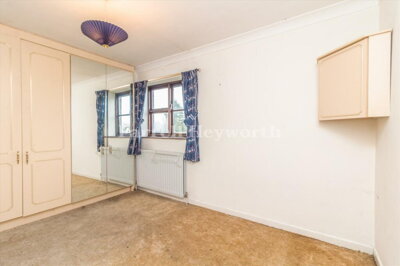
Browse 1 home for sale in Great Eccleston from local estate agents.
Studio apartments feature open-plan living spaces without separate bedrooms, incorporating sleeping, living, kitchen, and bathroom facilities. The Great Eccleston studio market includes properties in modern apartment complexes, converted Victorian and Georgian buildings, and purpose-built developments.
The Great Eccleston property market has demonstrated steady growth, with prices increasing by 1.9% over the past twelve months according to recent data. Detached properties dominate the local market, commanding an average price of £431,250 and reflecting the village's appeal to families seeking generous living space and outdoor areas. Semi-detached homes average around £220,000, while terraced properties offer more accessible entry points at approximately £175,000. Flats in the village centre start from around £165,000, making Great Eccleston accessible to first-time buyers and investors looking for rental opportunities in this growing commuter location.
New build activity in Great Eccleston is contributing fresh inventory to the market. The Paddocks development by Rowland Homes offers 3, 4, and 5-bedroom homes on the edge of the village, with prices typically starting from £275,000 for three-bedroom properties. Several other planning permissions signal continued growth in the local housing stock, including a resolved application for 101 dwellings on land adjacent to Gradwells Farm on Copp Lane and a reserved matters application for 343 homes south of the A586. Bellway Homes is also building new properties on former farmland within the village area. These developments blend harmoniously with the existing village character, maintaining the traditional red brick aesthetic that defines much of the Fylde area while providing modern, energy-efficient homes for today's buyers.

Great Eccleston offers a quintessential English village lifestyle with all the conveniences of modern living within easy reach. The village centre features a selection of independent shops, traditional public houses, and cafes where locals gather for Sunday roasts and community events. The monthly farmers market brings fresh local produce to the village square, supporting local growers and artisan food producers while fostering the strong sense of community that makes Great Eccleston special. The annual Great Eccleston Show attracts thousands of visitors from across Lancashire, celebrating the area's agricultural heritage with livestock shows, craft exhibitions, and family entertainment.
The village population of approximately 1,577 residents creates an intimate community atmosphere where neighbours know one another and local events bring people together throughout the year. The village contains eight Grade II listed buildings according to the National Heritage List for England, including St Mary's Church and various historic farmhouses and cottages, testament to its rich heritage. Property types in Great Eccleston reflect its varied architectural heritage, with around 15% of homes built before 1919, including charming cottages and historic farmhouses, while 40% of the housing stock dates from 1980 onwards, representing the expansion phases that have accommodated growing demand from commuters.
The mix of architectural styles, from rendered clay and brick farmhouses to brick-built family homes with slate or tile roofs, gives each neighbourhood within the village its own distinct character while maintaining a cohesive village aesthetic. Many traditional homes can be found along roads like Raikes Road and Blackpool Old Road, where 18th-century houses often feature solid wall construction, rendered finishes, or in some cases sandstone lower courses. These historic properties retain original features such as fireplaces, timber beams, and sash windows that appeal to buyers seeking period character.

Families considering a move to Great Eccleston will find a selection of well-regarded educational establishments within easy reach. Primary education is served by schools in the village itself and neighbouring communities, with several achieving Good or Outstanding Ofsted ratings. For secondary education, pupils typically travel to schools in Poulton-le-Fylde, Kirkham, or Fleetwood, all of which are accessible via regular bus services that serve the village. These schools have established reputations for academic achievement and extracurricular programmes that cater to diverse interests and talents.
The surrounding Fylde area also offers excellent further education opportunities. Blackpool and the Fylde College provides vocational courses and A-levels, while Preston colleges offer an even broader range of academic and professional qualifications for older students. Several independent schools in the wider Lancashire area provide alternative educational pathways for families seeking specialist curricula or smaller class sizes. When searching for homes in Great Eccleston, parents should verify current catchment areas with Lancashire County Council, as these can influence school placement eligibility and may affect property values in specific neighbourhoods.

Great Eccleston enjoys excellent transport connections that make it an ideal base for commuters working in Preston, Blackpool, or further afield. The A585 road passes nearby, providing direct access to the M55 motorway at Freckleton, connecting residents to the wider national road network within minutes. Journey times to Preston city centre take approximately 25 minutes by car, while Blackpool can be reached in around 20 minutes. The M6 motorway is accessible via the M55, opening up travel to Manchester, Liverpool, and the Lake District for those who need to travel further afield for work.
Public transport options include bus services connecting Great Eccleston to surrounding towns and villages, with regular routes serving Poulton-le-Fylde, Kirkham, and Preston. For rail travel, the nearest stations are in Poulton-le-Fylde and Kirkham and Wesham, both offering regular services to Blackpool, Preston, and connections to the West Coast Main Line. Cyclists benefit from dedicated routes and the relatively flat landscape of the Fylde coastal plain, making cycling a viable option for shorter local journeys. For air travel, Liverpool John Lennon Airport and Manchester Airport are both accessible within approximately 90 minutes by car.

Start by exploring our current listings and understanding the local market. Great Eccleston prices range from around £165,000 for flats to over £430,000 for detached family homes. Visit at different times of day and speak to residents to get a genuine feel for village life. Our platform provides comprehensive access to properties from local estate agents throughout the village.
Before viewing properties, approach a lender to obtain an Agreement in Principle. This strengthens your position when making offers and demonstrates to sellers that you have secured financing. Our mortgage comparison tool helps you find competitive rates from lenders across the market.
Use Homemove to book viewings on properties that match your criteria. We work with local estate agents to bring you every available listing in Great Eccleston, from period cottages along Raikes Road to new build homes at The Paddocks development by Rowland Homes.
Once your offer is accepted, arrange a Homebuyer Report to assess the property condition. Given that around 60% of homes in Great Eccleston were built before 1980, a professional survey can identify issues such as damp, roof condition, or potential subsidence from clay soils.
Our conveyancing partners handle the legal aspects of your purchase, including local searches, title verification, and registration with HM Land Registry. Local knowledge of Wyre Council procedures can help expedite the process.
After surveys, mortgage offers, and legal checks are finalised, you will exchange contracts and pay your deposit. Completion typically follows within 2-4 weeks, when you will receive the keys and take ownership of your new home in Great Eccleston.
When purchasing property in Great Eccleston, understanding the local geology is essential for making an informed investment. The village sits on boulder clay soils derived from Quaternary glacial till overlying Carboniferous bedrock, which can experience shrink-swell movement during extreme weather conditions. Properties with large trees nearby or those built with shallower foundations may be susceptible to subsidence or heave over time. A thorough survey by a RICS qualified inspector will assess foundation conditions and identify any existing cracking or movement that could indicate structural concerns requiring remediation.
Flood risk is another important consideration for buyers exploring Great Eccleston properties. While the village itself is positioned inland from the coast, areas near the River Wyre and its tributaries carry a risk of river flooding and surface water flooding during periods of heavy rainfall. The Environment Agency provides detailed flood risk maps that can help you assess the vulnerability of specific properties. Additionally, Great Eccleston has a designated Conservation Area protecting its historic character, meaning properties in certain zones may be subject to planning restrictions affecting permitted development rights and exterior alterations.
The age and construction of available properties varies considerably across the village, influencing maintenance requirements and renovation potential. The older properties along roads like Raikes Road and Blackpool Old Road include historic buildings and 18th-century houses that may feature solid wall construction, rendered finishes, or in some cases sandstone lower courses. These homes often retain original features such as fireplaces, timber beams, and sash windows that appeal to those seeking character properties. However, solid wall properties may have limited insulation and outdated electrical systems compared to modern cavity wall equivalents. Modern additions to the housing stock benefit from cavity wall insulation and contemporary heating systems, offering lower maintenance requirements and improved energy efficiency for buyers prioritising running costs.

The average property price in Great Eccleston currently stands at £336,500 according to recent market data. Detached properties average around £431,250, semi-detached homes cost approximately £220,000, and terraced properties typically sell for £175,000. Flats in the village start from around £165,000. Property prices have increased by 1.9% over the past twelve months, reflecting sustained demand for homes in this attractive village location.
Properties in Great Eccleston fall under Wyre Council's jurisdiction and are assigned council tax bands from A to H depending on their value and characteristics. Most family homes in the village fall into bands B through D, with newer properties and larger detached homes potentially placed in higher bands. You can verify the specific band for any property through the Valuation Office Agency website or on the property listing details.
Great Eccleston has primary schools serving the local community, with several achieving Good Ofsted ratings. For secondary education, pupils typically attend schools in surrounding towns such as Poulton-le-Fylde, Kirkham, or Fleetwood, all accessible via school bus services. Families should check current catchment areas with Lancashire County Council before purchasing, as these can influence school placement eligibility and vary between properties in different parts of the village.
Great Eccleston is served by bus routes connecting the village to Poulton-le-Fylde, Kirkham, and Preston, with regular services throughout the day. The nearest railway stations are at Poulton-le-Fylde and Kirkham and Wesham, offering direct trains to Blackpool, Preston, and connections to the national rail network. For drivers, the A585 provides quick access to the M55 motorway, with Preston reachable in approximately 25 minutes and Blackpool in around 20 minutes.
Great Eccleston offers strong investment potential for several reasons. The village serves as a convenient commuter location for workers in Preston, Blackpool, and the wider Lancashire area, maintaining consistent demand from buyers seeking village living with city access. New developments like The Paddocks by Rowland Homes and significant planning permissions for hundreds of new homes indicate growth and continued interest in the area. The conservation designation protects property values by maintaining the village's attractive character, while rental demand remains steady from young professionals and small families attracted to the community atmosphere.
Stamp Duty Land Tax rates for standard purchases start at 0% on the first £250,000 of property value, then 5% on the portion between £250,001 and £925,000. For properties above £925,000, rates increase to 10% up to £1.5 million, then 12% above that threshold. First-time buyers benefit from relief on the first £425,000, paying 5% on the amount between £425,001 and £625,000, with no relief available above £625,000. You should always calculate your specific liability based on the purchase price and your buyer status before committing to a purchase.
The primary environmental consideration in Great Eccleston relates to the underlying boulder clay geology, which can cause subsidence or heave in properties with inadequate foundations or large nearby trees. Surface water flooding near watercourses represents another risk factor, particularly for properties close to the River Wyre tributaries. The village is not in a coal mining area, so mining-related subsidence is not a concern. We recommend requesting an environmental search as part of your conveyancing process and commissioning a RICS Level 2 survey to identify any existing issues before completing your purchase.
Our mortgage partners help you find the best deal
From 4.5%
Our conveyancing partners handle all legal work
From £499
Professional survey by qualified inspectors
From £400
Energy performance certificate
From £85
Understanding the full cost of purchasing property in Great Eccleston helps you budget accurately and avoid surprises during the transaction. Beyond the property price, buyers should account for Stamp Duty Land Tax, solicitor fees, survey costs, and removal expenses. For a typical detached home priced at the village average of £431,250, a standard buyer without first-time buyer relief would pay £9,062 in Stamp Duty on the portion above £250,000. First-time buyers purchasing at this price point would pay £312 in Stamp Duty, as relief applies to the first £425,000 of value.
Survey costs represent an important investment in protecting your purchase. A RICS Level 2 Homebuyer Report for a property in Great Eccleston typically ranges from £400 to £800 depending on size and complexity. Given that approximately 60% of properties in the village were built before 1980, a professional survey is particularly valuable for identifying issues such as damp, roof deterioration, or potential subsidence from clay soils. Solicitor fees for conveyancing generally range from £500 to £1,500 plus disbursements, covering local searches, title registration, and contract work. Removal costs vary based on distance and volume but typically fall between £500 and £2,000.
Additional costs to factor into your budget include mortgage arrangement fees, which can range from zero to £2,000 depending on the deal selected, and valuation fees charged by your lender, usually between £150 and £500. Buildings insurance must be in place from the day of completion, while ground rent and service charges apply to leasehold properties, which represent a small proportion of the local market. By obtaining a mortgage Agreement in Principle before viewing properties and budgeting carefully for all associated costs, you can approach your Great Eccleston purchase with confidence and avoid delays that might jeopardise your transaction.

The RICS Level 2 Survey provides particular value in Great Eccleston, where around 60% of properties were built before 1980 using traditional construction methods. Our inspectors frequently encounter solid brick walls, aging slate or tile roofs, and original timber elements that require careful assessment. The prevalence of these older construction types means that professional surveys routinely identify defects that might not be visible during a standard viewing, potentially saving buyers thousands in unexpected repair costs.
Common defects found in Great Eccleston properties include damp affecting older buildings with solid wall construction, roof damage on aging properties, outdated electrical wiring and fuse boxes in pre-1980s homes, subsidence or heave related to the local clay soil conditions, and timber defects in floor joists and roof structures. Given the village's eight Grade II listed buildings and properties within the Conservation Area, our inspectors have detailed knowledge of local construction types and heritage considerations that affect survey requirements and renovation potential.
For buyers considering older or listed properties in Great Eccleston, a more comprehensive RICS Level 3 Building Survey may be more appropriate, providing detailed analysis of construction, condition, and maintenance requirements. Our platform connects you with qualified local surveyors who understand the Great Eccleston property market and can provide accurate, thorough assessments of any property you are considering purchasing.
Properties for Sale In London

Properties for Sale In Plymouth

Properties for Sale In Liverpool

Properties for Sale In Glasgow

Properties for Sale In Sheffield

Properties for Sale In Edinburgh

Properties for Sale In Coventry

Properties for Sale In Bradford

Properties for Sale In Manchester

Properties for Sale In Birmingham

Properties for Sale In Bristol

Properties for Sale In Oxford

Properties for Sale In Leicester

Properties for Sale In Newcastle

Properties for Sale In Leeds

Properties for Sale In Southampton

Properties for Sale In Cardiff

Properties for Sale In Nottingham

Properties for Sale In Norwich

Properties for Sale In Brighton

Properties for Sale In Derby

Properties for Sale In Portsmouth

Properties for Sale In Northampton

Properties for Sale In Milton Keynes

Properties for Sale In Bournemouth

Properties for Sale In Bolton

Properties for Sale In Swansea

Properties for Sale In Swindon

Properties for Sale In Peterborough

Properties for Sale In Wolverhampton

Enter your details to see if this property is within your budget.
Loans, cards, car finance
Estimated property budget
Borrowing + deposit
You could borrow between
Typical borrowing
Monthly repayment
Est. at 4.5%
Loan-to-value
This is an estimate only. Your actual budget may vary depending on interest rates, credit history, and personal circumstances. For an accurate affordability assessment, speak to one of our free mortgage advisors.
This calculator provides estimates for illustrative purposes only and does not constitute financial advice. Your home may be repossessed if you do not keep up repayments on your mortgage. Estimates based on 4.5% interest rate, repayment mortgage. Actual rates depend on your circumstances.
Homemove is a trading name of HM Haus Group Ltd (Company No. 13873779, registered in England & Wales). Homemove Mortgages Ltd (Company No. 15947693) is an Appointed Representative of TMG Direct Limited, trading as TMG Mortgage Network, which is authorised and regulated by the Financial Conduct Authority (FRN 786245). Homemove Mortgages Ltd is entered on the FCA Register as an Appointed Representative (FRN 1022429). You can check registrations at NewRegister or by calling 0800 111 6768.

We use cookies to show you personalised content and improve your experience of our website. Find out more in our Privacy policy and Cookie policy.