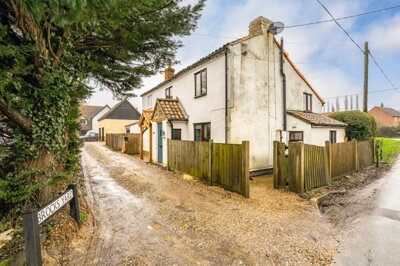
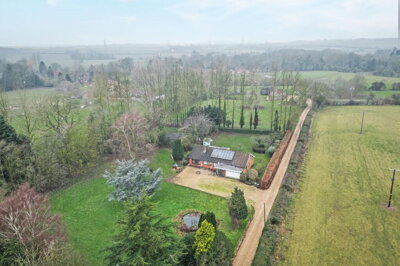
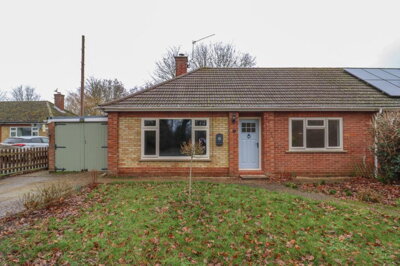
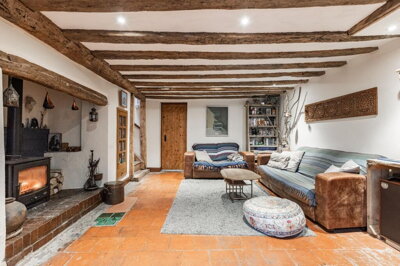
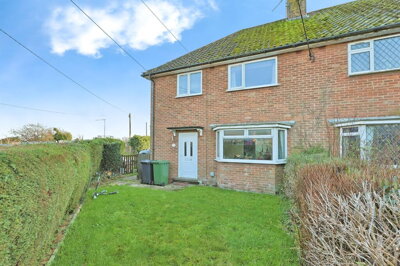
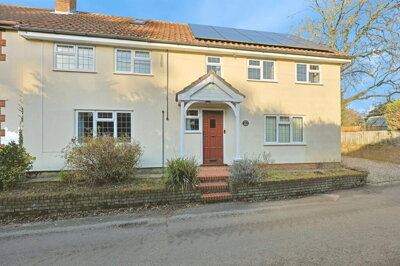
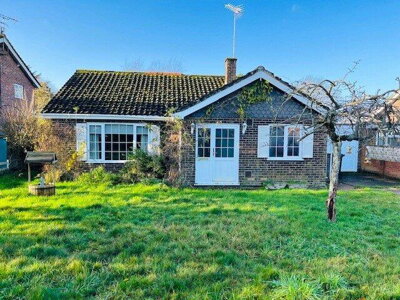
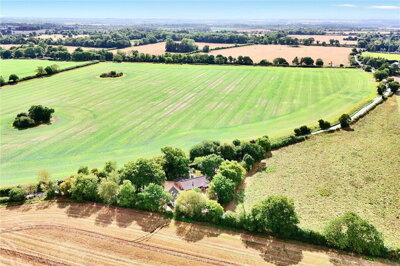
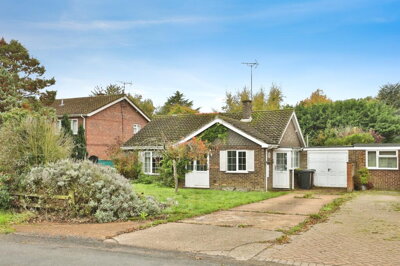
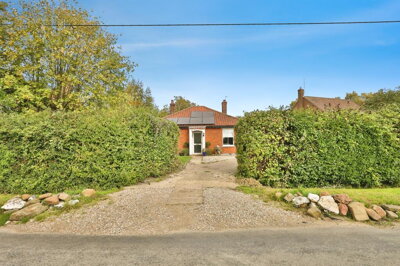
Browse 10 homes for sale in Great Dunham from local estate agents.
The Great Dunham property market offers detached, semi-detached, and terraced houses spanning various price ranges and neighbourhoods. Each listing includes detailed property information, photographs, and direct contact with the marketing agent.
The Great Dunham property market is characterised by traditional rural housing stock that reflects the village's historical character and agricultural heritage. Detached properties dominate the market, typically priced around £430,000, offering buyers generous living spaces, off-road parking, and often substantial garden plots that are highly sought after by families and those who enjoy outdoor pursuits. Semi-detached homes average approximately £275,000, providing an accessible entry point to village life with the benefit of shared character features and typically lower maintenance requirements than larger detached properties. Terraced properties, priced from around £210,000, represent the most affordable option in the village and often include charming period features such as exposed brickwork, original fireplaces, and cottage-style gardens that appeal to first-time buyers and those seeking a manageable property.
Recent market activity shows that property prices in Great Dunham have increased by 1.48% over the past twelve months, demonstrating steady and sustainable growth that suggests a healthy local market without the volatility seen in urban areas. There have been 10 property sales recorded in the village over the past year, indicating a stable level of transaction activity typical of smaller rural communities. No active new-build developments exist within the immediate Great Dunham postcode area, meaning buyers seeking modern conveniences may need to consider properties in nearby towns or be prepared to modernise existing village properties. The absence of new construction also helps preserve the village's character and historical architecture, which includes several listed buildings and historic farmhouses that contribute to Great Dunham's distinctive appearance.
The village's housing stock reflects its agricultural origins, with many homes originally built as farmworkers' cottages and estate properties associated with local farms. This heritage means that properties in Great Dunham often feature generous plot sizes inherited from their agricultural past, with gardens that extend well beyond what buyers might expect in comparable village locations. Our team regularly sees properties with vegetable gardens, orchards, and paddocks that speak to the village's rural character. The predominantly detached and semi-detached nature of the housing stock provides privacy and space that newer developments often struggle to match, making Great Dunham particularly attractive to families seeking room to grow.

Life in Great Dunham offers a pace of living that many city dwellers dream of but rarely experience. The village punches above its weight in terms of community spirit, with regular events, a welcoming pub, and an active parish council that works to maintain the village's facilities and character. The population of 460 residents across 192 households creates a close-knit atmosphere where new arrivals are quickly made to feel part of the community. The village benefits from its proximity to the A47, which provides straightforward access to Norwich to the east and King's Lynn to the west, while the A1065 offers routes toward Fakenham and the stunning north Norfolk coastline. For those working in professional occupations, Great Dunham serves as an ideal base for commuting, with the flexibility of working from home complemented by occasional trips to larger offices in nearby towns.
The local economy in and around Great Dunham is influenced by agriculture, which remains significant in this part of Norfolk, alongside tourism that brings visitors to enjoy the area's natural beauty and heritage sites. The wider Breckland region offers exceptional opportunities for outdoor activities, including walking, cycling, horse riding, and birdwatching, with the Breckland Forest providing an extensive network of trails through woodland and heathland. Local food producers, farm shops, and farmers' markets in nearby towns supply fresh, seasonal produce that forms the backbone of village life. The presence of listed buildings, including St Andrew and St Mary Church and several historic farmhouses and cottages, adds architectural interest and a sense of permanence to the village landscape. Cultural attractions in the broader area include National Trust properties, historic market towns, and annual festivals that celebrate Norfolk's heritage and traditions.
Our inspectors have worked on numerous properties throughout the Breckland area, and we frequently observe that homes in villages like Great Dunham tend to feature construction methods that differ significantly from modern standards. Properties built with solid brick, flint walls, and timber frames require different maintenance approaches than cavity-walled modern homes, and understanding these differences is crucial for buyers. The village's position away from major roads means that air quality is generally excellent, while the lack of light pollution in this rural location offers residents the chance to enjoy dark skies and star-filled nights that urban residents rarely experience. Community life centres on the village hall and local pub, both of which host events throughout the year and provide essential social venues in this dispersed rural community.

Education provision in Great Dunham includes a village primary school that serves the local community, offering young children the benefit of small class sizes and individual attention from dedicated teachers. The school benefits from its rural setting, with extensive grounds and easy access to countryside learning opportunities that complement classroom activities. For families considering primary education options, we recommend visiting the school, meeting the headteacher, and reviewing recent Ofsted reports to understand current performance and ethos. Primary school-aged children can typically walk or cycle to school along safe village roads, eliminating the stress of school run logistics that affects families in larger towns and cities.
Secondary education for Great Dunham residents is provided at schools in nearby towns, accessible via school bus services that operate along established routes. Notable options include schools in the Swaffham area and other institutions within reasonable commuting distance, offering a range of academic and vocational pathways for students of all abilities. The grammar school system in Norfolk provides additional options for academically inclined students, with selective schools in nearby towns offering places based on entrance examination performance. Parents should note that catchment areas and school bus routes can change, making it essential to verify current arrangements with local education authorities before committing to a property purchase. For families with older children, sixth form and further education provision is available in King's Lynn, Norwich, and other larger towns in the region.
We have helped numerous families find properties in Great Dunham specifically for the educational advantages that village life can offer. Smaller class sizes at the primary level often mean that teachers can identify and address learning difficulties more quickly than in larger urban schools where class sizes can exceed 30 pupils. The daily walk or cycle to school also contributes to a healthier lifestyle for children, building exercise into routine rather than requiring additional after-school activities. Parents moving to the area should contact Norfolk County Council's education department directly to confirm current school capacities and admission arrangements, as these can vary year by year depending on pupil numbers and staffing levels.
Transport connectivity from Great Dunham centres primarily on road networks, with the village positioned to offer a balance between rural tranquility and accessibility to major destinations. The A47 dual carriageway passes nearby, providing a direct route to Norwich approximately 45 minutes to the southeast and King's Lynn to the west, where the A10 connects to Cambridge and London beyond. The A1065 offers an alternative route toward Fakenham and the north Norfolk coast, making coastal towns like Wells-next-the-Sea and Cromer accessible for day trips and holidays. For international travel, Norwich Airport provides flights to European destinations, while Stansted Airport is approximately 90 minutes away by car for worldwide connections.
Rail services are available at nearby stations in Downham Market and King's Lynn, both offering regular connections to Cambridge and onward services to London King's Cross. Downham Market station is the closer option for most Great Dunham residents, with a journey time to Cambridge of around 35 minutes and to London of approximately 90 minutes. Local bus services connect Great Dunham to nearby towns, though these are primarily oriented toward school transport and may have limited afternoon and weekend availability. Residents who commute regularly typically find that driving to the nearest station and parking offers the most practical solution, though the village's position means some commuters may prefer the convenience of a short drive to a broader range of rail services. Cycling is popular among residents for shorter local journeys, with quiet country lanes providing scenic routes to neighbouring villages and market towns.
Our team often advises buyers to factor commuting requirements into their property search, as the precise location within or around Great Dunham can affect journey times significantly. Properties near the village centre may offer slightly longer drives to reach the A47 but benefit from shorter distances to local amenities, while properties on the village periphery provide quicker access to major roads. Downham Market station offers parking facilities that can become full during peak commuting hours, so early arrival is advisable for regular rail travellers. The scenic countryside routes popular with cyclists also make the area attractive to those seeking to combine active travel with daily commuting, with several local residents using e-bikes to extend their cycling range.
Explore Great Dunham's property listings, understand local prices for different property types, and visit the village at different times of day to experience the community atmosphere and assess whether it matches your lifestyle expectations. Walk the village lanes, visit the local pub, and speak to residents to gauge the genuine character of the community before committing to a purchase.
Contact local estate agents to arrange viewings of properties that match your requirements, and consider viewing several homes to compare condition, character, and value before making any decisions. Our team can provide guidance on which properties offer the best value based on current market conditions and recent sales data for comparable homes in the village.
Approach lenders to obtain a mortgage agreement in principle before making offers, as this demonstrates your seriousness as a buyer and strengthens your negotiating position in what can be a competitive market. Several lenders offer specific products for rural properties, and a broker can help navigate the sometimes more complex valuation requirements for traditional construction.
Given the age of many properties in Great Dunham, arrange a RICS Level 2 Survey to assess the condition of any property you're seriously considering, identifying any structural issues or necessary repairs before you commit. Our approved surveyors understand the common defects found in Norfolk properties, including flint wall construction issues, timber frame movement, and traditional roofing problems.
Choose a conveyancing solicitor with experience in Norfolk rural properties to handle the legal aspects of your purchase, including local authority searches, drainage checks, and any planning restrictions affecting historic properties. Rural properties can present complex legal issues including rights of way, drainage agreements with neighbouring farms, and agricultural covenant restrictions.
Once all checks are satisfactory and contracts are signed, agree on a completion date with the seller and receive the keys to your new home in Great Dunham. We recommend arranging buildings insurance from the point of exchange, as properties become your legal responsibility at this stage even before physical completion.
Several factors warrant careful attention when purchasing property in Great Dunham, where the rural character and age of the housing stock mean that buying considerations differ from those in urban areas. The presence of listed buildings throughout the village means that some properties may be subject to planning restrictions that limit permitted development rights, affecting your ability to extend or alter the property in the future. Before proceeding with any purchase, we strongly recommend instructing your solicitor to investigate whether the property is listed and what implications this has for future plans. Many homes in the village were constructed using traditional methods common throughout Norfolk, including solid brick or flint walls, timber floors, and pitched roofs covered with traditional tiles or slates. These construction methods differ significantly from modern cavity wall insulation standards and may require specific maintenance approaches.
Building materials typical of Norfolk properties include red brick, flint, and render finishes, often combined in attractive patterns that reflect the local geology and building traditions. Older properties may exhibit common issues associated with traditional construction, including rising damp, timber defects such as rot or woodworm, and roof deterioration that requires ongoing maintenance. A comprehensive building survey is essential for any property over 50 years old and should be treated as a non-negotiable cost given the potential for hidden defects. Flood risk in Great Dunham is relatively low as the village is not located on a major river or coastal area, though surface water flooding can occur in rural areas during periods of heavy rainfall. Prospective buyers should check the Environment Agency flood risk maps for specific properties and consider the adequacy of drainage systems, particularly for properties with larger grounds or those located in low-lying areas of the village.
Our surveyors have identified recurring issues in properties throughout the Breckland area that buyers should specifically watch for during viewings. Properties with solid brick or flint walls often show signs of rising damp where the original damp-proof course has failed or was never installed, particularly in older properties predating modern building regulations. Timber defects are common in properties where original oak beams and floor joists remain, with wet rot, dry rot, and woodworm all frequently encountered during our inspections. The clay soils present in parts of Norfolk can cause subsidence issues during prolonged dry spells, and buyers should look for signs of cracking, uneven floors, or door alignment problems that might indicate ground movement. Properties with thatched roofs or traditional clay tile coverings require specialist maintenance and insurance considerations that differ from standard modern homes.
The average property price in Great Dunham is £365,000 as of February 2026. Detached properties command around £430,000, semi-detached homes average £275,000, and terraced properties start from approximately £210,000. Property prices have increased by 1.48% over the past twelve months, indicating stable and sustainable growth in this rural Norfolk village market. Flats are exceptionally rare in the village, with most housing stock consisting of detached and semi-detached family homes reflecting the rural character of the community.
Properties in Great Dunham fall under Breckland Council jurisdiction. Council tax bands range from A to H based on property value, with most village homes likely falling within bands B to E. The specific band for any property can be verified through Breckland Council's online search tool or by contacting their revenues and benefits department directly. Council tax charges in Breckland include the Norfolk County Council portion, the Breckland district portion, and the police and fire service precepts.
Great Dunham has a village primary school serving the local community with small class sizes and individual attention for young children. Secondary school options include schools in nearby towns such as Swaffham and Downham Market, accessible via dedicated school bus services. Parents should verify current catchment areas and admission policies directly with Norfolk County Council, as arrangements can change and availability varies by year depending on application numbers and available spaces.
Public transport options in Great Dunham are limited, with bus services primarily serving school routes to nearby towns of Swaffham and Fakenham. The nearest railway stations are Downham Market and King's Lynn, both offering regular services to Cambridge and onward connections to London King's Cross. Most residents rely on car travel for daily commuting, though the village's position offers reasonable access to major road networks including the A47 for travel to Norwich and King's Lynn.
Great Dunham offers stable property values with modest recent growth of 1.48%, suggesting a healthy market without speculative bubbles. The village appeals to buyers seeking rural character, strong community spirit, and accessible connections to larger towns for work and amenities. Properties with traditional features, generous gardens, and historic character tend to hold their value well in this market, particularly detached family homes with off-road parking and modernised fittings.
Stamp duty rates start at 0% for properties up to £250,000, rise to 5% on the portion between £250,001 and £925,000, and increase further for higher value properties. For a typical £365,000 property, most buyers pay approximately £5,750 in stamp duty on the portion above £250,000. First-time buyers benefit from relief on properties up to £425,000, with 0% charged on the first £425,000 portion, potentially saving around £5,750 for eligible purchasers.
Great Dunham contains several listed buildings, including St Andrew and St Mary Church and various historic farmhouses and cottages throughout the village. Properties with listed status are protected under planning regulations, meaning that alterations, extensions, and even some maintenance works require consent from Breckland Council. We recommend that any buyer considering a listed property instructs a specialist surveyor experienced in historic buildings, as standard surveys may not fully capture the complexities of traditional construction and protected status.
Older properties in Great Dunham commonly present issues including damp penetration through solid walls, timber defects such as rot and woodworm, and roof deterioration requiring ongoing maintenance. Properties built with traditional methods may have inadequate insulation by modern standards, leading to higher heating costs and potential condensation issues. Clay soils in parts of Norfolk can cause subsidence during dry periods, so buyers should look for signs of structural movement. We strongly recommend a comprehensive RICS Level 2 or Level 3 Survey for any property over 50 years old to identify these issues before purchase.
From 4.5% APR
Expert mortgage advice and competitive rates from trusted lenders for Great Dunham properties
From £499
Specialist conveyancing solicitors with experience in Norfolk rural properties
From £400
Comprehensive condition survey ideal for traditional Norfolk properties
From £600
Detailed building survey for older properties and listed buildings
When budgeting for your property purchase in Great Dunham, it is essential to account for additional costs beyond the advertised sale price. Stamp duty land tax starts at 0% for properties up to £250,000, rising to 5% on the portion between £250,001 and £925,000. For a typical Great Dunham property priced at the village average of £365,000, this means approximately £5,750 in stamp duty for standard buyers. First-time buyers benefit from increased thresholds, paying 0% on the first £425,000 and 5% on the portion between £425,001 and £625,000, potentially reducing costs significantly for eligible purchasers.
Solicitor and conveyancing fees typically range from £500 to £1,500 depending on the complexity of the transaction and whether the property is freehold or leasehold. For properties in Great Dunham, local searches through Breckland Council are essential to verify planning history, contamination risks, and local authority information. A RICS Level 2 Survey costs between £400 and £900 for properties in Norfolk, with the precise cost depending on property size, type, and value. Given the age of many village properties, we strongly recommend budgeting for a comprehensive survey to identify any structural issues or necessary repairs before completion. Additional costs to consider include removal expenses, building insurance from completion date, council tax from the day you move in, and potential renovation costs if purchasing a property that requires updating to modern standards.
Our team has guided many buyers through the total cost calculation for purchasing in Great Dunham, and we recommend budgeting an additional 3% to 5% of the purchase price to cover all associated costs. This includes legal fees, survey costs, stamp duty, search fees, and disbursements that can quickly accumulate beyond initial estimates. Properties requiring modernisation may also need to factor in renovation costs, which can vary significantly depending on the property's condition and the standard of finish desired. We can recommend trusted local solicitors, surveyors, and tradespeople who understand the specific requirements of Norfolk properties and can provide accurate cost estimates before you commit to your purchase.
Properties for Sale In London

Properties for Sale In Plymouth

Properties for Sale In Liverpool

Properties for Sale In Glasgow

Properties for Sale In Sheffield

Properties for Sale In Edinburgh

Properties for Sale In Coventry

Properties for Sale In Bradford

Properties for Sale In Manchester

Properties for Sale In Birmingham

Properties for Sale In Bristol

Properties for Sale In Oxford

Properties for Sale In Leicester

Properties for Sale In Newcastle

Properties for Sale In Leeds

Properties for Sale In Southampton

Properties for Sale In Cardiff

Properties for Sale In Nottingham

Properties for Sale In Norwich

Properties for Sale In Brighton

Properties for Sale In Derby

Properties for Sale In Portsmouth

Properties for Sale In Northampton

Properties for Sale In Milton Keynes

Properties for Sale In Bournemouth

Properties for Sale In Bolton

Properties for Sale In Swansea

Properties for Sale In Swindon

Properties for Sale In Peterborough

Properties for Sale In Wolverhampton

Enter your details to see if this property is within your budget.
Loans, cards, car finance
Estimated property budget
Borrowing + deposit
You could borrow between
Typical borrowing
Monthly repayment
Est. at 4.5%
Loan-to-value
This is an estimate only. Your actual budget may vary depending on interest rates, credit history, and personal circumstances. For an accurate affordability assessment, speak to one of our free mortgage advisors.
This calculator provides estimates for illustrative purposes only and does not constitute financial advice. Your home may be repossessed if you do not keep up repayments on your mortgage. Estimates based on 4.5% interest rate, repayment mortgage. Actual rates depend on your circumstances.
Homemove is a trading name of HM Haus Group Ltd (Company No. 13873779, registered in England & Wales). Homemove Mortgages Ltd (Company No. 15947693) is an Appointed Representative of TMG Direct Limited, trading as TMG Mortgage Network, which is authorised and regulated by the Financial Conduct Authority (FRN 786245). Homemove Mortgages Ltd is entered on the FCA Register as an Appointed Representative (FRN 1022429). You can check registrations at NewRegister or by calling 0800 111 6768.

We use cookies to show you personalised content and improve your experience of our website. Find out more in our Privacy policy and Cookie policy.