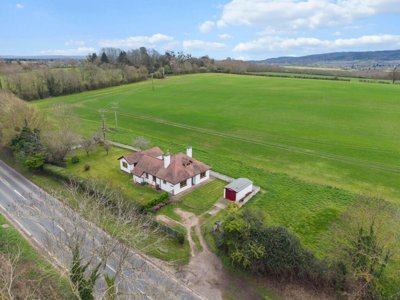
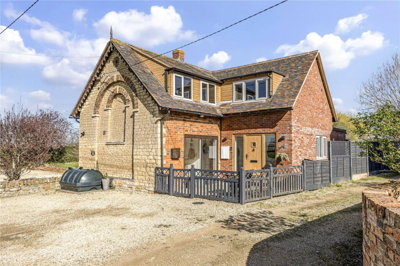
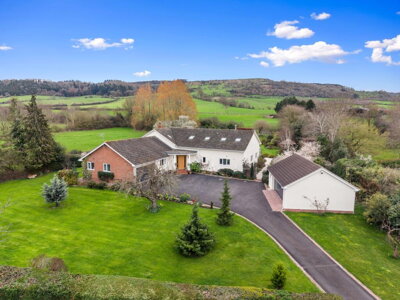
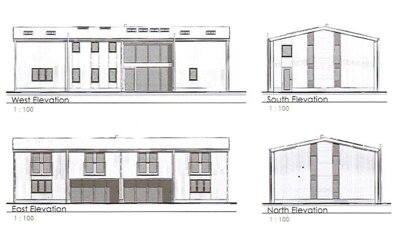
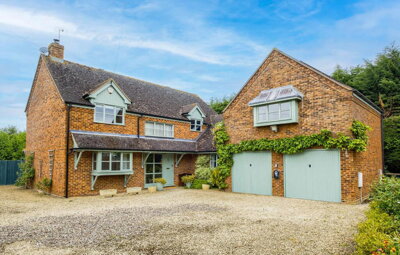
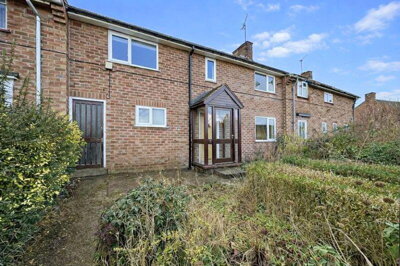
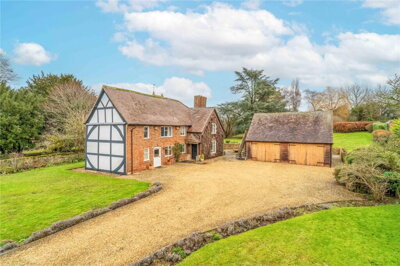
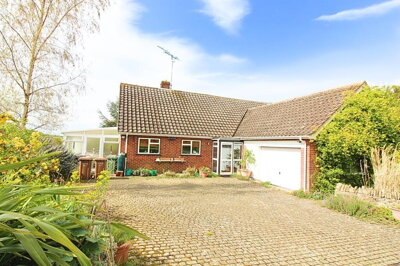
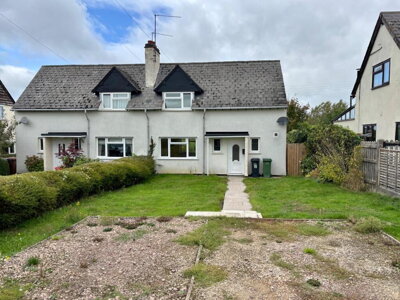
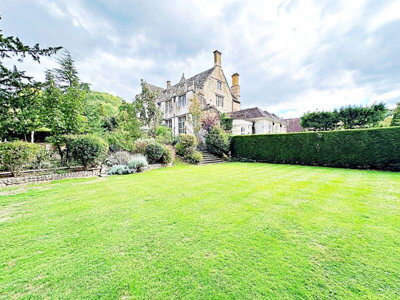
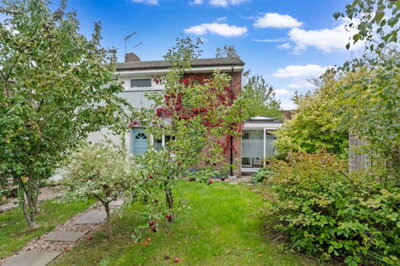
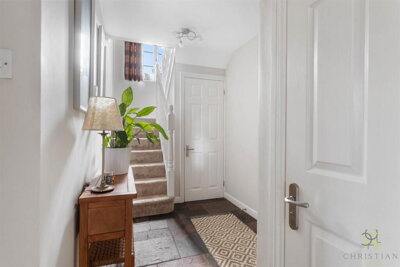
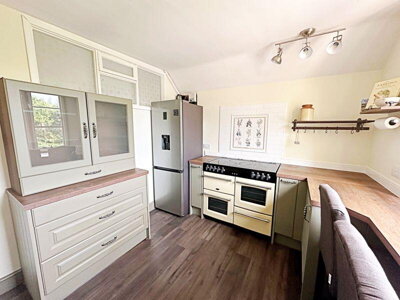
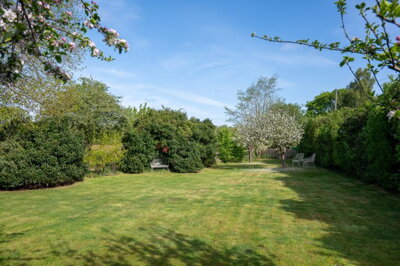
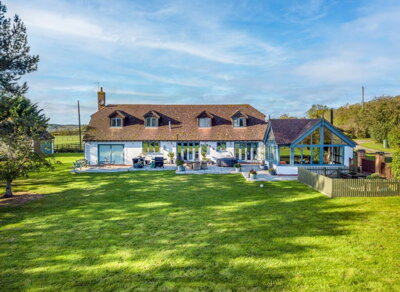
Browse 27 homes for sale in Great Comberton from local estate agents.
The property market in Great Comberton reflects its status as a premium Worcestershire village location, with detached properties commanding an average price of £840,000 over the past year. Sales data from the past several years indicates that 19 detached homes have changed hands since 2018, compared to 4 semi-detached properties and 6 terraced homes, demonstrating the overwhelming preference for generous, private accommodation in this area. The village housing stock comprises a mix of period properties, with semi-detached homes averaging around £345,000 and terraced properties offering more accessible entry points from approximately £244,000.
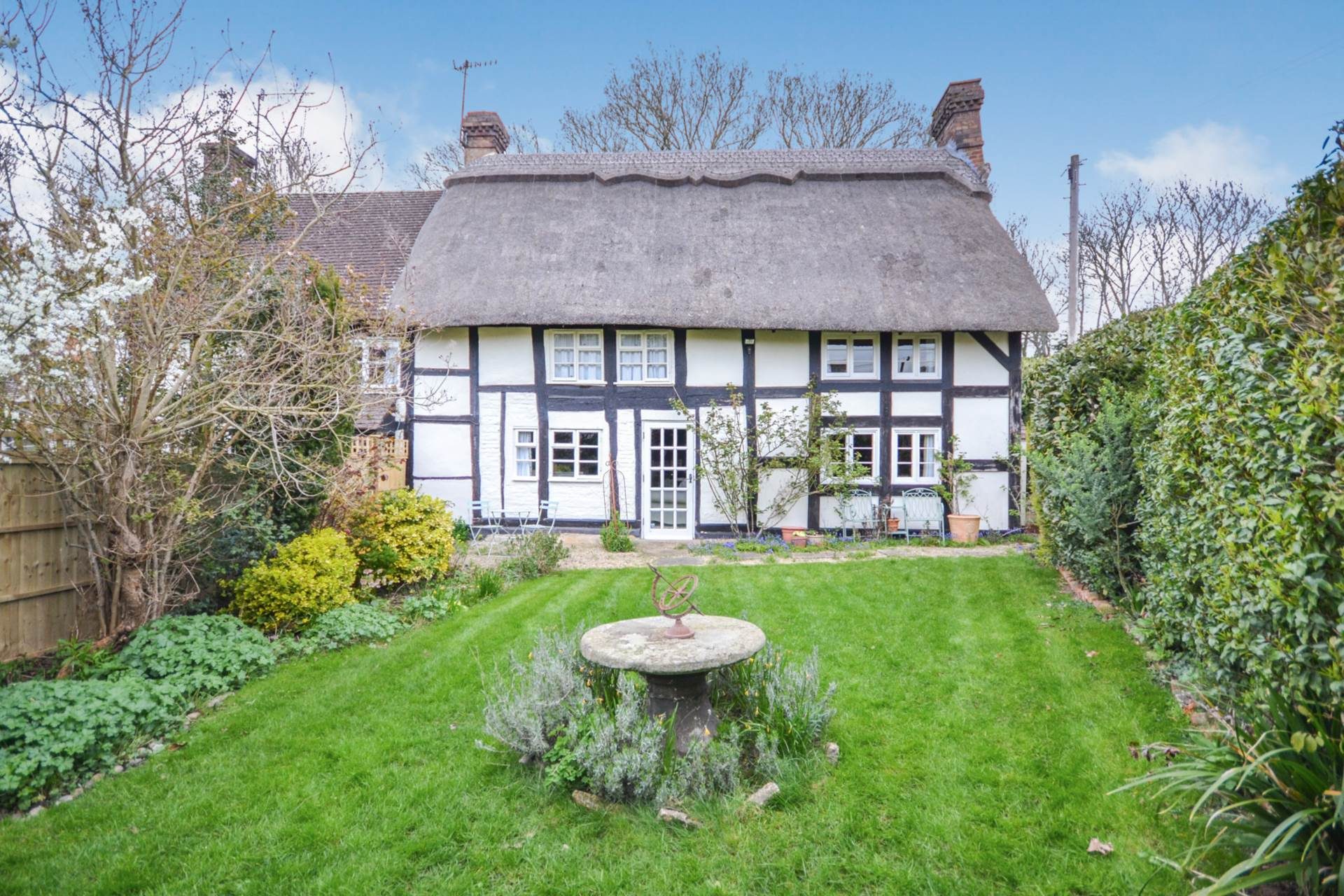
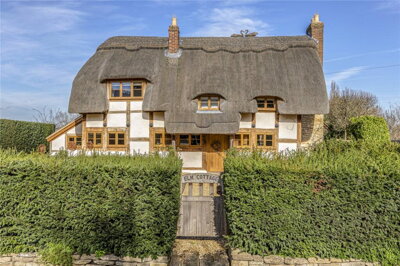
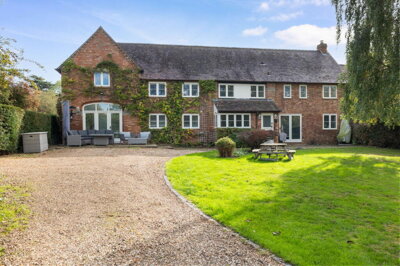
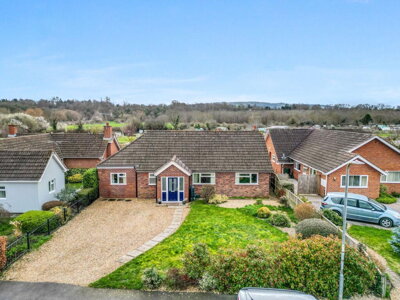
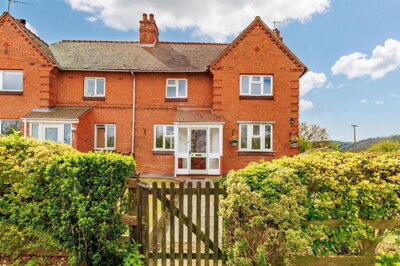
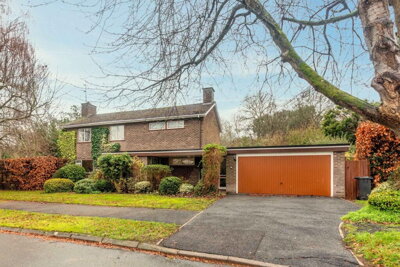
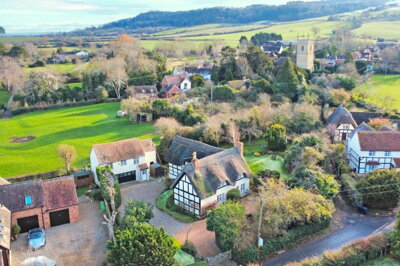
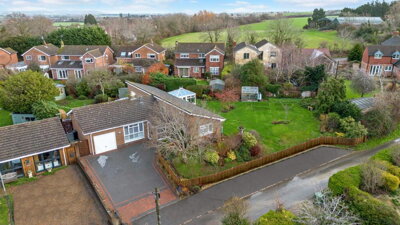
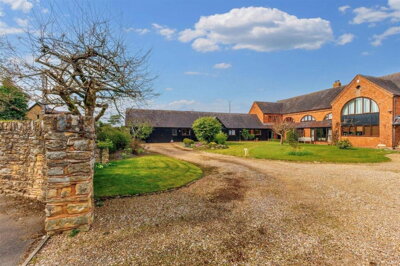
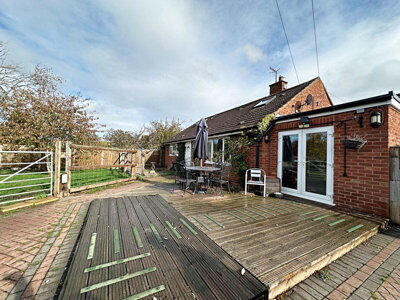
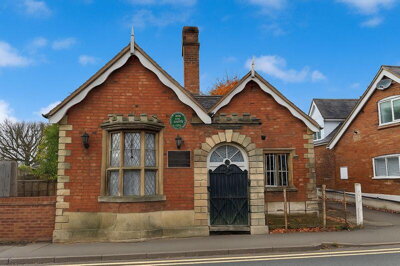
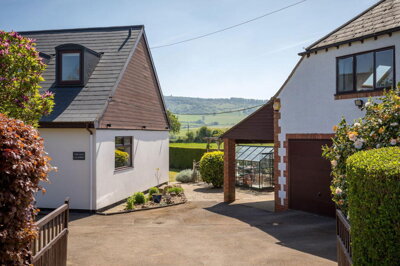
Property listings in Great Comberton showcase the architectural heritage that makes village life so appealing, including Grade II listed Georgian-style townhouses, charming thatched cottages dating back centuries, converted barns, and spacious detached bungalows. Recent market activity shows prices reaching a peak of £692,500 in 2023, with some variation in the past year as the market adjusts. While the limited number of annual sales means individual transactions can significantly influence average prices, the underlying demand for village properties in this part of Wychavon remains consistent. New build developments within Great Comberton itself are scarce, meaning buyers interested in modern construction may need to consider surrounding villages or the nearby town of Pershore.
The village housing stock predominantly consists of properties built before 1919, reflecting centuries of continuous occupation and development along its historic lanes. Many homes feature traditional solid wall construction using local brick and stone, with later additions including rendered finishings that add visual variety to the street scene. Thatched roofs remain a distinctive feature of several properties, constructed using traditional methods that require specialist knowledge to maintain and repair. This concentration of historic building stock means buyers in Great Comberton frequently encounter features such as flagstone floors, exposed beam ceilings, inglenook fireplaces, and original sash windows that form part of the village's architectural character.

Great Comberton sits at the southern edge of the Wychavon district, positioned on the lower slopes of Bredon Hill, the highest point in Worcestershire standing at 310 metres above sea level. The village enjoys a tranquil setting with panoramic views across the Vale of Evesham, making it particularly attractive to those who appreciate outdoor recreation and natural beauty. The surrounding countryside offers excellent walking and cycling opportunities, with footpaths crossing farmland and woodland that have connected local communities for generations. Bredon Hill itself provides more challenging terrain for hikers and offers wildlife-rich habitats throughout the seasons.
The village forms part of a cluster of communities including Little Comberton and nearby villages such as Birlingham and Eckington, creating a small but active local community. Great Comberton falls under Wychavon District Council, which provides local services and maintains the character of the villages within its area. The village retains several historic features, including the concentration of listed buildings that reflect its long history dating back to at least the 17th century. While Great Comberton does not have an extensive range of shops, the nearby market town of Pershore, approximately 3 miles away, offers essential amenities including supermarkets, independent retailers, restaurants, and healthcare facilities. The annual village events and local pub provide focal points for community activities, helping residents feel connected despite the rural setting.
Daily life in Great Comberton centres around the village pub, which serves as a social hub for residents and provides a venue for community gatherings throughout the year. The surrounding farmland supports a network of public footpaths and bridleways, allowing residents to explore the local countryside without requiring car travel. For everyday necessities, the journey to Pershore takes approximately 10 minutes by car, where residents can access Tesco and Aldi supermarkets, a selection of independent shops along the high street, medical and dental practices, and a library. The presence of Pershore railway station in the town also provides convenient access for those commuting to work or travelling further afield, making the village a viable base for professionals who work in larger cities but prefer rural living.

Families considering a move to Great Comberton will find educational options available within reasonable travelling distance, reflecting the village's position in rural Worcestershire. Primary education is served by schools in surrounding villages and the nearby town of Pershore, with several village primary schools serving the local community and maintaining good reputations for pastoral care and academic standards. Parents should research specific catchment areas and admission policies, as these can vary and may influence property values in particular streets or neighbourhoods.
The closest primary schools to Great Comberton include St Mary's Catholic Primary School in Pershore and the village primary schools in surrounding communities, all of which feed into the Pershore secondary school catchment. Pershore High School provides comprehensive secondary education for students from Year 7 through to sixth form, offering a range of GCSE and A-level courses alongside vocational qualifications. The school has developed particular strengths in arts and sciences, with facilities including sports pitches, drama studios, and specialist science laboratories that serve students from across the Vale of Evesham.
Secondary education options in the area include schools in Pershore, Evesham, and Droitwich Spa, with many students travelling to these larger towns for comprehensive education. The surrounding region is well-served by grammar schools for those who meet the entrance criteria, with institutions in Worcester and Pershore attracting students from across Wychavon. For families requiring sixth form provision, the Pershore High School sixth form and colleges in Worcester and Evesham offer a range of A-level and vocational courses. Given the rural location, parents should factor school transport arrangements and journey times into their decision-making process when purchasing property in Great Comberton, particularly for secondary-aged children who may require taxi services or parent transport to access the nearest schools.

Transport connectivity from Great Comberton balances its rural village character with practical access to major transport routes. The village sits within easy reach of the A44 road, which runs through Pershore and connects to the M5 motorway at junction 7 (Worcester South). This M5 connection provides straightforward access to Birmingham, Bristol, and the wider national motorway network, making Great Comberton viable for commuters who work in larger cities but prefer village living. Journey times to Worcester city centre typically take around 30 minutes by car, while Birmingham can be reached in approximately 45 minutes to an hour depending on traffic conditions.
Rail services are available from Pershore railway station, which offers direct trains to Worcester, Hereford, and Birmingham on the Cotswold Line. The station provides regular services throughout the day, with journey times of around 15 minutes to Worcester Shrub Hill and approximately 50 minutes to Birmingham New Street. For those travelling to London, the Worcestershire Parkway station on the Cotswold Line provides access to the capital with journey times of around two hours. The journey to London Paddington via Worcester Parkway takes approximately 2 hours 15 minutes, making day trips and business travel feasible for residents who work in the capital.
Bus services connect Great Comberton with Pershore and surrounding villages, though schedules may be limited compared to urban areas, making car ownership practical necessity for many residents. The 31 bus service operated by First provides connections between Pershore and Evesham, passing through nearby villages on its route. Cycling is popular in the area, with the flat terrain of the Vale of Evesham contrasting with the more challenging slopes of Bredon Hill. National Cycle Route 45 passes through Pershore, connecting with the wider cycle network across Worcestershire and providing options for commuters who prefer cycling for shorter journeys.

Before beginning your property search in Great Comberton, take time to understand the local market by reviewing recent sales data, understanding the different property types available, and familiarising yourself with the concentration of listed buildings in the village. Consider what style of property suits your needs, whether that is a period cottage, a converted barn, or a Georgian townhouse, and note any specific requirements such as gardens, parking, or outbuildings.
Contact a mortgage broker or lender to discuss your financial position and obtain an agreement in principle before viewing properties. Given the higher average property values in Great Comberton, with detached homes averaging £840,000, securing appropriate finance early strengthens your position when making an offer. A clear budget helps narrow your search to genuine possibilities and demonstrates seriousness to sellers.
Schedule viewings of properties that match your criteria, paying particular attention to the construction and condition of older and listed properties. Many homes in Great Comberton date from before 1919 and may require specialist maintenance, so consider arranging a preliminary inspection before committing to purchase. Note features such as thatched roofs, original windows, and period details that form part of the village's character.
Once your offer is accepted, instruct a qualified surveyor to conduct a RICS Level 2 Survey (Homebuyer Report) on standard properties, or consider a more comprehensive RICS Level 3 Building Survey for older, listed, or non-standard construction properties. Given the prevalence of historic buildings in Great Comberton, a thorough survey helps identify any structural issues, maintenance needs, or potential renovation costs before you commit to purchase.
Appoint a conveyancing solicitor with experience in rural Worcestershire property transactions to handle the legal aspects of your purchase. Your solicitor will conduct searches, review the title, and manage communications with the seller's legal team. For listed buildings, additional considerations may apply regarding permitted development rights and planning conditions.
Once all searches are satisfactory and finance is confirmed, your solicitor will arrange for contracts to be signed and exchanged, setting a completion date. On completion day, the remaining funds are transferred, and you receive the keys to your new home in Great Comberton, ready to begin your life in this attractive Worcestershire village.
Purchasing property in Great Comberton requires attention to specific considerations that arise from the village's character and property stock. The high concentration of Grade II listed buildings means many properties will be subject to listed building consent requirements for alterations, renovations, or extensions. If you are considering any works beyond minor decorative changes, research the implications of listed status on your plans and budget accordingly for potentially longer lead times and additional costs associated with using appropriate materials and heritage contractors.
The age of the housing stock in Great Comberton, with many properties dating from the 17th century onwards, brings typical considerations for period properties. Thatched roofs, while charming, require specialist maintenance and insurance considerations, and may have specific issues related to fire risk, pest infestation, and degradation that differ from standard tiled or slate roofs. Solid wall construction found in older properties means insulation levels may fall below modern standards, potentially affecting energy efficiency and running costs. Prospective buyers should also investigate the presence of any conservation area designation, which may impose additional planning restrictions on external changes or development within the village.
Regarding tenure, the majority of properties in Great Comberton are likely freehold, but anyone purchasing a flat or a property within a converted development should carefully examine the terms of any lease, service charges, and ground rent arrangements. Shared driveways, common areas, and septic tanks or private drainage systems are common in rural villages and should be thoroughly investigated during conveyancing. A comprehensive survey will help identify any maintenance issues or potential problems with these shared arrangements, ensuring you understand your responsibilities as a property owner in this village location. Properties with large gardens may also include agricultural land or paddocks, which require separate consideration regarding maintenance responsibilities and any rights of access that may affect the use of the property.
Building materials commonly found in Great Comberton properties reflect the local geology and traditional construction methods of the region. Traditional brickwork, often in warm terracotta or yellow tones typical of Worcestershire, features in many period properties alongside local stone used for walling and boundary features. Render finishes, both traditional lime-based and modern polymer options, appear on various properties and may mask solid wall construction behind decorative surfaces. Prospective buyers should note that any cladding materials applied to older properties may not meet current building regulations if installed without appropriate assessment of the underlying structure. Timber framing appears in converted barns and some older cottages, with oak beams visible internally that form part of the character of these traditional buildings.

The average house price in Great Comberton is approximately £675,000 based on recent sales data, with Zoopla reporting an average sold price of £661,667 in the past 12 months. Detached properties command the highest prices, averaging around £840,000, while semi-detached homes average approximately £345,000 and terraced properties offer more accessible entry points from around £244,000. Given the limited number of annual sales in this small village, individual high-value transactions can significantly influence average figures, so buyers should research specific streets and property types for more precise pricing information relevant to their search criteria.
Properties in Great Comberton fall under Wychavon District Council, and council tax bands range from A through to H depending on the property's valuation. Period properties and cottages in the village typically fall into bands B to D, while larger detached family homes and converted barns may be in higher bands due to their size and value. Prospective buyers can check specific bandings through the Valuation Office Agency website using the property address, and band information will be confirmed during the conveyancing process alongside other essential documentation.
Great Comberton does not have its own primary school, but surrounding villages and the nearby town of Pershore provide good educational options for families moving to the area. Parents should research specific catchment areas and consider travel arrangements when evaluating schools, as admission policies can be competitive for popular village primaries. Secondary options include schools in Pershore, Evesham, and Droitwich Spa, with grammar schools in Worcester and Pershore for academically selective students. Pershore High School offers sixth form provision, and further education colleges are available in Worcester and Evesham for older students seeking vocational or A-level qualifications.
Public transport options in Great Comberton are limited, reflecting its rural village location, and car ownership is practical necessity for most residents. Bus services connect the village with Pershore and surrounding communities, though frequencies are reduced compared to urban areas, with the 31 service providing the main link to Pershore and Evesham. Pershore railway station provides rail connections to Worcester, Hereford, Birmingham, and London, with Worcestershire Parkway offering additional intercity services on the Cotswold Line. The nearest motorway access is junction 7 of the M5, approximately 10 miles from the village, providing straightforward connections to Birmingham, Bristol, and the south-west.
Great Comberton offers strong appeal for buyers seeking village living in an area of natural beauty, and property values have shown resilience with prices reaching £692,500 at peak in 2023. The village attracts buyers prepared to pay a premium for character properties, rural setting, and access to the Cotswolds region, with the proximity to Bredon Hill and extensive footpaths adding to the lifestyle appeal. However, the limited number of sales each year means the market can be less liquid than urban areas, and buyers should consider their long-term plans carefully before committing to a purchase in this village location. Properties of architectural merit or those with historical significance may hold their value well, while standard family homes remain in consistent demand from buyers priced out of larger towns.
Stamp duty land tax on a property in Great Comberton follows standard UK thresholds, with no SDLT (zero rate) applying to the first £250,000 of purchase price. The rate then increases to 5% on the portion from £250,001 to £925,000, 10% from £925,001 to £1.5 million, and 12% on any amount above £1.5 million. First-time buyers can claim relief on the first £425,000 (providing the purchase price does not exceed £625,000), effectively reducing their SDLT on properties priced between £425,001 and £625,000. Given the higher average property prices in Great Comberton, most buyers will need to budget for SDLT as part of their overall purchase costs, with a typical £840,000 detached property incurring SDLT of £29,500.
Great Comberton contains a significant concentration of Grade II listed buildings, reflecting the village's long history dating back to at least the 17th century. Properties listed include Georgian-style townhouses, traditional thatched cottages, and historic farm buildings that have been converted into residential homes. If you are considering purchasing a listed property, you should be aware that listed building consent is required for any alterations, extensions, or significant works that might affect the building's character or structure. Using appropriate materials and heritage contractors is essential when maintaining or renovating listed properties, and this can increase both the time and cost of any works compared to standard properties.
As a rural village without connection to mains drainage in some areas, properties in Great Comberton may rely on septic tanks or private drainage systems for wastewater management. When purchasing a property with private drainage, your solicitor should investigate the condition and maintenance history of any septic tank or treatment plant during conveyancing. Environmental regulations regarding septic tanks have tightened in recent years, and properties with outdated systems may require upgrades to meet current standards. Drainage and environmental searches conducted by your solicitor will reveal details about the drainage arrangements serving the property and any rights of access or shared responsibilities with neighbouring properties.
From 4.5% APR
Professional mortgage advice and competitive rates for your Great Comberton purchase
From £499
Expert property solicitors handling your legal work
From £350
Comprehensive condition report for standard properties
From £600
Detailed building survey for older and complex properties
Buying a property in Great Comberton involves several costs beyond the purchase price that buyers should budget for from the outset. Stamp duty land tax (SDLT) represents a significant expense, calculated on a tiered system starting at zero percent for the first £250,000 of property value. Given that the average property price in Great Comberton exceeds £600,000, most buyers can expect to pay SDLT on at least a portion of their purchase. For a typical detached home priced at £840,000, SDLT would amount to £29,500, while first-time buyers purchasing qualifying properties may benefit from relief on the first £425,000 of value.
Survey costs are essential for understanding the condition of property in Great Comberton, where much of the housing stock is older and may require specialist assessment. A RICS Level 2 Survey costs from around £350 for a modest property but will increase for larger or more complex homes. Properties with non-standard construction, thatched roofs, or listed status may warrant a more comprehensive RICS Level 3 Building Survey from approximately £600, which provides detailed analysis of structural condition, defects, and renovation requirements. Legal fees for conveyancing typically start from £499 for standard transactions, though leasehold properties or those with complex titles may incur higher costs. Searches including local authority, drainage, and environmental reports are conducted by your solicitor and typically cost between £200 and £400. Removal expenses, mortgage arrangement fees, and potential renovation costs should also be factored into your overall budget when calculating the true cost of purchasing your new home in Great Comberton.
When budgeting for your purchase, remember to account for moving costs including removal firms, potential storage if your purchase chain requires it, and any immediate repairs or renovations you plan to undertake after moving in. Properties in Great Comberton may require updating of systems such as electrical wiring, heating, or plumbing to meet current standards, particularly in older properties that have not been recently renovated. Buildings insurance should be arranged from the point of exchange of contracts, and for listed properties you may need specialist insurance that covers the unique risks associated with historic building stock. Setting aside a contingency fund equivalent to around 10-15% of your renovation budget is advisable when purchasing period properties in villages like Great Comberton, where unexpected issues can arise in buildings with long histories.

Properties for Sale In London

Properties for Sale In Plymouth

Properties for Sale In Liverpool

Properties for Sale In Glasgow

Properties for Sale In Sheffield

Properties for Sale In Edinburgh

Properties for Sale In Coventry

Properties for Sale In Bradford

Properties for Sale In Manchester

Properties for Sale In Birmingham

Properties for Sale In Bristol

Properties for Sale In Oxford

Properties for Sale In Leicester

Properties for Sale In Newcastle

Properties for Sale In Leeds

Properties for Sale In Southampton

Properties for Sale In Cardiff

Properties for Sale In Nottingham

Properties for Sale In Norwich

Properties for Sale In Brighton

Properties for Sale In Derby

Properties for Sale In Portsmouth

Properties for Sale In Northampton

Properties for Sale In Milton Keynes

Properties for Sale In Bournemouth

Properties for Sale In Bolton

Properties for Sale In Swansea

Properties for Sale In Swindon

Properties for Sale In Peterborough

Properties for Sale In Wolverhampton

Enter your details to see if this property is within your budget.
Loans, cards, car finance
Estimated property budget
Borrowing + deposit
You could borrow between
Typical borrowing
Monthly repayment
Est. at 4.5%
Loan-to-value
This is an estimate only. Your actual budget may vary depending on interest rates, credit history, and personal circumstances. For an accurate affordability assessment, speak to one of our free mortgage advisors.
This calculator provides estimates for illustrative purposes only and does not constitute financial advice. Your home may be repossessed if you do not keep up repayments on your mortgage. Estimates based on 4.5% interest rate, repayment mortgage. Actual rates depend on your circumstances.
Homemove is a trading name of HM Haus Group Ltd (Company No. 13873779, registered in England & Wales). Homemove Mortgages Ltd (Company No. 15947693) is an Appointed Representative of TMG Direct Limited, trading as TMG Mortgage Network, which is authorised and regulated by the Financial Conduct Authority (FRN 786245). Homemove Mortgages Ltd is entered on the FCA Register as an Appointed Representative (FRN 1022429). You can check registrations at NewRegister or by calling 0800 111 6768.

We use cookies to show you personalised content and improve your experience of our website. Find out more in our Privacy policy and Cookie policy.