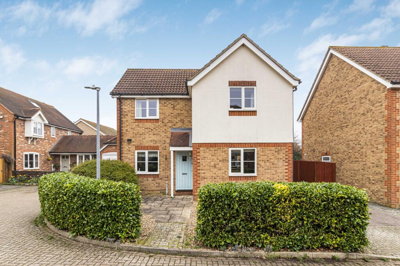
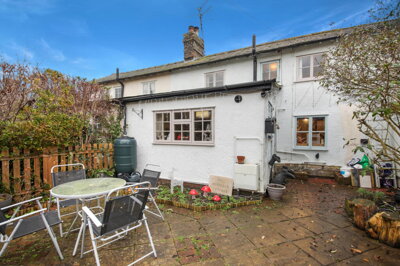
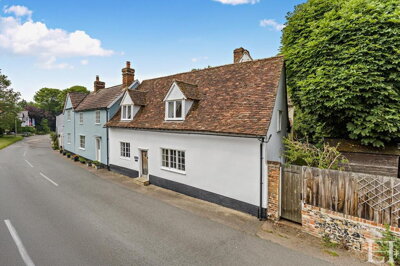
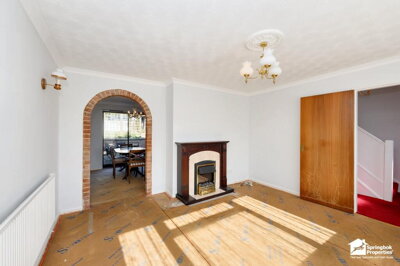
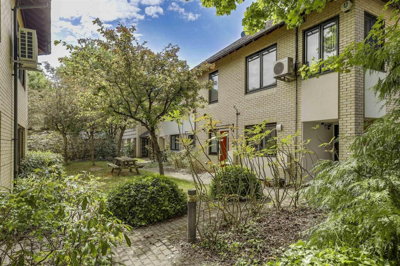
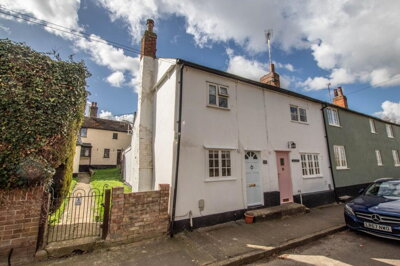
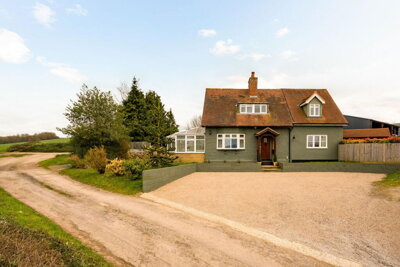
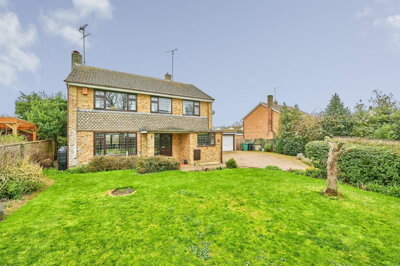
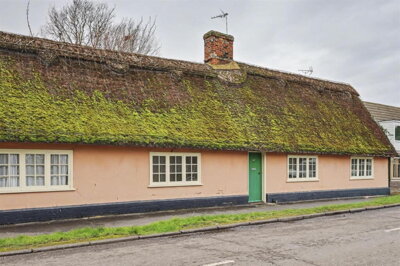
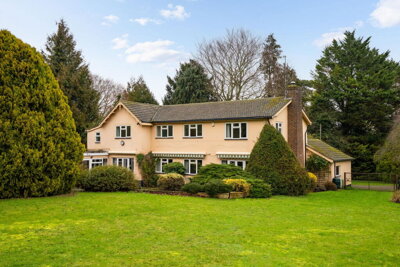
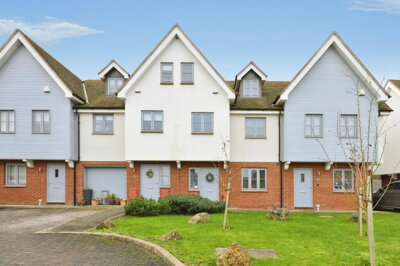
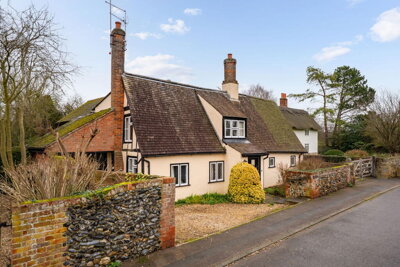
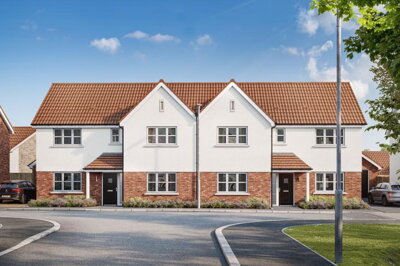
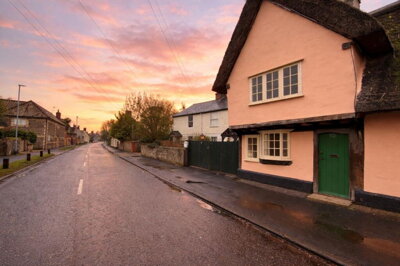
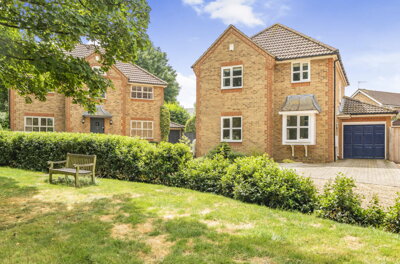
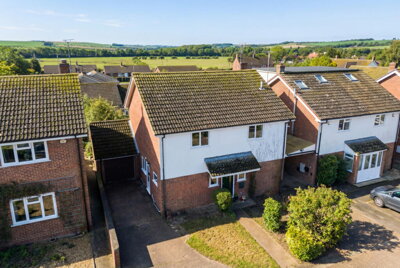
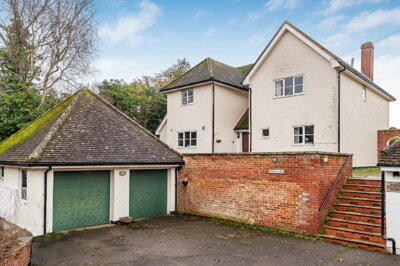
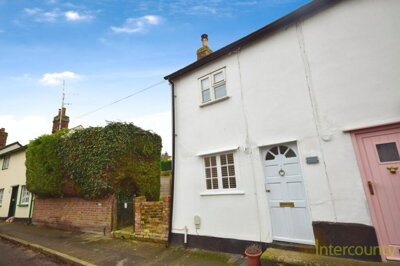
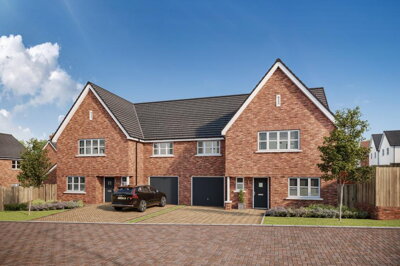
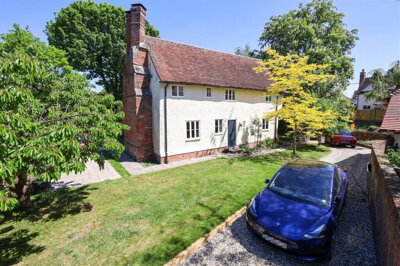
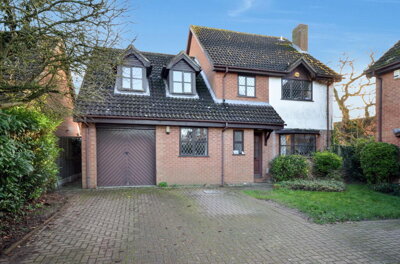
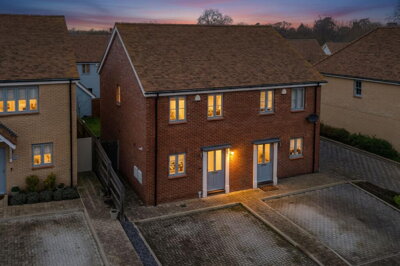
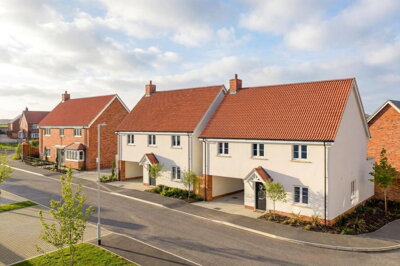
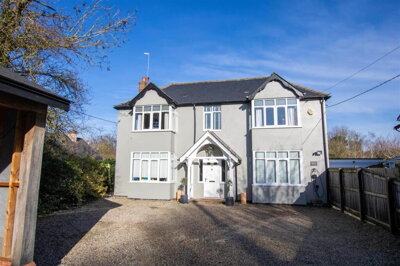
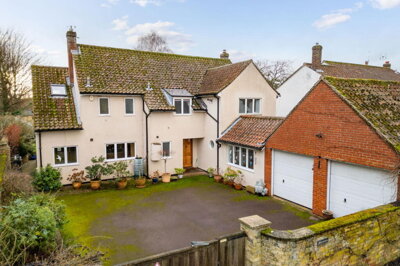
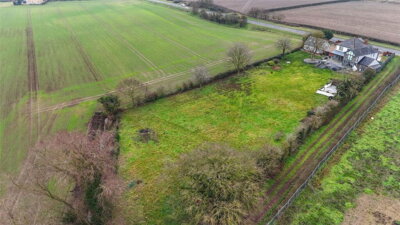
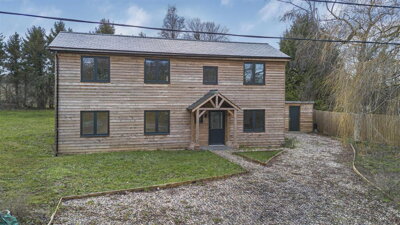
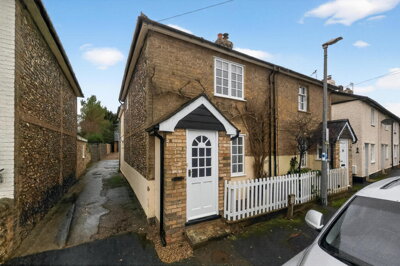
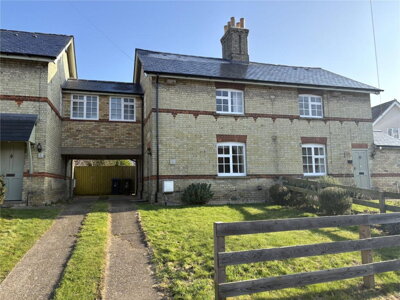
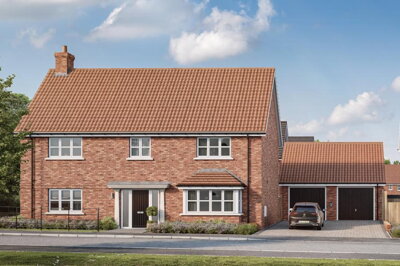
Browse 58 homes for sale in Great Chesterford from local estate agents.
The Yeovil property market offers genuine variety for buyers, with detached properties averaging £382,109 and semi-detached homes at around £260,049 as of February 2026. Over the past twelve months, the market has shown modest price adjustments, with overall values declining by approximately 1.03 percent. This slight softening creates opportunities for buyers who may find slightly better negotiating positions than in more volatile markets. The market recorded 610 property sales in the year to February 2026, indicating healthy transaction volumes for a town of this size.
Property type pricing varies significantly across the market, reflecting the range from compact flats to substantial family homes. Terraced properties in Yeovil average £209,920, making them accessible options for first-time buyers or investors seeking rental income. Flats average around £135,148, offering the most affordable entry point into the Yeovil market. The price spread between property types means buyers can step onto the property ladder with a modest budget or invest significantly more for a larger family home, with each tier offering distinct lifestyle benefits.
New build developments continue to shape the Yeovil landscape, with several significant schemes offering modern homes to buyers. Persimmon Homes at Wyndham Park (off Stiby Road, BA21 3GU) presents 2, 3, and 4-bedroom homes priced from £229,995 to £359,995. Barratt Homes at Lufton Fields (BA22 8GZ) offers similar specifications from £239,995 to £399,995. For those seeking larger premium homes, David Wilson Homes at Saxon Gate (off Tintinhull Road, BA21 3NU) provides 3 and 4-bedroom properties ranging from £329,995 to £499,995. These developments offer the appeal of new construction with warranties and energy-efficient specifications that appeal to modern buyers.
Looking at recent price trends across property types reveals interesting patterns for prospective buyers. Detached properties have shown the most resilience, with prices declining just 0.73% over twelve months. Semi-detached homes experienced slightly greater adjustment at -1.33%, while terraced properties fell 1.02% and flats saw the largest correction at -1.53%. These variations mean buyers seeking specific property types may find better value in certain segments, and understanding these patterns helps inform where to focus your property search.

Yeovil's character is deeply rooted in its distinctive golden Hamstone architecture, a Jurassic limestone that gives the town centre and older neighbourhoods an unmistakably warm appearance. The town has grown from historic market town origins into a population of 48,081 residents across 21,117 households according to the 2021 Census. This demographic profile supports a vibrant local economy with strong retail, healthcare, and aerospace sectors providing stable employment. The town centre offers good shopping facilities, while residential areas radiate outwards in various directions, each with its own distinct personality.
The built environment reflects Yeovil's layered history, with properties spanning Victorian and Edwardian eras through to inter-war and post-war construction. Hamstone construction features prominently in the oldest properties, particularly those in conservation areas where planning restrictions preserve the traditional aesthetic. Brick construction becomes more common from the early twentieth century onwards, with cavity wall techniques adopted in properties built after 1919. Rendered finishes appear throughout various eras and remain popular for both period properties seeking weatherproofing and new builds prioritising contemporary appearance. Understanding these construction types helps buyers assess maintenance requirements and potential issues.
The economic foundation of Yeovil rests significantly on its aerospace and defence industry, with Leonardo Helicopters representing the largest single employer in the area. Yeovil District Hospital provides healthcare employment, while manufacturing and retail sectors add further job opportunities. This employment base means the town does not rely solely on tourism or seasonal work, offering residents greater financial stability than many comparable Somerset towns. The presence of these major employers attracts workers from surrounding villages and creates demand for housing across all price ranges.
The surrounding South Somerset countryside contributes significantly to Yeovil's appeal, with the town positioned near Areas of Outstanding Natural Beauty including the Blackdown Hills to the east. Commuters and residents appreciate the balance between urban conveniences and rural recreational opportunities. Village communities within easy reach of Yeovil offer additional lifestyle options, from converted barns in picturesque settings to more affordable terraced properties in towns like Crewkerne or Wincanton that share similar regional character.

Education provision in Yeovil serves families across all age ranges, with multiple primary schools feeding into secondary options in and around the town. Secondary education is well catered for through several options including Preston School and Buckler's Mead Academy, both serving significant student populations from the surrounding catchment areas. For families seeking alternative educational approaches, specialist and faith schools provide additional choices within the local authority area. The presence of these educational establishments makes Yeovil suitable for families at all stages of their educational journey.
The diverse age profile of Yeovil's housing stock means families should carefully research specific catchment areas before committing to a purchase. Properties in areas like Preston, even slightly outside the town centre, often fall within catchment for highly-regarded primary schools, and secondary school admissions policies can significantly impact which institutions children can access. Schools nearest to residential concentrations naturally experience the highest demand, making proximity a key factor in property selection for families with school-age children.
Further and higher education opportunities exist through colleges and training providers in the wider South Somerset area, with access to university courses available in nearby cities when required. Yeovil College provides further education and vocational training, while students seeking university study can commute to institutions in Bristol, Exeter, or Bath, or relocate to campuses further afield. Families relocating to Yeovil should research specific school catchment areas, as admissions policies can significantly impact which schools children can access.
Properties near good schools often command premium values and retain their appeal strongly in the resale market. This makes school catchment proximity both a lifestyle consideration and a long-term investment factor. Our platform allows you to search properties by proximity to schools, helping you find homes in the catchment areas that best suit your family's educational needs. Parents should verify current admissions policies directly with schools, as these can change and catchment boundaries may shift over time.
Yeovil benefits from strategic positioning that connects residents to major cities while maintaining its distinct Somerset character. The town sits near the A303 trunk road, providing direct access to the M3 motorway corridor and London via the A357 and A359 routes through the surrounding countryside. Rail connections operate from Yeovil Pen Mill and Yeovil Junction stations, offering services to destinations including Bristol Temple Meads, Exeter, and Weymouth. These transport links make Yeovil viable for commuters who need occasional access to larger employment centres while enjoying lower property prices.
The dual station arrangement serves different route priorities, with Yeovil Junction providing access to the mainline towards London and Bristol while Yeovil Pen Mill connects to branch line services heading west towards Weymouth and east towards Bristol. Journey times to Bristol Temple Meads typically take around ninety minutes by train, while reaching Exeter St Davids takes approximately one hour. London Paddington is accessible via Bristol or via a change at Reading, with total journey times of around two and a half hours from Yeovil Junction.
Local bus services connect Yeovil with surrounding villages and towns, providing essential access for residents without private vehicles. The town centre has adequate parking facilities for those who drive, though weekend and market day congestion can occur in the older streets around the historic quarter. Cycling infrastructure has improved in recent years, with routes connecting residential areas to employment zones and the town centre. For air travel, Bristol Airport is accessible within approximately ninety minutes by car, offering international destinations and further connecting flights.
The road network surrounding Yeovil includes routes through scenic Somerset countryside, though some rural roads require confident navigation. The A37 provides a direct route north towards Bristol and the M5 motorway junction 23, while the A356 and A303 connect the town to wider regional destinations. For those working in the aerospace sector, Leonardo Helicopters' site on Lysander Road is accessible from most residential areas within twenty minutes by car, making Yeovil particularly convenient for workers in that major local employer.
Explore current listings on Homemove to understand available properties, price ranges, and neighbourhood characteristics. Yeovil's market offers diverse options from terraced homes around £210,000 to detached properties exceeding £380,000, so clarifying your requirements early saves time. Consider visiting different neighbourhoods to understand the character of areas like the Hamstone-fronted streets near the town centre, the post-war residential estates to the west, and the newer developments at Lufton and Wyndham Park.
Contact lenders or use our mortgage comparison tools to obtain an agreement in principle before viewings. Having your finances confirmed strengthens your position when making offers and demonstrates to sellers that you are a serious buyer with verified purchasing capacity. Yeovil's property prices, while more affordable than major cities, still require substantial borrowing, and pre-approval helps establish realistic budget expectations. Local mortgage brokers familiar with the South Somerset market can provide valuable guidance on available products and lender requirements.
Visit properties that match your criteria, paying attention to construction materials, flood risk areas near the River Yeo, and conservation area restrictions. Our platform connects you with local estate agents who know Yeovil's neighbourhoods intimately and can guide you through the viewing process. When viewing period properties, note the construction materials used, particularly Hamstone walls which require specific maintenance approaches, and look for signs of damp or structural movement that might indicate underlying issues.
For properties in Yeovil's older housing stock, particularly Victorian or Edwardian homes, a RICS Level 2 Survey identifies defects like damp, roof issues, or subsidence risks from local clay geology. Survey costs in Yeovil typically range from £400 to £700 depending on property size, with a typical 3-bedroom semi-detached house falling in the £500-£650 range. Given the significant proportion of older properties in Yeovil's housing stock, a thorough survey is particularly valuable for identifying issues before purchase.
Your solicitor handles legal searches, including local authority checks, flood risk assessments, and any conservation area considerations specific to Yeovil. They coordinate with your mortgage lender and the seller's solicitors through to completion. Local searches will reveal any planning applications nearby, potential contamination issues from historic industrial use, and rights of way that might affect the property. Conservation area properties require additional due diligence regarding permitted development rights.
Once surveys are satisfactory and legal queries are resolved, you exchange contracts and pay your deposit. Completion typically follows within weeks, when remaining funds transfer and you receive your keys. Our platform can connect you with recommended conveyancers experienced in Yeovil transactions. Budget for additional costs including stamp duty, solicitor fees typically ranging from £500 to £1,500, and potential renovation costs if the survey reveals work needed on older properties.
Properties in Yeovil present several considerations specific to the local area that buyers should investigate carefully. The distinctive Hamstone construction found in many older properties requires understanding of solid wall insulation and potential moisture management issues. Older Victorian and Edwardian properties often feature original electrical systems and plumbing that may need updating to meet current standards. A thorough survey will identify these issues before you commit, potentially saving significant unexpected costs after purchase.
The underlying geology of Yeovil includes Jurassic limestones such as the Inferior Oolite and Fuller's Earth formations, with underlying Upper Lias Clay that creates shrink-swell potential in certain conditions. This clay geology means foundation conditions warrant attention, particularly for older properties with potentially shallower foundations. Trees close to properties, common in established residential streets, can exacerbate moisture-related ground movement. Quarrying history for Hamstone in some areas means certain sites may require specific ground stability investigations. Your RICS Level 2 Survey will flag any structural concerns, and we recommend discussing findings with a structural engineer if significant issues arise.
Flood risk deserves careful attention in Yeovil, where the River Yeo and its tributaries create fluvial flood concerns for properties close to watercourses. Surface water flooding can affect low-lying areas during heavy rainfall, so checking Environment Agency flood maps for any specific property is essential. Properties within conservation areas face restrictions on alterations and extensions, which can limit future flexibility if you hope to expand or modify a home. These constraints preserve character but require understanding before purchase.
Common defects in Yeovil's older properties include damp issues that manifest in various forms. Rising damp affects properties with inadequate damp-proof courses, penetrating damp results from weathered external finishes or defective gutters, and condensation problems arise from poor ventilation in tightly sealed properties. Roof condition requires particular attention in older properties with original slate or tile coverings, where slipped tiles, damaged flashing, or perished felt can allow water ingress. Timber defects including woodworm and wet rot commonly affect structural and finish timbers where damp conditions prevail, while outdated electrical wiring and fuse boards in properties built before the 1980s may require complete rewiring to meet current standards.
The average property price in Yeovil was £265,043 as of February 2026, based on Land Registry data. Detached properties average £382,109, semi-detached homes around £260,049, terraced properties at approximately £209,920, and flats around £135,148. The market has shown modest downward adjustment of about 1.03% over the previous twelve months, creating potential opportunities for buyers in a stable market with 610 sales recorded annually. This diversity in pricing across property types means Yeovil offers accessible entry points for first-time buyers while also providing substantial family homes at prices significantly below those found in major UK cities.
Council tax bands in Yeovil are set by South Somerset District Council and follow the national banding system from Band A through to Band H. Most terraced properties and smaller flats fall into Bands A to C, typically ranging from around £1,400 to £1,900 annually for Band A and B properties, while larger detached homes and properties in premium locations like those near the golf course or in sought-after conservation areas may attract Bands F to H, potentially exceeding £3,500 per year. You can check specific bands via the Valuation Office Agency website using the property address, and current rates for South Somerset are available through the council's official channels. Properties newly built in recent developments like Wyndham Park or Lufton Fields may still be awaiting banding assessment.
Yeovil offers good educational provision across all levels, with primary schools including several rated Good or Outstanding by Ofsted such as Southville Primary School and Oaklands Primary School. Secondary options such as Preston School and Buckler's Mead Academy serve the town, with further choices available in surrounding villages. The surrounding area includes highly-regarded secondary schools like Kings School in Bruton and Huish Episcopi Academy near Langport, which attract pupils from across South Somerset. Families should research specific catchment areas as admission policies vary, and properties near highly-rated schools often experience strong ongoing demand. The best school for your child depends on individual circumstances, SEN requirements, and transport considerations.
Yeovil has two railway stations offering different route options, with Yeovil Pen Mill and Yeovil Junction providing connections to Bristol, Exeter, and Weymouth. Yeovil Junction sits on the West of England Main Line and offers direct services to London Paddington via Bristol and Reading, with journey times of around two and a half hours. Local bus services operate throughout the town and connect to surrounding villages, though frequencies reduce in evenings and weekends. The A303 provides road access to the motorway network, with Bristol approximately sixty miles north and Exeter around forty miles west. For air travel, Bristol Airport is within ninety minutes drive, offering international flights across Europe and beyond.
Yeovil's aerospace industry anchor, particularly Leonardo Helicopters which employs thousands of highly skilled workers, provides stable employment that supports the local housing market. The town offers more affordable entry prices compared to major cities while maintaining good transport connections to larger employment centres. Rental demand exists from MOD personnel, healthcare workers including hospital staff at Yeovil District Hospital, and professionals working at major local employers. Properties in conservation areas or near good schools tend to hold their value well, though investors should consider void periods and maintenance costs for older properties with solid walls that may have higher heating costs than modern cavity-wall construction.
Standard SDLT rates from April 2025 apply to Yeovil as it is not in a devolved nation. First-time buyers pay nothing on properties up to £425,000, then 5% on the portion between £425,000 and £625,000. For all buyers, the zero-rate threshold is £250,000, with 5% charged between £250,000 and £925,000. A typical terraced property at £209,920 would attract no SDLT for most buyers, while a £382,109 detached home would incur approximately £6,605 in stamp duty. Properties at the current average price of £265,043 would require approximately £752 in SDLT for non-first-time buyers, calculated at 5% on the £15,043 above the threshold.
Key risks specific to Yeovil include flood proximity to the River Yeo, which affects certain low-lying properties particularly those on the western side of the town near the watercourse. Potential subsidence from underlying clay geology affects properties with trees nearby or those with shallower foundations common in older construction. Older properties may have outdated electrics requiring rewiring, plumbing needing replacement, or solid wall insulation lacking that increases heating costs. Conservation area properties face restrictions on alterations that can limit future flexibility. A thorough RICS Level 2 Survey will identify these issues, and your solicitor should conduct appropriate local searches before completion to reveal any historic mining or quarrying activity that might affect ground stability.
Understanding your total purchase costs helps you budget accurately when buying in Yeovil. Beyond the property price, stamp duty land tax represents the most significant additional cost. For properties at the current average price of £265,043, a non-first-time buyer would pay approximately £752 in SDLT, calculated at 5% on the amount above the £250,000 threshold. First-time buyers would pay nothing on the first £425,000, making most Yeovil properties exempt from SDLT entirely, providing significant savings for those entering the market for the first time.
Additional costs include solicitor fees for conveyancing, typically ranging from £500 to £1,500 depending on complexity and whether you are buying freehold or leasehold. Freehold purchases in Yeovil are most common given the predominance of houses over flats, though some new build apartments may be leasehold. Survey costs for a RICS Level 2 Survey in Yeovil typically range from £400 to £700, with larger or more complex properties at the higher end. A mortgage arrangement fee of around £1,000 to £2,000 may apply depending on your lender, though many now offer fee-free mortgages.
Removal costs vary significantly based on distance and volume, but budgeting £500 to £2,000 for local moves within Yeovil and surrounding areas is reasonable. Mortgage valuation fees, if applicable, typically cost £200 to £500 depending on the lender and property value. Potential renovation costs for older properties should also factor into your budget planning, particularly for Victorian or Edwardian homes that may require updating of electrics, heating systems, or structural repairs. Properties with Hamstone construction may require specialist maintenance approaches that affect renovation budgets.
From 3.99%
Find competitive mortgage rates for your Yeovil purchase
From £499
Expert legal services for your property purchase
From £400
Professional survey identifying defects in Yeovil properties
From £80
Energy performance certificate for your new home
Properties for Sale In London

Properties for Sale In Plymouth

Properties for Sale In Liverpool

Properties for Sale In Glasgow

Properties for Sale In Sheffield

Properties for Sale In Edinburgh

Properties for Sale In Coventry

Properties for Sale In Bradford

Properties for Sale In Manchester

Properties for Sale In Birmingham

Properties for Sale In Bristol

Properties for Sale In Oxford

Properties for Sale In Leicester

Properties for Sale In Newcastle

Properties for Sale In Leeds

Properties for Sale In Southampton

Properties for Sale In Cardiff

Properties for Sale In Nottingham

Properties for Sale In Norwich

Properties for Sale In Brighton

Properties for Sale In Derby

Properties for Sale In Portsmouth

Properties for Sale In Northampton

Properties for Sale In Milton Keynes

Properties for Sale In Bournemouth

Properties for Sale In Bolton

Properties for Sale In Swansea

Properties for Sale In Swindon

Properties for Sale In Peterborough

Properties for Sale In Wolverhampton

Enter your details to see if this property is within your budget.
Loans, cards, car finance
Estimated property budget
Borrowing + deposit
You could borrow between
Typical borrowing
Monthly repayment
Est. at 4.5%
Loan-to-value
This is an estimate only. Your actual budget may vary depending on interest rates, credit history, and personal circumstances. For an accurate affordability assessment, speak to one of our free mortgage advisors.
This calculator provides estimates for illustrative purposes only and does not constitute financial advice. Your home may be repossessed if you do not keep up repayments on your mortgage. Estimates based on 4.5% interest rate, repayment mortgage. Actual rates depend on your circumstances.
Homemove is a trading name of HM Haus Group Ltd (Company No. 13873779, registered in England & Wales). Homemove Mortgages Ltd (Company No. 15947693) is an Appointed Representative of TMG Direct Limited, trading as TMG Mortgage Network, which is authorised and regulated by the Financial Conduct Authority (FRN 786245). Homemove Mortgages Ltd is entered on the FCA Register as an Appointed Representative (FRN 1022429). You can check registrations at NewRegister or by calling 0800 111 6768.

We use cookies to show you personalised content and improve your experience of our website. Find out more in our Privacy policy and Cookie policy.