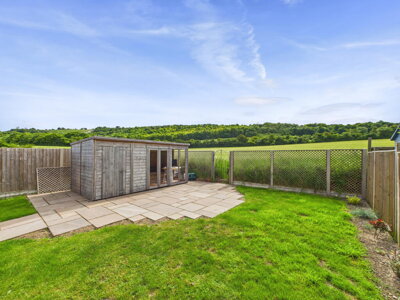
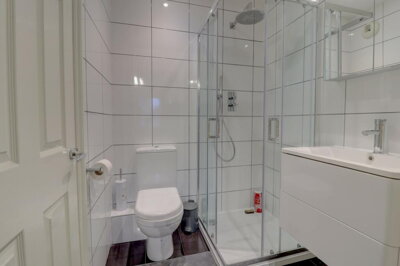
Browse 14 homes for sale in Great and Little Hampden from local estate agents.
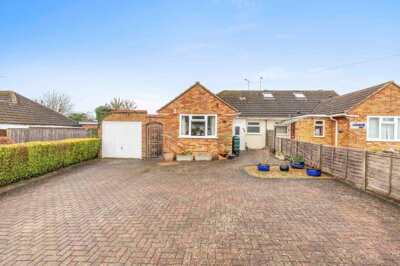
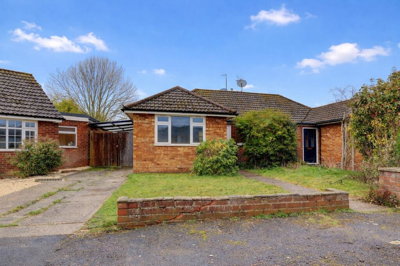
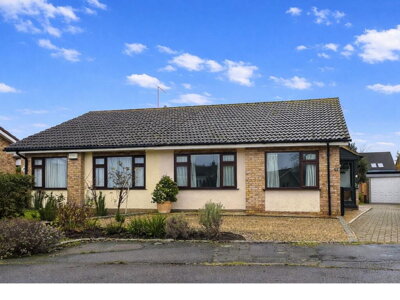
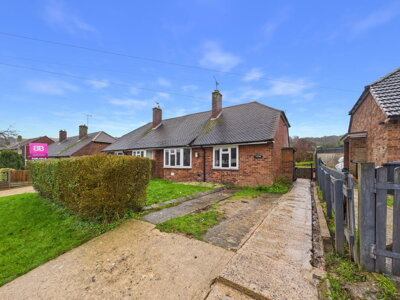
The 2 bed house market features detached, semi-detached, and terraced properties with two separate bedrooms plus living spaces. Properties in Great And Little Hampden range from Victorian and Edwardian period homes to modern new builds, with pricing varying across different neighbourhoods.
The property market in Great and Little Hampden reflects the exclusive nature of this rural Buckinghamshire parish. Properties here typically range from traditional two-bedroom flint cottages priced from around £480,000 to impressive five-bedroom detached family homes commanding in excess of £3.5 million. Recent transaction data shows continued strength in the local market, with a detached property on Glade Road selling for £1,040,000 in May 2023 and Primrose Cottage on Hampden Common Lane achieving £760,000 in October 2023. The HP16 9PS postcode has recorded an 18.5% increase in property values over the past decade, demonstrating consistent long-term growth that makes the area attractive to both families seeking their forever home and investors looking for capital appreciation.
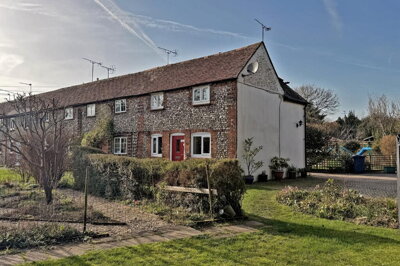
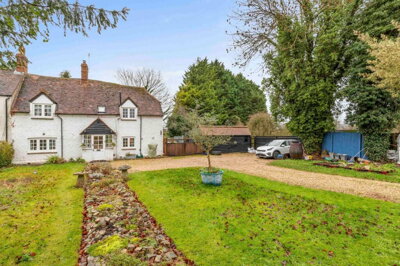
Property types in Great and Little Hampden are dominated by substantial detached and semi-detached houses, reflecting the rural nature of the parish and its conservation status. The hamlets contain very little modern development, with the housing stock consisting primarily of period properties built during the Georgian and Victorian eras. Many homes feature traditional brick and flint construction, thatched roofing, and original period features that appeal to buyers seeking character properties with genuine heritage credentials. The scarcity of new-build properties in the immediate area ensures that existing homes maintain their value, as supply remains severely constrained by planning restrictions designed to protect the Chilterns landscape and the historic character of the Great Hampden Conservation Area.

Understanding the construction methods used in Great and Little Hampden properties is essential for any buyer considering a purchase in this historic parish. The predominant building material in the area is brick and flint, a traditional method that reflects the local geology of chalk overlain with clay and flints. This construction style produces characterful homes with distinctive that are highly prized but require specific maintenance knowledge. Many properties also feature timber-framed elements, with some cottages sporting the iconic thatched roofs that complete the traditional Chilterns aesthetic.
Hampden House, the Grade I listed medieval manor the estate, provides an extraordinary example of how local building materials have evolved over centuries. The south wing incorporates 14th-century clunch, a local material made from chalk and mud, while later rebuilding in the 17th century introduced brick construction before the 18th-century remodelling added the rendered exterior we see today. This layered history demonstrates why properties in the parish require careful surveying, as different construction periods may present different maintenance challenges and structural considerations.
Most properties in Great and Little Hampden were built using solid wall construction rather than the cavity wall systems common in post-war housing. Solid walls manage moisture through natural absorption and evaporation, a system that can be compromised by inappropriate modern materials or treatments. Buyers should be aware that older properties may require different approaches to insulation, damp proofing, and ventilation compared to modern homes, and specialist advice is recommended before undertaking any renovations to period properties in this area.
Life in Great and Little Hampden offers an authentic taste of rural Buckinghamshire living at its finest. The parish sits atop a chalk plateau in the Chiltern Hills, surrounded by working farmland, ancient hedgerows, and extensive woodland that forms part of one of England's most protected landscapes. Residents enjoy sweeping views across the Misbourne Valley and access to miles of footpaths and bridleways that wind through the estate farmland and forest. The community is centred around the historic Great Hampden Farm and a nucleus of traditional dwellings, with Little Hampden cluster around its medieval church a short distance away. The pace of life is gentle and unhurried, with village events and seasonal activities providing regular opportunities for neighbours to connect.
The area preserves a remarkable concentration of listed buildings that testify to its long history. Hampden House, a magnificent Grade I listed medieval manor, stands as the architectural centrepiece of the estate, featuring parts dating back to the 14th century with later rebuilding in brick and Gothic remodelling. Little Hampden Church, also Grade I listed, dates from the 12th century with remarkable wall paintings from the 13th and 14th centuries still intact. The Church of St Mary Magdalene in Great Hampden adds further historical significance as a Grade II* listed building. This extraordinary heritage creates an environment where centuries-old architecture sits comfortably alongside traditional cottages and converted farm buildings, producing a villagescape of exceptional character that simply cannot be replicated elsewhere.
The local geology creates both practical considerations and recreational opportunities for residents. The chalk plateau underlying the parish provides excellent drainage and contributes to the clean water supply found in the area. However, the presence of clay-rich soils at surface level means that some properties may be subject to shrink-swell movement during periods of drought or heavy rainfall. Understanding your property's foundations and any historical movement is an important part of responsible home ownership in this part of the Chilterns. The extensive woodland and farmland also means that rural considerations such as private water supplies, septic tank maintenance, and countryside stewardship all form part of daily life here.
Families considering a move to Great and Little Hampden will find several excellent educational options within easy reach in the surrounding Buckinghamshire countryside. The nearby village of Great Missenden offers a selection of well-regarded primary schools serving the local community, with the village itself being renowned for its educational heritage as home to the Roald Dahl Museum and Studio. Secondary education is available at the prestigious grammar schools in Aylesbury and the Royal Latin School in Buckingham, both of which attract students from across the county. For families seeking independent education, the area is fortunate to be within commuting distance of several highly regarded private schools in Buckinghamshire and Hertfordshire, including The Dragon School in Oxford and Berkhamsted School.
Buckinghamshire is consistently ranked among the best counties for educational attainment in England, and the local primary schools in surrounding villages typically achieve above-average results in Key Stage 2 assessments. Great Missenden Church of England Combined School provides a strong foundation for younger children, while nearby Prestwood Combined School offers another well-regarded option for families in the wider HP16 area. The nearby town of Princes Risborough offers additional schooling options at the Gateway Primary School and Frithe School, which feeds into the grammar school system. The broader HP16 postcode area maintains strong connections to further education colleges in Aylesbury and High Wycombe for older students.
Parents should note that catchment areas for oversubscribed schools can be competitive in this desirable part of Buckinghamshire, so early research into admission policies is advisable when planning a family move to this area. The distance between Great and Little Hampden and surrounding schools means that school transport arrangements and morning routines require more planning than in urban areas. Many families find that the high quality of education available in Buckinghamshire more than compensates for the additional travel time, and the school run itself provides an opportunity to appreciate the beautiful Chilterns countryside.

Despite its peaceful rural setting, Great and Little Hampden enjoys surprisingly good connectivity for commuters working in London or the wider South East. The nearby town of Great Missenden provides access to Chiltern Railways services, with direct trains to London Marylebone taking approximately 45 minutes. This convenient connection makes the area popular with City professionals and creative industry workers seeking to escape urban living without sacrificing their ability to commute. Princes Risborough station offers additional rail options on the same Chiltern line, while the M40 motorway is accessible within a short drive, providing road connections to Oxford, Birmingham, and the broader motorway network.
For local travel, residents typically rely on private vehicles as is common in rural areas, though the extensive footpath and bridleway network provides excellent opportunities for walking, cycling, and horse riding. The Chiltern Way and other long-distance trails pass through the parish, offering recreational routes that connect to the wider Chilterns footpath network. Bus services connect the hamlets with surrounding villages and market towns, though these are less frequent than urban routes. The A4010 runs through nearby Princes Risborough, connecting the area to Aylesbury and High Wycombe, while the A4128 provides access to Great Missenden and the broader Chilterns road network.
Parking at local stations is generally more available than in busier commuter towns, making Great and Little Hampden an attractive proposition for those who value the option of occasional train travel combined with the flexibility of car ownership. Residents planning regular commutes should factor in the need for transport to and from stations, whether by car, taxi, or cycling. Many households find that working from home for several days a week makes the occasional commute much more manageable, and the peaceful environment of the Chilterns provides an ideal setting for home-based work.
Contact our platform to understand property availability in Great and Little Hampden and register for alerts when new properties matching your criteria become available. Given the limited supply in this exclusive postcode, patience and preparation are essential. Our local agents can provide insights into the specific characteristics of different properties and areas within the parish.
Once suitable properties are identified, arrange viewings through our platform's estate agent partners. Many properties in Great and Little Hampden are sold by small local agencies, so building relationships with multiple agents can prove advantageous. Our agents can also advise on the best times to view properties and what specific features to look for in period homes.
Secure a mortgage agreement in principle before making any offer. Properties in this price range typically require substantial lending, and having your finances confirmed demonstrates serious intent to sellers. For homes valued above £500,000, survey costs alone can exceed £580, so factoring these into your budget is important.
Given the age of most properties in Great and Little Hampden, a comprehensive RICS Level 2 HomeBuyer Survey is essential to identify any structural issues, damp problems, or period property concerns before you commit to purchase. Properties in this area may present challenges specific to their construction, including those arising from traditional brick and flint building methods, thatched roofing, or historic foundations.
Choose a solicitor with experience in Buckinghamshire rural property transactions, particularly those familiar with conservation areas and listed buildings, to handle the legal aspects of your purchase. Our platform can connect you with conveyancing specialists who understand the specific requirements of buying property in the Great Hampden Conservation Area.
Once surveys and legal checks are satisfactory, your solicitor will coordinate the final stages of the transaction, leading to completion and the keys to your new Great and Little Hampden home. Given the complexity of some rural transactions, allow extra time for any additional searches or queries that may arise with historic properties.
Purchasing a property in Great and Little Hampden requires careful consideration of several area-specific factors that may not apply to more conventional locations. The prevalence of historic properties means that many homes will have experienced structural movement over their lifetimes, and the local geology of chalk overlain with clay and flints creates potential for shrink-swell behaviour that can cause subsidence or foundation issues. A thorough building survey conducted by a surveyor experienced in period properties is essential to identify any ongoing structural concerns before you commit to purchase. Properties with significant original features such as thatched roofs, timber framing, or flint walls will require specialist knowledge to assess condition accurately.
The conservation status of much of the parish means that planning restrictions are more stringent than in many other areas. Properties within the Great Hampden Conservation Area or those that are listed buildings may be subject to additional controls over alterations, extensions, and even external decorations. If you are considering any future modifications to a period property, you should consult with Wycombe District Council planning department before proceeding. Additionally, rural properties may rely on private water supplies, septic tanks, or drainage systems rather than mains services, and these require careful inspection and ongoing maintenance responsibilities. Understanding the full cost implications of owning a historic rural property, including specialist insurance requirements and potential listed building maintenance obligations, is crucial before making your purchase decision.
Some properties within the HP16 postcode area may be affected by higher than average radon emissions, a naturally occurring radioactive gas that can accumulate in buildings with poor ventilation. Radon levels should be measured before purchase, particularly in properties with basements or limited airflow. Your surveyor can advise on radon testing options and any remediation measures that may be required. The chalk geology of the Chilterns means radon is a consideration that buyers in this area should be aware of, though not all properties will be affected.
Properties in the HP16 9PS postcode area, which covers Little Hampden, show an average sale value of £1,164,562 as of January 2026. Individual properties range from approximately £480,000 for smaller two-bedroom period cottages to over £3.5 million for substantial five-bedroom detached homes. The market has demonstrated consistent growth, with prices in the postcode increasing by 18.5% over the past decade and continuing to rise despite broader market fluctuations. Given the scarcity of properties for sale in this exclusive rural location and the high concentration of desirable period homes, prices are likely to remain firm for the foreseeable future.
Great and Little Hampden falls under Wycombe District Council for local authority services. Council tax bands in the area vary according to property value and type, with smaller two-bedroom period cottages typically falling into Bands C through E, while larger detached homes and converted farm buildings may be in Bands F through H. A typical family home valued around £750,000 would likely fall into Band F or G, while the more substantial country houses in the parish are typically in Bands G or H. You should check specific bandings with Wycombe District Council or view details on the Valuation Office Agency website using the property address.
Great and Little Hampden itself does not have schools within the parish boundaries, but the surrounding area offers excellent educational options for families. Primary-aged children typically attend schools in nearby villages such as Great Missenden, where Great Missenden Church of England Combined School serves the community, or Prestwood Combined School in the nearby village of Prestwood. Secondary education options include the grammar schools in Aylesbury, including the Aylesbury High School and Buckinghamshire Grammar School, as well as nearby grammar schools accessible through Buckinghamshire's testing system. Several independent schools within reasonable driving distance serve families seeking private education, including The Dragon School and St Edward's School in Oxford, making the area particularly popular with families who prioritise academic achievement.
While Great and Little Hampden is fundamentally a rural location with limited public transport options, commuters will find useful connections nearby. Great Missenden station is approximately 5 miles from the hamlets and offers direct Chiltern Railways services to London Marylebone in around 45 minutes, making regular commuting feasible for those who can arrange transport to the station. Princes Risborough station provides an alternative connection point on the same line. Bus services connecting the villages to surrounding towns are available but operate on reduced timetables typical of rural routes, so residents typically require private vehicle ownership for daily logistics. The proximity to the M40 motorway at Princes Risborough provides additional flexibility for road-based commuting to Oxford in approximately 30 minutes or to Birmingham in around an hour.
Great and Little Hampden represents a compelling investment opportunity for buyers with longer time horizons. The combination of limited supply due to conservation restrictions, consistently strong demand from buyers seeking rural Chilterns living, and the enduring appeal of period properties in one of Buckinghamshire's most prestigious locations supports continued capital growth. Properties have shown 18.5% growth over the past decade, and the area's position within the Chilterns Area of Outstanding Natural Beauty provides regulatory protection against development that could diminish the landscape character that makes the location desirable. Rental yields may be modest given the premium nature of the property stock, but capital appreciation potential remains strong, particularly for well-presented period properties in good condition.
Stamp Duty Land Tax for properties in Great and Little Hampden follows standard UK thresholds for the 2024-25 tax year. For primary residences, buyers pay nothing on the first £250,000 of property value, 5% on the portion from £250,001 to £925,000, and 10% on the amount up to £1.5 million. Properties above £1.5 million incur 12% on the remainder. This means a typical family home priced around £750,000 would incur SDLT of approximately £22,500, while premium properties priced at £1.5 million or more could face stamp duty bills exceeding £90,000. First-time buyers benefit from relief on the first £425,000, with 5% applied between £425,001 and £625,000. Given that most properties in Great and Little Hampden exceed £425,000, first-time buyer relief will be limited, and buyers should budget accordingly for substantial SDLT costs on premium-priced rural properties.
The local geology of chalk overlain with clay and flints creates some potential for shrink-swell ground movement, which can affect properties with clay-rich subsoils during periods of extreme weather. Most period properties in the area were built with foundations appropriate for the local conditions, but any history of subsidence or foundation movement should be investigated during the survey process. Some properties within the broader HP16 postcode area may also be affected by elevated radon levels, a naturally occurring radioactive gas, and testing is advisable before purchase. Surface water flooding can occur during heavy rainfall, as with many parts of Buckinghamshire, though the chalk plateau generally provides good natural drainage.
From 4.5%
Finding the right mortgage for your Great and Little Hampden purchase
From £499
Expert legal services for your property transaction
From £375
Essential survey for period properties in this area
From £75
Energy performance certificate for your new home
Buying a property in Great and Little Hampden involves several costs beyond the purchase price that buyers should factor into their budgeting. Stamp Duty Land Tax represents the most significant additional cost, particularly for properties in this postcode where most homes exceed £425,000. A typical family home priced around £750,000 would incur SDLT of approximately £22,500 under current rules, while premium properties priced at £1.5 million or more could face stamp duty bills exceeding £90,000. First-time buyers, despite the relief threshold increasing to £425,000, would still pay substantial amounts on most properties in this price range, so the relief provides limited benefit compared to areas with lower average property values.
Additional buying costs include solicitor fees for conveyancing, which for a rural property transaction with conservation area or listed building considerations may be higher than standard urban transactions due to increased complexity. Survey costs are particularly important in Great and Little Hampden given the age and character of the housing stock. A RICS Level 2 HomeBuyer Survey for a period property in this area typically starts from around £375 plus VAT for standard properties, with larger or more complex historic homes requiring additional investment. Surveyors experienced in Chilterns properties may also command slightly higher fees due to travel time from their base.
Other costs to budget for include mortgage arrangement fees, which can range from free to £2,000 depending on the lender and product chosen, and valuation fees required by your mortgage provider. Local searches through Wycombe District Council typically cost around £300, while, fees for title registration and transfer are approximately £135 for the transaction. Given the complexity of rural Buckinghamshire transactions, obtaining quotes from multiple providers before committing is advisable, and our platform can connect you with specialists who understand the specific requirements of buying property in the Great Hampden Conservation Area.
Properties for Sale In London

Properties for Sale In Plymouth

Properties for Sale In Liverpool

Properties for Sale In Glasgow

Properties for Sale In Sheffield

Properties for Sale In Edinburgh

Properties for Sale In Coventry

Properties for Sale In Bradford

Properties for Sale In Manchester

Properties for Sale In Birmingham

Properties for Sale In Bristol

Properties for Sale In Oxford

Properties for Sale In Leicester

Properties for Sale In Newcastle

Properties for Sale In Leeds

Properties for Sale In Southampton

Properties for Sale In Cardiff

Properties for Sale In Nottingham

Properties for Sale In Norwich

Properties for Sale In Brighton

Properties for Sale In Derby

Properties for Sale In Portsmouth

Properties for Sale In Northampton

Properties for Sale In Milton Keynes

Properties for Sale In Bournemouth

Properties for Sale In Bolton

Properties for Sale In Swansea

Properties for Sale In Swindon

Properties for Sale In Peterborough

Properties for Sale In Wolverhampton

Enter your details to see if this property is within your budget.
Loans, cards, car finance
Estimated property budget
Borrowing + deposit
You could borrow between
Typical borrowing
Monthly repayment
Est. at 4.5%
Loan-to-value
This is an estimate only. Your actual budget may vary depending on interest rates, credit history, and personal circumstances. For an accurate affordability assessment, speak to one of our free mortgage advisors.
This calculator provides estimates for illustrative purposes only and does not constitute financial advice. Your home may be repossessed if you do not keep up repayments on your mortgage. Estimates based on 4.5% interest rate, repayment mortgage. Actual rates depend on your circumstances.
Homemove is a trading name of HM Haus Group Ltd (Company No. 13873779, registered in England & Wales). Homemove Mortgages Ltd (Company No. 15947693) is an Appointed Representative of TMG Direct Limited, trading as TMG Mortgage Network, which is authorised and regulated by the Financial Conduct Authority (FRN 786245). Homemove Mortgages Ltd is entered on the FCA Register as an Appointed Representative (FRN 1022429). You can check registrations at NewRegister or by calling 0800 111 6768.

We use cookies to show you personalised content and improve your experience of our website. Find out more in our Privacy policy and Cookie policy.