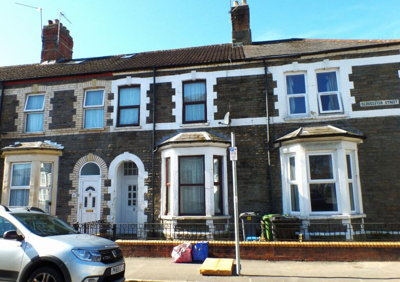
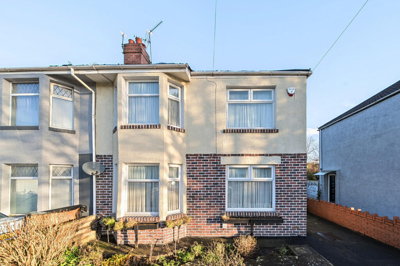
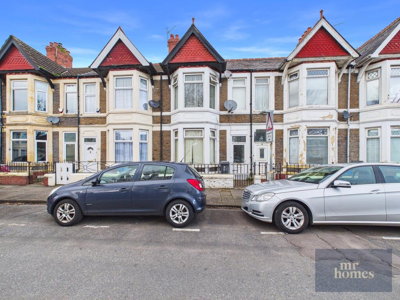
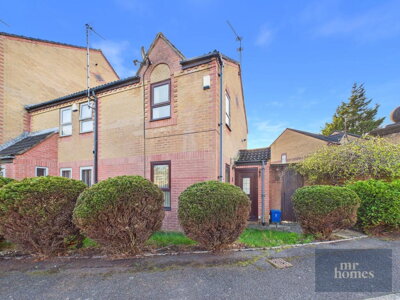
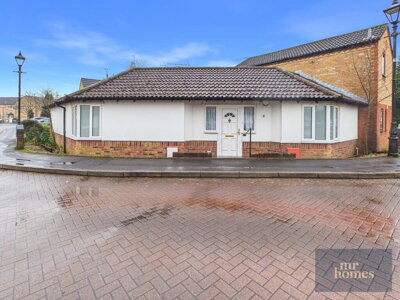
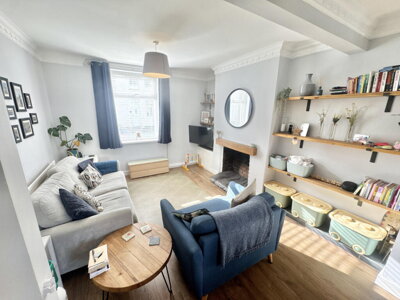
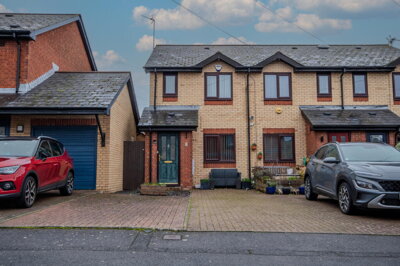
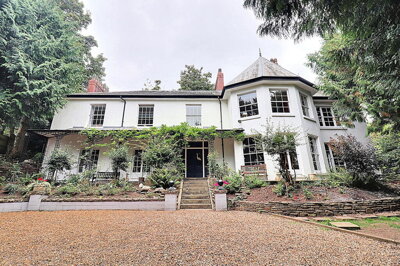
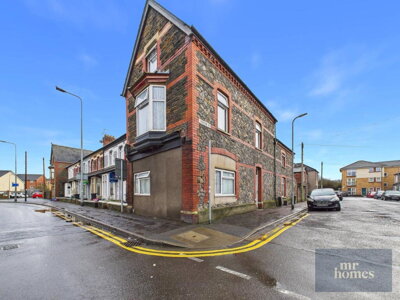
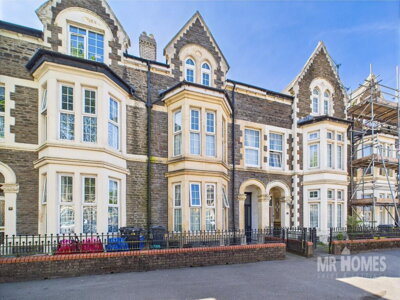
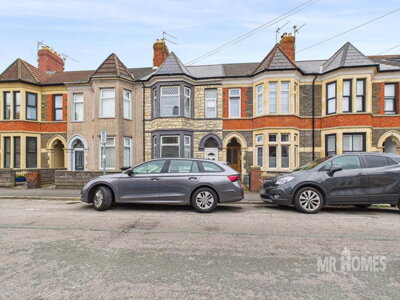
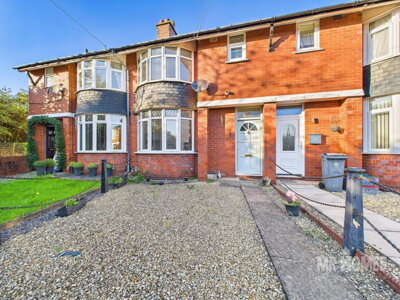
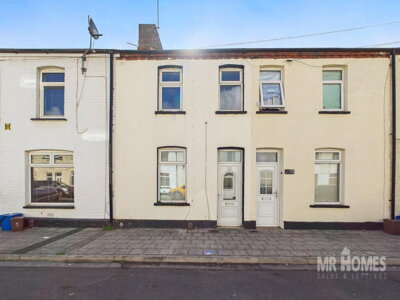
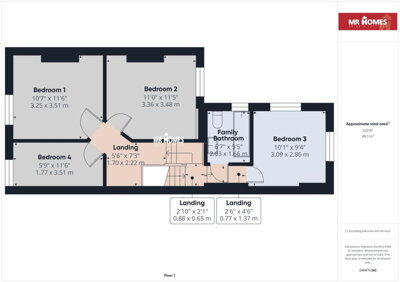
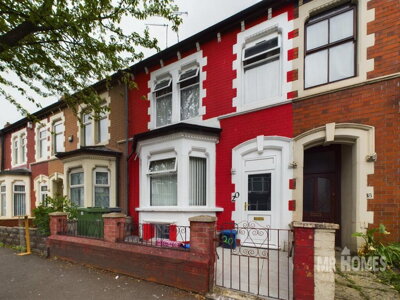
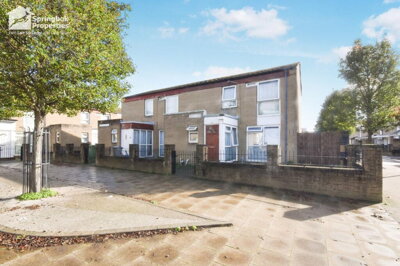
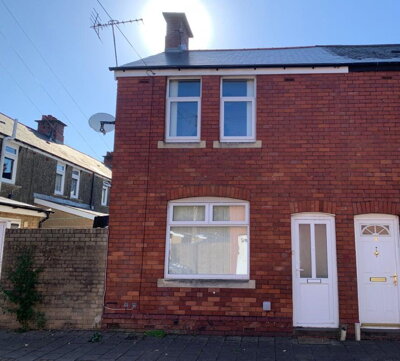
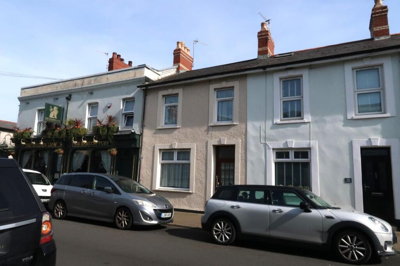
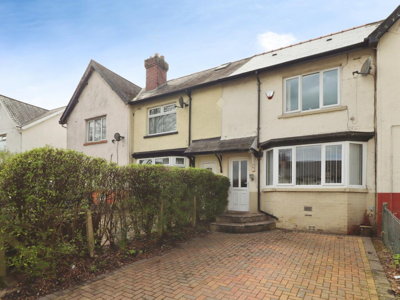
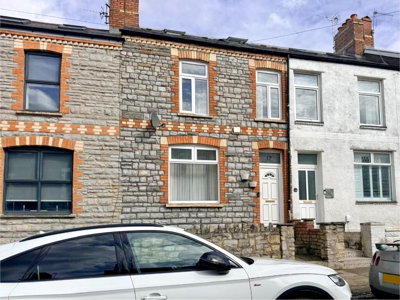
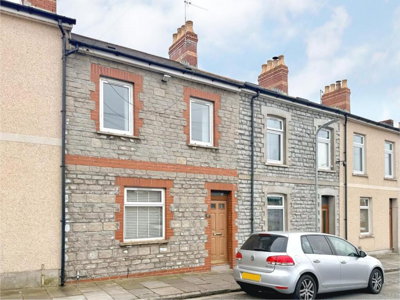
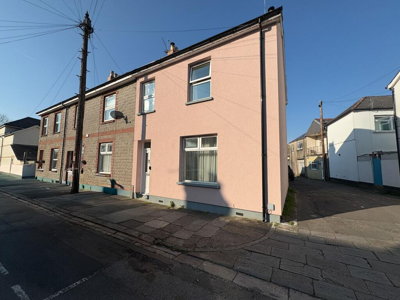
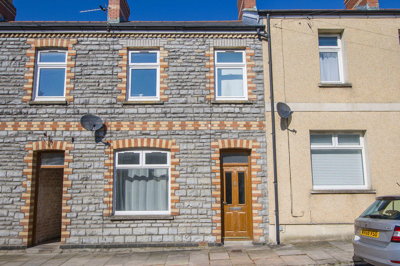
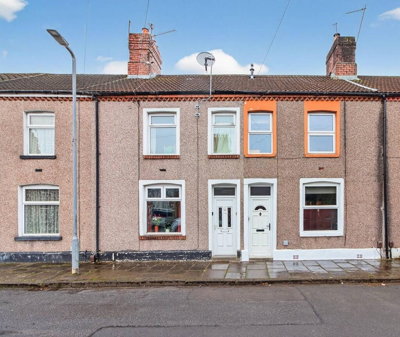
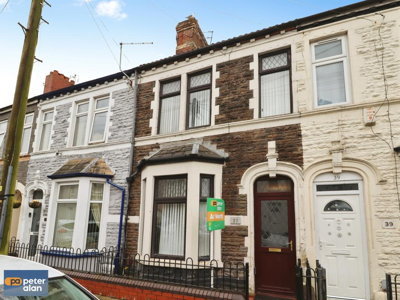
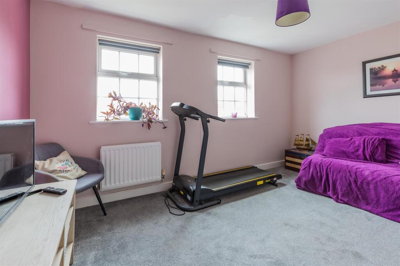
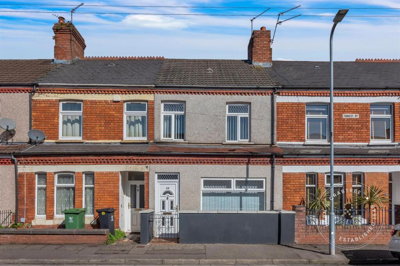
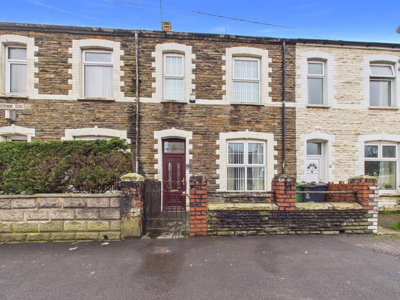
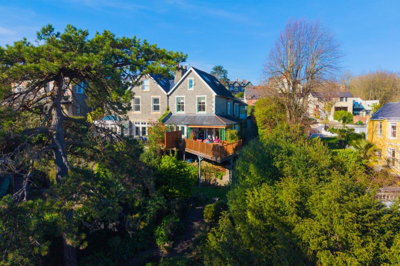
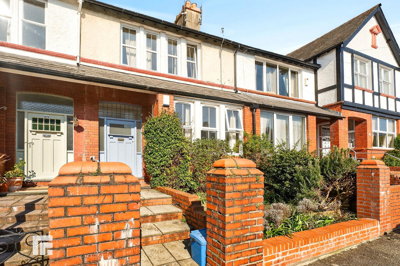
Browse 517 homes for sale in Grangetown, Cardiff from local estate agents.
The Grangetown property market offers detached, semi-detached, and terraced houses spanning various price ranges and neighbourhoods. Each listing includes detailed property information, photographs, and direct contact with the marketing agent.
£280k
31
3
130
Source: home.co.uk
Showing 31 results for Houses for sale in Grangetown, Cardiff. 3 new listings added this week. The median asking price is £280,000.
Source: home.co.uk
Terraced
23 listings
Avg £292,609
Detached
4 listings
Avg £393,750
Semi-Detached
4 listings
Avg £336,238
Source: home.co.uk
Source: home.co.uk
The Grangetown property market offers remarkably accessible prices compared to the wider Cardiff average of £271,000, with the average home costing approximately £219,754 according to recent Rightmove data. Property types span from compact one-bedroom flats ideal for first-time buyers to spacious Victorian terraces that have become increasingly popular with families seeking period character at a fraction of city-centre prices. Terraced properties dominate the market, averaging £246,845, while flats offer the most affordable entry point at around £156,329. Semi-detached homes command higher prices at approximately £291,000, reflecting their relative scarcity in this predominantly terrace-focused neighbourhood.
The market has demonstrated resilience and steady growth, with prices in the CF11 6 postcode sector rising by 4.0% over the past year alone. When measured against the 2023 peak of £212,070, current prices are up 4%, indicating sustained demand despite broader economic headwinds. The CF11 6 postcode sector recorded 235 property sales over the 24 months ending February 2026, providing buyers with a healthy supply of options. Notably, the wider CF11 postcode district has seen prices dip 10% year on year, suggesting that micro-location within Grangetown significantly impacts property values, with areas closer to regeneration zones and transport links commanding premiums.
New-build activity is transforming the housing landscape in Grangetown. The flagship Channel View regeneration, delivered by Cardiff Council and Wates Residential, will deliver up to 400 new low-carbon homes, replacing approximately 180 existing properties including a 1970s tower block. Phase 1 includes Tŷ y Dorlân, offering 102 community living apartments over 15 storeys designed to Happi standards with rooftop terraces and communal facilities, and Trem y Môr with 24 independent living apartments over 6 storeys. Completion is expected by 2027. Meanwhile, the Ffordd Yr Haearn development by Wales & West Housing delivered 100 affordable homes in 2022, and Yr Hafan on the former gasworks site provided 52 Passivhaus-certified modular homes completed in 2023.

Grangetown carries a distinctive identity shaped by its industrial heritage and multicultural present, offering residents an authentic taste of Cardiff life away from the polished city-centre developments. The neighbourhood developed rapidly after 1850 when local marl clay and gas works by-products became building materials, creating the rows of brick terraces that still define its character today. The use of black mortar made from tar and ash from the gas works gave back-yard walls their unique appearance, reflecting the area's industrial origins. Despite its working-class heritage, Grangetown has evolved into one of Cardiff's most diverse and vibrant communities, with new businesses and cultural influences enriching the traditional neighbourhood.
Local amenities in Grangetown serve the community well, with everyday shopping available along the main thoroughfares and the nearby IKEA store providing a major retail anchor for the wider area. Grange Gardens provides green space in the heart of the neighbourhood, featuring a Grade II listed statue of John Batchelor and a sheltered seating area that speaks to the area's Victorian civic investment. The area's proximity to Cardiff Bay means residents enjoy easy access to waterfront restaurants, the Wales Millennium Centre, and recreational facilities including the International Sports Village. The Tramshed, a music venue housed in the former Central Workshops of City of Cardiff Operational Services, and The Pumping House antiques showroom occupy historic buildings, demonstrating how the community preserves its architectural heritage while adapting it for contemporary use.
The demographic composition of Grangetown reflects its accessibility and diverse community spirit, with 8,784 households and an average household size of 2.4 persons according to the 2021 Census. The population of 20,818 represents significant growth from 19,385 in 2011, driven by the area's relative affordability compared to other Cardiff neighbourhoods and its improving transport connections. Grangetown's multicultural character has contributed to a thriving local business scene, with independent shops and eateries adding variety to the traditional high street offer. The community hosts events and activities throughout the year, fostering the neighbourly atmosphere that long-term residents value and newcomers quickly appreciate.
Historically, Grangetown was a low-lying area prone to flooding, with the sea inundating parts of the district to a depth of five feet in 1883 before the construction of the Cardiff Bay Barrage provided modern flood defences. The underlying geology of marl clay created poor natural drainage, a characteristic that continues to influence property conditions today. Residents should be aware that the reclaimed nature of the land means foundations on some streets may have been constructed on made ground of variable quality, potentially affecting stability over time. Understanding these historical and geological factors helps buyers appreciate why certain maintenance issues arise in local properties and plan accordingly for the costs of keeping older homes in good condition.
Families considering a move to Grangetown will find a range of educational establishments serving the neighbourhood, from primary schools through to further education options nearby. Ninian Park School, constructed in 1899-1900, represents the area's long-standing commitment to education, though parents should research current Ofsted ratings and performance data when evaluating options. The presence of multiple primary schools within the ward provides choice for families with younger children, while secondary school options in the wider Cardiff area offer various curricula including traditional academic pathways and vocational alternatives. Given the dense urban nature of Grangetown, catchment areas for oversubscribed schools can be competitive, making proximity to preferred schools an important factor when choosing a property.
Further education opportunities in Cardiff are extensive, with Cardiff and Vale College and Cardiff University serving students from across the city including Grangetown residents. Sixth form provision at secondary schools in surrounding areas provides options for students seeking A-level qualifications before university. For families prioritising faith-based education, Catholic and other denominational schools in Cardiff offer alternatives to community schools, though admission criteria and catchment requirements apply. The area's diverse population also supports community language schools and cultural education initiatives that enrich children's learning beyond the national curriculum. Parents should contact Cardiff Council's education department for the most current information on school admissions, catchment boundaries, and capacity.
The regeneration of Grangetown includes considerations for community facilities, with new developments incorporating spaces designed for education and childcare use. The Channel View regeneration specifically includes communal facilities such as community cafés that serve as informal gathering spaces for residents of all ages. As the neighbourhood grows through new-build housing, the demand for school places will increase, making it worth investigating any planned expansions to local educational infrastructure. First-time buyers and young families should factor school provision into their property search, prioritising postcodes with access to high-performing schools or planning for transportation to schools in neighbouring areas if local options are oversubscribed.
Cardiff has one of the oldest housing stocks in the UK, with over a quarter of homes built before 1919, and Grangetown exemplifies this pattern with its dense rows of Victorian terraces constructed between 1869 and 1899. This means school-aged children in the area may be living in properties requiring more maintenance attention, adding to family costs that should be factored into the overall budget when purchasing in Grangetown. The age of local housing also means that some schools were originally built to serve the Victorian population and may be housed in buildings that themselves require ongoing maintenance and upgrade. Prospective residents should visit schools in person where possible, speaking to staff about current class sizes, facilities, and any planned improvements to understand the full educational offer available to their children.
Grangetown benefits from excellent connectivity that makes it attractive to commuters working in Cardiff city centre, Cardiff Bay, and beyond. The neighbourhood sits within easy reach of Cardiff Central railway station, providing direct services to major UK destinations including London Paddington, Bristol, and Swansea. For those working in the city centre, the walk or cycle from Grangetown is manageable, with the flat topography of the reclaimed land making cycling practical for commuters of varying fitness levels. Bus services connect Grangetown to surrounding areas including Cardiff Bay, the Bay line connecting to the city centre, and routes serving the suburbs of Barry and Penarth. The Cardiff Bus network operates several routes through Grangetown, providing frequent services throughout the day.
Road connectivity is strong, with the A4232 providing access to the M4 motorway at junction 33, connecting Grangetown to Newport, Bristol, and the Severn Bridge crossings to England. The proximity to Cardiff Docks means that residents working in maritime or logistics industries enjoy minimal commute times. For those travelling to Cardiff Airport, the journey from Grangetown takes approximately 20-30 minutes by car, making international travel accessible without the inconvenience of city-centre parking costs. The ongoing development of active travel routes as part of the Greener Grangetown initiative has improved cycling infrastructure, with rain gardens and improved drainage creating more pleasant conditions for pedestrians and cyclists alike.
Parking availability varies across Grangetown, with Victorian terraced streets often lacking off-street parking a consideration for car owners. Newer developments typically incorporate parking provision, though demand can exceed supply in densely populated areas. The introduction of resident parking schemes in some streets helps manage demand, though visitors and second vehicles can create competition for on-street spaces. For commuters relying on public transport, the frequency and reliability of bus services will influence daily experience, making it worth testing journey times before committing to a property purchase. The Bay car park and other public parking facilities in Cardiff Bay provide weekend and evening parking options for residents visiting the waterfront area.
The flat terrain of Grangetown's reclaimed land makes cycling particularly practical compared to other parts of Cardiff where hills can deter less confident cyclists. The Greener Grangetown project has introduced 108 rain gardens as part of Sustainable Drainage Systems, which also improve the street environment for pedestrians and cyclists by creating attractive green corridors. For commuters seeking to reduce travel costs, the combination of manageable cycle routes, reliable bus connections, and proximity to Cardiff Central station positions Grangetown as one of the most accessible residential areas in South Wales. The Bay railway line connects directly to Cardiff Central, providing an alternative to road-based commuting for those working in the city centre or travelling further afield.
Spend time exploring Grangetown at different times of day, visiting local shops and cafes, and understanding the flood risk profile of specific streets. The area's ongoing regeneration means conditions can change quickly, so speak to residents about their experiences with damp, noise from construction, and any planned infrastructure improvements. Pay particular attention to the proximity of potential properties to the Channel View regeneration site, as construction activity can temporarily affect living conditions and noise levels.
Obtain a mortgage agreement in principle before viewing properties, as this demonstrates serious intent to sellers and estate agents. Grangetown's average price of £219,754 means most buyers will require a mortgage, and having finance in place speeds up the purchase process. Speak to a mortgage broker who can advise on the best deals available and help you understand how much you can borrow based on your income and outgoings. Given the mix of older Victorian properties and newer builds in Grangetown, some mortgage products may have specific requirements or restrictions that your broker can clarify.
Work with local estate agents who know Grangetown intimately, as they can alert you to new listings before they appear on major portals. View multiple properties across different streets and price points to understand the market thoroughly. Pay attention to the condition of Victorian features, signs of damp or structural movement, and the orientation and natural light available in each property. Take photographs during viewings to help compare properties later and note any questions about specific defects or maintenance concerns.
Given that the majority of Grangetown's housing stock dates from the Victorian era, a thorough survey is essential before committing to purchase. A Level 2 HomeBuyer Report will identify defects common to period properties including rising damp, roof condition, subsidence risk from clay soils, and outdated electrical systems. Budget around £400-600 for this important safeguard. For properties showing significant defects or those built with non-standard methods, a more comprehensive RICS Level 3 Building Survey may be advisable.
Appoint a conveyancing solicitor experienced in Cardiff property transactions to handle the legal aspects of your purchase. They will conduct searches including flood risk assessments, check for planning restrictions, and ensure the property's title is clear. Costs typically range from £500-1,500 depending on complexity, and having a solicitor in place before making an offer strengthens your position. For leasehold properties, which are common in Grangetown's flat market, your solicitor should specifically investigate ground rent terms and any planned service charge increases.
Once your mortgage offer is received and searches are satisfactory, your solicitor will coordinate the exchange of contracts and set a completion date. On completion day, the remaining balance is transferred and you receive the keys to your new Grangetown home. Allow time for setting up utilities, redirecting post, and settling into your new neighbourhood. Consider joining local community groups and attending neighbourhood events to meet fellow residents and learn about local services and facilities.
Properties in Grangetown present unique considerations for buyers, particularly given the area's geological and environmental characteristics. The underlying marl clay soils can cause shrink-swell subsidence, where ground movement occurs as clay expands when wet and contracts during dry periods. This risk is particularly relevant for Victorian properties built on shallow foundations. Before purchasing, request evidence of any previous structural work, underpinning, or insurance claims related to subsidence. A thorough RICS Level 2 survey will assess the property's structural condition and identify any signs of movement that might indicate foundation issues.
Flood risk is a significant consideration in Grangetown, with the area identified as at risk from the sea, rivers, and surface water flooding. Being situated on reclaimed estuarine land and within the floodplain of the River Taff and River Ely means properties have historically been vulnerable to inundation. The Cardiff Bay Barrage provides some protection against tidal flooding, but river and surface water risks remain, particularly given climate change projections suggesting more extreme weather events. Cardiff Council has identified that over 60% of the population in Grangetown ward are considered at high risk of flooding, and across Cardiff as a whole, an estimated 33,000 properties are predicted to be threatened by 2050. The Greener Grangetown project has introduced Sustainable Drainage Systems including 108 rain gardens to manage surface water, but buyers should investigate the specific flood risk rating for any property postcode before committing.
The seven Grade II listed buildings in Grangetown demonstrate the area's architectural heritage, but listed status carries responsibilities for owners of affected properties. If you are considering a listed building, understand that any external or significant internal alterations require listed building consent from Cardiff Council. This can limit renovation options and add costs to any works. For non-listed Victorian terraces, standard planning permissions apply, though conservation area designation should be verified as this could impose additional controls. Always check with Cardiff Council planning department about any restrictions that might affect your intended use or renovation plans for a property in Grangetown.
The predominant Victorian terraced construction in Grangetown brings specific maintenance concerns that buyers should budget for. Solid brick walls without cavity insulation can lead to condensation issues, particularly where modern double glazing has been installed without adequate ventilation. Original roof slates may have been partially replaced with heavier concrete tiles, which can stress older timber structures not designed for the additional weight. Electrical systems in properties over 30 years old are likely to require updating to meet modern safety standards, with fabric-covered or rubber-insulated cables presenting particular risks. Drainage in the area can be compromised by the poor sub-floor ventilation common in Victorian terraces and the legacy of made ground that may affect how rainwater disperses. A comprehensive survey will identify these issues before purchase, allowing buyers to negotiate on price or factor remediation costs into their budget.
The average house price in Grangetown is currently £219,754 according to Rightmove data, with Zoopla reporting £216,374. Prices have risen by 1% year on year and are 4% above the 2023 peak of £212,070. Property types vary significantly in price, with terraced homes averaging £246,845, semi-detached properties around £291,000, and flats at approximately £156,329. This makes Grangetown significantly more affordable than the Cardiff average of £271,000, offering buyers good value for money in a well-connected neighbourhood.
Properties in Grangetown fall under Cardiff Council's jurisdiction for council tax purposes. Bands range from A through to H, with the majority of Victorian terraced properties typically falling into bands A through C due to their modest size and historic values. Exact bands depend on the property's valuation and should be confirmed on the Welsh Government council tax database before purchase. Band A properties in Cardiff currently pay around £1,200-1,400 annually, though this varies based on specific property characteristics and any exemptions or discounts that may apply.
Grangetown has several primary schools serving the local community, though parents should check current Ofsted ratings and performance data to identify the best options for their children. Secondary school provision is available in surrounding Cardiff areas, with catchment areas determined by Cardiff Council based on address proximity. For families seeking faith-based education or specific curricula, options exist across Cardiff, though competition for popular schools can be intense. Further education is well-served by Cardiff and Vale College and Cardiff University, accessible to Grangetown residents by public transport.
Grangetown benefits from excellent public transport connections, with frequent bus services operated by Cardiff Bus serving the neighbourhood and connecting to Cardiff Central station, Cardiff Bay, and surrounding areas. The Bay railway line provides additional options for travel to the city centre and beyond. For international travel, Cardiff Airport is accessible by car in approximately 20-30 minutes. Road connections include the A4232 linking to the M4 motorway at junction 33, making travel to Newport, Bristol, and London straightforward. Active travel improvements including cycle routes have enhanced sustainable transport options within the neighbourhood.
Grangetown presents several factors that make it attractive for property investment, including its relative affordability compared to other Cardiff neighbourhoods, proximity to the city centre and Cardiff Bay, and significant regeneration activity. The Channel View redevelopment will deliver 400 new homes, enhancing the neighbourhood's appeal and potentially driving values higher as improvements take effect. Population growth from 19,385 in 2011 to an estimated 22,261 in 2024 demonstrates sustained demand. However, buyers should be aware of flood risk considerations and the area's industrial heritage, which may affect certain properties more than others. Rental demand in Grangetown is likely to remain strong given its commuting accessibility and lower entry prices compared to central Cardiff.
Stamp Duty Land Tax (SDLT) rates from April 2025 are 0% on the first £250,000 of residential property purchases, 5% on the portion from £250,001 to £925,000, 10% on the portion from £925,001 to £1,500,000, and 12% above £1,500,000. First-time buyers receive relief on the first £425,000, with 5% applied between £425,001 and £625,000. For a typical Grangetown property averaging £219,754, most buyers would pay no SDLT under current thresholds. Higher-value purchases above £250,000 will require SDLT calculation based on the specific purchase price and buyer status. Your solicitor will calculate and submit SDLT on your behalf.
Grangetown is situated on reclaimed estuarine land within the floodplain areas of the River Taff and River Ely, placing it at risk from sea, river, and surface water flooding. The Cardiff Bay Barrage provides protection against tidal flooding, but river and surface water risks remain significant, particularly given climate change projections. Grangetown is one of the Cardiff wards where over 60% of the population and households are considered at high risk of flooding. The Greener Grangetown project has introduced Sustainable Drainage Systems including 108 rain gardens to help manage surface water, but buyers should check the specific flood risk rating for any property postcode using government flood risk databases. Properties in lower-lying areas closer to the waterfront may face higher premiums for buildings insurance, and this cost should be factored into the overall affordability calculation when purchasing.
Victorian terraced properties in Grangetown commonly exhibit defects related to their age and construction methods. Rising damp is frequently encountered where original damp proof courses have failed or were never installed, while penetrating damp can result from defective rainwater goods or spalled bricks in solid wall construction. Roof condition requires careful inspection, as original slates may have been replaced with heavier concrete tiles that stress older timber structures. Electrical systems in properties over 25-30 years old are likely to require complete rewiring to meet modern safety standards. The underlying marl clay soils present a potential shrink-swell subsidence risk, particularly for properties built on shallow foundations. A RICS Level 2 HomeBuyer Report will identify these issues and help you understand the true cost of ownership before committing to purchase.
Buying a property in Grangetown involves several costs beyond the purchase price that buyers should budget for before committing to a purchase. The current SDLT threshold of £250,000 for residential properties means that many Grangetown purchases at the average price of £219,754 will attract no stamp duty, making this an attractive time for first-time buyers and those purchasing modest properties. However, properties priced above £250,000 will require SDLT calculation based on the incremental rates, with the marginal portion between £250,001 and £925,000 attracting 5% duty.
First-time buyers purchasing properties up to £425,000 can benefit from SDLT relief, with no duty payable on the first £425,000 and 5% applied to the portion between £425,001 and £625,000. This relief is only available to buyers who have not previously owned property anywhere in the world, and the property must be the buyer's main residence. Given Grangetown's relatively accessible price point, many first-time buyers purchasing at average prices would qualify for full relief under current thresholds. However, if you are purchasing above £625,000, no first-time buyer relief applies to the portion above that threshold.
Beyond SDLT, buyers should budget for survey costs, with a RICS Level 2 HomeBuyer Report typically costing £400-600 depending on property size and complexity. Given the Victorian housing stock prevalent in Grangetown, a thorough survey is money well spent to identify issues with damp, structural movement, roof condition, and electrical systems. Conveyancing fees typically range from £500-1,500 depending on complexity and whether leasehold provisions apply, with leasehold properties requiring additional enquiries and potentially ground rent reviews to be verified. Mortgage arrangement fees, valuation fees, and broker charges may also apply depending on your lender and broker arrangements. Cardigan Bay Solicitors and other Cardiff-based firms experienced in Grangetown transactions can provide comprehensive cost estimates at the outset of your transaction.
For buyers purchasing flats in Grangetown, service charges and building insurance costs can significantly impact the overall cost of ownership. These annual charges vary considerably depending on the development and may include contributions to a sinking fund for major repairs. Buildings insurance premiums in Grangetown may be higher than average due to flood risk considerations, and this cost should be factored into the budget alongside mortgage repayments and council tax. Buildings constructed to modern standards with energy-efficient features may qualify for lower insurance premiums, while period properties with historic defects may attract higher quotes. Obtaining insurance quotes before completing the purchase allows buyers to understand the full cost of ownership and factor this into their decision-making.
From 4.5% APR
Expert mortgage advice for Grangetown buyers
From £499
Conveyancing solicitors in Grangetown
From £400
Expert surveys for Grangetown properties
From £80
Energy performance certificates
Properties for Sale In London

Properties for Sale In Plymouth

Properties for Sale In Liverpool

Properties for Sale In Glasgow

Properties for Sale In Sheffield

Properties for Sale In Edinburgh

Properties for Sale In Coventry

Properties for Sale In Bradford

Properties for Sale In Manchester

Properties for Sale In Birmingham

Properties for Sale In Bristol

Properties for Sale In Oxford

Properties for Sale In Leicester

Properties for Sale In Newcastle

Properties for Sale In Leeds

Properties for Sale In Southampton

Properties for Sale In Cardiff

Properties for Sale In Nottingham

Properties for Sale In Norwich

Properties for Sale In Brighton

Properties for Sale In Derby

Properties for Sale In Portsmouth

Properties for Sale In Northampton

Properties for Sale In Milton Keynes

Properties for Sale In Bournemouth

Properties for Sale In Bolton

Properties for Sale In Swansea

Properties for Sale In Swindon

Properties for Sale In Peterborough

Properties for Sale In Wolverhampton

Enter your details to see if this property is within your budget.
Loans, cards, car finance
Estimated property budget
Borrowing + deposit
You could borrow between
Typical borrowing
Monthly repayment
Est. at 4.5%
Loan-to-value
This is an estimate only. Your actual budget may vary depending on interest rates, credit history, and personal circumstances. For an accurate affordability assessment, speak to one of our free mortgage advisors.
This calculator provides estimates for illustrative purposes only and does not constitute financial advice. Your home may be repossessed if you do not keep up repayments on your mortgage. Estimates based on 4.5% interest rate, repayment mortgage. Actual rates depend on your circumstances.
Homemove is a trading name of HM Haus Group Ltd (Company No. 13873779, registered in England & Wales). Homemove Mortgages Ltd (Company No. 15947693) is an Appointed Representative of TMG Direct Limited, trading as TMG Mortgage Network, which is authorised and regulated by the Financial Conduct Authority (FRN 786245). Homemove Mortgages Ltd is entered on the FCA Register as an Appointed Representative (FRN 1022429). You can check registrations at NewRegister or by calling 0800 111 6768.

We use cookies to show you personalised content and improve your experience of our website. Find out more in our Privacy policy and Cookie policy.