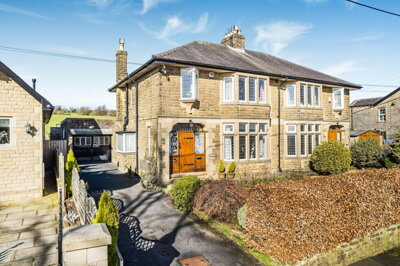
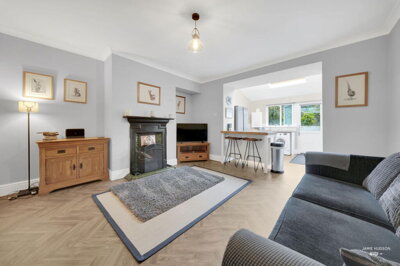
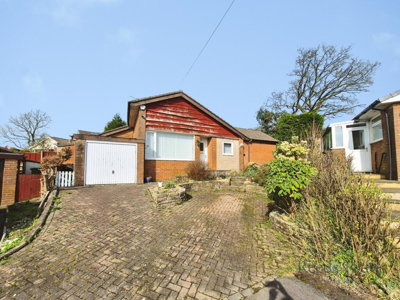
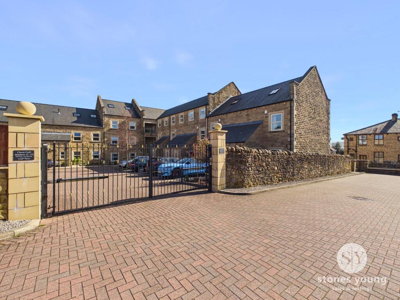
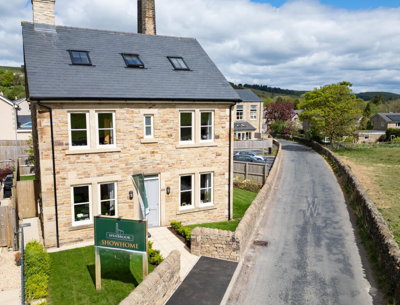
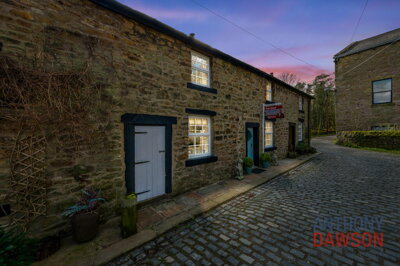
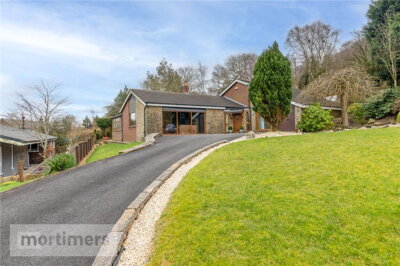
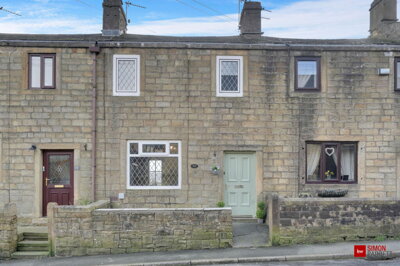
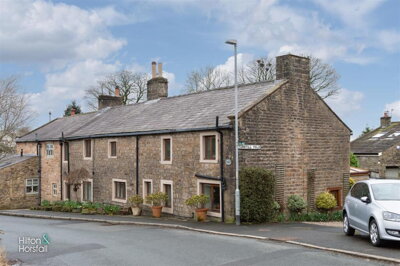
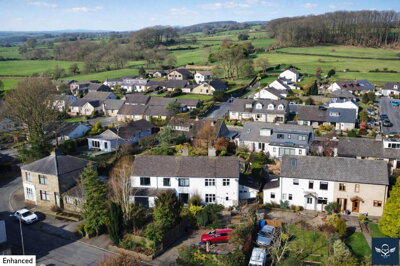
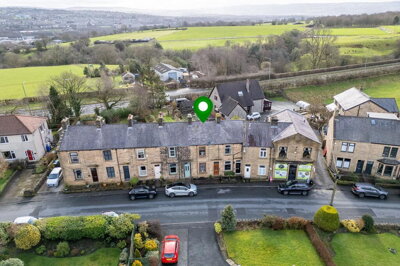
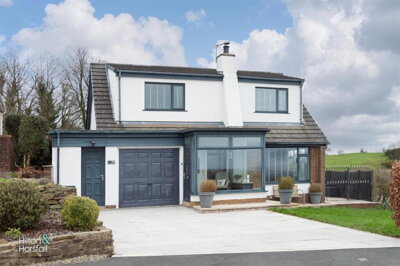
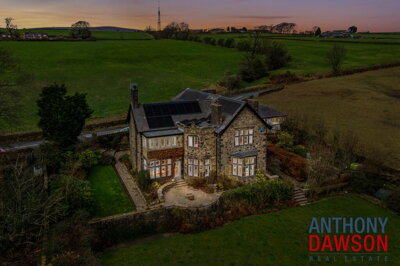
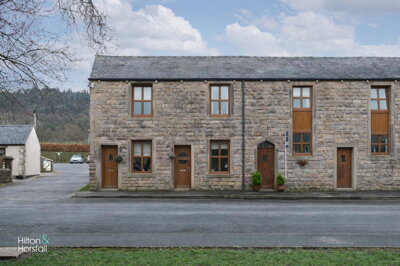
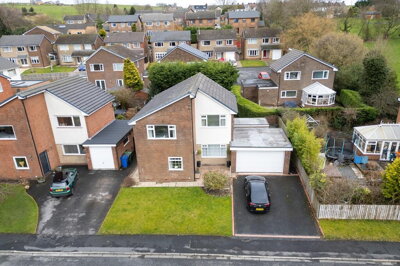
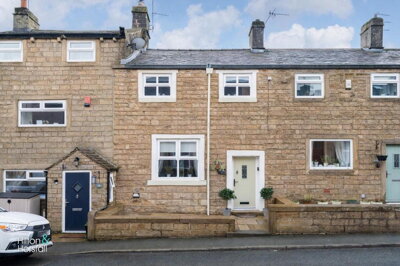
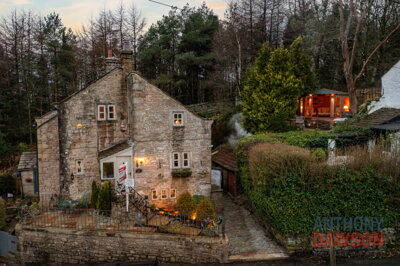
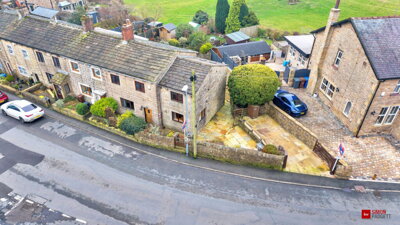
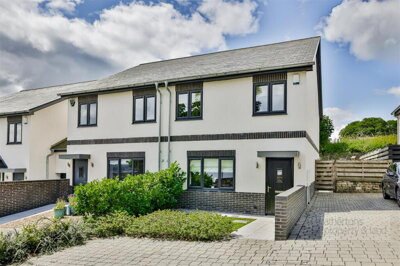
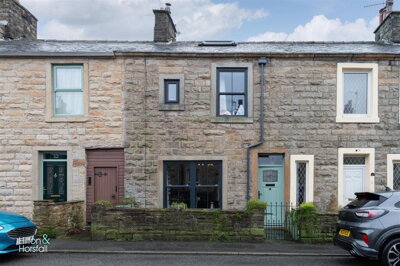
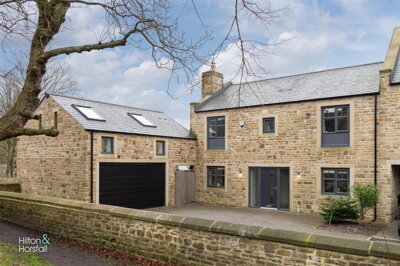
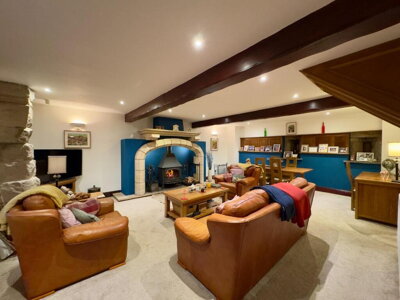
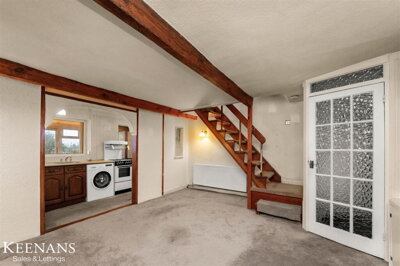
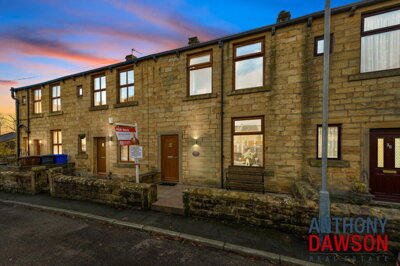
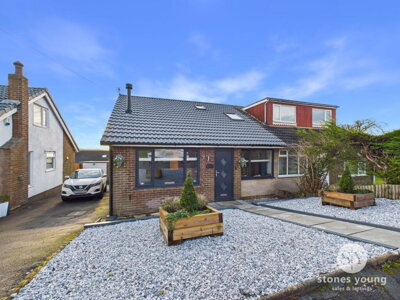
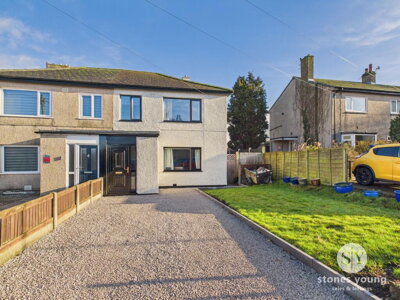
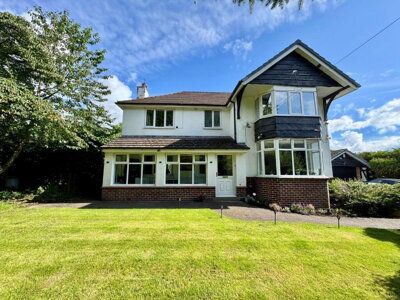
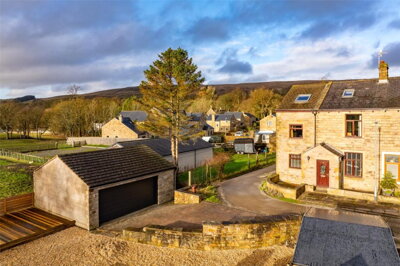
Browse 61 homes for sale in Goldshaw Booth from local estate agents.
The property market in Clocaenog reflects the broader trends affecting rural North Wales, with detached properties forming the predominant housing type in this village setting. Recent data from Rightmove indicates an average sold house price of £484,000 over the past year, while Zoopla reports a slightly lower average of £318,000 depending on the specific data source and methodology. The discrepancy between these figures likely reflects the limited number of transactions in this small village, where each sale can significantly influence average prices. Our listings capture properties across various price points, ensuring you can find options that match your budget whether you are a first-time buyer or seeking a premium rural retreat.
Market activity in Clocaenog has shown remarkable resilience, with prices climbing 27% above the previous 2022 peak of £380,000. This growth demonstrates the enduring appeal of rural Welsh village living, particularly for buyers seeking space, privacy, and connection to nature. Unlike larger towns, Clocaenog experiences relatively low turnover in its property stock, meaning opportunities to purchase here arise infrequently. When properties do come to market, they tend to attract strong interest from buyers seeking an alternative to urban life. The village's proximity to Ruthin, approximately 8 miles away, means residents benefit from market town amenities while enjoying the seclusion of countryside living.
One characteristic that defines the Clocaenog property market is the absence of significant new-build development activity. Searches for new homes in the LL15 postcode area have not identified any active development sites within the village itself, confirming that virtually all available properties are pre-owned homes. This scarcity of new supply means buyers are purchasing character properties that typically require varying degrees of maintenance and modernisation. The predominantly detached housing stock means buyers can generally expect generous garden spaces and off-road parking, features that have become increasingly valued since the shift towards home working has made rural living more practical for a broader range of occupations.

Clocaenog sits within the rolling hills of Denbighshire, a county renowned for its dramatic landscapes, historic castles, and strong Welsh cultural heritage. The village itself embodies the charm of rural Wales, featuring traditional stone cottages, farmsteads, and countryside properties that blend seamlessly into the surrounding farmland. The local economy historically centres on agriculture, with tourism also playing a significant role as visitors explore the beauty of the Clocaenog Forest and surrounding countryside. Residents enjoy access to an active community spirit, with local events, markets, and festivals throughout the year celebrating Welsh traditions and produce.
The surrounding area offers exceptional opportunities for outdoor pursuits, with the Clocaenog Forest providing extensive walking, cycling, and wildlife watching opportunities. The forest is managed by Natural Resources Wales and forms part of a wider network of recreational spaces that draw visitors from across the region. For families, the village offers a genuinely rural upbringing where children can explore the countryside safely while benefiting from strong community connections. The slower pace of life here contrasts sharply with urban living, offering residents a chance to disconnect from the pressures of modern life while remaining connected to essential services in nearby Ruthin.
Properties in Clocaenog typically feature traditional construction methods common throughout rural Wales, including local stone walls and slate roofing that reflect the area's architectural heritage. The stone used in local buildings typically originates from quarries in the wider Denbighshire area, creating a distinctive visual character that distinguishes Clocaenog from villages built primarily with brick. This traditional building style contributes to the village's aesthetic appeal but also means that prospective buyers should budget for the specific maintenance requirements that come with older stone-built properties, including repointing, treatment for penetrating damp, and occasional replacement of damaged slate tiles.

Education provision in Clocaenog serves the local community through a network of primary schools in the surrounding villages, with secondary education available in nearby Ruthin. Parents considering a move to Clocaenog will find that younger children typically attend primary schools in nearby communities, with school transport arrangements provided by Denbighshire County Council for families living in more isolated locations. The village's small population means that local primary classes often feature small cohort sizes, allowing for more individual attention and a strong sense of community among pupils and staff alike. For secondary education, St. Brigid's School in Denbigh and the High School in Ruthin serve as the main options for families in the area.
Welsh language education is readily available throughout Denbighshire, with several schools offering Welsh medium instruction for families wishing to embrace the local language. Children growing up in Clocaenog have the opportunity to become bilingual in English and Welsh, a skill that holds significant cultural and employment value throughout Wales. Many parents specifically choose rural areas like Clocaenog for the educational environment that smaller class sizes and community-focused schooling can provide. The Welsh Government continues to invest in Welsh language education, with targets for increasing the number of Welsh speakers meaning that schools in areas like Denbighshire may receive additional resources and support.
Further education opportunities are readily accessible in larger towns across North Wales, with colleges in Wrexham and Bangor offering a wide range of vocational and academic courses for older students. The University of Wales, Bangor, and Glyndwr University in Wrexham provide higher education options within reasonable commuting distance for those pursuing university degrees. Parents researching school performance should consult the Estyn inspection reports for individual schools, as these provide detailed assessments of teaching quality, pupil outcomes, and overall school effectiveness. Living in Clocaenog offers families the chance to give children an upbringing rooted in Welsh culture and values, with Welsh language education available in schools throughout Denbighshire for those wishing to embrace the local language.
Transport connections from Clocaenog reflect its rural nature, with the village relying primarily on road transport for daily commuting and essential journeys. The A494 road provides the main arterial route connecting the area to Mold and the wider motorway network, while the A525 offers access to Ruthin and onwards to St. Asaph and the North Wales coast. For residents working in Chester or Liverpool, the journey typically takes around 45-60 minutes by car, making Clocaenog viable for commuters who can work from home several days per week or have flexible working arrangements. The village's position in the heart of the Clocaenog Forest means that driving is essential for most daily activities, with local shops and services requiring short journeys to nearby villages.
Bus services connecting Clocaenog to Ruthin operate on limited timetables, typically with morning and afternoon services suitable for school runs and market days rather than daily commuter schedules. The nearest railway stations offering direct services to major cities include Chester station on the West Coast Main Line, providing connections to London, Birmingham, and Manchester. Rhyl station on the North Wales Coast line offers connections to Liverpool Lime Street and services along the coast to Holyhead for ferry connections to Ireland. Liverpool John Lennon Airport is approximately 75 minutes drive from Clocaenog, while Manchester Airport requires around 90 minutes, both providing international flight options for business and leisure travel.
Cyclists and walkers will appreciate the network of country lanes and bridleways surrounding Clocaenog, though those considering the village as a primary residence should ensure they have reliable private transport arrangements. The lane through the village connects to the wider network of rural roads that can be enjoyed in dry weather but may present challenges during winter months when visibility and road surface conditions deteriorate. Parking in the village itself is generally unrestricted given the low traffic volumes, offering a welcome contrast to urban congestion. Prospective residents should view the property at different times and in various weather conditions to assess how the rural location affects their specific daily transport requirements.
Start by exploring our comprehensive listings for Clocaenog and the surrounding Denbighshire area. Understanding current asking prices, recent sale prices, and available property types will help you establish realistic expectations for your budget. Given the limited number of properties that become available in this small village, being well-informed will help you act quickly when the right opportunity arises. Monitor listings regularly as properties in Clocaenog can sell rapidly when priced correctly, particularly those offering traditional stone cottages or properties with land.
Before viewing properties in Clocaenog, arrange a mortgage agreement in principle with a lender or broker. This demonstrates to sellers that you are a serious buyer with finance already arranged, strengthening your position in what can be a competitive market. Our mortgage comparison tool allows you to explore rates and find the best deal for your circumstances, whether you are a first-time buyer or moving from an existing property. Given the higher average property values in Clocaenog compared to national averages, securing appropriate mortgage finance is essential before investing time in viewings.
Contact estate agents in the Ruthin and Denbighshire area to arrange viewings of properties that meet your criteria. Take time to explore the village itself, visiting at different times of day to understand the atmosphere, noise levels, and community feel. Speaking with existing residents can provide valuable insights into village life that cannot be gained from online listings alone. Pay particular attention to the condition of traditional stone and slate construction, as these features require specific maintenance knowledge.
Once you have found a property and had an offer accepted, book a RICS Level 2 Survey to assess the condition of the building. This is particularly important for older properties in Clocaenog, where traditional construction methods may have specific maintenance requirements. The survey will identify any structural issues, defects, or repairs that need attention before you commit to the purchase. Given the age of many properties in the village, our surveyors frequently identify issues related to roofing, damp penetration through stone walls, and the condition of traditional joinery that should be addressed.
Appoint a conveyancing solicitor to handle the legal aspects of your purchase. They will conduct searches with Denbighshire County Council, check property title deeds, and manage the exchange and completion process. Using a solicitor with experience in Welsh property transactions ensures all local requirements are properly addressed. Given that some Clocaenog properties may include rights over neighbouring land or access arrangements through private lanes, local legal expertise is particularly valuable.
Once all searches and surveys are satisfactory, your solicitor will arrange for contracts to be exchanged with the seller. A deposit, typically 10% of the purchase price, becomes payable at this stage. On the agreed completion date, the remaining funds are transferred and you receive the keys to your new Clocaenog home. Allow time for utility transfers and registration with local services as these can take longer in rural areas where some suppliers may not have local offices.
Purchasing property in Clocaenog requires careful attention to factors specific to rural Welsh homes and the local area. Properties here typically feature traditional construction using local stone and slate, which requires different maintenance approaches compared to modern brick-built homes. Roof condition is a critical consideration, as slate roofs on older properties may require specialist repair work using reclaimed materials to maintain authenticity. The rural location also means that some properties rely on private water supplies, septic tanks, or oil-fired heating systems rather than mains services, each carrying their own maintenance responsibilities and costs that should be factored into your budget.
Buyers should investigate the tenure of any property carefully, as both freehold and leasehold arrangements exist in rural areas depending on the property type and historical arrangements. Farmhouses and smallholdings may include agricultural land subject to separate arrangements, while cottages within village settings typically sold freehold. Access rights and responsibilities, including maintenance of private lanes and shared boundaries, should be clarified before purchase. Properties located within or near the Clocaenog Forest may have specific rights of way or access arrangements that affect outdoor space usage. We recommend discussing these matters with your solicitor during the conveyancing process to ensure complete clarity on all property-related obligations.
The age of properties in Clocaenog means that electrical and plumbing systems may require updating to meet current standards. Wiring installed before the 1970s often requires complete replacement, while older heating systems based on solid fuel or bottled gas may prove expensive to run compared to modern alternatives. During viewings, ask about the age and condition of central heating boilers, electrical consumer units, and any visible wiring. A thorough RICS Level 2 Survey will identify these issues and allow you to negotiate repairs or price adjustments before completion. Properties that have been recently renovated should be checked to confirm that any electrical work was completed by a registered electrician with appropriate certification.
Recent market data shows varying averages depending on the source, with Zoopla reporting approximately £318,000 and Rightmove indicating around £484,000 for properties sold in Clocaenog over the past year. The difference reflects the small number of transactions in this village, where individual sales can significantly affect average figures. Rightmove also reports that prices have risen by 27% from the 2022 peak of £380,000, indicating strong demand for rural properties in this area. Detached properties command higher prices given their prevalence and the larger plots typically associated with them in the Clocaenog area.
Properties in Clocaenog fall under Denbighshire County Council jurisdiction, with council tax bands ranging from A through to H depending on the property's assessed value. Band A properties typically have a council tax charge of around £1,400-1,500 per year, while higher-band properties incur proportionally more. As this is Wales, council tax bands operate under the same system used across England and Wales, though local authority funding priorities and council services may differ. You can check the specific band for any listed property through the Valuation Office Agency website, and your solicitor will confirm the band during the conveyancing process.
The nearest primary schools to Clocaenog are located in surrounding villages, with pupils typically traveling by school transport arranged by Denbighshire County Council. Secondary education is available at schools in Ruthin and Denbigh, including St. Brigid's School in Denbigh, which has received positive reviews for its academic performance and community atmosphere. Parents seeking Welsh medium education for their children will find options available at Ysgol Brynhyfryd in Ruthin and Ysgol Aberconwy in the wider area, providing pathways from primary through to secondary Welsh language schooling. You should consult the Estyn inspection reports for detailed information on school quality, and those seeking Welsh language education will find options available throughout Denbighshire.
Public transport options from Clocaenog are limited, reflecting its rural village location. Bus services connect the village to Ruthin, with the 76 service operating on a limited timetable primarily serving school runs and market days rather than full commuter needs. The nearest railway stations offering direct services to major cities include Chester station on the West Coast Main Line, providing connections to London, Birmingham, and Manchester in around two hours. Rhyl station on the North Wales Coast line offers connections to Liverpool Lime Street. Most residents rely on private cars for daily commuting, with Chester approximately 45 minutes away by car and Liverpool around 60 minutes. Those considering Clocaenog as a primary residence should factor in the need for reliable private transport.
Property in Clocaenog offers potential for appreciation given the 27% price increase recorded over recent years, driven by strong demand for rural homes in North Wales. The village's small population and limited new build activity mean supply remains constrained, supporting prices over the longer term. Investors seeking rental opportunities should note that tenant demand in such a small village is likely limited, making capital growth a more realistic investment strategy than rental income. The nearest significant employment centres are in Chester, Wrexham, and the North Wales coast, so rental demand would primarily come from workers seeking a rural lifestyle while commuting to these areas. Properties with land or agricultural potential may offer additional diversification for those seeking rural investments.
Stamp duty land tax applies to all property purchases in England and Wales, including Clocaenog. Standard rates are 0% on the first £250,000, 5% on £250,001 to £925,000, 10% on £925,001 to £1.5 million, and 12% on amounts exceeding £1.5 million. First-time buyers benefit from relief on the first £425,000, paying 5% between £425,001 and £625,000 with no relief above this threshold. Given average Clocaenog prices of £318,000-£484,000, most buyers would pay stamp duty only on the portion above £250,000 at the standard rate. A property priced at £350,000 would attract SDLT of £5,000, while a first-time buyer purchasing the same property would pay nothing as the entire amount falls within the first-time buyer threshold.
The housing stock in Clocaenog predominantly consists of detached houses, reflecting the rural nature of the village and the generous plot sizes typical of properties here. Traditional Welsh cottages built from local stone with slate roofs are common, alongside farmhouses and converted agricultural buildings. Semi-detached and terraced properties are less prevalent but do exist within the village centre. No active new-build developments were identified in the area, meaning most available properties are pre-owned homes that may require updating or renovation. Properties range from modest two-bedroom cottages to substantial farmhouses with several acres of land, catering to a variety of budgets and requirements.
Several factors merit consideration when purchasing in rural areas like Clocaenog. Properties relying on private water supplies from springs or boreholes should be tested to confirm water quality and yield, with costs for connection to mains water potentially significant if the private supply fails. Septic tanks and private drainage systems require appropriate maintenance and may need upgrading to meet current environmental regulations. The clay soils common throughout parts of North Wales can present some ground movement risk, particularly during prolonged dry periods or when trees and hedgerows are close to foundations. Properties near agricultural land should consider the implications of farming activities including noise, smells, and seasonal operations. Our RICS Level 2 Survey will assess these factors and flag any concerns requiring further investigation before you commit to your purchase.
Understanding the full costs of buying property in Clocaenog extends beyond the purchase price to include stamp duty land tax, solicitor fees, survey costs, and moving expenses. The current SDLT thresholds for standard buyers in 2024-25 are 0% on the first £250,000, 5% on amounts between £250,001 and £925,000, 10% on £925,001 to £1.5 million, and 12% on any amount exceeding £1.5 million. Given that average prices in Clocaenog typically fall within the lower price bands, most buyers will only pay the 5% rate on the portion of their purchase above £250,000. A property priced at £400,000, for example, would attract SDLT of £7,500 (5% of £150,000).
First-time buyers purchasing in Clocaenog benefit from increased thresholds, paying 0% on the first £425,000 and 5% between £425,001 and £625,000. This relief can save first-time buyers thousands of pounds compared to standard rates, though it does not apply to purchases exceeding £625,000. Additional costs to budget for include solicitor conveyancing fees, typically ranging from £500 to £2,000 depending on complexity, and a RICS Level 2 Survey which generally costs from £350 depending on property size. If the property you are purchasing is a leasehold property, you may also encounter ground rent and service charge obligations that should be factored into your ongoing costs.
Given the traditional construction methods prevalent in Clocaenog, buyers should also budget for the possibility that survey findings may require follow-up specialist inspections. A surveyor assessing a stone-built property with a slate roof may recommend a separate structural engineer inspection or a timber and damp specialist report if certain defects are identified. These additional surveys typically cost between £300 and £800 depending on the property size and scope of investigation required. Our related services section above provides links to trusted providers for mortgages, legal work, and surveys to help you budget accurately for your Clocaenog purchase.
From 4.5% APR
Compare mortgage rates from leading lenders
From £499
Expert solicitors for your property purchase
From £350
Professional condition survey for your new home
From £80
Energy performance certificate for your property
Properties for Sale In London

Properties for Sale In Plymouth

Properties for Sale In Liverpool

Properties for Sale In Glasgow

Properties for Sale In Sheffield

Properties for Sale In Edinburgh

Properties for Sale In Coventry

Properties for Sale In Bradford

Properties for Sale In Manchester

Properties for Sale In Birmingham

Properties for Sale In Bristol

Properties for Sale In Oxford

Properties for Sale In Leicester

Properties for Sale In Newcastle

Properties for Sale In Leeds

Properties for Sale In Southampton

Properties for Sale In Cardiff

Properties for Sale In Nottingham

Properties for Sale In Norwich

Properties for Sale In Brighton

Properties for Sale In Derby

Properties for Sale In Portsmouth

Properties for Sale In Northampton

Properties for Sale In Milton Keynes

Properties for Sale In Bournemouth

Properties for Sale In Bolton

Properties for Sale In Swansea

Properties for Sale In Swindon

Properties for Sale In Peterborough

Properties for Sale In Wolverhampton

Enter your details to see if this property is within your budget.
Loans, cards, car finance
Estimated property budget
Borrowing + deposit
You could borrow between
Typical borrowing
Monthly repayment
Est. at 4.5%
Loan-to-value
This is an estimate only. Your actual budget may vary depending on interest rates, credit history, and personal circumstances. For an accurate affordability assessment, speak to one of our free mortgage advisors.
This calculator provides estimates for illustrative purposes only and does not constitute financial advice. Your home may be repossessed if you do not keep up repayments on your mortgage. Estimates based on 4.5% interest rate, repayment mortgage. Actual rates depend on your circumstances.
Homemove is a trading name of HM Haus Group Ltd (Company No. 13873779, registered in England & Wales). Homemove Mortgages Ltd (Company No. 15947693) is an Appointed Representative of TMG Direct Limited, trading as TMG Mortgage Network, which is authorised and regulated by the Financial Conduct Authority (FRN 786245). Homemove Mortgages Ltd is entered on the FCA Register as an Appointed Representative (FRN 1022429). You can check registrations at NewRegister or by calling 0800 111 6768.

We use cookies to show you personalised content and improve your experience of our website. Find out more in our Privacy policy and Cookie policy.