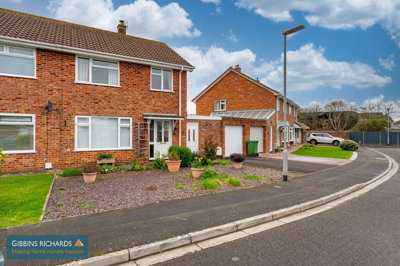
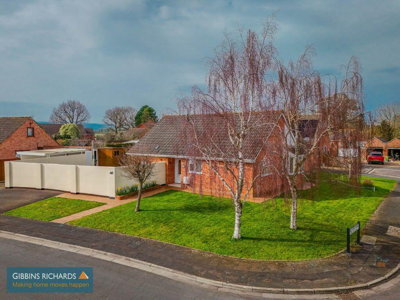
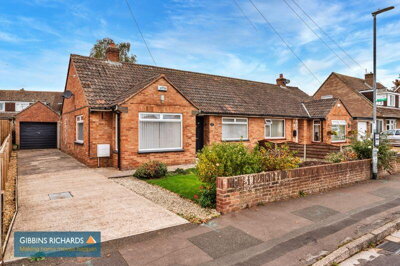
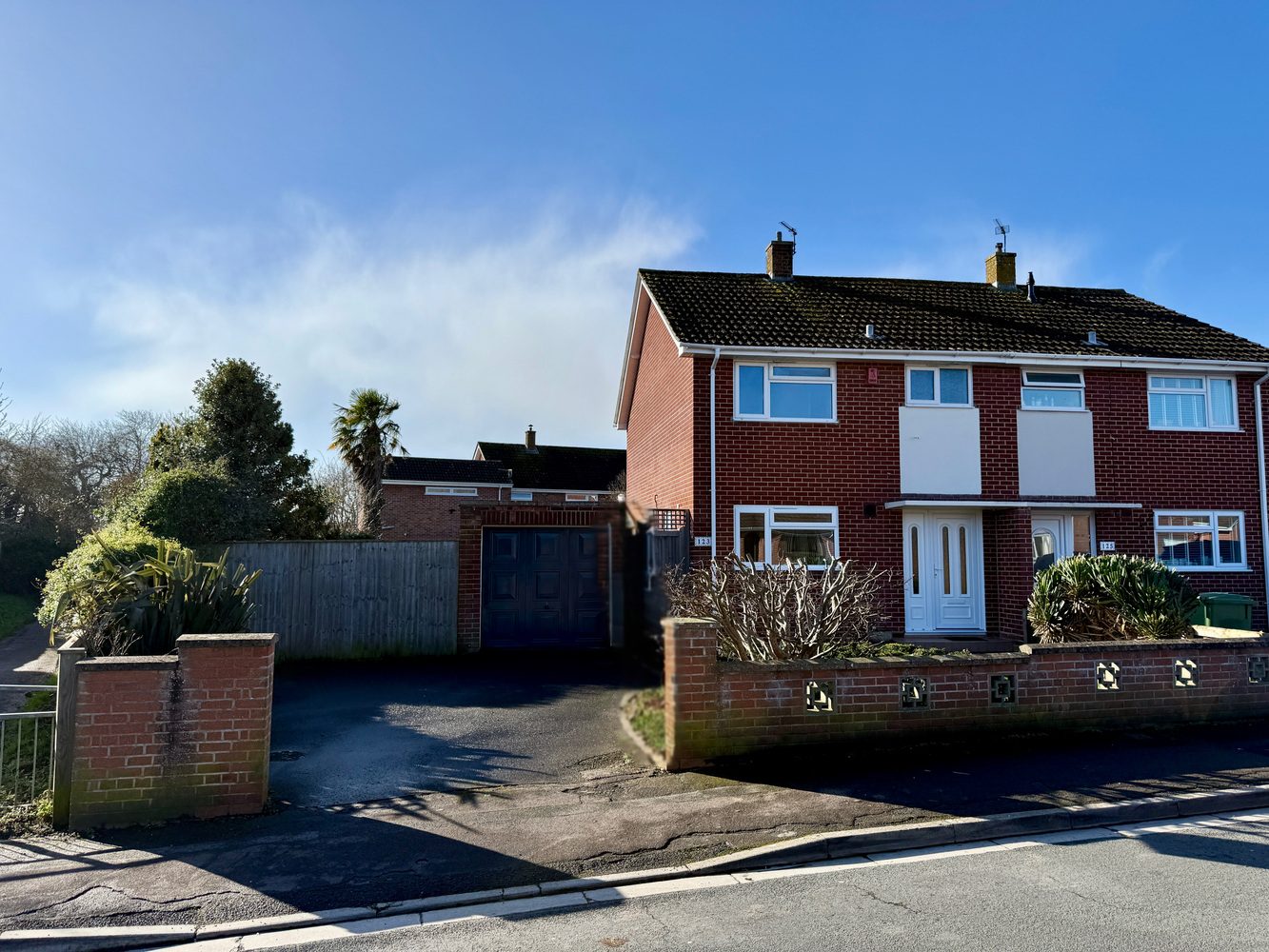
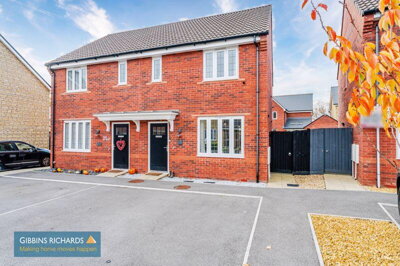
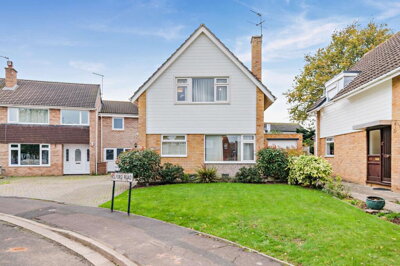
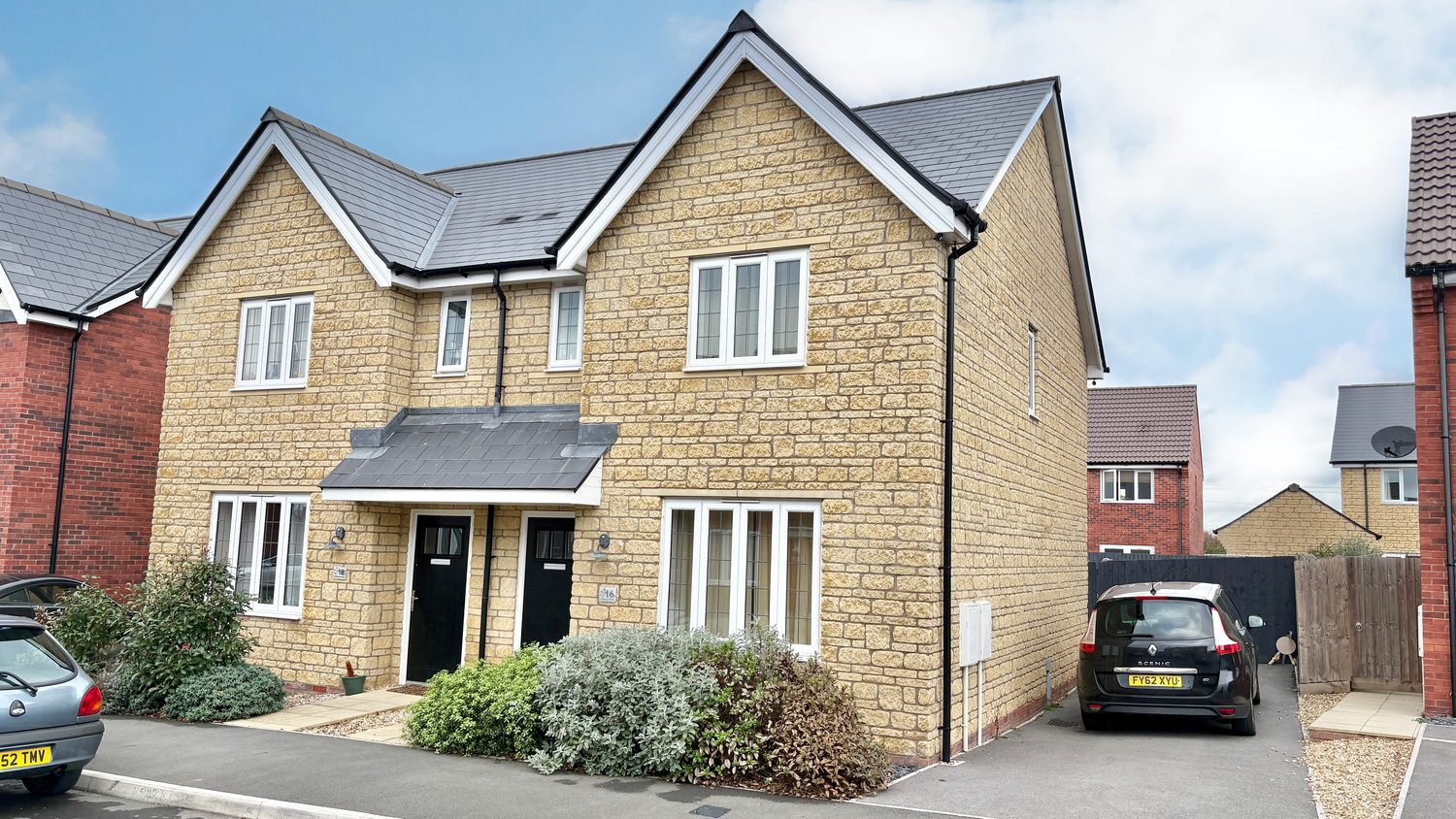
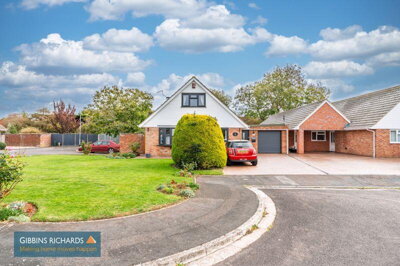
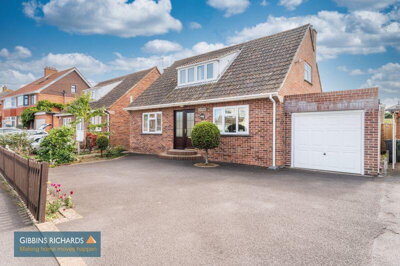
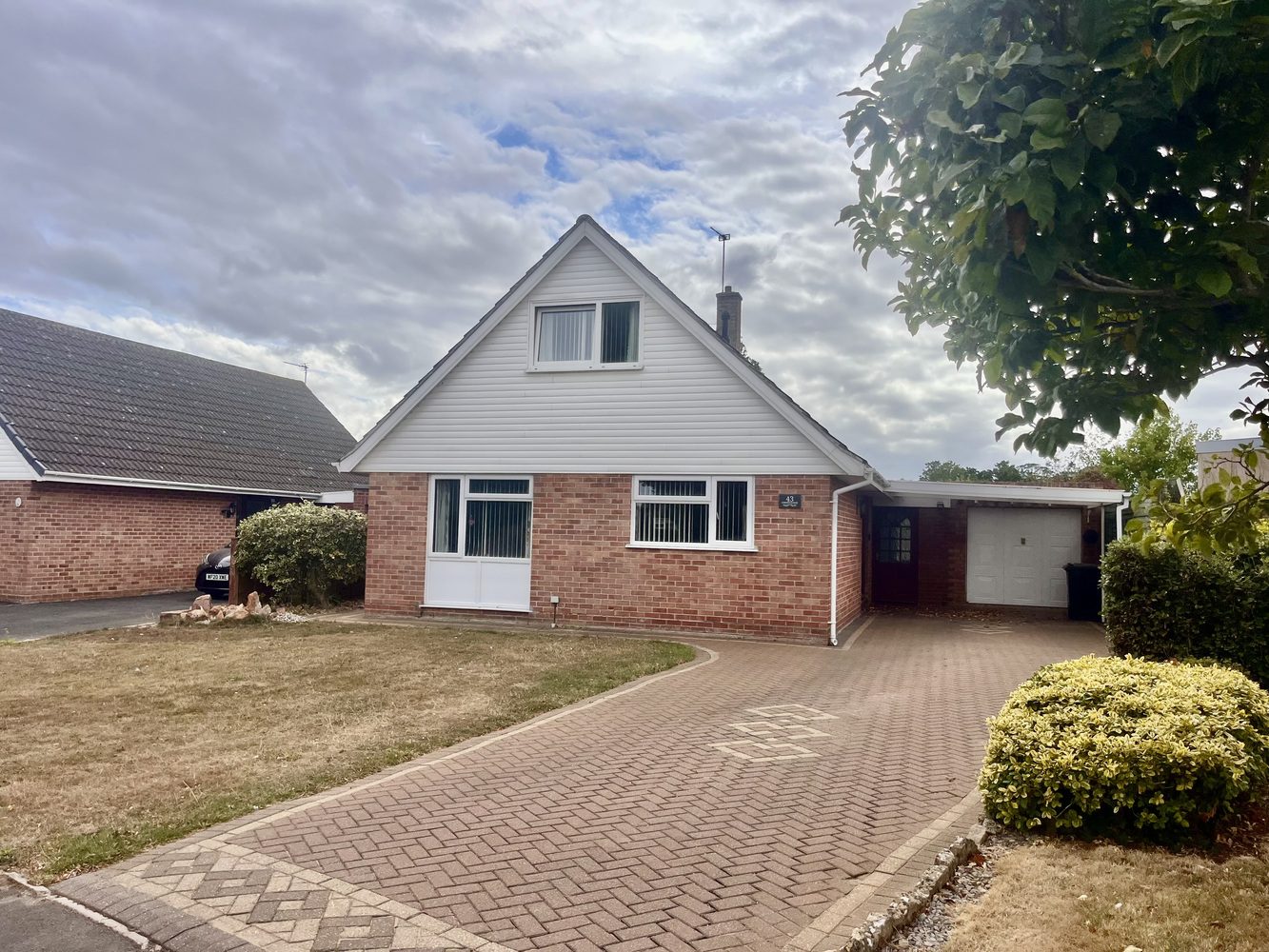
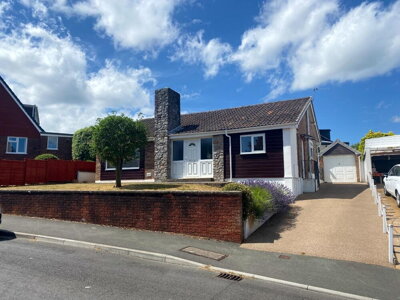
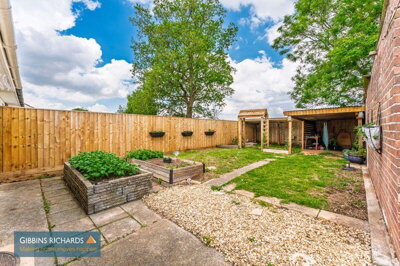
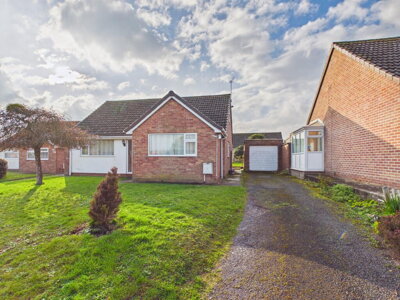
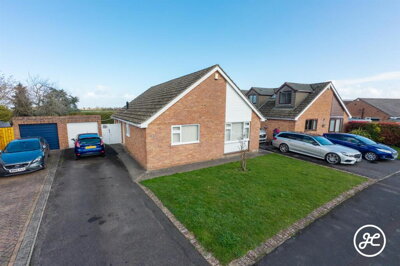
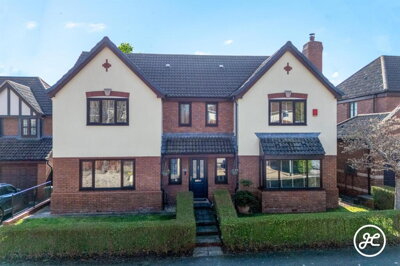
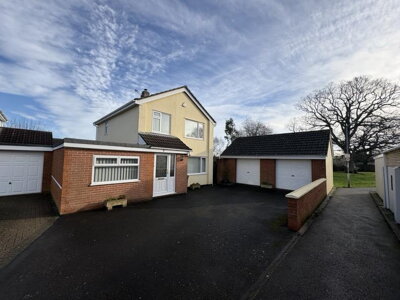
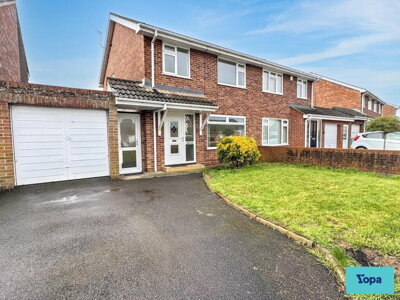
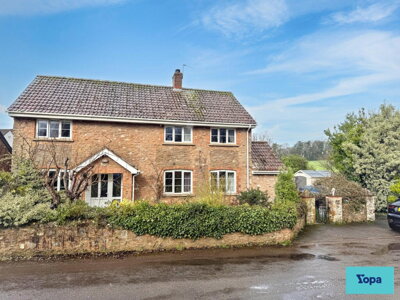
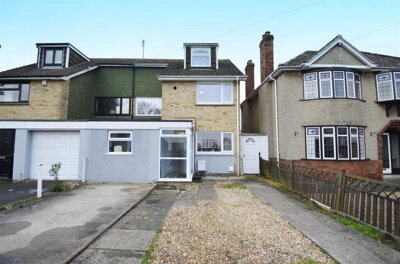
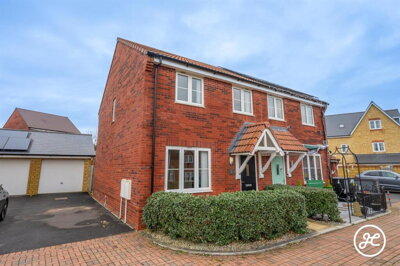
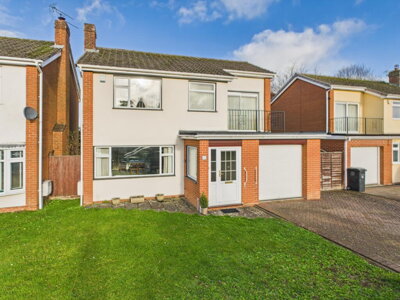
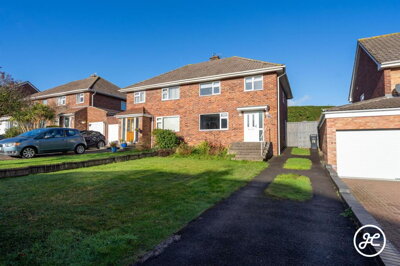
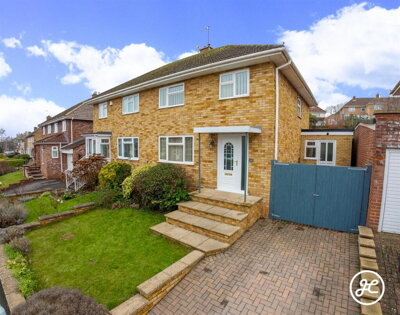
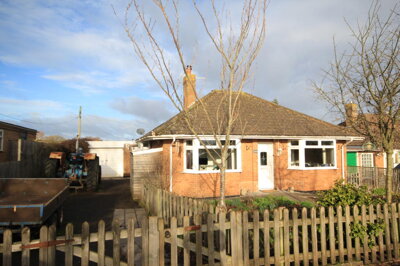
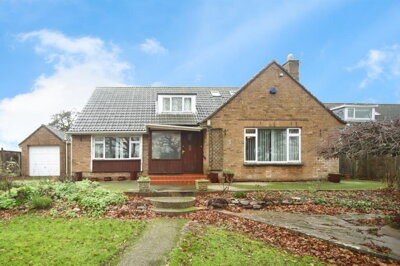
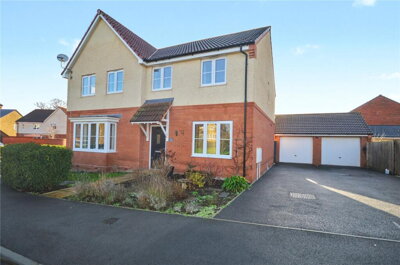
Browse 63 homes for sale in Goathurst, Somerset from local estate agents.
£385k
1
0
348
Source: home.co.uk
Source: home.co.uk
Terraced
1 listings
Avg £385,000
Source: home.co.uk
Source: home.co.uk
The Marshfield property market offers a distinctive mix of period properties and carefully integrated new developments. Our listings showcase terraced homes averaging £495,875, semi-detached properties at around £510,000, and detached houses commanding approximately £634,583. The village attracts buyers who value the character of traditional Cotswold stone construction, with many homes featuring the natural limestone walls and stone slate roofs that define the area's architectural identity. Recent sales data indicates terraced properties have been particularly active over the past year, reflecting strong demand for smaller period homes that offer manageable upkeep while retaining authentic charm.
New build opportunities in Marshfield include Andrews' Yard on High Street, where Ashford Homes has created 2-4 bedroom homes ranging from £495,000 for a standard plot to over £1.2 million for converted barns. The Wheatfield Barns community-led housing scheme has delivered 18 new homes, with 12 affordable units for social rent and shared ownership alongside a small number of open market properties. Both developments demonstrate how Marshfield balances its historic character with measured growth, maintaining the village atmosphere while addressing local housing needs. Planning restrictions within the Conservation Area ensure new construction respects the established scale and materials of the original village.
The majority of households in Marshfield are owner-occupied, with a 2019 Affordable Housing Needs Survey indicating approximately 73.5% home ownership in the parish. This high proportion of owner-occupiers contributes to the stable, established community atmosphere that long-term residents value. Rental properties are relatively scarce in the village, which means investors and renters face limited options compared to nearby towns. For buyers seeking a property that will retain value in a desirable Cotswold village with strong community ties, Marshfield's market fundamentals remain solid despite broader economic conditions.

Marshfield embodies the classic English village experience, with a population of approximately 1,716 residents across 750 households creating an intimate community where neighbours know each other by name. The village derives its distinctive character from the widespread use of natural Cotswold stone, which unifies buildings ranging from the fine 17th-century Almshouses at the west end of the High Street to the Grade I listed parish church of St Mary at the eastern end. The broad high street and narrow burgage plots reflect the planned medieval layout that has survived largely intact since the village was designated a Conservation Area in 1973, with extensions added in 1998.
Daily life in Marshfield benefits from a reasonable level of self-sufficiency despite its rural setting. The village supports a handful of shops serving everyday needs, two traditional pubs where locals gather, and a primary school that places the community family life. The surrounding countryside offers extensive walking routes through rolling Cotswold farmland, with the limestone geology creating the distinctive landscape that has inspired artists and visitors for centuries. The M4 corridor brings Bath within a 20-minute drive and Bristol within 35 minutes, opening employment opportunities in these major centres while allowing residents to return to the peace of village life each evening.
The local economy historically focused on barley cultivation and malting, with the village's position on trade routes contributing to its development. Today, the local economy reflects the broader Wiltshire pattern of micro-businesses, with about 90% of businesses in the county employing fewer than 10 people. Marshfield Parish Council recognises the need for limited new housing to meet local needs, particularly affordable housing, as house prices do not reflect local earnings levels. This community-led approach to development has shaped the village's measured growth while preserving its essential character.

Education in Marshfield centres on Marshfield Primary School, a community school serving children from reception through to Year 6. The school occupies a central position within the village, making it accessible to families who appreciate the convenience of walking their children to school rather than facing lengthy daily commutes. For secondary education, residents typically consider schools in nearby towns, with several options accessible via school transport or the regular bus services connecting Marshfield to Chippenham, Bath, and Yate. Parents should research current catchment areas and admission arrangements directly with South Gloucestershire Council, as these can change and may influence which schools accept pupils from Marshfield.
The village also hosts a nursery and early years setting, providing early childhood education for the youngest residents. For families seeking independent schooling, several well-regarded private schools operate within a reasonable driving distance, including institutions in Bath and the surrounding Cotswold towns. Secondary-aged children may pursue sixth form education at schools in Chippenham or Bristol, with the latter offering particularly extensive A-level provision across multiple institutions. The presence of the University of Bath and University of Bristol within reasonable commuting distance adds to the area's appeal for families planning long-term educational pathways.
Wiltshire's 2021 Census data showed an 8.4% population increase from 2011, reflecting the broader appeal of the region for families seeking space and good schools. Marshfield's position within South Gloucestershire provides access to educational options across both the county and unitary authority boundaries, giving parents flexibility in their choices. The village's proximity to Bath, a city renowned for its academic institutions, means that families can access university-level education without the disruption of relocating away from a settled community.
Marshfield enjoys strategic positioning relative to the M4 motorway, which runs north of the village and provides direct access to Swindon to the east and Bristol to the west. This connectivity makes the village particularly attractive to commuters who work in these larger employment centres but prefer the lifestyle benefits of rural living. The village sits approximately 8 miles east of junction 18 of the M4, placing Bath within a 20-minute drive under normal traffic conditions and Bristol city centre reachable within 35 minutes. For professionals working in London, the journey to the capital involves approximately 90 minutes by car to reach Paddington, or passengers can drive to Chippenham station for direct rail services.
Public transport options include bus services connecting Marshfield to nearby market towns, though frequencies are limited compared to urban routes and timetable planning is advisable for those relying on public transport. Chippenham railway station offers regular services to London Paddington with journey times of around 75 minutes, making it viable for regular commuters who prefer rail travel. The village benefits from adequate parking provision, an advantage over city centre living where parking often presents daily challenges. Cyclists will find the surrounding Cotswold lanes scenic but challenging, with rolling hills requiring a reasonable fitness level for regular commuting by bike.
The strategic location of Marshfield has historically contributed to its prosperity, with the village developing along important trade routes during the medieval period. Today, this legacy translates into excellent road connectivity that places employment centres within comfortable daily reach. For buyers evaluating Marshfield as a base for commuting, we recommend assessing journey times during peak hours, as the M4 can experience congestion during busy periods. The village's parking provision remains a significant advantage for those who drive to work, with none of the daily challenges faced by city centre residents.
Spend time exploring Marshfield at different times of day and week to understand the community atmosphere, walk the local footpaths, visit the pubs and shops, and speak with residents about what they appreciate most about village life. Check the Conservation Area boundaries and listed building registers if considering period properties, as these affect what alterations are permitted. Our inspectors frequently find that buyers who take time to understand the village character before purchasing make more informed decisions about their investment.
Before viewing properties, obtain a mortgage agreement in principle from a lender to confirm your borrowing capacity and strengthen your position when making offers. Marshfield properties at an average price of £533,406 will typically require a substantial deposit and competitive mortgage terms, so comparing rates from multiple lenders is advisable. Properties priced above £500,000 often incur higher survey costs, so factor this into your overall budget alongside legal fees and stamp duty.
Work with estate agents listing Marshfield properties to arrange viewings, paying particular attention to the condition of stone walls, roofs, and any signs of damp or structural movement in older properties. Properties over 100 years old may require more detailed survey work, and we recommend booking a RICS Level 2 Survey before committing to purchase. Many homes along the High Street have solid stone walls without cavity insulation, making professional inspection particularly valuable.
Given Marshfield's concentration of historic stone-built properties, a Level 2 Survey from a qualified RICS surveyor provides essential inspection of the property condition, identifying defects common in older construction including damp issues, roof condition, and any structural concerns. Our team understands the specific construction methods used in Cotswold properties and can identify issues that generic surveyors might overlook. For listed buildings or properties with complex historic fabric, a Level 3 Survey may be more appropriate.
Appoint a solicitor experienced in South Gloucestershire property transactions to handle the legal work, including searches on flooding risk, planning history, and any conservation area restrictions that affect the property. They will liaise with your mortgage lender and manage the transaction through to completion. Our conveyancing partners understand the particular requirements of Conservation Area properties and can advise on planning permission requirements for any intended works.
Once all enquiries are resolved and surveys completed, your solicitor will arrange for contract exchange and set a completion date that suits your moving plans. Marshfield transactions typically complete within 8-12 weeks from offer acceptance, though older properties or those with complex titles may require additional time. We recommend arranging buildings insurance from exchange of contracts, particularly for stone-built period properties where insurers may require specific documentation.
Properties in Marshfield require careful inspection due to their age and traditional construction methods. The Cotswold stone walls that give the village its distinctive appearance were built using solid masonry without cavity insulation, meaning damp-proof courses may be absent or have failed over time. Buyers should look for signs of rising damp at ground floor level, penetrating damp on external walls, and any musty odours that suggest moisture problems. The traditional lime render used on many properties allows walls to breathe, so checking whether modern cement-based renders have been incorrectly applied is important, as these can trap moisture and cause internal dampness.
Roof condition demands particular attention on Marshfield properties, where Cotswold stone slates or clay tiles represent a significant repair cost if replacement becomes necessary. Inspect for missing, slipped, or damaged slates, and check that chimney stacks show no signs of deterioration. The historic buildings along the High Street may have hidden gutter systems behind parapet walls that require specialist inspection. Georgian buildings in particular often have lead-lined parapet gutters that can deteriorate unseen, leading to hidden water ingress and timber decay.
Structural movement should be assessed by looking for cracks that follow specific patterns, doors or windows that stick, and floors that feel uneven underfoot. The underlying limestone geology of the Cotswolds generally provides stable ground conditions, but properties with shallow foundations near trees may experience some ground movement during dry periods. Our inspectors have extensive experience assessing traditional stone construction and can distinguish between historic settlement patterns and more serious structural concerns requiring further investigation.
Electrical and plumbing systems in older Marshfield properties may not meet current standards and should be checked by qualified tradespeople. Original wiring or lead pipework, while charming, may present safety risks that require updating before occupation. A RICS Level 2 Survey will identify these issues and provide cost estimates for any necessary repairs, giving you confidence in your offer price. For listed buildings, any electrical or plumbing upgrades may require Listed Building Consent, so factor this into your renovation planning.
The average house price in Marshfield, South Gloucestershire, stands at £533,406 based on recent sales data. Detached properties average £634,583, semi-detached homes around £510,000, and terraced properties approximately £495,875. House prices have risen 8% over the past year, though they remain 11% below the 2023 peak of £597,167, suggesting the market has stabilised following previous growth. Zoopla reports an average sold price of £546,406, indicating slight variation between data sources.
Properties in Marshfield fall under South Gloucestershire Council for council tax purposes. Bands range from A through to H depending on the property's assessed value, with most period stone cottages typically falling into bands C to E. Prospective buyers should verify the specific band with the estate agent or during the conveyancing process, as historic properties may have unusual assessments that do not reflect current market values.
Marshfield Primary School serves the village for children aged 4-11, with a central location that many families appreciate for its convenience. For secondary education, families typically access schools in Chippenham, Bath, or Yate, with admission depending on catchment areas and transport arrangements. Several well-regarded independent schools operate within driving distance, including institutions in Bath that regularly appear in county rankings for academic excellence.
Marshfield has limited public transport options, with bus services connecting to nearby towns but frequencies that require timetable planning for daily reliance. The nearest railway station is in Chippenham, approximately 12 miles away, offering direct services to London Paddington in around 75 minutes. For commuters who drive, the M4 motorway provides straightforward access to Bristol and Swindon, with Bath reachable in approximately 20 minutes under normal traffic conditions.
Marshfield offers appeal for investors seeking properties in a desirable Cotswold village with strong community ties and excellent transport connectivity. The Conservation Area designation and limited new development supply help protect property values, while demand from commuters seeking village life maintains buyer interest. The average price of £533,406 positions Marshfield competitively within the South Gloucestershire market, though rental demand may be more limited given the village's small size and prevalence of owner-occupiers at approximately 73.5% of households.
Stamp Duty Land Tax applies to all property purchases in England. For properties up to £250,000, no SDLT is payable. Properties between £250,001 and £925,000 attract 5% on the portion above £250,000. For a typical Marshfield property at £533,406, this would mean SDLT of approximately £14,170 on the portion between £250,000 and £533,406. First-time buyers purchasing properties up to £425,000 pay no SDLT, with 5% applying between £425,001 and £625,000.
Marshfield in South Gloucestershire benefits from generally low flood risk from rivers, the sea, and groundwater, consistent with Wiltshire's overall low-risk profile for flooding. The Wiltshire area experiences occasional surface water flooding after heavy rainfall, which is typically short-lived and affects low-lying areas rather than properties on higher ground. The underlying limestone geology generally provides good drainage, though properties in low-lying areas near watercourses should be assessed individually during conveyancing.
Marshfield is a designated Conservation Area, originally designated on September 17, 1973, with extensions added in 1998, meaning planning controls are more restrictive than usual. External alterations, including window replacements, roof material changes, and extensions, may require planning permission even where permitted development rights would normally apply elsewhere. Any works to listed buildings require listed building consent from South Gloucestershire Council, and unauthorised alterations to listed buildings constitute a criminal offence. These controls help preserve the village's character but mean buyers should budget for potentially longer planning timescales when considering renovation projects.
Given the high proportion of older stone-built properties in Marshfield, a RICS Level 2 Survey is strongly recommended before purchase. Our inspectors understand the specific construction methods used in Cotswold properties and can identify issues such as failed damp-proof courses in solid-walled construction, stone slate condition, and structural movement patterns. For listed buildings or properties with complex historic fabric, a more comprehensive RICS Level 3 Survey may be more appropriate, and our team can advise on the most suitable option based on the property.
Our inspectors frequently identify damp issues in Marshfield properties due to the solid-wall construction used in traditional stone buildings. Missing or failed damp-proof courses, penetrating damp from damaged renders, and condensation issues all occur regularly in period properties. Roof defects including slipped Cotswold stone slates, deteriorating chimney stacks, and hidden gutter problems behind parapet walls are also common findings. Structural movement, often related to foundation conditions near trees, and outdated electrical systems are additional issues that a thorough survey will identify.
From 4.5% APR
Compare mortgage rates from leading lenders to find the best deal for your Marshfield purchase
From £499
Expert solicitors handling your legal work for Marshfield property transactions
From £350
Professional property survey identifying defects common in Marshfield's period properties
From £60
Energy performance certificate required for your Marshfield property sale
Understanding the full costs of purchasing property in Marshfield helps buyers budget accurately and avoid surprises during the transaction. The primary additional cost beyond the property price is Stamp Duty Land Tax, which for a typical Marshfield home at £533,406 would amount to £14,170 under standard rates. This calculation works by applying 5% to the portion of the price between £250,001 and £533,406. First-time buyers purchasing properties up to £425,000 pay no SDLT, with 5% applying to the portion between £425,001 and £625,000, potentially saving significantly on properties within this range.
Survey costs represent an important budget item for Marshfield purchases, particularly given the village's concentration of older stone-built properties. A RICS Level 2 Survey for a typical 3-bedroom Marshfield home would cost approximately £420-500, while larger or older properties may require the more comprehensive RICS Level 3 Survey costing from £600 upwards. Properties in poor condition or with non-standard construction may incur additional charges, and including a market valuation adds to the overall cost. For Marshfield properties priced above £500,000, survey costs average around £586 compared with £384 for properties under £200,000.
Legal fees for conveyancing typically range from £800-1500 plus disbursements, with local search fees, Land Registry fees, and teleport fees adding several hundred pounds more. Mortgage arrangement fees vary by lender but often fall between £500-1500, though many lenders now offer fee-free deals. Buildings insurance should be arranged from exchange of contracts, with premiums for stone-built period properties typically comparable to standard homes. Our recommended conveyancing partners understand the particular requirements of Conservation Area properties and can advise on planning permission requirements for any intended works.
Properties for Sale In London

Properties for Sale In Plymouth

Properties for Sale In Liverpool

Properties for Sale In Glasgow

Properties for Sale In Sheffield

Properties for Sale In Edinburgh

Properties for Sale In Coventry

Properties for Sale In Bradford

Properties for Sale In Manchester

Properties for Sale In Birmingham

Properties for Sale In Bristol

Properties for Sale In Oxford

Properties for Sale In Leicester

Properties for Sale In Newcastle

Properties for Sale In Leeds

Properties for Sale In Southampton

Properties for Sale In Cardiff

Properties for Sale In Nottingham

Properties for Sale In Norwich

Properties for Sale In Brighton

Properties for Sale In Derby

Properties for Sale In Portsmouth

Properties for Sale In Northampton

Properties for Sale In Milton Keynes

Properties for Sale In Bournemouth

Properties for Sale In Bolton

Properties for Sale In Swansea

Properties for Sale In Swindon

Properties for Sale In Peterborough

Properties for Sale In Wolverhampton

Enter your details to see if this property is within your budget.
Loans, cards, car finance
Estimated property budget
Borrowing + deposit
You could borrow between
Typical borrowing
Monthly repayment
Est. at 4.5%
Loan-to-value
This is an estimate only. Your actual budget may vary depending on interest rates, credit history, and personal circumstances. For an accurate affordability assessment, speak to one of our free mortgage advisors.
This calculator provides estimates for illustrative purposes only and does not constitute financial advice. Your home may be repossessed if you do not keep up repayments on your mortgage. Estimates based on 4.5% interest rate, repayment mortgage. Actual rates depend on your circumstances.
Homemove is a trading name of HM Haus Group Ltd (Company No. 13873779, registered in England & Wales). Homemove Mortgages Ltd (Company No. 15947693) is an Appointed Representative of TMG Direct Limited, trading as TMG Mortgage Network, which is authorised and regulated by the Financial Conduct Authority (FRN 786245). Homemove Mortgages Ltd is entered on the FCA Register as an Appointed Representative (FRN 1022429). You can check registrations at NewRegister or by calling 0800 111 6768.

We use cookies to show you personalised content and improve your experience of our website. Find out more in our Privacy policy and Cookie policy.