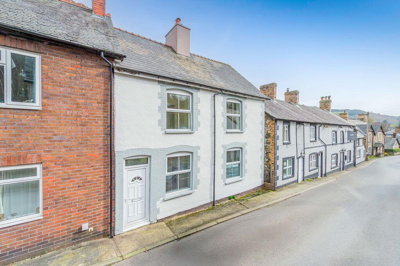
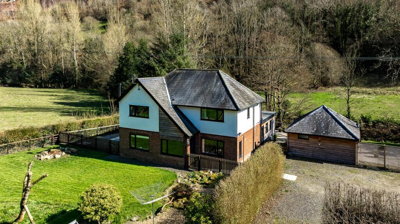
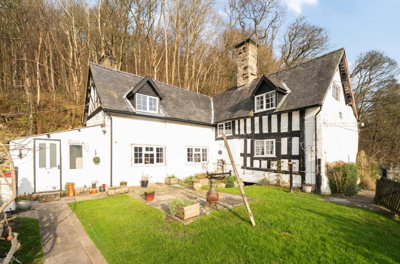
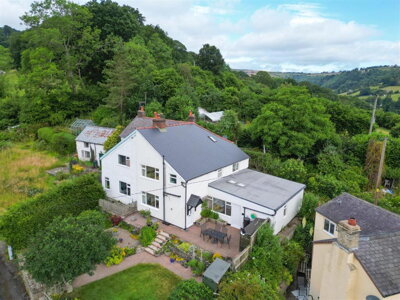
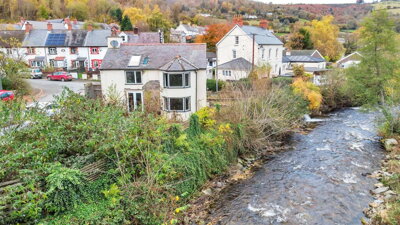
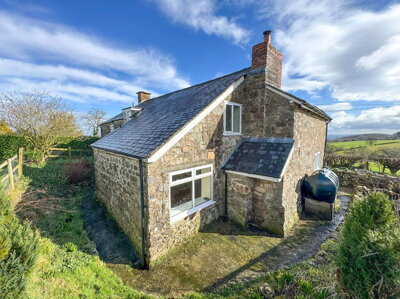
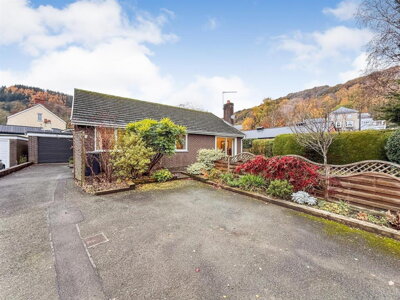
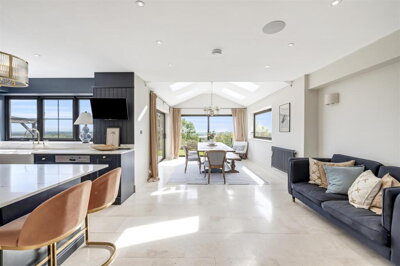
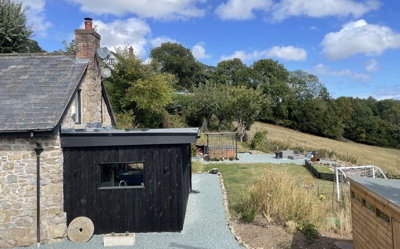
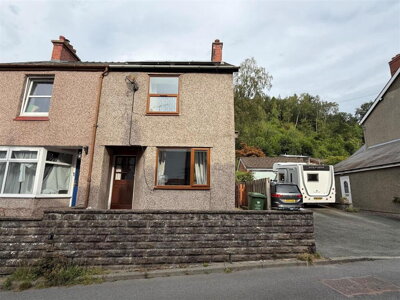
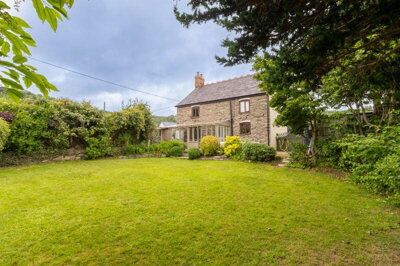
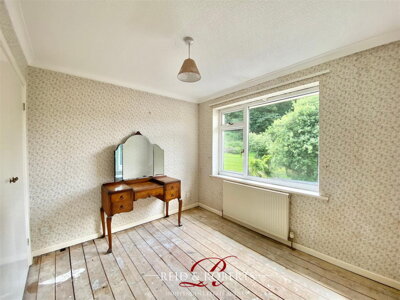
Browse 12 homes for sale in Glyntraian, Wrexham from local estate agents.
Three bedroom properties represent a significant portion of the Glyntraian housing market, offering space for families with multiple reception rooms and gardens in many cases. Browse detached, semi-detached, and terraced options ranging from period character homes to contemporary developments.
£425k
1
1
6
Source: home.co.uk
Showing 1 results for 3 Bedroom Houses for sale in Glyntraian, Wrexham. 1 new listing added this week. The median asking price is £425,000.
Source: home.co.uk
Detached
1 listings
Avg £425,000
Source: home.co.uk
Source: home.co.uk
The property market in Glyntraian and the surrounding LL20 postcode area reflects the broader trends affecting rural North Wales. Property prices in this region have demonstrated steady growth, with the average price increasing by 3% compared to the previous year. This growth rate outpaces both the county average for Clwyd (2% increase) and the Wales national average (1% increase), suggesting sustained demand for homes in this part of Wrexham. The market benefits from the area's popularity among buyers seeking countryside living while remaining within commuting distance of larger employment centres. Our platform updates listing data regularly to help you track what properties are available at any given time.
When examining property types available in the LL20 area, detached properties command the highest average prices at £343,250, reflecting the preference for spacious family homes with gardens in rural settings. Semi-detached properties average £228,178, while terraced homes offer more accessible entry points at approximately £174,524. This variety in housing stock means buyers can find properties suited to different budgets and family requirements. First-time buyers may particularly appreciate the terraced options, which represent the most affordable route onto the property ladder in this postcode area. Across Clwyd county, there were 5,800 property sales in the past year, though this represents a 14.9% decrease from previous periods, indicating some tightening of market activity.
New build activity specifically within Glyntraian itself appears limited, with no dedicated new build developments identified within the village during our research. However, broader data from across Wales shows 556 newly built property sales in 2025, with most transactions in the £300k-£400k range. Buyers seeking brand new homes may need to broaden their search to nearby towns like Llangollen or consider properties currently under construction in the wider Wrexham area. Older, established properties in Glyntraian often feature traditional Welsh construction methods, which many buyers find adds character and authenticity to their potential new home. The median property price across the broader Clwyd area stands at £200,000, providing useful context when evaluating Glyntraian property values.

Life in Glyntraian offers residents a genuine taste of traditional Welsh rural living at its finest. The village sits within the stunning Ceiriog Valley, an area renowned for its natural beauty, rolling hillsides, and peaceful atmosphere far removed from the hustle and bustle of urban life. The local economy reflects the agricultural heritage of the region, with farming remaining important alongside growing tourism associated with the valley's walking trails, scenic drives, and cultural attractions. The proximity to the River Ceiriog provides both recreational opportunities and contributes to the lush, green landscape that defines the area. Visitors and residents alike enjoy exploring the network of public footpaths that criss-cross the surrounding hillsides.
The demographic character of Glyntraian and surrounding rural Wrexham villages typically includes a mix of long-established local families, retired couples who have chosen to stay in the area, and newcomers attracted by the quality of life the countryside offers. Community spirit remains strong in villages like Glyntraian, with local events, village halls, and traditional pubs serving as social hubs for residents. The slower pace of life here contrasts with larger towns, making it particularly suitable for those seeking to escape urban pressures while still maintaining access to essential amenities and services. Many residents appreciate the strong sense of community that persists in this part of rural Wales, where neighbours often know one another by name.
Amenities within Glyntraian itself may be limited due to its small village status, but the nearby town of Llangollen provides access to a wider range of shops, restaurants, and services. Llangollen, famous for its annual International Musical Eisteddfod, also offers educational facilities, healthcare services, and leisure amenities including swimming pools and sports centres. The surrounding countryside provides endless opportunities for outdoor activities, with hiking, cycling, and fishing popular pursuits among residents and visitors alike. The area's rich history, including evidence of mining activity in the Ceiriog Valley's past, adds depth to its cultural identity. The valley was historically known for slate and lead mining, which shaped both the landscape and the character of its settlements.

Education provision in Glyntraian and the surrounding Ceiriog Valley area serves families with children of various ages, though options within the immediate village may be limited. Primary school-aged children typically attend schools in nearby villages such as Glyn Ceiro or travel to schools in the Llangollen area. These primary schools provide education for Reception through to Year 6, establishing foundational literacy, numeracy, and social skills in a caring environment suited to rural communities. The small class sizes often found in village primary schools can offer valuable individual attention for children during their early education years. Parents should verify current catchment arrangements with Wrexham County Borough Council, as these can change over time.
Secondary education options for Glyntraian residents include schools in nearby towns such as Llangollen and Chirk, which offer comprehensive secondary education for students aged 11 through 16. These schools typically provide a full curriculum including GCSE subjects across the humanities, sciences, arts, and technical areas. Parents should research specific school catchments and admission arrangements, as rural catchment areas can span significant distances. For families considering secondary education, visiting potential schools and understanding their performance data, including any recent Ofsted inspections, forms an important part of the property search process. The distance from Glyntraian to secondary schools in Llangollen or Chirk means transport arrangements require careful consideration.
Post-16 education opportunities are available at colleges in larger nearby towns including Wrexham and Oswestry, accessible via the area's road network. Sixth form provision at secondary schools in the region may also offer A-Level courses for students wishing to continue their education locally. For families prioritising educational provision, understanding the specific schools serving Glyntraian and their current capacity, admission policies, and any transport arrangements provided by the local authority should form part of your pre-purchase research. School performance can fluctuate, so consulting the most recent available data is advisable when making property decisions. The commute to Wrexham for further education typically takes around 30-45 minutes by car, so families should factor this into their planning.
Transport connectivity from Glyntraian relies primarily on road networks, with the A5 and A483 providing the main arterial routes connecting the village to surrounding towns and cities. The A5 runs through nearby Chirk and provides access towards Oswestry to the east and Snowdonia National Park to the west. The A483 offers north-south connectivity through Wrexham, approximately 15-20 miles from Glyntraian, linking residents to Chester and the wider motorway network beyond. For commuters working in larger employment centres, a car remains essentially necessary for daily travel from Glyntraian. The scenic drive along the Ceiriog Valley roads offers pleasant views, though the winding nature of rural lanes means journey times can be longer than map distances suggest.
Public transport options serving Glyntraian include bus services connecting the village to nearby towns and villages in the Ceiriog Valley and surrounding area. These local bus routes provide essential connectivity for those without private vehicles, connecting to Llangollen where further bus and rail connections become available. The rail station in Llangollen offers services on the Llangollen Railway, a heritage railway that runs along the Dee Valley, though this is primarily a tourist attraction rather than a daily commuting service. Mainline rail services accessible from Wrexham or Chester stations provide connections to major UK cities including London, Manchester, and Birmingham. Wrexham General and Wrexham Central stations offer regular services to Chester, where connections to Manchester, London, and other destinations are available.
For those commuting to work in Wrexham or Chester, typical journey times by car range from 30-45 minutes depending on traffic conditions and the specific destination. Rush hour congestion on roads approaching Wrexham can extend journey times during peak periods. Cycling is popular for shorter local journeys, with the flat valley routes offering relatively accessible cycling conditions, though hilly terrain surrounding the village requires reasonable fitness for longer trips. Understanding the practical transport realities of Glyntraian living should form part of your decision-making process, particularly if you will need to commute regularly to employment centres outside the immediate area. Many residents find that working from home for several days per week makes rural living far more practical and enjoyable.
Before purchasing in Glyntraian, spend time exploring the village and surrounding area at different times of day and week. Understanding the local community, amenities, and property market conditions helps ensure the area matches your lifestyle expectations. Our platform provides current listings and price data for the LL20 postcode area to support your research. Visit local pubs, chat with residents, and get a feel for what daily life would be like before committing to a purchase.
Getting a mortgage agreement in principle before viewing properties strengthens your position as a buyer and demonstrates seriousness to sellers. Contact lenders or brokers to understand how much you can borrow based on your financial circumstances. Glyntraian properties span various price points from terraced homes around £174k to detached properties exceeding £340k, affecting your mortgage requirements. Different lenders offer varying rates and products, so comparing several options before making a decision typically results in better outcomes.
Once you have identified suitable properties, arrange viewings through the listing agents. When you find your ideal home in Glyntraian, submit a competitive offer based on comparable sales prices in the area. Properties in this rural Welsh village can attract multiple interested buyers, particularly those with desirable features or realistic pricing. Having your mortgage in principle ready and being prepared to move quickly can give you an advantage in competitive situations.
Before completing your purchase, we strongly recommend commissioning a RICS Level 2 Survey (Homebuyer Report) on the property. This survey, typically costing from around £350 upwards depending on property size and value, identifies any defects, structural issues, or areas requiring attention. Older rural properties in Wales often require thorough inspection due to their age and traditional construction methods. Our platform connects you with qualified RICS surveyors who can assess properties throughout the Glyntraian area.
Your solicitor handles all legal aspects of the property purchase, including searches, contract review, and registration with HM Land Registry. Conveyancing costs typically start from around £499 for standard transactions. Your solicitor will liaise with the seller's representatives, manage the exchange of contracts, and coordinate the completion date. We work with recommended conveyancing firms that have experience handling rural Welsh property transactions.
Once all surveys, searches, and legal work are satisfactory, you will exchange contracts and pay your deposit (typically 10% of the purchase price). The remaining funds and stamp duty are paid on completion day, when ownership legally transfers to you. Keys are typically handed over on completion, marking the exciting moment when your Glyntraian home becomes yours. Make sure buildings insurance is in place from this date onwards.
Purchasing a property in rural Glyntraian requires attention to specific factors beyond those relevant in urban areas. The age of local housing stock represents a significant consideration, as many properties in this Welsh village will likely predate modern building regulations and construction standards. Traditional stone and slate construction, while adding considerable character to properties, may require more maintenance than newer builds. Prospective buyers should budget for ongoing maintenance costs and factor this into their overall purchasing decision and future financial planning. The character of an older Welsh cottage often comes with quirks that require understanding and acceptance.
Flood risk assessment deserves careful attention when considering properties in Glyntraian. While specific flood risk data for the village was not available in our research, the Ceiriog Valley location means properties situated near the River Ceiriog or its tributaries could face elevated flood risk during periods of heavy rainfall. Property searches should include reviewing the Environment Agency flood maps and considering the property's position relative to watercourses. Surface water flooding can occur even in areas not directly affected by river flooding, particularly given the local topography. Properties on elevated ground away from watercourses generally present lower flood risk, though this can sometimes mean longer access routes.
The mining heritage of the Ceiriog Valley adds another dimension to property due diligence. Historical mining activity, including slate and lead mining, has occurred in this area, and some properties may be situated above former mine workings. While our research did not identify specific mining-related issues for Glyntraian properties, buyers should consider commissioning appropriate surveys if any concerns arise regarding ground stability. Specialist surveys for properties in former mining areas can assess potential risks from ground movement or subsidence associated with historic extraction activities. Your surveyor can advise whether a more detailed investigation is warranted based on the property location and construction type.
Properties in or near any conservation areas may face additional planning restrictions regarding alterations, extensions, or exterior changes. While specific conservation area designation for Glyntraian was not confirmed in our research, the nearby town of Llangollen contains Grade II listed properties, suggesting that similar heritage designations could apply to certain buildings in the surrounding villages. Listed building consent requirements can affect future renovation plans and should be investigated before purchase. Your solicitor can advise on any planning conditions, listed building status, or conservation area restrictions affecting a particular property. The additional cost and complexity of maintaining a listed building should be factored into your purchasing decision.
The LL20 postcode area encompassing Glyntraian has an average property price of approximately £250,182 according to recent market data. Detached properties average £343,250, semi-detached homes around £228,178, and terraced properties approximately £174,524. Prices in the area have increased by 3% over the past year, outpacing both the wider Clwyd county average of 2% and the Wales national average of 1%. These figures provide a useful benchmark for prospective buyers, though actual sale prices for individual properties will vary based on condition, location, size, and specific features. The median price in Clwyd stands at £200,000, suggesting Glyntraian properties command a premium reflecting the desirable rural location.
Properties in Glyntraian fall under Wrexham County Borough Council's jurisdiction for council tax purposes. Specific band allocations vary by property based on their assessed value under the Valuation Office Agency's banding system. You can check the council tax band for any specific property through the Valuation Office Agency website using the property address. Council tax bands in England and Wales range from Band A (lowest values) through to Band H (highest values), with corresponding annual charges reflecting the property's rateable value. Annual council tax charges in Wales vary depending on the band and any applicable discounts for single occupants or other qualifying circumstances.
Primary education near Glyntraian is served by schools in nearby villages and the Llangollen area, with small class sizes typical of rural settings. Secondary education options include schools in Llangollen and Chirk, providing education for students aged 11-16. Parents should research individual school performance data, Ofsted ratings, and catchment area boundaries, as these factors can influence educational outcomes and admission decisions. Sixth form and further education facilities are available in Wrexham and Oswestry for older students. School transport arrangements provided by Wrexham County Borough Council should be verified, as eligibility criteria and routes can affect daily logistics for families in rural areas.
Public transport connectivity from Glyntraian relies primarily on local bus services linking the village to nearby towns and villages including Llangollen. These services provide essential connectivity for residents without private vehicles, though service frequencies may be limited compared to urban areas. The nearest mainline railway stations are in Wrexham and Chester, offering connections to major UK cities including London, Manchester, and Birmingham. Daily commuting to employment centres typically requires private transport, with journey times to Wrexham taking approximately 30-45 minutes by car. Those considering Glyntraian as a base should factor in the need for reliable personal transport given the rural location.
The Glyntraian and LL20 postcode area has demonstrated consistent property price growth, with a 3% year-on-year increase outperforming regional and national averages. Rural properties with character in desirable locations like the Ceiriog Valley can maintain their value well, particularly as urban buyers seek countryside living options. However, property investment carries risks and returns are never guaranteed. Factors including local employment trends, transport improvements, and broader economic conditions all influence future property values. Prospective investors should carefully consider their investment horizon, rental demand in the immediate area, and any regulatory requirements for landlords. The limited new build activity in the village suggests demand for existing properties may remain steady.
Stamp duty (officially Stamp Duty Land Tax or SDLT) rates for standard buyers in England start at 0% on the first £250,000 of property value, then 5% on the portion between £250,001 and £925,000. For a typical LL20 property priced at the average of £250,182, the amount exceeding the threshold is minimal, resulting in minimal SDLT liability. Properties priced above £925,000 attract higher rate bands of 10% up to £1.5 million, and 12% on any value exceeding £1.5 million. First-time buyers purchasing residential property up to £625,000 benefit from SDLT relief, paying 0% on the first £425,000 and 5% on the amount between £425,001 and £625,000. Welsh buyers should note that Land Transaction Tax applies in Wales rather than SDLT, with different thresholds set by the Welsh Government.
Many properties in Glyntraian are likely to be older construction, potentially dating from before modern building standards. Common issues in older rural Welsh properties can include damp (both rising and penetrating types), timber defects such as rot or woodworm, roof problems including slipped slates or leaking valleys, and outdated electrical or plumbing systems. A thorough RICS Level 2 Survey before purchase can identify these issues, allowing you to make an informed decision and potentially renegotiate the price if significant defects are found. The traditional stone construction common in this part of Wales can be robust, but specialist knowledge of local building methods helps assess condition accurately. We recommend booking a Level 2 Survey with a RICS qualified surveyor before committing to any purchase in the Glyntraian area.
Understanding the full costs of purchasing property in Glyntraian extends beyond the advertised asking price. The primary additional cost for most buyers is Stamp Duty Land Tax, which applies to all property purchases above £250,000 in England. For a typical property in the LL20 postcode area averaging £250,182, a standard buyer would pay approximately £9 in stamp duty on the amount exceeding the threshold. Properties priced above £925,000 attract higher rate bands, making accurate calculation essential for budgeting purposes. Your solicitor typically calculates SDLT and includes it with the funds they request for completion, so you should factor this into your overall budget from the outset.
First-time buyers purchasing residential property up to £625,000 benefit from relief that raises the zero-rate threshold to £425,000, meaning no stamp duty is payable on purchases up to this amount. This relief represents significant savings for qualifying buyers and can make property purchase more accessible. However, first-time buyer relief does not apply to purchases above £625,000, and properties purchased as second homes or investment properties attract an additional 3% surcharge on all bands. Welsh buyers should note that Land Transaction Tax applies in Wales rather than stamp duty, with different thresholds and rates set by the Welsh Government. The Welsh LTT rates and bands differ from SDLT, so verifying which tax applies to your transaction is important.
Beyond stamp duty or land transaction tax, buyers should budget for solicitor conveyancing costs starting from around £499 for standard transactions, though more complex purchases involving leasehold properties or extensive legal issues may cost more. Survey costs for a RICS Level 2 Homebuyer Report typically start from £350 upwards depending on property value and size. Additional costs include mortgage arrangement fees (which can be added to the loan or paid upfront), valuation fees charged by your mortgage lender, and potentially search fees for local authority, drainage, and environmental searches. Buildings insurance must be in place from completion day, and removals costs complete the moving budget. Setting aside a contingency fund equivalent to around 5% of the purchase price is advisable for unexpected costs that may arise during the transaction process.
Properties for Sale In London

Properties for Sale In Plymouth

Properties for Sale In Liverpool

Properties for Sale In Glasgow

Properties for Sale In Sheffield

Properties for Sale In Edinburgh

Properties for Sale In Coventry

Properties for Sale In Bradford

Properties for Sale In Manchester

Properties for Sale In Birmingham

Properties for Sale In Bristol

Properties for Sale In Oxford

Properties for Sale In Leicester

Properties for Sale In Newcastle

Properties for Sale In Leeds

Properties for Sale In Southampton

Properties for Sale In Cardiff

Properties for Sale In Nottingham

Properties for Sale In Norwich

Properties for Sale In Brighton

Properties for Sale In Derby

Properties for Sale In Portsmouth

Properties for Sale In Northampton

Properties for Sale In Milton Keynes

Properties for Sale In Bournemouth

Properties for Sale In Bolton

Properties for Sale In Swansea

Properties for Sale In Swindon

Properties for Sale In Peterborough

Properties for Sale In Wolverhampton

Enter your details to see if this property is within your budget.
Loans, cards, car finance
Estimated property budget
Borrowing + deposit
You could borrow between
Typical borrowing
Monthly repayment
Est. at 4.5%
Loan-to-value
This is an estimate only. Your actual budget may vary depending on interest rates, credit history, and personal circumstances. For an accurate affordability assessment, speak to one of our free mortgage advisors.
This calculator provides estimates for illustrative purposes only and does not constitute financial advice. Your home may be repossessed if you do not keep up repayments on your mortgage. Estimates based on 4.5% interest rate, repayment mortgage. Actual rates depend on your circumstances.
Homemove is a trading name of HM Haus Group Ltd (Company No. 13873779, registered in England & Wales). Homemove Mortgages Ltd (Company No. 15947693) is an Appointed Representative of TMG Direct Limited, trading as TMG Mortgage Network, which is authorised and regulated by the Financial Conduct Authority (FRN 786245). Homemove Mortgages Ltd is entered on the FCA Register as an Appointed Representative (FRN 1022429). You can check registrations at NewRegister or by calling 0800 111 6768.

We use cookies to show you personalised content and improve your experience of our website. Find out more in our Privacy policy and Cookie policy.