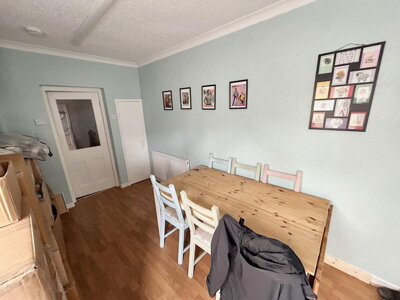
Browse 1 home for sale in Glynneath, Neath Port Talbot from local estate agents.
The 2 bed flat sector typically includes two separate bedrooms, dedicated living areas, and bathroom facilities. Properties in Glynneath span purpose-built blocks, converted period houses, and modern apartment complexes on various floors.
£0k
0
0
0
Source: home.co.uk
Showing 0 results for 2 Bedroom Flats for sale in Glynneath, Neath Port Talbot.
The Glynneath property market presents an interesting picture for buyers in 2024. Rightmove reports an overall average house price of £154,526, with Zoopla and OnTheMarket figures clustering around £157,000 to £158,000. These figures represent a market in transition, with Rightmove noting prices 14% down on the previous year yet 3% above the 2021 peak of £150,642. Property Solvers recorded 34 residential sales in Glynneath over the past year, a decrease of 11 transactions compared to the previous period, suggesting buyer caution in response to economic conditions.
Property types available span the full spectrum of housing needs. Semi-detached homes dominate recent sales, averaging £155,850, while terraced properties provide the most affordable entry point at approximately £111,917. Detached houses command the highest prices, with an average of £268,200, reflecting the additional space and privacy they offer. Flats and apartments remain relatively scarce in Glynneath, with the housing stock predominantly consisting of traditional terraces and post-war semis constructed to serve the mining community that once defined this valley.
New build activity in Glynneath itself remains limited, though listings do appear in the SA11 postcode area for three-bedroom detached homes on exclusive developments. Properties such as those at Lon Y Bryn demonstrate ongoing interest in modern family homes within the locality. The Neath Port Talbot Local Development Plan identifies potential for retail-led housing development at Park Avenue, suggesting future growth may bring additional new-build options. For now, buyers will find the majority of stock consists of established properties with character and history woven into their walls.

Life in Glynneath revolves around its position as a service hub for the Neath Valley, a community where neighbours know each other and local businesses serve daily needs. The town centre features practical amenities including a pharmacy, dentist, and optician, while a recently opened health centre ensures residents have access to modern healthcare facilities without travelling to larger towns. Shops and small businesses cluster along the main streets, providing essentials while preserving the intimate scale that distinguishes Welsh valley towns from impersonal urban developments. The presence of a business park and industrial starter units at Glynneath Village Workshops demonstrates ongoing economic activity, with the town serving employment needs beyond its own boundaries.
The geographical setting of Glynneath shapes daily life profoundly. Sitting on the right bank of the River Neath, the town benefits from proximity to waterways and waterfalls to the north-east at Pontneddfechan, an area known as Waterfall Country where streams tumble through dramatic gorges toward the Brecon Beacons. This positioning means residents enjoy easy access to mountain walking, cycling, and outdoor pursuits while remaining within reasonable distance of the coast. The surrounding geology, featuring sandstones, conglomerates, and mudstones from the Carboniferous period, created the coal seams that built this community and continues to influence the landscape character. For buyers seeking a location where natural beauty combines with practical living, Glynneath offers compelling arguments.
The demographic profile reveals a working-class community with deep roots. Population figures show 4,212 residents according to the 2021 census, with approximately 1,519 households. The area faces genuine challenges, including elevated economic inactivity rates of 38.3% and child poverty affecting 22% of young people, reflecting broader issues affecting former mining communities across South Wales. However, these statistics coexist with community resilience and the presence of Aberpergwm colliery, which reopened in 1996 and now operates as the only producer of high-grade anthracite in Western Europe, primarily supplying carbon filtering applications.

Families considering a move to Glynneath will find educational provision centred on several primary schools serving the local community. The town and surrounding valley communities developed educational facilities alongside industrial growth in the 19th and 20th centuries, meaning many school buildings carry historical character alongside modern teaching standards. Primary education in the Glynneath area serves children from nursery through to age 11, with feeder relationships determining which secondary schools pupils attend as they progress. Parents should research specific catchment areas and admission arrangements with Neath Port Talbot local authority to ensure their chosen property aligns with school preferences.
Secondary education options for Glynneath residents include schools in nearby Neath and the wider Neath Port Talbot area, with pupils typically travelling by school transport or public bus services that operate along the valley roads. The presence of Welsh-medium education options in the region reflects Cymru's commitment to bilingual learning, with families able to choose English or Welsh-language schooling pathways. Sixth form provision and further education opportunities cluster in Neath, with Swansea offering broader college facilities for students pursuing A-levels or vocational qualifications. The local educational landscape continues to evolve, with Neath Port Talbot Council maintaining investment in school buildings and resources despite broader budget pressures facing local authorities across Wales.
Beyond formal schooling, Glynneath's community facilities support informal learning and youth activities. Local organisations, sports clubs, and community groups provide after-school and weekend activities that complement academic education. For parents prioritising educational outcomes alongside property budgets, Glynneath's affordable house prices compared to coastal or university-town alternatives may enable purchases with gardens, space for home study, and access to green areas for outdoor learning experiences that enrich childhood development.
The A465 Heads of the Valleys road forms the arterial spine of Glynneath's transport connections, providing direct dual-carriageway access to Swansea to the south-west and the wider South Wales road network. This strategic route transforms Glynneath from an isolated valley community into a practical commuter location, with journey times to Swansea city centre typically taking 25-35 minutes by car depending on traffic conditions. For workers employed in Swansea, at the University of Wales, in the bay development areas, or at the industrial estates along the coast, Glynneath offers residential affordability at a distance that remains manageable for daily commuting. The A465 also connects eastward toward the Heads of the Valleys region and Merthyr Tydfil, opening employment opportunities in the central valleys.
Public transport options supplement road travel for those preferring not to drive. Bus services operate along the Neath Valley route, connecting Glynneath with Neath and surrounding communities. Rail access requires travel to Neath or Swansea stations, as Glynneath itself does not have a railway station, meaning train commuters face a bus connection or drive to access the rail network. Neath station provides services toward Swansea, Cardiff, and beyond, placing London connections within reach for those working further afield. The absence of a local station represents a transport limitation that buyers should factor into their assessment of commuting practicality from Glynneath.
For daily commuters, parking provision in Glynneath presents fewer challenges than in larger towns, with local roads offering more generous parking than urban centres. Cycling infrastructure remains limited, though the undulating valley terrain poses challenges for cyclists of any standard. Those working from home or combining commuting with office attendance will find Glynneath's broadband connectivity adequate for most professional requirements, though rural edge-of-settlement locations may experience reduced speeds. Overall, Glynneath rewards car-based commuters with good motorway connections while presenting genuine challenges for those dependent entirely on public transport.
Before viewing properties, understand Glynneath's market by reviewing current listings and recent sale prices. With average prices around £154,526 and terraced homes available from approximately £111,917, set realistic budgets that account for mortgage affordability and additional costs including survey fees, solicitor charges, and Land Transaction Tax.
Contact lenders or use Homemove's mortgage comparison tool to obtain an agreement in principle before making offers. Having mortgage finance approved in principle strengthens your position with sellers and demonstrates serious intent, particularly important in a smaller market where vendors may receive multiple enquiries.
Visit a range of properties across different types and price points to understand what Glynneath's housing stock offers. Consider how the flood risk affecting 98% of the area influences specific properties and locations. View properties at different times of day to assess noise, lighting, and neighbourhood character.
Given Glynneath's significant proportion of older properties with mining heritage, always commission a Level 2 survey before purchasing. Surveys typically cost between £380 and £629 depending on property value, and will identify issues including damp, roof condition, electrical safety, and potential subsidence related to past mining activity.
Choose a solicitor experienced in Welsh property transactions to handle legal work, searches, and contract exchange. Conveyancing costs typically start from £499 for standard purchases. Your solicitor will conduct local authority searches, investigate flood risk records, and coordinate with your mortgage lender.
Once surveys are satisfactory, mortgages approved, and legal queries resolved, your solicitor will exchange contracts and set a completion date. On completion day, the remaining balance transfers and you receive keys to your new Glynneath home.
Properties in Glynneath require careful inspection given the area's specific environmental and historical characteristics. The most significant concern is flood risk, with research indicating that 98% of Glynneath residents live within a flood risk area. This figure, dramatically higher than the 41% Welsh average, demands that buyers investigate specific property locations relative to flood zones, review any history of flooding or water ingress, and consider the flood risk assessment conclusions when making purchase decisions. Properties near the River Neath or in lower-lying areas of the town warrant particularly thorough investigation, including reviews of any existing flood resilience measures the current owners may have implemented.
The mining heritage that shaped Glynneath creates additional considerations for structural survey work. Coal mining activity from 1793 onwards means underground workings exist beneath and around the town, with the potential for ground movement or subsidence affecting properties. A RICS Level 2 survey will assess visible signs of subsidence, cracking, or structural movement, though a specialist mining report may be advisable for properties in specific locations. The presence of mudstones in local geology also introduces some potential for shrink-swell behaviour, though this is less well documented than mining concerns for the area.
For buyers interested in period properties, Glynneath contains heritage features worth noting. St Cadoc's Church and Rheola House are Grade II* listed buildings reflecting the area's Georgian-era development, and properties in their vicinity may carry additional planning considerations. The remnants of the Neath Canal and gunpowder works ruins add historical character to walks and local scenery, though they do not directly impact most residential properties. When purchasing flats or apartments in Glynneath, pay particular attention to lease terms, ground rent arrangements, and service charge levels, as these vary considerably between developments and affect long-term costs.
The average house price in Glynneath currently sits between £154,526 and £158,000 depending on the data source consulted. Rightmove reports £154,526, Zoopla £157,819, and OnTheMarket £158,000 for the most recent period. Detached properties average £268,200, semi-detached homes £155,850, and terraced properties approximately £111,917. The market has shown some fluctuation, with annual price changes ranging from 14% declines to modest increases of 2-3% depending on the measurement period and source. Property Solvers recorded 34 residential sales over the past year, a decrease of 11 transactions compared to the previous period.
Properties in Glynneath fall under Neath Port Talbot County Borough Council's council tax scheme. Band valuations in this area range from A through to H, with the majority of terraced and semi-detached properties typically falling in bands A to C. Exact bands depend on property value as assessed by the Valuation Office Agency. Buyers should request the council tax band from the seller or verify through the Welsh Government's council tax database before purchasing, as bands affect annual running costs and should be factored into overall budget calculations alongside mortgage payments and maintenance expenses.
Glynneath serves primary-aged children through local primary schools within the town and surrounding communities. Secondary school options include schools in Neath and the wider Neath Port Talbot area, with specific placement determined by catchment zones and admission policies. Parents should consult Neath Port Talbot Council's school admissions information and consider Welsh-medium education options available in the region, as bilingual schooling is a significant feature of Welsh education provision. The town does not host a sixth form college, so post-16 students typically travel to Neath or Swansea for A-level or vocational courses.
Glynneath has limited public transport options compared to larger towns. Bus services operate along the Neath Valley route connecting Glynneath with Neath and nearby communities, while rail access requires travelling to Neath or Swansea stations as Glynneath lacks its own railway station. The A465 Heads of the Valleys road provides excellent road connections to Swansea and the wider region, making car travel the primary transport option for most residents. Daily commuters should factor the need for car ownership into their relocation planning, as the absence of a local railway station significantly limits options for those without vehicles.
Glynneath offers accessible entry prices for property investment, with terraced homes available from around £111,917 and semi-detached properties from approximately £155,850. The town's economic profile includes challenges such as elevated economic inactivity and child poverty rates, which may affect rental demand and tenant profiles. However, the Aberpergwm colliery and local business parks provide some employment base, while affordable prices relative to Swansea may attract first-time buyers and key workers. Investors should carefully assess local rental yields, void periods, and tenant demand before committing, considering that property values may track broader South Wales trends over time.
Stamp duty rates in Wales apply to residential purchases using the Land Transaction Tax system. For properties up to £250,000, the rate is 0%. Properties between £250,000 and £400,000 attract a 5% rate on the portion within that band. Properties above £400,000 pay 5% on the first £400,000 and 7.5% on the amount above that threshold. First-time buyers in Wales do not receive the same relief as in England, as Wales operates its own land transaction tax rules. For a typical Glynneath property at the average price of £154,526, no stamp duty would be payable.
From 4.5%
Compare mortgage rates from leading lenders
From £499
Expert conveyancing solicitors for your Glynneath purchase
From £380
Professional survey to identify property defects
From £60
Energy performance certificate for your new home
Understanding the full costs of purchasing property in Glynneath helps buyers budget accurately and avoid financial surprises at critical moments in the transaction. The Land Transaction Tax (LTT) replaces stamp duty land tax in Wales and applies the following rates to residential purchases: 0% on the first £250,000 of property value, 5% on the portion between £250,001 and £400,000, and higher rates above £400,000. For a typical Glynneath property priced at the current average of £154,526, no LTT would be payable, placing this town among the most accessible locations for first-time buyers in South Wales. Even at the detached property average of £268,200, buyers would only pay LTT on the £18,200 above the £250,000 threshold.
Beyond LTT, buyers face several additional costs that accumulate quickly. A RICS Level 2 survey typically costs between £380 and £629 depending on property size and value, representing essential money spent on understanding what you are purchasing. Given Glynneath's older housing stock and mining heritage, skipping the survey to save money is particularly unwise. Conveyancing fees start from around £499 for standard purchases but can reach £1,000 or more for complex transactions, leasehold properties, or cases where complications arise during the legal work. Search fees from Neath Port Talbot Council typically add several hundred pounds, while Land Registry fees for registering your ownership complete the legal costs.
Mortgage arrangement fees vary significantly between lenders, with some offering attractive rates offset by fees of £1,000 or more while others provide higher rates with no arrangement charge. Survey and mortgage broker costs, if applicable, add to the upfront spending before you even receive keys. For a property at the Glynneath average price of £154,526, buyers should budget approximately £1,500 to £2,500 for surveys, legal work, and associated costs, separate from any mortgage fees or deposit. Being financially prepared for these costs ensures smoother progress through the purchase process and prevents last-minute scrambles that can derail completions.
Properties for Sale In London

Properties for Sale In Plymouth

Properties for Sale In Liverpool

Properties for Sale In Glasgow

Properties for Sale In Sheffield

Properties for Sale In Edinburgh

Properties for Sale In Coventry

Properties for Sale In Bradford

Properties for Sale In Manchester

Properties for Sale In Birmingham

Properties for Sale In Bristol

Properties for Sale In Oxford

Properties for Sale In Leicester

Properties for Sale In Newcastle

Properties for Sale In Leeds

Properties for Sale In Southampton

Properties for Sale In Cardiff

Properties for Sale In Nottingham

Properties for Sale In Norwich

Properties for Sale In Brighton

Properties for Sale In Derby

Properties for Sale In Portsmouth

Properties for Sale In Northampton

Properties for Sale In Milton Keynes

Properties for Sale In Bournemouth

Properties for Sale In Bolton

Properties for Sale In Swansea

Properties for Sale In Swindon

Properties for Sale In Peterborough

Properties for Sale In Wolverhampton

Enter your details to see if this property is within your budget.
Loans, cards, car finance
Estimated property budget
Borrowing + deposit
You could borrow between
Typical borrowing
Monthly repayment
Est. at 4.5%
Loan-to-value
This is an estimate only. Your actual budget may vary depending on interest rates, credit history, and personal circumstances. For an accurate affordability assessment, speak to one of our free mortgage advisors.
This calculator provides estimates for illustrative purposes only and does not constitute financial advice. Your home may be repossessed if you do not keep up repayments on your mortgage. Estimates based on 4.5% interest rate, repayment mortgage. Actual rates depend on your circumstances.
Homemove is a trading name of HM Haus Group Ltd (Company No. 13873779, registered in England & Wales). Homemove Mortgages Ltd (Company No. 15947693) is an Appointed Representative of TMG Direct Limited, trading as TMG Mortgage Network, which is authorised and regulated by the Financial Conduct Authority (FRN 786245). Homemove Mortgages Ltd is entered on the FCA Register as an Appointed Representative (FRN 1022429). You can check registrations at NewRegister or by calling 0800 111 6768.

We use cookies to show you personalised content and improve your experience of our website. Find out more in our Privacy policy and Cookie policy.