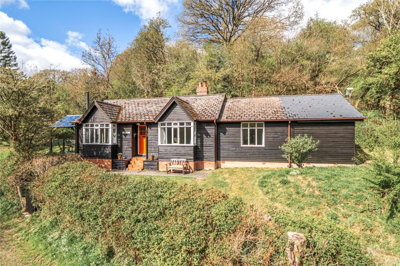
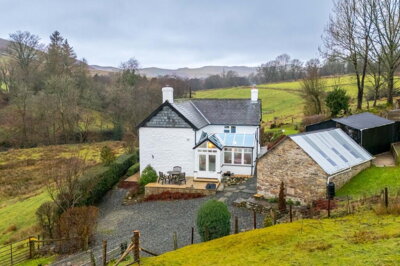
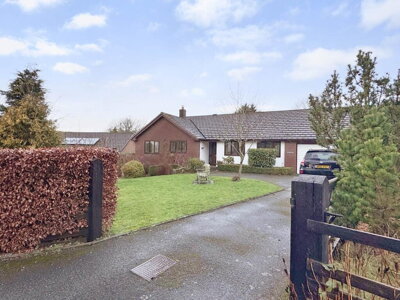
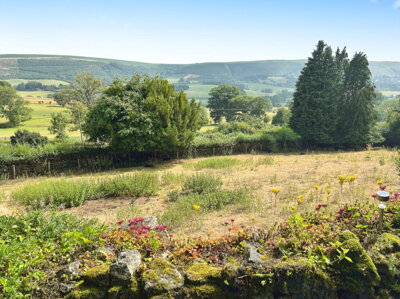
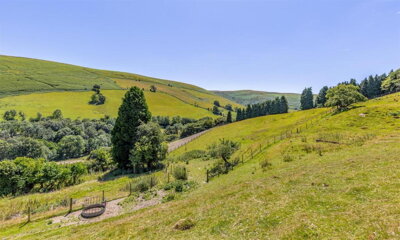
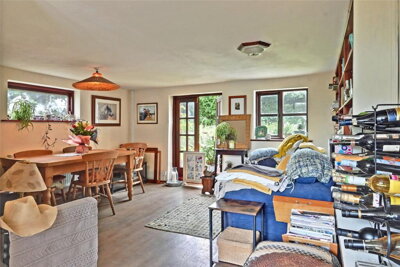
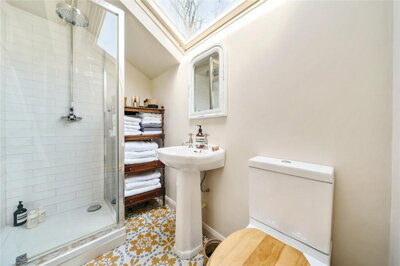
Browse 7 homes for sale in Glascwm, Powys from local estate agents.
Three bedroom properties represent a significant portion of the Glascwm housing market, offering space for families with multiple reception rooms and gardens in many cases. Browse detached, semi-detached, and terraced options ranging from period character homes to contemporary developments.
£425k
1
0
47
Source: home.co.uk
Showing 1 results for 3 Bedroom Houses for sale in Glascwm, Powys. The median asking price is £425,000.
Source: home.co.uk
Detached
1 listings
Avg £425,000
Source: home.co.uk
Source: home.co.uk
£456,309
Average Property Value
£435,000
Most Recent Sale (June 2024)
48.2%
10-Year Value Growth
£230,000
Powys County Average
The Glascwm property market operates with the characteristics typical of very rural Welsh communities, where limited supply meets steady demand from buyers seeking countryside living. The average property value in the LD1 5SE postcode area stands at £456,309 according to recent market data, with the most recent recorded sale in June 2024 achieving £435,000 for The Glais property. This figure positions Glascwm above the Powys county average of £230,000, reflecting the premium associated with the area's historic properties, generous land holdings, and the sought-after nature of upper Edw valley locations.
Property types in Glascwm reflect its agricultural heritage and rural character, with detached houses and traditional farmhouses dominating the available stock. A notable example currently or recently on the market includes a 17th-century gentry house featuring exposed timber beams and natural stonework, the quality of historic homes found throughout this area. The market has shown resilience with a 48.2% increase in values over the past decade, though transaction volumes remain low with only one recorded sale in the past three years within the immediate postcode area.
Given the very low transaction volume, buyers should register their interest with multiple local estate agents operating in Radnorshire and Powys. Properties in Glascwm tend to come to market infrequently, and those who have established relationships with agents are often the first to hear about upcoming listings. The traditional approach to selling in this area means properties may not appear on national portals immediately, making direct agent contact particularly valuable. Cash buyers and those with mortgage agreements in principle are often preferred given the complexity of some rural transactions.

Life in Glascwm offers an authentic taste of mid-Wales rural living at its finest, set within the upper reaches of the Edw valley where the landscape transitions from gentle meadows to rolling hills and open farmland. The community takes its name from the Welsh "Glas-cwm," suggesting a green or blue valley, perfectly capturing the verdant scenery that defines this part of Radnorshire. Residents here enjoy a strong sense of community and a pace of life that prioritises connection with nature over urban convenience, making it ideal for families, retirees, and anyone seeking an escape from city pressures.
The historic St. David's Church, dating back to the 13th century, stands as a central landmark within the community and reflects the deep historical roots of Glascwm. The presence of a Grade II listed 17th-century gentry house, formerly known as Glascwm Court, further illustrates the architectural heritage that characterises the area. Local amenities are distributed across the scattered settlements of Frank's Bridge and Hundred House, while the nearby market town of Llandrindod Wells provides access to supermarkets, healthcare facilities, and other essential services within a short drive. The surrounding countryside offers extensive walking and cycling opportunities, with the Radnorshire hills providing stunning views and wildlife habitat.
The community spirit in Glascwm is reinforced by its small, close-knit population where neighbours know one another and local events draw participation from across the valley. Seasonal agricultural activities, from lambing in spring to harvest in late summer, provide a rhythm to rural life that residents come to appreciate. The absence of heavy traffic and the dominance of green spaces contribute to an enviable quality of life that continues to attract buyers from more urban areas of Wales and beyond. For those working remotely, the peaceful setting offers excellent concentration, though broadband speeds should be verified with specific providers for any property under consideration.
Education provision for families considering a move to Glascwm relies primarily on schools in the surrounding towns and villages of Powys, with the nearest primary schools typically located in nearby communities within the county's rural school network. The community-focused nature of Welsh education means that primary schools in the area tend to serve small catchments, providing children with individual attention and a strong local connection. Parents should research specific catchment areas and school performance data through Estyn, Wales's education inspection body, to identify the most suitable options for their family's circumstances.
Secondary education is generally accessed through schools in larger settlements such as Llandrindod Wells, where pupils travel from across the upper Edw valley and surrounding areas. Powys as a county maintains a network of schools serving rural communities, and the Welsh-medium education stream is well-represented throughout the region, offering families the opportunity to engage with the national language. For families prioritising education options, visiting potential schools, speaking with headteachers, and understanding transport arrangements for secondary pupils are essential steps in the property search process.
The Welsh education system offers distinct advantages for bilingual development, with Welsh-medium schooling available from primary through secondary levels across Powys. Families moving to Glascwm from England should note that Welsh-medium education does not mean English is neglected; rather, pupils develop fluency in both languages, which is highly valued in the Welsh job market. Transport to secondary schools typically involves county-funded bus services, but distances and journey times should be factored into location decisions, particularly during winter months when rural roads may be affected by weather conditions.
Transport connectivity from Glascwm reflects its rural setting, with the community relying primarily on road networks to connect residents to larger towns and cities. The A483 trunk road passes through the region, providing access to Llandrindod Wells to the north and Builth Wells to the south, while also connecting the area to the A470 for travel towards Cardiff and the Welsh coast. The nearest railway stations are located in Llandrindod Wells and Rhayader, offering connections to the Heart of Wales line that runs between Swansea and Shrewsbury, though service frequency is limited reflecting the rural nature of the line.
For daily commuting or access to major employment centres, residents typically require a vehicle, with Shrewsbury approximately 50 miles to the north-east providing a larger railway station with more frequent services. Cardiff can be reached in around two hours by car, making it feasible for occasional office attendance even from this rural location. Bus services connect Glascwm to nearby towns, though schedules are designed primarily for essential journeys rather than peak-hour commuting. Those considering Glascwm as a base for remote work will find the peaceful setting ideal for concentration, though broadband speeds in very rural areas should be verified with specific providers.
The Heart of Wales line serves Llandrindod Wells and Rhayader with typically four trains per day in each direction, connecting through Craven Arms, Knighton, and Builth Road stations. These services provide access to the West Midlands and national rail network via Shrewsbury, though journey times to major cities reflect the scenic but indirect nature of the route. For international travel, Birmingham Airport and Cardiff Airport are both reachable within approximately two and a half hours by car, while Bristol Airport requires around three hours. Residents planning regular commutes should factor these distances into their location decisions.
Before viewing properties, spend time understanding the local market dynamics. The Glascwm market has limited transaction volume, so building relationships with local estate agents who understand the upper Edw valley is essential. Register your interest with agents operating in Radnorshire and Powys to be notified when properties become available.
Obtain a mortgage agreement in principle before beginning property viewings. Given that Glascwm properties often include land and period features, lenders may require specific valuations. Speak to a mortgage broker familiar with rural Welsh properties to understand your borrowing capacity and secure your financing in advance.
Viewings in rural areas like Glascwm often require advance notice due to the occupied or working nature of many properties. Take time to assess not just the property itself but also access roads, neighbouring land uses, and the wider estate or land holdings included in any sale.
Given the age of many properties in Glascwm, including 17th-century gentry houses and traditional farmhouses, a thorough homebuyer report is essential. A Level 2 survey will identify any structural concerns, timber conditions, or historic building issues that may require attention or negotiation on price.
Choose a solicitor experienced in rural Welsh property transactions, particularly for properties that include agricultural land or unusual tenure arrangements. They will handle local authority searches, flood risk assessments for valley locations, and any rights of way that may affect the property.
Once all searches are satisfactory and your mortgage offer is confirmed, your solicitor will arrange the signing of contracts and the transfer of funds. Completion timescales in rural markets may be longer than urban areas due to the complexity of some properties and the involvement of additional surveys.
Purchasing a property in Glascwm requires careful attention to factors that are particularly relevant to rural Welsh properties and the upper Edw valley setting. Flood risk is a key consideration given the valley location, and buyers should consult Natural Resources Wales flood maps and request specific information from the vendor about any previous flooding incidents. Properties near watercourses or in lower-lying areas of the valley may face higher insurance premiums or restrictions on development, so understanding the precise flood risk for any specific property is essential before committing to purchase.
The historic nature of many Glascwm properties means that listed building status and potential conservation area considerations will affect what works can be carried out. Grade II listed properties like the former Glascwm Court require Listed Building Consent for most alterations, and buyers should budget for potentially higher maintenance costs associated with period features and traditional construction methods. Buildings insurance for older stone and timber properties may differ from standard policies, and specialist insurers familiar with historic Welsh buildings should be consulted. Additionally, understanding the tenure arrangements is crucial, as some rural properties may include common land rights, sporting leases, or agricultural tenancy agreements that affect your use of the property and land.
The geology of the upper Edw valley presents specific considerations for property buyers. Clay-rich soils, which can cause shrink-swell movement affecting foundations, are present in river valleys throughout Powys. When surveying a property, we check carefully for signs of foundation movement including cracking to walls, sticking doors or windows, and uneven floor levels. Traditional construction in Glascwm typically features natural stone walls with slate roofing and timber-framed upper floors, construction methods that require ongoing maintenance and specialist knowledge to repair correctly.
Properties in Glascwm reflect centuries of building tradition in mid-Wales, with construction methods adapted to local materials and the demands of the Radnorshire countryside. The predominance of natural stone in local buildings comes from quarries and field walls throughout the upper Edw valley, with the distinctive grey-green stone providing both structural integrity and aesthetic character. We examine stone walls carefully during surveys, checking for signs of bulging, cracking, or previous repairs that might indicate underlying structural issues.
Timber construction features prominently in Glascwm's historic properties, from exposed beams in 17th-century gentry houses to original floor joists and roof structures. We check timber condition thoroughly, looking for signs of woodworm, wet rot, or dry rot that can compromise structural integrity. Properties with original oak frames may show signs of movement over time as the timber adjusts to changes in moisture content, and understanding whether this movement has been addressed is an important part of our assessment.
Roofing in Glascwm typically features Welsh slate, a durable material that can last well over a century when properly maintained. We inspect roof slopes for missing, cracked, or slipped tiles, and check the condition of flashings around chimneys and valleys. For period properties, original detailing such as lead valleys and lime mortar pointing should be preserved where possible during any repairs. Understanding the roofing construction and its maintenance history helps us identify potential issues before they become expensive problems.
The average property value in the LD1 5SE postcode area, which includes Glascwm, stands at approximately £456,309 according to recent market data. The most recent recorded sale in June 2024 achieved £435,000 for The Glais property. This positions Glascwm above the Powys county average of £230,000, reflecting the area's desirable rural character and the quality of historic properties available. The market has shown a 48.2% increase in values over the past decade, though transaction volumes are naturally limited in this very rural community.
Properties in Glascwm fall under Powys County Council's tax banding system. Specific bands for individual properties can be determined by searching the Valuation Office Agency database using the property address or council tax reference. Rural properties with land holdings or period features typically fall across various bands depending on their assessed value, and buyers should obtain the specific banding for any property they are considering as part of their due diligence.
Glascwm itself is served by small rural primary schools in nearby communities, with the specific school catchment depending on your exact location within the upper Edw valley. Parents should research schools through Estyn's inspection reports and verify catchment boundaries with Powys County Council. Secondary education is typically accessed through schools in larger towns like Llandrindod Wells. Welsh-medium education options are available throughout Powys for families wishing to pursue bilingual schooling.
Glascwm has limited public transport options reflecting its rural nature. The nearest railway stations are in Llandrindod Wells and Rhayader on the Heart of Wales line, with services to Swansea and Shrewsbury. Bus services connect the community to nearby towns, though schedules are designed primarily for essential journeys rather than peak-hour commuting. Most residents rely on private vehicles for daily travel, with Shrewsbury approximately 50 miles to the north-east providing excellent rail connections to major cities.
Glascwm offers potential for property investment, particularly given the 48.2% value increase recorded over the past decade. The rural Powys property market tends to be stable rather than volatile, with demand from buyers seeking countryside living, retirement properties, and rural business opportunities. However, the very low transaction volume means properties can take longer to sell, and investment returns should be viewed over a longer timeframe. Properties with land, holiday let potential, or unique historic features may offer the strongest investment case.
Stamp duty Land Tax rates for England and Wales (applying to purchases in Glascwm as a Welsh property) start at 0% for the first £250,000 of purchase price, then 5% on the portion from £250,001 to £925,000. For first-time buyers purchasing properties up to £625,000, the zero-rate threshold extends to £425,000 with 5% payable between £425,001 and £625,000. Properties above £925,000 carry higher rates, so you should calculate your specific liability based on the purchase price and your buyer status.
Glascwm's location in the upper Edw valley means properties near the river and in lower-lying areas face some fluvial flood risk, particularly during periods of heavy rainfall. We recommend consulting Natural Resources Wales flood maps and requesting information from vendors about any historical flooding incidents at the property. Properties with land extending to watercourses should be carefully assessed for flood risk, as insurance premiums and future development options may be affected. Surface water flooding can also occur during exceptional rainfall events, so understanding the full flood risk picture is essential before purchasing.
Broadband connectivity in Glascwm reflects the challenges of serving very rural communities. The LD1 5SE postcode area has limited coverage compared to urban areas, with some properties relying on basic ADSL services while others may have access to faster connections. We recommend checking with specific providers about availability at any property under consideration. Mobile phone coverage varies across the valley, and some residents opt for satellite broadband services where traditional options are inadequate. For those working from home, verifying broadband speed and reliability is an essential part of property due diligence in this area.
Understanding the full costs of purchasing property in Glascwm is essential for budgeting effectively, particularly given that many properties in this area include land or period features that may affect valuation and financing requirements. In addition to the purchase price, buyers should budget for stamp duty Land Tax, which applies to Welsh property purchases at the same rates as England. The standard rates are 0% on the first £250,000, 5% on the portion between £250,001 and £925,000, 10% on £925,001 to £1.5 million, and 12% on any amount above £1.5 million.
First-time buyers purchasing residential properties up to £625,000 benefit from relief that raises the zero-rate threshold to £425,000, with 5% payable between £425,001 and £625,000. This relief is unavailable for purchases above £625,000. Beyond stamp duty, buyers should factor in solicitor conveyancing costs, which typically range from £500 to £1,500 depending on complexity, plus local authority search fees, mortgage arrangement fees, and survey costs. For Glascwm properties, a RICS Level 2 survey is strongly recommended given the age of many homes, costing from £350. Buildings insurance should be arranged before completion, and rural properties may require specialist insurers familiar with historic Welsh construction methods.
Additional costs specific to rural Glascwm properties may include specialist surveys for period features, environmental searches for flood risk and ground conditions, and legal work associated with agricultural land or unusual tenure arrangements. Properties with septic tanks or private water supplies require legal conveyancing work to verify compliance with relevant regulations. Budgeting for these additional costs, which can add several hundred pounds to overall transaction expenses, ensures buyers are fully prepared for the financial commitment involved in purchasing a property in this sought-after valley location.
Properties for Sale In London

Properties for Sale In Plymouth

Properties for Sale In Liverpool

Properties for Sale In Glasgow

Properties for Sale In Sheffield

Properties for Sale In Edinburgh

Properties for Sale In Coventry

Properties for Sale In Bradford

Properties for Sale In Manchester

Properties for Sale In Birmingham

Properties for Sale In Bristol

Properties for Sale In Oxford

Properties for Sale In Leicester

Properties for Sale In Newcastle

Properties for Sale In Leeds

Properties for Sale In Southampton

Properties for Sale In Cardiff

Properties for Sale In Nottingham

Properties for Sale In Norwich

Properties for Sale In Brighton

Properties for Sale In Derby

Properties for Sale In Portsmouth

Properties for Sale In Northampton

Properties for Sale In Milton Keynes

Properties for Sale In Bournemouth

Properties for Sale In Bolton

Properties for Sale In Swansea

Properties for Sale In Swindon

Properties for Sale In Peterborough

Properties for Sale In Wolverhampton

Enter your details to see if this property is within your budget.
Loans, cards, car finance
Estimated property budget
Borrowing + deposit
You could borrow between
Typical borrowing
Monthly repayment
Est. at 4.5%
Loan-to-value
This is an estimate only. Your actual budget may vary depending on interest rates, credit history, and personal circumstances. For an accurate affordability assessment, speak to one of our free mortgage advisors.
This calculator provides estimates for illustrative purposes only and does not constitute financial advice. Your home may be repossessed if you do not keep up repayments on your mortgage. Estimates based on 4.5% interest rate, repayment mortgage. Actual rates depend on your circumstances.
Homemove is a trading name of HM Haus Group Ltd (Company No. 13873779, registered in England & Wales). Homemove Mortgages Ltd (Company No. 15947693) is an Appointed Representative of TMG Direct Limited, trading as TMG Mortgage Network, which is authorised and regulated by the Financial Conduct Authority (FRN 786245). Homemove Mortgages Ltd is entered on the FCA Register as an Appointed Representative (FRN 1022429). You can check registrations at NewRegister or by calling 0800 111 6768.

We use cookies to show you personalised content and improve your experience of our website. Find out more in our Privacy policy and Cookie policy.