Browse 3 homes for sale in Glanton, Northumberland from local estate agents.
Three bedroom properties represent a significant portion of the Glanton housing market, offering space for families with multiple reception rooms and gardens in many cases. Browse detached, semi-detached, and terraced options ranging from period character homes to contemporary developments.
£0k
0
0
0
Source: home.co.uk
Showing 0 results for 3 Bedroom Houses for sale in Glanton, Northumberland.
The Glanton property market offers a compelling mix of traditional village homes and opportunities for those seeking something special. Our current listings include terraced properties averaging £195,875, which represent the majority of homes sold in the village over the past year. These period cottages often feature local sandstone construction, generous gardens, and the kind of character that only comes from buildings that have stood for generations. For buyers seeking more space, detached properties in Glanton command an average price of £495,000, reflecting the additional land and privacy these homes offer. The village's most exclusive address currently is The Cheviot development by Dacre Street Developments, where the final plot is available at a guide price of £695,000 for a four-bedroom detached home.
The market has shown resilience despite economic pressures, with prices adjusting by approximately 6% over the past twelve months. This moderation has opened doors for buyers who may have previously found the village beyond their budget. Rightmove and Zoopla listings show active interest from buyers across the region, with properties regularly attracting attention from those seeking a better quality of life without sacrificing connectivity to larger towns. New buyers to the area should note that many properties change hands through private sales and local connections, making it worthwhile to register with multiple estate agents covering the Northumberland coast and inland areas.
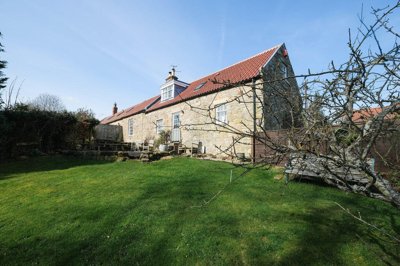
Property types in Glanton reflect its agricultural heritage and evolution over centuries. Traditional farmhouses dating from the mid-18th century stand alongside later Victorian and Edwardian terraces built for agricultural workers. The village also includes more recent additions that respect traditional Northumbrian architectural styles, with materials and proportions carefully considered to complement the Conservation Area. This variety means buyers can find everything from compact cottages suitable for first-time buyers or retirees to substantial family homes with extensive gardens and outbuildings.

Life in Glanton offers a rare combination of rural tranquility and practical convenience that appeals to families, retirees, and remote workers alike. The village sits within the spectacular Cheviot Fringe, an area defined by its limestone and sandstone geology that creates gentle hills, natural springs, and rich agricultural land. The parish is characterised by a trough fault or double fault structure, which has created the famous Glanton Pyke and Glanton Hill features along with a remarkable profusion of wells and springs throughout the area. These geological quirks contribute to the village's charm and provide endless exploration opportunities for residents who appreciate natural heritage. The community website notes approximately 200 residents across 140 households, creating a tight-knit atmosphere where neighbours know one another and local events bring people together throughout the year.
The village centre features buildings constructed primarily from the distinctive local sandstone, creating a warm, honey-coloured streetscape that changes beautifully with the light throughout the seasons. St Peter's Church stands as a spiritual centre, while Alndale Hall offers a different architectural character with its timber and corrugated iron construction. The Conservation Area designation ensures that new development respects the traditional scale and materials of the village, protecting its character for future generations. Several listed buildings, including Glanton House, the United Reformed Church, and various dovecotes and garden walls, add historical depth to the village. Local amenities include a village shop, pub, and community facilities that cater to everyday needs without requiring journeys to larger towns.
The proximity of Glanton to the Northumberland coast and the North Pennines Area of Outstanding Natural Beauty expands recreational opportunities considerably. Residents can reach the golden beaches around Embleton and Craster within a short drive, while the Cheviot hills provide excellent walking and cycling country. The village serves as an ideal base for exploring the wider region, with Alnwick Castle, Bamburgh Castle, and the Holy Island of Lindisfarne all within easy reach. This combination of village charm and access to some of England's most spectacular countryside makes Glanton particularly appealing to outdoor enthusiasts and those seeking an active rural lifestyle.

Families considering a move to Glanton will find educational options within easy reach, though the village itself does not have a primary school within its boundaries. Primary-aged children typically attend schools in nearby villages such as Longhoughton, which is approximately 4 miles from Glanton and easily accessible by car or the school transport provided by Northumberland County Council. The village's small size means that children often travel together on school buses, creating a social element to the daily journey and allowing parents to connect with other families in the area. Parents should research individual school performance data through Ofsted reports and government league tables to identify the best fit for their children's needs, as school quality and catchment areas can influence which institutions children are eligible to attend.
Secondary education options in the area include schools in Alnwick, approximately 10 miles from Glanton and accessible by car or public bus. The Duchess's Community High School and other secondary schools in Alnwick have established reputations and offer a comprehensive range of GCSE and A-Level courses. For families prioritising grammar school education, the grammar schools in Alnwick provide selective education options for academically able students. Many families choose to supplement local schooling with private education options available in Northumberland's market towns, including preparatory schools that prepare children for entry to senior independent schools. Sixth form provision is available in Alnwick and Morpeth, with good transport connections from Glanton allowing older students to access a wider range of courses and extracurricular activities.
Parents buying in Glanton should contact Northumberland County Council to confirm current catchment areas and any feeder school arrangements, as these boundaries can change and may influence which schools children are eligible to attend. The council's education department can also provide information about school transport routes and any assistance available for families living in rural areas. It is worth noting that due to the small size of the village, class sizes at local primary schools tend to be smaller than in urban areas, which many parents find beneficial for their children's learning and development. The close-knit nature of the school community also means that teachers, parents, and children often know each other well, creating a supportive educational environment.
Glanton benefits from its position within easy reach of the A697 trunk road, which connects the village to Morpeth to the south and the Scottish border region to the north. This road provides the main artery for commuting and leisure travel, with regular bus services operating along this route to connect villagers with larger towns and villages. The nearest railway stations are in Alnwick and Berwick-upon-Tweed, offering connections to Newcastle, Edinburgh, and beyond. Alnwick station provides access to the East Coast Main Line, with journey times to Newcastle of approximately 45 minutes by car or slightly longer by public transport. Those working in Edinburgh will find the journey takes around 90 minutes by car via the A1, making day commuting feasible for those who need to travel to Scotland's capital.
For daily commuting to Newcastle or other major employment centres, most Glanton residents rely on private vehicles, appreciating the flexibility that rural living requires. The village is approximately 35 miles north of Newcastle city centre, making it feasible for those who can work from home for part of the week or follow a hybrid working pattern. Parking in the village is generally straightforward due to the low density of development, with most properties offering off-street parking or garage facilities. Cycling is popular among residents for local journeys, with the quiet country lanes providing scenic routes for recreational and practical cycling alike. The nearest airport is Newcastle International, approximately 40 miles away, offering domestic and international flights for business and leisure travel.
The village's rural position means that a car is considered essential for most daily activities, and residents quickly adapt to this reality of country living. Car sharing arrangements are common among those working in the same areas, helping to reduce costs and environmental impact while building community connections. For those working remotely, the village's position away from main roads offers a peaceful environment conducive to focused work, though prospective buyers should verify broadband speeds and mobile phone coverage at specific properties before committing to a purchase. Many homes in Glanton now have access to fibre broadband connections, though coverage can vary depending on exact location within the village and surrounding area.
Spend time exploring Glanton and understanding what makes each neighbourhood different. The village has distinct areas around the conservation centre, newer developments near the edge of the village, and scattered farm properties. Register with local estate agents and set up property alerts so you do not miss new listings. Many properties in Glanton are sold off-market or through private connections, so building relationships with local agents can reveal opportunities not visible on mainstream property portals.
Before viewing properties, obtain a mortgage agreement in principle from a lender. This demonstrates your seriousness to sellers and helps you understand your true budget. With terraced properties averaging £195,875 and detached homes reaching £495,000, knowing your ceiling prevents wasted viewings. Speak to a mortgage broker familiar with Northumberland properties, as they can advise on schemes available for rural homes and help navigate any quirks of lending against older sandstone properties or listed buildings that may require specialist valuation approaches.
Arrange viewings of properties that match your criteria. Pay attention to construction materials (many homes use local sandstone), the age of properties (most are 100-250 years old), and any signs of listed building restrictions. Take photographs and notes to help compare properties later. Consider visiting at different times of day and in various weather conditions to assess how the property and garden perform throughout the seasons, as rural homes can behave quite differently across the year.
Once you have a property in mind, book a RICS Level 2 survey to assess the condition of the property. For older sandstone properties or listed buildings, consider a more comprehensive RICS Level 3 survey. Surveys typically cost between £400 and £1,000 depending on property size and value, with national averages around £455 to £639. Given that many Glanton properties are over a century old, a thorough survey is particularly valuable for identifying issues common to period sandstone construction, including weathering patterns, structural movement, and the condition of traditional features.
Choose a conveyancing solicitor to handle the legal aspects of your purchase. They will conduct searches, review the contract, and liaise with the seller's solicitors. Budget for legal fees of around £500-£1,500 plus disbursements. In Glanton, searches will include drainage and water authority checks for the Northumberland area, local authority searches with Northumberland County Council, and environmental data searches. Given the village's reliance on private water supplies for some properties and private drainage systems, your solicitor should specifically investigate these arrangements as part of the conveyancing process.
Once all searches are satisfactory and financing is confirmed, your solicitor will exchange contracts and pay the deposit. Completion typically occurs 1-4 weeks later, when you will receive the keys and become the official owner of your Glanton home. Before completion, arrange buildings insurance from the day of legal completion and notify the local post office and utility companies of your pending move. Consider introducing yourself to neighbours soon after moving in, as the village's strong community spirit means new residents are typically made welcome and can quickly feel at home.
Buying a property in Glanton requires attention to several area-specific factors that differ from urban property purchases. The prevalence of sandstone construction means that walls should be checked for signs of weathering, cracking, or previous repair work. The village's position within a Conservation Area brings planning restrictions that limit what you can do to properties without consent, so verify any planned modifications with Northumberland County Council before committing. Many properties are listed buildings, which offers prestige but also obligations regarding maintenance and alterations. If you are considering a listed property, factor in the additional costs and requirements of keeping it in good condition while respecting its historic character.
The geological conditions in Glanton, with its limestone and sandstone bedrock overlaid with glacial till, are generally stable for property construction. However, the presence of wells and springs throughout the parish means that drainage and water management are worth investigating before purchase. Some properties may rely on private water supplies or boreholes rather than mains water, which will affect ongoing costs and maintenance responsibilities. Flood risk does not appear to be a significant concern for the village itself, though buyers should verify this with a local search as part of the conveyancing process.
Properties over 50 years old may have outdated electrical systems, single-glazed windows, and older heating systems that could require updating. A thorough RICS Level 2 survey will identify these issues and help you negotiate the price or request improvements before completion. Given that much of Glanton's housing stock dates from the 18th and 19th centuries, common issues to watch for include solid floors that may be prone to damp, older roof structures that may need re-pointing or renewal, and traditional windows that may have been replaced with uPVC in the past. Pay particular attention to outbuildings and boundary walls, as these can be expensive to maintain and may be included in listed building controls.
The overall average house price in Glanton over the past year was £255,700. Terraced properties averaged £195,875, while detached properties commanded an average of £495,000. Prices have adjusted by approximately 6% over the past twelve months, creating more accessible entry points for buyers. The most expensive homes in the village, including new-build detached properties at The Cheviot development by Dacre Street Developments on Dacre Street itself, are priced from £695,000. This new development represents one of the few opportunities to purchase a brand-new home within the village itself, as the Conservation Area designation limits new construction.
Properties in Glanton fall under Northumberland County Council's jurisdiction and are subject to its council tax rates. Council tax bands vary by property depending on the valuation band assigned at the time of construction. The village's mix of older sandstone cottages dating from the 18th and 19th centuries and newer detached homes means bands range across the full spectrum from Band A through to Band G. Prospective buyers should check individual property details on the Valuation Office Agency website or request this information from the seller or estate agent before committing to a purchase. Northumberland County Council publishes annual council tax schedules that include specific charges for each band within the county.
Glanton itself does not have a primary school within the village, but primary-aged children typically attend schools in nearby villages such as Longhoughton, which is approximately 4 miles away, or schools in Alnwick itself, approximately 10 miles from the village. School transport is provided by Northumberland County Council for eligible families living in rural communities. Secondary education is available at The Duchess's Community High School and other schools in Alnwick, which have established reputations and good examination results. Parents should verify current catchment areas and Ofsted ratings through the official Ofsted website, as these can change and directly influence which schools children are eligible to attend based on their home address.
Glanton is served by bus routes operating along the A697, providing connections to Morpeth, Alnwick, and other towns in Northumberland. The nearest railway stations are in Alnwick and Berwick-upon-Tweed, offering access to the East Coast Main Line with services to Newcastle and Edinburgh. For commuting to Newcastle, most residents use private vehicles due to the limited frequency of public transport options, though car sharing arrangements are common in the village. The village's position between the A697 and A1 means residents have reasonable access to the strategic road network, though a car is considered essential for most daily activities and convenience.
Glanton offers strong appeal for buyers seeking a lifestyle investment alongside potential financial returns. The village's Conservation Area status, limited development land, and enduring popularity among those seeking rural living suggest long-term demand will remain steady. Properties built from local sandstone and featuring period character tend to hold their value well, as demonstrated by the average terraced property price of nearly £196,000. The limited supply of properties for sale, combined with the village's attractive setting near the Northumberland coast and National Park, makes it appealing to a broad range of buyers from retired couples to young families seeking a better quality of life. Properties at The Cheviot development demonstrate continued demand for high-quality homes in the village.
Stamp Duty Land Tax rates for England apply to all purchases in Glanton. Standard rates start at 0% on the first £250,000 of the purchase price, rising to 5% on the portion between £250,001 and £925,000. First-time buyers benefit from relief on the first £425,000, with 5% charged between £425,001 and £625,000. For properties priced above £625,000, first-time buyer relief does not apply to the full amount. At the village's average price of £255,700, a standard buyer would pay SDLT of £285 (on the £5,700 above the nil-rate band at 5%), while most first-time buyers would pay no stamp duty at all due to the higher nil-rate threshold.
Glanton has numerous listed buildings, including Glanton House, the United Reformed Church on Front Street, and various dovecotes, arbours, and garden walls throughout the village. Listed building consent is required from Northumberland County Council for any alterations, extensions, or significant repairs that might affect the building's character or appearance. Interior modifications may also require consent depending on the nature of the work and the specific listing details. Given that much of the village centre falls within a Conservation Area, additional planning controls apply to exterior changes and demolition. Buyers considering a listed property should factor in these obligations, budget for potentially higher maintenance costs, and seek specialist advice from conservation-accredited surveyors when arranging a property assessment.
Sandstone properties in Glanton require careful inspection of the wall fabric, as traditional mortar joints are prone to weathering and erosion in the Northumbrian climate. Look for signs of repointing that may indicate previous structural issues, and check that mortar mixes used in any repairs are appropriate for historic sandstone construction. The village's proximity to agricultural land means properties may have dry-stone boundary walls that require periodic maintenance. Roof structures on older properties may feature traditional timber spars or purlins that should be checked for rot or insect damage. A RICS Level 2 survey will assess these elements comprehensively, while older or more complex properties may benefit from a detailed RICS Level 3 survey that provides more extensive reporting on construction methods and defect analysis.
Understanding the full cost of buying a property in Glanton requires careful budgeting beyond the purchase price alone. Stamp Duty Land Tax applies to all property purchases in England, with rates determined by the purchase price and your buyer status. For a property at the village average of £255,700, a standard buyer would pay no SDLT on the first £250,000, with the remaining £5,700 taxed at 5%, resulting in a charge of £285. First-time buyers purchasing at this price point would pay no stamp duty due to relief on the first £425,000. Higher-value purchases, such as the detached homes averaging £495,000, would incur SDLT of £12,250 for standard buyers or £3,500 for first-time buyers.
Additional costs to budget for include survey fees, which typically range from £400 to £1,000 depending on property size and value. A RICS Level 2 survey for a standard Glanton property would cost approximately £455 to £639, while more complex older properties or listed buildings may require the more comprehensive RICS Level 3 survey. Conveyancing fees generally range from £500 to £1,500 plus disbursements for legal work including local searches, title registration, and contract review. Searches in Northumberland typically include drainage and water authority checks, local authority searches with the county council, and environmental data, each incurring separate fees.
Removal costs vary based on distance and volume, while mortgage arrangement fees, valuation fees, and broker charges can add several hundred pounds to your costs. Building insurance must be in place from the day of completion, and you should budget for any immediate repairs or improvements identified during your survey. Properties in Glanton may also require specialist insurance due to their age, listed building status, or rural location, so it is worth obtaining quotes from insurers familiar with period properties before completion. Setting aside a contingency fund of around 5-10% of the purchase price for unexpected costs is prudent, particularly for older properties where survey findings may reveal maintenance requirements not visible during viewings.
Properties for Sale In London

Properties for Sale In Plymouth

Properties for Sale In Liverpool

Properties for Sale In Glasgow

Properties for Sale In Sheffield

Properties for Sale In Edinburgh

Properties for Sale In Coventry

Properties for Sale In Bradford

Properties for Sale In Manchester

Properties for Sale In Birmingham

Properties for Sale In Bristol

Properties for Sale In Oxford

Properties for Sale In Leicester

Properties for Sale In Newcastle

Properties for Sale In Leeds

Properties for Sale In Southampton

Properties for Sale In Cardiff

Properties for Sale In Nottingham

Properties for Sale In Norwich

Properties for Sale In Brighton

Properties for Sale In Derby

Properties for Sale In Portsmouth

Properties for Sale In Northampton

Properties for Sale In Milton Keynes

Properties for Sale In Bournemouth

Properties for Sale In Bolton

Properties for Sale In Swansea

Properties for Sale In Swindon

Properties for Sale In Peterborough

Properties for Sale In Wolverhampton

Enter your details to see if this property is within your budget.
Loans, cards, car finance
Estimated property budget
Borrowing + deposit
You could borrow between
Typical borrowing
Monthly repayment
Est. at 4.5%
Loan-to-value
This is an estimate only. Your actual budget may vary depending on interest rates, credit history, and personal circumstances. For an accurate affordability assessment, speak to one of our free mortgage advisors.
This calculator provides estimates for illustrative purposes only and does not constitute financial advice. Your home may be repossessed if you do not keep up repayments on your mortgage. Estimates based on 4.5% interest rate, repayment mortgage. Actual rates depend on your circumstances.
Homemove is a trading name of HM Haus Group Ltd (Company No. 13873779, registered in England & Wales). Homemove Mortgages Ltd (Company No. 15947693) is an Appointed Representative of TMG Direct Limited, trading as TMG Mortgage Network, which is authorised and regulated by the Financial Conduct Authority (FRN 786245). Homemove Mortgages Ltd is entered on the FCA Register as an Appointed Representative (FRN 1022429). You can check registrations at NewRegister or by calling 0800 111 6768.

We use cookies to show you personalised content and improve your experience of our website. Find out more in our Privacy policy and Cookie policy.