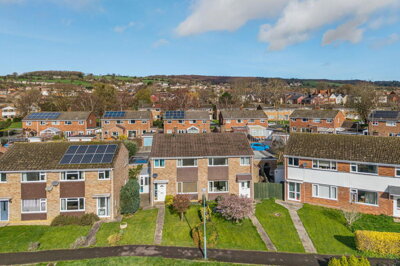
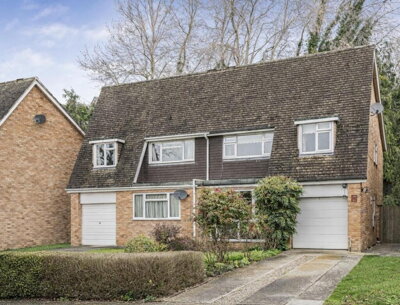
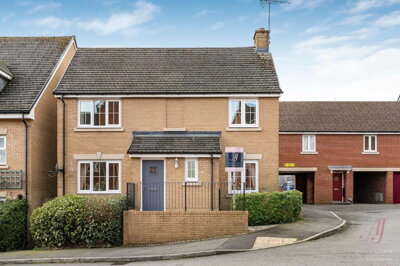
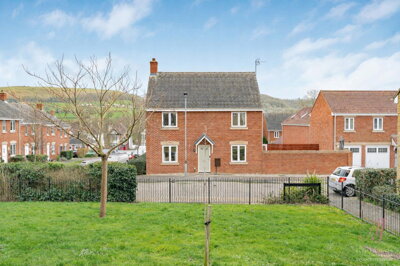
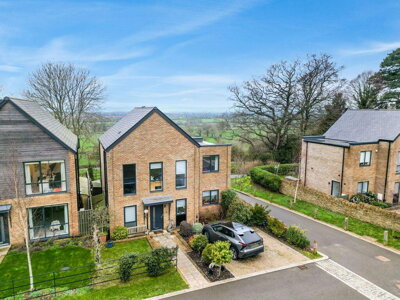
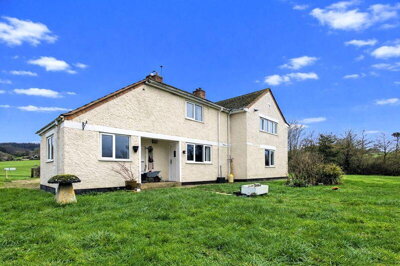
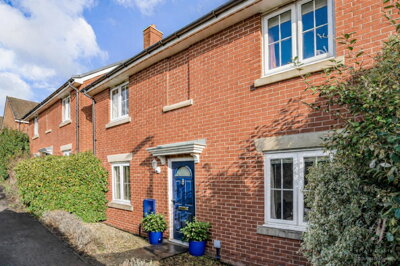
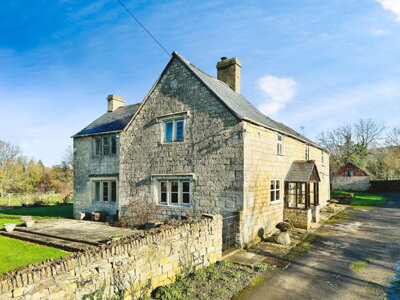
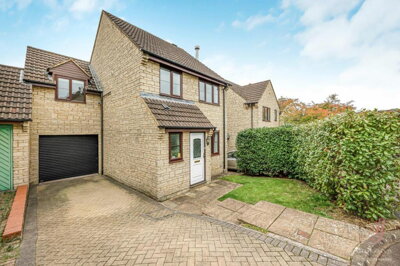
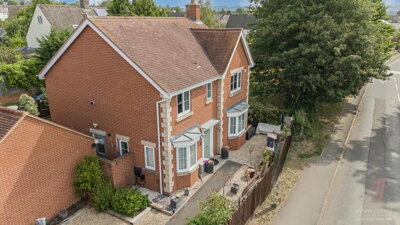
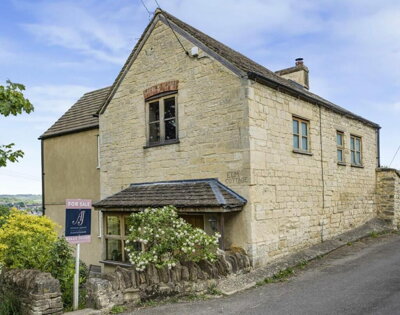
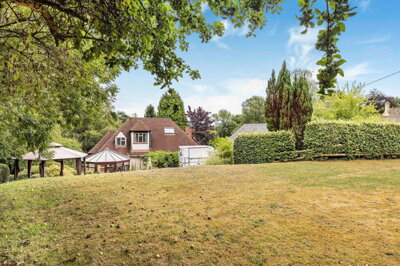
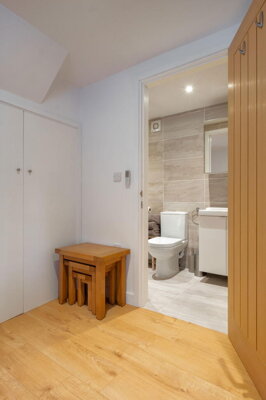
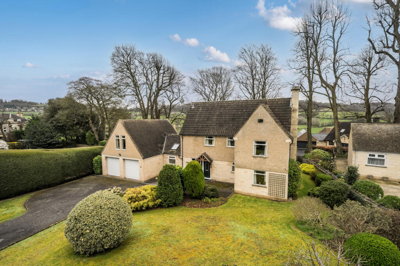
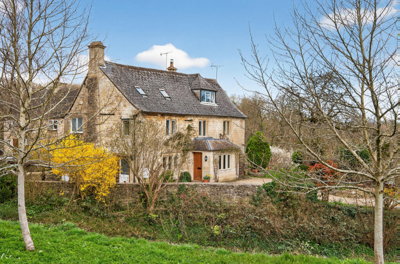
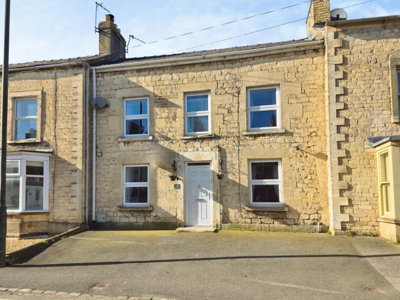
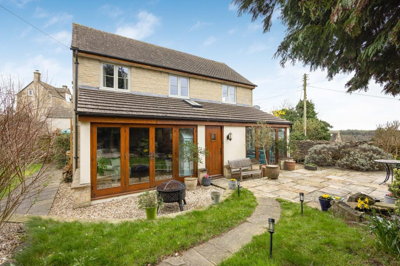
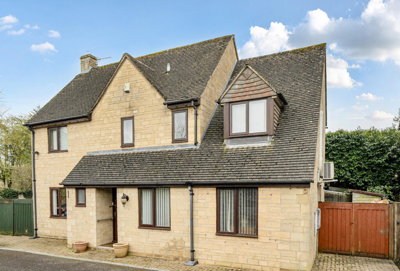
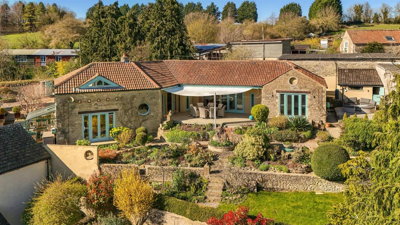
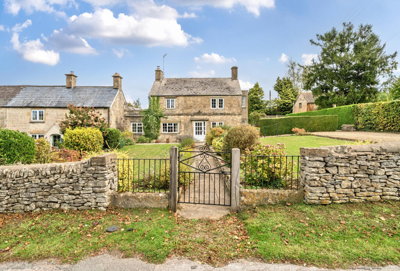
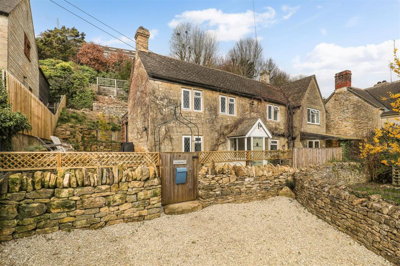
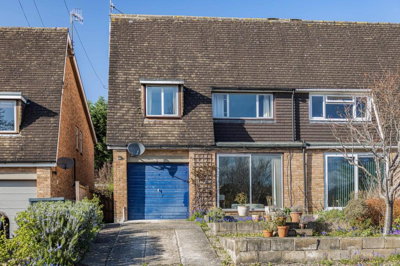
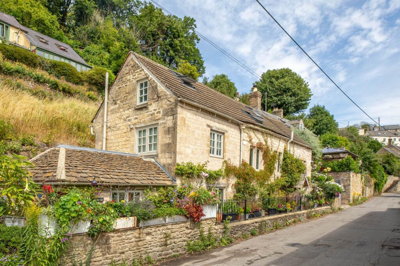
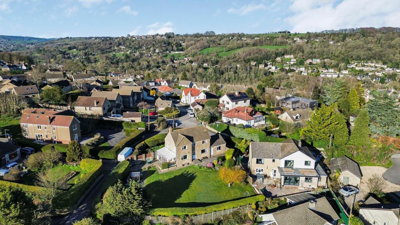
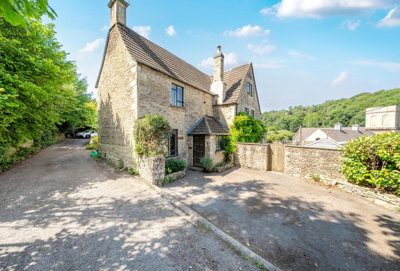
Browse 207 homes for sale in GL6 from local estate agents.
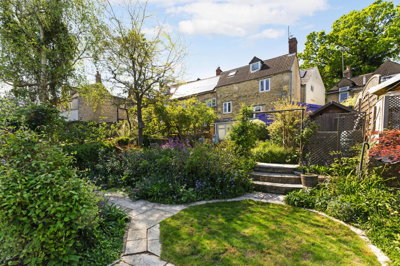
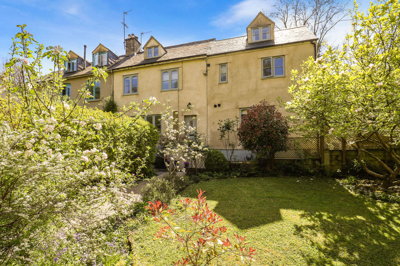
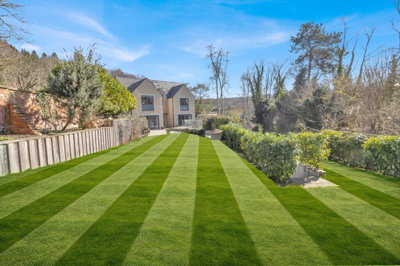
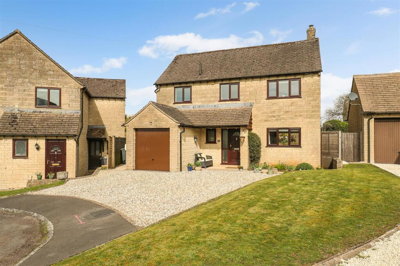
The larger property sector typically features multiple bathrooms, substantial reception space, and private gardens or off-street parking. Four bedroom houses in GL6 span detached, semi-detached, and occasionally terraced configurations, with styles ranging from period properties to modern executive homes.
£675k
52
7
109
Source: home.co.uk
Showing 52 results for 4 Bedroom Houses for sale in GL6. 7 new listings added this week. The median asking price is £675,000.
Source: home.co.uk
Detached
40 listings
Avg £785,986
Semi-Detached
8 listings
Avg £648,125
Terraced
4 listings
Avg £537,500
Source: home.co.uk
Source: home.co.uk
The GL6 property market presents a varied landscape of property types to suit different budgets and lifestyles. Detached properties command the highest prices, averaging around £650,600, offering generous space and often sit on substantial plots with countryside views. Semi-detached homes average £370,542, representing strong value for families seeking more room than a terraced property can offer while remaining within an accessible price bracket. Terraced properties in GL6 average £320,604, with many of these being characterful workers' cottages built from local Cotswold stone that define the visual character of villages like Painswick and Chalford.
Flats in the GL6 postcode, though less common given the predominantly house-dominated housing stock, tend to be priced around £150,000 in sectors like GL6 0TL. Recent market data shows that overall sold prices in GL6 have declined by approximately 15% over the past year compared to the previous year, bringing values back to levels not seen since before the pandemic boom. This price adjustment, while significant, should be viewed in context against a broader market normalisation across Gloucestershire, where the postcode area recorded 8,500 sales with a 12% reduction in transaction volumes.
The Gloucestershire property market has shown resilience despite broader economic headwinds, with the GL6 postcode demonstrating particular stability due to its desirable location and limited supply of quality properties. Zoopla reports a slightly higher average sold price of £489,743 for the area, reflecting the premium commanded by Cotswold stone properties in prime locations. Transaction volumes have moderated, giving buyers more negotiating power than existed during the peak years of 2021 and 2022 when competition was fierce and properties often sold above asking price.
New build availability in GL6 remains limited, with only occasional individual plots or conversions appearing on the market. The Old Bakery in Hartley Bridge near Horsley represents an example of sympathetic conversion work blending period features with modern comfort, while new developments in the broader Stroud District tend to focus on affordable housing schemes in nearby towns rather than within the GL6 villages themselves. This scarcity of new supply reinforces the enduring value of existing properties, many of which benefit from the character and solid construction associated with traditional Cotswold building methods.

The GL6 postcode encompasses some of the most enchanting villages in the Cotswolds, each with its own distinct character and community spirit. Painswick, known as the birthplace of the Cotswold wool industry, features an array of listed buildings and sits beneath the iconic 99 yew trees of its famous churchyard. Chalford traces its origins along the River Frome and the Thames and Severn Canal, with historic mills now converted into desirable homes. Nailsworth has earned recognition as a Foodie Town, boasting artisan producers, independent shops, and a weekly farmers market that draws visitors from across the region. Stroud itself serves as the cultural hub, with its weekly Saturday market, independent cinema, and strong tradition of arts and crafts.
The Stroud District, within which GL6 falls, maintains 41 designated conservation areas protecting the special architectural and historic character of its villages. With approximately 4,500 listed buildings across the district, GL6 is rich in heritage properties constructed from the distinctive honey-coloured Cotswold limestone that defines the area's aesthetic. The local economy shows particular strength in the care sector, with employers like Richmond Villages in Painswick and Voyage Care in Stroud providing employment opportunities. Smaller postcode sectors within GL6, such as GL6 8ZB with its 684 households and population of 1,685, demonstrate the close-knit nature of these communities where neighbours often know one another by name.
Community life in GL6 villages revolves around local pubs, parish councils, and seasonal events that bring residents together throughout the year. Painswick hosts an annual Arts Festival celebrating the village's creative heritage, while Nailsworth's foodie reputation is anchored by producers like Drebnecki oils and the popular Hobbs Bakery. The Thames and Severn Canal Trust continues restoration work on the historic waterway passing through Chalford, offering volunteering opportunities and eventual leisure possibilities for residents and visitors alike. These initiatives reflect the forward-looking attitude of communities that value their past while embracing sustainable futures.
For those seeking a slower pace of life without complete isolation, the GL6 area strikes an ideal balance between countryside tranquility and access to urban amenities. Stroud provides comprehensive shopping facilities, healthcare services including the Stroud Hospital, and a range of leisure facilities from swimming pools to sports centres. The proximity of larger cities like Cheltenham and Bristol means specialist services and cultural attractions remain within reasonable driving distance, making GL6 practical for those who need occasional access to metropolitan resources.

Education provision in the GL6 area serves families well across all age groups, with a mix of primary schools, secondary schools, and further education options. The area benefits from several primary schools in villages like Painswick, where St Mary's Primary School serves the local community, and schools in Chalford and Nailsworth that feed into popular secondary schools in the wider Stroud area. Parents considering property in GL6 should research individual school catchments, as admission policies vary and popular schools can fill quickly, making proximity to good schools a significant factor in property values within specific neighbourhoods.
Secondary education options include traditional secondary schools in Stroud and the surrounding area, with several maintained schools serving GL6 postcodes. For families seeking academic excellence, researching current Ofsted ratings for schools across the Stroud District is essential when deciding where to buy. Older students have access to Stroud High School Sixth Form and other further education providers in the district, with the nearby towns of Gloucester and Cheltenham offering additional choices for older students, including grammar schools for those who meet the entrance criteria.
The quality of local schooling significantly impacts property values in specific postcode sectors throughout GL6. Villages with popular primary schools often see premium pricing for properties within their catchment areas, particularly for family homes where good school access is a priority. Parents should note that school catchments can span multiple postcode sectors, so checking the specific catchment boundary for any property under consideration is advisable before making an offer. Private education options in the wider area include schools in Cheltenham, providing alternatives for families seeking alternatives to the state system.
For families with younger children, nursery and preschool provision in GL6 includes both private settings and community-run facilities attached to primary schools. These early years settings often have waiting lists, making it worthwhile for prospective buyers to research availability and registration processes when planning a move to the area. Several village halls across GL6 also host parent and toddler groups and childcare cooperatives, reflecting the community-minded approach that characterises family life in these Cotswold villages.
The GL6 area enjoys good connectivity despite its Cotswold setting, with Stroud serving as the main railway station offering regular services to major destinations. From Stroud station, travellers can reach London Paddington in approximately 90 minutes, making the area viable for commuters who need to access the capital while enjoying countryside living. The station also provides connections to Cheltenham, Gloucester, and Bristol, with onward links to the national rail network. For residents relying on public transport, local bus services connect the various villages within the GL6 postcode to Stroud town centre and surrounding towns.
Road connectivity from GL6 is well-served by the A419 and A46, providing links to the M4 and M5 motorways via nearby junctions. The M5 is particularly accessible for residents heading towards Bristol, Cheltenham, or Birmingham, while the A419 connects to the M4 corridor near Swindon. For air travel, Bristol Airport and Birmingham Airport are both reachable within approximately 90 minutes by car, offering international destinations. Cyclists and walkers benefit from the extensive public rights of way network throughout the Cotswolds, with scenic routes connecting villages for those working locally or enjoying recreational travel without a car.
The Cotswold Line railway operator provides regular services throughout the day, with peak-hour trains offering the fastest journey times to the capital. Commuters should note that seat availability on popular services can be limited during busy periods, so advance booking is advisable for those travelling to London regularly. Stroud station offers parking facilities, though spaces can fill quickly during the working week, making the train a more practical option for those living within walking or cycling distance of the station.
For residents who work locally or run home-based businesses, the A46 provides a scenic route through the Stroud Valley connecting villages including Stroud, Stonehouse, and Chalford. The road passes through several conservation areas, meaning traffic speeds are naturally moderated by the built environment. Village shops and local services in communities like Painswick and Nailsworth provide for most daily needs, reducing the necessity for regular longer journeys and supporting a more sustainable lifestyle choice.
Begin your property search by exploring different neighbourhoods within GL6, from the bustling atmosphere of Stroud to the tranquil villages of Painswick and Chalford. Consider factors like commute times, school catchments, and proximity to amenities that matter most to your household. Use our platform to set up alerts for new listings matching your criteria and attend open viewings to build your knowledge of what different areas offer.
Before arranging viewings, obtain a mortgage agreement in principle from a lender. This demonstrates your financial credibility to estate agents and sellers, strengthening your position when making an offer on a property in the competitive GL6 market. Given the average property price of £479,224, most buyers will need substantial mortgage finance, and having this arranged early streamlines the purchase process once you find your ideal home.
View multiple properties across different price ranges to understand what your budget can secure in the GL6 area. Pay attention to construction materials, as many properties are built from traditional Cotswold stone requiring different maintenance considerations than modern builds. Take notes on property condition, ask about the age of key systems like heating and electrical wiring, and consider how any issues might affect your offer price.
Given the prevalence of older properties in GL6, a RICS Level 2 Survey is essential to identify any structural issues, damp problems, or needed repairs before purchase. Survey costs in the South West region typically range from £400 to £1,000 depending on property size and value, with the average UK cost around £455. Our platform offers RICS Level 2 surveys specifically arranged for GL6 properties, with inspectors familiar with local construction methods and common defect types found in Cotswold stone buildings.
Appoint a conveyancing solicitor to handle the legal aspects of your purchase, including searches, contracts, and registration with HM Land Registry. Your solicitor will liaise with the seller's representatives to progress your transaction smoothly. Conveyancing costs in the GL6 area typically start from around £499 for straightforward purchases, rising depending on complexity.
Once all surveys, searches, and legal work are satisfactory, you will exchange contracts and pay your deposit. Completion typically follows within days or weeks, when you will receive your keys and take ownership of your new GL6 home. On the day of completion, arrange for utility transfers, redirect your mail, and prepare for moving day logistics.
Properties in the GL6 postcode require careful consideration of several area-specific factors before purchase. The prevalence of Cotswold stone construction means that traditional building methods with solid walls and lime mortars are common, requiring different maintenance approaches than cavity-walled modern properties. Buyers should investigate whether properties have been sympathetically updated while retaining original features, as inappropriate modernisations can compromise both the building's character and its structural integrity. The age of electrical systems is particularly important in older properties, as wiring that has not been updated in over 25 years may pose safety concerns requiring immediate attention after purchase.
Many villages within GL6 fall within designated conservation areas, including Painswick, Bisley, and Box, where planning restrictions are more stringent to preserve the historic character. Properties in these areas may have Article 4 Directions removing certain permitted development rights, limiting what owners can do without planning permission. Listed buildings, of which there are approximately 4,500 across the Stroud District, require Listed Building Consent for almost any alterations, making it essential to understand these obligations before purchasing. The geological conditions in parts of the area, with clay-rich soils that can experience shrink-swell movement, mean that foundations on older properties may be shallow and susceptible to subsidence, particularly near large trees that extract moisture from the soil during dry periods.
Damp represents one of the most common defects identified in older Cotswold properties, manifesting as rising damp where original damp proof courses have failed, penetrating damp from porous stone pointing or defective gutters, and condensation damp resulting from inadequate ventilation in modernised properties. A thorough survey should check all external wall surfaces, ground floor levels, and evidence of water staining or mould in less obvious locations such as cupboards and behind furniture. Properties with extensive solid-wall insulation require particular attention, as improper installation can trap moisture within the wall structure and accelerate stone and timber deterioration.
Roof conditions merit careful inspection given the age of many GL6 properties and the severity of weather that can affect exposed Cotswold positions. Original clay tile or stone slate roofs on period properties may have been partially repaired over decades using mixed materials, and understanding the overall roof condition helps budget for likely future maintenance. Chimney stacks and lead flashings are common failure points, particularly where thermal movement has loosened pointing or where trees overhanging the roof have caused physical damage. Our inspectors pay particular attention to these vulnerable areas when surveying properties in the GL6 postcode.
Understanding the predominant construction methods in GL6 helps buyers appreciate the characteristics and potential maintenance requirements of properties they view. The majority of traditional properties in this area were built using solid wall construction, typically 300-500mm thick Cotswold limestone, with lime mortar pointing that allows the walls to breathe. This differs fundamentally from modern cavity wall construction, where insulation can be compromised by moisture penetration through hairline cracks or failed seals. Owners of solid wall properties need to use breathable paints and mortars for any repairs, as modern cement-based products can trap moisture and cause stone decay.
Timber framed buildings also feature throughout the GL6 area, particularly in the oldest properties dating from before the 17th century. These structures have oak frames with infill panels of wattle and daub or brick noggin, often subsequently rendered or pointed in stone. The timber elements require protection from damp and periodic inspection for signs of beetle activity or fungal decay. In converted agricultural buildings such as the mills in Chalford, you may encounter heavy timber floors, iron stanchions, and other industrial features that contribute to the property's character but require specialist understanding for maintenance.
Extensions and alterations to historic GL6 properties have accumulated over generations, meaning many houses contain elements of different ages and construction types. Victorian and Edwardian additions often feature decorative stonework and sash windows with original glass that may have a slight wave visible in certain light. Post-war improvements included bathroom and kitchen installations that may have been updated more recently or could be original to earlier decades. A thorough understanding of what lies behind plaster finishes and whether any structural alterations have been carried out without building regulation approval forms part of any sensible purchase assessment.
Drainage arrangements in older GL6 properties deserve attention, particularly in villages where properties may connect to shared or private sewer systems rather than the public sewer network. septic tanks and private treatment systems are more common in rural areas, requiring maintenance responsibilities and periodic emptying that buyers should factor into ongoing costs. Given the clay soil conditions affecting parts of the GL6 postcode, downpipes and surface water drainage should direct water well away from foundations to prevent the soil shrinkage that can lead to subsidence movement in properties with shallow footings.
The average house price in the GL6 postcode area currently stands at £479,224 according to recent sold price data. Property types vary significantly in price, with detached homes averaging around £650,600, semi-detached properties at approximately £370,542, and terraced homes at roughly £320,604. The market has experienced a 15% correction from the 2022 peak of £561,779, providing buyers with improved purchasing opportunities compared to the height of the pandemic boom. Zoopla reports a slightly higher average sold price of £489,743, reflecting the premium that well-presented Cotswold stone properties can command in this sought-after location.
Properties in the GL6 postcode fall under Stroud District Council for council tax purposes. Council tax bands in this area range from Band A for lower-value properties through to Band H for the most expensive homes, with the majority of traditional Cotswold stone cottages typically falling in Bands C to E. The banding reflects the estimated value of the property as at April 1991 and affects annual charges, with Band D properties in Stroud District currently paying around £2,000-£2,200 per year depending on specific parish council precepts. Prospective buyers should check the specific banding of any property they are considering, as this affects ongoing annual costs and can influence overall affordability calculations.
The GL6 area offers good educational provision across primary and secondary levels, with several schools serving villages like Painswick, Chalford, and Nailsworth. Primary schools in the area include St Mary's Primary School in Painswick, with secondary options including schools in Stroud serving the wider catchment area. Stroud High School has established a strong reputation for academic achievement and frequently appears in lists of the top-performing secondary schools in Gloucestershire. Parents should research individual school performance data and Ofsted ratings, as well as understanding specific catchment area boundaries, as admission policies can vary and popular schools fill quickly with proximity to the school often being a key factor in allocations.
GL6 benefits from reasonable public transport connections despite its rural Cotswold setting. Stroud railway station provides regular services to London Paddington in approximately 90 minutes, with the fastest trains completing the journey in under 85 minutes. Additional connections serve Cheltenham, Gloucester, and Bristol, with onward links to the national rail network including direct services to Manchester and Birmingham. Local bus services operated by Stagecoach and other providers connect villages including Painswick, Chalford, and Nailsworth to Stroud town centre, though frequencies reduce at evenings and weekends. For commuters working in nearby cities, the combination of reasonable rail journey times and access to the M5 motorway makes GL6 a viable location for those who need to travel regularly while enjoying countryside living.
The GL6 area offers several factors that make it attractive for property investment, including its Cotswold location, strong community ties, and excellent transport links to London. Property values have corrected by 15% from their 2022 peak, potentially creating buying opportunities for long-term investors seeking to enter this desirable market at more accessible price levels. The area's popularity with buyers seeking rural lifestyles, combined with restricted supply in conservation villages and limited new development, suggests continued demand for quality properties. The private rental sector in GL6 remains relatively small due to the prevalence of owner-occupier households, meaning rental demand tends to come from professionals relocating for work or families awaiting school placements. Properties suitable for families and those seeking character homes tend to perform well in terms of capital appreciation, though investors should consider ongoing maintenance costs for older properties and potential restrictions in conservation areas.
Stamp Duty Land Tax rates for residential property purchases in England start at 0% on the first £250,000 of the purchase price. For properties between £250,001 and £925,000, the rate is 5%, rising to 10% on the portion between £925,001 and £1.5 million, and 12% on any amount above £1.5 million. First-time buyers benefit from increased thresholds, paying 0% on the first £425,000 with a maximum property price of £625,000 for full relief. At the GL6 average price of £479,224, a first-time buyer would pay no stamp duty, while a subsequent buyer would pay approximately £11,462. A buyer purchasing a detached property at the average of £650,600 would pay approximately £20,030 in stamp duty, rising to around £25,280 for higher-value detached homes in premium positions such as Painswick or the Stroud valleys.
Get your mortgage sorted with competitive rates
From 4.5%
Expert legal support for your property purchase
From £499
Professional survey tailored to GL6 properties
From £400
Energy performance certificate for your new home
From £85
Understanding the full costs of buying property in GL6 extends beyond the purchase price to include stamp duty, solicitor fees, survey costs, and moving expenses. At the current GL6 average property price of £479,224, a first-time buyer would benefit from full first-time buyer relief, paying zero stamp duty on properties up to £425,000. For subsequent purchasers buying at the average price, stamp duty would amount to approximately £11,462 using the standard rates. Those purchasing higher-value properties, such as the detached homes averaging £650,600, would face stamp duty bills of around £25,280, making it essential to factor these costs into your overall budget.
Solicitor conveyancing costs for property purchases in the GL6 area typically start from around £499 for basic transactions, rising depending on the complexity of the purchase, whether the property is leasehold, and if there are any title complications. Additional legal costs may arise from local searches specific to the Stroud District, which can reveal issues such as planning permissions affecting neighbouring properties, nearby conservation area designations, or outstanding section 106 agreements. A breakdown of typical legal costs including searches, registration fees, andLand Registry charges usually brings total solicitor costs to between £1,000 and £2,000 for a standard GL6 purchase.
A RICS Level 2 Survey costs between £400 and £1,000 depending on property value and size, with larger or higher-value homes in the GL6 area at the upper end of this range. The national average survey cost is around £455, with properties above £500,000 typically averaging £586 due to the longer inspection times required. The South West region, including Gloucestershire, can sometimes see higher survey costs due to the relative scarcity of RICS surveyors and the prevalence of older, complex properties requiring more detailed inspection. For period properties in GL6, our surveyors factor in the additional time needed to assess traditional construction methods, check for signs of damp in solid walls, and evaluate timber conditions in roof spaces and floors.
Other costs to budget include removal expenses which can range from £300 for a small flat move to £2,000 or more for a full house removal with packing services. Mortgage arrangement fees typically range from 0% to 2% of the loan amount, though many lenders now offer fee-free mortgages. Survey contingency funds should allow for repairs identified during the property survey, particularly in older GL6 properties where issues like timber decay, roof deterioration, or outdated electrical systems are commonly discovered. Building insurance must be in place from the point of exchange, and life insurance or critical illness cover is worth considering when taking on a significant mortgage commitment.
Properties for Sale In London

Properties for Sale In Plymouth

Properties for Sale In Liverpool

Properties for Sale In Glasgow

Properties for Sale In Sheffield

Properties for Sale In Edinburgh

Properties for Sale In Coventry

Properties for Sale In Bradford

Properties for Sale In Manchester

Properties for Sale In Birmingham

Properties for Sale In Bristol

Properties for Sale In Oxford

Properties for Sale In Leicester

Properties for Sale In Newcastle

Properties for Sale In Leeds

Properties for Sale In Southampton

Properties for Sale In Cardiff

Properties for Sale In Nottingham

Properties for Sale In Norwich

Properties for Sale In Brighton

Properties for Sale In Derby

Properties for Sale In Portsmouth

Properties for Sale In Northampton

Properties for Sale In Milton Keynes

Properties for Sale In Bournemouth

Properties for Sale In Bolton

Properties for Sale In Swansea

Properties for Sale In Swindon

Properties for Sale In Peterborough

Properties for Sale In Wolverhampton

Enter your details to see if this property is within your budget.
Loans, cards, car finance
Estimated property budget
Borrowing + deposit
You could borrow between
Typical borrowing
Monthly repayment
Est. at 4.5%
Loan-to-value
This is an estimate only. Your actual budget may vary depending on interest rates, credit history, and personal circumstances. For an accurate affordability assessment, speak to one of our free mortgage advisors.
This calculator provides estimates for illustrative purposes only and does not constitute financial advice. Your home may be repossessed if you do not keep up repayments on your mortgage. Estimates based on 4.5% interest rate, repayment mortgage. Actual rates depend on your circumstances.
Homemove is a trading name of HM Haus Group Ltd (Company No. 13873779, registered in England & Wales). Homemove Mortgages Ltd (Company No. 15947693) is an Appointed Representative of TMG Direct Limited, trading as TMG Mortgage Network, which is authorised and regulated by the Financial Conduct Authority (FRN 786245). Homemove Mortgages Ltd is entered on the FCA Register as an Appointed Representative (FRN 1022429). You can check registrations at NewRegister or by calling 0800 111 6768.

We use cookies to show you personalised content and improve your experience of our website. Find out more in our Privacy policy and Cookie policy.