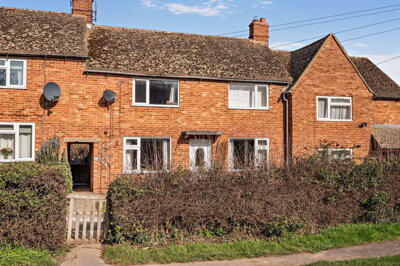
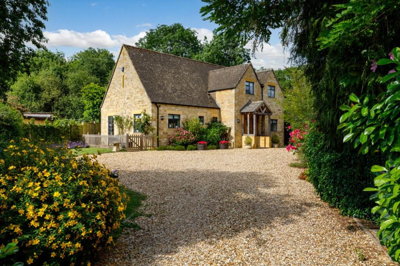
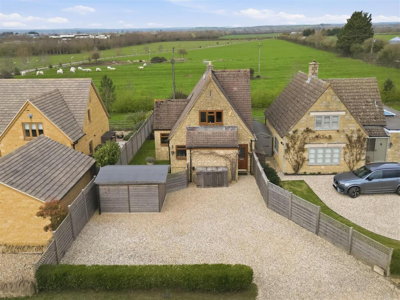
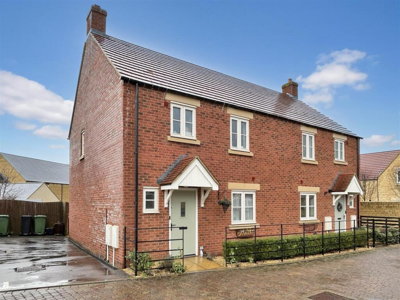
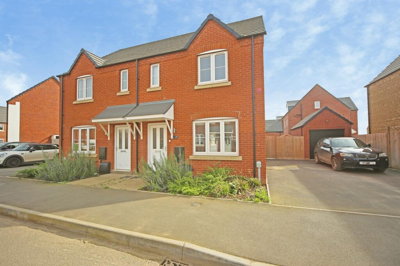
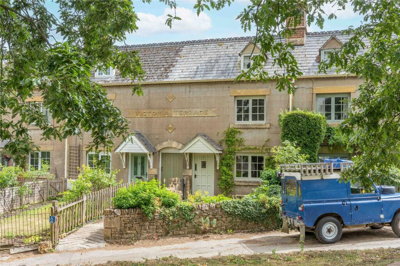
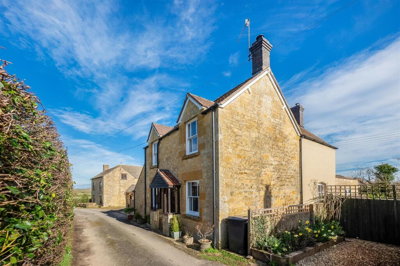
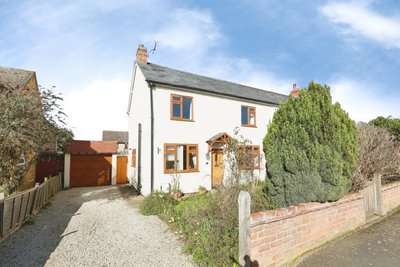
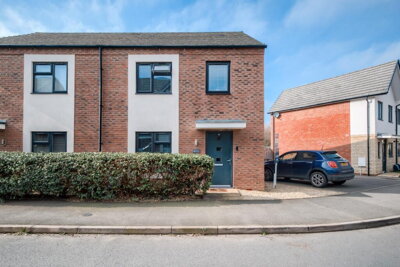
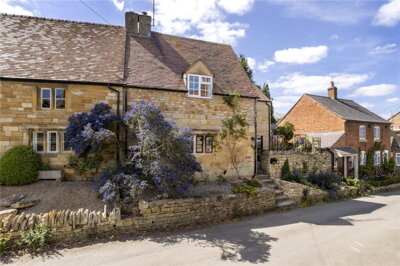
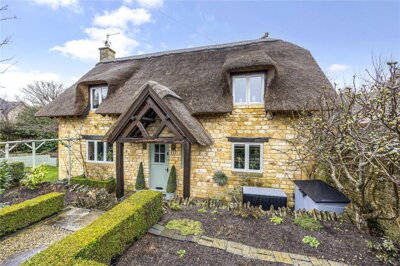
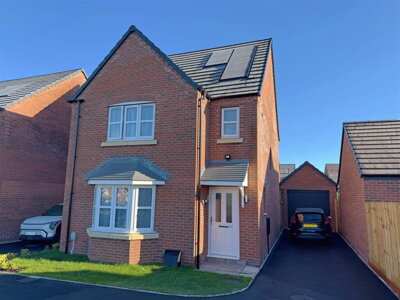
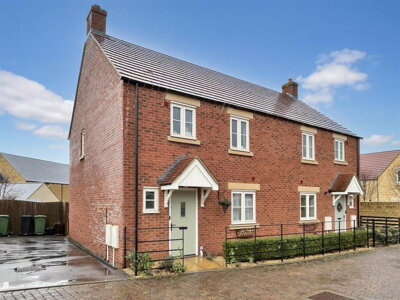
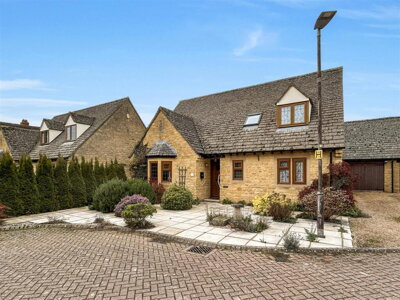
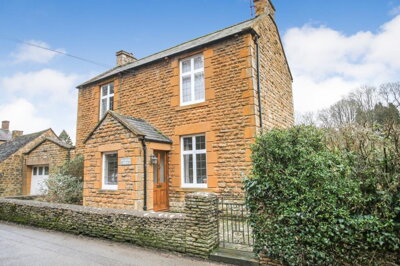
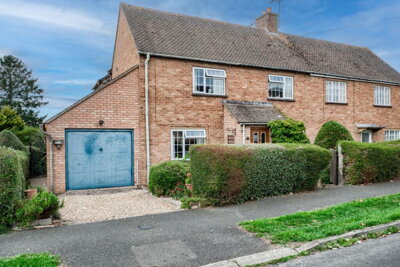
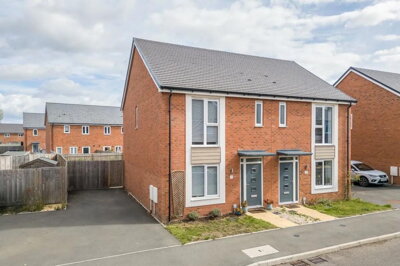
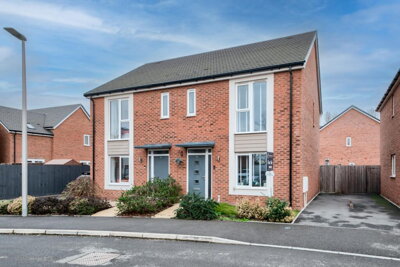
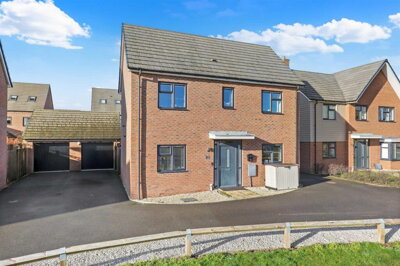
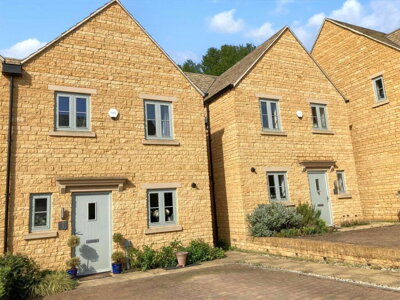
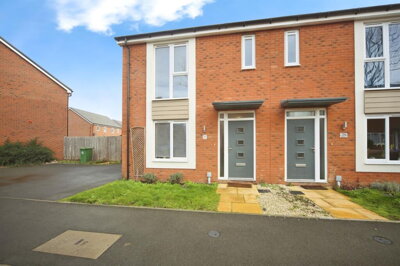
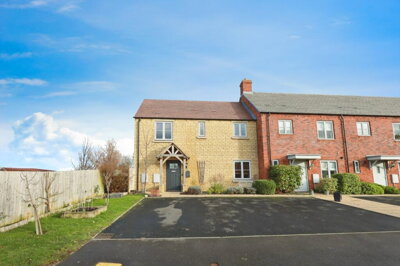
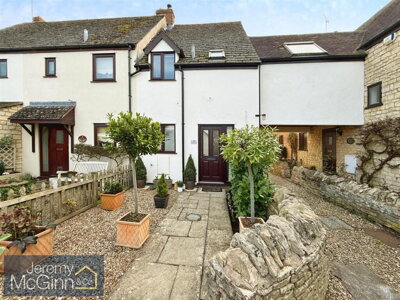
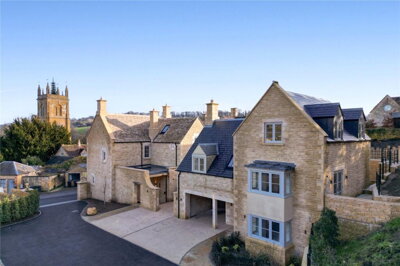
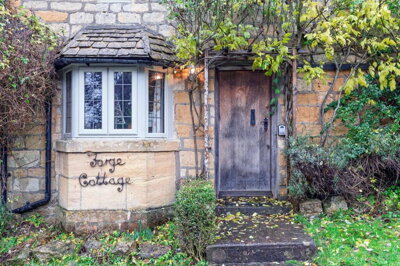
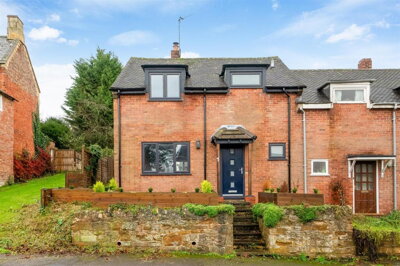
Browse 51 homes for sale in GL55 from local estate agents.
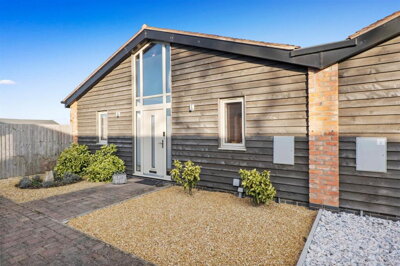
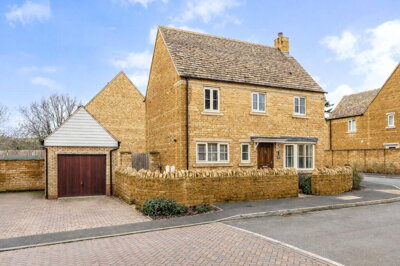
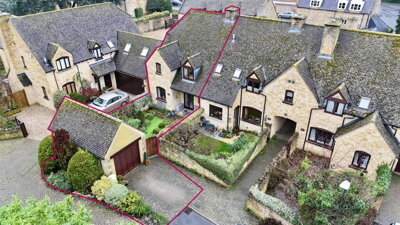
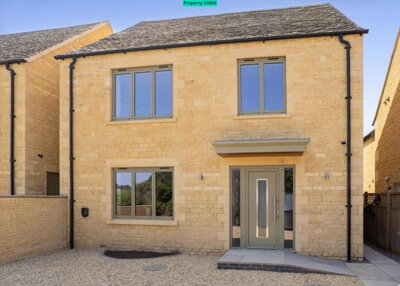
Three bedroom properties represent a significant portion of the GL55 housing market, offering space for families with multiple reception rooms and gardens in many cases. Browse detached, semi-detached, and terraced options ranging from period character homes to contemporary developments.
£515k
11
4
55
Source: home.co.uk
Showing 11 results for 3 Bedroom Houses for sale in GL55. 4 new listings added this week. The median asking price is £515,000.
Source: home.co.uk
Detached
5 listings
Avg £789,000
Semi-Detached
4 listings
Avg £310,625
Terraced
2 listings
Avg £532,500
Source: home.co.uk
Source: home.co.uk
£492,604
Average House Price
+2.22%
12-Month Price Change
£754,083
Detached Average
£422,500
Semi-Detached Average
£350,000
Terraced Average
£250,000
Flats Average
18-71
Annual Sales (GL55)
5,015
Population
The GL55 property market offers a diverse range of housing options to suit different budgets and lifestyles. Detached properties represent the premium end of the market, averaging around £754,083, providing generous space and gardens that appeal to families looking for room to grow. Semi-detached homes in the area average approximately £422,500, offering an attractive balance between space and value in this sought-after location. Terraced properties, many dating from the 17th and 18th centuries with traditional Cotswold stone construction, average around £350,000, while flats provide the most accessible entry point at approximately £250,000.
Recent market activity shows consistent upward momentum across all property types, with terraced properties leading the gains at 2.94% annual appreciation, followed by semi-detached at 2.42% and detached homes at 1.74%. Flats have also shown steady growth at 2.04% over the same period. The market has seen approximately 18-71 property sales in the past year depending on data sources, reflecting a relatively limited supply that continues to support prices in this desirable location. While no active new-build developments exist specifically within GL55 itself, the nearby GL56 postcode offers contemporary alternatives at developments like Broadwell Gardens and Fosseway Gardens for those seeking brand-new homes.
Looking ahead, Cotswold District Council has ambitious plans for Moreton-in-Marsh's expansion, with proposals indicating over 1,500 new homes could be built in the coming years. One significant proposal involves developing land at the former Fire Service College, which could deliver around 310 new homes along with a new primary school and neighbourhood facilities. This planned growth underscores the town's continued desirability while also raising questions about future infrastructure investment and the potential impact on property values in existing neighbourhoods.

Moreton-in-Marsh, the principal town within the GL55 postcode, is a thriving market town with a population of approximately 5,015 residents according to the 2021 Census, growing to an estimated 5,190 by 2024. The town serves as a gateway to the Cotswolds, attracting visitors to its weekly markets, historic architecture, and welcoming atmosphere. The population is distributed across roughly 2,500 households in the parish, with the town having grown significantly as approximately 900 new houses were built between 2011 and 2031, representing a 50% increase in households during that period.
The character of Moreton-in-Marsh is defined by its rich heritage, with many buildings along the High Street dating from the 17th and 18th centuries, built from the distinctive golden Cotswold stone that gives the area its characteristic appearance. We regularly see properties like Cotswold House on the High Street, a Grade II listed building that exemplifies the traditional Cotswold architecture buyers expect in this area. The town also features numerous other listed structures, including historic commercial premises that speak to Moreton-in-Marsh's long history as an important market centre dating back to the 13th century.
Employment in the town is concentrated in hospitality at 15.9%, retail, and education at 11.7%, reflecting both the tourism industry and the presence of excellent local schools. The Fire Service College, occupying the former RAF Moreton-in-Marsh site on the town's edge, represents another significant employer, providing specialist training services that bring professionals to the area. The town benefits from a variety of independent shops, restaurants, and cafes along its historic High Street, while the surrounding countryside offers endless opportunities for walking, cycling, and exploring the Cotswolds AONB. The area attracts a diverse demographic, from young families seeking good schools and countryside living, to commuters who value the direct train connection to London, and retirees drawn to the peaceful surroundings and strong sense of community.

Understanding local construction is essential when buying property in GL55, as the predominant building materials significantly impact maintenance requirements and potential defect identification. Traditional properties throughout Moreton-in-Marsh are constructed primarily from Cotswold stone, a golden-coloured oolitic limestone that defines the area's distinctive character. This local stone, part of the Jurassic Great Oolite geological formation, has been used in construction for centuries and remains highly valued for its beauty and durability when properly maintained.
Stone slate roofing is another hallmark of traditional Cotswold properties, with individual slates quarried from local limestone deposits. These roofs require specialist knowledge for assessment and repair, as the slates are prone to slippage over time and the lead flashing around chimneys and valleys needs regular inspection. We recommend that buyers pay particular attention to roof condition when viewing period properties, as roof repairs on traditional buildings can be significantly more expensive than standard concrete or slate alternatives. The internal structure of older properties typically features timber framing, with original beams and floor joists often visible in living spaces, adding to the character but requiring awareness of potential timber defects.
Lime mortar pointing is critical for traditional Cotswold stone buildings, as unlike modern cement, lime allows the walls to breathe and prevents moisture from becoming trapped within the structure. Properties that have been inappropriately pointed with cement mortar often develop damp problems, as the impermeable cement prevents natural moisture evaporation. When we inspect traditional properties in Moreton-in-Marsh, we always note the condition of pointing and rendering, as these elements are fundamental to the long-term health of the building. More recent constructions in the area may use standard brick, block, or rendered finishes, but the historic core of the town and many residential streets remain dominated by traditional Cotswold stone construction.
The age of much of the housing stock in GL55 means that buyers frequently encounter defects common to traditional Cotswold stone properties. Damp penetration through solid walls represents one of the most prevalent issues our inspectors identify, particularly in properties where original lime mortar has been replaced with cement or where external rendering has sealed moisture into the walls. Rising damp can also affect properties without functioning damp-proof courses, and we often see these problems exacerbated in properties with high ground levels or obstructed airbrick ventilation.
Traditional Cotswold stone slate roofs require careful assessment, as the individual slates are vulnerable to wind damage, freeze-thaw deterioration, and general age-related wear. Our inspectors check for slipped or broken slates, deterioration of the sarking or battens beneath, and the condition of lead valley and abutment flashings. Chimney stacks on period properties frequently require attention, with mortar joint erosion, damaged flashings, and in some cases structural movement presenting risks that buyers should understand before purchase. Properties along the High Street, with their prominent chimney stacks rising above three or four storeys, require particular scrutiny given the exposure these elevated structures face.
The underlying geology of the GL55 area includes superficial clay deposits over the Jurassic limestone bedrock, creating a moderate to high shrink-swell risk in certain locations. Properties built on clay soils can experience subsidence or heave movement, particularly those with shallow foundations or significant trees nearby whose root systems remove moisture from the soil in dry conditions. We recommend requesting a specialist foundation assessment for any property where there are signs of structural movement, cracking, or where a site investigation indicates challenging ground conditions. The alluvial deposits along the River Evenlode and its tributaries, which form parts of the parish's southern and eastern boundaries, also warrant consideration when evaluating properties in lower-lying areas.
Education provision in Moreton-in-Marsh serves families well, with primary and secondary schools within the town providing quality education for children of all ages. The local primary school serves Moreton-in-Marsh and surrounding villages, providing education for Reception through to Year 6, with the school benefiting from its location within a thriving market town community. Parents should research specific school catchment areas, as these can significantly impact property values and desirability in particular streets and neighbourhoods throughout Moreton-in-Marsh, with some families paying a premium for homes within walking distance of popular schools.
For secondary education, students may attend schools within the town or access establishments in surrounding communities, with dedicated bus services connecting Moreton-in-Marsh to secondary schools across the Cotswold District. Several private schools in the wider Cotswolds area, including establishments in nearby Chipping Campden and Bourton-on-the-Water, provide additional educational options for families seeking independent schooling. The presence of good schools makes the GL55 area particularly attractive to families considering a move to the Cotswolds, with Ofsted-rated good and outstanding establishments contributing to the strong demand for family homes in the area. We often see buyers prioritising school catchment areas when selecting properties, making this a significant factor in the local property market.
Further education opportunities are accessible in nearby towns, with colleges in Chipping Campden and Stratford-upon-Avon providing pathways for older students. Families moving to GL55 should always verify current school performance data and admission policies through the Ofsted website, as these can change annually and catchment boundaries may shift. The town's population growth, with household numbers increasing by 50% between 2011 and 2031, has brought increased demand for school places, and prospective buyers should consider how local educational capacity may evolve as the community continues to expand.
Moreton-in-Marsh railway station provides excellent connectivity for commuters, offering direct services to London Paddington that take approximately 90 minutes, making this Cotswold town a viable option for those working in the capital. The station, located on the Oxford-Worcester-Malvern line, also provides connections to Oxford, where buyers can access the broader job market and university facilities, as well as to Worcester and other regional destinations. This commuting capability significantly influences property values in the area, with many buyers specifically seeking homes that offer convenient access to major employment centres while maintaining a desirable countryside lifestyle.
For those travelling by car, the A429 Fosse Way passes through Moreton-in-Marsh, providing connections to surrounding towns and villages across the Cotswolds. This historic Roman road offers scenic routes to destinations including Chipping Campden, Stow-on-the-Wold, and Stratford-upon-Avon, making the town an excellent base for exploring the region. The M5 motorway is reachable within reasonable driving distance for trips further afield to Birmingham, Bristol, or the South West, while the A44 provides access eastwards towards Oxford. Local bus services connect Moreton-in-Marsh to nearby communities including Blockley, Batsford, and Bourton-on-the-Hill, providing options for those who prefer not to drive for everyday journeys.
Parking in the town centre is generally manageable, though this can vary during market days when additional visitors flock to the weekly markets, or during peak tourist seasons when summer visitor numbers increase substantially. The railway station offers parking facilities for commuters, though availability can be limited during busy periods. We find that buyers who plan to commute regularly should consider the practicalities of station access and parking when choosing which area of Moreton-in-Marsh to live in, as properties within walking distance of the station command a premium given the convenience factor.
Before viewing properties, obtain a mortgage agreement in principle from a lender to understand your budget and demonstrate your seriousness to estate agents and sellers. With average property prices in GL55 around £492,604, most buyers will need substantial mortgage finance, and having your financial position clarified early streamlines the purchasing process considerably.
Use Homemove to browse current listings in GL55, research average prices for different property types, and understand the local market conditions including flood risk areas and conservation considerations. We recommend spending time understanding the differences between property types in this area, from modern detached houses to traditional Cotswold stone cottages, as each comes with distinct maintenance requirements and character features.
Book viewings on properties that match your criteria, taking time to assess the condition of the property and consider how traditional Cotswold stone construction may affect maintenance requirements. When viewing period properties, we suggest paying particular attention to the roof, pointing, windows, and any signs of damp or structural movement that may indicate underlying issues.
For properties over 50 years old, which represents a significant proportion of the GL55 housing stock, a thorough survey is essential to identify defects common to older properties such as damp, stone slate roof condition, and timber defects. With many properties built from traditional Cotswold stone and featuring historic construction methods, a professional survey provides crucial insight into the true condition of the property and any remedial work likely to be required.
Appoint a solicitor experienced in Cotswold property transactions, particularly for listed buildings or properties within the conservation area, to handle the legal aspects of your purchase. The high concentration of listed buildings and the extensive conservation area in Moreton-in-Marsh means specialist legal knowledge can help navigate the additional considerations that come with protected properties.
Once all searches are satisfactory and finances are confirmed, exchange contracts with the seller and arrange a completion date to receive your keys and move into your new Moreton-in-Marsh home. We recommend coordinating your removal arrangements well in advance, particularly if moving from outside the region, as local removal firms can book up quickly during peak moving periods.
Properties in Moreton-in-Marsh present unique considerations for buyers, particularly due to the prevalence of traditional Cotswold stone construction that characterises much of the local housing stock. The golden oolitic limestone buildings that give the area its distinctive appearance require specific maintenance knowledge, with stone slate roofs, lime mortar pointing, and traditional rendering all requiring specialist care that differs from modern construction materials. Buyers should factor these ongoing maintenance requirements into their budget calculations when considering period properties in the area, as repairs to traditional buildings often cost more than equivalent work on modern properties due to the specialist skills and materials required.
The presence of clay soils in parts of the GL55 area creates a moderate to high shrink-swell risk, particularly in locations with superficial clay deposits overlaying the Jurassic limestone bedrock. This geological feature means buyers should pay close attention to any signs of subsidence or structural movement in older properties, especially those with shallow foundations or near mature trees whose root systems can affect soil moisture levels. We always recommend that buyers commission a thorough RICS Level 2 Survey in this area, as properties over 50 years old make up the majority of the housing stock and surveyor will understand common defects such as damp penetration through solid walls, deterioration of stone slate roofing, and timber defects including woodworm and rot.
Flood risk requires careful consideration in certain areas of Moreton-in-Marsh, where surface water flooding can occur during heavy rainfall and river flooding affects areas near the River Evenlode and its tributaries. Historically, parts of the parish especially near the church have been marshy and subject to flooding, and the brook running through Queen Victoria Gardens is known to burst its banks during winter months. Properties near the church and in low-lying areas may have particular flood history that buyers should investigate through local searches and by asking sellers directly about any past flooding incidents. The extensive Conservation Area designation and high concentration of Listed Buildings throughout the town also bring planning considerations, as any modifications to these protected properties require appropriate consents, which can affect renovation plans and mortgageability.
The overall average house price in GL55 is approximately £492,604 according to recent market data. Detached properties average around £754,083, semi-detached homes are priced at approximately £422,500, terraced properties at £350,000, and flats at £250,000. Prices have increased by 2.22% over the past 12 months, with terraced properties showing the strongest appreciation at 2.94%. The market remains relatively active despite limited stock, with ongoing demand from buyers attracted to the town's heritage, schools, and transport links. With only 18-71 sales recorded in the past year depending on data source, the tight supply continues to support values across all property types.
Properties in Moreton-in-Marsh fall under Cotswold District Council. Council tax bands vary by property based on the Valuation Office Agency's assessment, and buyers should check the specific band for any property they are considering through the VOA website or their solicitor during conveyancing. Bands typically range from A to H, with historic Cotswold stone properties sometimes having higher valuations due to their character and desirability, meaning some period properties may attract higher council tax contributions than modern homes of equivalent market value.
Moreton-in-Marsh benefits from good primary school provision, with the local primary school serving the town and surrounding villages including Blockley and Batsford. Secondary education options include schools within the town and neighbouring communities, with bus services providing access to wider educational opportunities including several independent schools in the wider Cotswolds. Parents should always verify current Ofsted ratings and admission policies through official channels, as these can change and catchment areas may influence which specific properties best suit family requirements. The strong school provision is a significant factor driving family buyers to the GL55 area.
Moreton-in-Marsh railway station provides excellent connectivity with direct services to London Paddington taking approximately 90 minutes, making the town particularly attractive to commuters who work in the capital but wish to live in the Cotswolds. The station also offers connections to Oxford, Worcester, and other regional destinations via the Oxford-Worcester-Malvern railway line. Local bus services connect the town to surrounding villages and towns across the Cotswold District, while the A429 Fosse Way provides road connections to the wider region including access to the M5 motorway for longer journeys.
Moreton-in-Marsh has demonstrated consistent property value growth, with prices increasing across all property types over the past year. The town's unique position as a gateway to the Cotswolds AONB, combined with excellent transport links to London and strong local schools, supports ongoing demand from buyers and renters alike. Cotswold District Council's planned expansion, including proposals for over 1,500 new homes with an initial development at the Fire Service College site delivering around 310 homes, suggests continued investment in local infrastructure. The relatively limited supply of properties in the area, combined with high demand from both families and commuters, typically supports property values over the longer term.
For standard purchases, stamp duty applies at 0% on the first £250,000, 5% on £250,001 to £925,000, 10% on £925,001 to £1.5 million, and 12% on any amount above £1.5 million. First-time buyers benefit from relief on the first £425,000, with 5% applying between £425,001 and £625,000. Given the average property price in GL55 of around £492,604, a typical buyer purchasing at this price point would pay approximately £12,130 in stamp duty, or no stamp duty for first-time buyers purchasing below £425,000. Properties priced above £625,000 do not qualify for first-time buyer relief.
No active new-build developments currently exist specifically within the GL55 postcode area. However, nearby GL56 offers contemporary alternatives at developments like Broadwell Gardens on Broadwell Road and Fosseway Gardens, both built by Spitfire Homes, as well as The Paddocks development by Hayfield on Station Road in Little Compton. Looking ahead, Cotswold District Council has proposals for significant expansion of Moreton-in-Marsh itself, with plans for over 1,500 new homes including a development at the Fire Service College site that could deliver around 310 new homes with supporting infrastructure.
Understanding the full cost of buying a property in Moreton-in-Marsh is essential for budgeting effectively. The stamp duty land tax (SDLT) rates for standard buyers in 2024-25 are 0% on the first £250,000, rising to 5% on the portion between £250,001 and £925,000, 10% on amounts between £925,001 and £1.5 million, and 12% on anything above £1.5 million. For a typical GL55 property averaging around £492,604, a standard buyer would incur approximately £12,130 in SDLT, which represents a significant sum that should be factored into your overall buying budget alongside deposit and mortgage arrangement fees.
First-time buyers benefit from more favourable SDLT treatment, paying 0% on the first £425,000 of their purchase, with 5% applying between £425,001 and £625,000. This means first-time buyers purchasing properties up to £425,000 pay no stamp duty at all, providing meaningful savings compared to those who have previously owned property. Above £625,000, first-time buyer relief does not apply and standard rates must be paid. Beyond stamp duty, buyers should budget for solicitor conveyancing fees typically ranging from £500 to £2,000 depending on complexity, mortgage arrangement fees, valuation surveys, and removal costs. For properties in the GL55 area, conveyancing fees may be higher for listed buildings or properties within the conservation area due to additional searches and legal considerations.
Given the prevalence of older properties in the GL55 area, particularly those in the Conservation Area or listed buildings, additional costs may arise during the conveyancing process. Specialist surveys for period properties, including structural assessments of traditional Cotswold stone construction, stone slate roofs, and any presence of damp or timber defects, typically cost between £400 and £900 for a RICS Level 2 Survey. Properties with unusual features or complex structural arrangements, or those that are listed buildings, may require a more comprehensive RICS Level 3 Building Survey, which provides detailed analysis suitable for older, listed, or non-standard properties. Buyers should also consider ongoing maintenance costs for traditional properties, including the eventual need for repointing with lime mortar and replacing stone slate tiles, which are specialist trades that can be more expensive than standard building work.
From £400
A thorough survey for properties over 50 years old, ideal for traditional Cotswold stone construction
From £600
Comprehensive building survey for older, listed, or complex properties
From £85
Energy performance certificate required for all property sales
From 4.5%
Expert mortgage advice tailored to your purchasing circumstances
From £499
Specialist solicitors experienced in Cotswold property transactions
Properties for Sale In London

Properties for Sale In Plymouth

Properties for Sale In Liverpool

Properties for Sale In Glasgow

Properties for Sale In Sheffield

Properties for Sale In Edinburgh

Properties for Sale In Coventry

Properties for Sale In Bradford

Properties for Sale In Manchester

Properties for Sale In Birmingham

Properties for Sale In Bristol

Properties for Sale In Oxford

Properties for Sale In Leicester

Properties for Sale In Newcastle

Properties for Sale In Leeds

Properties for Sale In Southampton

Properties for Sale In Cardiff

Properties for Sale In Nottingham

Properties for Sale In Norwich

Properties for Sale In Brighton

Properties for Sale In Derby

Properties for Sale In Portsmouth

Properties for Sale In Northampton

Properties for Sale In Milton Keynes

Properties for Sale In Bournemouth

Properties for Sale In Bolton

Properties for Sale In Swansea

Properties for Sale In Swindon

Properties for Sale In Peterborough

Properties for Sale In Wolverhampton

Enter your details to see if this property is within your budget.
Loans, cards, car finance
Estimated property budget
Borrowing + deposit
You could borrow between
Typical borrowing
Monthly repayment
Est. at 4.5%
Loan-to-value
This is an estimate only. Your actual budget may vary depending on interest rates, credit history, and personal circumstances. For an accurate affordability assessment, speak to one of our free mortgage advisors.
This calculator provides estimates for illustrative purposes only and does not constitute financial advice. Your home may be repossessed if you do not keep up repayments on your mortgage. Estimates based on 4.5% interest rate, repayment mortgage. Actual rates depend on your circumstances.
Homemove is a trading name of HM Haus Group Ltd (Company No. 13873779, registered in England & Wales). Homemove Mortgages Ltd (Company No. 15947693) is an Appointed Representative of TMG Direct Limited, trading as TMG Mortgage Network, which is authorised and regulated by the Financial Conduct Authority (FRN 786245). Homemove Mortgages Ltd is entered on the FCA Register as an Appointed Representative (FRN 1022429). You can check registrations at NewRegister or by calling 0800 111 6768.

We use cookies to show you personalised content and improve your experience of our website. Find out more in our Privacy policy and Cookie policy.