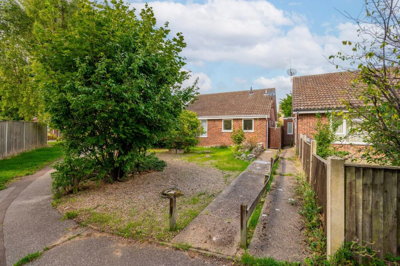
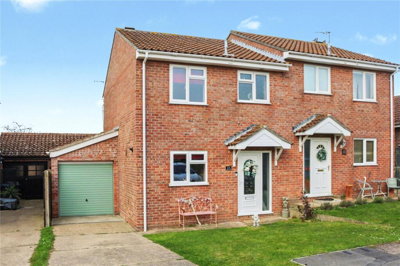
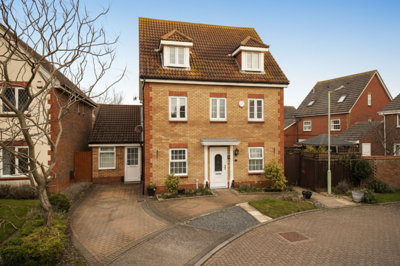
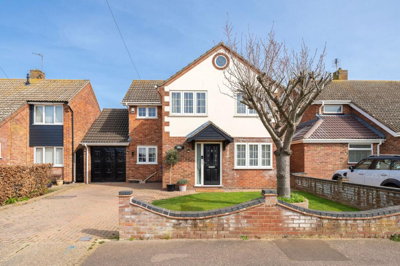
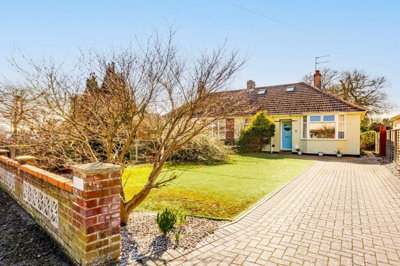
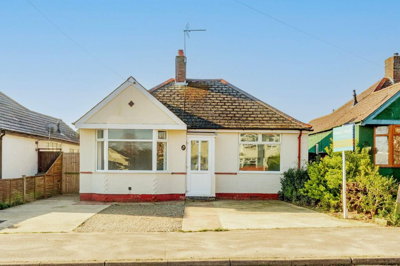
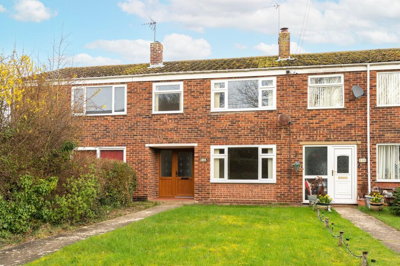
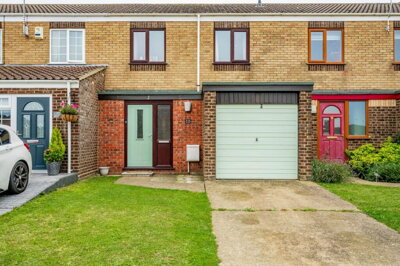
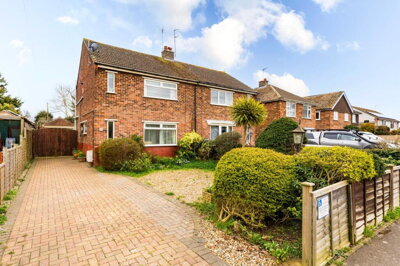
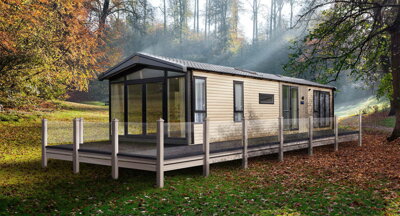
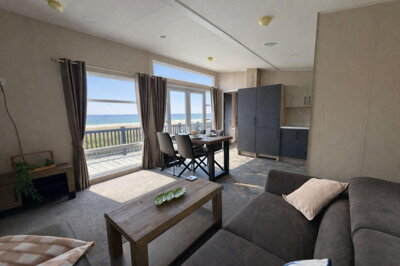
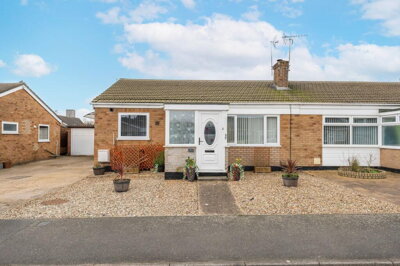
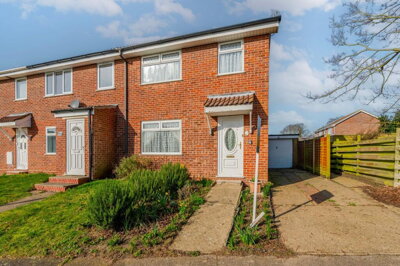
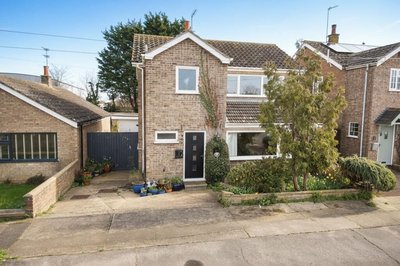
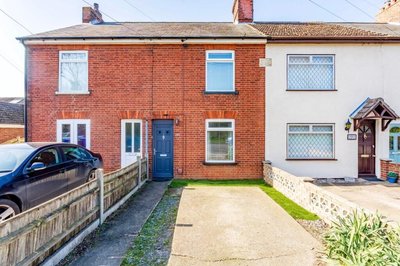
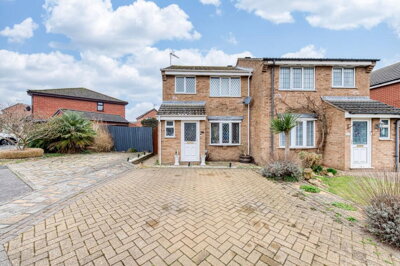
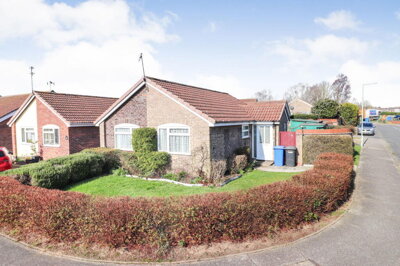
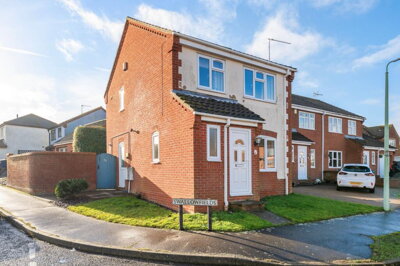
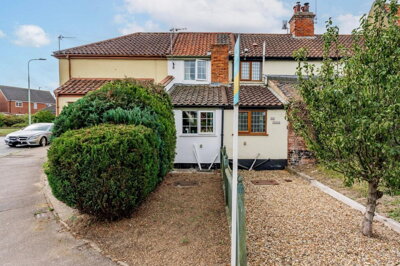
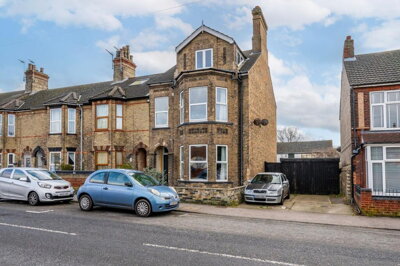
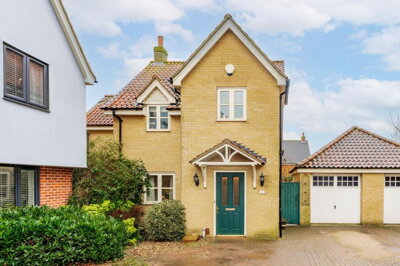
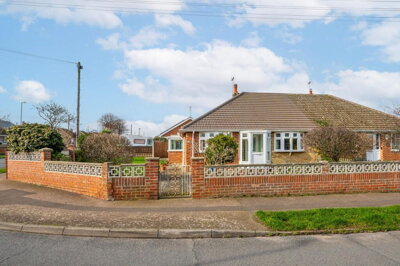
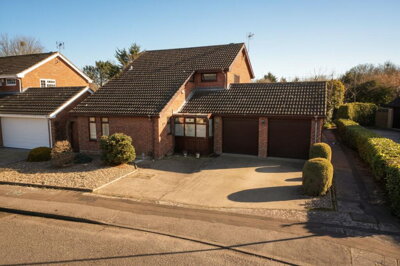
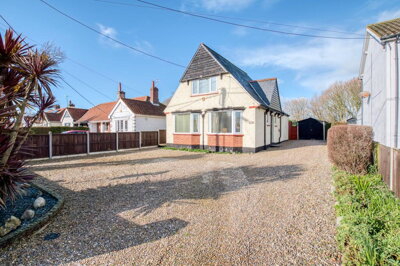
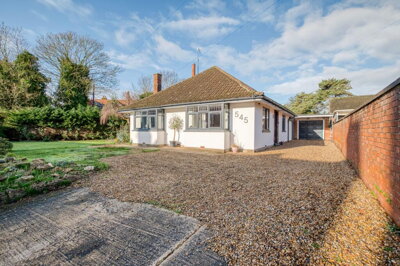
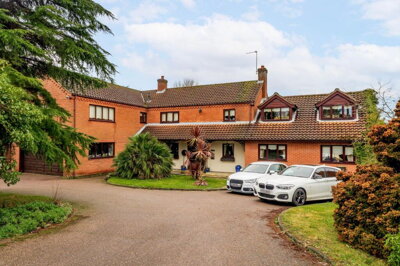
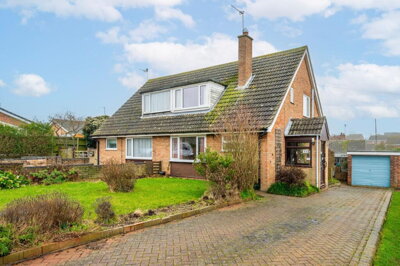
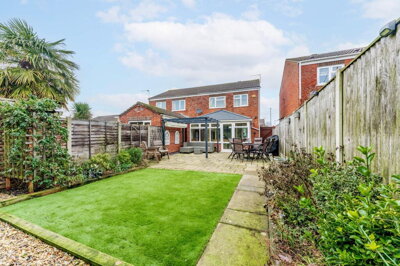
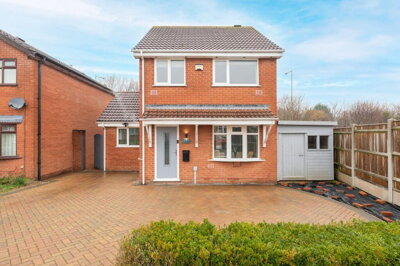
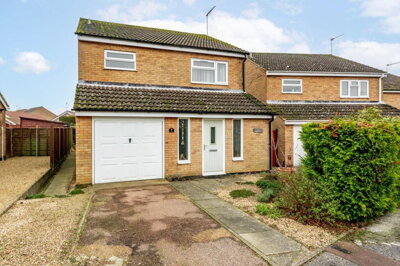
Browse 359 homes for sale in Gisleham, East Suffolk from local estate agents.
The Gisleham property market offers detached, semi-detached, and terraced houses spanning various price ranges and neighbourhoods. Each listing includes detailed property information, photographs, and direct contact with the marketing agent.
£240k
8
0
109
Source: home.co.uk
Showing 8 results for Houses for sale in Gisleham, East Suffolk. The median asking price is £240,000.
Source: home.co.uk
Detached
3 listings
Avg £291,667
Terraced
3 listings
Avg £221,667
Semi-Detached
2 listings
Avg £240,000
Source: home.co.uk
Source: home.co.uk
The Gisleham property market reflects the broader appeal of rural Suffolk living, with prices demonstrating consistent stability over recent years. Our current listings show detached homes commanding an average of £450,000, offering substantial gardens and generous living spaces that are increasingly sought after by families relocating from urban areas. Semi-detached properties average around £300,000, providing an accessible option for buyers seeking the village lifestyle at a more moderate price point, while terraced homes from £250,000 offer an ideal entry into this desirable community.
The village has witnessed approximately 25 property transactions over the past twelve months, indicating a healthy level of market activity for a settlement of its size. This sales volume suggests reasonable liquidity in the market, meaning buyers can expect to find suitable properties while sellers benefit from genuine buyer interest. Notably, new build activity within the NR34 8 postcode area remains limited, with development concentrated instead in nearby towns like Beccles and Lowestoft. This scarcity of new stock reinforces the value of existing properties and contributes to the enduring appeal of established village homes with mature gardens and established boundaries.
Property construction in Gisleham predominantly features red brick with render or pebble dash finishes, reflecting traditional East Anglian building practices. Timber framing appears in older properties, sometimes exposed or concealed beneath modern cladding, while roofs typically employ clay or concrete tiles. The age distribution of housing shows approximately 35% built between 1945 and 1980, 25% pre-1919, and 25% post-1980, creating a mix that includes everything from historic farmhouses to contemporary family homes. Around 75% of properties exceed 50 years of age, making thorough surveys essential for any purchase in this village.
First-time buyers purchasing at the Gisleham average price of £385,000 benefit from SDLT relief that eliminates their tax liability entirely under current thresholds. This represents a significant saving compared to properties in more expensive areas and makes village living particularly accessible for those taking their first step onto the property ladder. Standard buyers would expect to pay approximately £6,750 in Stamp Duty Land Tax on a property at this price point, calculated as 5% on the portion above £250,000.

Life in Gisleham centres on the peaceful rhythms of rural Suffolk, where community ties remain strong and the pace of life allows for genuine work-life balance. The village economy is primarily agricultural, with surrounding farmland providing both employment and the scenic backdrop that defines daily life here. Many residents commute to larger towns including Beccles, Lowestoft, and Norwich for work in manufacturing, retail, and services sectors, benefiting from Gisleham's position that offers countryside tranquility while maintaining reasonable access to urban employment hubs.
The demographic composition of Gisleham reflects a balanced community mix, with families, couples, and older residents all contributing to village life. Amenities within the immediate village may be limited, a characteristic typical of small Suffolk parishes, though essential services are readily accessible in neighbouring communities. The surrounding Waveney Valley offers excellent walking opportunities, with public footpaths crossing farmland and connecting Gisleham to nearby villages. Local attractions include the historic St Mary's Church, a Grade II listed building that anchors the village's heritage and provides a focal point for community gatherings throughout the year.
The absence of a designated conservation area within Gisleham means that planning controls, while present for listed buildings, are less restrictive than in some neighbouring villages. Several properties hold listed status as Grade II buildings, including farmhouses, cottages, and the parish church, requiring specialist consent for alterations but contributing to the architectural variety that makes the village visually interesting. The combination of accessible countryside, strong community spirit, and proximity to the Suffolk coast means residents enjoy a lifestyle that balances agricultural heritage with modern convenience, all within easy reach of the amenities offered by larger East Suffolk towns.

Gisleham benefits from a strategic position within East Suffolk, offering residents the flexibility to access employment and amenities across the wider region. The village sits approximately 4 miles from Beccles, a thriving market town providing rail connections via the East Suffolk Line to Lowestoft and Ipswich, with onward links to London Liverpool Street. For residents commuting to Norwich, the journey by car typically takes around 35-40 minutes via the A146, making Gisleham viable for those working in the city while enjoying substantially lower property prices than the Norfolk county town.
Road connectivity from Gisleham centres on the A146 running between Lowestoft and Norwich, providing direct access to the Broads and connecting to the A47 for travel further afield. Bus services operate between local villages and market towns, though frequencies reflect the rural nature of the area and prospective residents should check current timetables for their specific commuting requirements. Parking within the village is generally straightforward given the low traffic volumes, a significant advantage over urban living where parking stress can diminish quality of life. Cyclists benefit from quieter country lanes, though the undulating Suffolk landscape requires reasonable fitness for longer recreational rides.
For air travel, Norwich International Airport offers domestic and European connections approximately 30 miles distant, while London Stansted can be reached in around 90 minutes by car for international destinations. The Port of Felixstowe, one of the UK's largest container ports, lies approximately 45 minutes to the south, supporting employment in logistics and related sectors. Overall, Gisleham offers connectivity that supports both remote working and traditional commuting, with the transport network enabling access to employment across the East Anglia region while preserving the village's peaceful character.
Properties in Gisleham present several considerations that prospective buyers should investigate carefully before committing to a purchase. The local geology presents the most significant technical concern, as Gisleham sits on glacial till deposits over Crag Group formations containing clay, sand, and silt. This clay-dominated substrate generates a moderate to high shrink-swell risk, meaning foundations may be affected by moisture changes, particularly for properties with shallow foundations or those with large trees in close proximity. A RICS Level 2 Survey is strongly recommended for any property in the village, and buyers should pay particular attention to the surveyor's findings regarding foundation conditions and any signs of subsidence or heave.
Surface water flooding represents another area-specific consideration, with Gisleham experiencing low to medium flood risk in lower-lying areas and near minor watercourses. While river and coastal flooding risks remain low due to the village's inland position, groundwater flooding can occur after prolonged rainfall, particularly in properties with basements or those on lower ground. Prospective buyers should review Environment Agency flood mapping and property-specific risk assessments before purchase, potentially arranging appropriate insurance where necessary. The good news is that major flooding events are rare, and properties elevated above flood-prone zones remain safe and dry in most circumstances.
Given that approximately 75% of Gisleham's housing stock predates 1980, buyers should anticipate common defects associated with older properties. These include damp issues arising from missing or defective damp-proof courses, timber defects such as rot and woodworm in structural elements, and wear to original roofing materials including slipped tiles and perished felt. Properties with solid wall construction require consideration regarding insulation standards, as retrofitting can be complex and costly. Electrical and plumbing systems in older homes frequently require upgrading to meet modern safety requirements. For Grade II listed properties, buyers should budget for the additional costs and constraints associated with maintaining historic fabric, obtaining specialist consents for alterations, and potentially requiring more detailed surveys.
The housing stock in Gisleham reveals a fascinating architectural history spanning multiple eras, with each period contributing distinctive properties to the village landscape. The 25% of homes built before 1919 represent the historic core of the village, typically constructed with solid walls, traditional timber frames, and handmade bricks that require sympathetic maintenance. These period properties often feature original fireplaces, exposed beams, and architectural details rarely found in modern construction, though they demand regular upkeep and present challenges for insulation and energy efficiency. The village church and several farmhouses fall into this category, representing the agricultural heritage that shaped Gisleham's development.
Properties constructed between 1919 and 1945 add a further layer of character, often featuring improved construction standards compared to their Victorian predecessors while retaining traditional materials and proportions. The post-war period between 1945 and 1980 saw significant residential development, with 35% of current stock built during these decades. These properties typically offer cavity wall construction, more practical room layouts, and larger windows than period equivalents, though they may require updating of kitchens, bathrooms, and services. Properties constructed after 1980 bring modern construction standards and improved thermal performance, providing viable options for buyers prioritising energy efficiency alongside character.
The predominant detached housing type in Gisleham, representing 60% of all properties, provides generous proportions that reflect the availability of land in this rural setting. Gardens tend to be larger than urban equivalents, typically extending to 0.2 acres or more, providing valuable outdoor space for families, gardeners, or those seeking self-sufficiency. Many properties include outbuildings, garages, or workshops that reflect traditional rural living and provide versatile storage or potential conversion opportunities. Understanding the specific construction type and age of any property under consideration enables buyers to anticipate maintenance requirements, plan renovation budgets, and appreciate the lifestyle benefits each property type offers.
Before committing to a purchase in Gisleham, spend time exploring the village at different times of day and week to understand the community, traffic patterns, and local amenities. Check proximity to schools, transport links, and essential services in nearby towns. Review the local property market data to understand price trends and identify properties offering genuine value.
Contact a mortgage broker or lender to obtain an Agreement in Principle before viewing properties. This demonstrates your financial credibility to sellers and estate agents, strengthening your position in competitive situations. With an average property price of £385,000 in Gisleham, most buyers will require a mortgage, and having finance secured streamlines the purchase process considerably.
Visit multiple properties in Gisleham to compare locations, conditions, and prices. Take photographs and notes during viewings, and consider returning for second viewings of promising properties. Pay attention to factors like garden orientation, natural light, noise levels, and the condition of neighbouring properties. Ask estate agents about the reason for sale, length of time on market, and any recent offers received.
Given that 75% of properties in Gisleham exceed 50 years of age and the local clay geology presents shrink-swell risks, a thorough RICS Level 2 Survey is essential. For a typical 3-bedroom detached property, expect to pay between £500 and £750 for a comprehensive survey that identifies structural issues, damp, timber defects, and other concerns that might affect your decision or negotiating position.
Choose a conveyancing solicitor with experience in rural Suffolk properties to handle the legal aspects of your purchase. They will conduct searches, handle local authority enquiries, review the contract, and manage the transfer of funds. Ensure they understand specific concerns relevant to Gisleham, including flood risk, planning constraints, and any rights of way affecting the property.
Once all searches are satisfactory and your mortgage offer is confirmed, you will exchange contracts and pay your deposit. Completion typically follows within 2-4 weeks, after which you will receive the keys to your new Gisleham home. Register the ownership with the Land Registry and notify relevant parties of your change of address.
The average house price in Gisleham stands at £385,000 based on recent market data. Detached properties average £450,000, semi-detached homes around £300,000, terraced properties approximately £250,000, and flats around £180,000. Prices have increased by approximately 3% over the past twelve months, indicating stable demand for properties in this rural East Suffolk village. The market benefits from buyer interest from those seeking countryside living within commuting distance of larger towns and cities.
Properties in Gisleham fall under East Suffolk Council's council tax system, with most residential properties assigned bands A through E. Band A properties typically represent the lowest value homes with annual charges around £1,200-1,400, while Band E properties command higher charges reflecting greater value. Prospective buyers should check the specific band for any property they are considering, as this forms part of the ongoing costs of homeownership alongside mortgage payments, insurance, and maintenance.
Gisleham itself is a small village and does not have its own primary school, with children typically attending schools in nearby towns such as Beccles or Worlingham. Several primary schools in the surrounding area have achieved good or outstanding Ofsted ratings, providing options for families. For secondary education, Sir John Leman High School in Beccles and other nearby schools serve the local catchment areas. Parents should verify current catchment arrangements and admission policies with East Suffolk Council, as these can affect school placements for families relocating to the area.
Public transport options in Gisleham reflect its rural character, with bus services connecting the village to neighbouring towns including Beccles, where rail services operate on the East Suffolk Line. Trains from Beccles run to Lowestoft and Ipswich, with onward connections to London Liverpool Street. Bus frequencies are limited compared to urban areas, typically operating at hourly intervals or less on weekdays, making car ownership advisable for most residents. The village's position between Lowestoft and Norwich provides road connectivity for those commuting by car to employment in either direction.
Gisleham offers several factors that may appeal to property investors, including its rural appeal, proximity to growing employment centres, and stable local market with approximately 25 sales annually. The 3% price increase over the past year demonstrates consistent growth, while the relative affordability compared to nearby towns makes the village accessible to a broad range of buyers. Rental demand may arise from commuters seeking lower-cost accommodation than nearby towns offer, though investors should verify rental yields and tenant demand locally before committing to a purchase.
Stamp Duty Land Tax applies to all property purchases in England. For a property in Gisleham at the current average price of £385,000, a standard buyer would pay 0% on the first £250,000 and 5% on the remaining £135,000, totalling approximately £6,750. First-time buyers may qualify for relief on purchases up to £625,000, reducing or eliminating SDLT on qualifying properties. Additional properties and overseas buyers face a 3% surcharge on all bands. Prospective buyers should use HMRC's online calculator or consult a financial adviser to determine their exact liability based on their circumstances.
Several area-specific factors warrant consideration when purchasing in Gisleham. The local geology presents a moderate to high shrink-swell risk due to underlying clay soils, meaning buyers should carefully review survey findings regarding foundations and look for signs of subsidence or movement. Surface water flooding affects some properties, particularly in lower-lying areas, and should be verified through appropriate searches. With 75% of properties exceeding 50 years of age, common defects including damp, timber issues, and outdated services are prevalent. Several properties hold listed status, requiring specialist consents for alterations. Commissioning a thorough RICS Level 2 Survey is strongly recommended to identify any issues before completing your purchase.
Purchasing a property in Gisleham involves several costs beyond the purchase price that buyers should factor into their budget from the outset. Stamp Duty Land Tax represents the most significant additional cost, with current thresholds (2024-25) applying 0% on the first £250,000 of a purchase price, 5% on amounts between £250,001 and £925,000, 10% on £925,001 to £1.5 million, and 12% above that threshold. For a typical Gisleham property at the village average of £385,000, a standard buyer would face SDLT of approximately £6,750, calculated as zero on the first £250,000 plus 5% on the remaining £135,000.
First-time buyers benefit from relief that increases the zero-rate threshold to £425,000 and extends the 5% rate to £625,000, potentially eliminating SDLT on qualifying purchases. A first-time buyer purchasing at the Gisleham average price of £385,000 would pay no SDLT under current relief provisions. Properties priced above £625,000 do not qualify for first-time buyer relief, meaning investors, second-home buyers, and those purchasing higher-value properties pay standard rates plus a 3% surcharge. Buyers should confirm their eligibility for any relief and calculate their actual liability using HMRC's official guidance or professional advice.
Beyond SDLT, buyers should budget for solicitor fees typically ranging from £500 to £2,000 depending on complexity, survey costs between £500 and £750 for a standard RICS Level 2 Survey on a detached property, mortgage arrangement fees of 0-2% of the loan amount, and search fees around £300-500 for local authority, drainage, and environmental searches. Buildings insurance must be in place from completion, while moving costs, furnishers, and any immediate renovations should also feature in your financial planning. Overall, buyers should anticipate additional costs of approximately 3-5% of the purchase price when budgeting for their Gisleham home purchase.
Properties for Sale In London

Properties for Sale In Plymouth

Properties for Sale In Liverpool

Properties for Sale In Glasgow

Properties for Sale In Sheffield

Properties for Sale In Edinburgh

Properties for Sale In Coventry

Properties for Sale In Bradford

Properties for Sale In Manchester

Properties for Sale In Birmingham

Properties for Sale In Bristol

Properties for Sale In Oxford

Properties for Sale In Leicester

Properties for Sale In Newcastle

Properties for Sale In Leeds

Properties for Sale In Southampton

Properties for Sale In Cardiff

Properties for Sale In Nottingham

Properties for Sale In Norwich

Properties for Sale In Brighton

Properties for Sale In Derby

Properties for Sale In Portsmouth

Properties for Sale In Northampton

Properties for Sale In Milton Keynes

Properties for Sale In Bournemouth

Properties for Sale In Bolton

Properties for Sale In Swansea

Properties for Sale In Swindon

Properties for Sale In Peterborough

Properties for Sale In Wolverhampton

Enter your details to see if this property is within your budget.
Loans, cards, car finance
Estimated property budget
Borrowing + deposit
You could borrow between
Typical borrowing
Monthly repayment
Est. at 4.5%
Loan-to-value
This is an estimate only. Your actual budget may vary depending on interest rates, credit history, and personal circumstances. For an accurate affordability assessment, speak to one of our free mortgage advisors.
This calculator provides estimates for illustrative purposes only and does not constitute financial advice. Your home may be repossessed if you do not keep up repayments on your mortgage. Estimates based on 4.5% interest rate, repayment mortgage. Actual rates depend on your circumstances.
Homemove is a trading name of HM Haus Group Ltd (Company No. 13873779, registered in England & Wales). Homemove Mortgages Ltd (Company No. 15947693) is an Appointed Representative of TMG Direct Limited, trading as TMG Mortgage Network, which is authorised and regulated by the Financial Conduct Authority (FRN 786245). Homemove Mortgages Ltd is entered on the FCA Register as an Appointed Representative (FRN 1022429). You can check registrations at NewRegister or by calling 0800 111 6768.

We use cookies to show you personalised content and improve your experience of our website. Find out more in our Privacy policy and Cookie policy.