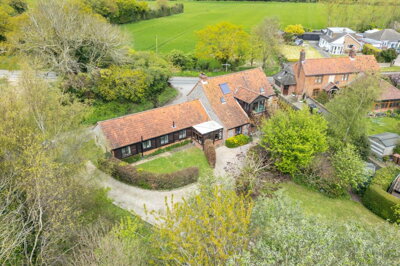
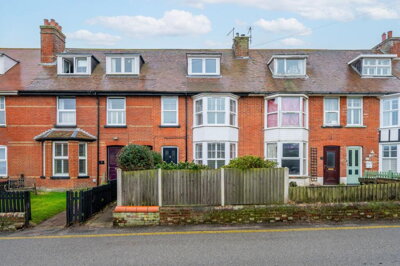
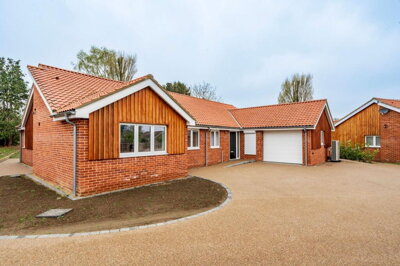
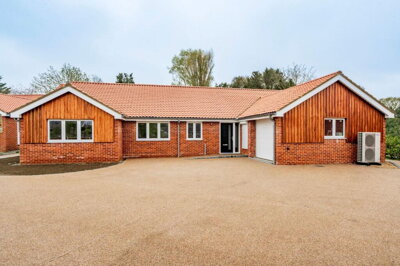
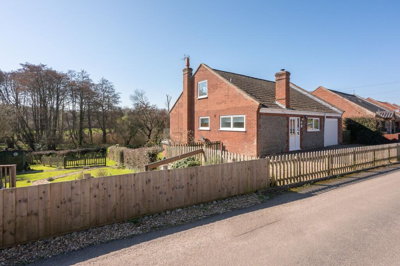
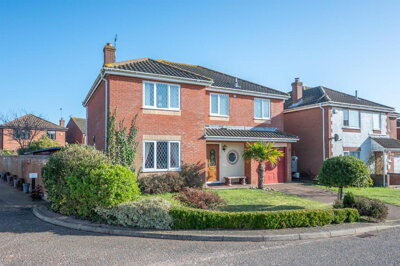
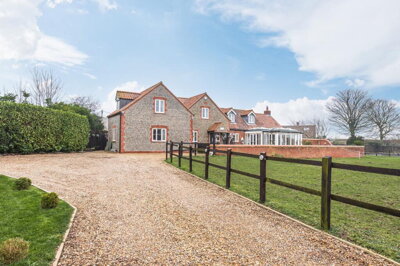
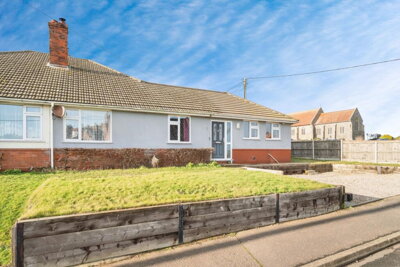
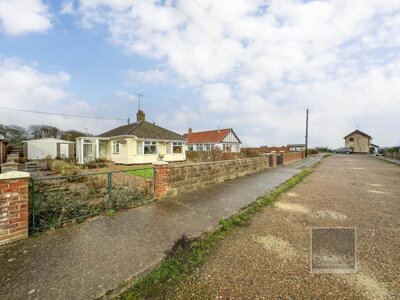
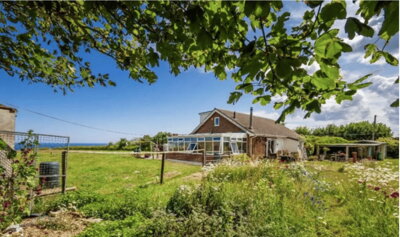
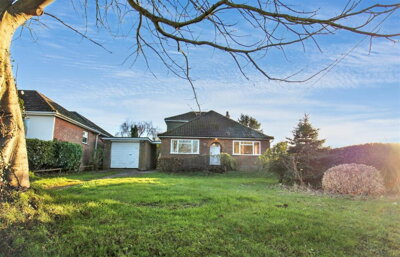
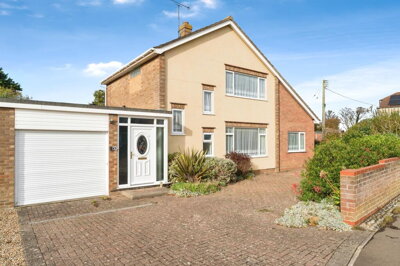
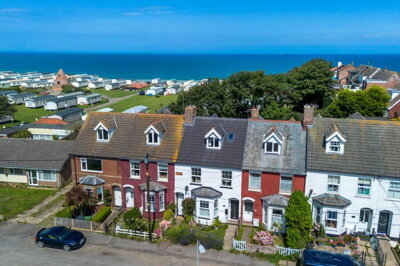
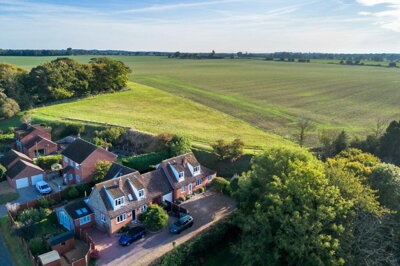
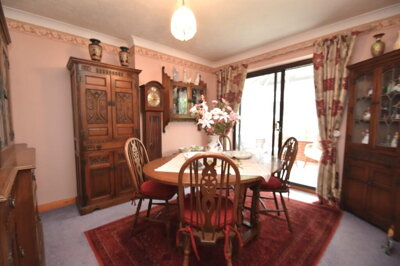
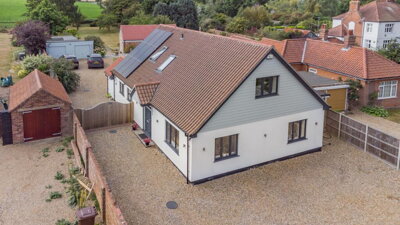
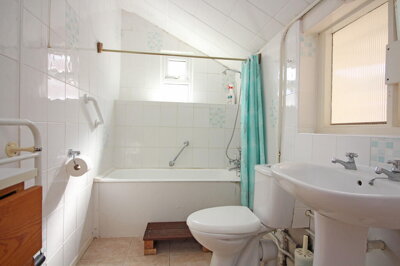
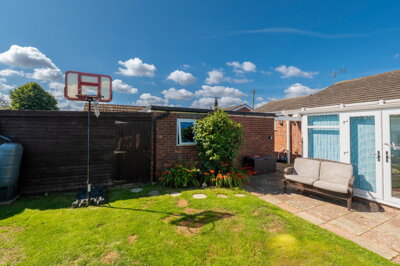
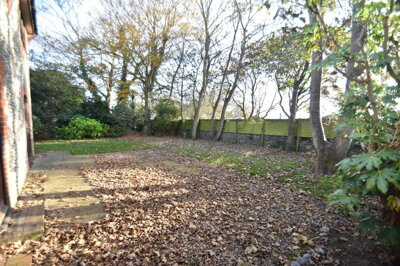
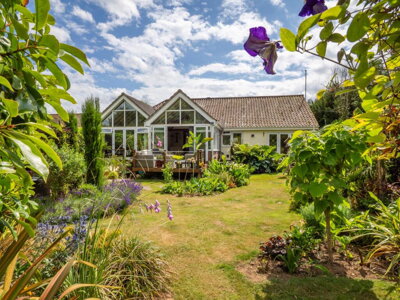
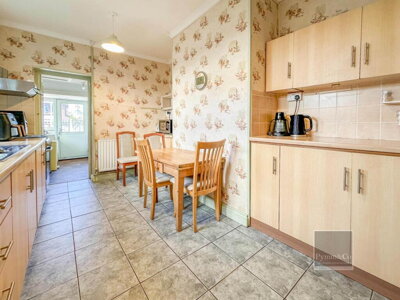
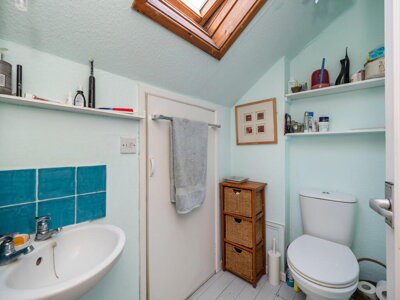
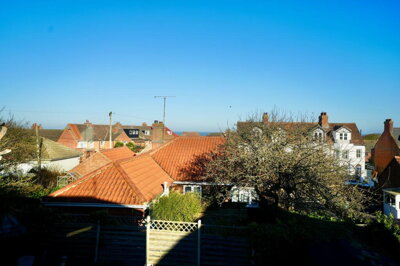
Browse 33 homes for sale in Gimingham, North Norfolk from local estate agents.
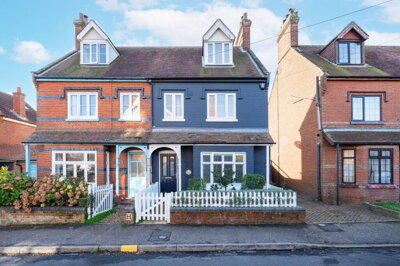
The larger property sector typically features multiple bathrooms, substantial reception space, and private gardens or off-street parking. Four bedroom houses in Gimingham span detached, semi-detached, and occasionally terraced configurations, with styles ranging from period properties to modern executive homes.
£475k
1
0
83
Source: home.co.uk
Showing 1 results for 4 Bedroom Houses for sale in Gimingham, North Norfolk. The median asking price is £475,000.
Source: home.co.uk
Detached
1 listings
Avg £475,000
Source: home.co.uk
Source: home.co.uk
The Gimingham property market has demonstrated remarkable stability over the past twelve months, with average prices increasing by approximately 1% across all property types. This modest but consistent growth reflects the enduring appeal of North Norfolk villages among buyers seeking countryside living. The overall average price currently stands at £364,500, positioning Gimingham as a competitive option within the broader North Norfolk property landscape. Property sales in the area have remained steady, with 12 transactions completed in the last twelve months, indicating healthy market activity despite the village's small size.
When examining property types, detached homes dominate the local housing stock, accounting for 52.2% of all properties according to the 2021 Census. These larger homes command an average price of £405,000, appealing to families and those seeking generous living space. Semi-detached properties average £270,000, representing good value for buyers who want traditional construction without the premium associated with detached homes. Terraced properties, making up 11.1% of the housing stock, offer the most affordable entry point at approximately £250,000, making them ideal for first-time buyers or those downsizing. Flats are rare in Gimingham, comprising just 8.9% of properties, which means the market is primarily focused on houses rather than apartments or maisonettes.
New build activity in Gimingham remains limited, with no active developments currently verified within the NR11 8 postcode area. This scarcity of new housing stock means that buyers in Gimingham are largely purchasing character properties with traditional construction methods, including solid brick, flint walls, and period features. The lack of new build options contributes to the village's preserved character but may also mean that some buyers face limited choices when searching for modern amenities like open-plan layouts or contemporary insulation standards. For those seeking newer properties, surrounding villages and towns in North Norfolk may offer additional options, though they would not benefit from Gimingham's specific village character and community atmosphere.
The housing stock in Gimingham is predominantly older, with a significant proportion of properties built before 1945. This means the vast majority of homes in the village are over 80 years old, bringing with them the characteristics and potential issues associated with traditional construction. Properties dating from the Victorian and Edwardian eras through to interwar period make up the core of the local housing market. Some infill development from the post-1980 period has added variety to the stock, but Gimingham remains essentially a village of established period properties where buyers should expect to encounter original features alongside the maintenance requirements that come with older homes.

Gimingham is a small but vibrant community with a population of 435 residents across 190 households, according to the 2021 Census. The village maintains an intimate, close-knit atmosphere where neighbours often know one another and community events bring people together throughout the year. This scale of settlement offers a genuine sense of rural village life while avoiding the anonymity that can sometimes characterise larger towns. The village benefits from a parish council that helps maintain local amenities and organises events that foster community spirit, from village hall activities to seasonal celebrations.
The local economy of Gimingham and the surrounding North Norfolk area is primarily driven by agriculture, with farmland surrounding the village contributing to the traditional Norfolk landscape. Tourism also plays a significant role in the regional economy, as Gimingham's proximity to the stunning North Norfolk coastline attracts visitors to areas like Cromer, Sheringham, and the Norfolk Broads. Many residents work in small local businesses, including pubs, shops, and service providers, while others commute to larger employment centres in North Walsham, Norwich, or Great Yarmouth. The mix of local employment and commuting options means that Gimingham appeals to a diverse range of residents, from those seeking home-based work to professionals who travel to offices in nearby towns.
The character of Gimingham is defined by its traditional Norfolk architecture, with many properties constructed using local materials including red brick, gault brick, flint, and render. These building materials reflect the geology of the area, where glacial till deposits containing sand and gravel overlie chalk bedrock have shaped both the landscape and the construction traditions. The village benefits from several listed buildings, including Gimingham Hall and St Mary's Church, which add historical significance and architectural interest to the area. Properties in Gimingham span different eras, with a significant proportion built before 1945, giving the village an established, mature character that newer developments simply cannot replicate.
Community life in Gimingham revolves around traditional village institutions that provide social connection and practical services. The local pub serves as a gathering point for residents, while the village hall hosts regular events ranging from craft groups to community meetings. The Church of England congregation at St Mary's Church provides spiritual services and also contributes to the social calendar through fetes and concerts. For families, the sense of belonging that comes from living in a small community where children can play safely and neighbours look out for one another remains a significant draw for those considering relocation to the village.
Families considering a move to Gimingham will find a selection of educational options within reasonable travelling distance. The village itself is served by primary schools in nearby villages, with the closest typically located in towns like North Walsham or surrounding villages. Primary education in the area follows the traditional Key Stage 1 and Key Stage 2 structure, with class sizes often smaller than those found in urban schools due to the rural nature of the community. Parents should research specific school catchments and admission arrangements, as these can vary and may influence property choices significantly.
Secondary education options for Gimingham residents include schools in North Walsham and Cromer, both of which are accessible by local bus services or car. North Walsham High School serves as a major secondary school for the surrounding villages, offering a range of GCSE and A-Level courses. Cromer also provides secondary education options, with the benefit of being closer to the coast for families who appreciate the additional lifestyle benefits that coastal proximity brings. Sixth form provision in the area allows students to continue their education locally without necessarily needing to travel to Norwich for advanced studies.
For families prioritising educational outcomes, researching individual school performance through Ofsted reports and examination results is essential before committing to a property purchase. The rural nature of Gimingham means that school transport arrangements are an important consideration, as some children may need bus services to reach their school of choice. Private and independent schooling options are available in Norfolk, though these require additional financial planning. Early Years provision, including preschool and nursery facilities, is typically available in nearby villages and towns, providing childcare options for working parents who choose to make Gimingham their home.
Transport to school involves daily journeys that vary depending on the chosen establishment. North Walsham High School draws students from across the surrounding area, with school bus services operating from outlying villages like Gimingham. The journey time from Gimingham to schools in North Walsham typically ranges from 15 to 25 minutes by car, or longer if using public transport with waiting times factored in. Parents buying property in Gimingham should factor these daily routines into their decision-making, particularly if both parents work and transport logistics need to be coordinated carefully.
Transport connectivity from Gimingham combines the peaceful nature of rural living with practical access to major urban centres. The village sits within reasonable distance of major road networks, including the A149 coast road that runs through North Norfolk connecting towns like King's Lynn, Hunstanton, Cromer, and Great Yarmouth. For those travelling by car, the A140 provides a direct route towards Norwich, approximately 25 miles distant, connecting Gimingham to Norfolk's principal city and its full range of employment, shopping, and cultural amenities. The road network means that commuting, while requiring some planning, is entirely feasible for those who work in larger towns but prefer to live in a village setting.
Public transport options from Gimingham include bus services that connect the village to nearby towns and railway stations. The nearest National Rail stations are typically found in North Walsham or Cromer, offering connections to Norwich and the wider rail network. From Norwich station, travellers can access the East Anglian rail network with services to London Liverpool Street, Cambridge, and Birmingham. While the frequency of rural bus services may not match urban standards, they do provide essential connectivity for those without private vehicles, including students, retirees, and commuters who prefer not to drive. Planning journeys around service timetables is an important aspect of life without a car in rural North Norfolk.
Cycling is a popular alternative for shorter journeys in the flat terrain of North Norfolk, with many residents cycling to local amenities, schools, and even places of work within reasonable distance. The Norfolk Coast Cycle Route and other designated routes pass through the region, offering recreational cycling opportunities alongside practical transport options. For those travelling to Norwich, the bus services and road connections make regular commuting possible, though the distance means that working from home for several days per week is often the preferred arrangement for commuters. Parking in the village is generally straightforward, unlike in crowded urban areas, and most properties come with off-street parking or garage facilities that accommodate modern family needs.
The geography of North Norfolk provides relatively flat terrain that makes cycling accessible to most fitness levels, though the village location means that longer journeys require either good physical stamina or electric bike assistance. Many residents find that a combination of cycling for local trips and car or bus travel for longer distances works best for their circumstances. Weekend cycling trips to the coast along quiet country lanes represent one of the pleasurable aspects of life in Gimingham, with destinations like Overstrand, Mundesley, or Cromer all reachable by bike within an hour or so from the village.
Begin your search by exploring current listings on Homemove, where we aggregate properties from multiple estate agents active in the NR11 8 postcode. Understanding local prices, property types, and recent sales helps you establish realistic expectations and identify good value when it becomes available.
Before viewing properties, approach a mortgage broker or lender to obtain an Agreement in Principle. This document confirms how much you can borrow and demonstrates to sellers that you are a serious, financially prepared buyer, which is particularly important in competitive village property markets where multiple offers are common.
Visit Gimingham in person to explore the village, meet local residents, and view specific properties that interest you. Pay attention to the condition of properties, as many homes in the village are older and may require maintenance or modernisation work that affects your budget and plans.
Once you have an offer accepted, arrange a RICS Level 2 Survey to assess the property condition thoroughly. Given that most Gimingham properties are over 50 years old, with traditional construction including flint walls and solid brick, a professional survey is essential for identifying defects like damp, roof issues, or timber decay before you commit to purchase.
Appoint a conveyancing solicitor to handle the legal aspects of your purchase, including local searches, property registration, and contract exchange. Your solicitor will investigate planning permissions, flood risk, and any covenants affecting the property to ensure you understand exactly what you are buying.
Once all searches are satisfactory and your mortgage is finalized, your solicitor will exchange contracts and set a completion date. On completion day, the remaining funds are transferred, and you receive the keys to your new Gimingham home, ready to begin life in this attractive North Norfolk village.
Purchasing a property in Gimingham requires careful consideration of local factors that may not be immediately obvious to buyers unfamiliar with North Norfolk. The geology of the area, characterised by glacial till deposits containing clay over chalk bedrock, creates a moderate to high shrink-swell risk in some locations. This geological condition can affect properties with nearby trees or inadequate drainage, potentially causing subsidence or movement that requires specialist foundation design. A thorough survey will identify any existing movement, but understanding the history of the property and any previous repairs is equally important when making your purchase decision.
Flood risk assessment is another critical consideration for Gimingham buyers, particularly regarding surface water flooding. Some areas of the village have been identified as having medium to high risk of surface water flooding, especially in low-lying areas or where drainage infrastructure may be challenged during heavy rainfall events. Properties affected by flooding history may face higher insurance premiums or difficulty obtaining mortgage finance, so investigating flood risk reports and speaking to neighbours about their experiences provides valuable insight. Drainage and guttering condition should be checked carefully during viewings and surveys, as these elements are particularly important in managing water exposure for older properties.
The age of Gimingham's housing stock means that many properties will have traditional construction methods that differ significantly from modern standards. Solid brick walls, flint construction, and solid floor joists are common features that require different maintenance approaches compared to modern cavity-wall properties with suspended floors. Electrical wiring, plumbing systems, and insulation levels often require updating in older properties, adding to purchase costs that buyers should factor into their budget. Listed buildings in Gimingham, including Gimingham Hall and St Mary's Church vicinity, are subject to additional regulations that restrict alterations and require specialist insurance and survey approaches. Understanding whether your potential new home is listed, and what this means for future plans, is essential before committing to purchase.
Common defects in Gimingham properties reflect the age and construction of the local housing stock. Rising damp and penetrating damp frequently affect solid wall properties, particularly where original damp proof courses have failed or been bridged by external ground levels. Roof deterioration including slipped tiles, degraded lead flashing, and blocked gutters can lead to water ingress that damages timbers and ceiling finishes. Timber defects such as woodworm and both wet and dry rot occur in properties where ventilation is poor or moisture has penetrated structural elements. Electrical systems in older homes often pre-date current standards and may require complete rewire before purchase or occupation. A comprehensive RICS Level 2 Survey typically costs between £400 and £900 depending on property size and complexity, and this investment is strongly recommended to identify defects before purchase commitment.
The average house price in Gimingham currently stands at £364,500 based on recent market data for the NR11 8 postcode area. Detached properties average £405,000, semi-detached homes cost around £270,000, and terraced properties are priced at approximately £250,000. The market has remained stable with a 1% increase in average prices over the past twelve months, indicating steady demand for properties in this North Norfolk village. With only 12 property sales in the past year, the market is relatively small, which means opportunities may arise less frequently than in larger towns, making prompt action when a suitable property becomes available advisable.
Properties in Gimingham fall under North Norfolk District Council for council tax purposes. Specific banding depends on the property's valuation and characteristics, with most village homes likely falling within Bands C through E. Prospective buyers should verify the specific council tax band for any property they are considering, as this forms part of the ongoing costs of ownership alongside mortgage payments, insurance, and maintenance. Banding information is available through the Valuation Office Agency website or by requesting this information from the selling estate agent during the purchase process.
Gimingham is a small village without its own primary or secondary school, so families rely on schools in nearby towns. Primary schools in surrounding villages and North Walsham serve the local area, while secondary education is available at North Walsham High School and schools in Cromer. Parents should research specific school catchments, admission policies, and Ofsted ratings to find the best fit for their children. School transport arrangements should also be considered, as daily journeys to schools may involve bus rides or parental lifts depending on the specific location of the chosen school. North Walsham High School serves a wide geographic area including Gimingham and surrounding villages, with school transport provided for students within the catchment area.
Public transport options from Gimingham include local bus services connecting the village to North Walsham, Cromer, and surrounding areas. The nearest railway stations are in North Walsham and Cromer, offering National Rail services to Norwich and connections to the wider rail network including London Liverpool Street. While rural bus services are less frequent than urban routes, they do provide essential connectivity for those without private vehicles. Planning journeys around timetable schedules is necessary for daily commuting, though many residents find that a combination of public transport and occasional car use meets their practical needs effectively.
Gimingham offers several factors that make it attractive to property investors, including stable prices with modest growth trends, a desirable rural location close to the North Norfolk coast, and limited new build supply that protects the value of existing properties. The village appeals to families seeking countryside living, retirees looking for peaceful surroundings, and those who work remotely from home. However, the small size of the village and limited local employment may affect rental demand, and investors should consider factors like void periods, management requirements, and the impact of seasonal tourism on the local character. Properties requiring renovation may offer value opportunities, given the age of the housing stock and the potential for modernisation to increase rental yields or resale value.
Stamp duty rates in England for 2024-25 apply to Gimingham purchases with the following thresholds: no stamp duty is payable on properties up to £250,000, 5% applies to the portion from £250,001 to £925,000, 10% on the portion from £925,001 to £1.5 million, and 12% on any amount above £1.5 million. First-time buyers receive additional relief, with no stamp duty payable up to £425,000 and 5% on the portion from £425,001 to £625,000. For a typical Gimingham property at the average price of £364,500, a first-time buyer would pay no stamp duty, while a subsequent buyer would pay approximately £5,725 on a standard residential purchase.
Given that most properties in Gimingham are over 50 years old, buyers should watch for common issues including damp affecting walls and floors, roof deterioration including tile loss and lead flashing problems, timber defects such as woodworm and wet or dry rot, and outdated electrical wiring and plumbing systems. The underlying clay geology in parts of the area creates potential for subsidence or heave, particularly for properties with large nearby trees or poor drainage. Surface water flooding risk in some areas can contribute to damp problems and moisture damage. A comprehensive RICS Level 2 Survey typically costs between £400 and £900 depending on property size and complexity, and this investment is strongly recommended to identify defects before purchase commitment.
Understanding the full costs of purchasing property in Gimingham extends beyond the advertised sale price to include stamp duty, legal fees, survey costs, and ongoing expenses that together can add significantly to your budget. The Stamp Duty Land Tax rates for England in 2024-25 set the zero-rate threshold at £250,000 for standard residential purchases, meaning that many properties in Gimingham at or below this price attract no stamp duty whatsoever. For the average Gimingham property priced at £364,500, a buyer who is not a first-time purchaser would pay approximately £5,725 in stamp duty, calculated as 5% on the amount above £250,000.
First-time buyers benefit from more generous thresholds, with zero stamp duty applying up to £425,000 and a reduced 5% rate on the portion between £425,001 and £625,000. This relief makes purchasing property significantly more affordable for those entering the housing market, though the relief is reduced for purchases above £625,000 where no first-time buyer relief applies. Given that the average Gimingham property at £364,500 falls well within the first-time buyer relief threshold, many buyers in this village market could complete their purchase without any stamp duty liability, making the village particularly attractive to those taking their first step onto the property ladder.
Beyond stamp duty, buyers should budget for solicitor conveyancing costs typically starting from around £499 for standard purchases, plus disbursements for local searches, Land Registry fees, and mortgage arrangement fees that vary by lender. A RICS Level 2 Survey for a typical Gimingham property costs between £400 and £900 depending on property size and complexity, with larger detached homes commanding higher fees than smaller terraced properties. Removal costs, furniture purchases, and potential renovation or repair works should also be factored into your overall moving budget. Building insurance must be arranged from the point of completion, and for older properties with traditional construction, specialist insurance may be required at higher premiums than standard policies. Careful budgeting across all these elements ensures that your Gimingham property purchase proceeds smoothly without unexpected financial pressures.
Local search fees for Gimingham purchases include drainage and water searches, environmental searches covering flood risk and land contamination, and planning history checks specific to the NR11 8 postcode area. These searches typically cost between £200 and £400 in total. Land Registry fees for registering your ownership depend on the property price and are typically around £150 to £200. Mortgage arrangement fees vary significantly between lenders and may be flat fees or percentage charges, so comparing deals across multiple lenders is advisable. For properties with traditional construction such as flint walls or solid brick, some lenders may require specialist surveys or valuations that add to the overall cost of obtaining mortgage finance.
Properties for Sale In London

Properties for Sale In Plymouth

Properties for Sale In Liverpool

Properties for Sale In Glasgow

Properties for Sale In Sheffield

Properties for Sale In Edinburgh

Properties for Sale In Coventry

Properties for Sale In Bradford

Properties for Sale In Manchester

Properties for Sale In Birmingham

Properties for Sale In Bristol

Properties for Sale In Oxford

Properties for Sale In Leicester

Properties for Sale In Newcastle

Properties for Sale In Leeds

Properties for Sale In Southampton

Properties for Sale In Cardiff

Properties for Sale In Nottingham

Properties for Sale In Norwich

Properties for Sale In Brighton

Properties for Sale In Derby

Properties for Sale In Portsmouth

Properties for Sale In Northampton

Properties for Sale In Milton Keynes

Properties for Sale In Bournemouth

Properties for Sale In Bolton

Properties for Sale In Swansea

Properties for Sale In Swindon

Properties for Sale In Peterborough

Properties for Sale In Wolverhampton

Enter your details to see if this property is within your budget.
Loans, cards, car finance
Estimated property budget
Borrowing + deposit
You could borrow between
Typical borrowing
Monthly repayment
Est. at 4.5%
Loan-to-value
This is an estimate only. Your actual budget may vary depending on interest rates, credit history, and personal circumstances. For an accurate affordability assessment, speak to one of our free mortgage advisors.
This calculator provides estimates for illustrative purposes only and does not constitute financial advice. Your home may be repossessed if you do not keep up repayments on your mortgage. Estimates based on 4.5% interest rate, repayment mortgage. Actual rates depend on your circumstances.
Homemove is a trading name of HM Haus Group Ltd (Company No. 13873779, registered in England & Wales). Homemove Mortgages Ltd (Company No. 15947693) is an Appointed Representative of TMG Direct Limited, trading as TMG Mortgage Network, which is authorised and regulated by the Financial Conduct Authority (FRN 786245). Homemove Mortgages Ltd is entered on the FCA Register as an Appointed Representative (FRN 1022429). You can check registrations at NewRegister or by calling 0800 111 6768.

We use cookies to show you personalised content and improve your experience of our website. Find out more in our Privacy policy and Cookie policy.