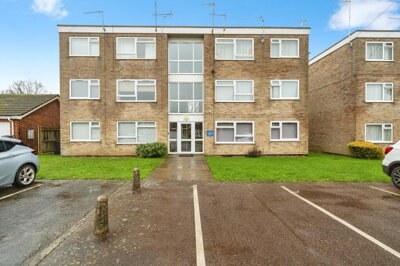
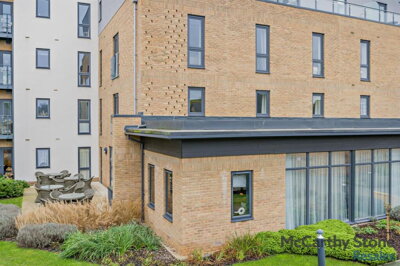
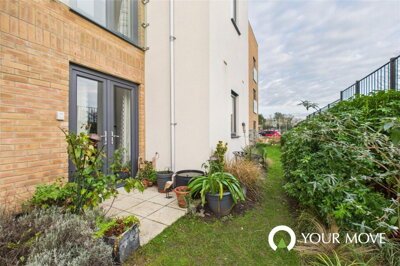
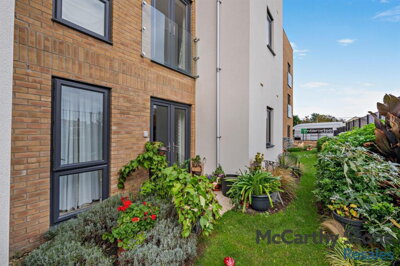
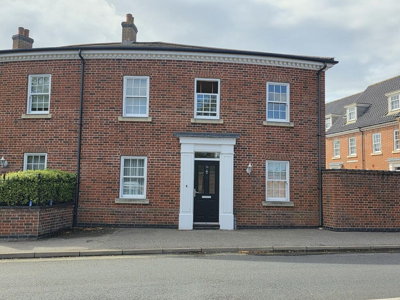
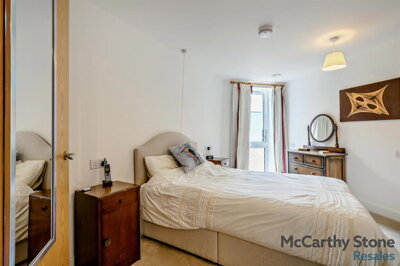
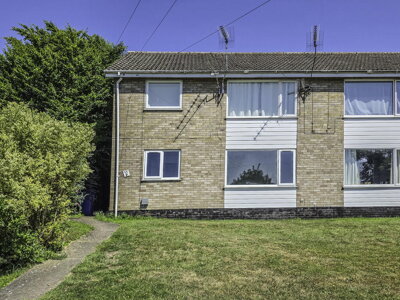
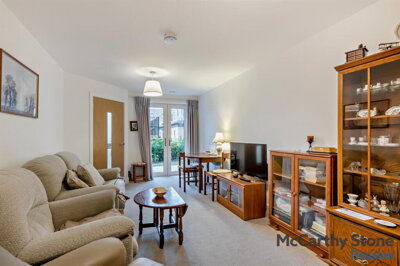
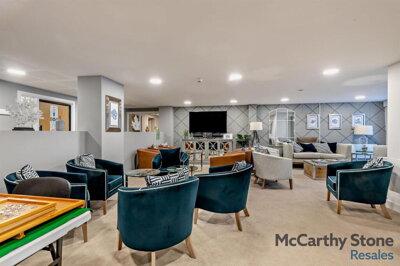
Browse 9 homes for sale in Gillingham from local estate agents.
Studio apartments feature open-plan living spaces without separate bedrooms, incorporating sleeping, living, kitchen, and bathroom facilities. The Gillingham studio market includes properties in modern apartment complexes, converted Victorian and Georgian buildings, and purpose-built developments.
£313,000
Average Property Price
NR34
Village Postcode
South Norfolk
District
436
Properties Sold (10 years)
+2.8%
Annual Price Change (District)
The property market in Gillingham, South Norfolk presents a diverse range of opportunities for buyers, with property types to suit various budgets and lifestyles. Our data shows that detached properties in the NR34 0LF area, which covers parts of this village parish, command an average price of approximately £320,695, reflecting the premium that buyers place on space and privacy in rural Norfolk. Semi-detached homes average around £297,000, while terraced properties in the village have sold for significantly higher averages of approximately £470,000, suggesting strong demand for this property type within the community. The wider South Norfolk district saw semi-detached prices rise by 4.0% in the year to December 2025, demonstrating continued buyer interest in family-sized accommodation across the region.
Recent market activity in Gillingham indicates a slight softening in property values, with local data suggesting a 2% decrease in average prices over the past year. However, this contrasts with the broader South Norfolk district, which experienced a 2.8% price increase during the same period, indicating that the local Gillingham market may be following its own micro-trends within the wider county performance. Over the past decade, 436 properties have changed hands in this village parish, demonstrating consistent turnover that reflects sustained demand for homes in this semi-rural location. For buyers, this market activity suggests a range of options across different price points, from more affordable terraced homes to detached properties offering generous gardens and countryside views.
Property types in Gillingham reflect its rural character and village history. Traditional Norfolk construction methods, including brick and flint building techniques, are commonly found in older properties throughout the village, particularly in cottages and farmworkers' dwellings dating from the 18th and 19th centuries. Newer housing in the village comprises mainly detached and semi-detached family homes built during the latter half of the 20th century, with gardens and off-street parking reflecting the space available in a village setting. The village location near the River Waveney Valley means some properties enjoy attractive views across the water meadows, which can influence valuations and attract buyers seeking scenic Norfolk countryside. Our current listings show the range of property ages and styles available, helping you identify properties that match your preferences for character versus modern convenience.
Source: homemove data, February 2026
Life in Gillingham, South Norfolk offers residents a genuine taste of village living within one of England's most picturesque counties. The village sits within the South Norfolk district, close to the border with Suffolk, and benefits from proximity to the River Waveney Valley, which provides beautiful walking routes and wildlife habitats for residents to enjoy. The surrounding landscape characterises much of the Norfolk Broads fringe area, with patchwork farmland, hedgerows, and gentle waterways creating an environment that feels far removed from urban pressures. Community life in villages like Gillingham often revolves around local amenities, which typically include a village hall, pub, and parish church, serving as gathering points for residents and fostering the strong sense of local identity that defines rural Norfolk living.
The nearest market towns provide additional amenities and services that village residents rely upon for daily needs. Beccles, situated nearby in the Waveney Valley, offers a selection of independent shops, cafes, and weekly markets, while Bungay provides additional retail and leisure options. Both towns have historic cores with listed buildings and conservation areas that reflect the architectural heritage of the region. For families considering a move to Gillingham, the village environment offers children the opportunity to grow up in a safe, community-focused setting with access to countryside play areas and outdoor activities. The pace of life here encourages a healthier lifestyle, with walking and cycling forming natural parts of daily routines rather than being confined to leisure hours.
The NR34 postcode area that encompasses Gillingham spans a significant portion of the Norfolk-Suffolk border region, providing residents with the unique advantage of accessing facilities and amenities in both counties. The flat Norfolk countryside makes cycling a practical option for reaching nearby villages and towns, with quiet country lanes and dedicated routes available for cyclists throughout the year. Local events and community activities in Gillingham and surrounding villages bring residents together throughout the year, from summer fetes and harvest festivals to quiz nights and craft groups. This strong community spirit is often cited by existing residents as one of the main attractions of village life in South Norfolk, making Gillingham an appealing choice for families and those seeking a slower pace of life.

Families considering a move to Gillingham, South Norfolk should understand the educational landscape in this rural village area. While Gillingham itself is a small village parish, primary education for local children is typically available at village schools in the surrounding area, serving their respective parishes and providing early years and Key Stage 1-2 education. The village school environment often benefits from smaller class sizes, closer teacher-pupil relationships, and strong community connections that many parents find appealing when raising children in rural locations. For secondary education, pupils usually travel to schools in nearby market towns such as Beccles or Bungay, where broader curriculum choices and specialist facilities become available.
The wider South Norfolk area contains several well-regarded primary and secondary schools, with Ofsted ratings providing guidance for parents researching educational options. Schools in market towns serving the Gillingham area include both state-funded and independent options, giving families flexibility in their educational choices. When buying property in Gillingham, parents should research specific school catchments and admissions criteria, as these can significantly impact educational placement and travel arrangements for school-age children. The catchment areas for primary schools in this part of South Norfolk typically follow parish boundaries, meaning property location within the village or surrounding area determines school allocation.
For sixth form and further education, pupils typically progress to institutions in larger towns such as Norwich or Lowestoft, where a broader range of A-level subjects and vocational courses are available. Norwich, approximately 15-20 miles north of Gillingham, offers the most comprehensive selection of secondary and further education choices within reasonable travelling distance, including sixth form colleges and the University of East Anglia. Many families choose to board pupils locally or support older teenagers in travelling independently to these institutions, particularly given the relatively short journey times on good road connections. We recommend checking the latest Ofsted reports and school websites when researching educational options, as provision and quality can change over time.
Transport connectivity from Gillingham, South Norfolk reflects its position as a rural village, with residents relying on a combination of road and public transport links for commuting and essential journeys. The village is situated near the A146 road, which provides direct access to Norwich to the north and Beccles to the east, connecting residents with broader transport networks and major employment centres. For those working in Norwich, the city lies approximately 15-20 miles north of Gillingham, making it accessible by car but requiring consideration of commute times when choosing where to live. The road network through South Norfolk consists of a mix of A-roads, B-roads, and country lanes, with journey times varying depending on destination and traffic conditions.
Public transport options in rural Norfolk villages typically centre on bus services, which connect smaller communities with market towns and railway stations. Bus routes serving the Beccles and Bungay area provide onward connections to railway stations, where regular services connect to Norwich and the East Anglia rail network, offering links to London Liverpool Street and Cambridge. For residents working in professional sectors, the journey to Norwich offers access to a broader jobs market, though many remote working opportunities have expanded what is possible from village locations in recent years. Cycling is popular in the flat Norfolk countryside, with dedicated routes and quiet country lanes making this a viable option for shorter journeys, particularly during summer months.
The village location within the NR34 postcode area means residents have reasonable access to major road networks while enjoying the benefits of countryside living. The A146 provides the primary route to Norwich, with the journey taking approximately 35-40 minutes in normal traffic conditions, though this increases during peak hours. For those travelling further afield, the A14 provides connections to Cambridge and the midlands, while the coast at Great Yarmouth is approximately 40 minutes to the east. Understanding your transport requirements is essential when purchasing in Gillingham, as daily commute patterns and access to services will shape your experience of living in this rural village setting.
Begin by exploring our property listings and understanding the local market. Our data shows average prices around £313,000 in the wider South Norfolk area, with detached homes averaging £320,695. Consider visiting Gillingham at different times of day to experience the village atmosphere, check local amenities, and speak to residents about what makes the community special.
Before viewing properties, obtain a mortgage agreement in principle from a lender. This demonstrates your financial readiness to estate agents and sellers, strengthening your position when making offers. Contact our mortgage partners who can compare rates and help you find the most suitable mortgage product for your circumstances.
Use Homemove to book viewings on properties that match your criteria. When viewing homes in Gillingham, consider factors such as garden orientation, property condition, and potential renovation work needed. Ask about the age of the property, previous ownership history, and any recent improvements or repairs undertaken.
Before completing your purchase, arrange a professional survey to assess the property's condition. For properties over 50 years old or those showing signs of wear, a RICS Level 2 Survey provides detailed insights into defects and maintenance requirements. Our survey partners offer competitive rates for homes across Gillingham and South Norfolk.
Choose a conveyancing solicitor to handle the legal aspects of your purchase. They will conduct searches, review contracts, and coordinate with the seller's legal team. Our conveyancing partners specialise in Norfolk property transactions and can guide you through the process efficiently.
Once all searches are satisfactory and finance is confirmed, your solicitor will exchange contracts and agree a completion date. On completion day, the remaining funds are transferred and you receive the keys to your new Gillingham home.
Purchasing a property in Gillingham, South Norfolk requires careful consideration of several factors specific to rural village locations and the Norfolk property market. Given the village's proximity to the River Waveney Valley, prospective buyers should investigate any flood risk considerations for specific properties, particularly those near watercourses or in low-lying areas. Standard property searches will reveal flood risk assessments, and it is advisable to review these carefully when making an offer. Properties in older village locations may also be situated within conservation areas, which can affect permitted development rights and any plans for alterations or extensions. Checking with South Norfolk District Council planning records will clarify whether any restrictions apply to a property you are considering.
The age and construction of properties in Gillingham deserves particular attention, as with any rural Norfolk village where older housing stock is common. Traditional Norfolk construction often includes brick and flint methods, which can require specialist maintenance and repair knowledge. When viewing period properties, look for signs of damp, inspect roof conditions, and check window frames and external joinery for deterioration. Many properties in the NR34 area date from the Victorian and Edwardian periods, with some earlier cottages possibly constructed before standard building regulations applied, meaning any alterations or extensions may have been carried out to varying standards over the years.
Properties near the River Waveney or other watercourses deserve particular attention regarding flood risk and drainage. The river valley location that makes Gillingham so attractive for its scenery and wildlife can also bring increased flood risk for properties in lower-lying areas. Your surveyor will check for signs of previous water damage and assess the property's drainage arrangements, but it is worth reviewing the Environment Agency flood map for the area before committing to a purchase. Properties with larger gardens may also require boundary maintenance responsibility, which should be clarified during conveyancing. A thorough RICS Level 2 Survey will identify any structural concerns or urgent repairs needed, giving you complete confidence in your new home purchase.
Understanding tenure arrangements is important when purchasing in Gillingham, as some properties may have unusual arrangements common to rural villages. Most properties in the village are freehold, but any cottages within former estate boundaries or properties with shared access arrangements may have additional responsibilities. Service charges and leasehold arrangements apply to any flat or retirement properties, and these ongoing costs can significantly affect overall affordability. Our platform provides details on property types and tenure, helping you identify any such considerations before proceeding with a purchase.
The average house price in the wider South Norfolk district was approximately £313,000 as of December 2025. More specific data for the Gillingham village area indicates detached properties averaging around £320,695, semi-detached homes at approximately £297,000, and terraced properties at higher averages of around £470,000. The local Gillingham market experienced a 2% decrease in property values over the past year, though this contrasts with the broader district where prices rose by 2.8%. Property prices can vary significantly depending on property type, condition, and specific location within the village parish, so we recommend searching our current listings for accurate pricing on available properties in the NR34 postcode area.
Council tax bands in Gillingham, South Norfolk are set by South Norfolk District Council and Norfolk County Council. Bands range from A to H, with most rural village properties falling in bands B through E, depending on the property's assessed value. The village's rural character and mix of older and newer housing stock means you will find properties across various council tax bands, with older cottages potentially in lower bands and more modern family homes in mid-range bands. Exact bandings should be confirmed through the local council's website or property listing details, as these can affect ongoing running costs when budgeting for your new home. You can check current council tax bands and fees on the South Norfolk District Council website.
Primary education in Gillingham and surrounding villages is provided by local parish schools serving their immediate communities, with pupils typically progressing to secondary schools in nearby market towns such as Beccles or Bungay. The wider South Norfolk area contains several schools with positive Ofsted ratings, and we recommend checking the latest Ofsted reports when researching educational options for your family. Schools in larger nearby towns provide sixth form provision and access to further education facilities, with Norwich offering the most comprehensive selection of secondary and further education choices within reasonable travelling distance. When buying property in Gillingham, parents should verify school catchments and admissions criteria, as these can significantly impact educational placement for school-age children.
Public transport connectivity from Gillingham reflects its rural village location, with bus services providing the primary form of public transport for residents. Bus routes connect the village with nearby market towns including Beccles and Bungay, where additional services and railway stations provide onward connections to Norwich and the East Anglia rail network, with links to London Liverpool Street. For daily commuting, most residents use private vehicles, and the village is situated near the A146 which provides access to Norwich and the broader road network. Remote working opportunities have expanded significantly in recent years, making village living more practical for those who can work from home for part of the working week.
Property investment in Gillingham, South Norfolk should be considered in the context of the wider Norfolk property market. Our data shows 436 property sales in the village over the past decade, indicating consistent market activity and buyer interest in the area. The broader South Norfolk district saw prices rise by 2.8% over the year to December 2025, though the specific Gillingham village market showed a slight 2% decrease. Rural village properties with good access to Norwich and community amenities tend to maintain their appeal, and the character of villages like Gillingham often attracts buyers seeking lifestyle changes or retirement moves. As with any property investment, prospective buyers should consider rental yields, capital growth potential, and local demand factors when evaluating opportunities in this village location.
Stamp duty rates for purchases in Gillingham follow the standard England rates for 2024-25. Properties up to £250,000 attract zero stamp duty, properties between £250,001 and £925,000 are charged at 5%, and those between £925,001 and £1.5 million attract 10%, with the remainder charged at 12%. First-time buyers benefit from relief on properties up to £425,000, paying 5% on the portion between £425,001 and £625,000. Given average property prices in Gillingham, many buyers purchasing at the local average of £313,000 would pay approximately £3,150 in stamp duty, while those buying above £250,000 would be liable for the standard rates on amounts above that threshold. Always consult with a solicitor or financial adviser for personalised calculations based on your specific purchase price and circumstances.
Flood risk in Gillingham should be assessed on a property-by-property basis, particularly given the village's proximity to the River Waveney and surrounding watercourses in the Norfolk Broads fringe area. The river valley location that makes this area so attractive for its scenic countryside and wildlife habitats can also bring increased flood risk for properties in lower-lying positions. Standard property searches conducted during conveyancing will include a flood risk assessment, which identifies whether a property lies within official flood zones. Properties near rivers or in low-lying areas may face higher flood risk, and this should be reflected in both the property valuation and your decisions about insurance and protective measures. We recommend discussing flood risk with your surveyor and reviewing the Environment Agency flood map for the Gillingham area before completing your purchase.
Understanding the full costs of buying property in Gillingham, South Norfolk is essential for budgeting effectively and avoiding surprises during your purchase. Stamp duty land tax (SDLT) forms a significant part of buying costs, and the rates for 2024-25 are structured as follows: zero stamp duty on properties up to £250,000, 5% on the portion between £250,001 and £925,000, 10% between £925,001 and £1.5 million, and 12% on any amount above £1.5 million. Given that the average property price in the South Norfolk district sits around £313,000, many buyers purchasing at or near this price point would pay approximately £3,150 in stamp duty, representing 5% of the amount above the £250,000 threshold.
First-time buyers purchasing in Gillingham benefit from enhanced relief, paying zero stamp duty on properties up to £425,000 and 5% on amounts between £425,001 and £625,000. This means a first-time buyer purchasing a typical village property at £297,000 (the average for semi-detached homes) would pay no stamp duty at all. Beyond SDLT, buyers should budget for solicitor fees typically ranging from £500 to £1,500, survey costs of around £350-600 for a RICS Level 2 Survey, and search fees of approximately £250-400 for local authority and environmental searches. Mortgage arrangement fees, valuation fees, and land registry charges add further costs, while removals and potential renovation work should also be factored into your overall moving budget. Homemove's conveyancing and mortgage partners can provide detailed quotes tailored to your specific purchase, helping you understand the complete financial picture of buying your new Gillingham home.
From £350
Detailed assessment of property condition, ideal for homes over 50 years old
From £500
Comprehensive structural survey for older or complex properties
From £60
Energy performance certificate required for all sales
From £499
Solicitors specialising in Norfolk property transactions
From 4.5%
Compare rates from leading lenders
Properties for Sale In London

Properties for Sale In Plymouth

Properties for Sale In Liverpool

Properties for Sale In Glasgow

Properties for Sale In Sheffield

Properties for Sale In Edinburgh

Properties for Sale In Coventry

Properties for Sale In Bradford

Properties for Sale In Manchester

Properties for Sale In Birmingham

Properties for Sale In Bristol

Properties for Sale In Oxford

Properties for Sale In Leicester

Properties for Sale In Newcastle

Properties for Sale In Leeds

Properties for Sale In Southampton

Properties for Sale In Cardiff

Properties for Sale In Nottingham

Properties for Sale In Norwich

Properties for Sale In Brighton

Properties for Sale In Derby

Properties for Sale In Portsmouth

Properties for Sale In Northampton

Properties for Sale In Milton Keynes

Properties for Sale In Bournemouth

Properties for Sale In Bolton

Properties for Sale In Swansea

Properties for Sale In Swindon

Properties for Sale In Peterborough

Properties for Sale In Wolverhampton

Enter your details to see if this property is within your budget.
Loans, cards, car finance
Estimated property budget
Borrowing + deposit
You could borrow between
Typical borrowing
Monthly repayment
Est. at 4.5%
Loan-to-value
This is an estimate only. Your actual budget may vary depending on interest rates, credit history, and personal circumstances. For an accurate affordability assessment, speak to one of our free mortgage advisors.
This calculator provides estimates for illustrative purposes only and does not constitute financial advice. Your home may be repossessed if you do not keep up repayments on your mortgage. Estimates based on 4.5% interest rate, repayment mortgage. Actual rates depend on your circumstances.
Homemove is a trading name of HM Haus Group Ltd (Company No. 13873779, registered in England & Wales). Homemove Mortgages Ltd (Company No. 15947693) is an Appointed Representative of TMG Direct Limited, trading as TMG Mortgage Network, which is authorised and regulated by the Financial Conduct Authority (FRN 786245). Homemove Mortgages Ltd is entered on the FCA Register as an Appointed Representative (FRN 1022429). You can check registrations at NewRegister or by calling 0800 111 6768.

We use cookies to show you personalised content and improve your experience of our website. Find out more in our Privacy policy and Cookie policy.