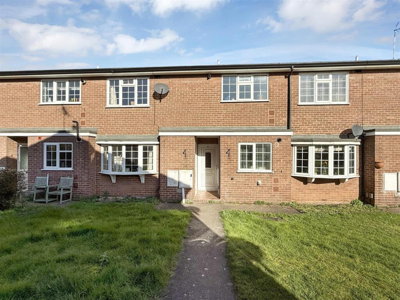
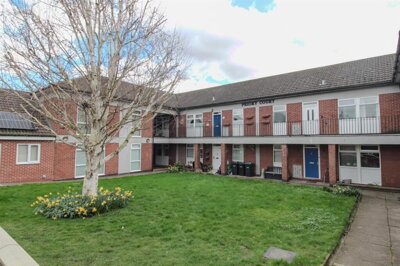
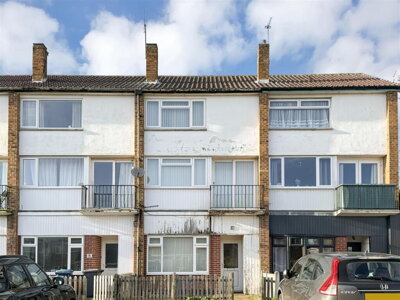
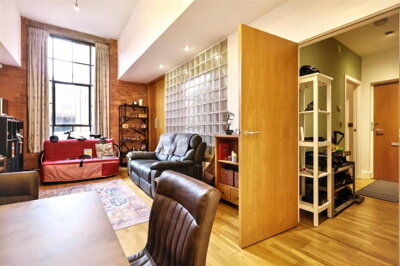
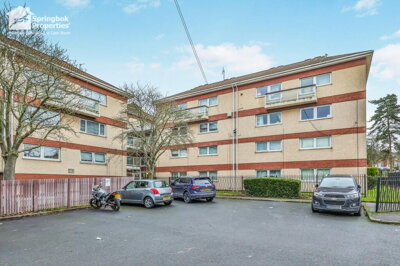
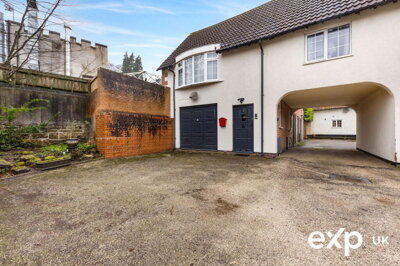
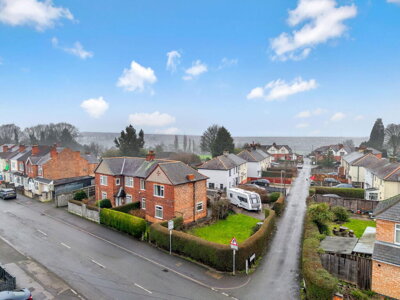
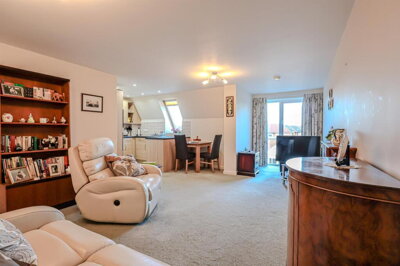
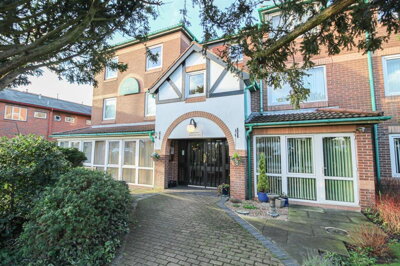
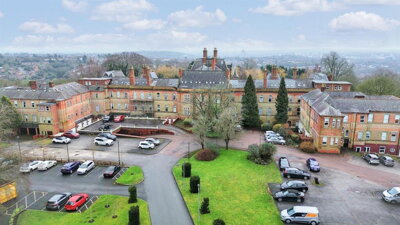
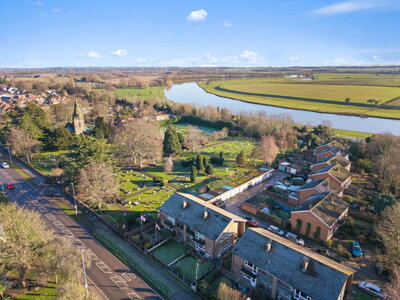
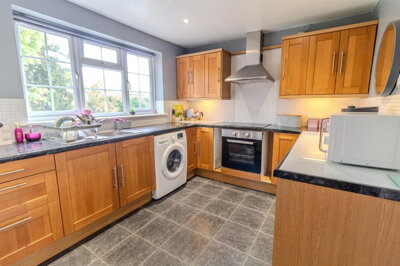
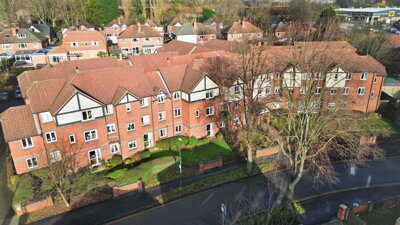
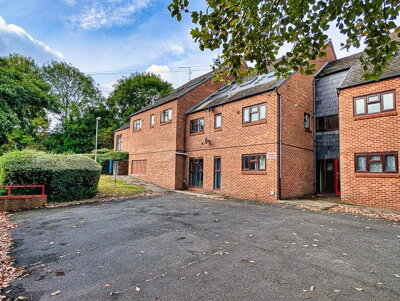
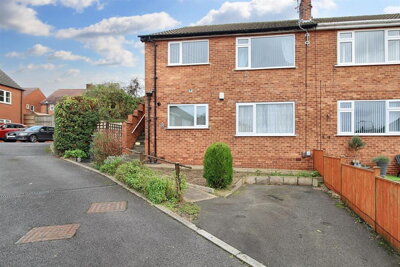
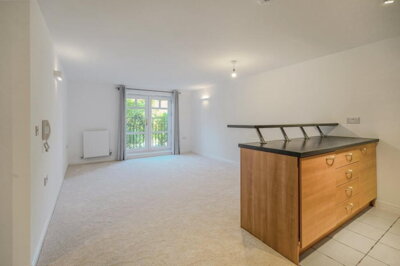
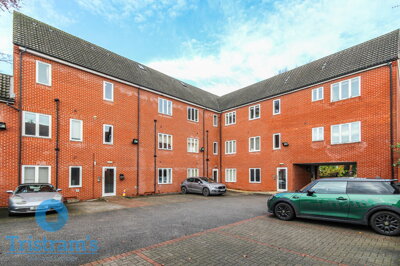
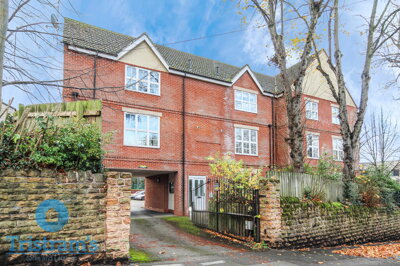
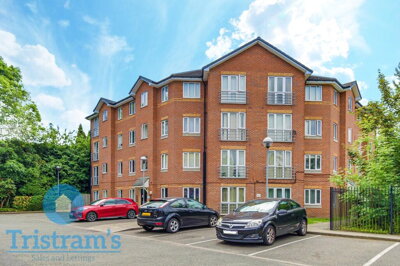
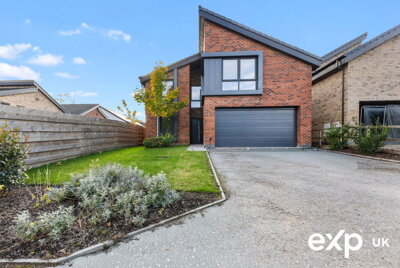
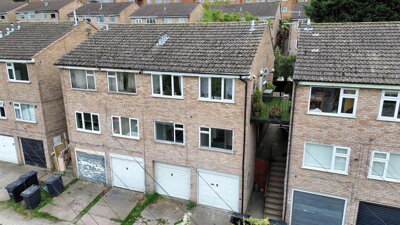
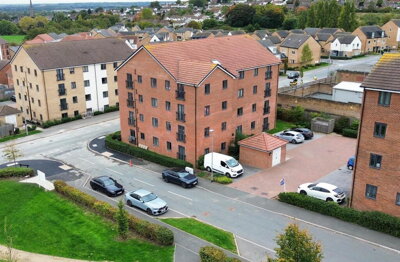
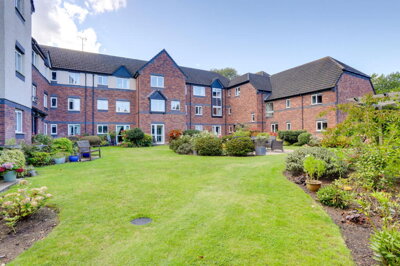
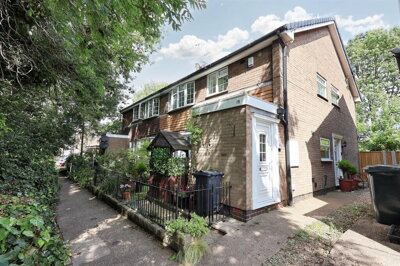
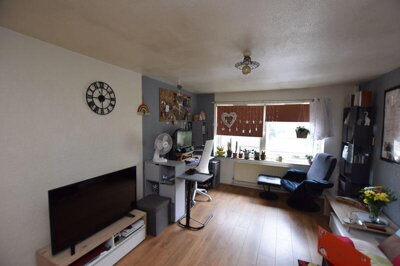
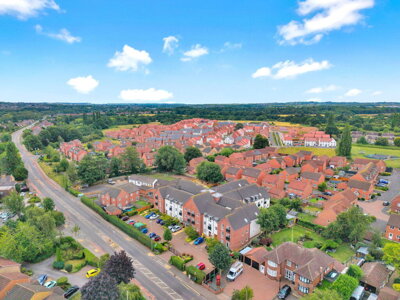
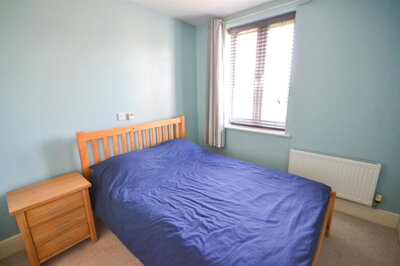
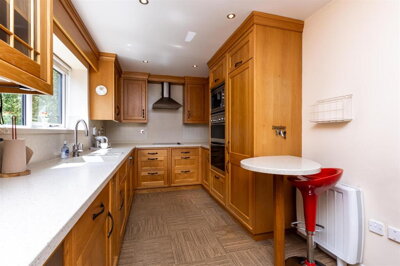
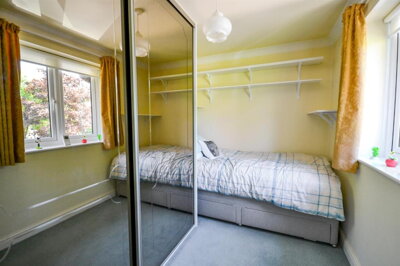
Browse 295 homes for sale in Gedling, Nottinghamshire from local estate agents.
Studio apartments feature open-plan living spaces without separate bedrooms, incorporating sleeping, living, kitchen, and bathroom facilities. The Gedling studio market includes properties in modern apartment complexes, converted Victorian and Georgian buildings, and purpose-built developments.
£120k
28
2
153
Source: home.co.uk
Showing 28 results for Studio Flats for sale in Gedling, Nottinghamshire. 2 new listings added this week. The median asking price is £120,000.
Source: home.co.uk
Flat
28 listings
Avg £149,837
Source: home.co.uk
Source: home.co.uk
The Cranwich property market presents an interesting mix of opportunities for buyers, particularly those drawn to the rural Norfolk lifestyle. Property prices in the village vary considerably depending on the type of home, with detached properties commanding the highest prices due to their scarcity and generous plot sizes. Recent sales data shows detached homes in the IP26 postcode area have achieved median prices around £825,000, while semi-detached properties have sold for approximately £127,000. Terraced homes in the area have shown stronger activity, with median prices around £175,000 based on recorded transactions.
Market activity in Cranwich reflects the quiet nature of village life, with limited but steady sales recorded in recent years. The broader IP26 area, which encompasses several small villages surrounding Thetford, recorded around 35 property sales across all property types. House price trends in the village have shown some variation depending on property type, with detached homes appreciating by approximately 28.9% between 2021 and 2023, while semi-detached prices experienced a decline of 39.5% between 2022 and 2024. These fluctuations highlight the importance of looking at specific property types rather than aggregate figures when evaluating the local market.
The most recent recorded sale in Cranwich completed in August 2024 at £127,000, following a sale in September 2023 at £120,000. These transactions indicate the entry-level segment of the market remains active, with properties at lower price points attracting buyer interest. The overall median price of £129,000 positions Cranwich favourably against national averages, offering buyers a more affordable route to rural property ownership compared to many other parts of England. However, the limited sales volume means that individual transactions can significantly influence reported averages, and buyers should approach market data as indicative rather than definitive.
For those considering investment in the area, the Breckland property market has shown resilience despite broader national uncertainties. Rural properties with land, character features, and good access to transport links tend to hold their value well over time. Buyers interested in larger detached homes should be prepared for a competitive market, as these properties are relatively rare in the village and surrounding area.

Life in Cranwich offers an authentic taste of rural Norfolk living, characterised by expansive skies, farmland, and a pace of life that feels a world away from urban pressures. The village sits within Breckland, one of Norfolk's most distinctive districts, known for its mix of heathland, forest, and agricultural land. Thetford Forest, the largest pine forest in lowland England, lies nearby and provides residents with extensive green space for recreation, including walking trails, cycling routes, and wildlife observation opportunities. The forest also supports a diverse ecosystem, making it popular with nature enthusiasts and families alike.
The local community in Cranwich benefits from its proximity to Thetford, the nearest town where residents access supermarkets, healthcare facilities, and a range of shops. The town also hosts regular markets and community events that draw visitors from surrounding villages. Norfolk is renowned for its welcoming communities and strong sense of local heritage, with village churches, historic buildings, and traditional pubs forming the social fabric of rural life. The area attracts buyers seeking a quieter lifestyle without complete isolation, balancing peaceful countryside living with reasonable access to services and amenities.
Beyond Thetford, residents of Cranwich can reach the cathedral city of Norwich within approximately 45 minutes by car, offering access to a broader range of cultural attractions, shopping, and employment opportunities. The coast at Hunstanton is around an hour's drive away, providing a pleasant day trip destination for residents who enjoy seaside outings. For those who love the outdoors, the Brecks (the local name for the Breckland area) offer exceptional walking, cycling, and birdwatching opportunities, with rare species such as the nightjar and woodlark nesting in the sandy heathlands.
Village life in Cranwich centres on community connections, with local events and gatherings providing opportunities for neighbours to socialise. The pace of life here suits those who appreciate the changing seasons, the sight of farmland from village lanes, and the quiet that comes with living away from busy roads. For buyers transitioning from urban areas, the adjustment is often surprisingly comfortable, with Thetford providing a practical hub for everyday needs.

Families considering a move to Cranwich will find that primary education is provided through schools in the surrounding villages and the nearby town of Thetford. The local education landscape reflects the rural nature of the area, with smaller village schools serving immediate communities and larger primary schools in nearby towns offering broader facilities. Norfolk County Council manages education provision across the county, with schools in the Breckland district serving families from Cranwich and neighbouring villages. Parents should research individual school performance and Ofsted ratings when planning a move, as standards vary across the area.
Secondary education options in the area include schools in Thetford and the broader Breckland region, with some families choosing to access schools in surrounding market towns. For those seeking grammar school education, the nearest options may require travel to towns outside the immediate area, and catchment areas play an important role in school placement decisions. Sixth form and further education provision is available in Thetford, offering A-level and vocational courses for older students. Families relocating to rural Norfolk should factor school transport arrangements into their decision-making, as travel distances to schools can be longer than in urban areas.
School transport in rural Norfolk is coordinated by the county council, with eligibility criteria typically based on distance from the nearest suitable school. Children living more than two miles from their nearest primary school or three miles from their nearest secondary school may be entitled to free transport. However, families should verify current arrangements and any planned changes to bus routes or services, as rural transport provision can be subject to variation. Some families in the Cranwich area choose to drive children to school or arrange car sharing with other parents to manage the logistics of rural education.
Independent schooling options are limited in the immediate area, with the nearest private schools typically located in Norwich or further afield. For families considering private education, factoring in daily travel time and associated costs is important when budgeting for a move to rural Norfolk. Early registration for school places is advisable, particularly if you are relocating from outside the area, as popular schools can have waiting lists.
Transport connections from Cranwich reflect its rural village character, with residents typically relying on private vehicles for everyday travel while benefiting from reasonable access to major road routes. The A11 trunk road runs through the region, providing a direct link to Norwich to the north and Cambridge to the south, making the village accessible for commuters willing to travel. Thetford itself lies just a short drive away, offering local bus services connecting to surrounding towns and villages. The road network through Norfolk has seen improvements in recent years, though journey times to major employment centres remain longer than would be typical for urban or suburban locations.
Rail connections from the wider area include access to stations in Thetford, Bury St Edmunds, and Ely, with services connecting to Norwich, Cambridge, and London Liverpool Street. The journey to London from nearby stations typically takes around 90 minutes to two hours, positioning Cranwich within reasonable commuting distance for those working in the capital but seeking rural living. Bus services in rural Norfolk operate on reduced frequencies compared to urban areas, so residents without private transport should carefully review timetables when considering a move. Cycling is popular in the area, particularly for local journeys and leisure, with quiet country lanes offering pleasant routes through the Norfolk countryside.
For commuters working in Norwich, the A11 provides a direct route with a typical journey time of around 45 minutes to an hour, depending on traffic conditions. Cambridge is approximately an hour's drive via the A11 and A14, making it feasible for those with flexible working arrangements or hybrid commuting patterns. The proximity to the A11 is one of Cranwich's practical advantages, connecting the village to regional employment hubs while maintaining its rural character. However, residents should be aware that rural road conditions can be affected by seasonal agricultural traffic, and journey times may vary during harvest periods or adverse weather.
For those who work from home or have less demanding commuting requirements, Cranwich offers an ideal base. The fast-growing availability of rural broadband services means many residents can work remotely while enjoying the quality of life that rural Norfolk provides. Local village halls and community spaces occasionally host co-working opportunities for residents seeking a change of scene from home working.
Start by exploring current listings in Cranwich and the broader IP26 postcode area to understand what properties are available and at what prices. Given the limited inventory typical of small villages, cast your net wider to include neighbouring villages if you have flexibility on location. Our platform aggregates listings from multiple estate agents, giving you a comprehensive view of what is currently on the market in this corner of Norfolk.
Before arranging viewings, obtain a mortgage agreement in principle from a lender to confirm your budget and strengthen your position when making an offer. This is particularly important in rural markets where vendors may receive multiple enquiries. Having your financing arranged demonstrates seriousness to sellers and can help your offer stand out in competitive situations.
Visit properties that match your requirements, paying attention to the condition of rural properties and any specific considerations such as access roads, drainage, and proximity to agricultural land. Take notes and photographs to help compare options later. In a village like Cranwich, viewing multiple properties helps build a picture of the local market and what represents fair value in the current climate.
Once you have a property under offer, arrange a RICS Level 2 survey to assess the condition of the property. Given that many homes in rural Norfolk may be older properties, a thorough survey is essential to identify any structural or maintenance issues. A professional survey can reveal hidden problems that might affect the property's value or require costly repairs.
Appoint a solicitor with experience in rural property transactions to handle the legal aspects of your purchase. They will conduct searches, review contracts, and manage the transfer of ownership through to completion. Rural properties may involve additional considerations such as rights of way, agricultural drainage, or common land arrangements that require specialist knowledge.
Buying a property in rural Norfolk requires attention to specific considerations that may not apply in urban areas. Properties in villages like Cranwich are often older, potentially dating from various periods of construction, which can bring character but also require careful inspection for issues common in older buildings. Drainage arrangements in rural areas can differ from town properties, with some homes relying on private sewage systems or borehole water supplies rather than mains connections. Buyers should verify all utility arrangements and factor any additional costs into their budget.
Access and transportation deserve particular attention when purchasing in rural villages. Consider the condition of access roads, particularly during winter months when rural routes may be affected by weather. Properties adjacent to farmland may experience seasonal activities such as noise from machinery or agricultural vehicles on local roads. Flood risk assessment is sensible for any property purchase, and while specific data for Cranwich is limited, checking with the local authority and reviewing available flood maps provides valuable information. Conservation considerations may apply to certain properties in the village, and buyers should confirm whether any planning restrictions affect their intended use of the property.
The age and construction of rural properties in the Breckland area can vary considerably, with some homes dating back to the 18th or 19th century while others were built during the 20th century expansion of village housing. Older properties may feature traditional construction methods such as brick and flint, thatched roofs, or period features that require specialist maintenance. Buildings insurance for older properties can be more expensive, and some insurers may have restrictions on coverage for certain construction types. A thorough building survey helps identify any maintenance issues or structural concerns before you commit to the purchase.
When viewing properties in Cranwich, take time to explore the surrounding area at different times of day and week. Consider the proximity to neighbours, the orientation of the garden, and how the property sits within the village. Quiet country lanes are part of the appeal of rural living, but it is worth understanding what neighbours are nearby and how the property is positioned relative to village amenities and the access road.
The overall median property price in the Cranwich area (IP26 postcode) stands at approximately £129,000, though this varies significantly by property type. Detached homes in the area have achieved median prices around £825,000, while semi-detached properties have sold for approximately £127,000 and terraced homes around £175,000. These figures reflect limited sales volumes, so buyers should treat them as indicators rather than precise valuations. The most recent recorded sale in August 2024 was priced at £127,000, while a transaction in September 2023 completed at £120,000. Getting a professional valuation for any specific property is recommended, as individual homes may differ substantially from area averages depending on condition, location, and features.
Properties in Cranwich fall under Breckland Council administration. Council tax bands in the area range across all bands from A through to H, depending on the property's assessed value. Most standard family homes in rural Norfolk typically fall within bands A to D. Prospective buyers should check the specific property's council tax band through the Valuation Office Agency website or request this information during the conveyancing process. Band D properties in Breckland currently pay around £1,800 to £1,900 per year, though this figure varies by band and is subject to annual review by the council.
As a small village, Cranwich does not have schools within its immediate boundaries. Primary education is available in nearby villages and Thetford, with schools such as Thetford Grammar School providing primary and secondary education in the town. Families should research individual school Ofsted ratings and consider catchment areas, which can be competitive in popular locations. School transport arrangements should be factored into family relocation decisions, as rural journeys to school can involve significant travel time. The nearest secondary schools in Thetford include Thetford Grammar School and other options within the Breckland area, with some families also considering schools in surrounding market towns such as Bury St Edmunds.
Public transport options in Cranwich are limited, reflecting its rural village status. Bus services connect the village to Thetford and surrounding areas, though frequencies are reduced compared to urban services. The nearest railway stations are in Thetford, Bury St Edmunds, and Ely, offering connections to Norwich, Cambridge, and London. Most residents rely on private vehicles for daily transport, and proximity to the A11 provides reasonable road access to wider destinations. Commuters should note that peak-time traffic on the A11 can extend journey times during busy periods, and planning for variable travel times is advisable when working in Norwich or Cambridge.
Cranwich and the wider Breckland area offer potential for buyers seeking long-term value in rural Norfolk property. The village provides an affordable entry point compared to many parts of the country, with median prices around £129,000. Rural properties with character and good land often hold their value over time. However, investors should consider factors such as limited rental demand due to the small population, slower sale times compared to urban markets, and the importance of property condition for older homes. The local rental market is relatively quiet, with most demand coming from those seeking longer-term family homes rather than short-term lets. Consulting with a local estate agent provides valuable insight into current market dynamics and recent comparable sales.
Stamp duty land tax applies to property purchases in England. For standard purchases, the rates are 0% on the first £250,000, 5% on £250,001 to £925,000, 10% on £925,001 to £1.5 million, and 12% above £1.5 million. First-time buyers benefit from relief on purchases up to £625,000, paying 0% on the first £425,000 and 5% on £425,001 to £625,000. Given the price range of properties in Cranwich, many purchases may fall within the lower tax brackets or qualify for first-time buyer relief. For a property priced at the area median of £129,000, no stamp duty would be payable by any buyer, making this a particularly attractive entry point for first-time purchasers.
From 4.5%
Compare mortgage rates and find the right home loan for your Cranwich property purchase
From £499
Expert legal services for your property purchase in Norfolk
From £350
Professional property survey for homes in Cranwich
From £80
Energy performance certificate for your new home
Understanding the additional costs of buying a property in Cranwich helps you budget accurately for your purchase. Beyond the property price itself, buyers should account for stamp duty land tax, solicitor fees, survey costs, and moving expenses. For a property priced at the area median of £129,000, a standard buyer would pay no stamp duty as the purchase falls within the zero-rate threshold. First-time buyers purchasing at this price point would also pay no SDLT, maximising the advantage of relief schemes for those eligible.
Solicitor fees for conveyancing typically range from £500 to £1,500 depending on the complexity of the transaction and whether the property is freehold or leasehold. Search fees, Land Registry registration costs, and disbursements add further costs of around £300 to £500. A RICS Level 2 survey, strongly recommended for older rural properties, costs from approximately £350 depending on property size. Additional costs to budget for include mortgage arrangement fees, removal costs, and potential renovation or repair work identified during survey. Building insurance must be in place from the point of completion, and life or buildings insurance arranged in advance where mortgage lenders require it.
For buyers purchasing at the lower end of the market in Cranwich, total buying costs are likely to be relatively modest compared to national averages. A typical budget for legal fees, surveys, and searches on a £129,000 property might total around £1,500 to £2,500, excluding mortgage arrangement fees. However, buyers should be aware that older rural properties may require more extensive surveys or specialist inspections, particularly if they are listed buildings or constructed using non-standard methods. Setting aside a contingency fund for unexpected costs discovered during the survey process is always advisable.
Moving costs will depend on the volume of belongings and the distance travelled. For local moves within Norfolk or from nearby counties, hiring a removal firm typically costs between £500 and £1,500. Some buyers choose to reduce costs by hiring a van and recruiting friends and family to help. Whatever approach you take, booking removal services well in advance is recommended, particularly if you are moving during school holidays or other busy periods when availability can be limited.
Properties for Sale In London

Properties for Sale In Plymouth

Properties for Sale In Liverpool

Properties for Sale In Glasgow

Properties for Sale In Sheffield

Properties for Sale In Edinburgh

Properties for Sale In Coventry

Properties for Sale In Bradford

Properties for Sale In Manchester

Properties for Sale In Birmingham

Properties for Sale In Bristol

Properties for Sale In Oxford

Properties for Sale In Leicester

Properties for Sale In Newcastle

Properties for Sale In Leeds

Properties for Sale In Southampton

Properties for Sale In Cardiff

Properties for Sale In Nottingham

Properties for Sale In Norwich

Properties for Sale In Brighton

Properties for Sale In Derby

Properties for Sale In Portsmouth

Properties for Sale In Northampton

Properties for Sale In Milton Keynes

Properties for Sale In Bournemouth

Properties for Sale In Bolton

Properties for Sale In Swansea

Properties for Sale In Swindon

Properties for Sale In Peterborough

Properties for Sale In Wolverhampton

Enter your details to see if this property is within your budget.
Loans, cards, car finance
Estimated property budget
Borrowing + deposit
You could borrow between
Typical borrowing
Monthly repayment
Est. at 4.5%
Loan-to-value
This is an estimate only. Your actual budget may vary depending on interest rates, credit history, and personal circumstances. For an accurate affordability assessment, speak to one of our free mortgage advisors.
This calculator provides estimates for illustrative purposes only and does not constitute financial advice. Your home may be repossessed if you do not keep up repayments on your mortgage. Estimates based on 4.5% interest rate, repayment mortgage. Actual rates depend on your circumstances.
Homemove is a trading name of HM Haus Group Ltd (Company No. 13873779, registered in England & Wales). Homemove Mortgages Ltd (Company No. 15947693) is an Appointed Representative of TMG Direct Limited, trading as TMG Mortgage Network, which is authorised and regulated by the Financial Conduct Authority (FRN 786245). Homemove Mortgages Ltd is entered on the FCA Register as an Appointed Representative (FRN 1022429). You can check registrations at NewRegister or by calling 0800 111 6768.

We use cookies to show you personalised content and improve your experience of our website. Find out more in our Privacy policy and Cookie policy.