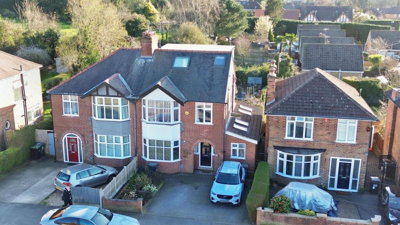
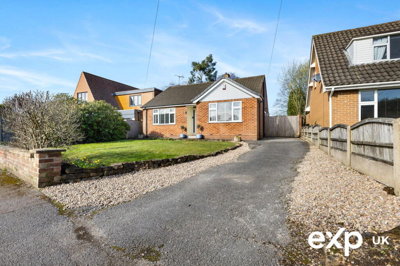
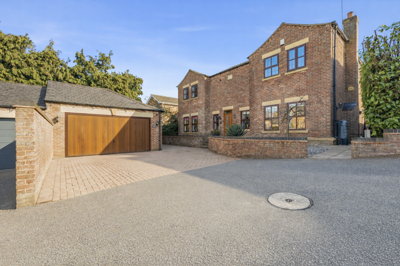
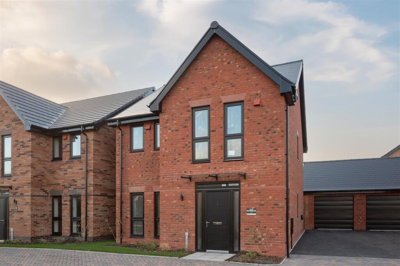
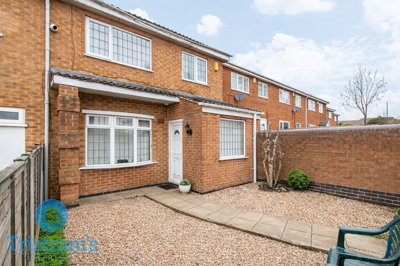
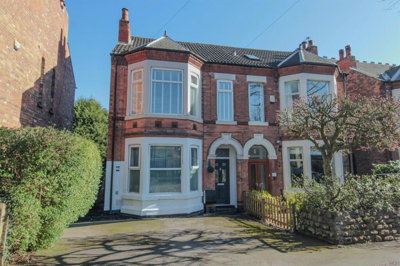
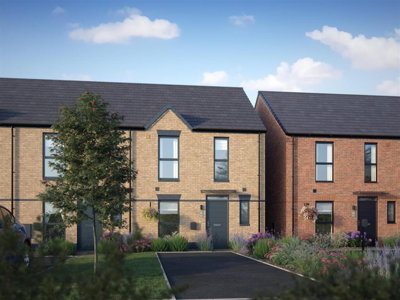
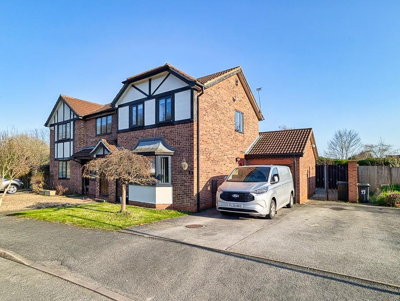
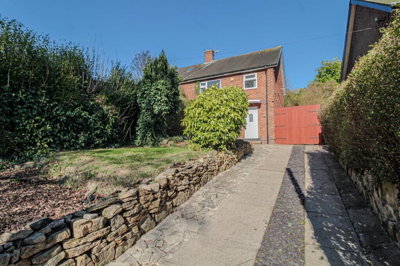
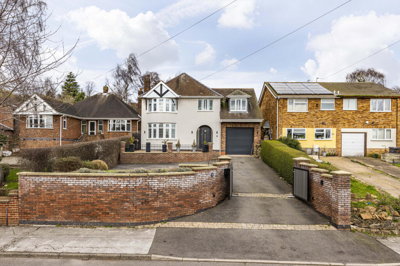
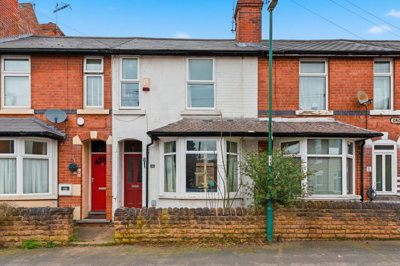
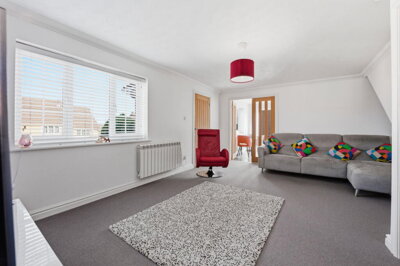
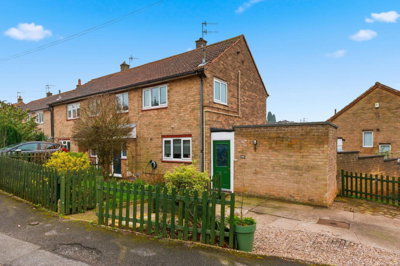
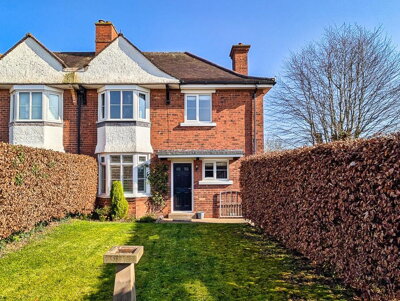
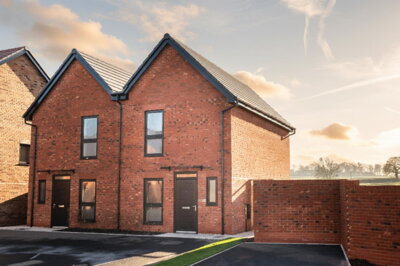
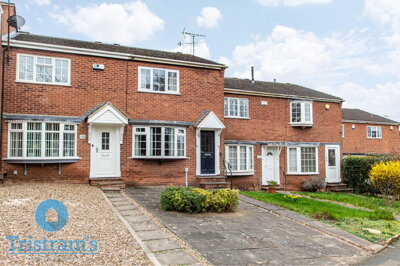
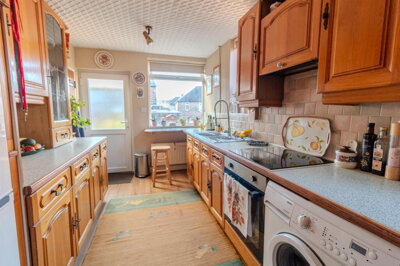
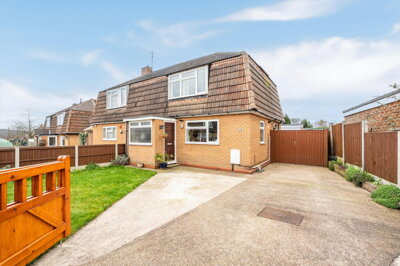
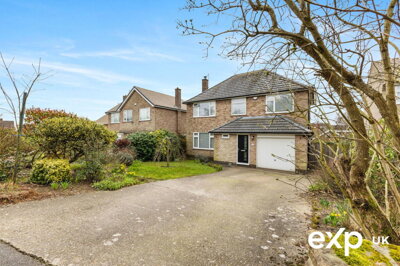
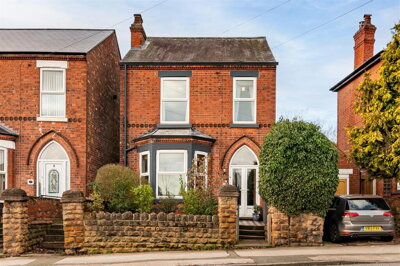
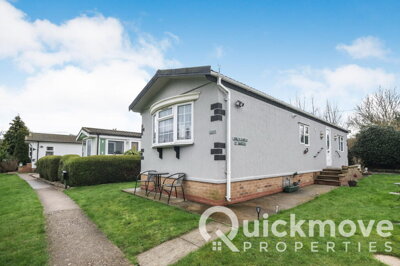
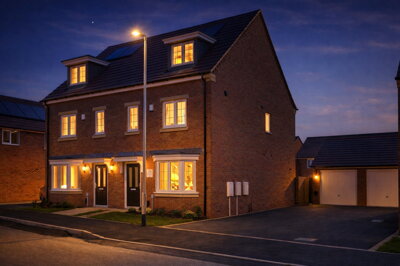
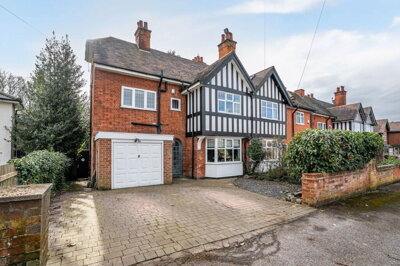
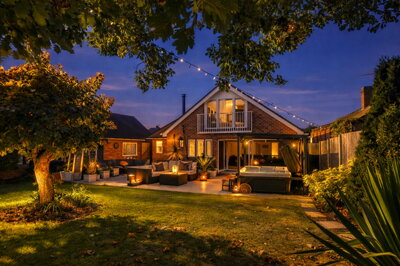
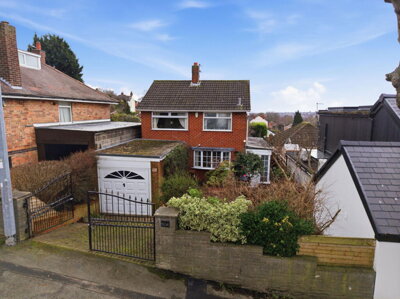
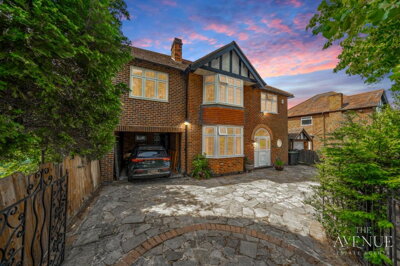
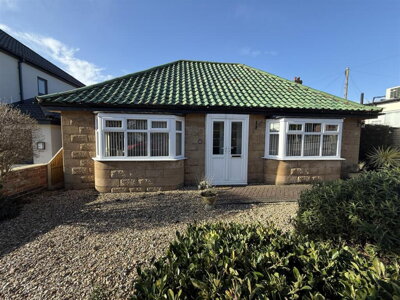
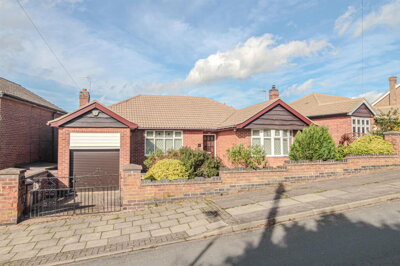
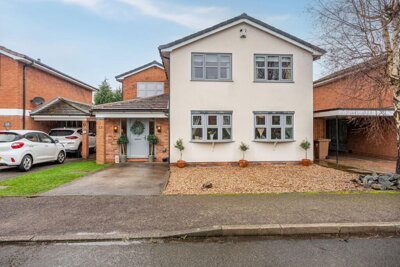
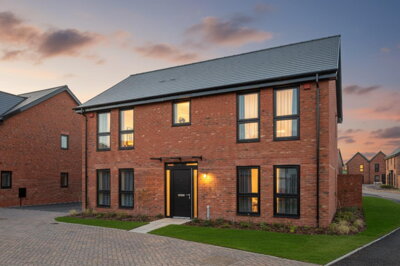
Browse 2,665 homes for sale in Gedling, Nottinghamshire from local estate agents.
The Gedling property market offers detached, semi-detached, and terraced houses spanning various price ranges and neighbourhoods. Each listing includes detailed property information, photographs, and direct contact with the marketing agent.
£315k
637
4
104
Source: home.co.uk
Showing 637 results for Houses for sale in Gedling, Nottinghamshire. 4 new listings added this week. The median asking price is £315,000.
Source: home.co.uk
Detached
342 listings
Avg £472,448
Semi-Detached
223 listings
Avg £252,705
Terraced
72 listings
Avg £186,222
Source: home.co.uk
Source: home.co.uk
The Cranwich property market reflects the characteristics of rural Norfolk village life, with a diverse range of property types available to buyers. Our current listings include traditional terraced cottages, semi-detached homes, and substantial detached properties that showcase the architectural heritage of the Breckland area. The most recent verified sale in the IP26 area was recorded at £127,000 for a semi-detached property in August 2024, while a similar property sold for £120,000 in September 2023, indicating relatively stable pricing at the entry-level segment of the market. Total sales activity in the locality has reached approximately 35 transactions, providing a reasonable sample of recent market activity for prospective buyers to analyse.
Property values in Cranwich show considerable variation depending on type and condition, with terraced homes in the area selling for up to £175,000 based on 2023 sales data. Detached properties in the village command a premium, with the most recent detached home sale recorded at £825,000 in 2023, representing a 28.9% increase versus 2021 levels for this property type. This significant price differential reflects the desirability of larger plots and greater privacy that detached homes offer in a village setting. The Breckland property market has experienced varied trends across different property types, with terraced homes showing a 35.7% increase in median price compared to 2016 levels, while semi-detached properties have seen more fluctuation.
Market dynamics in Cranwich differ from urban areas, with fewer properties available at any given time and longer marketing periods common for village homes. Buyers should expect competition for the most desirable properties, particularly period cottages with original features and detached homes with good-sized gardens. The limited new build supply in the village means that most properties on the market are existing homes, many of which have been privately owned for many years. Working with local estate agents who understand the nuances of the Breckland market can help buyers identify suitable properties and navigate the purchasing process more effectively.

Cranwich embodies the essence of rural Norfolk village living, situated within the Breckland district that stretches across some of the county's most beautiful and unspoiled countryside. The village and its surrounding area are characterised by traditional Norfolk architecture, including flint-built cottages and timber-framed properties that reflect centuries of local building traditions. Residents enjoy access to extensive public footpaths, bridleways, and the famous Brecks landscape, which features a unique mixture of heathland, pine forests, and rare wildlife habitats including nightjars, woodlarks, and adders. The sense of community in villages like Cranwich remains strong, with local events, village halls, and traditional pubs serving as social hubs for residents.
The wider Breckland area offers a surprising range of amenities despite its rural character, with the market town of Thetford providing comprehensive shopping, healthcare, and leisure facilities within a short drive. Local villages typically host essential services including post offices, village shops, and primary schools, while cultural attractions such as historic churches, stately homes, and nature reserves enrich daily life. The Ancient House Museum in Thetford showcases the history of the Brecks region, while the nearby Grimes Graves Neolithic flint mines offer a fascinating glimpse into prehistoric Norfolk. Families moving to Cranwich can expect a peaceful lifestyle surrounded by natural beauty while maintaining reasonable access to urban conveniences in nearby towns.
The geological character of Breckland, with its sandy soils and distinctive landscape shaped by ice age deposits, creates ideal conditions for outdoor activities including walking, cycling, and birdwatching. The Brecks and Thetford Forest area provides miles of designated trails suitable for all abilities, while theeakland heaths support important populations of rare reptiles and insects. Local conservation groups work to maintain the unique habitat, and residents can participate in various wildlife monitoring projects and countryside management initiatives. The slower pace of life in villages like Cranwich appeals to buyers seeking an escape from urban pressures, though prospective residents should consider their requirements for daily amenities and social activities when evaluating village living.

Families considering a move to Cranwich will find a selection of educational options available within the surrounding Breckland area. Primary education is typically provided through village schools in nearby communities, with several good and outstanding Ofsted-rated primary schools serving the IP26 postcode area. These smaller village schools often benefit from close pupil-teacher relationships and strong community ties, providing a nurturing environment for younger children beginning their educational journey. Parents should research specific catchment areas, as school admissions in rural Norfolk are often determined by geographic proximity rather than the preferences used in some urban areas.
Secondary education options in the region include schools in Thetford and the surrounding market towns, with several establishments offering a wide range of GCSE and A-level courses. The King Edward VII School in Thetford serves as a significant secondary option for the area, providing education from ages 11 to 18 with established sixth form provision. For families requiring childcare or early years education, several nurseries and pre-schools operate in nearby villages, providing flexible care arrangements for working parents. Transport arrangements for schoolchildren in rural areas typically involve school bus services coordinated by Norfolk County Council, though parents should verify specific routes, timings, and any associated costs before purchasing property in Cranwich.
The commute to secondary schools can be longer in rural areas, and parents should factor in travel time when evaluating properties. Some families choose to relocate specifically to access particular schools, making it essential to confirm school admissions policies and any catchment area changes that may affect future eligibility. Independent schooling options are limited in the immediate Breckland area, with the nearest alternatives likely to be in Norwich or Cambridge, requiring significant daily travel or boarding arrangements. Families should visit potential schools, meet with headteachers, and review recent exam results and OFSTED reports to make informed decisions about their children's education in the Cranwich area.
Transport connections from Cranwich reflect its rural Norfolk location, with residents relying primarily on private vehicles for daily commuting and essential journeys. The village sits within reasonable distance of the A11 trunk road, which provides direct access to Norwich to the north and Cambridge to the south, making these major cities accessible for work and leisure purposes. The market town of Thetford, located approximately 10 miles from Cranwich, offers additional road connections and serves as a local transport hub for the surrounding villages. Many residents appreciate the balance between rural tranquility and reasonable road access that the Cranwich area provides.
Public transport options in the Breckland area include bus services connecting villages to Thetford and other market towns, though frequencies are typically limited compared to urban areas. The 200-series bus services operated by Norfolk Green provide connections between local villages and Thetford town centre, though weekday and weekend frequencies vary significantly. Train services are available from Thetford station, which provides connections to Norwich, Cambridge, and London Liverpool Street via the Cambridge line, with journey times to London taking approximately 90 minutes. For those working remotely or running businesses from home, the availability of fast broadband has become increasingly important, and prospective buyers should verify current speeds with local providers as rural broadband coverage can be inconsistent.
Cycling is a popular option for shorter journeys in the Breckland area, with flat terrain and quiet country lanes making cycling accessible for most fitness levels. The National Cycle Network Route 1 passes through the region, connecting coastal Norfolk with London and providing traffic-free options for recreational cycling. Walkers benefit from the extensive network of public rights of way that crisscross the Breckland landscape, including the Peddars Way and Norfolk Coast Path national trails that pass through the area. Those considering a move to Cranwich should realistically assess their transport requirements, as car ownership is effectively essential for village living unless working from home with minimal daily travel needs.
Purchasing a property in a rural Norfolk village like Cranwich requires careful consideration of factors specific to the Breckland location. Properties in the area may include historic cottages built with traditional materials such as flint, brick, and clay tiles, which require different maintenance approaches compared to modern construction. Norfolk flint-built cottages represent a distinctive architectural tradition, with their characteristic speckled walls requiring specialist repair techniques when damage occurs. The sandy soils of Breckland can affect foundations in some areas, and prospective buyers should be aware of potential ground movement issues when evaluating older properties.
Buyers should investigate the age of any property they are considering, as older homes may have charming period features but could also require updating of electrics, plumbing, or heating systems. Properties built before the 1960s may still contain old electrical wiring, cast iron plumbing, or single-glazed windows that would benefit from modernisation. A thorough RICS Level 2 survey is particularly valuable for period properties, identifying any structural concerns, maintenance issues, or potential renovation requirements before you commit to the purchase. Our survey team regularly inspects properties in the Breckland area and can provide detailed assessments of traditional Norfolk construction methods and their associated maintenance needs.
Flood risk in the Breckland area should be investigated using Environment Agency flood maps, as some rural properties near waterways or in low-lying areas may be susceptible to flooding after heavy rainfall. The sandy nature of Breckland soils generally provides good drainage, but properties in valley locations or near the River Thet should be checked carefully. Planning restrictions in conservation areas or on listed properties can affect what alterations or extensions you may carry out in the future, so prospective buyers should check with Breckland Council planning department regarding any specific designations. Understanding the local drainage arrangements, septic tank maintenance requirements, and private water supplies common in rural areas will help you budget appropriately for your new home.
Tenure arrangements require careful attention when purchasing in Cranwich, as some properties may be leasehold or have unusual ownership structures. Ground rent and service charge arrangements can significantly affect ongoing costs, and freehold properties with shared responsibilities for boundary maintenance or private roads need clear agreements between owners. Rural properties often have larger gardens and grounds that require ongoing maintenance throughout the year, and prospective buyers should factor in the time and cost of garden upkeep when budgeting for their purchase. Properties with agricultural land or paddocks may be subject to additional regulations and should be investigated thoroughly before committing to purchase.
Start by exploring our comprehensive property listings for Cranwich and the surrounding Breckland villages. Understanding price trends, property types, and availability will help you identify the right opportunities in this rural Norfolk market. Review recent sales data, including the £127,000 semi-detached sale in August 2024 and comparable terraced property sales, to build a clear picture of current market values in the village and surrounding IP26 postcode area.
Contact a mortgage broker to obtain an agreement in principle before making viewing requests. This demonstrates your readiness to proceed and strengthens your position when making offers on properties in competitive village locations. With most Cranwich properties falling below the £250,000 stamp duty threshold, your borrowing requirements may be more straightforward than in more expensive areas, though a mortgage adviser can still help you find the most competitive rates available.
Schedule viewings of properties that match your requirements. Consider visiting at different times of day to experience the neighbourhood atmosphere, and pay attention to the condition of properties and any potential maintenance issues. Viewing properties in different weather conditions can reveal how well-drained the grounds are and whether the property handles heavy rain effectively, which is particularly relevant in the Breckland area with its variable sandy soils.
Once your offer is accepted, arrange a Level 2 Homebuyer Report for the property. This survey identifies any structural issues, maintenance concerns, or defects that may affect your purchase decision or negotiating position. For period properties common in Cranwich, a Level 2 survey can assess the condition of traditional construction features including flint walls, thatched roofs where applicable, and timber-framed elements that may require specialist knowledge to evaluate properly.
Appoint a solicitor experienced in Norfolk property transactions to handle the legal aspects of your purchase. They will conduct searches, review contracts, and coordinate with the seller's legal team through to completion. Local knowledge is valuable for properties in the Breckland area, as rural transactions may involve septic tank agreements, private drainage systems, or unusual boundary arrangements that require careful investigation.
Your solicitor will arrange for contracts to be signed and deposits paid at the exchange stage, with completion typically following within a few weeks. Ensure you have buildings insurance in place from the completion date. For properties with larger grounds or agricultural land, verify that your insurance covers all structures and any outbuildings included in the sale.
Understanding the additional costs of buying property in Cranwich is essential for budgeting effectively for your Norfolk home purchase. Stamp Duty Land Tax (SDLT) rates for standard buyers start at 0% on the first £250,000 of property value, rising to 5% on amounts between £250,000 and £925,000. For the median Cranwich property at £129,000, most buyers would pay no stamp duty at all, making this an attractive entry point into the Norfolk property market for first-time buyers and those upsizing from smaller properties.
First-time buyers purchasing in Cranwich benefit from enhanced SDLT relief, paying nothing on properties up to £425,000 and 5% on amounts between £425,000 and £625,000. This relief can represent significant savings for those taking their first steps onto the property ladder in the area, effectively removing SDLT from the majority of terraced and semi-detached property purchases in the village. Properties priced above £625,000 do not qualify for first-time buyer relief, though such properties are relatively rare in the Cranwich market.
Beyond stamp duty, buyers should budget for solicitor conveyancing costs (typically £500 to £1,500 depending on complexity), search fees (around £300 to £500), mortgage arrangement fees, and valuation charges. A RICS Level 2 survey costs approximately £350 to £600 depending on property size and inspection complexity, while EPC assessments are mandatory and generally cost between £60 and £120. Buildings insurance should be arranged from the completion date, and removals quotes should be obtained well in advance of your moving date. For rural properties with larger gardens or paddocks, factor in potential fencing costs and ongoing grounds maintenance when planning your moving budget.
The median property price in Cranwich stands at approximately £129,000 based on recent Land Registry data. Property prices vary significantly by type, with terraced homes selling around £127,000 to £175,000, semi-detached properties at approximately £127,000, and detached homes commanding premium prices up to £825,000 based on 2023 sales. The rural Norfolk market offers properties across a wide price range, from modest village cottages to substantial family homes with generous grounds, providing options for various buyer budgets and requirements.
Properties in Cranwich fall within Breckland Council's jurisdiction, with most village homes typically rated in council tax bands A through D. Band A properties carry the lowest annual charges and apply to properties valued up to £40,000, while larger detached homes with higher values may be placed in bands D or above. You can check specific bandings on the Valuation Office Agency website or request this information from the selling agent before proceeding with your purchase, as council tax contributions form part of your ongoing household budget.
The Cranwich area is served by several primary schools in nearby villages, many of which have received good or outstanding Ofsted ratings. Reception and infant classes in nearby Thetford and the surrounding villages provide options for families, with the commute from Cranwich varying depending on the specific school location. Secondary education options include schools in Thetford and surrounding market towns, with varying GCSE and A-level provision. Parents should research specific school catchment areas and admission policies, as geographic proximity typically determines eligibility for places in this rural part of Norfolk.
Public transport options in Cranwich are limited, reflecting its rural village location. Bus services operate between villages and Thetford, with the 200-series routes providing weekday and weekend connections to the market town. Thetford railway station provides train services to Norwich, Cambridge, and London Liverpool Street, with regular connections throughout the day. Most residents rely on private vehicles for daily commuting and essential travel, making car ownership a practical necessity for comfortable village living in the Breckland area.
Cranwich and the wider Breckland area offer potential for property investment, particularly given the relative affordability compared with larger towns in Norfolk and the South East generally. Rural properties with character, good-sized gardens, and access to the Breckland landscape may appeal to buyers seeking a countryside lifestyle, supporting rental demand. The limited new build supply in the village and consistent demand for rural homes suggest stable long-term prospects, though capital growth may be more modest than in urban hotspots with higher growth potential.
Stamp duty rates for 2024-25 start at 0% for properties up to £250,000, rising to 5% on the portion between £250,000 and £925,000. First-time buyers benefit from relief on properties up to £425,000, paying 0% on the first £425,000 and 5% between £425,000 and £625,000. For a typical Cranwich property priced around £129,000 to £175,000, most buyers would pay no stamp duty or only a minimal amount under current thresholds, representing a significant saving compared to purchases in more expensive regions.
The Cranwich property market offers a mix of traditional Norfolk architecture including terraced cottages, semi-detached family homes, and substantial detached properties with generous gardens. Many properties in the village date from the Victorian or Edwardian periods, featuring characteristic sash windows, original fireplaces, and traditional Norfolk construction methods using local flint and brick. Detached homes with large plots command the highest prices, particularly those with original period features intact, while renovated cottages offer good value for buyers seeking character properties at accessible price points.
From £350
Professional survey for properties in Breckland, identifying defects in traditional Norfolk construction
From £60
Energy performance certificate required for all property sales in Norfolk
From £499
Solicitor services for property transactions in Breckland and Norfolk
From 4.5%
Mortgage advice and competitive rates for Norfolk buyers
Properties for Sale In London

Properties for Sale In Plymouth

Properties for Sale In Liverpool

Properties for Sale In Glasgow

Properties for Sale In Sheffield

Properties for Sale In Edinburgh

Properties for Sale In Coventry

Properties for Sale In Bradford

Properties for Sale In Manchester

Properties for Sale In Birmingham

Properties for Sale In Bristol

Properties for Sale In Oxford

Properties for Sale In Leicester

Properties for Sale In Newcastle

Properties for Sale In Leeds

Properties for Sale In Southampton

Properties for Sale In Cardiff

Properties for Sale In Nottingham

Properties for Sale In Norwich

Properties for Sale In Brighton

Properties for Sale In Derby

Properties for Sale In Portsmouth

Properties for Sale In Northampton

Properties for Sale In Milton Keynes

Properties for Sale In Bournemouth

Properties for Sale In Bolton

Properties for Sale In Swansea

Properties for Sale In Swindon

Properties for Sale In Peterborough

Properties for Sale In Wolverhampton

Enter your details to see if this property is within your budget.
Loans, cards, car finance
Estimated property budget
Borrowing + deposit
You could borrow between
Typical borrowing
Monthly repayment
Est. at 4.5%
Loan-to-value
This is an estimate only. Your actual budget may vary depending on interest rates, credit history, and personal circumstances. For an accurate affordability assessment, speak to one of our free mortgage advisors.
This calculator provides estimates for illustrative purposes only and does not constitute financial advice. Your home may be repossessed if you do not keep up repayments on your mortgage. Estimates based on 4.5% interest rate, repayment mortgage. Actual rates depend on your circumstances.
Homemove is a trading name of HM Haus Group Ltd (Company No. 13873779, registered in England & Wales). Homemove Mortgages Ltd (Company No. 15947693) is an Appointed Representative of TMG Direct Limited, trading as TMG Mortgage Network, which is authorised and regulated by the Financial Conduct Authority (FRN 786245). Homemove Mortgages Ltd is entered on the FCA Register as an Appointed Representative (FRN 1022429). You can check registrations at NewRegister or by calling 0800 111 6768.

We use cookies to show you personalised content and improve your experience of our website. Find out more in our Privacy policy and Cookie policy.