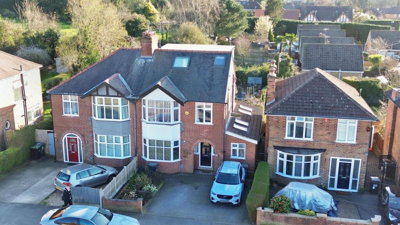
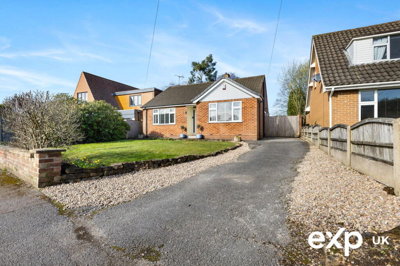
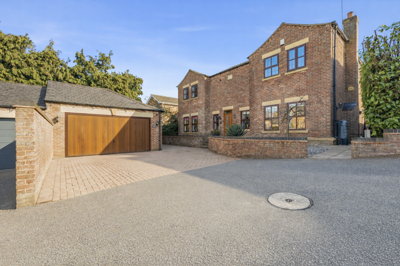
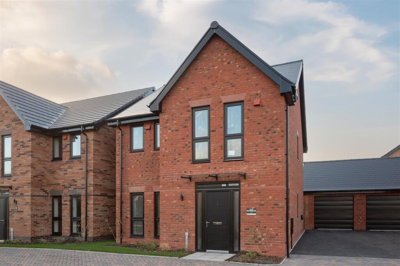
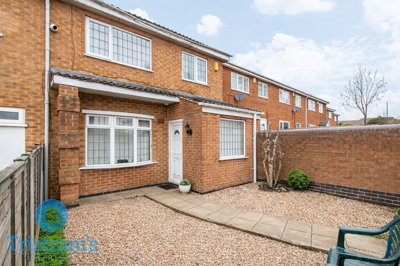
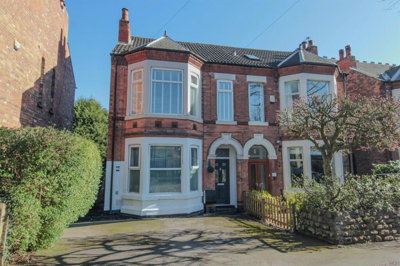
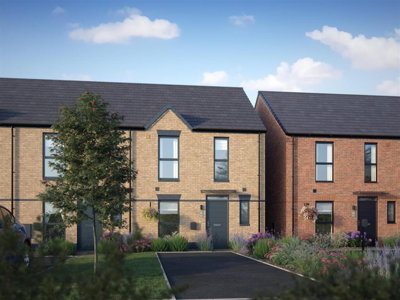
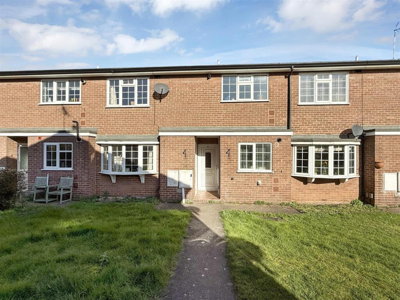
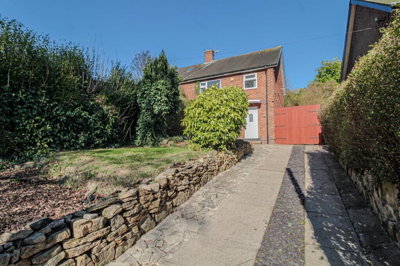
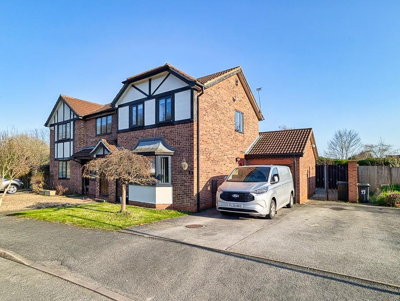
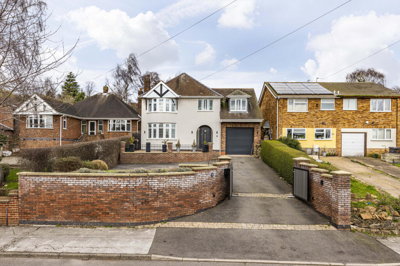
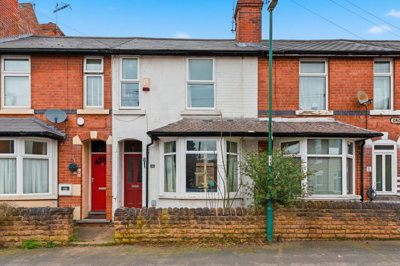
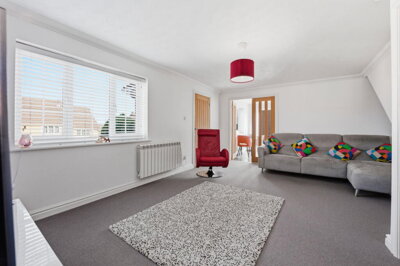
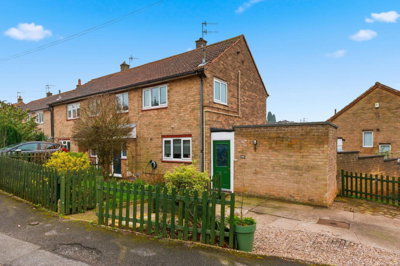
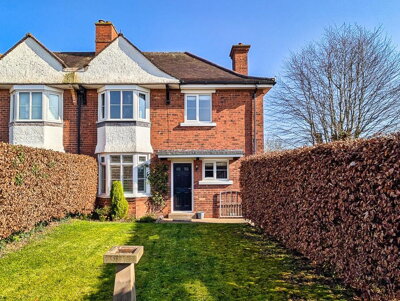
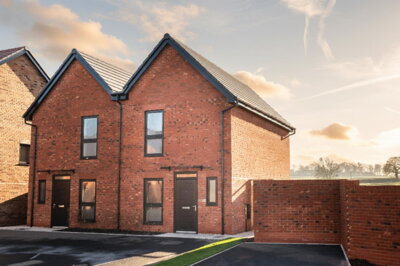
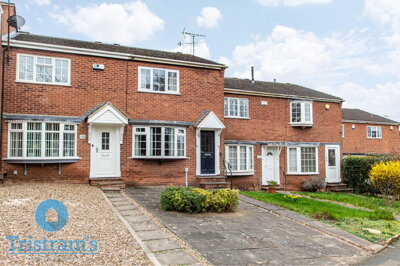
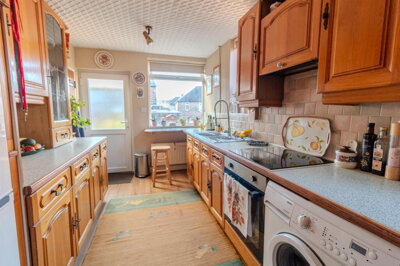
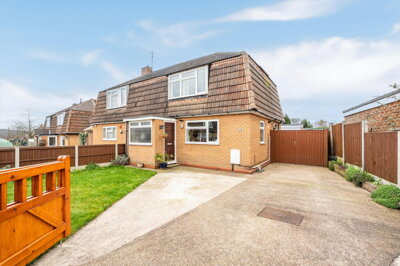
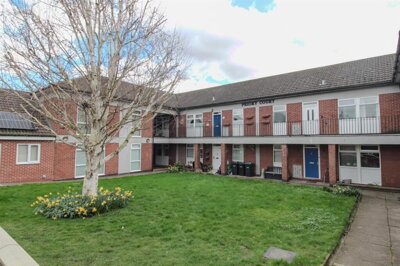
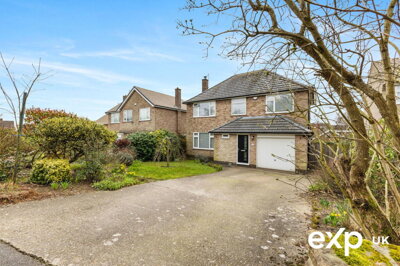
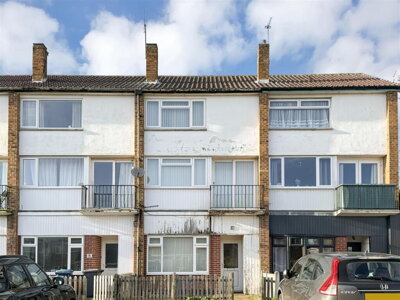
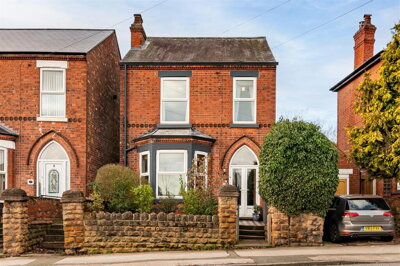
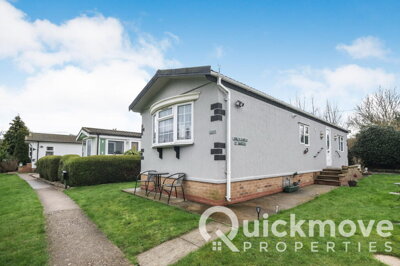
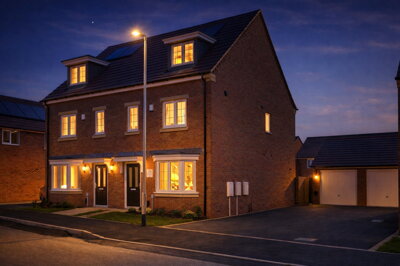
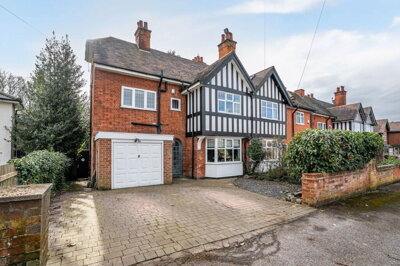
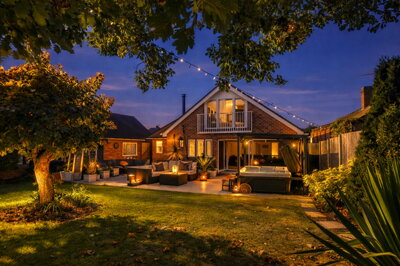
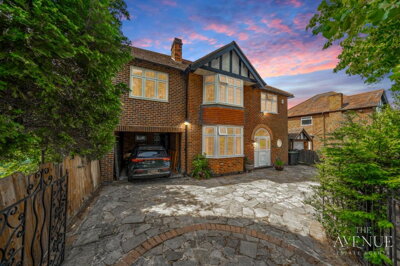
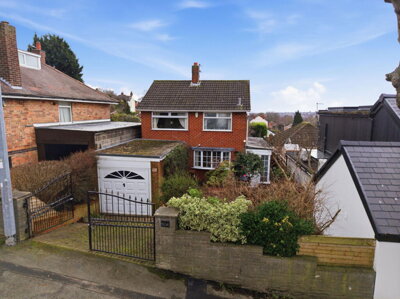
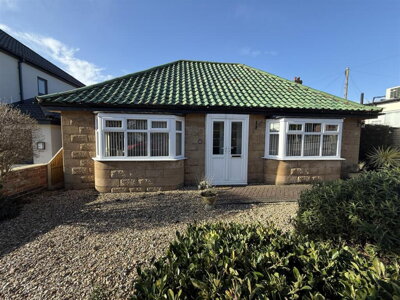
Browse 3,024 homes for sale in Gedling, Nottinghamshire from local estate agents.
£290k
944
43
107
Source: home.co.uk
Source: home.co.uk
Detached
342 listings
Avg £472,448
Semi-Detached
223 listings
Avg £252,705
Detached Bungalow
85 listings
Avg £364,670
Terraced
72 listings
Avg £186,222
End of Terrace
38 listings
Avg £207,742
Flat
28 listings
Avg £149,837
Apartment
27 listings
Avg £152,887
Semi-Detached Bungalow
23 listings
Avg £249,565
Bungalow
19 listings
Avg £321,842
Town House
14 listings
Avg £218,801
Source: home.co.uk
Source: home.co.uk
The property market in Cranwich reflects the characteristics of a small rural Norfolk village, with limited but meaningful transaction activity that provides insight into local values. Our data shows an overall median property price of £129,000 for the IP26 area, positioning Cranwich among the more affordable villages in Breckland. In the past 12 months, approximately 35 sales have been recorded in the locality, including notable transactions such as a property sold in August 2024 for £127,000 and another in September 2023 for £120,000. Property types available include traditional terraced homes with a median price of £175,000 based on recent sales, semi-detached properties around £127,000, and occasional detached homes that command higher prices reflecting their larger scale and land holdings. The limited sales volume in such a small village means each transaction carries significant weight in understanding true market value, and buyers should appreciate that properties here may appear infrequently.
Price trends in Cranwich show interesting patterns over recent years. Detached properties demonstrated strong value appreciation, with the median price rising 28.9% between 2021 and 2023, reaching £825,000 for that property type. Terraced homes also showed positive movement, increasing 35.7% from 2016 to 2023. However, the market experienced some correction in 2024, with the median sale price dropping 44.8% compared to 2023, settling at £127,000. Semi-detached homes specifically saw a decline of 39.5% between 2022 and 2024. This volatility reflects the limited transaction volume in small villages where individual sales can significantly skew averages. Prospective buyers should view these figures as indicators of local interest in the area rather than definitive market trends, and we recommend arranging viewings to assess each property's individual merits against current market conditions.
The housing stock in Cranwich predominantly consists of period properties built during the Georgian and Victorian eras, reflecting Norfolk's architectural heritage. These older properties often feature traditional construction methods including brick and flint work, which was common in the Breckland region, and original timber-frame elements. Buyers should understand that properties dating from these periods may require ongoing maintenance and updating of systems such as electrical wiring, plumbing, and insulation. The character of these homes is a significant draw for buyers seeking authentic Norfolk village living, but this comes with the responsibility of appropriate maintenance. We always recommend a thorough survey before purchase to identify any issues that may not be immediately apparent during a viewing.

Cranwich sits within the Breckland district of Norfolk, an area characterised by its distinctive heathland landscape, ancient woodland, and a network of pretty villages connected by country lanes. The village itself embodies traditional rural England, with properties typically dating from the Georgian and Victorian periods reflecting Norfolk's architectural heritage. Residents of Cranwich enjoy the tranquil pace of village life while being situated within easy reach of larger towns for everyday necessities. The Breckland landscape offers rolling farmland, managed heathlands including parts of the Brecks, and numerous public footpaths for walking and cycling enthusiasts. This natural environment attracts buyers seeking respite from urban living without complete isolation.
The community spirit in Cranwich and surrounding villages provides the social fabric that makes village living rewarding. Local pubs, parish churches, and village halls serve as focal points for community events and gatherings throughout the year. Thetford, located approximately six miles from Cranwich, provides the nearest comprehensive range of services including supermarkets, banks, independent shops, and healthcare facilities. The town's historic connections to the Forestry Commission and the Thetford Forest, England's largest lowland pine forest, offer extensive recreational opportunities. Residents benefit from a choice of primary schools in nearby villages and the wider Thetford area, making Cranwich suitable for families seeking village education options. The combination of natural beauty, community warmth, and essential service accessibility makes Cranwich an attractive proposition for buyers prioritising quality of life.
The Breckland area where Cranwich is situated offers distinctive natural features that set it apart from other parts of Norfolk. The Brecks, a unique landscape of sandy heathland and pine forest, stretches across this part of Norfolk and Suffolk, providing habitat for rare wildlife and offering outstanding outdoor recreation. Thetford Forest, managed by Forestry England, covers over 19,000 hectares and provides miles of cycling trails, walking paths, and wildlife reserves. For residents of Cranwich, these natural amenities are readily accessible, making the village particularly appealing to nature enthusiasts and those who value an active outdoor lifestyle. The changing seasons bring different pleasures to the area, from spring bluebell walks through woodland to autumn mushroom foraging and winter birdwatching.

Families considering a move to Cranwich will find educational provision centred primarily on the surrounding villages and nearby Thetford. Several primary schools serve the Breckland area, with schools in neighbouring villages providing education for children aged five to eleven. These smaller rural schools often benefit from close community ties, dedicated teaching staff, and good pupil-to-teacher ratios that support individual attention. Parents should research specific school performance data and Ofsted ratings for current information, as school effectiveness can vary and catchment areas may influence placement eligibility. The village location means younger children typically require transport arrangements for school, and this practical consideration should factor into any property search decision.
Secondary education options for Cranwich residents include schools in Thetford, which offers several choices for families seeking comprehensive education through to sixth form. The nearest secondary schools provide GCSE and A-Level programmes, with sixth form provision allowing students to continue their education locally rather than commuting to colleges in Norwich or Cambridge. For families prioritising academic excellence, researching school performance tables, individual school Ofsted reports, and available scholarship or grammar school options in Norfolk becomes essential. The transport connections from Cranwich mean that secondary school students can reasonably commute to Thetford by bus, opening options beyond the immediate village catchment. We recommend that buyers with school-age children conduct thorough research into current educational provision, admission criteria, and any planned changes to school organisation in the Breckland area.
Beyond state education, families in the Cranwich area may also consider independent schooling options available in Norfolk. Several independent schools operate in the county, some offering boarding facilities for families willing to travel or arrange accommodation. These schools often have selective admissions processes and fee structures that vary significantly. For older students, further education colleges in Norwich and Cambridge provide vocational and academic courses beyond what may be available locally. Transport arrangements for students travelling to these colleges should be considered when budgeting for education costs in the area.
Transport connectivity from Cranwich centres on road networks and proximity to Thetford, which serves as the main hub for public transport in this part of Breckland. The village sits near the A11 trunk road, providing a direct route north to Norwich and south towards London via Newmarket and the M11 motorway. This road connection makes Cranwich practical for residents who need to commute to larger employment centres, though car ownership is essentially essential given the rural location. The A11 passes through Thetford and continues to Norwich, Norfolk's principal city, offering access to major employers, shopping centres, and hospital services. For those working in Cambridge or London, the journey is manageable with approximately two hours to central London by car.
Public transport options from Cranwich include bus services connecting the village to Thetford, where mainline railway services provide onward connections. Thetford railway station offers regular services to Norwich, with journey times of approximately 35 minutes to the city centre. Norwich provides connections to London Liverpool Street via the Greater Anglia network, with journey times around two hours. Cambridge is also accessible, with services typically requiring a change at Norwich or Peterborough depending on routing. For air travel, Norwich International Airport provides domestic flights and some European destinations, while London Stansted and London Luton airports offer broader international connections within approximately two hours' drive. Residents should note that bus services in rural Norfolk can be infrequent, making advance planning essential for those relying on public transport for regular commuting.
For commuters working in Norwich, the A11 route from Thetford provides a relatively straightforward journey, typically taking 30-40 minutes depending on traffic conditions. Major employers in Norwich include the Norfolk and Norwich University Hospital, the University of East Anglia, and various financial and professional services firms. The city also offers retail, leisure, and cultural amenities that complement village living, making Norwich a practical destination for both work and leisure activities. Cambridge, while further afield, offers employment opportunities in the technology, biotechnology, and academic sectors, accessible via the A11 and M11 for those willing to commute longer distances.
Purchasing a property in a rural Norfolk village like Cranwich requires attention to considerations specific to village and countryside locations. Properties here often date from earlier periods, meaning traditional construction methods and materials that differ from modern standards. Buyers should assess the condition of older features such as thatched roofs, flint walls, or timber frames, understanding that these require specialist maintenance and can be expensive to repair. The age of village properties also means that electrical wiring, plumbing, and insulation may require updating to contemporary standards. A thorough survey before purchase helps identify these potential costs and informs your negotiating position.
Flood risk assessment deserves attention despite limited available data for Cranwich specifically. Properties near watercourses or in low-lying areas of Breckland may face some flood risk, and we recommend checking Environment Agency maps and discussing any concerns with surveyors. Drainage in rural properties can also present challenges, with septic tanks or private water supplies possible for properties not connected to mains services. These systems carry ongoing maintenance responsibilities and costs that buyers should understand. Planning restrictions in Breckland, including any conservation area considerations or agricultural land classifications, may affect what you can do with a property in future. Your solicitor should investigate these matters during the conveyancing process, and we recommend discussing any planned modifications with Breckland Council planning department before committing to a purchase.
Older properties in the Breckland area commonly exhibit certain characteristic defects that our surveyors frequently identify. These include deterioration of original timber windows, which in period properties may have single glazing and require restoration or replacement with like-for-like materials to maintain character. Roof conditions often require attention, with traditional clay or slate tiles potentially showing age-related wear. Electrical systems in properties that have not been updated may still utilise older fuse box designs that require modernising. Subsidence risk, while generally low in this part of Norfolk, can occasionally affect properties built on clay soils, and drainage issues can lead to damp penetrating older walls. We strongly recommend arranging a RICS Level 2 survey before purchase to assess these potential issues comprehensively.
Explore current listings in Cranwich and surrounding villages, understanding price ranges for different property types. With limited stock available in this small village, patience is key. Our platform shows available properties and recent sale prices to help you understand local values.
Before viewing properties, obtain a mortgage agreement in principle from a lender. This strengthens your position when making offers and demonstrates serious intent to sellers. Even for properties around the median price of £129,000, having your financing confirmed speeds up the buying process considerably. Contact our mortgage partners who understand the Norfolk property market.
Visit properties that match your requirements, assessing condition, character, and any potential issues. In older village properties, pay attention to the condition of roofs, windows, and any signs of damp or structural movement. We can help you arrange viewings with local estate agents.
Before completing your purchase, arrange a RICS Level 2 HomeBuyer Report to assess the property's condition. This is particularly important for older village properties where hidden defects may not be immediately apparent. The survey identifies issues that might affect value or require future investment. Our surveyors understand the construction methods typical of Breckland properties.
Appoint a conveyancing solicitor to handle the legal aspects of your purchase. Your solicitor will conduct searches, review contracts, and coordinate with the seller's representatives to ensure a smooth transaction. They will also advise on any local issues revealed during the conveyancing process. Our conveyancing partners offer competitive fixed fees for Norfolk property purchases.
Once all searches are satisfactory and finances are confirmed, you will exchange contracts and pay your deposit. Completion typically follows within weeks, at which point you receive the keys to your new Cranwich home. Our conveyancing partners can guide you through this final stage of the process.
Understanding the full costs of purchasing property in Cranwich helps you budget accurately and avoid surprises during the transaction. Stamp duty Land Tax represents the most significant government levy, though the good news for Cranwich buyers is that many village properties fall below the threshold where duty becomes payable. For properties priced at the median of £129,000, no stamp duty would be due under standard rates, making this an attractive feature for cost-conscious buyers. First-time buyers may benefit from relief on properties up to £625,000, though this threshold is unlikely to affect most Cranwich transactions given local price levels. Properties priced above £250,000 begin attracting duty at 5% on the amount exceeding that threshold, with rates rising to 10% for properties above £925,000 and 12% for those exceeding £1.5 million.
Beyond stamp duty, purchasing a home involves solicitor fees, survey costs, and various other charges that accumulate to a meaningful total. Conveyancing fees for a standard property purchase typically start from around £500 to £1,000, covering legal work, local authority searches, and registration fees. A RICS Level 2 HomeBuyer Report costs from approximately £350 to £600 depending on property size and complexity, providing valuable reassurance about condition before you commit. Mortgage arrangement fees vary by lender and deal, often ranging from nothing to around £2,000, while valuation fees typically run to a few hundred pounds. Land Registry fees for registering your ownership add a further modest sum. We recommend budgeting approximately £3,000 to £5,000 for these additional purchase costs on a typical Cranwich property, ensuring you have funds available beyond your mortgage deposit and purchase price.
When calculating your total budget for purchasing in Cranwich, remember to factor in moving costs, potential furniture purchases for a larger property, and immediate maintenance requirements identified during survey. Properties in rural Norfolk villages may occasionally require more immediate investment in systems such as heating upgrades or window replacement. Setting aside a contingency fund equivalent to around 10% of your purchase price is prudent for unexpected costs that may arise in older properties. Our team can provide more detailed guidance on budgeting based on your specific circumstances and the property type you are considering.
The overall median property price in Cranwich and the surrounding IP26 area stands at £129,000 according to recent Land Registry data. Property prices vary significantly by type, with terraced homes averaging around £175,000, semi-detached properties at approximately £127,000, and detached homes commanding prices from £825,000 upward reflecting their larger scale and land holdings. The small number of annual transactions in this village means that averages can shift substantially based on individual sales, and we recommend researching specific properties of interest to understand their value context. Current market conditions show some price volatility, with the 2024 median falling around 44.8% compared to 2023, though this reflects limited transaction volumes rather than a sustained downward trend.
Properties in Cranwich fall within Breckland Council's jurisdiction, with council tax bands ranging from A through to H depending on property value and type. Most village properties, particularly older terraced and semi-detached homes, typically fall into bands A through C, placing them among the lower council tax tiers in England. Banding is determined by the Valuation Office Agency based on property characteristics as of April 1991, with subsequent alterations potentially affecting band allocations. Prospective buyers can check specific bandings on the Gov.uk website using the property address, and we recommend confirming this information during the conveyancing process as bands can change following alterations or appeals.
Primary education for Cranwich residents is provided by schools in neighbouring villages and in Thetford, approximately six miles away. These smaller rural schools often receive positive feedback regarding community atmosphere and individual pupil attention. Secondary education is centred on Thetford, where families can choose between several options offering GCSE and sixth form provision. Researching current Ofsted ratings, examination results, and admission policies for these schools will help families make informed decisions. School transport arrangements and catchment area boundaries should be verified with Norfolk County Council before purchasing property, as these can affect which schools your children can attend.
Public transport connectivity from Cranwich is limited, reflecting its rural village location. Bus services provide connections to Thetford, where mainline railway services operate to Norwich with onward connections to Cambridge and London. The nearest railway station is Thetford, offering approximately 35-minute journey times to Norwich and connections to the national rail network. For commuters to London, Norwich provides regular services to Liverpool Street taking around two hours. Residents without cars should note that bus services in rural Norfolk can be infrequent, with some routes operating only a few times daily. Car ownership is therefore considered essential for most residents of Cranwich to access employment, education, and services.
Property investment in small rural villages like Cranwich involves different considerations compared to urban areas. The modest median price of £129,000 offers accessibility for first-time buyers and those seeking countryside living at reasonable cost. The limited transaction volume suggests stable long-term demand from buyers seeking village lifestyles, but this same scarcity can make quick resale more challenging. Rental demand in the village is likely modest given limited local employment, with the rental market concentrated more in Thetford itself. Capital growth prospects depend on broader Norfolk market trends and any local developments, though the absence of new build activity in the village preserves the character that attracts buyers. We recommend discussing your specific investment objectives with a property professional who understands the Breckland market.
Stamp duty Land Tax on a property purchase in Cranwich follows standard England rates, with no additional surcharges for this area. For properties up to £250,000, no stamp duty is payable on the portion within that threshold. Between £250,001 and £925,000, the rate is 5% on that portion. Higher value properties attract additional rates on amounts between £925,001 and £1.5 million, and above £1.5 million. First-time buyers purchasing properties up to £625,000 may qualify for relief, paying 0% on the first £425,000 and 5% on the remainder between £425,001 and £625,000. Given most Cranwich properties fall around the £129,000 median, many purchases would attract no stamp duty whatsoever, or only minimal amounts for higher-value properties.
The housing stock in Cranwich predominantly consists of period properties built during the Georgian and Victorian eras, with construction typically using traditional methods common to Norfolk and Breckland. These include brick and flint walls, which are characteristic of the region, along with timber-framed structures and slate or clay tile roofs. Detached properties with generous gardens are common, reflecting the rural setting and the availability of land. Terraced cottages line some of the village's country lanes, offering character and charm at accessible price points. The village has seen minimal new build development, meaning opportunities to purchase modern properties are extremely limited.
When viewing properties in Cranwich, pay particular attention to the condition of older construction elements that are typical of period village homes. Check the state of any thatched roofing, flint or brick walls, and original timber windows, as these features define the character of Breckland properties but require ongoing maintenance. Look for signs of damp in older walls, particularly where breathable materials and traditional building techniques have been replaced with modern alternatives. Assess the heating systems, as older properties may rely on oil-fired boilers or solid fuel systems rather than gas. We recommend scheduling a dedicated survey visit with a RICS qualified surveyor who understands local construction methods before making any offer.
From 4.5% APR
Finding the right mortgage for your Cranwich purchase
From £499
Expert legal services for your property purchase
From £350
Comprehensive condition report for your Cranwich home
From £60
Energy performance certificate for your property
Properties for Sale In London

Properties for Sale In Plymouth

Properties for Sale In Liverpool

Properties for Sale In Glasgow

Properties for Sale In Sheffield

Properties for Sale In Edinburgh

Properties for Sale In Coventry

Properties for Sale In Bradford

Properties for Sale In Manchester

Properties for Sale In Birmingham

Properties for Sale In Bristol

Properties for Sale In Oxford

Properties for Sale In Leicester

Properties for Sale In Newcastle

Properties for Sale In Leeds

Properties for Sale In Southampton

Properties for Sale In Cardiff

Properties for Sale In Nottingham

Properties for Sale In Norwich

Properties for Sale In Brighton

Properties for Sale In Derby

Properties for Sale In Portsmouth

Properties for Sale In Northampton

Properties for Sale In Milton Keynes

Properties for Sale In Bournemouth

Properties for Sale In Bolton

Properties for Sale In Swansea

Properties for Sale In Swindon

Properties for Sale In Peterborough

Properties for Sale In Wolverhampton

Enter your details to see if this property is within your budget.
Loans, cards, car finance
Estimated property budget
Borrowing + deposit
You could borrow between
Typical borrowing
Monthly repayment
Est. at 4.5%
Loan-to-value
This is an estimate only. Your actual budget may vary depending on interest rates, credit history, and personal circumstances. For an accurate affordability assessment, speak to one of our free mortgage advisors.
This calculator provides estimates for illustrative purposes only and does not constitute financial advice. Your home may be repossessed if you do not keep up repayments on your mortgage. Estimates based on 4.5% interest rate, repayment mortgage. Actual rates depend on your circumstances.
Homemove is a trading name of HM Haus Group Ltd (Company No. 13873779, registered in England & Wales). Homemove Mortgages Ltd (Company No. 15947693) is an Appointed Representative of TMG Direct Limited, trading as TMG Mortgage Network, which is authorised and regulated by the Financial Conduct Authority (FRN 786245). Homemove Mortgages Ltd is entered on the FCA Register as an Appointed Representative (FRN 1022429). You can check registrations at NewRegister or by calling 0800 111 6768.

We use cookies to show you personalised content and improve your experience of our website. Find out more in our Privacy policy and Cookie policy.