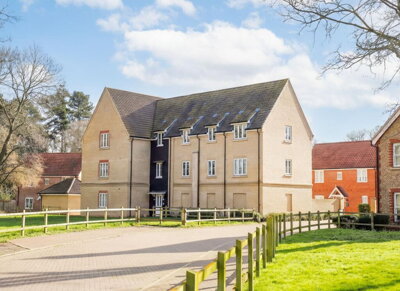
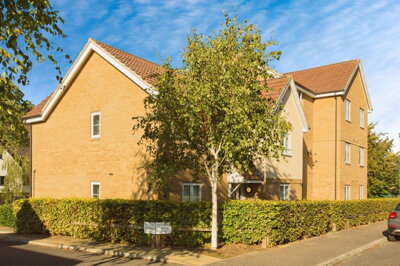
Browse 2 homes for sale in Gazeley, West Suffolk from local estate agents.
Studio apartments feature open-plan living spaces without separate bedrooms, incorporating sleeping, living, kitchen, and bathroom facilities. The Gazeley studio market includes properties in modern apartment complexes, converted Victorian and Georgian buildings, and purpose-built developments.
£0k
0
0
0
Source: home.co.uk
Showing 0 results for Studio Flats for sale in Gazeley, West Suffolk.
The Worlingham property market has demonstrated remarkable resilience over the past year, with house prices showing modest growth despite broader national uncertainties. According to the latest figures, the overall average house price stands at £317,838, with detached properties averaging £364,481 and semi-detached homes at around £251,147. Terraced properties in the village typically command prices in the region of £232,500, offering an accessible entry point for buyers seeking character homes in this sought-after location. House prices have shown nominal growth of 1.2% over the past year, though inflation-adjusted figures indicate a slight decline of 2.6% when accounting for the broader economic context.
New build opportunities remain relatively limited but include the Rectory Gardens development by Badger Building on Rectory Lane, where two, three, and four-bedroom homes are available from £255,000 for an end-of-terrace property up to £540,000 for a substantial detached house. This development adds modern construction options to the local market, with properties featuring contemporary fittings and energy-efficient specifications that appeal to buyers seeking turnkey solutions. The broader NR34 postcode area continues to attract interest from buyers looking to balance village living with good transport connections to Norwich and the coast.
Looking ahead, the proposed Beccles and Worlingham Garden Neighbourhood represents a significant future development, with plans for approximately 1,250 new homes including 30% affordable housing and new community facilities including a primary school and local centre. If approved, this development would be located to the southwest of the village and could reshape the local property landscape over the coming decade. The plans also include employment land, a continuing care retirement community, and public open spaces including playing pitches, making this a comprehensive urban extension that would bring substantial investment to the area.

Worlingham offers a distinctly residential character that distinguishes it from nearby towns, with housing stock dominated by detached properties and bungalows. Census data reveals that 66.65% of homes in the village are detached, with semi-detached properties accounting for 21.12% and only 2.11% being flats or maisonettes. This low-density housing pattern creates a spacious, settled feel throughout the neighbourhood, with tree-lined streets and generous gardens characterising many residential areas. The village has grown organically over the decades, resulting in distinct character areas that reflect different building periods from post-war developments around Park Drive and Lowestoft Road to more contemporary estates including Bluebell Way, Cedar Drive, and Werel's Loke.
The local economy shows interesting characteristics relevant to prospective residents. Manufacturing employment in Worlingham exceeds both the wider Waveney area and national averages, with particular concentration in the chemicals, packaging, and food and beverages sectors. Approximately one-third of manufacturing jobs are in the chemicals, chemical products, rubber and plastic sector, likely linked to plastic packaging companies serving broader East Anglia. The nearby Ellough industrial estate provides local employment opportunities and is expected to expand further as the area attracts more businesses. Notably, economic inactivity due to retirement in Worlingham stands at 21.1%, which is higher than both the East of England and national averages, reflecting the village's popularity among older residents and contributing to its peaceful, established atmosphere.
The village centre provides essential local services including retail, care, and hospitality options that serve the day-to-day needs of residents. Local job listings consistently show opportunities in these sectors, providing employment for residents who prefer short commutes or part-time work. The proximity to Beccles means that additional employment, shopping, and leisure facilities are easily accessible, effectively extending the service catchment area for Worlingham residents while maintaining the village's residential character.

Education provision in Worlingham centres on Worlingham Primary School, which serves the village's younger residents and has been the focus of flood mitigation works by Suffolk County Council as Lead Local Flood Authority. The school provides essential community infrastructure, and its presence within the village is a significant factor for families considering relocation. The school has undergone surface water management projects to address local flood risk, reflecting the broader challenges that some properties in lower-lying parts of the village may face during periods of intense rainfall.
Secondary education options are available in nearby Beccles, with several secondary schools serving the wider area and providing good choice for families. For those seeking grammar school education, the broader Waveney Valley region offers selective schooling options, though entry is subject to the standard testing process and catchment areas should be verified before purchasing. Families frequently cite educational access as a key factor in their property search, and Worlingham's position relative to quality secondary schools in the surrounding towns makes it an attractive option for families at the child-rearing life stage.
The proposed Beccles and Worlingham Garden Neighbourhood includes plans for a new primary school and pre-school facility, which would expand educational capacity as the area grows and potentially ease pressure on existing provision. For families with older children, sixth form and further education opportunities are accessible in Beccles and Lowestoft, with good transport links connecting these towns. The presence of quality schooling within and close to the village makes Worlingham particularly attractive to buyers at family-forming and child-rearing life stages, where educational access frequently influences property purchasing decisions and can affect both saleability and rental demand.
Transport connectivity from Worlingham centres on nearby Beccles, which offers rail services with regular connections to Norwich and Lowestoft. The Beccles railway station provides access to the Bittern Line, connecting passengers to Norwich in approximately 30 minutes, opening up commuting options to Norfolk's principal city and its extensive employment opportunities. The station serves the local community well for occasional commuting and day trips, though full-time commuters may find the frequency of services a limiting factor compared to larger stations.
For air travel, Norwich International Airport is within reasonable driving distance, offering domestic and limited international connections that serve the wider region. The village's position between Beccles and Lowestoft places it within easy reach of both towns' transport infrastructure, providing flexibility for residents who need to travel further afield. Lowestoft provides additional rail connections and ferry services, expanding the options available for both business and leisure travel.
Road travel is well-served by the A146, which runs through the area connecting Lowestoft to Norwich via Beccles, providing the main arterial route for local journeys and longer-distance travel. The village's road network connects efficiently to the A12, which runs north-south through Suffolk, linking communities along the coast and providing access to Ipswich and beyond for those requiring more regular commuting to larger employment centres. For cycling enthusiasts, the surrounding Suffolk countryside offers scenic routes, while the proximity to the Broads National Park provides extensive opportunities for recreational travel on two wheels. Local bus services connect Worlingham with surrounding towns, though private transport remains advantageous for full flexibility given the village's residential character.
Understanding the construction methods and materials used in Worlingham properties helps buyers appreciate the character and potential maintenance requirements of homes in this area. Traditional buildings in Suffolk, including Worlingham, commonly feature brickwork as the predominant external material, which reflects the abundance of suitable local clays and the relative scarcity of local stone. Common brick types found include soft reds, made from sandy iron-rich clay that gives Suffolk buildings their distinctive warm appearance, and whites derived from chalky clay that can be seen in some period properties throughout the village.
Worlingham Hall itself provides an excellent example of local building traditions, being constructed of brick and stucco that demonstrates how traditional materials were employed in higher-status properties. Stucco render has been used on several period properties in the village to create smooth decorative finishes that were popular during Georgian and Victorian periods. Flint, while available locally, is used more sparingly in this part of Suffolk compared to coastal areas where it appears more prominently in church walls and farm buildings.
Timber framing was historically prevalent in Suffolk construction, and some older properties within Worlingham may retain structural timber frames concealed behind later brick or plaster finishes. Properties built from the 1950s onwards typically feature cavity wall construction with brick outer leaves and concrete or steel internal structure, representing a shift from traditional solid wall methods. This mix of construction types means that buyers should consider the specific build era of any property, as older solid-walled properties will have different insulation and damp-proofing characteristics compared to more modern cavity wall constructions.
Before beginning your property search in Worlingham, obtain a mortgage Agreement in Principle from a lender. This demonstrates to estate agents and sellers that you are a serious buyer with funding already assessed, strengthening your position when making offers on homes in this competitive village market. For a typical Worlingham property at the current average of £317,838, you would typically require a deposit of at least 5-15% depending on your lending circumstances, equating to between £15,892 and £47,676. We recommend speaking with an independent mortgage broker who can compare products across multiple lenders to find the most suitable deal for your circumstances.
Browse the full range of homes for sale in Worlingham through Homemove, comparing listings from multiple estate agents. Consider property types ranging from detached family homes around £364,000 to more affordable terraced options around £232,500, and register with agents for alerts on new listings. The village offers diverse options including post-war semis on Park Drive, contemporary homes on Cedar Drive, and character properties along Hillside Avenue and Garden Lane. Setting up property alerts ensures you can act quickly when suitable homes come to market, which is particularly important in a village where desirable properties can sell rapidly.
Once you have identified properties of interest, schedule viewings to assess each home's condition, location within the village, and proximity to local amenities. Pay particular attention to the age of the property and any signs of common issues found in Worlingham's housing stock. For older properties, look for evidence of dampness, particularly in ground-floor rooms and basements where moisture can accumulate. Check the condition of roof coverings from ground level, looking for missing or damaged tiles, and examine walls for cracks that might indicate structural movement. Properties on or near clay soils should be viewed with particular attention to the condition of drains, gutters, and any large trees that might affect foundations.
Before completing your purchase, arrange a RICS Level 2 Survey to assess the property's condition thoroughly. Given Worlingham's geology on shrink-swell clay soils, a professional survey is particularly valuable for identifying potential subsidence issues and other structural concerns that may not be apparent during viewings. Our team includes qualified surveyors with extensive experience inspecting properties throughout the Waveney Valley, and they understand the specific construction methods and common defects found in local housing stock. For period properties or those with unusual construction, a more comprehensive RICS Level 3 Survey may be advisable to provide detailed analysis of the building's condition.
Appoint a conveyancing solicitor to handle the legal aspects of your purchase, including searches, contracts, and registration of title. Your solicitor will conduct local searches including drainage and water searches through East Suffolk Council, environmental searches to identify any potential contamination risks, and mining searches where relevant. Given the proposed Garden Neighbourhood development to the southwest of the village, additional planning searches may be advisable to identify any future development that could affect your property. Your solicitor will liaise with the seller's representatives to progress your transaction through to completion.
Once all surveys, searches, and negotiations are satisfactory, you will exchange contracts and pay your deposit, typically 10% of the purchase price. Completion typically follows within days or weeks, at which point you will receive the keys to your new Worlingham home. On completion day, you will receive notification from your solicitor that the funds have been transferred and the property is officially yours. We recommend arranging building insurance to commence from the date of exchange, as your liability for the property transfers at this point. Our conveyancing partners can guide you through every step of this process to ensure a smooth transaction.
Prospective buyers in Worlingham should be aware of several local-specific factors that could affect their purchase. The village sits on London Clay, which is highly susceptible to shrink-swell behaviour that can cause subsidence. Beneath the widespread boulder clay plateau that covers much of the area lies London Clay, which is known to be highly plastic and particularly susceptible to changes in moisture content. Given the projected increase in extreme weather events due to climate change, with hotter, drier summers accelerating soil moisture depletion, this risk may intensify in coming years. If you are considering a property with significant trees or large gardens, or one built on or near clay soils, a thorough structural survey from one of our qualified surveyors is strongly advisable before committing to purchase.
Flood risk, while generally low for the village centre, warrants investigation for specific properties. Worlingham Marshes to the north is a nature reserve featuring fen, scrub, dykes, and foot drains, with the River Waveney along its northern boundary indicating areas naturally prone to water accumulation. There have been reports of surface water flooding affecting nearby areas during intense rainfall events, with some locations experiencing predicted flood depths of 300-900mm due to significant rainfall overwhelming drainage systems. The proposed Garden Neighbourhood development has also faced objections from Anglian Water regarding the capacity of the Worlingham-Ashtree Water Recycling Centre, raising concerns about potential flooding if infrastructure upgrades are not made alongside development. Check the Environment Agency flood maps and consider a drainage survey for properties in lower-lying positions.
Worlingham's heritage properties, including the Grade I listed Worlingham Hall, Grade II* Church of All Saints, and other listed buildings such as Worlingham Manor and the Serpentine Wall, are subject to planning restrictions that affect what owners can do to their properties. If you are considering a listed building or a property within any designated conservation area, specialist advice on permitted development rights and Listed Building Consent requirements is essential before purchasing. These properties may require specialist surveys due to their complex construction, unique materials, and historical significance, and a RICS Level 3 Building Survey is generally recommended over a Level 2 for listed buildings.
Properties in new developments like Rectory Gardens will typically have modern construction and contemporary amenities, with warranties potentially remaining under the New Homes Buildmark scheme or similar. Older post-war properties built in the 1950s and 1960s around areas such as Highland Drive and Park Drive may require updating of electrical systems, insulation, or other elements to meet modern standards. Original wiring from this era often does not meet current safety requirements, and lead pipework may still be present in the oldest properties. Our surveyors frequently identify these issues during inspections, and an early survey can prevent costly surprises after purchase.
The average house price in Worlingham is currently £317,838 according to recent market data from Zoopla, with Rightmove reporting a similar figure of £315,800 for the last year. Detached properties average £364,481, semi-detached homes around £251,147, and terraced properties approximately £232,500. House prices have shown modest nominal growth of 1.2% over the past year, though inflation-adjusted figures indicate a slight decline of 2.6%, and Rightmove reports that overall sold prices in the past year were 3% down on the previous year. The village offers properties across a wide price range, from more affordable terraced homes around £232,500 to substantial detached family houses exceeding £540,000 for premium new builds at Rectory Gardens.
Properties in Worlingham fall under East Suffolk Council administration, which sets council tax rates annually for the area. Specific band valuations are determined by the Valuation Office Agency based on property value as of April 1991, meaning the band reflects the property's value at that point rather than current market worth. Prospective buyers can check current council tax bands for specific properties via the East Suffolk Council website or the government council tax valuation portal. As a guide, typical Worlingham properties ranging from modest terraced homes to substantial detached houses will likely fall across bands B through F, with exact amounts depending on current council tax rates set by East Suffolk Council.
Worlingham Primary School serves the village's younger residents and is the main primary education option within the community, having received investment in flood mitigation works by Suffolk County Council as Lead Local Flood Authority. For secondary education, families typically consider schools in nearby Beccles, which offers several options within reasonable travelling distance including transport links. The broader area includes schools that receive good Ofsted ratings, though specific current ratings should be verified through the Ofsted website as these are regularly updated. The proposed Beccles and Worlingham Garden Neighbourhood development includes plans for additional primary and pre-school facilities, which would expand local educational capacity if approved and constructed, potentially benefiting families in the coming years.
Public transport access from Worlingham centres on nearby Beccles railway station, which provides services on the Bittern Line connecting to Norwich and Lowestoft, with Norwich reachable in approximately 30 minutes. Bus services operate between Worlingham and surrounding towns, though frequency may be limited compared to urban routes, making private transport advantageous for full flexibility. The A146 provides direct road access to both Beccles and Lowestoft, and connections to the A12 for travel further afield to Ipswich and beyond. Norwich can be reached by train in approximately 30 minutes, making it accessible for occasional commuting, though those requiring daily rail travel may find the service frequency a limiting factor for full-time commuting.
Worlingham presents a compelling case for property investment, supported by several factors that appeal to both owner-occupiers and landlords. The village has experienced steady population growth with 3,621 residents recorded in the 2021 Census, indicating sustained demand for housing in this desirable location. The proposed Beccles and Worlingham Garden Neighbourhood, if approved, would bring significant new infrastructure including 1,250 homes, a primary school, and community facilities, potentially boosting property values in the surrounding area as the neighbourhood develops. Rental demand is supported by the local employment base at nearby Ellough industrial estate and the village's appeal to families seeking quality schooling and village amenities. However, buyers should note that property values have shown some volatility, with Rightmove reporting a 3% decline in sold prices compared to the previous year, suggesting a cautious approach to investment is advisable.
Stamp Duty Land Tax (SDLT) rates for residential properties purchased in Worlingham follow standard England rates as set by HM Revenue and Customs. For properties up to £250,000, no stamp duty is payable, and for a typical Worlingham property at the village average of £317,838, a standard buyer would pay approximately £3,392 calculated at 5% on the portion between £250,000 and £317,838. Between £925,001 and £1,500,000, the rate rises to 10%, and properties above £1,500,000 incur 12% on the portion above that threshold. First-time buyers may benefit from relief on the first £425,000 of a property, paying 5% on the amount between £425,001 and £625,000, with no relief available above £625,000. All rates apply to the portion of the purchase price within each band, and your solicitor will calculate the exact amount due based on your specific circumstances.
Given Worlingham's mix of housing stock, including significant proportions built in the post-war period and earlier, common defects include dampness affecting solid-walled properties that lack modern damp-proof courses. Rising damp from ground moisture, penetrating damp through ageing brickwork, and condensation due to poor ventilation are all frequently encountered in older properties throughout the village. Roof defects including slipped or cracked tiles, deteriorating ridge mortar, and failing flashings around chimneys can lead to water ingress and subsequent timber decay, particularly in properties with older roof coverings. Properties with significant trees or those on clay soils should be carefully assessed for signs of subsidence or structural movement, as the shrink-swell behaviour of London Clay beneath the area can cause foundation movement that manifests as diagonal cracks or misaligned door frames. A professional RICS Level 2 Survey will identify these issues and provide guidance on necessary repairs.
Understanding the full costs of buying a property in Worlingham is essential for budgeting effectively and avoiding surprises during the transaction process. Beyond the purchase price, buyers should account for Stamp Duty Land Tax, which varies depending on property value and buyer status. For a typical Worlingham property at the village average of £317,838, a standard buyer would pay approximately £3,392 in stamp duty, calculated at 5% on the portion between £250,000 and £317,838. First-time buyers may qualify for relief, reducing or eliminating this cost on properties up to £425,000, though the median Worlingham price exceeds this threshold for most detached properties. Your solicitor will calculate the exact amount due based on your specific circumstances and residency status.
Solicitors' fees for conveyancing typically range from £499 for basic transactions to over £1,000 for more complex purchases involving older properties with title complications, leasehold properties, or those affected by planning constraints such as listed building status. Additional legal costs may include search fees from East Suffolk Council, bankruptcy and land registry searches, and telegraphic transfer fees for moving funds. A RICS Level 2 Survey is strongly recommended and costs approximately £420-£640 depending on property size, with larger detached homes at the higher end of the range, and properties priced above £500,000 typically averaging around £586 for a comprehensive inspection.
An Energy Performance Certificate is mandatory for all property sales and costs around £85-£120, with the cost varying based on property size and the assessor used. Survey costs are particularly important given Worlingham's geological context, as a thorough inspection can identify subsidence risk, damp issues, or structural concerns that might not be apparent during viewings. Additional costs include mortgage arrangement fees (typically 0-2% of the loan amount), valuation fees required by your lender, Land Registry fees for title registration, and moving costs. Factor in around 1-2% of the property price for these ancillary costs, and for those purchasing with a mortgage, remember to factor in monthly repayments alongside council tax (managed by East Suffolk Council), building insurance, and any service charges if purchasing a property with communal areas.
Properties for Sale In London

Properties for Sale In Plymouth

Properties for Sale In Liverpool

Properties for Sale In Glasgow

Properties for Sale In Sheffield

Properties for Sale In Edinburgh

Properties for Sale In Coventry

Properties for Sale In Bradford

Properties for Sale In Manchester

Properties for Sale In Birmingham

Properties for Sale In Bristol

Properties for Sale In Oxford

Properties for Sale In Leicester

Properties for Sale In Newcastle

Properties for Sale In Leeds

Properties for Sale In Southampton

Properties for Sale In Cardiff

Properties for Sale In Nottingham

Properties for Sale In Norwich

Properties for Sale In Brighton

Properties for Sale In Derby

Properties for Sale In Portsmouth

Properties for Sale In Northampton

Properties for Sale In Milton Keynes

Properties for Sale In Bournemouth

Properties for Sale In Bolton

Properties for Sale In Swansea

Properties for Sale In Swindon

Properties for Sale In Peterborough

Properties for Sale In Wolverhampton

Enter your details to see if this property is within your budget.
Loans, cards, car finance
Estimated property budget
Borrowing + deposit
You could borrow between
Typical borrowing
Monthly repayment
Est. at 4.5%
Loan-to-value
This is an estimate only. Your actual budget may vary depending on interest rates, credit history, and personal circumstances. For an accurate affordability assessment, speak to one of our free mortgage advisors.
This calculator provides estimates for illustrative purposes only and does not constitute financial advice. Your home may be repossessed if you do not keep up repayments on your mortgage. Estimates based on 4.5% interest rate, repayment mortgage. Actual rates depend on your circumstances.
Homemove is a trading name of HM Haus Group Ltd (Company No. 13873779, registered in England & Wales). Homemove Mortgages Ltd (Company No. 15947693) is an Appointed Representative of TMG Direct Limited, trading as TMG Mortgage Network, which is authorised and regulated by the Financial Conduct Authority (FRN 786245). Homemove Mortgages Ltd is entered on the FCA Register as an Appointed Representative (FRN 1022429). You can check registrations at NewRegister or by calling 0800 111 6768.

We use cookies to show you personalised content and improve your experience of our website. Find out more in our Privacy policy and Cookie policy.