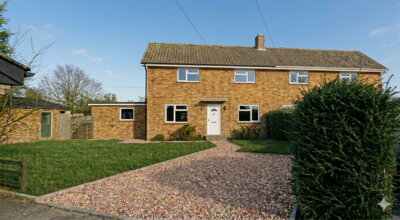
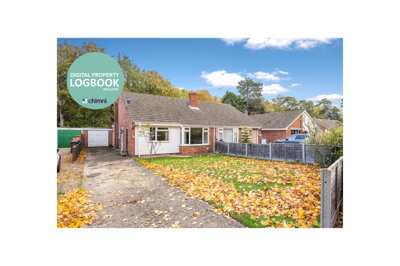
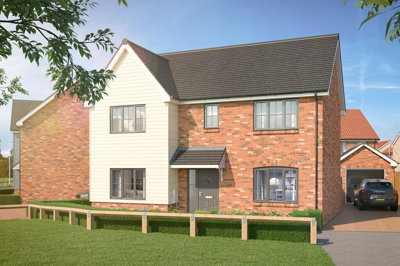
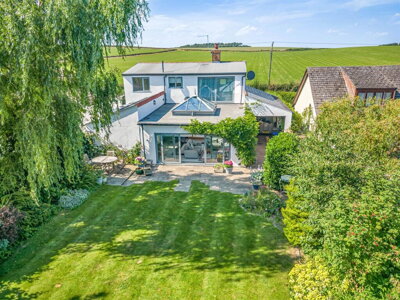
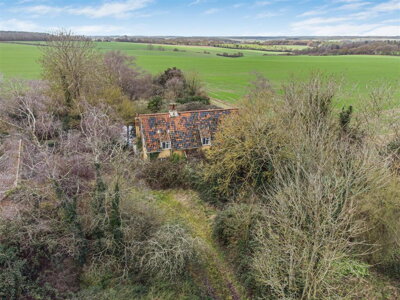
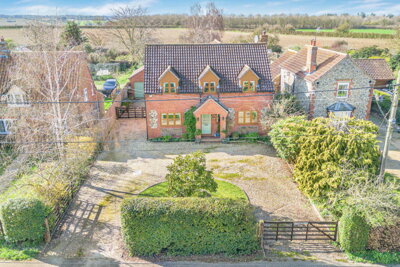
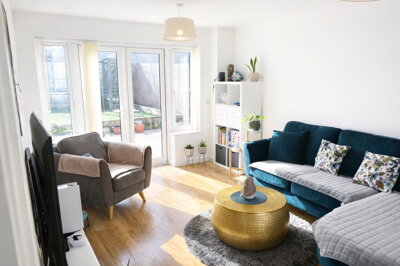
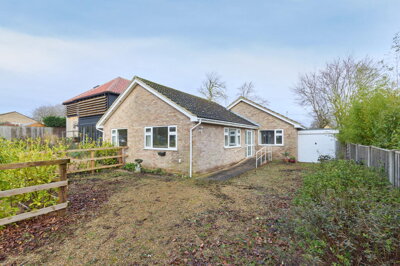
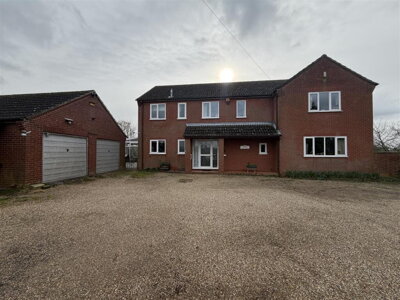
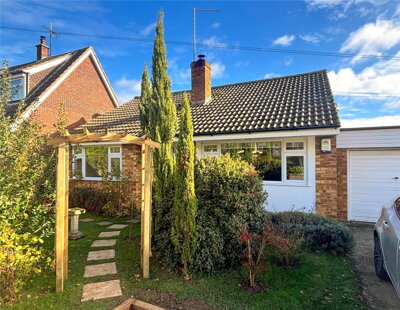
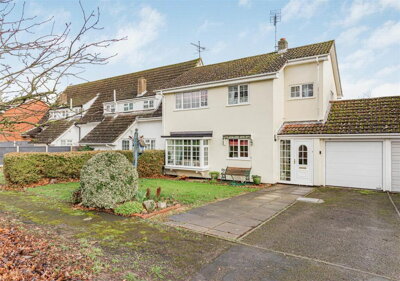
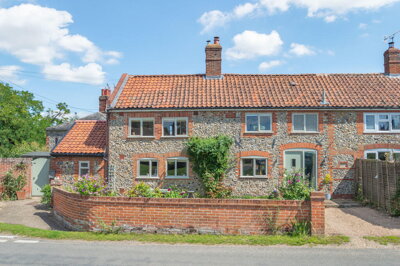
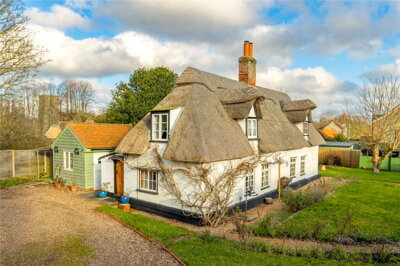
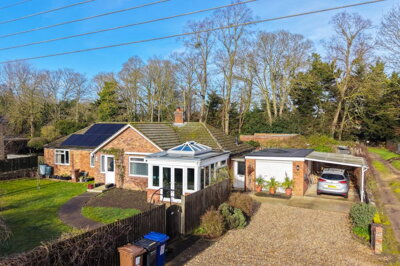
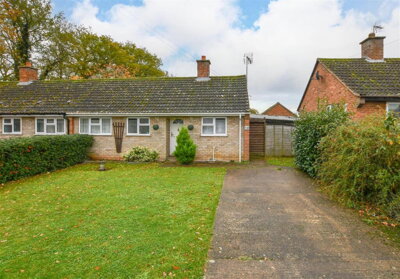
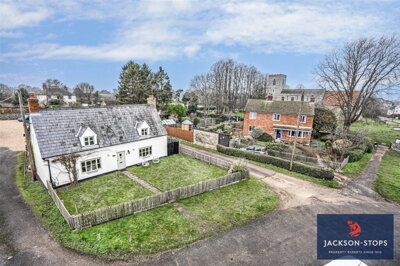
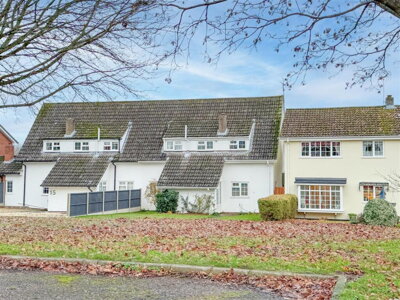
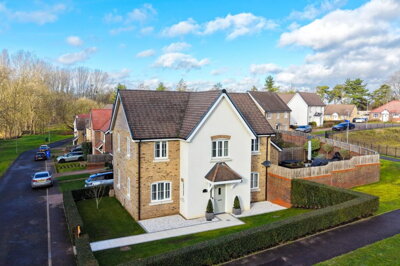
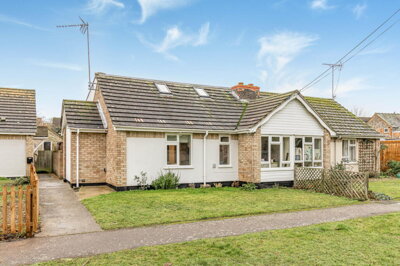
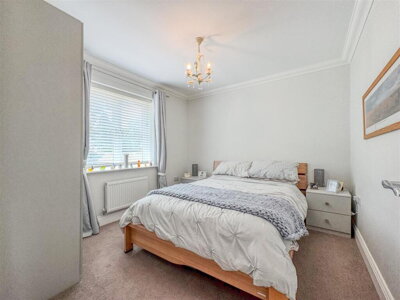
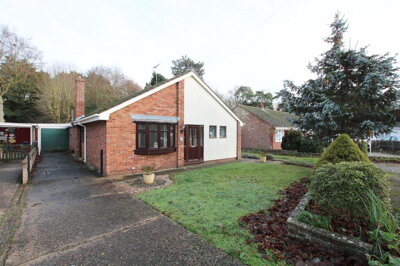
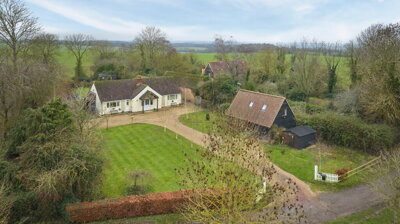
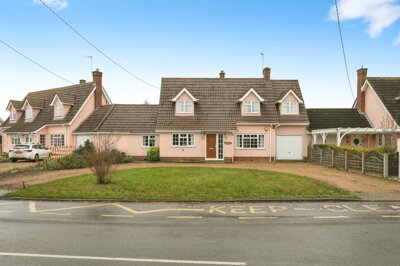
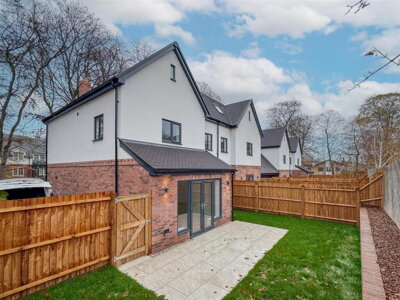
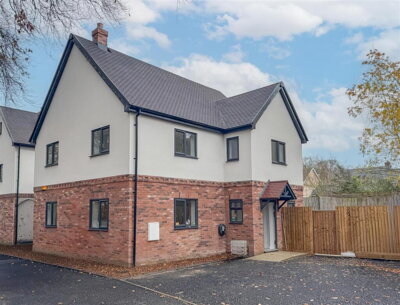
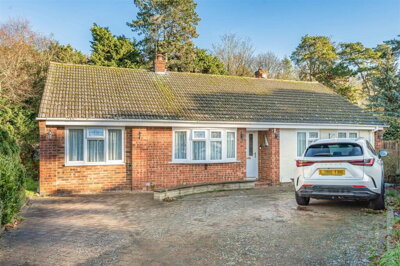
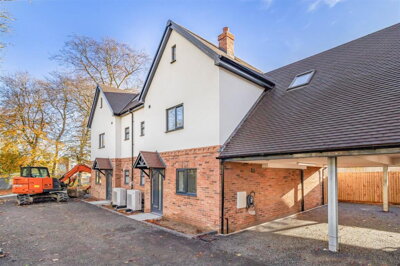
Browse 54 homes for sale in Gazeley, West Suffolk from local estate agents.
The Gazeley property market offers detached, semi-detached, and terraced houses spanning various price ranges and neighbourhoods. Each listing includes detailed property information, photographs, and direct contact with the marketing agent.
£550k
1
0
52
Source: home.co.uk
Showing 1 results for Houses for sale in Gazeley, West Suffolk. The median asking price is £550,000.
Source: home.co.uk
Detached
1 listings
Avg £550,000
Source: home.co.uk
Source: home.co.uk
The Worlingham property market offers a diverse range of options to suit various budgets and preferences. Detached properties command an average price of £364,481, reflecting the premium placed on space and privacy in this desirable village setting. Semi-detached homes average £251,147, while terraced properties start from around £232,500, providing more accessible entry points for first-time buyers and families seeking the Worlingham lifestyle at a lower price point. With only 2.11% flats in the village, the housing stock is overwhelmingly oriented toward family homes and bungalows, creating a distinctive market character compared to urban areas.
Recent market trends show house prices in the NR34 7 postcode sector grew by 1.2% nominally over the past year, though the market has experienced some adjustment when accounting for inflation. Historical sold prices indicate a 3% decline compared to the previous year, suggesting a stabilising market where buyers may find improved negotiating opportunities. Rightmove data for the area confirms this pattern, with overall sold prices running 3% down on the previous year, creating potential buying opportunities for those entering the market at this point in the cycle. New build options in the area include Rectory Gardens on Rectory Lane, where Badger Building offers 2-bedroom end-of-terrace homes from £255,000, 3-bedroom semi-detached properties from £310,000, and impressive 4-bedroom detached houses from £540,000.
Looking ahead, the proposed Beccles and Worlingham Garden Neighbourhood represents a significant future development, with plans for approximately 1,250 new homes to be built to the south of Beccles and southwest of Worlingham between Ellough Road and Oak Lane. This major development, submitted by Larkfleet Ltd through WSP, will include 30% affordable housing, 5% custom-built homes, a new primary school, local centre facilities, employment land, a continuing care retirement community, and extensive public open spaces including playing pitches and parks. The development is currently in the planning application stage and, if approved, could significantly reshape the area's character and expand housing choice for future buyers over the coming decade.

Worlingham is a characterful Suffolk village with a population of approximately 3,621 residents according to the 2021 Census, with the 2024 estimate remaining virtually unchanged at 3,619. The village developed substantially during the post-war decades, creating a distinctive blend of housing styles from different eras. Parts of Park Drive, Lowestoft Road, Hillside Avenue, and Garden Lane represent the post-World War II developments, while the 1960s brought bungalows to the area with continued expansion through Highland Drive. More recent developments including Bluebell Way, Cedar Drive, and Werel's Loke have continued to expand the village, with particularly rapid growth occurring between 2001 and 2011 that transformed the village's scale and character.
The village's heritage is evident in several notable listed buildings that dot the area. Worlingham Hall stands as a Grade I listed Georgian country house, constructed of brick and stucco, representing the architectural pinnacle of the village's history. The Church of All Saints holds Grade II* status as a significant ecclesiastical building, while Worlingham Manor is Grade II listed. The historic Serpentine Wall between Paddocks Green and the Bridles adds further architectural interest to the village, also Grade II listed. These heritage assets are protected through the Worlingham Neighbourhood Plan, which aims to preserve the character that makes this village special for future generations, with any alterations to listed buildings requiring consent from East Suffolk Council.
The local economy benefits from proximity to the Ellough industrial estate, located near the parish boundary to the south. Manufacturing plays a significant role in local employment, with approximately one-third of manufacturing jobs in the "Chemicals, chemical products, rubber and plastic" sector, likely linked to plastic packaging companies. The "Food, Beverages and Tobacco sector" also contributes significantly to local manufacturing employment. The village shows a higher-than-average proportion of residents retired from work, at 21.1% compared to regional and national averages, contributing to the peaceful village atmosphere and strong community spirit that defines Worlingham. Local job listings also show roles in retail, care, and local services, providing diverse employment options for residents.
Worlingham offers excellent educational provision for families, making it a popular choice for parents seeking quality schooling in a village setting. The village is served by Worlingham Primary School, which provides education for children in the early years and Key Stage 1. The school has been the focus of flood intervention projects by Suffolk County Council, reflecting the local authority's commitment to maintaining educational facilities in the face of environmental challenges common to the area. Parents should research current Ofsted ratings and admission criteria directly with schools, as catchment areas and performance metrics can change over time.
For secondary education, students typically attend schools in the nearby market town of Beccles, which is just a short distance from Worlingham. Beccles offers several options for secondary education, serving families who value the combination of village living with access to broader educational facilities. The proposed Beccles and Worlingham Garden Neighbourhood development includes plans for a new primary school and pre-school provision, which would further enhance educational capacity in the area as the community continues to grow. This new infrastructure could ease pressure on existing schools and provide modern educational facilities for future generations of Worlingham families.
Parents considering Worlingham should research current catchment areas and school performance data through official channels such as Ofsted reports and government league tables. The presence of quality schools within easy reach of Worlingham's predominantly family-friendly housing stock, with 21.12% semi-detached and 9.57% terraced properties alongside the dominant 66.65% detached homes, makes the village particularly attractive to those with children or planning for family life. The village's character as a predominantly residential area with good family housing and peaceful surroundings creates an ideal environment for children growing up in the Suffolk countryside.
Worlingham benefits from convenient transport connections that link village life with broader employment centres and amenities. The village sits approximately 8 miles west of Lowestoft, Suffolk's most easterly town, providing access to wider shopping, healthcare, and leisure facilities. The A146 road provides the main arterial route connecting Worlingham to Beccles and onward to Norwich, making car travel straightforward for residents commuting to work or accessing regional services. For those commuting to Norwich for work, the journey by car typically takes around 30-40 minutes depending on traffic conditions along the A146.
Rail connections are available from nearby stations in Beccles and other Suffolk towns, offering links to Norwich and the wider rail network. For daily commuting to larger employment centres, a car is generally considered essential, though public transport options do exist for occasional travel. Local bus services connect Worlingham with surrounding villages and towns, providing public transport options for those without cars or preferring not to drive. The village's position between Beccles and Lowestoft means residents have flexibility in choosing their preferred shopping, entertainment, and employment destinations.
The proximity to the Broads National Park also means residents can enjoy excellent walking, cycling, and waterway leisure opportunities, with Worlingham Marshes providing a nature reserve on the northern edge of the village featuring fen, scrub, and dykes alongside the River Waveney. Parking in the village is generally manageable compared to larger towns, reflecting the residential character of the area. The Ellough industrial estate to the south provides local employment opportunities, reducing the need for some residents to commute longer distances to larger employment centres.
Before viewing properties in Worlingham, obtain a mortgage agreement in principle from a lender. This strengthens your position when making offers and demonstrates to sellers that you are a serious buyer with verified financial capacity. Our mortgage comparison service helps you find competitive rates suitable for properties in the £232,500 to £540,000+ price range typical of this village. Given the average Worlingham property price of £317,838, most buyers will need a substantial mortgage, making pre-approval an essential first step in the buying process.
Take time to explore Worlingham at different times of day and week. Visit local amenities, speak to residents, and understand the nuances of different neighbourhoods within the village. Consider factors such as proximity to schools, flood risk areas near the River Waveney and Worlingham Marshes, and the impact of any planned developments like the Beccles and Worlingham Garden Neighbourhood on your potential neighbourhood. Understanding the local character of areas like Park Drive, Hillside Avenue, and newer developments like Bluebell Way will help you find the right location for your circumstances.
Once you find properties that meet your criteria, attend viewings with a critical eye. Note the construction style, property condition, and any signs of damp or structural issues common in older Suffolk properties. Given Worlingham's geology on shrink-swell clay soils with London Clay deposits, pay particular attention to the condition of foundations, walls, and any trees near the property. Properties built with traditional Suffolk brickwork, common soft reds from sandy iron-rich clay or whites from chalky clay, may require different considerations than modern construction.
Before completing your purchase, arrange a professional RICS Level 2 Survey to assess the property's condition thoroughly. This is particularly important for Worlingham's older housing stock built post-war, where issues such as damp, roof defects, outdated electrics, and potential subsidence from clay soils may be present. A Level 2 survey typically costs between £420 for a 2-bedroom property up to £495 for a 4-bedroom home, with the national average around £455 according to RICS data. For listed properties like Worlingham Hall, Church of All Saints, or Worlingham Manor, a more comprehensive RICS Level 3 Building Survey may be advisable.
Choose an experienced conveyancing solicitor to handle the legal aspects of your Worlingham property purchase. They will conduct searches including local authority checks with East Suffolk Council, environmental searches for flood risk and contamination, and handle Land Registry documentation. Given Worlingham's proximity to the River Waveney and Worlingham Marshes, your solicitor should specifically check for any historical flooding incidents and drainage issues that may affect the property. Once surveys are satisfactory and contracts are exchanged, you can look forward to receiving the keys to your new Worlingham home.
Purchasing a property in Worlingham requires awareness of local factors that can affect your investment. The village sits on London Clay geology, which is highly susceptible to shrink-swell behaviour when moisture levels change. Beneath the boulder clay plateau covering Worlingham lie brown and grey muds and silty muds identified as London Clay, deposited during the Eocene Period and known to be highly plastic. This creates a genuine subsidence risk, particularly during hotter, drier summers that climate change is making more frequent. If considering a property with large trees nearby or one that shows signs of cracking or movement, a more detailed structural survey may be advisable before committing to purchase.
Flood risk awareness is essential when buying in Worlingham. While current river levels on the River Waveney are generally reported as normal according to Environment Agency monitoring at Beccles Quay, Burgh St Peter, and Oulton Broad, the proximity to Worlingham Marshes and the broader Broads National Park means certain areas are naturally prone to water. Surface water flooding has affected nearby areas, with reports for Worlingham Way indicating predicted depths of 300-900mm due to significant rainfall and an overburdened drainage system. The drainage infrastructure has struggled during significant rainfall events, and Suffolk County Council undertakes projects to mitigate such risks. Review EA flood maps and ask the seller or their solicitor about any historical flooding incidents before proceeding.
The majority of Worlingham's housing stock is over 50 years old, meaning many properties will have solid wall construction and may retain original features such as wiring and plumbing that require updating. The first housing estates around Highland Drive and Park Drive were built in the late 1950s and early 1960s, meaning these properties are now well over 60 years old and likely require careful inspection for common defects. With only 2.11% flats in the village, most buyers will be purchasing freehold houses, though those considering any listed properties should be aware that changes require Listed Building Consent. A RICS Level 2 Survey will identify any defects specific to the property's age, construction, and location, providing crucial information before you commit to purchase.

The average house price in Worlingham is approximately £317,838 according to recent market data from Zoopla, with Rightmove reporting a similar figure of £315,800 for the last year. Detached properties average £364,481, semi-detached homes £251,147, and terraced properties from £232,500. The market has shown modest nominal growth of 1.2% over the past year in the NR34 7 postcode sector, though prices have adjusted downward by around 3% compared to the previous year when accounting for broader market conditions and inflation adjustments of 2.6%.
Properties in Worlingham fall under East Suffolk Council administration, which manages local services for the village including refuse collection, planning applications, and council tax collection. Council tax bands range from A through to H and are based on the property's assessed value as of April 1991, with bands typically reflecting the property's market value at that time. Specific band information for individual properties can be found through the East Suffolk Council website or your solicitor during conveyancing searches. Worlingham residents should budget for annual council tax payments alongside their mortgage and other purchase costs, with amounts varying depending on the property band.
Worlingham is served by Worlingham Primary School, which provides education for younger children in the village and has been the focus of flood intervention projects by Suffolk County Council. For secondary education, students typically attend schools in nearby Beccles, which offers several options within easy reach of the village. Parents should research current Ofsted ratings and admission criteria directly with schools, as catchment areas and performance metrics can change over time. The planned Beccles and Worlingham Garden Neighbourhood development includes proposals for additional primary school and pre-school provision, which could enhance educational capacity as the area grows.
Worlingham has bus services connecting the village to surrounding towns including Beccles and Lowestoft, providing public transport options for residents without cars. The A146 provides direct road access to Beccles and onward to Norwich, with typical car journey times to Norwich city centre around 30-40 minutes. Rail connections are available from nearby stations in the wider area offering links to Norwich and the broader rail network. For daily commuting to larger employment centres, a car is generally considered essential given the village location, though public transport options do exist for occasional travel and days when driving is less convenient.
Worlingham offers several factors that make it attractive for property investment. The village benefits from a predominantly detached housing stock with limited flat development, creating strong demand for family homes in a village setting. The proposed Beccles and Worlingham Garden Neighbourhood, if approved, would bring significant new infrastructure including schools, local facilities, and employment land, potentially increasing property values in the surrounding area. The average price of £317,838 positions Worlingham below some neighbouring areas in the Broads fringe, potentially offering better value for buyers and investors seeking Suffolk village property with good transport connections to larger towns.
Stamp Duty Land Tax (SDLT) applies to all property purchases in England. For standard purchases, you pay 0% on the first £250,000, 5% on £250,001 to £925,000, and 10% on £925,001 to £1.5 million. First-time buyers benefit from relief on the first £425,000, paying 5% between £425,001 and £625,000. Given Worlingham's average property price of £317,838, many purchases by first-time buyers would attract no stamp duty at all, while standard buyers would only pay the entry rate of 5% on the £67,838 portion above £250,000, totalling approximately £3,392.
Worlingham's older properties, which make up a significant portion of the housing stock, require careful inspection for common issues associated with properties built in the post-war period through to the 1990s. Be particularly vigilant for signs of damp, which can manifest as rising damp in solid wall properties without modern damp-proof courses, penetrating damp through ageing brickwork, and condensation due to poor ventilation. Roof defects including slipped tiles, deteriorating ridge mortar, and failing flashings are common in older properties. Subsidence risk is notable due to the shrink-swell clay soils underlying the area, particularly where large trees are present. A RICS Level 2 Survey is strongly recommended for any property over 30 years old, with costs ranging from £420 for a 2-bedroom property to £495 for a 4-bedroom home.
Worlingham has several heritage assets protected through planning controls, including Worlingham Hall (Grade I listed Georgian country house), Church of All Saints (Grade II*), Worlingham Manor (Grade II), and the Serpentine Wall (Grade II listed between Paddocks Green and the Bridles). Any alterations to these listed buildings require Listed Building Consent from East Suffolk Council. The Worlingham Neighbourhood Plan also aims to protect the village's character, and any development proposals would be considered against these policies. Your solicitor should clarify any planning constraints during the conveyancing process, particularly for properties in the vicinity of listed buildings or those affected by heritage designations.
When purchasing a property in Worlingham, budget carefully for the additional costs beyond the purchase price. The stamp duty Land Tax (SDLT) threshold for standard buyers is £250,000, meaning properties at or below this price attract no duty. Given the average Worlingham property price of £317,838, most buyers will pay SDLT on the portion above £250,000, which at current rates would be 5% on £67,838, totalling approximately £3,392. First-time buyers benefit from a higher threshold of £425,000, potentially eliminating SDLT entirely for properties within this range, which covers a significant proportion of Worlingham's terraced and semi-detached stock.
Beyond stamp duty, factor in solicitor conveyancing costs, which typically start from around £499 for a standard Worlingham property purchase but can increase for more complex transactions. Survey costs should also be included in your budget, with RICS Level 2 Surveys ranging from approximately £420 for a 2-bedroom property to £495 for a 4-bedroom home, with the national average around £455. If you require a mortgage, arrangement fees typically range from £0 to £2,000 depending on the lender and product chosen, with some deals offering fee-free mortgages but higher interest rates. Search fees, Land Registry fees, and disbursements will add further costs of several hundred pounds, and your solicitor can provide a detailed breakdown of these charges.
The East Suffolk area offers a relatively affordable cost of living compared to many parts of England, though Worlingham's desirable village status means property prices reflect local demand. Ongoing costs including council tax (set by East Suffolk Council), utilities, and maintenance should be factored into your affordability assessment. Our related services partners can provide fixed-price quotes for mortgages, conveyancing, and surveys, helping you budget accurately for your Worlingham property purchase and ensuring a smooth transaction from offer to completion. With properties ranging from entry-level terraced homes around £232,500 to executive detached houses at Rectory Gardens from £540,000, the total purchase costs will vary significantly depending on the property you choose.
Properties for Sale In London

Properties for Sale In Plymouth

Properties for Sale In Liverpool

Properties for Sale In Glasgow

Properties for Sale In Sheffield

Properties for Sale In Edinburgh

Properties for Sale In Coventry

Properties for Sale In Bradford

Properties for Sale In Manchester

Properties for Sale In Birmingham

Properties for Sale In Bristol

Properties for Sale In Oxford

Properties for Sale In Leicester

Properties for Sale In Newcastle

Properties for Sale In Leeds

Properties for Sale In Southampton

Properties for Sale In Cardiff

Properties for Sale In Nottingham

Properties for Sale In Norwich

Properties for Sale In Brighton

Properties for Sale In Derby

Properties for Sale In Portsmouth

Properties for Sale In Northampton

Properties for Sale In Milton Keynes

Properties for Sale In Bournemouth

Properties for Sale In Bolton

Properties for Sale In Swansea

Properties for Sale In Swindon

Properties for Sale In Peterborough

Properties for Sale In Wolverhampton

Enter your details to see if this property is within your budget.
Loans, cards, car finance
Estimated property budget
Borrowing + deposit
You could borrow between
Typical borrowing
Monthly repayment
Est. at 4.5%
Loan-to-value
This is an estimate only. Your actual budget may vary depending on interest rates, credit history, and personal circumstances. For an accurate affordability assessment, speak to one of our free mortgage advisors.
This calculator provides estimates for illustrative purposes only and does not constitute financial advice. Your home may be repossessed if you do not keep up repayments on your mortgage. Estimates based on 4.5% interest rate, repayment mortgage. Actual rates depend on your circumstances.
Homemove is a trading name of HM Haus Group Ltd (Company No. 13873779, registered in England & Wales). Homemove Mortgages Ltd (Company No. 15947693) is an Appointed Representative of TMG Direct Limited, trading as TMG Mortgage Network, which is authorised and regulated by the Financial Conduct Authority (FRN 786245). Homemove Mortgages Ltd is entered on the FCA Register as an Appointed Representative (FRN 1022429). You can check registrations at NewRegister or by calling 0800 111 6768.

We use cookies to show you personalised content and improve your experience of our website. Find out more in our Privacy policy and Cookie policy.