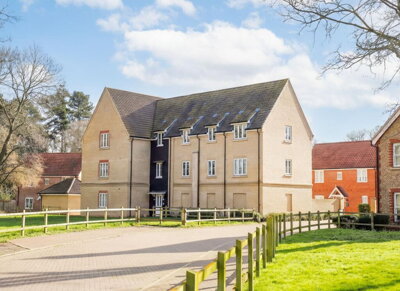
Browse 1 home for sale in Gazeley, West Suffolk from local estate agents.
The 2 bed flat sector typically includes two separate bedrooms, dedicated living areas, and bathroom facilities. Properties in Gazeley span purpose-built blocks, converted period houses, and modern apartment complexes on various floors.
£0k
0
0
0
Source: home.co.uk
Showing 0 results for 2 Bedroom Flats for sale in Gazeley, West Suffolk.
The Worlingham property market offers a diverse range of options for buyers, with property types to suit various budgets and preferences. Detached properties dominate the local market, accounting for approximately 66.65% of the housing stock according to 2011 Census data, with an average price of £364,481 over the past year. Semi-detached homes, which represent around 21.12% of properties, average £251,147, while terraced properties average £232,500. Flats and maisonettes are relatively rare in Worlingham, comprising only 2.11% of the housing stock, which means buyers seeking this property type may find limited options within the village itself and may need to expand their search to nearby Beccles or Lowestoft.
Recent market data shows that house prices in the NR34 7 postcode sector, which covers Worlingham and the surrounding Beccles area, grew by 1.2% nominally over the last twelve months. However, after adjusting for inflation, prices declined by 2.6%, indicating a market that has remained relatively stable in nominal terms while experiencing modest real-term pressure. Rightmove data shows that overall sold prices in Worlingham over the past year were approximately 3% lower than the previous year, suggesting opportunities for buyers negotiating in the current market conditions. With 203 sales recorded in the NR34 7 postcode over the past 24 months, the market demonstrates consistent activity for a village of this size.
For buyers interested in new build properties, Rectory Gardens on Rectory Lane offers contemporary homes with prices starting from £255,000 for a 2-bedroom end-of-terrace property. The development by Badger Building includes 2, 3, and 4-bedroom houses, with 3-bedroom semi-detached homes available from £310,000 and larger 4-bedroom detached properties reaching £540,000. A significant proposed development, the Beccles and Worlingham Garden Neighbourhood, is currently seeking planning permission for approximately 1,250 new homes to the southwest of the village, which could expand housing choice in the area over the coming years if approved. The masterplan includes employment land, a local centre, a primary school, and public open spaces.
The local economy shows a notable concentration in manufacturing, particularly in the chemicals, rubber, and plastics sectors, which provides employment for many residents. The nearby Ellough industrial estate, located just south of the parish boundary, represents a significant economic driver expected to provide additional job opportunities as it expands. Worlingham also has a higher proportion of retired residents compared to regional and national averages, with 21.1% of the population economically inactive due to retirement. This demographic profile contributes to the village's peaceful atmosphere and strong sense of community, while also supporting local services such as shops, pubs, and healthcare facilities in the surrounding area.

Understanding the construction methods and materials used in Worlingham properties helps buyers appreciate the character of local homes and anticipate potential maintenance issues. Traditional buildings in Suffolk, including Worlingham, commonly feature brickwork as their primary external material, which became the second most prevalent traditional building material after timber framing due to the abundance of suitable local clays and a scarcity of local stone except for flint. Common brick types found in the area include soft reds, which are made from sandy iron-rich clay deposits that characterise the local geology, and whites derived from chalky clay. Worlingham Hall itself, the Grade I listed Georgian country house that anchors the village's heritage, is constructed of brick and stucco, exemplifying the quality of traditional Suffolk craftsmanship.
The village has seen successive waves of housing development since the post-war period, creating distinct character areas with different construction approaches. Older developments like Park Drive, Lowestoft Road, Hillside Avenue, and Garden Lane emerged after World War II, with many bungalows added during the 1960s. These mid-century properties typically feature solid wall construction built before the introduction of modern building regulations and may lack contemporary damp-proof courses. More modern estates including Bluebell Way, Cedar Drive, and Werel's Loke represent contemporary construction techniques with improved insulation standards and modern building materials. This mix of construction ages and methods means that buyers should consider the specific characteristics of each property type when assessing maintenance requirements and potential defects.
Worlingham sits on a widespread plateau covered by boulder clay, with London Clay deposits lying beneath this till clay. The London Clay Formation, deposited during the Eocene Period, is known to be highly plastic and particularly susceptible to shrink-swell behaviour, making it a significant geohazard in this area. Climate change projections suggest increased risk of shrink-swell subsidence in susceptible areas like Worlingham, particularly during periods of extreme weather. Properties in areas with shrink-swell clay potential should be carefully assessed, and specialist advice from a structural surveyor or geotechnical engineer is recommended before purchasing, especially for older properties that may have experienced decades of ground movement.
Worlingham offers a distinctive blend of rural Suffolk charm and modern residential convenience, making it an attractive destination for buyers seeking village life with excellent amenities nearby. The village has evolved significantly over the decades, growing from its early origins to encompass a variety of housing estates developed since the post-war period. Areas such as Park Drive, Lowestoft Road, and Hillside Avenue reflect the character of mid-20th century development, while more recent additions like Bluebell Way and Cedar Drive represent the village's continued expansion. The presence of Worlingham Hall, a Grade I listed Georgian country house, and the Church of All Saints, a Grade II* listed building, anchor the village in Suffolk's architectural heritage.
The village's population of 3,621 residents, according to the 2021 Census, creates a close-knit community atmosphere while still offering the benefits of proximity to larger towns. Worlingham experienced significant population growth between 2001 and 2011, and the village continues to attract families and retirees drawn to its peaceful setting and good transport connections. Local facilities include convenience shops, pubs, and community groups, while the nearby market town of Beccles provides additional amenities including supermarkets, restaurants, and leisure facilities. The village's location within the Broads National Park's hinterland means residents have easy access to exceptional natural landscapes and outdoor activities.
For nature lovers, Worlingham Marshes to the north of the village offers stunning natural scenery including fenland, scrubland, and dykes, with the River Waveney flowing along its northern boundary. The marshes form part of the Broads National Park's hinterland, providing excellent walking opportunities and wildlife observation. Suffolk County Council has undertaken flood mitigation projects in the area, including work at Worlingham Primary School, to manage surface water flooding risks. The village's proximity to the market town of Beccles means residents have easy access to weekly markets, independent shops, restaurants, and leisure facilities while enjoying the tranquility of village living.
Education is a key consideration for families moving to Worlingham, and the village provides educational facilities for younger children within its boundaries. Worlingham Primary School serves the local community and has been the focus of flood mitigation works by Suffolk County Council as the Lead Local Flood Authority, demonstrating ongoing investment in the school's infrastructure. For secondary education, students typically travel to nearby Beccles, where several secondary schools serve the wider area including thearea. The proposed Beccles and Worlingham Garden Neighbourhood development includes plans for a new primary school and pre-school facility, which would enhance educational provision in the area if the development receives planning permission.
The wider East Suffolk area offers a range of educational options including grammar schools in selective admission areas, sixth form colleges, and further education institutions. Families moving to Worlingham should research specific school catchments and admission arrangements, as these can significantly impact property values and availability in particular streets or estates. School performance data, including Key Stage 2 and GCSE results, is available through Ofsted's website and can help families make informed decisions about which areas of Worlingham offer the best access to high-performing schools. Popular schools can have competitive catchment areas, so understanding the geographic boundaries is essential before purchasing property.
For buyers considering private education, several independent schools operate in the surrounding area, offering alternative educational pathways for families seeking faith-based or specialist curricula. The coastal location of Suffolk also means that some families choose to combine schooling with the lifestyle benefits of rural living, commuting to schools in towns like Beccles, Lowestoft, or further afield. Property prices can vary significantly within Worlingham depending on proximity to popular schools, so understanding the local education landscape is essential for families prioritising educational access when house hunting. The presence of the University of Suffolk in Ipswich provides higher education opportunities within reasonable driving distance, while East Anglia offers several well-regarded universities in Norwich, Cambridge, and beyond.
Worlingham enjoys good connectivity to the surrounding region despite its village setting, with road transport forming the backbone of local connectivity. The village sits within the NR34 postcode area, with the A146 providing direct access to Beccles to the north and Lowestoft to the east. This main road connects to the broader Suffolk road network, linking Worlingham to Norwich approximately 30 miles to the northwest. For commuters working in larger cities, the A12 provides access to Ipswich and eventually London, though journey times to the capital typically exceed two hours by car. The nearby market town of Beccles offers additional local bus services connecting to surrounding villages and towns, with routes serving the daily needs of residents without cars.
Rail services are accessible from nearby stations in Beccles and Oulton Broad, which provide connections to the wider rail network including services to Norwich. The Bittern Line connects Great Yarmouth to Norwich and the East Anglia rail network, offering options for commuters travelling to regional centres. For those requiring air travel, Norwich International Airport provides domestic and limited European flights, while London Stansted and London Luton offer broader international connections within approximately 90 minutes' driving time. The ferry port at Great Yarmouth provides connections to the Netherlands, offering additional travel options for business and leisure travellers from this part of Suffolk.
Cycling infrastructure in Suffolk has been improving in recent years, with scenic routes available for commuters and recreational cyclists alike. The flat terrain of the Suffolk countryside, including areas around Worlingham, is generally suitable for cycling, though the narrow country lanes common in the area require appropriate caution. Parking provision in Worlingham itself is generally adequate for a village of its size, though visitors to nearby Beccles may find parking more limited during market days or peak periods. For commuters to Norwich or Ipswich, the realistic options include driving to nearby stations, car sharing schemes, or considering the environmental and cost implications of longer regular journeys.
Before beginning your property search in Worlingham, take time to understand the local market conditions and establish a realistic budget. Our data shows average prices of £317,838 in the village, with detached properties averaging £364,481 and semi-detached homes around £251,147. Factor in additional costs including Stamp Duty, solicitor fees, survey costs, and moving expenses. Getting a mortgage agreement in principle before viewing properties can strengthen your position when making an offer in this competitive market.
Browse our comprehensive listings for homes for sale in Worlingham, using filters to narrow down options based on property type, number of bedrooms, and price range. Once you have identified properties of interest, arrange viewings to assess the condition and character of each home. Consider visiting at different times of day to understand traffic, noise levels, and the neighbourhood atmosphere. Take notes and photographs to help compare properties later, and ask the selling agent about the reason for sale and any chain involved.
When you find your ideal home, work with your estate agent to submit a competitive offer. In the current Worlingham market where prices have softened slightly by around 3% year-on-year, there may be room for negotiation on properties that have been on the market for some time. Be prepared to move quickly, as desirable properties in this village setting can still attract multiple interest from buyers seeking the peaceful lifestyle on offer. Your offer should be subject to contract and include any conditions you wish to negotiate, such as included fixtures and fittings or a specific completion date.
Before completing your purchase, we strongly recommend commissioning a RICS Level 2 Survey to assess the property's condition. Given Worlingham's geological setting on shrink-swell clay soils and the age of many properties in the village, a professional survey can identify issues such as subsidence risk, dampness, roof defects, or outdated electrical systems. Survey costs typically range from £400 to £600 depending on property size and type, with listed buildings potentially requiring the more comprehensive Level 3 survey due to their special construction and heritage considerations.
Your solicitor will handle the legal aspects of your purchase, including conducting searches, reviewing contracts, and registering the property with HM Land Registry. Searches will include local authority checks, environmental searches to assess flood risk and ground conditions, and drainage searches. Given Worlingham's proximity to flood-risk areas and the presence of clay soils, these searches are particularly important for identifying any potential issues that could affect your purchase decision. Conveyancing typically costs from £499 for standard transactions but may be higher for properties with complications.
Once all searches are satisfactory and finances are arranged, you will exchange contracts and pay your deposit, typically 10% of the purchase price. Completion usually follows within two to four weeks, after which you will receive the keys to your new Worlingham home. Register your ownership with HM Land Registry and notify relevant parties of your change of address. Congratulations on your new home in this charming East Suffolk village where you can enjoy the peaceful community atmosphere and beautiful surrounding countryside.
Property buyers considering Worlingham should be aware of several location-specific factors that can affect their purchase decision and long-term enjoyment of the home. The village sits on London Clay, a geological formation known for its shrink-swell behaviour that can cause subsidence issues, particularly during periods of drought or heavy rainfall. This risk is heightened by climate change projections suggesting more extreme weather patterns in the coming years. Buyers should look for signs of subsidence such as large cracks in walls, uneven floors, or doors that stick, and should factor the cost of appropriate insurance and potential remediation works into their budget before committing to a purchase.
Flood risk in Worlingham requires careful consideration despite river levels being currently reported as normal by the Environment Agency along the River Waveney. The northern boundary of the parish touches the river, and Worlingham Marshes represent naturally flood-prone areas that form part of the Broads National Park hinterland. Surface water flooding has been documented in the broader area, with reports indicating potential depths of 300-900mm during significant rainfall events that can overwhelm local drainage systems. Suffolk County Council has invested in flood mitigation projects, but buyers should review flood risk assessments for specific properties and ensure adequate insurance is available before committing to a purchase.
The architectural heritage of Worlingham includes several listed buildings, with Worlingham Hall at Grade I, the Church of All Saints at Grade II*, and Worlingham Manor and the Serpentine Wall at Grade II. Properties within or near these heritage designations may be subject to planning restrictions affecting alterations or extensions. If purchasing a listed property, buyers should budget for specialist surveys and potentially higher maintenance costs, as any works affecting the character of the building will require Listed Building Consent. The predominantly brick construction of local properties, using soft reds from sandy iron-rich clay, is characteristic of Suffolk building traditions and adds to the village's visual appeal but may require ongoing maintenance to brickwork and pointing.
The average house price in Worlingham is approximately £317,838 according to recent market data from Zoopla, with Rightmove reporting a similar figure of £315,800 for the last year. Property prices vary significantly by type, with detached properties averaging £364,481, semi-detached homes around £251,147, and terraced properties at approximately £232,500. The market has shown modest stability over the past year, with nominal growth of 1.2% in the NR34 7 postcode sector, though real-term prices have softened by approximately 2.6% after inflation adjustment according to Zoopla data.
Properties in Worlingham fall under East Suffolk Council's jurisdiction for council tax purposes. The specific band depends on the property's assessed value, ranging from Band A for lower-value properties through to Band H for the most expensive homes in the village. You can check the council tax band for any specific property through the Valuation Office Agency website or by contacting East Suffolk Council directly. Council tax funds local services including education, waste collection, road maintenance, and local authority services throughout the Worlingham area.
Worlingham Primary School serves the village's younger children, with several secondary schools available in the nearby town of Beccles including institutions with strong academic reputations. The proposed Beccles and Worlingham Garden Neighbourhood development includes plans for additional educational facilities including a new primary school and pre-school. For specific school performance data, we recommend checking Ofsted's website for current inspection reports and comparing Key Stage 2 and GCSE results for schools serving the Worlingham catchment area.
Worlingham is primarily served by road connections, with the A146 providing access to Beccles and Lowestoft. Local bus services operate between surrounding villages and towns, though frequencies may be limited compared to urban areas. Rail connections are available from nearby stations in Beccles and Oulton Broad on the Bittern Line, offering services to Norwich and connections to the broader rail network including routes to Cambridge and London. For commuting to larger cities, a car is generally necessary given the rural location, though some residents commute by driving to stations further afield.
Worlingham offers several factors that may appeal to property investors, including relatively affordable average prices compared to larger towns in the region and a stable village community with a mix of working families and retirees. The proposed Beccles and Worlingham Garden Neighbourhood development, if approved, could bring new residents to the area and potentially support rental demand for family homes and retirement properties. However, the village's limited public transport and rural character may restrict tenant appeal for some demographics who require urban amenities and services within walking distance.
Stamp Duty Land Tax rates for 2024-25 are 0% on properties up to £250,000, 5% between £250,001 and £925,000, 10% between £925,001 and £1.5 million, and 12% above £1.5 million. First-time buyers benefit from relief on the first £425,000 of a purchase, with 5% applying between £425,001 and £625,000. Given Worlingham's average price of £317,838, many properties fall entirely within the standard 0% band for first-time buyers, though your solicitor will calculate the exact liability based on your circumstances and whether you qualify for relief.
Buyers should be aware that Worlingham sits on shrink-swell clay soils prone to subsidence, particularly during periods of extreme weather that cause ground movement. Flood risk exists from surface water and proximity to the River Waveney along the northern parish boundary, though river levels are currently reported as normal. Properties near trees on clay soils may face heightened subsidence risk from root moisture removal during dry periods. We recommend ordering environmental searches and a RICS Level 2 Survey before completing your purchase to identify any potential issues that could affect the property's value or insurability.
Our inspectors frequently encounter several recurring issues when surveying properties in Worlingham, and understanding these common defects can help buyers prioritising property condition make more informed decisions. Given the village's mix of post-war housing stock and older properties dating back to the Georgian and Victorian periods, dampness represents one of the most prevalent issues encountered during surveys. This can manifest as rising damp where original damp-proof courses have failed, penetrating damp through ageing brickwork or defective render, and condensation damp resulting from inadequate ventilation in properties that have been modernised without proper ventilation provision.
Roof defects are another common finding in Worlingham properties, particularly in homes that have not been recently re-roofed. Issues include slipped or cracked tiles, deteriorating ridge mortar, and failing flashings around chimneys that can lead to water ingress and subsequent timber decay. Flat roofs on extensions and garages are particularly prone to problems in older properties, and our surveyors often identify the need for repairs or replacement in properties approaching twenty years of age since their last roofing work. Buyers should budget for potential roof maintenance when purchasing older properties in the village.
Electrical and plumbing systems in Worlingham's older properties often require updating to meet current safety standards. Many homes built before the 1970s may retain original wiring that does not meet modern requirements, with some properties still featuring lead pipework or outdated consumer units that represent fire and safety risks. A qualified electrician should assess the condition of existing electrical installations before purchase, and buyers should budget for rewiring if the property has not been updated in the past twenty-five to thirty years. Similar considerations apply to plumbing, where older properties may have galvanized steel pipes or lead supply pipes that require replacement.
From 3.84%
Finding the right mortgage is crucial for your Worthingham purchase. Compare rates from leading lenders
From £499
Professional legal services for your property purchase in Worlingham
From £420
Professional property survey to identify defects in Worlingham homes
From £60
Energy performance certificate required for all Worlingham sales
Understanding the full cost of buying a property in Worlingham requires budgeting beyond the purchase price alone. Stamp Duty Land Tax represents one of the largest additional costs, and the rates for 2024-25 are structured as follows: 0% on the first £250,000 of property value, 5% on the portion between £250,001 and £925,000, 10% on amounts between £925,001 and £1.5 million, and 12% on any value exceeding £1.5 million. Given that the average Worlingham property costs approximately £317,838, many buyers purchasing at or near the average price would pay no Stamp Duty at all, though higher-value properties will incur charges accordingly.
First-time buyers in Worlingham benefit from increased Stamp Duty relief compared to previous years. The current thresholds allow first-time buyers to pay 0% on the first £425,000 of a purchase, with 5% applying between £425,001 and £625,000. This means that first-time buyers purchasing a property at Worlingham's average price of £317,838 would pay no Stamp Duty whatsoever, representing significant savings compared to the standard rates. However, first-time buyer relief does not apply to any portion of a property priced above £625,000, so those purchasing premium properties at Rectory Gardens or similar developments should factor in the standard rates on the excess amount.
Beyond Stamp Duty, buyers should budget for solicitor conveyancing costs, which typically start from £499 for standard transactions but can increase depending on complexity. A RICS Level 2 Survey costs between £400 and £600 depending on property size, with larger homes or those of non-standard construction commanding higher fees. An Energy Performance Certificate is legally required and costs approximately £60 to £120. Removal costs vary based on distance and volume of belongings, while buildings insurance must be in place from the point of exchange. Land Registry registration fees and mortgage arrangement fees, if applicable, complete the typical cost structure for purchasing a home in Worlingham.
Properties for Sale In London

Properties for Sale In Plymouth

Properties for Sale In Liverpool

Properties for Sale In Glasgow

Properties for Sale In Sheffield

Properties for Sale In Edinburgh

Properties for Sale In Coventry

Properties for Sale In Bradford

Properties for Sale In Manchester

Properties for Sale In Birmingham

Properties for Sale In Bristol

Properties for Sale In Oxford

Properties for Sale In Leicester

Properties for Sale In Newcastle

Properties for Sale In Leeds

Properties for Sale In Southampton

Properties for Sale In Cardiff

Properties for Sale In Nottingham

Properties for Sale In Norwich

Properties for Sale In Brighton

Properties for Sale In Derby

Properties for Sale In Portsmouth

Properties for Sale In Northampton

Properties for Sale In Milton Keynes

Properties for Sale In Bournemouth

Properties for Sale In Bolton

Properties for Sale In Swansea

Properties for Sale In Swindon

Properties for Sale In Peterborough

Properties for Sale In Wolverhampton

Enter your details to see if this property is within your budget.
Loans, cards, car finance
Estimated property budget
Borrowing + deposit
You could borrow between
Typical borrowing
Monthly repayment
Est. at 4.5%
Loan-to-value
This is an estimate only. Your actual budget may vary depending on interest rates, credit history, and personal circumstances. For an accurate affordability assessment, speak to one of our free mortgage advisors.
This calculator provides estimates for illustrative purposes only and does not constitute financial advice. Your home may be repossessed if you do not keep up repayments on your mortgage. Estimates based on 4.5% interest rate, repayment mortgage. Actual rates depend on your circumstances.
Homemove is a trading name of HM Haus Group Ltd (Company No. 13873779, registered in England & Wales). Homemove Mortgages Ltd (Company No. 15947693) is an Appointed Representative of TMG Direct Limited, trading as TMG Mortgage Network, which is authorised and regulated by the Financial Conduct Authority (FRN 786245). Homemove Mortgages Ltd is entered on the FCA Register as an Appointed Representative (FRN 1022429). You can check registrations at NewRegister or by calling 0800 111 6768.

We use cookies to show you personalised content and improve your experience of our website. Find out more in our Privacy policy and Cookie policy.